• Home
  • About Us
  • Toolkit
  • Getting Finances Done
    • Hiring Advisors
    • Debt Management
    • Spending Plan
  • Insurance
    • Life Insurance
    • Health Insurance
    • Disability Insurance
    • Homeowners/Renters Insurance
  • Contact Us
  • Privacy Policy
  • Risk Tolerance Quiz

The Free Financial Advisor

You are here: Home / Archives for eligibility checks

Why Some SSI Payments Trigger a Manual Review

May 4, 2026 by Brandon Marcus Leave a Comment

Why Some SSI Payments Trigger a Manual Review

Image Source: Shutterstock.com

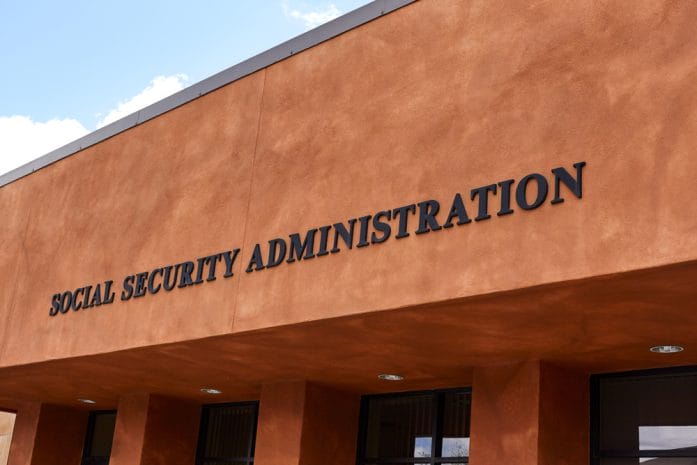
Money meant to arrive like clockwork can suddenly stall, and nothing rattles nerves faster than a delayed SSI payment. These interruptions don’t happen randomly, even though they may feel that way in the moment. The Social Security Administration runs a tight system, and when something looks even slightly off, it flags the account for closer inspection.

That closer inspection often means a manual review, which takes longer than automated processing. Knowing what sets off those reviews puts the power back where it belongs—with the person depending on that income.

Changes in Income Can Raise Immediate Red Flags

Income changes sit at the top of the trigger list, and the system reacts quickly when numbers shift unexpectedly. Even a small bump in earnings, a side gig, or irregular freelance work can cause the system to pause payments for verification. SSI relies heavily on strict income limits, so even minor discrepancies prompt a deeper look. The system cross-checks reported income with data from employers, tax filings, and other agencies. When those numbers don’t line up perfectly, a manual review steps in to sort things out.

That review doesn’t automatically mean trouble, but it does slow things down while staff verify every detail. For example, someone picking up temporary holiday work might forget to report it right away, which creates a mismatch in records. The system flags that gap and pulls the payment for review until everything matches. Staying proactive with reporting helps avoid these hiccups before they start. Keeping records organized and updating income promptly keeps payments flowing smoothly.

Living Arrangement Updates Often Trigger Reviews

Where someone lives plays a surprisingly big role in SSI eligibility, and even small changes can prompt a manual check. Moving in with family, changing roommates, or adjusting rent contributions can all affect benefit amounts. The SSA calculates payments partly based on living expenses, so any shift in housing arrangements gets close attention. When updates come in, the system often pauses payments until a human reviewer confirms the new details. That step ensures accuracy but adds time to the process.

Consider a situation where someone moves in with a relative who provides partial financial support. That support may count as in-kind income, which affects SSI calculations. If the system detects a possible change but lacks full details, it flags the account. A manual reviewer then verifies the situation through documentation or direct contact. Clear communication and quick responses to SSA requests can speed things up. Keeping documentation ready helps reduce stress during these reviews.

Bank Account Activity Can Prompt Extra Scrutiny

SSI comes with strict resource limits, and bank accounts sit right under the microscope. Deposits that push balances close to or over the allowed threshold can trigger a manual review. Large or unusual transactions raise questions, especially when they don’t match typical patterns. The system flags these movements automatically, and a reviewer steps in to investigate further. That process ensures compliance but temporarily delays payments.

For example, a one-time gift from a family member or a tax refund can change account balances significantly. Even though those funds may fall within allowable limits, the system still requires verification. Reviewers check whether the money counts as a resource or an excluded asset. During that time, payments may pause until everything gets clarified. Monitoring account balances and understanding resource limits helps prevent unexpected delays. Strategic timing of deposits can also make a difference.

Missed Paperwork or Delayed Responses Cause Holds

Paperwork may not feel urgent until a payment suddenly stops, but missing documents often sit behind manual reviews. The SSA regularly requests updates, whether for eligibility confirmation or routine audits. Ignoring those requests or responding late can trigger a hold on benefits. The system flags incomplete files and sends them to a human reviewer for follow-up. That extra step slows down the payment process considerably.

Imagine receiving a notice asking for updated medical or financial information and setting it aside for later. That delay creates a gap in the file, which prompts a review. Once flagged, the account stays under review until all required documents arrive and get verified. Acting quickly on SSA requests keeps everything moving without interruption. Setting reminders or organizing paperwork in advance can prevent these situations. Staying ahead of deadlines keeps payments consistent and stress levels lower.

Why Some SSI Payments Trigger a Manual Review

Image Source: Shutterstock.com

Periodic Eligibility Reviews Can Lead to Manual Checks

SSI recipients go through scheduled reviews to confirm continued eligibility, and these reviews sometimes trigger manual processing. The SSA conducts these checks at regular intervals, often every one to six years depending on the case. During these reviews, the agency examines income, resources, and living situations in detail. If anything appears unclear or inconsistent, the system shifts the case to manual review. That extra scrutiny ensures accuracy but can delay payments temporarily.

These reviews don’t signal wrongdoing—they simply keep the system fair and up to date. However, incomplete information or outdated records can complicate the process. A reviewer may request additional proof or clarification, which extends the timeline. Responding promptly and thoroughly helps move things along faster. Treating these reviews as routine check-ins rather than emergencies makes them easier to handle.

What This Means for Your Next Payment

Manual reviews feel frustrating, but they serve a clear purpose: keeping SSI payments accurate and compliant. Most triggers come down to changes—income, living situations, finances, or missing information—and each one has a straightforward fix. Staying organized, reporting updates quickly, and responding to requests without delay reduces the chances of a payment hold. Small habits, like tracking income and monitoring bank balances, make a big difference over time. A little preparation today can prevent a stressful delay tomorrow.

Delays don’t last forever, but they can disrupt routines and budgets in the short term. Knowing what causes these reviews helps avoid surprises and keeps finances steady. Treating SSI like an active system rather than a passive deposit creates better outcomes. Staying engaged with the process keeps everything running smoothly. And when something does trigger a review, quick action often speeds up the resolution.

What steps feel most helpful for staying on top of SSI requirements and avoiding payment delays?

You May Also Like…

The Jaw-Dropping Hospital Shock: Why Part A Bills Are Higher for May Admissions

Why Social Security Is Updating Payment Information for Older Beneficiaries This Year

The 4 Social Security Rules Experts Say Everyone Should Know Before Age 62

Some Tax Software Submissions Trigger Extra IRS Identity Verification

New Retirees Are Waiting Weeks for Their First Social Security Check—Here’s Why

Brandon Marcus
Brandon Marcus

Brandon Marcus is a writer who has been sharing the written word since a very young age. His interests include sports, history, pop culture, and so much more. When he isn’t writing, he spends his time jogging, drinking coffee, or attempting to read a long book he may never complete.
Filed Under: Lifestyle Tagged With: Budgeting Tips, disability benefits, eligibility checks, government benefits, income verification, manual review, payment delays, Planning, public assistance, Social Security Income, SSA rules, SSI payments

States Are Rechecking SNAP Files After An Error Rate Increase

May 4, 2026 by Brandon Marcus Leave a Comment

States Are Rechecking SNAP Files After An Error Rate Increase

Image Source: Shutterstock.com

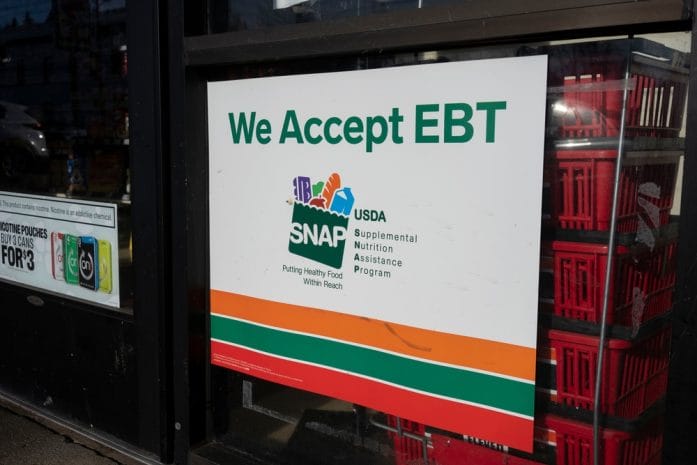
SNAP benefits are suddenly under a sharper microscope as states move fast to recheck files after an uptick in error rates. That shift signals a major tightening in how agencies handle one of the most important food assistance programs in the country. Millions of households rely on these benefits each month, so even small data issues trigger big administrative responses. Now state officials are combing through eligibility records, payment histories, and reporting systems to spot inconsistencies. The goal centers on protecting program integrity while making sure households receive accurate support without delays or disruptions.

This wave of reviews doesn’t just sit inside government offices—it connects directly to grocery carts, monthly budgets, and family meal planning across the country. When error rates climb, agencies don’t wait around; they launch audits, revalidations, and cross-checks to tighten accuracy. The process aims to correct overpayments, prevent underpayments, and reduce administrative mistakes that strain budgets.

Why States Are Rechecking SNAP Files Right Now

States are responding quickly to rising SNAP error rates because federal oversight rules require accuracy in eligibility and payment distribution. Even small percentage shifts can trigger compliance concerns that push agencies into review mode. Officials now focus on identifying where data mismatches, reporting delays, or income miscalculations slipped through. This process protects funding streams and helps states avoid penalties tied to federal benchmarks. Agencies also want to preserve public trust in a program that serves millions of households every month.

State departments of human services now run targeted audits across different case categories to locate patterns in mistakes. They compare income data, household size updates, and employment records against eligibility decisions. These reviews help pinpoint whether system gaps or reporting errors caused the increase. Administrators also examine staffing workloads and system upgrades that may have contributed to processing delays. Each finding helps shape faster corrections and more accurate benefit distribution moving forward.

How Error Rates Climbed and What Sparked the Review

Error rates in SNAP programs often climb when reporting systems lag behind real-life changes in household circumstances. People may change jobs, move homes, or adjust income levels faster than agencies can process updates. That mismatch creates gaps that show up during federal reviews as overpayments or underpayments. States now work harder to close that timing gap through faster verification tools and updated reporting systems. Officials treat even small increases seriously because they signal larger structural inefficiencies.

Federal monitoring also plays a major role in triggering statewide reviews when thresholds shift upward. Once error percentages pass acceptable limits, agencies face pressure to identify root causes quickly. Some states discover outdated software systems, while others find inconsistent caseworker documentation practices. These findings push departments to standardize procedures and improve training across offices. The review process then becomes both corrective and preventive, aimed at stabilizing future reporting accuracy.

States Are Rechecking SNAP Files After An Error Rate Increase

Image Source: Unsplash.com

What SNAP Recipients Can Expect During the Review Process

Households receiving SNAP benefits may notice additional requests for documentation as states verify eligibility details. Agencies often ask for updated income statements, proof of residency, or household composition changes. These requests help confirm that benefit levels match current circumstances rather than outdated information. Most recipients experience only minor administrative updates, though some cases may require temporary follow-ups. States aim to keep disruptions minimal while still improving data accuracy.

Communication plays a big role during these review cycles, and agencies increasingly rely on online portals, text alerts, and mailed notices. Recipients should expect clearer instructions and faster response timelines as systems modernize. In some cases, benefits may adjust slightly if income or household changes affect eligibility levels. States also prioritize quick resolution for flagged cases to avoid unnecessary delays in food access. The overall goal centers on maintaining continuity while improving precision.

How States Strengthen Verification Systems After Errors Rise

States now invest heavily in upgraded data-matching systems that connect SNAP records with employment and tax databases. These tools help agencies detect inconsistencies faster and reduce manual errors. Many departments also train staff to spot red flags earlier in the application and renewal process. That combination of technology and training helps lower future error rates while improving program efficiency. Agencies view these upgrades as long-term solutions rather than short-term fixes.

Policy teams also refine internal review guidelines to ensure consistent decision-making across offices. Standardized procedures help reduce confusion among caseworkers and improve fairness for applicants. Some states introduce automated alerts that flag potential discrepancies before benefits get issued. Others improve coordination between local and state offices to reduce processing delays. Together, these efforts aim to build a more reliable and transparent benefits system.

What This SNAP Review Wave Means for Households and Agencies

This nationwide push to recheck SNAP files highlights a growing focus on accuracy, accountability, and system modernization. States want to reduce costly errors while maintaining consistent support for families who rely on food assistance. Agencies now balance tighter oversight with efforts to avoid unnecessary disruptions in benefit delivery. That balance requires both improved technology and clearer communication with recipients. The outcome will likely shape how SNAP operates for years to come as states refine their systems.

What do you think about states tightening SNAP reviews? Does this improve fairness or create unnecessary stress for households? Give us your opinions below.

You May Also Like…

Illinois’ 1-in-6 SNAP Denial Rate: Why More Cases Are Failing the Income Check

The 72-Hour SNAP Hold: Why Millions Of Applications Are Stuck in “Pending Review”

The Rent Cap Shift: Why Oregon and California Landlords Are Issuing New Notices

Hidden SNAP Rule Hitting Millions Of Adults — And Why States Are Sending New Work Notice

What are ETFs and How do They Benefit the Average Investor?

Brandon Marcus
Brandon Marcus

Brandon Marcus is a writer who has been sharing the written word since a very young age. His interests include sports, history, pop culture, and so much more. When he isn’t writing, he spends his time jogging, drinking coffee, or attempting to read a long book he may never complete.

Filed Under: Lifestyle Tagged With: EBT, eligibility checks, error rates, food assistance, government audits, household budgets, policy changes, public aid programs, SNAP benefits, state agencies, welfare updates

FOLLOW US

Search this site:

Recent Posts

  • Can My Savings Account Affect My Financial Aid? by Tamila McDonald
  • 12 Ways Gen X’s Views Clash with Millennials… by Tamila McDonald
  • What Advantages and Disadvantages Are There To… by Jacob Sensiba
  • 10 Tactics for Building an Emergency Fund from Scratch by Vanessa Bermudez
  • Call 911: Go To the Emergency Room Immediately If… by Stephen Kanaval
  • 7 Weird Things You Can Sell Online by Tamila McDonald
  • 10 Scary Facts About DriveTime by Tamila McDonald

Copyright © 2026 · News Pro Theme on Genesis Framework