• Home
  • About Us
  • Toolkit
  • Getting Finances Done
    • Hiring Advisors
    • Debt Management
    • Spending Plan
  • Insurance
    • Life Insurance
    • Health Insurance
    • Disability Insurance
    • Homeowners/Renters Insurance
  • Contact Us
  • Risk Tolerance Quiz
  • Our Editorial Commitment

The Free Financial Advisor

You are here: Home / Archives for animals

The 10 Best Animals for Apartment and Tiny House Living

September 24, 2025 by Tamila McDonald Leave a Comment

apartment pets
Image Source: 123rf.com

In the era of urbanization and compact living, finding the best apartment pets is essential. Here’s a curated list of the top 10 pets that are ideal for limited living spaces, focusing on their adaptability, size, and the unique companionship they offer. These pets are selected for their suitability in confined environments, ensuring they remain happy and healthy while providing joy and companionship to their owners.

1. Cats: Independent and Adaptable Companions

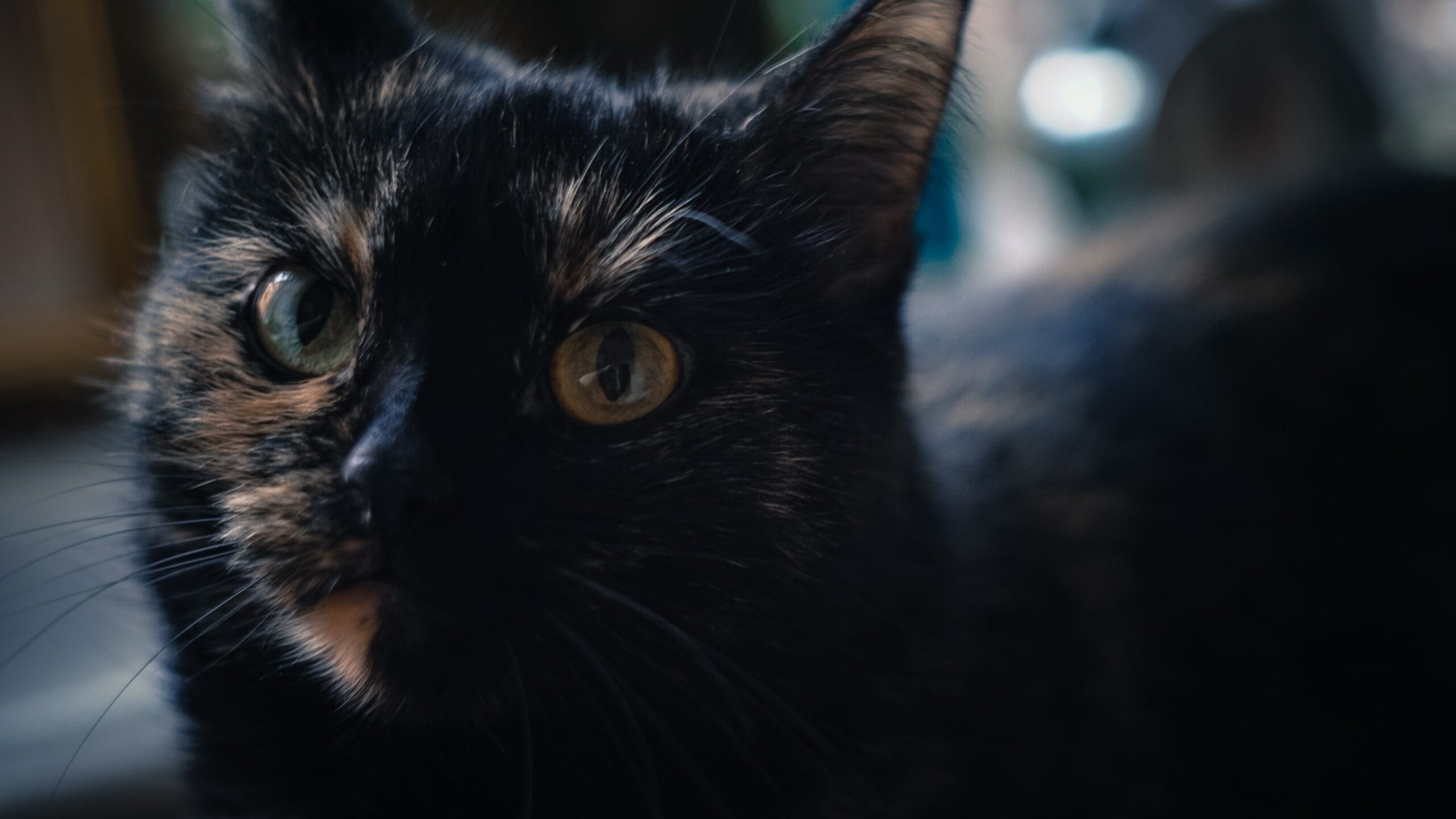
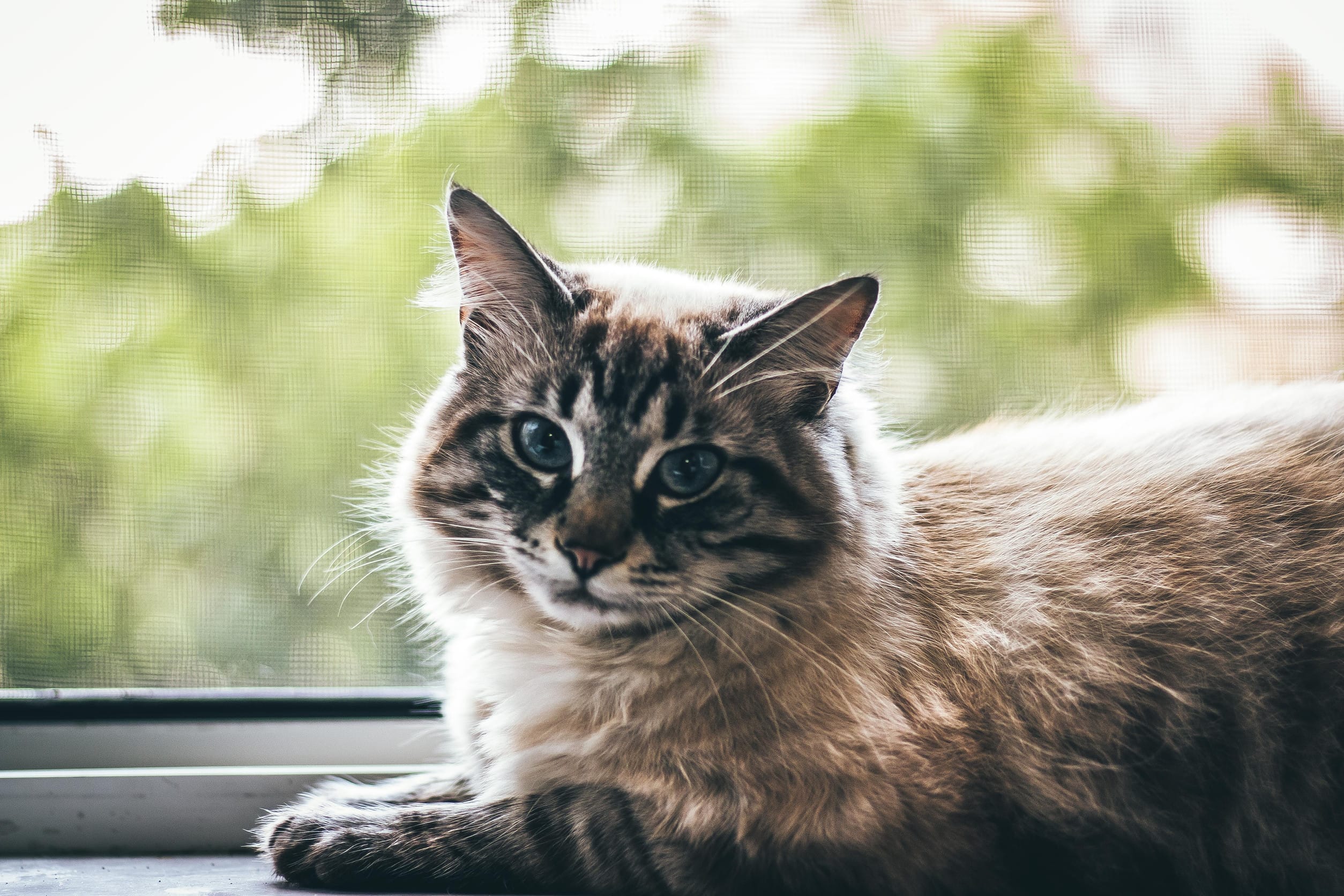
When it comes to apartment pets, you really can’t go wrong with a cat. Felines are a top choice for apartment dwellers due to their self-sufficient nature and comfort in indoor environments. They require minimal space and are content with a cozy corner to sleep and a window to look out of. Regular playtime and a clean litter box are all they need, making them perfect for individuals with busy lifestyles or limited mobility.

2. Small Dog Breeds: Loyal and Loving

Small dog breeds, such as Shih Tzus, Boston Terriers, and Dachshunds, are well-suited for apartment living. These breeds generally require less space and exercise compared to their larger counterparts. They are known for their affectionate nature and ability to form strong bonds with their owners, making them excellent companions.

3. Rabbits: Gentle and Quiet Pets

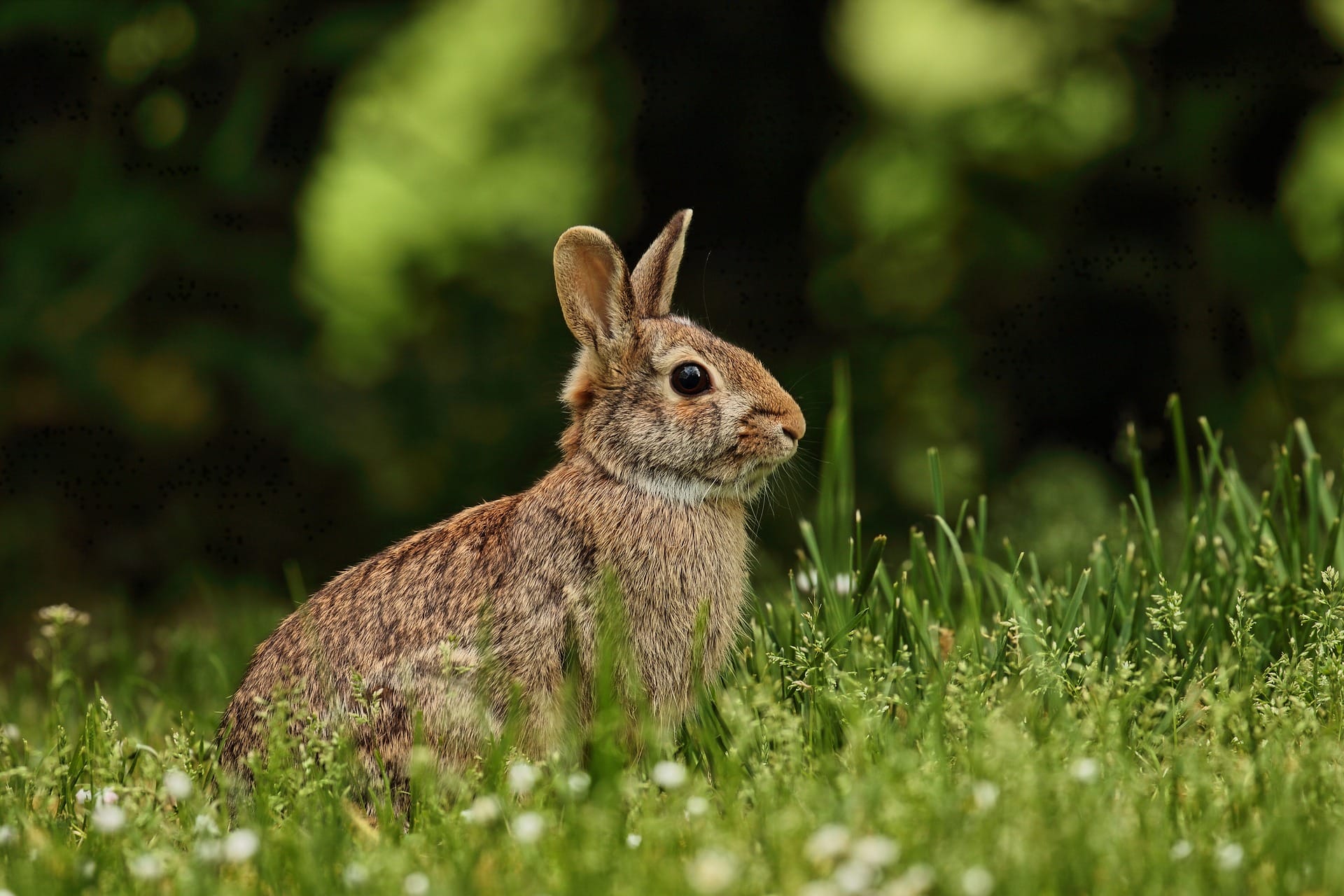
Rabbits are an excellent choice for small living spaces. They are quiet, can be litter-trained, and don’t require outdoor space. Providing them with a cage and some time to hop around the apartment daily will keep them happy. Rabbits also have a gentle nature, making them suitable for a peaceful home environment.

4. Hamsters and Gerbils: Perfect Pocket Pets

These small rodents are ideal for people living in tiny houses or apartments. They are housed in cages that can fit in small spaces and are relatively low maintenance. Watching them play and scurry around can be delightful, and their nocturnal nature makes them active during evenings, aligning well with most people’s home schedules.

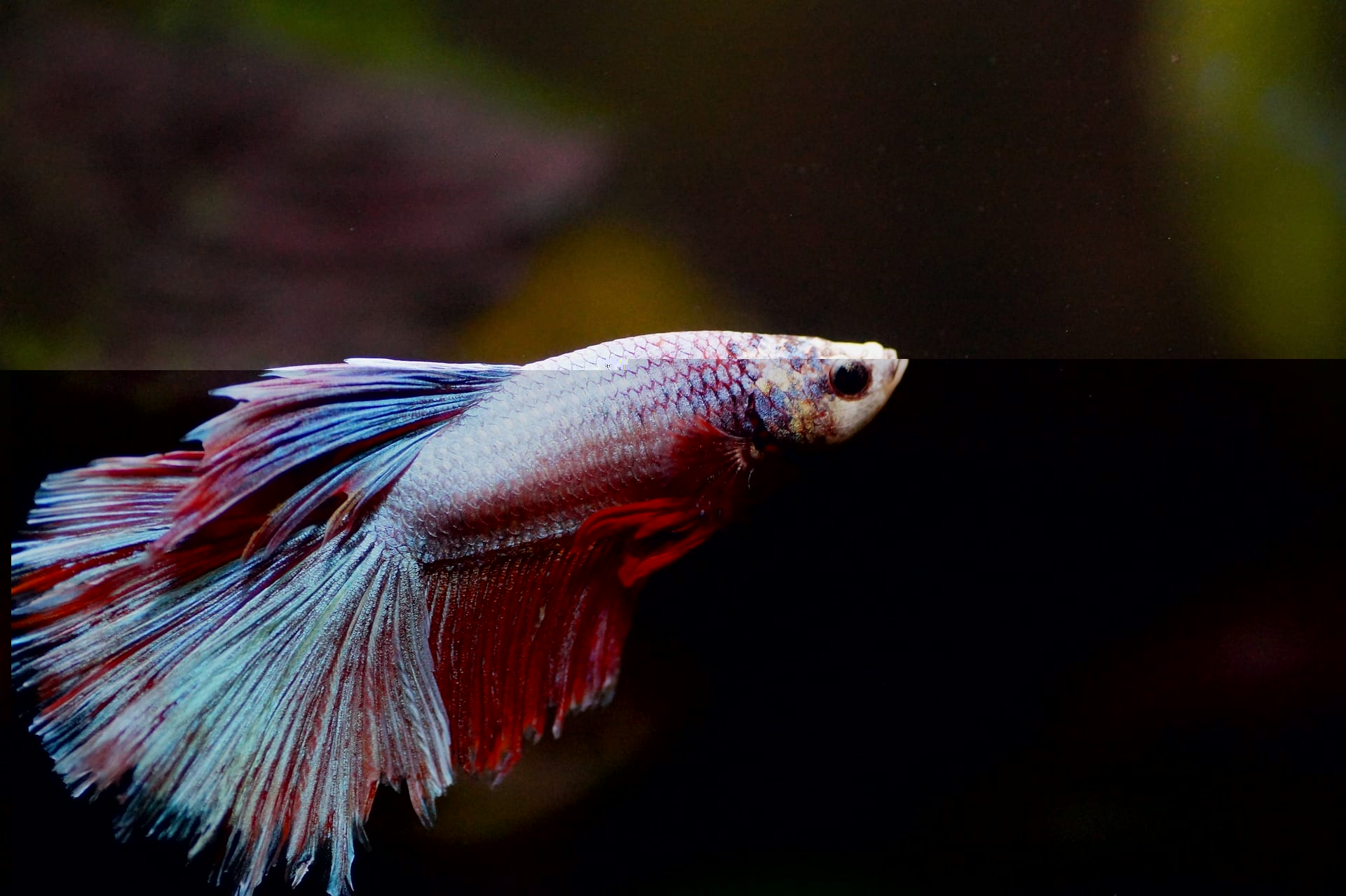
5. Fish: Aquatic Elegance (Betta) Fish

Fish are excellent apartment pets. An aquarium not only houses these quiet creatures but also adds a decorative element to your living space. Species like tetras, guppies, and bettas are particularly well-suited for smaller tanks and are relatively easy to care for, making them perfect for beginners.

6. Budgies: Sociable and Entertaining Birds

Budgies are small, colorful birds that thrive in apartment settings. They are social creatures that enjoy interaction and can even learn to mimic speech and sounds. Providing them with a reasonably sized cage and regular engagement will keep them happy and chirpy, adding vibrancy to any small living space.

7. Crested Gecko: Petite and Low-Maintenance

Crested geckos, scientifically known as Correlophus ciliatus, are captivating creatures that make fantastic companions for apartment dwellers seeking a unique and manageable pet. These petite reptiles, originating from New Caledonia, boast vibrant colors and distinctive crests above their eyes, adding an exotic charm to any living space. Their small size, typically ranging from 6 to 10 inches in length, makes them perfectly suited for apartment living, as they require minimal space and can thrive in appropriately sized terrariums.

8. Ferrets: Energetic and Playful Companions

Ferrets are lively and curious pets that can adapt well to apartment living with proper care and space management. While they are active and require regular playtime and mental stimulation, they can thrive in smaller living environments with adequate space for exploration and enrichment. Ferrets are known for their playful antics and can form strong bonds with their owners, providing endless entertainment and companionship.

9. Marmosets: Intelligent and Social Primates

Marmosets are fascinating primates that can be suitable for apartment living under the right circumstances. These small monkeys are highly intelligent and social animals, requiring plenty of mental stimulation and interaction with their human caregivers. While they may need more space and specialized care compared to some other pets on this list, dedicated owners can provide enriching environments for marmosets in smaller living spaces, fostering a unique bond and companionship experience.

10. Hermit Crabs: Intriguing and Low-Maintenance

Hermit crabs are interesting and easy-to-care-for pets, ideal for small living areas. They require a small tank with a proper habitat setup and are fascinating creatures to observe. Hermit crabs can be a great choice for those seeking a pet with minimal space and care needs, offering a unique pet-keeping experience.

Companionship In Small Spaces

Living in a smaller space doesn’t mean missing out on the joys of pet ownership. These 10 pets are the best animals for apartments and tiny houses, offering companionship and joy without needing ample space. When choosing a pet, it’s crucial to consider your lifestyle and the pet’s specific needs to ensure a harmonious living environment for both of you.

What to Read Next

  • Pets Over People: 6 Financial Reasons People Are Choosing Dogs Over Children
  • 9 Costs That Quietly Add Up When You Own Multiple Pets
  • The Psychology Behind Spending More on Pets Than Children
  • 5 Overlooked Costs of Caring for Aging Pets
  • 5 Reasons People Are Starting Trust Funds for Their Pets
Tamila McDonald
Tamila McDonald

Tamila McDonald is a U.S. Army veteran with 20 years of service, including five years as a military financial advisor. After retiring from the Army, she spent eight years as an AFCPE-certified personal financial advisor for wounded warriors and their families. Now she writes about personal finance and benefits programs for numerous financial websites.

Filed Under: animals Tagged With: Betta Fish, cats, dogs, ferrets, hermit crabs, marmosets

These 5 Dog Breeds Have Been Linked to the Most Unprovoked Bites

June 1, 2025 by Travis Campbell Leave a Comment

dog breed
Image Source: pexels.com

Dog ownership brings millions of families joy, companionship, and a sense of security. But even the most loving pet can sometimes act unpredictably, and unprovoked dog bites are a real concern for both owners and the general public. Whether you’re a dog lover, a parent, or just someone who enjoys a stroll in the park, understanding which breeds are most often linked to unprovoked dog bites can help you make safer choices. This isn’t about blaming the dogs but being informed, responsible, and proactive. With the right knowledge, you can protect yourself, your loved ones, and your furry friends from unnecessary risks. Let’s take a closer look at the five dog breeds most frequently associated with unprovoked dog bites, and what you can do to stay safe.

1. Pit Bull Terrier

Pit Bull Terriers often top the list when it comes to unprovoked dog bites. These dogs are strong, energetic, and fiercely loyal, but their powerful jaws and muscular build can make their bites especially dangerous. While many Pit Bulls are gentle and loving, statistics show they are involved in a significant number of bite incidents, especially those that seem to come out of nowhere. The reasons are complex—sometimes it’s a lack of socialization, sometimes it’s poor training, and sometimes it’s simply a reaction to stress or fear. If you own a Pit Bull or interact with one, it’s crucial to provide consistent training, early socialization, and plenty of exercise. Always supervise interactions with children and strangers, and never assume that a dog’s friendly nature means it won’t bite if startled or threatened.
2. German Shepherd

German Shepherds are known for their intelligence, loyalty, and versatility—they’re often used as police, military, and service dogs. However, their protective instincts can sometimes lead to unprovoked dog bites, especially if they perceive a threat to their family or territory. German Shepherds are large, powerful dogs whose bites can cause serious injury. Owners should focus on early obedience training and regular socialization to help these dogs distinguish between real threats and everyday situations. If you’re considering a German Shepherd, be prepared to invest time in training and mental stimulation. Remember, a bored or anxious German Shepherd is more likely to act out, sometimes with a bite that seems to come out of the blue.

3. Chihuahua

It might surprise you, but Chihuahuas are frequently linked to unprovoked dog bites. Their small size often leads people to underestimate their potential for aggression. Chihuahuas can be territorial, possessive, and quick to snap if they feel threatened or ignored. Because their bites are less likely to cause severe injury, many incidents go unreported, but that doesn’t mean they aren’t happening. Owners should treat Chihuahuas with the same respect and caution as larger breeds, ensuring they are well-socialized and not put in situations where they feel cornered or anxious. Teaching children to respect a Chihuahua’s space is especially important, as these little dogs can be surprisingly quick to bite.

4. Rottweiler

Rottweilers are another breed often associated with unprovoked dog bites. These dogs are confident, strong, and naturally protective, which can be a great asset in the right hands. However, without proper training and socialization, Rottweilers may misinterpret normal situations as threats, leading to sudden aggression. Their size and strength mean that even a single bite can have serious consequences. Responsible ownership is key—Rottweilers need clear boundaries, consistent discipline, and plenty of positive reinforcement. If you’re around a Rottweiler you don’t know, always ask the owner before approaching and avoid sudden movements that could be misinterpreted.
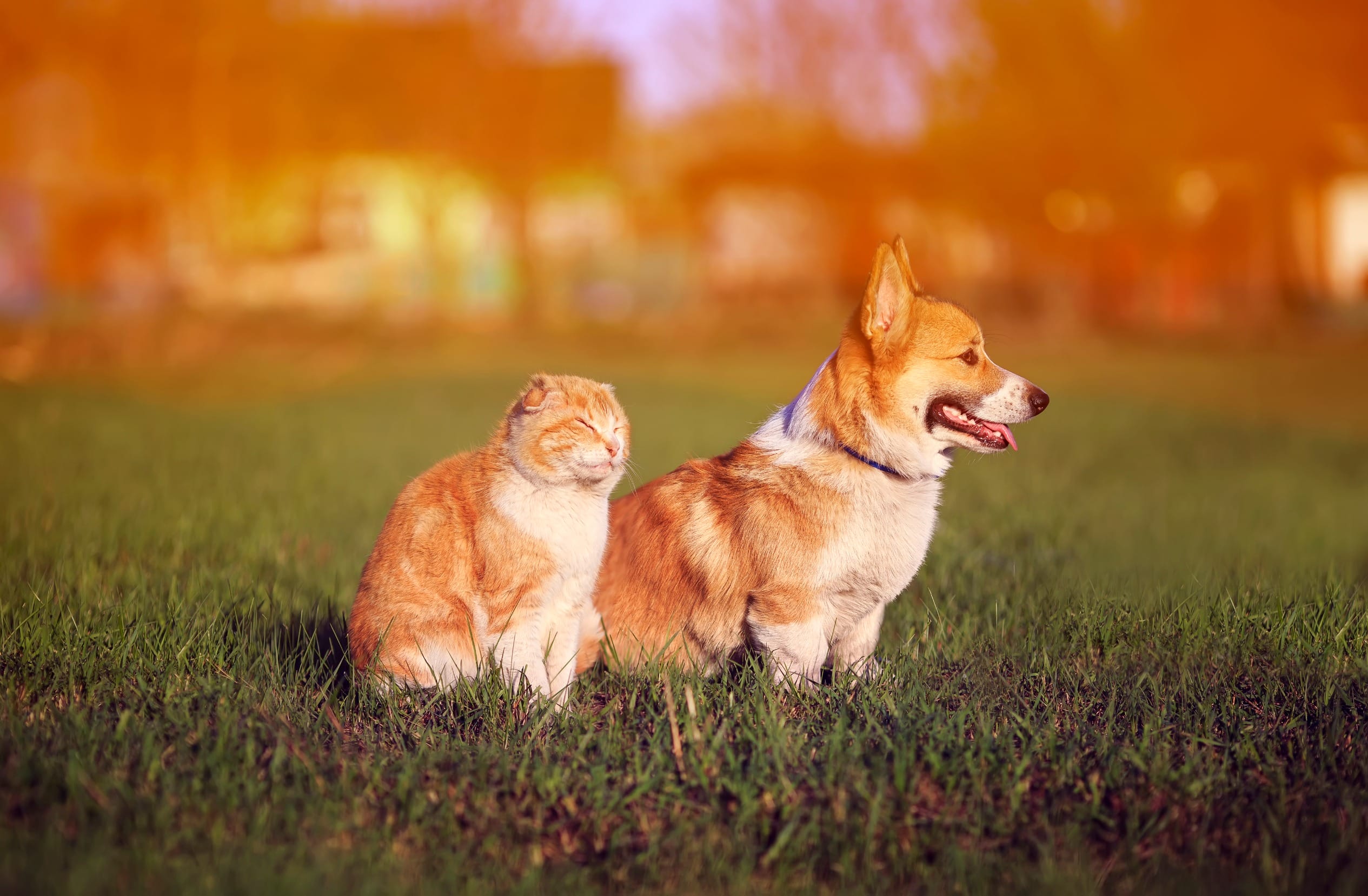

5. Jack Russell Terrier

Jack Russell Terriers are small but mighty, with a reputation for being energetic, intelligent, and sometimes stubborn. Their high energy levels and strong prey drive can make them prone to unprovoked dog bites, especially if they feel overstimulated or threatened. Jack Russells need lots of exercise, mental stimulation, and clear rules to thrive. Without these, they can become anxious or aggressive, sometimes lashing out unexpectedly. Owners should focus on positive training methods and ensure their Jack Russell has plenty of outlets for their energy. If you’re visiting a home with a Jack Russell, give the dog time to get used to you and avoid rough play.

Staying Safe: What Every Dog Owner and Visitor Should Know

The first step is to understand which breeds are most often linked to unprovoked dog bites. The real key is prevention. No matter the breed, all dogs need proper training, socialization, and supervision. Teach children how to approach dogs safely, never leave young kids alone with any dog, and always respect a dog’s boundaries. If you’re a dog owner, invest in training and be honest about your pet’s temperament. If you’re visiting someone with a dog, ask before petting and watch for signs of stress or discomfort. By staying informed and proactive, you can help reduce the risk of unprovoked dog bites and create a safer environment for everyone.

Have you ever experienced or witnessed an unprovoked dog bite? Share your story or tips in the comments below!

Read More

10 Pets That You’ll Learn Are Exceptionally Loyal

12 Everyday Foods You Should Never Share With Your Dog

Travis Campbell
Travis Campbell

Travis Campbell is a digital marketer/developer with over 10 years of experience and a writer for over 6 years. He holds a degree in E-commerce and likes to share life advice he’s learned over the years. Travis loves spending time on the golf course or at the gym when he’s not working.

Filed Under: animals Tagged With: dog behavior, dog bites, dog breeds, family safety, pet safety, responsible pet ownership, unprovoked bites

12 Everyday Foods You Should Never Share with Your Dog

April 2, 2025 by Latrice Perez Leave a Comment

A group of dogs in a pool of water. Generative AI.
Image Source: 123rf.com

Our dogs are family, and it’s tempting to share our meals with them as a sign of love. However, many everyday foods that are harmless or even healthy for humans can be dangerous—even deadly—for dogs. Knowing what to keep out of your pup’s reach is essential for their health and safety. Here are 12 common foods you should never share with your furry friend.

1. Chocolate

A classic no-no, chocolate contains theobromine and caffeine, both of which are toxic to dogs. Dark chocolate and baking chocolate are particularly dangerous due to their high concentration of theobromine. Even small amounts can cause vomiting, diarrhea, rapid heart rate, and in severe cases, seizures or death.

2. Grapes and Raisins

While a handful of grapes or raisins might seem harmless, these fruits can cause acute kidney failure in dogs. The exact compound responsible is unknown, but even small amounts can lead to vomiting, lethargy, and loss of appetite. It’s best to keep them entirely off your dog’s menu.

3. Onions and Garlic

Both onions and garlic, whether raw, cooked, or powdered, are toxic to dogs. They contain compounds that can damage red blood cells, leading to anemia. Symptoms include weakness, pale gums, and reduced activity. Even small amounts can pose a risk over time, so it’s better to avoid them completely.

4. Avocados

making sandwiches with avocado healthy organic food.
Image Source: 123rf.com

While avocados are a superfood for humans, they’re not safe for dogs. The fruit, pit, and leaves contain persin, a toxin that can cause vomiting, diarrhea, and gastrointestinal distress in dogs. The large pit also poses a choking hazard if swallowed.

5. Xylitol (Artificial Sweetener)

Xylitol is a sugar substitute found in gum, candy, baked goods, and even some peanut butter brands. For dogs, even tiny amounts can cause a dangerous drop in blood sugar levels, leading to seizures, liver failure, or even death. Always check labels before offering treats.

6. Alcohol

Alcohol is highly toxic to dogs and should never be given, even in small amounts. It can cause vomiting, diarrhea, difficulty breathing, and damage to the central nervous system. In severe cases, alcohol consumption can lead to coma or death.

7. Caffeine

The barista pours coffee from the coffee maker into a coffee cup. A hand holding a classic coffee pot pours coffee
Image Source: 123rf.com

Caffeinated drinks like coffee, tea, energy drinks, and soda can cause rapid heart rate, restlessness, and tremors in dogs. Caffeine toxicity can escalate quickly, so keep beverages and caffeinated snacks out of reach.

8. Macadamia Nuts

Macadamia nuts are highly toxic to dogs, though the exact reason isn’t well understood. Ingesting even a few nuts can cause weakness, vomiting, tremors, and an elevated body temperature. Be cautious with baked goods containing these nuts.

9. Fat Trimmings and Bones

While it’s tempting to toss your dog leftover fat or bones, these can lead to health issues. Fat trimmings can cause pancreatitis, a painful and potentially life-threatening condition. Cooked bones may splinter and cause choking or internal injuries.

10. Dairy Products

Many dogs are lactose intolerant, meaning their digestive systems struggle to break down dairy. Milk, cheese, and ice cream can cause bloating, diarrhea, and upset stomachs. If you must give dairy, limit it to lactose-free options in small quantities.

11. Raw Dough with Yeast

Raw bread dough that contains yeast can expand in a dog’s stomach, causing bloating and discomfort. Yeast fermentation also produces alcohol, which can lead to alcohol poisoning. Keep uncooked dough far away from curious pups.

12. Salty Snacks

Salty Snacks
Image Source: 123rf.com

Foods like chips, pretzels, or popcorn seasoned with salt can cause excessive thirst, urination, and even sodium ion poisoning in dogs. Symptoms include vomiting, diarrhea, tremors, and in severe cases, seizures. Opt for dog-safe, low-sodium treats instead.

Protecting Your Pup’s Plate

Sharing food with your dog might feel like an act of love, but it’s important to prioritize their health by avoiding these everyday foods. When in doubt, stick to treats specifically designed for dogs, and always consult your veterinarian if you’re unsure about certain foods. Your furry friend’s well-being depends on it!

Have you ever accidentally fed your dog something on this list? What are your go-to dog-friendly treats? Share your stories and tips in the comments below.

Read More:

7 Dog Breeds That Cost Over $1k

The 5 Most Expensive Pets to Own (And Why They Cause Instant Regret)

Latrice Perez

Latrice is a dedicated professional with a rich background in social work, complemented by an Associate Degree in the field. Her journey has been uniquely shaped by the rewarding experience of being a stay-at-home mom to her two children, aged 13 and 5. This role has not only been a testament to her commitment to family but has also provided her with invaluable life lessons and insights.

As a mother, Latrice has embraced the opportunity to educate her children on essential life skills, with a special focus on financial literacy, the nuances of life, and the importance of inner peace.

Filed Under: animals Tagged With: dog nutrition advice, dog safety tips, dog-friendly diet, harmful foods for dogs, Pet Care, pet health, toxic foods for dogs

No Backyard? No Problem! 10 Ideal Pets for Tiny Homes and Apartments

February 19, 2025 by Latrice Perez Leave a Comment

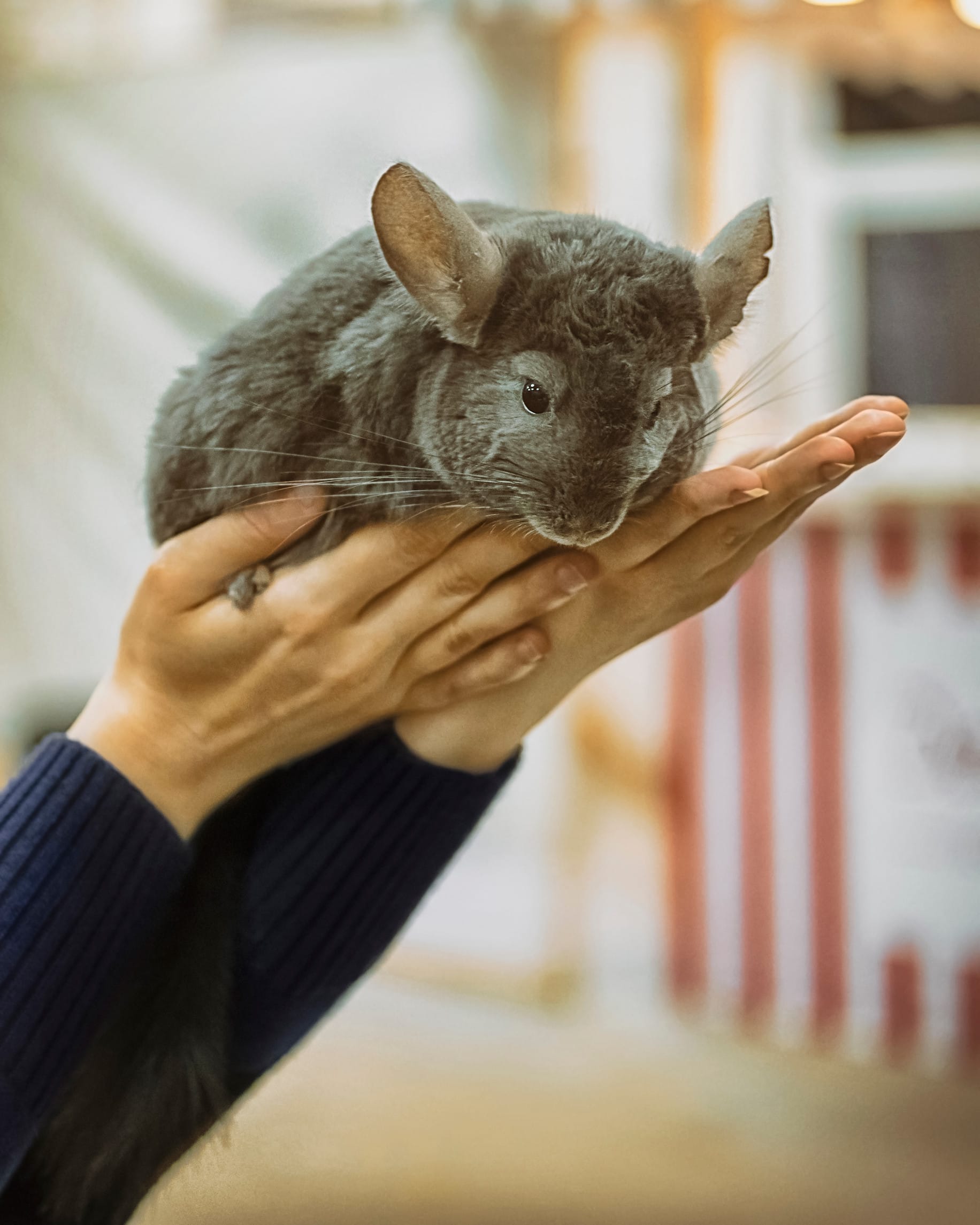
Chinchilla
Image Source: 123rf.com

There are so many pet Living in a compact space doesn’t mean you have to forgo the joy of pet companionship. Many unique and exotic animals thrive in smaller environments and can bring immense joy without requiring a backyard. Here are ten ideal pets perfectly suited for tiny homes and apartments.

1. Chinchillas

Chinchillas are small rodents known for their soft fur and playful personalities. They are clean, relatively odor-free, and primarily nocturnal, making them suitable for individuals who are away during the day. A single chinchilla requires a cage of at least 2 feet by 2 feet, providing ample space for exercise and exploration. With gentle handling from a young age, they can form strong bonds with their owners. It’s essential to provide them with a dust bath regularly to maintain their fur’s health and cleanliness.

2. Sugar Gliders

Sugar gliders are small, nocturnal marsupials with a gliding membrane that allows them to glide between trees in the wild. They are social animals that thrive in pairs or small groups, so it’s advisable to keep more than one. A tall cage with plenty of vertical space and climbing opportunities is ideal for them. Their diet includes fresh fruits, vegetables, and specialized pellets. With proper socialization, sugar gliders can be affectionate and enjoy interacting with their human companions.

3. Hedgehogs

Hedgehogs are small, nocturnal mammals known for their spiky exterior. They require a spacious cage with hiding spots and a wheel for exercise. Hedgehogs are solitary animals and prefer a quiet environment. Their diet consists of high-quality hedgehog food supplemented with insects and fruits. Regular, gentle handling can help them become accustomed to human interaction, making them delightful companions for apartment dwellers.

4. Leopard Geckos

Leopard geckos are small, nocturnal lizards known for their friendly nature and distinctive spotted patterns. They require a 10 to 20-gallon tank with a secure lid, appropriate substrate, and hiding spots. Leopard geckos are insectivores, feeding on crickets, mealworms, and other insects. They are relatively low-maintenance and can be handled gently, making them suitable for beginners and apartment living.

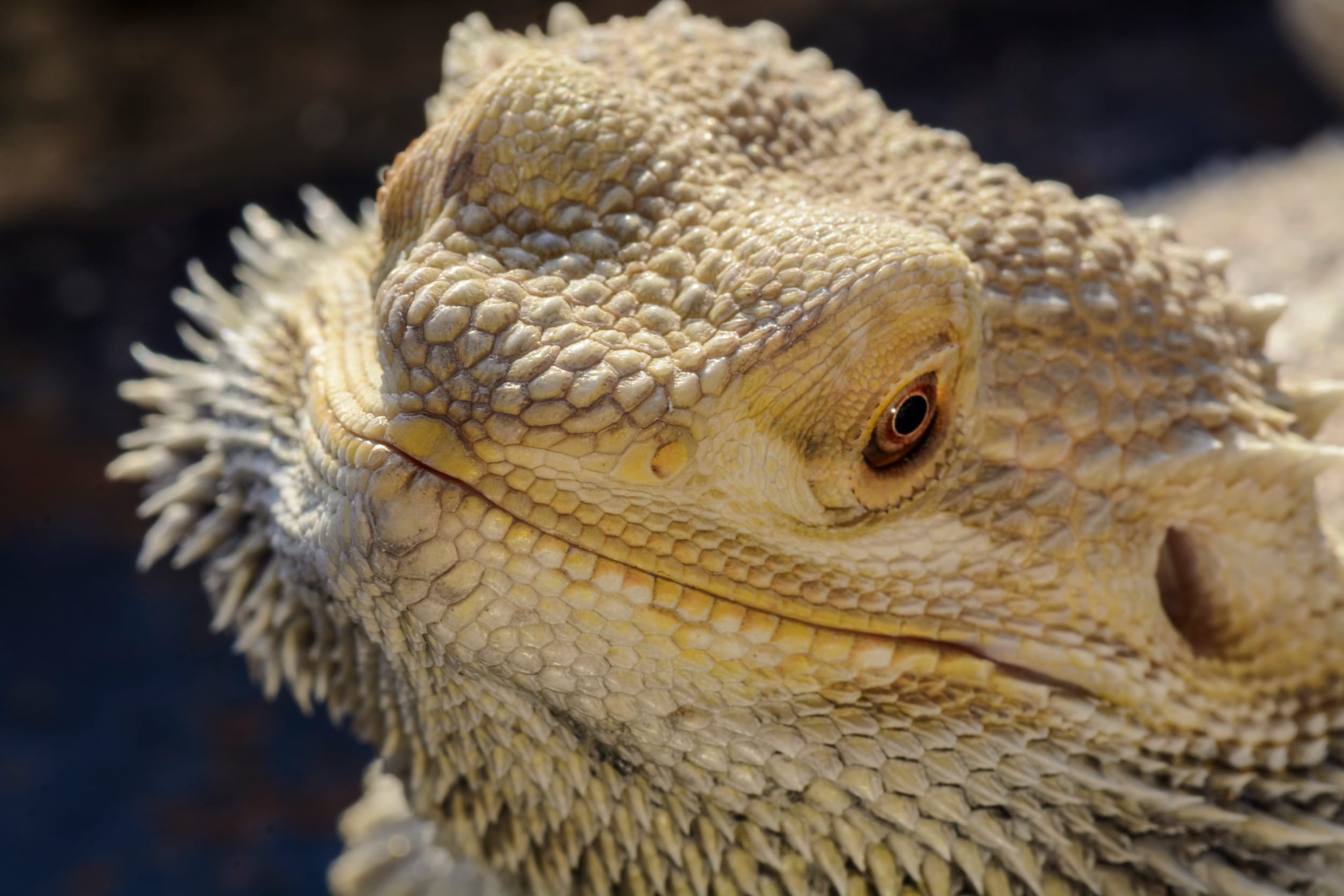
5. Bearded Dragons

Bearded Dragons
Image Source: 123rf.com

Bearded dragons are docile reptiles that can adapt well to apartment life. They require a tank of at least 40 gallons, equipped with proper lighting and heating to mimic their natural environment. Their diet includes a mix of vegetables, fruits, and insects. Bearded dragons are known for their friendly disposition and can form bonds with their owners, enjoying regular handling and interaction.

6. Rats

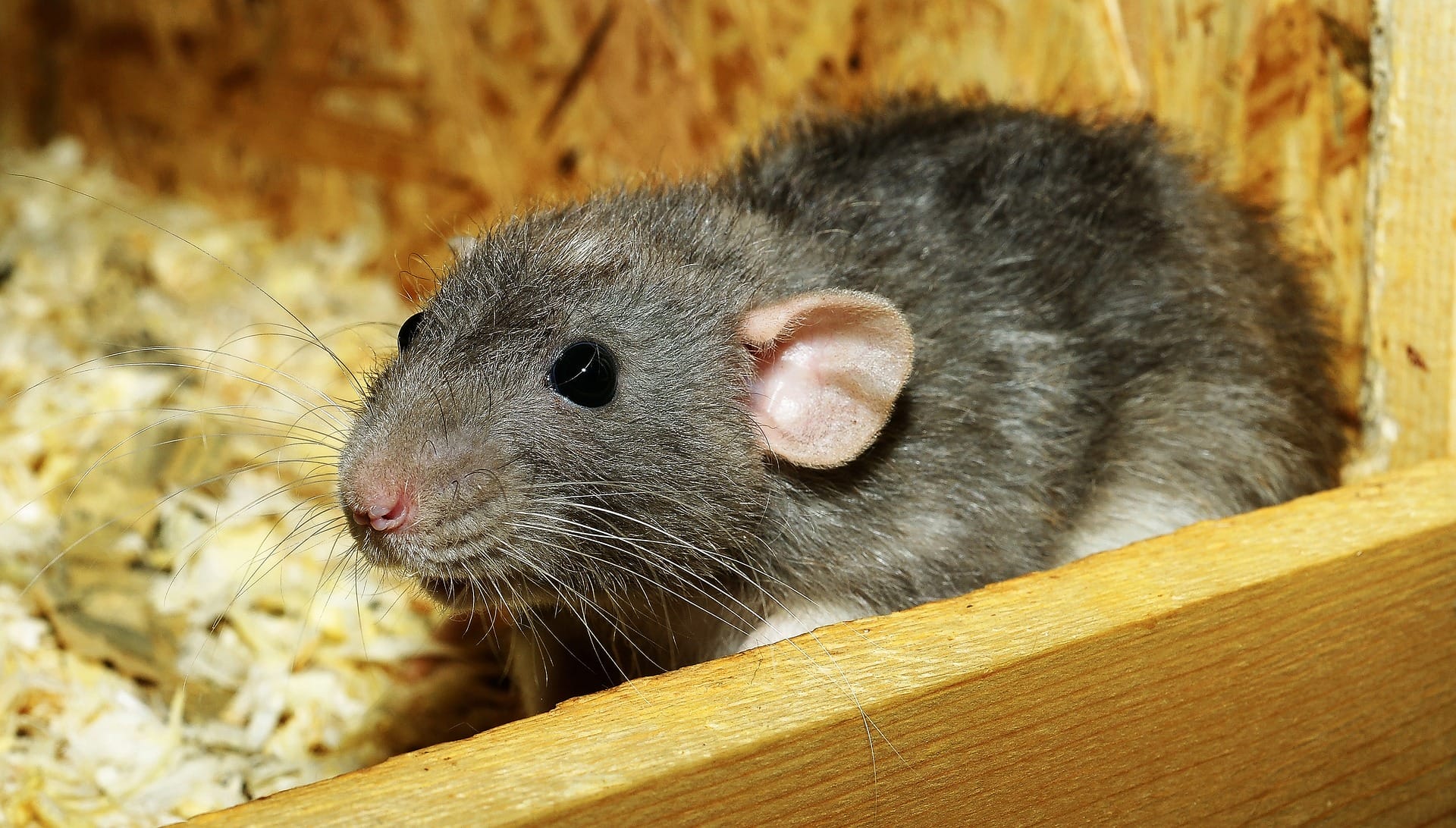
Rats are intelligent, social, and quiet animals that can make excellent pets for small living spaces. They require a cage of about 2 cubic feet per rat, equipped with tunnels, hiding spots, and exercise wheels. Rats enjoy human interaction and can be trained to perform simple tricks. They are most active at night but will adjust to their owner’s schedule, making them adaptable companions.

7. Tarantulas

For those interested in arachnids, tarantulas can be fascinating pets. They require a small tank, typically 10 to 20 gallons, with appropriate substrate and hiding spots. Tarantulas are low-maintenance, needing feeding only every few days. While they are not pets to handle frequently, observing their behavior can be rewarding. It’s important to research specific species to understand their care requirements fully.

8. Fennec Foxes

Fennec foxes are small, nocturnal canids with large ears and playful personalities. They require a spacious enclosure with opportunities for digging and climbing. Their diet includes a mix of high-quality dog food, fruits, and insects. Fennec foxes are energetic and require regular interaction and playtime. Potential owners should ensure they have the time and resources to meet the needs of these exotic pets.

9. Kinkajous

Kinkajous, also known as “honey bears,” are small, nocturnal mammals native to Central and South America. They require a large, secure enclosure with vertical space for climbing. Their diet consists mainly of fruits, nectar, and small insects. Kinkajous are social animals that can form strong bonds with their owners but require significant time and commitment. It’s essential to check local regulations, as they are considered exotic pets and may have specific ownership laws.

10. Hermit Crabs

Hermit crabs are low-maintenance pets that require minimal space. A small tank with sand, shells, and fresh water provides a suitable habitat. They are fascinating to watch and can be a unique addition to your apartment. Hermit crabs are social creatures, so keeping more than one is advisable. Regular maintenance of their habitat and providing a variety of shells for them to grow into are essential for their well-being.

Creating a Pet-Friendly Apartment

Regardless of the pet you choose, it’s essential to create an environment that caters to their specific needs. Ensure you have the necessary supplies, designate specific areas for their activities, and maintain a clean living space. Regular interaction and proper care will ensure your pet thrives in your compact home.

Do you have a pet that’s perfect for your small home? What made you decide on your pet? Let us know in the comments below.

Read More:

10 Cheap but High-Quality Dog Food Brands Your Pup Will Love

Furry Best Friend: 10 Most Loyal Dog Breeds For Lonely Retirees

Latrice Perez

Latrice is a dedicated professional with a rich background in social work, complemented by an Associate Degree in the field. Her journey has been uniquely shaped by the rewarding experience of being a stay-at-home mom to her two children, aged 13 and 5. This role has not only been a testament to her commitment to family but has also provided her with invaluable life lessons and insights.

As a mother, Latrice has embraced the opportunity to educate her children on essential life skills, with a special focus on financial literacy, the nuances of life, and the importance of inner peace.

Filed Under: animals Tagged With: exotic apartment pets, indoor exotic pets, low-maintenance pets, Pet Care, small space living

The 5 Most Expensive Pets to Own (And Why They Cause Instant Regret)

February 12, 2025 by Latrice Perez Leave a Comment

Expensive Pets
Image Source: 123rf.com

Owning a pet is a rewarding experience that brings joy, love, and companionship into your life. But some pets come with hefty price tags that go far beyond the initial adoption fee. If you’re considering getting a pet, it’s essential to understand the long-term costs involved—because some pets can quickly cause a lot of regret once the bills start piling up. Whether it’s through their care, food, or the constant need for medical attention, these pets will likely drain your wallet in ways you never imagined. Here are the five most expensive pets to own—and why they could leave you with instant regret.

1. Macaw Parrots

Macaw parrots are incredibly beautiful, intelligent, and social, making them a popular choice for bird enthusiasts. However, their high cost of ownership can quickly become overwhelming. The initial cost of a macaw parrot can range anywhere from $1,500 to $25,000, depending on the species and age. But that’s just the beginning.

These birds require an expansive cage, special diet, and constant stimulation, making their ongoing care expensive. They are also prone to health issues such as feather-plucking and respiratory problems, which can lead to high veterinary bills. Macaws can live up to 50 years or more, meaning you’re committing to a long-term financial responsibility. If you’re not prepared for the costs of their care, you may find yourself regretting your decision.

2. Horses

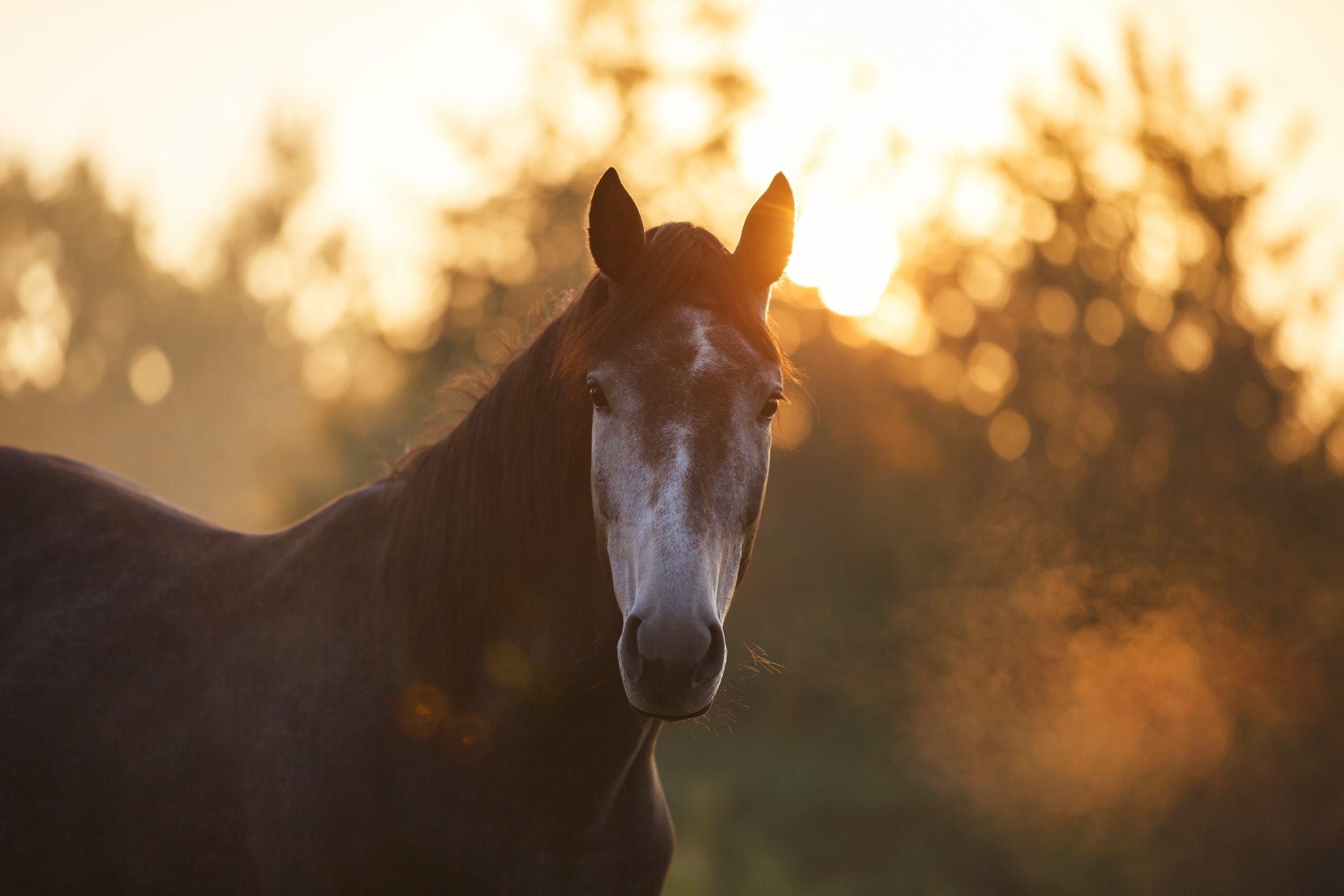
Horses are majestic creatures, but their upkeep is not for the faint of heart—or the faint of wallet. While purchasing a horse might cost anywhere from $2,000 to $10,000 (or more), the ongoing costs of owning one can be astronomical. Boarding, feed, medical care, farrier services, and grooming expenses can easily run into the thousands each year.

Horses also require plenty of space, and if you don’t have your own land, renting stables can add another layer of expense. Beyond basic care, if your horse requires specialized training, therapy, or suffers from any health issues, you’ll need to dig even deeper into your pockets. Owning a horse can be an incredibly rewarding experience, but the financial burden often leads to regret for those who aren’t fully prepared for the costs involved.

3. Savannah Cats

Savannah cats, a cross between domestic cats and the wild African serval, are one of the most expensive exotic pets you can own. These cats are known for their wild appearance, sleek coat, and striking size. While they’re highly sought after, the initial cost of a Savannah cat can range from $2,000 to $20,000, depending on the generation and breeder.

But the price doesn’t stop there. Savannah cats require a special diet (often raw food or high-protein meals), large living spaces, and a lot of mental stimulation. Due to their wild nature, they can also be more aggressive and difficult to train than regular domestic cats, which might lead to extra costs in behavior training or property damage. If you’re not prepared for the high upkeep, a Savannah cat could quickly become a financial and emotional burden.

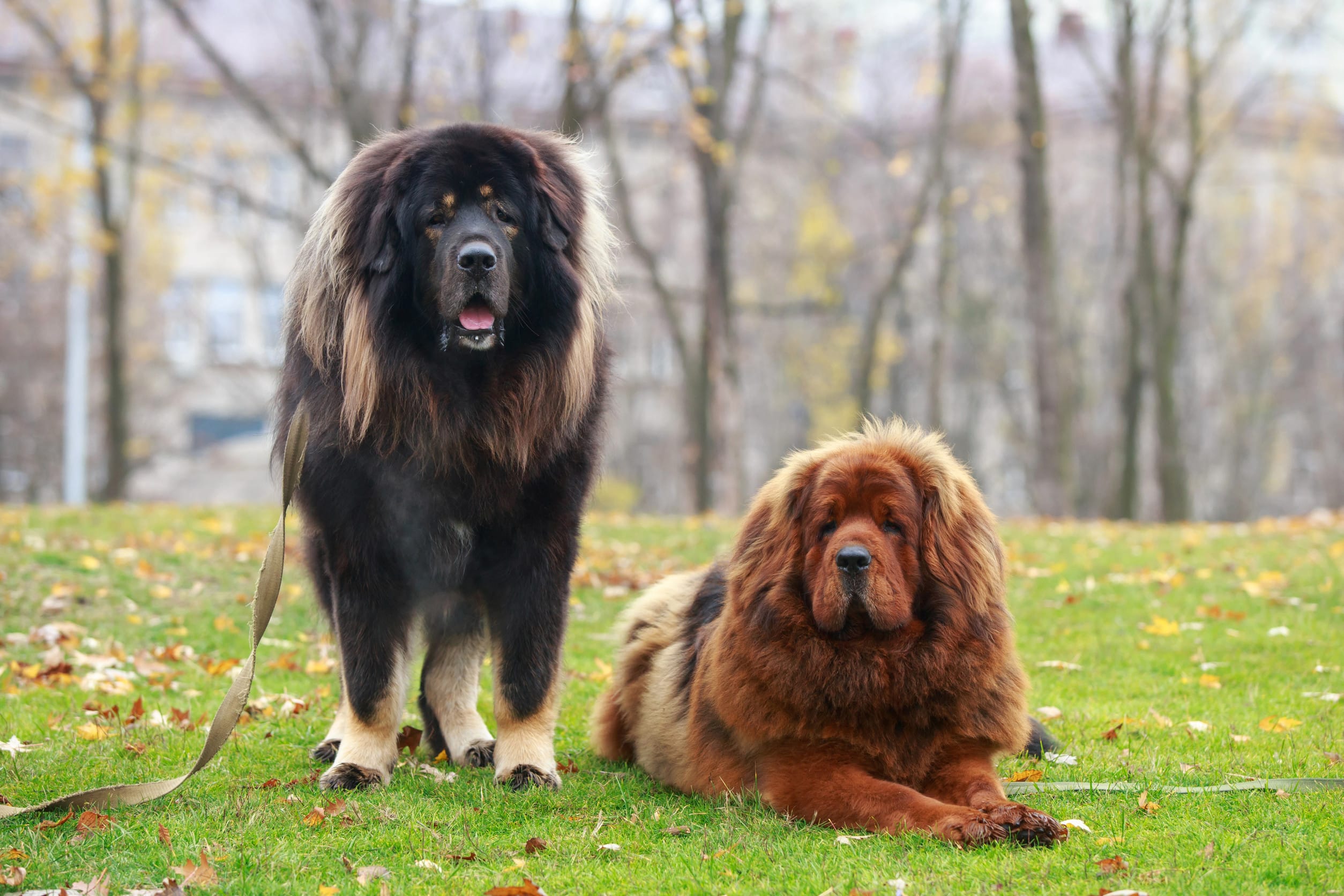
4. Tibetan Mastiffs

Tibetan Mastiffs
Image Source: 123rf.com

The Tibetan Mastiff is one of the most expensive dog breeds in the world, with some puppies selling for as much as $1 million, especially in China. While the price may vary, a well-bred Tibetan Mastiff typically costs anywhere between $2,500 and $10,000.

Their large size and thick coat require significant upkeep, including premium food, regular grooming, and veterinary care. They are also prone to health issues such as hip dysplasia and heart problems, which can result in even higher vet bills. Despite their majestic and protective nature, these dogs often demand more attention and resources than many owners are prepared to give, leading to regret when the bills start stacking up.

5. Koi Fish

Koi fish are often seen as peaceful and beautiful additions to garden ponds, but they come with a hefty price tag, especially the higher-quality ones. A single koi fish can cost anywhere from $50 to $5,000 or more, depending on its breed, age, and quality.

Owning koi involves more than just purchasing the fish. You’ll need a large pond with proper filtration and regular water maintenance, as well as special food and medications to keep the fish healthy. Koi can live for decades, so you’re looking at a long-term investment. Additionally, koi fish are susceptible to diseases that can be expensive to treat, and the costs of maintaining a pond can easily exceed what you anticipated. If you’re not prepared for the financial commitment, owning koi can quickly lead to buyer’s remorse.

Consider The Costs

While owning a pet can be one of life’s greatest joys, it’s important to consider the long-term costs and responsibilities that come with certain breeds. The five pets listed here are stunning, unique, and captivating, but they are not for the casual pet owner. They come with a hefty price tag and ongoing expenses that can cause significant financial strain if you’re not fully prepared.

Before deciding on a pet, it’s crucial to do your research, calculate the costs involved, and determine whether you can provide the care and attention these animals require. Make sure you’re ready for the responsibility—not just emotionally, but financially—so you don’t end up regretting your decision down the line.

What’s the most expensive pet you’ve ever owned? Which costs to take care of the pet stretched your budget the most? Let’s talk about it in the comments below.

Read More:

The 10 Best Animals for Apartment and Tiny House Living

10 Pets That You’ll Learn Are Exceptionally Loyal

Latrice Perez

Latrice is a dedicated professional with a rich background in social work, complemented by an Associate Degree in the field. Her journey has been uniquely shaped by the rewarding experience of being a stay-at-home mom to her two children, aged 13 and 5. This role has not only been a testament to her commitment to family but has also provided her with invaluable life lessons and insights.

As a mother, Latrice has embraced the opportunity to educate her children on essential life skills, with a special focus on financial literacy, the nuances of life, and the importance of inner peace.

Filed Under: animals Tagged With: budgeting for pets, exotic pets, expensive animals, expensive pets, luxury pets, Pet Care, pet costs, pet ownership, pet regret, Planning

Here Are the 10 Best Pet Companions for Baby Boomers

July 9, 2024 by Stephen Kanaval Leave a Comment

winking pup
unsplash

In an era where loneliness among seniors is on the rise, the importance of companionship cannot be overstated. Enter our furry, feathered, and scaly friends, pets that offer more than just company. They provide emotional support, encourage physical activity, and even boost cognitive health. As Baby Boomers, born between 1946 and 1964, transition into their golden years, finding the right pet companion becomes crucial. This article unveils the top 10 pets perfectly suited for this dynamic generation, balancing their need for companionship with their evolving lifestyles.

1. Labrador Retrievers: The Ultimate Boomer Buddies

boomer friend
unsplash

Labrador Retrievers top our list for their unparalleled compatibility with Baby Boomers. Known for their gentle temperament and high trainability, Labs are perfect for those who value both companionship and structure. Their moderate energy levels align well with Boomers who maintain active lifestyles, encouraging daily walks that boost cardiovascular health.

Moreover, Labs’ innate desire to please makes them excellent therapy dogs, offering emotional support during life transitions. Their adaptability shines in various living spaces, from suburban homes to urban apartments, making them versatile companions for Boomers in any setting.

2. Cats: Independent Yet Affectionate

Cat
unsplash

For Boomers seeking companionship without constant demands, cats reign supreme. Their self-sufficient nature aligns perfectly with those who cherish independence, a core Boomer value. Unlike dogs, cats don’t require regular walks, making them ideal for Boomers with mobility issues. Their purring isn’t just soothing; studies show it can lower stress levels and even promote bone density, a critical concern for older adults.

Breeds like Maine Coons and Ragdolls are particularly affectionate, offering cuddles when desired while respecting personal space, a balance many Boomers appreciate. In fact, ragdoll cats are famous for their docile and affectionate demeanor, making them perfect companions for baby boomers seeking a laid-back and cuddly feline friend. They enjoy being held and cuddled, often going limp in their owner’s arms, earning them the name “Ragdoll.”

3. Cockatiel: A Playful and Musical Avian Friend

cockatiel
unsplash

Cockatiels are popular pet birds known for their playful antics, charming personalities, and musical abilities, making them delightful companions for baby boomers. These small and colorful birds are relatively easy to care for and enjoy interacting with their owners through whistles, chirps, and mimicked sounds. With their playful nature and curious disposition, cockatiels provide endless entertainment and companionship to their owners, brightening up even the dullest of days. They thrive on social interaction and enjoy spending time outside of their cages, exploring their surroundings, and bonding with their human companions.

4. Fish: Aquatic Anxiety-Busters

Fish
unsplash

In our high-stress world, the calming effect of watching fish swim is scientifically proven. For Boomers dealing with retirement transitions or health concerns, an aquarium serves as a living, moving artwork that reduces anxiety. Species like Bettas and Guppies offer vibrant colors without demanding complex care. Maintaining an aquarium also provides a gentle routine, feeding, and water changes, that add structure to days without overwhelming. Interestingly, studies show that watching fish can lower blood pressure, a common health issue among Boomers.

5. Beagles: The Nostalgia Neighbors

snoopy
unsplash

Beagles resonate deeply with Baby Boomers, evoking memories of Snoopy from the beloved Peanuts comic strip, a cultural icon of their youth. Beyond nostalgia, Beagles offer practical benefits. Their small to medium size makes them manageable in various living spaces, aligning with Boomers downsizing or moving to retirement communities. Known for their friendly, outgoing nature, Beagles encourage social interaction, often initiating conversations with other dog owners during walks. This sociability is crucial, as strong social networks correlate with better health outcomes in older adults.

6. Rabbits: Quiet Comforters

rabbit
unsplash

In a generation that values peace and quiet, rabbits emerge as surprisingly perfect companions. Unlike barking dogs or squawking birds, rabbits offer silent companionship, ideal for Boomers who cherish tranquility. Their soft fur and gentle nature make them excellent therapy animals, particularly for those dealing with loss or health challenges. Contrary to popular belief, rabbits can be quite social, enjoying gentle petting and even learning tricks. Their relatively long lifespan, often 8-12 years, also provides the long-term companionship many Boomers seek.

7. Golden Retrievers: The Fitness Friends

retriever
unsplash

Baby Boomers are redefining aging, staying more active than any previous generation. Enter Golden Retrievers, the perfect fitness companions. Their high energy levels motivate owners to maintain regular exercise routines. This physical activity is crucial, as regular exercise reduces the risk of age-related diseases. Beyond fitness, Goldens are renowned for their patience and gentleness, making them excellent companions for Boomers with grandchildren. Their presence can facilitate intergenerational bonding, a highly valued experience for many in this age group.

8. Tortoises: The Long-Term Companions

tortoise
unsplash

In a poignant contrast to the fast-paced digital world, tortoises offer Boomers a companion that mirrors their own life journey. Species like the Russian Tortoise can live over 50 years, providing companionship that spans a significant portion of a Boomer’s life. This longevity addresses a common fear among older adults, which is outliving their pets. Tortoises’ quiet, steady presence is calming, and their outdoor enclosures encourage Boomers to spend time in nature, which studies link to better mental health. Moreover, planning a tortoise’s future care can be a meaningful way to leave a lasting legacy.

9. Poodles: The Hypoallergenic Helpers

poodle
unsplash

As people age, they often develop sensitivities they didn’t have before. Enter Poodles, the hypoallergenic heroes. Their non-shedding coats make them excellent choices for Boomers who’ve developed allergies or respiratory issues. Available in three sizes (Toy, Miniature, Standard), there’s a Poodle for every living situation. Beyond their allergy-friendly coats, Poodles are highly intelligent, ranking second in canine IQ tests. This intelligence allows them to learn complex commands, making them superb service dogs for Boomers with specific needs, from mobility assistance to medication reminders.

10. Shelter Pets: The Second-Chance Soulmates

shelter pup
unsplash

In a generation that redefined second acts, shelter pets find their perfect match. Many Boomers, having reinvented themselves post-retirement, deeply resonate with animals seeking a fresh start. Shelter pets, often older, are frequently overlooked but offer unparalleled companionship. They’re typically calmer, already trained, and immensely grateful, qualities that align beautifully with Boomer lifestyles. Organizations like “Pets for the Elderly” even help cover adoption fees, recognizing the profound mental health benefits these bonds provide. By choosing a shelter pet, Boomers don’t just find a companion; they embody their generation’s values of empowerment and social responsibility.

Enrich Your Golden Years

pup
unsplash

As we’ve explored, the bond between Baby Boomers and their pets transcends mere companionship. Each animal on this list offers unique benefits that cater to the physical, emotional, and social needs of this dynamic generation. But the benefits aren’t one-sided. In choosing these companions, Boomers also give back. Whether it’s providing a loving home to a shelter animal or engaging in intergenerational bonding with grandchildren over a Golden Retriever, these relationships embody the Boomer spirit of empowerment and social impact.

In an era where digital connections often feel shallow, these pet companions offer depth, warmth, and tangible presence. They’re not just pets; they’re partners in this life stage, each bringing out the best in their human companions. Are you a Baby Boomer considering pet adoption? Visit local shelters or breed-specific rescues to meet potential companions. Organizations like “Pets for the Elderly” can even assist with costs. Your perfect partner isn’t just waiting; they’re eager to enrich your golden years with their golden hearts. Take the first step today, your new best friend is just a visit away.

Stephen Kanaval
Stephen Kanaval

Stephen began his career as a Research Assistant at a reputable middle-market private equity firm, where he honed his skills in market research, financial analysis, and identifying investment opportunities. He then transitioned to full-time financial writing focusing on small-cap biotech innovation and digital payment solutions. Today, Stephen is a value-based retail investor and novice baseball statistician.

Filed Under: animals Tagged With: Best pets, cats, dog

12 Pets That You’ll Discover Are Oddly Intelligent

June 3, 2024 by Stephen Kanaval Leave a Comment

Smart bird
unsplash

When we think of intelligent animals, our minds often jump to dolphins, chimpanzees, or elephants. However, some pets, often overlooked, demonstrate surprising levels of intelligence. Whether you’re a pet owner, an animal lover, or just curious, here are twelve pets that you’ll discover are oddly intelligent.

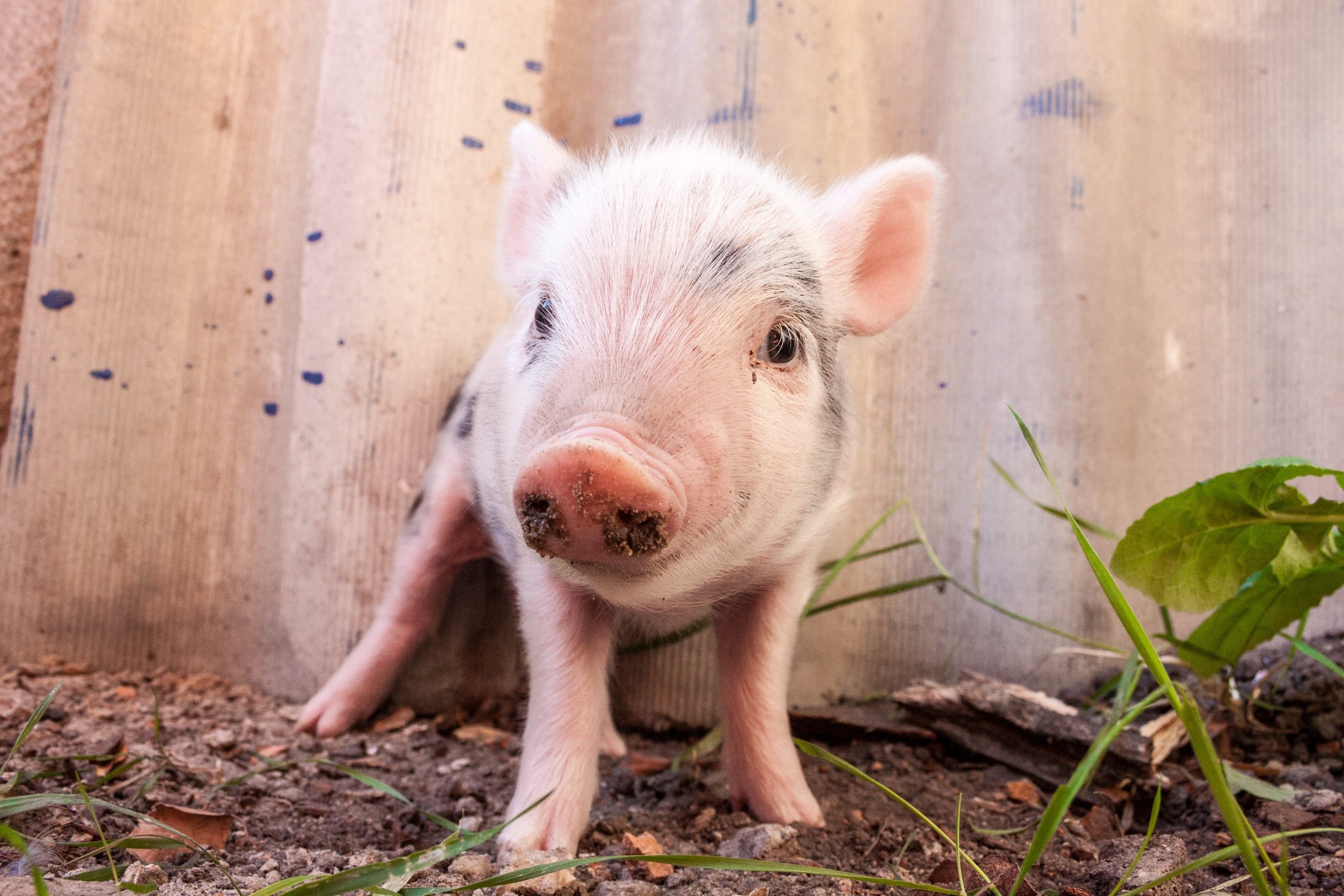
1. Pigs

123rf

Pigs are renowned for their cognitive abilities. These animals can learn complex tasks quickly, often outperforming dogs in certain tests. Studies have shown that pigs can use mirrors to find hidden food, demonstrating their understanding of reflection.

Moreover, they possess excellent memory, capable of remembering the locations of food sources. Pigs also exhibit emotional intelligence, forming strong bonds with humans and other animals. Their ability to learn and adapt to new environments makes them fascinating companions.

2. Parrots

parrot
unsplash

Parrots are famous for their ability to mimic human speech, but their intelligence goes beyond that. These birds can understand and use words in context, demonstrating their grasp of language. Parrots can solve puzzles and learn tricks, showcasing their problem-solving skills.

They also exhibit social intelligence, recognizing and interacting differently with individual humans. Some species, like the African Grey, can even understand concepts such as shape, color, and quantity. Their vocal mimicry and cognitive abilities make them highly engaging pets.

3. Rats

Rat
pixabay

Rats are highly intelligent and social animals. They can learn tricks, run mazes, and even come when called by name. Rats exhibit empathy, often helping other rats in distress. Their cognitive abilities allow them to remember and navigate complex paths, making them excellent problem solvers.

Moreover, rats show signs of metacognition, which is the ability to think about their own thinking processes. Their adaptability and quick learning make them surprisingly sophisticated companions.

4. Cats

Cat
123rf

Cats are often seen as independent and aloof, but they are also remarkably intelligent. They can learn tricks, solve puzzles, and even understand human emotions. Cats use their intelligence to manipulate their environment and their owners to get what they want.

They can open doors, find hidden food, and understand basic commands. Additionally, cats exhibit strong social intelligence, recognizing their owner’s mood and acting accordingly. Their cunning nature and ability to learn through observation make them intriguing pets.

5. Dogs

Dog
unsplash

It’s no surprise that dogs make the list, given their long history of working alongside humans. Dogs are capable of understanding a vast range of commands and even words. They can be trained to perform complex tasks, from fetching items to assisting people with disabilities.

Dogs demonstrate problem-solving skills, such as finding hidden objects or navigating obstacles. Their social intelligence is also remarkable, as they can sense and respond to human emotions. Their loyalty and trainability make them ideal companions and working animals.

6. Rabbits

Rabbit
pixabay

Rabbits are often underestimated in terms of intelligence. These pets can learn to recognize their names and respond to simple commands. They enjoy solving puzzles and can be trained to use a litter box.

Rabbits have excellent memories and can remember the layout of their environment, making them adept at navigating spaces. They also exhibit social behaviors, bonding closely with their owners and other pets. Their curiosity and playful nature make them delightful pets to have.

7. Horses

Horse
123rf

Horses have been companions to humans for centuries, showcasing their intelligence in various ways. They can understand and respond to a wide range of commands, both verbal and non-verbal. Horses are excellent problem solvers, often figuring out how to open gates or find hidden treats. They have a strong memory, remembering people and places for years.

Horses exhibit emotional intelligence, sensing and responding to their rider’s feelings. Their combination of physical and cognitive abilities makes them exceptional partners.

8. Ferrets

Ferret
unsplash

Ferrets are curious and playful animals with impressive cognitive abilities. They can learn to navigate mazes, solve puzzles, and even perform tricks. Ferrets have excellent spatial memory, helping them remember where they’ve hidden their favorite toys or treats.

They are also social animals, capable of forming strong bonds with their owners and recognizing individual humans. Their intelligence makes them highly interactive and engaging pets. Their playful antics and inquisitive nature keep their owners entertained.

9. Fish (Betta Fish)

Fish
pixabay

Betta fish, often known for their vibrant colors and flowing fins, are surprisingly intelligent. They can learn to recognize their owners and respond to their presence. Betta fish can be trained to perform simple tricks, such as swimming through hoops or following a finger. They have good problem-solving skills, often figuring out how to navigate complex environments.

Betta fish display signs of social intelligence, interacting differently with familiar humans. Their beauty and surprising interactivity make them captivating pets.

10. Goats

Goat
123rf

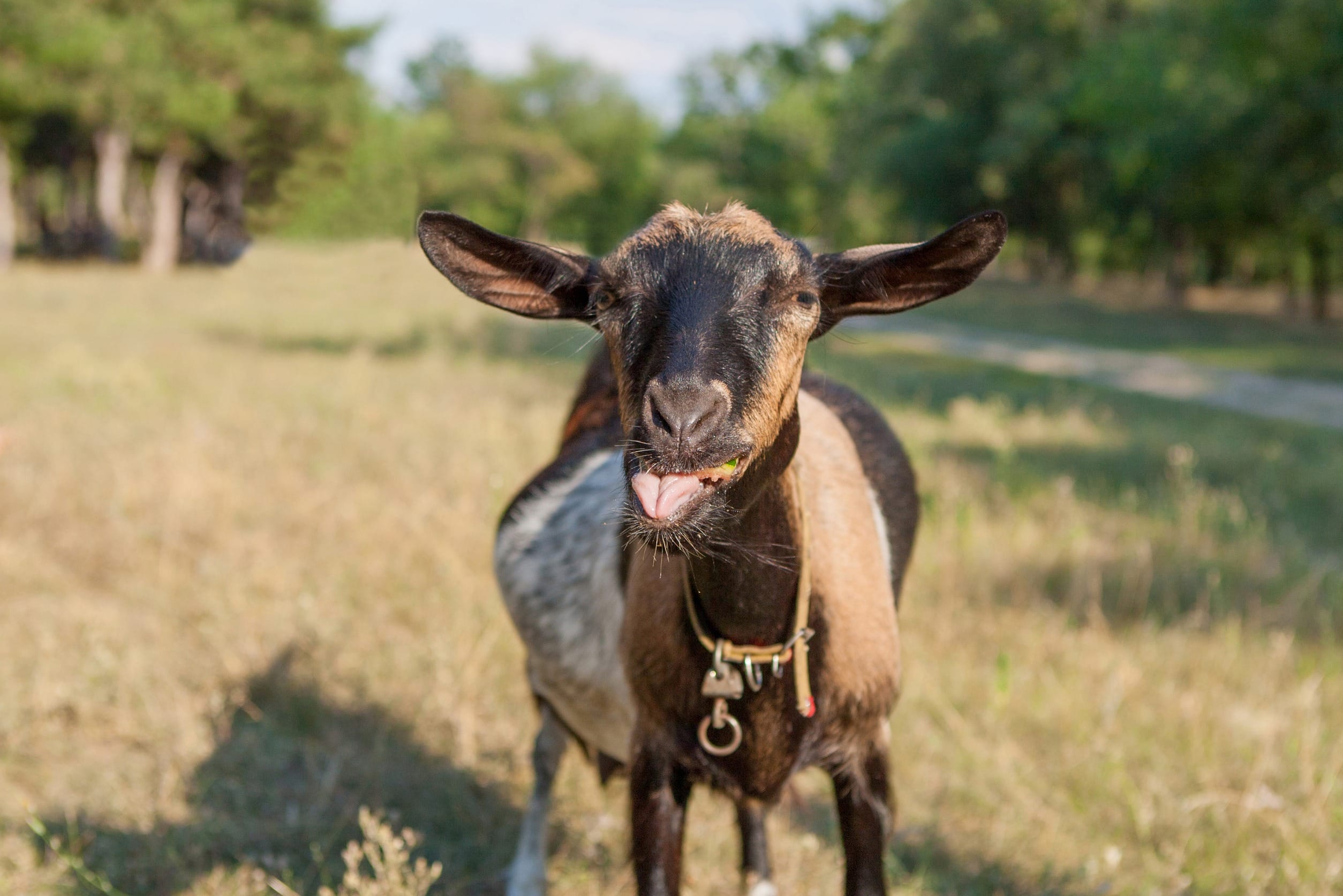
Goats are not just farm animals; they are also incredibly intelligent. They can learn to open gates, solve puzzles, and even respond to their names. Goats have excellent memory, remembering people, places, and experiences for long periods.

They exhibit social intelligence, recognizing individual humans and interacting differently with each one. Goats are also curious and playful, constantly exploring and manipulating their environment. Their surprising cleverness and social nature make them engaging and amusing animals to keep.

11. Octopuses

Octopus
unsplash

Octopuses are marine animals, but they deserve a mention due to their extraordinary intelligence. They can solve complex puzzles, escape from enclosures, and even use tools. Octopuses have excellent problem-solving abilities, often figuring out how to open jars or find hidden food.

They have a strong memory, remembering specific tasks and challenges. Additionally, octopuses exhibit signs of social intelligence, recognizing and responding to individual humans. Their alien-like appearance and remarkable intelligence make them one of the most intriguing pets in the marine world.

12. Guinea Pigs

Guinea pig
pixabay

Guinea pigs are small but mighty when it comes to intelligence. They can learn to recognize their names, respond to simple commands, and even navigate mazes. Guinea pigs have excellent memory, remembering the layout of their environment and the location of food sources. They exhibit social intelligence, forming strong bonds with their owners and other guinea pigs. Their ability to learn and adapt makes them fascinating and engaging pets. Their friendly demeanor and cognitive abilities make them wonderful companions.

Unexpected Intelligence

Happy pets
123rf

These twelve pets showcase a remarkable range of intelligence that often goes unnoticed. From pigs to guinea pigs, these animals demonstrate cognitive and social abilities that can surprise and delight their owners. If you’re considering a pet, remember that intelligence can come in the most unexpected forms.

Stephen Kanaval
Stephen Kanaval

Stephen began his career as a Research Assistant at a reputable middle-market private equity firm, where he honed his skills in market research, financial analysis, and identifying investment opportunities. He then transitioned to full-time financial writing focusing on small-cap biotech innovation and digital payment solutions. Today, Stephen is a value-based retail investor and novice baseball statistician.

Filed Under: animals Tagged With: Animals, Intelligent pets, Smart animals

10 Pets That You’ll Learn Are Exceptionally Loyal

June 3, 2024 by Vanessa Bermudez Leave a Comment

Horses Majestic and Faithful
Canva

Have you ever come home to a wagging tail or a purring friend who seems genuinely thrilled to see you? That’s loyalty in its purest form, and not just dogs and cats are capable of such love. From the fluffiest buddies to some unexpected surprises, here are ten pets renowned for their steadfast devotion.

1. Dogs: The Classic Companions

Dogs The Classic Companions
Canva

When it comes to loyalty, dogs are the gold standard. They’re not called “man’s best friend” for nothing! These furry pals go beyond just following commands; they tune into their owner’s emotions, providing comfort during tough times.

Whether it’s a tiny Chihuahua or a large Labrador, their dedication doesn’t waver. Many stories highlight dogs who have waited years for their owners or helped them through crises, truly epitomizing the loyal companion.

2. Cats: Independent but Affectionate

Cats Independent but Affectionate
Canva

Cats sometimes get a rap for being aloof, but cat owners can vouch for their feline’s loyalty. Unlike dogs, cats choose when and how they show their affection, which can make their displays of loyalty even more meaningful.

A cat that curls up on your lap during a storm or head-butts you affectionately is showing deep trust and loyalty. They might not come when called, but they’re observant creatures who will stick closely to their family.

3. Parrots: The Feathered Echoes

Parrots The Feathered Echoes
Canva

Parrots are not just vibrant and chatty; they’re also incredibly loyal to their owners. These birds are known for their ability to form strong bonds and can become quite attached to their human families.

A parrot might call out your name, mimic your voice, or just cheerfully chatter away in your presence, making them delightful, loyal companions. Their longevity means they can be a part of your family for decades.

4. Horses: Majestic and Faithful

Horses Majestic and Faithful
Canva

The bond between a horse and its rider can be profoundly deep. Horses are incredibly intuitive and can pick up on their handler’s feelings and behaviors, responding to them with great sensitivity.

They require consistent care and interaction, which fosters a strong, symbiotic relationship of mutual respect and loyalty. Riding aside, just everyday grooming and feeding can strengthen this bond significantly.

5. Pigs: Intelligent and Loyal

Pigs Intelligent and Loyal
Canva

Yes, pigs! Don’t underestimate these intelligent creatures; pigs are known to be among the smartest of all domestic animals. They are capable of forming close bonds with humans, showing affection and loyalty in ways similar to dogs.

Pigs can learn their names, and perform tricks, and some even enjoy cuddles. Their loyalty and intelligence make them unique and loving pets.

6. Rabbits: Gentle and Devoted

Rabbits Gentle and Devoted
Canva

Rabbits are social animals that thrive on companionship, both with other rabbits and humans. They might be a bit shy at first, but once a rabbit feels safe with you, it will show its affection through gentle nuzzles and quiet companionship.

They often follow their owners from room to room and can be quite protective of their family. Understanding their subtle ways of communication can deepen the bond you share.

7. Ferrets: Playful Protectors

Ferrets Playful Protectors
Canva

Ferrets are curious and highly interactive pets that form strong attachments to their owners. They love to play and often engage in mischievous antics that can brighten your day.

Ferrets can also be protective of their home and will alert you to any unusual happenings with their unique chattering. While they require plenty of playtime and engagement, their loyalty makes them wonderful companions.

8. Guinea Pigs: Affectionate Little Friends

Guinea Pigs Affectionate Little Friends
Canva

These small pets are known for their gentle and affectionate nature. Guinea pigs are sociable creatures that develop strong bonds with their owners, often communicating their affection through soft chirps and purrs when they’re happy and content. Regular handling and gentle strokes can enhance this bond, turning them into loyal, loving pets who enjoy your company as much as you enjoy theirs.

9. Goats: Surprisingly Sentimental

Goats Surprisingly Sentimental
Canva

Goats might not be the first animal you think of when you consider pets, but they are known for their loyal nature. They are incredibly social and form close bonds with both their goat friends and their human caretakers.

Goats are known to follow their owners around and engage in playful behavior. They also show affection through nibbling and head-butting, which is a lot gentler than it sounds!

10. Llamas: Protective and Personable

Llamas Protective and Personable
Canva

Llamas are not only unusual and striking pets but also fiercely loyal to their family. They can be used as guard animals, protecting livestock and even their human families from intruders.

Llamas bond with their owners over time, showing their loyalty through proximity and a calm demeanor around familiar faces. They are particularly protective of younger members of the herd, showing that their loyalty extends to the whole family.

The Heartwarming World of Pet Loyalty

The Heartwarming World of Pet Loyalty
Canva

No matter which pet you choose, the potential for a deep, loyal bond is there. These animals provide more than just companionship; they offer unconditional love, joy, and countless funny moments.

Remember, loyalty is a two-way street; the more love and care you give, the more you will receive. So, consider what you can offer your future loyal companion, and you’ll likely find a friend for life.

Vanessa Bermudez
Vanessa Bermudez
Vanessa Bermudez is a content writer with over eight years of experience crafting compelling content across a diverse range of niches. Throughout her career, she has tackled an array of subjects, from technology and finance to entertainment and lifestyle. In her spare time, she enjoys spending time with her husband and two kids. She’s also a proud fur mom to four gentle giant dogs.

Filed Under: animals Tagged With: Animal Bonding, Companion Animals, Loyal Pets, Pet Care, Unique Pets

Furry Best Friend: 10 Most Loyal Dog Breeds For Lonely Retirees

April 29, 2024 by Teri Monroe Leave a Comment

dog breeds for retirees

Retirement can be a time of newfound freedom and relaxation, but it can also come with its own set of challenges, particularly loneliness. For many retirees, a loyal canine companion can be the perfect solution to fill their days with love, companionship, and joy. However, not all dog breeds are equally suited to the lifestyle of a retiree. For instance, some breeds require more exercise, grooming or medical attention than other breeds. Here, we explore the top 10 most loyal dog breeds that are well-suited for keeping lonely retirees company.

1. Labrador Retriever

lab

Labrador Retrievers are renowned for their friendly and outgoing nature, making them perfect companions for retirees seeking companionship. Overall, their affectionate demeanor and gentle disposition make them great for both single retirees and retirees with families.

2. Golden Retriever

golden retriever

Just like their Labrador cousins, Golden Retrievers are known for their loving and loyal nature. They thrive on human companionship and are eager to please, making them excellent emotional support animals for retirees who may be feeling lonely or isolated. Even though they are a larger breed, their trainability and easy demeanor make them a great choice for retirees.

3. Welsh Corgi

welsh corgi

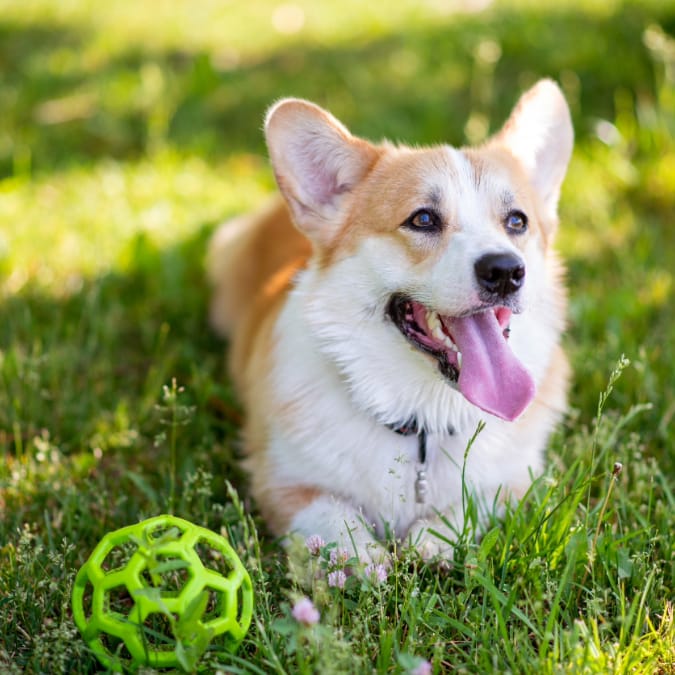
Corgis are medium-sized dogs, which means they are not too large to handle but also not too small to be fragile. Their manageable size makes them suitable for retirees who may not have the physical strength to handle larger breeds. The breed is known for their friendly and affectionate nature. They are loyal companions who form strong bonds with their owners, providing constant companionship and emotional support. While Corgis are active and playful dogs, they don’t require excessive amounts of exercise. A daily walk and some playtime in the yard are usually sufficient to keep them happy and healthy.

4. Shih Tzu

shih tzu

Shih Tzus are known for their affectionate and outgoing personalities, making them excellent companions for retirees seeking a loyal furry friend. Their small size and low exercise needs make them well-suited for retirees living in apartments or smaller homes. Even though the shis tzu has a stubborn streak, they are very trainable. They do also have grooming requirements and are prone to skin issues.

5. Pug

pug

Pugs have big personalities and even bigger hearts. Their playful and affectionate nature makes them wonderful companions for retirees looking for a dog with a sense of humor and a love for snuggles. Even though this breed may seem excitable, they only need short walks. While this breed can suffer from breathing issues, it can be managed by keeping them within a healthy weight range.

6. Poodle

poodle

Poodles are not only highly intelligent but also incredibly loyal and affectionate. There are several different sizes of poodle which include, toy poodle, miniature poodle, and standard poodle. They bond closely with their owners and thrive on companionship, making them great for retirees who are looking for a dog that can keep up with their active lifestyle.

7. Bichon Frise

bichon

Bichon Frises are known for their cheerful disposition and love of human company. Usually 7 to 12 pounds, Bichons are a small breed that loves to snuggle. These fluffy white dogs are always eager to please and make wonderful companions for retirees seeking a loyal and affectionate furry friend. Bichons require moderate exercise every day and are typically low maintenance in regards to grooming.

8. Yorkshire Terrier

yorkie

Yorkshire Terriers may be small in size, but they have big personalities and endless amounts of love to give. These spunky little dogs are known for their loyalty and devotion to their owners, making them great companions for retirees looking for a pint-sized furry friend.

9. Cavalier King Charles Spaniel

cavalier king charles spaniel

Cavalier King Charles Spaniels are known for their sweet and gentle nature, making them excellent companions for retirees seeking a loyal and affectionate furry friend. The breed is easy to train, but do require regular grooming, hair brushing and ear cleaning. Their small size and low exercise needs make them well-suited for retirees living in apartments or smaller homes.

10. Maltese

maltese

Maltese dogs are famous for their silky white coats and loving personalities. This breed enjoys spending time on their owner’s lap and going on easy walks. These small dogs are incredibly affectionate and bond closely with their owners, making them ideal companions for retirees seeking a loyal and devoted furry friend. Overall, the Maltese is easy to train and only weighs 4 to 7 pounds, making them very easy to handle.

Finding The Perfect Companion

dog breeds for retirees

For retirees looking for companionship and unconditional love, adopting a loyal canine companion can be incredibly rewarding. Of course, the breeds mentioned above are just a few examples of the many dog breeds that make wonderful pets for retirees. Whether you prefer a large, energetic breed or a small, cuddly lap dog, there is sure to be a loyal furry friend out there waiting to bring joy into your life.

Read More

12 Crucial Money Lessons Baby Boomers Passed Down to Their Millennial Kids

Top 10 Craziest Splurges Lottery Winners Make

Photograph of Teri Monroe
Teri Monroe
Teri Monroe started her career in communications working for local government and nonprofits. Today, she is a freelance finance and lifestyle writer and small business owner. Teri holds a B.A. From Elon University.  In her spare time, she loves golfing with her husband, taking her dog Milo on long walks, and playing pickleball with friends.

Filed Under: animals, Retirement Tagged With: Boomers, dog breeds for retirees, loyal dogs, Retirement

FOLLOW US

Search this site:

Recent Posts

  • Can My Savings Account Affect My Financial Aid? by Tamila McDonald
  • 12 Ways Gen X’s Views Clash with Millennials… by Tamila McDonald
  • What Advantages and Disadvantages Are There To… by Jacob Sensiba
  • 10 Tactics for Building an Emergency Fund from Scratch by Vanessa Bermudez
  • Call 911: Go To the Emergency Room Immediately If… by Stephen Kanaval
  • 7 Weird Things You Can Sell Online by Tamila McDonald
  • 10 Scary Facts About DriveTime by Tamila McDonald

Copyright © 2026 · News Pro Theme on Genesis Framework