• Home
  • About Us
  • Toolkit
  • Getting Finances Done
    • Hiring Advisors
    • Debt Management
    • Spending Plan
  • Insurance
    • Life Insurance
    • Health Insurance
    • Disability Insurance
    • Homeowners/Renters Insurance
  • Contact Us
  • Risk Tolerance Quiz
  • Our Editorial Commitment

The Free Financial Advisor

You are here: Home / Archives for baby boomers

9 Reasons Why Baby Boomers Aren’t Leaving Much Wealth Behind

February 20, 2025 by Latrice Perez Leave a Comment

Baby Boomers
Image Source: 123rf.com

The anticipated “Great Wealth Transfer,” where Baby Boomers are expected to pass down trillions to younger generations, may not be as substantial as once thought. Several factors contribute to this potential shortfall, affecting the financial legacies intended for heirs. Here are nine reasons why Baby Boomers might not leave as much wealth to the next generation:

1. Increased Lifespans and Healthcare Costs

Advancements in healthcare have extended life expectancies, meaning Baby Boomers are living longer than previous generations. While this is a positive development, it also leads to prolonged periods of retirement, during which savings are depleted to cover living expenses and medical costs. Long-term care, in particular, can be exorbitantly expensive, consuming a significant portion of one’s assets. As a result, the wealth that might have been passed down is instead used to support extended lifespans.

2. Preference for Spending Over Saving

Many Baby Boomers prioritize enjoying their accumulated wealth during their lifetimes rather than preserving it for inheritance. This trend, sometimes referred to as “SKI” (Spending the Kids’ Inheritance), sees retirees investing in travel, hobbies, and other personal interests. While this enhances their quality of life, it reduces the amount of wealth available to bequeath to their children. This shift in focus from saving to spending reflects a generational change in attitudes toward wealth and legacy.

3. Rising Cost of Living

Inflation and escalating living costs have eroded the purchasing power of savings. Expenses such as housing, utilities, and food have increased substantially, requiring retirees to allocate more funds to maintain their standard of living. This financial pressure can lead to the depletion of assets that might have otherwise been passed on to heirs. Consequently, the next generation may inherit less due to the necessity of covering these rising costs.

4. Insufficient Retirement Savings

Despite being the wealthiest generation, many Baby Boomers have not saved adequately for retirement. Factors such as inadequate pension plans, economic downturns, and personal spending habits have left some without sufficient funds to sustain themselves without tapping into their assets. This lack of savings necessitates the use of potential inheritance money for daily expenses, diminishing the wealth available for the next generation.

5. Desire for Fairness Among Children

Fairness to Children
Image Source: 123rf.com

In families with multiple children, parents may feel compelled to distribute their wealth equally. This can lead to the division of assets, such as property or businesses, into smaller portions, reducing the overall value each child receives. Additionally, some parents choose to provide financial support to their children during their lifetimes, such as funding education or assisting with home purchases, which can further diminish the estate’s value upon their passing.

6. Economic Support to Adult Children

Many Baby Boomers provide financial assistance to their adult children, whether it’s helping with student loans, housing, or other expenses. This support, while beneficial to the recipients, can deplete the parents’ resources over time. As a result, the wealth intended to be passed down may be reduced due to ongoing support provided during the parents’ lifetimes.

7. Charitable Giving

A significant number of Baby Boomers prioritize philanthropy, choosing to donate a portion of their wealth to charitable causes. This altruistic behavior, while beneficial to society, can reduce the amount of wealth left for their descendants. Some even establish charitable trusts or foundations, allocating funds that might have otherwise been inherited by family members.

8. Lack of Estate Planning

Surprisingly, many Baby Boomers have not engaged in comprehensive estate planning. Without wills or trusts, their assets may be subject to probate, leading to potential legal fees and delays. This lack of planning can result in a diminished inheritance for beneficiaries, as a portion of the estate’s value is consumed by administrative costs and taxes.

9. Economic Uncertainty and Market Volatility

Fluctuations in the stock market and real estate values can significantly impact the net worth of Baby Boomers. Economic downturns or recessions can erode investment portfolios and property values, reducing the overall wealth available to be passed on. This volatility introduces uncertainty into the amount of inheritance the next generation might receive.

Reduced Expected Inheritance

While the “Great Wealth Transfer” suggests a substantial passing of assets from Baby Boomers to younger generations, various factors may reduce the expected inheritances. Extended lifespans, rising living costs, personal spending choices, and economic uncertainties all play a role in diminishing the wealth available for transfer. It’s essential for both generations to engage in open discussions and proactive financial planning to navigate these challenges effectively.

Did you get a smaller inheritance than you thought you would? Are you a baby boomer that’s going to leave behind a smaller inheritance for your children and grand kids? If so, why? Let’s talk about it in the comments below.

Read More:

Blended Family Will: 12 Ways To Split an Inheritance In A Blended Family

9 Tough Decisions You’ll Have to Make When Your Parents Can’t Afford to Retire

Latrice Perez

Latrice is a dedicated professional with a rich background in social work, complemented by an Associate Degree in the field. Her journey has been uniquely shaped by the rewarding experience of being a stay-at-home mom to her two children, aged 13 and 5. This role has not only been a testament to her commitment to family but has also provided her with invaluable life lessons and insights.

As a mother, Latrice has embraced the opportunity to educate her children on essential life skills, with a special focus on financial literacy, the nuances of life, and the importance of inner peace.

Filed Under: Personal Finance Tagged With: baby boomers, Estate planning, Inheritance, retirement savings, wealth transfer

They Did What: 12 Things That Baby Boomers Did That Would Be Criminal Now

July 10, 2024 by Stephen Kanaval Leave a Comment

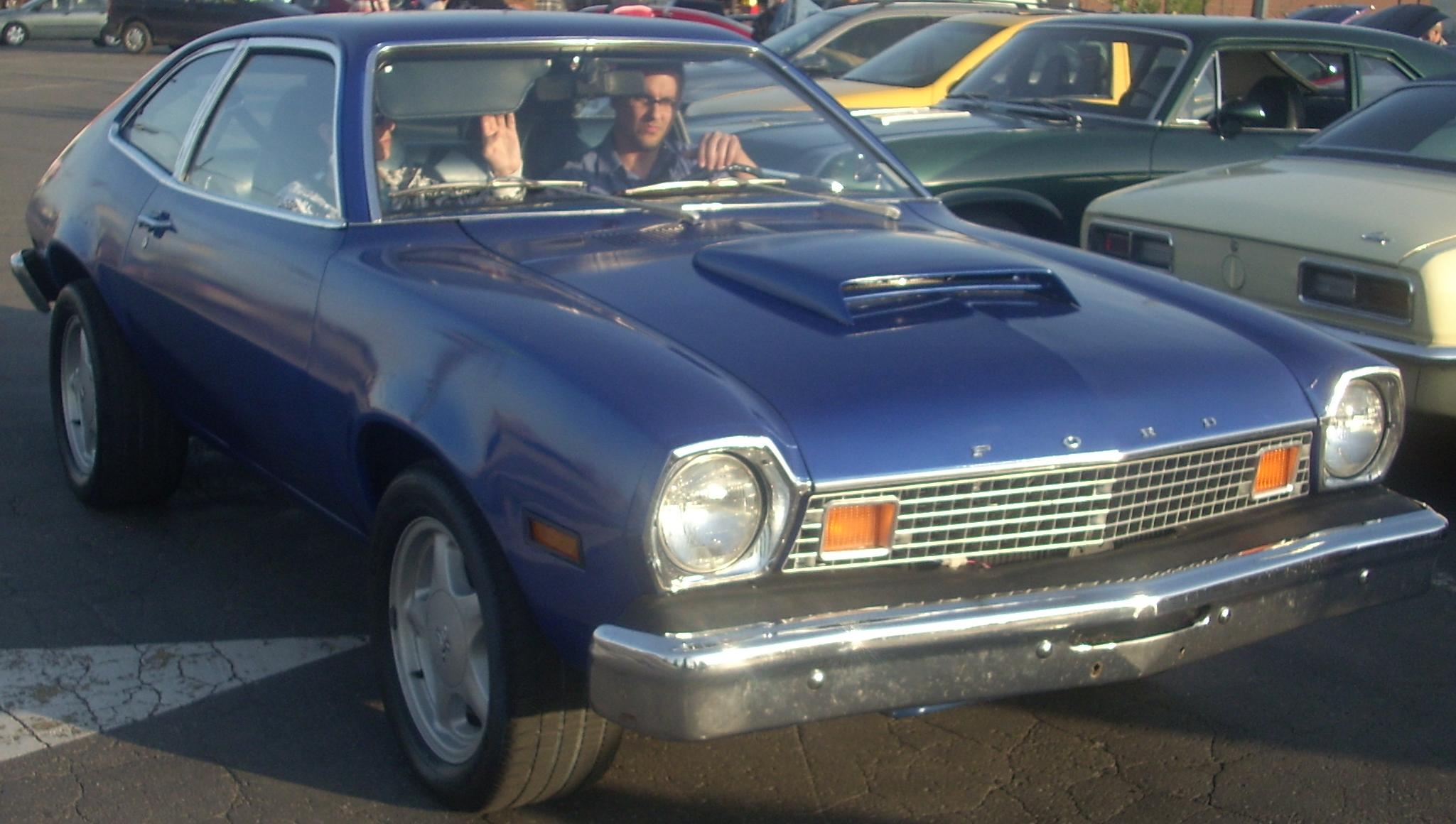
Pinto
wikimedia

In a world where rules and regulations continuously evolve to reflect growing societal awareness and technological advancements, the actions and behaviors that were once commonplace can now seem bewildering. Baby boomers, born between 1946 and 1964, witnessed and partook in practices that would be deemed criminal or highly unsafe today. This generational shift in norms and laws underscores how far we’ve come in terms of public safety, health, and societal expectations. Here, we explore 12 things that baby boomers did that would be unthinkable, or even illegal, today. Prepare to be amazed at how much times have changed.

1. Hitchhiking Everywhere

Hitchhiking
pixabay

Back in the day, hitchhiking was a common and accepted way to get around. Baby boomers didn’t think twice about sticking their thumbs out for a ride, relying on the goodwill of strangers for transportation. Today, this practice is seen as highly dangerous and is often illegal in many areas. The combination of safety concerns and increased awareness of potential dangers has made hitchhiking a relic of the past. Modern transportation options such as rideshare services and stricter laws have all but eliminated the practice. Reflecting on this now, it’s astonishing how common hitchhiking once was. The risks associated with hitchhiking, including accidents and criminal activity, have led to its decline.

2. Riding Without Seatbelts

Old Car
wikimedia

For baby boomers, seatbelts were often an afterthought. Many remember piling into cars without a single person buckling up, with children even sitting on laps in the front seat. Today, not wearing a seatbelt is not only unsafe but also illegal in most places, with laws mandating their use and enforcing strict penalties for non-compliance. The increased awareness of road safety and advancements in car safety regulations have made seatbelt use mandatory. It’s hard to imagine a time when driving without seatbelts was normal, given the strict enforcement of seatbelt laws today. The change highlights how far we’ve come in terms of automotive safety, with modern cars featuring advanced seatbelt technology to protect passengers.

3. Smoking Everywhere

Smoking on plabe
wikimedia

Smoking was once allowed in restaurants, airplanes, and even hospitals, with no designated smoking areas or restrictions. Baby boomers lived in a time when the dangers of smoking were not fully understood or acknowledged, and tobacco advertising was rampant. Nowadays, smoking is heavily regulated, with strict laws in place to protect non-smokers from secondhand smoke. The shift in public health policies reflects a broader understanding of the health risks associated with smoking, leading to widespread smoking bans in public places. It’s startling to think of how pervasive smoking once was in public spaces. The changes in smoking laws illustrate a significant shift in societal norms and health consciousness, promoting a healthier environment for everyone.

4. Drinking and Driving

Drinking and driving
wikimedia

There was a time when drinking and driving were not taken as seriously as they are today. Baby boomers often recall a more lenient attitude towards this dangerous behavior, with fewer DUI checkpoints and less stringent laws. Now, DUI laws are stringent, with severe penalties to deter drunk driving, including hefty fines, license suspensions, and even imprisonment. Public awareness campaigns have also played a crucial role in changing attitudes toward drinking and driving, emphasizing the deadly consequences of impaired driving. The strict enforcement of DUI laws today starkly contrasts the past. This evolution highlights the growing emphasis on road safety and responsible behavior, aiming to reduce the number of alcohol-related accidents and fatalities.

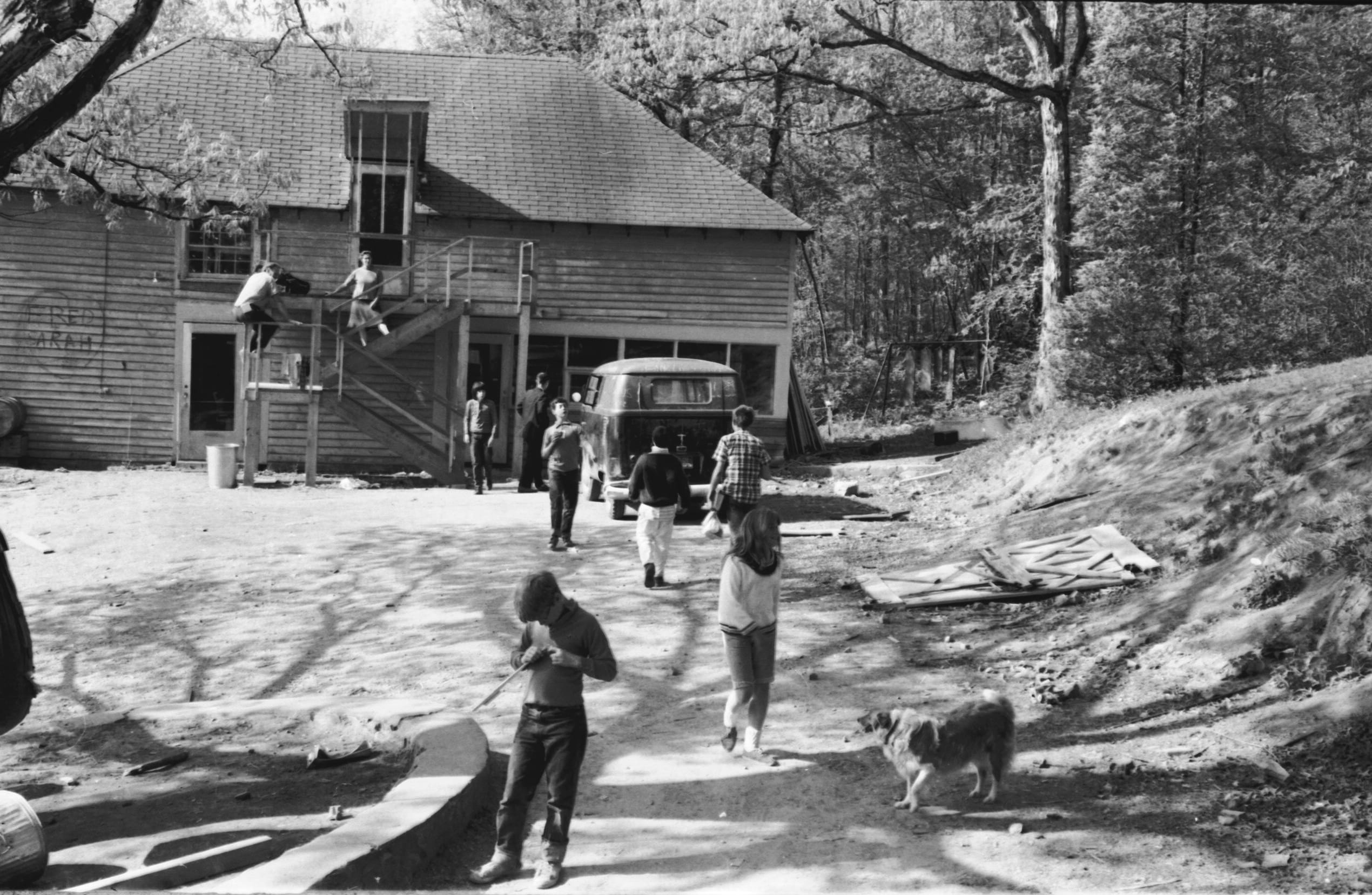
5. Letting Kids Roam Freely

Kids
wikimedia

Baby boomers often reminisce about the freedom they had as children to roam their neighborhoods without adult supervision. It was common for kids to spend entire days playing outside, exploring, and only returning home when the streetlights came on. Nowadays, this level of freedom is rare due to heightened concerns about child safety, including the risk of abduction and accidents. Modern parents are more likely to keep a close watch on their children, often arranging supervised playdates or enrolling them in organized activities. The cultural shift towards more protective parenting reflects a broader concern for child safety and well-being. It’s a significant change from the carefree days of the past. This transformation underscores the evolving nature of parenting and societal expectations, prioritizing the safety and security of children.

6. Playing with Hazardous Toys

Kinder
wikimedia

Toys in the past were not always subject to the rigorous safety standards we have today. Baby boomers played with items that would be considered dangerous now, such as lead-painted toys, small parts that posed choking hazards, and even fireworks. Current regulations ensure that toys are tested for safety, protecting children from potential harm. The stricter standards are a response to past incidents and a growing understanding of child safety, leading to recalls of dangerous toys and the development of safer alternatives. It’s surprising to look back at some of the toys that were once considered normal. The improved safety standards represent a significant advancement in protecting children, ensuring that they can play safely without the risk of injury or exposure to harmful substances.

7. Using Lawn Darts

Lawn
pixabay

Lawn darts were a popular outdoor game among baby boomers, despite their potential to cause serious injury. These heavy, pointed darts, thrown at targets on the ground, were eventually banned after numerous accidents and injuries, including fatalities. Today’s games and sports equipment are designed with safety in mind, often undergoing thorough testing to prevent such hazards. The ban on lawn darts illustrates a proactive approach to preventing injuries, with manufacturers and regulators working together to develop safer alternatives. It’s a clear example of how safety concerns have reshaped recreational activities. The change highlights the ongoing efforts to ensure safer play environments for everyone, allowing families to enjoy outdoor activities without fear of harm.

8. Using Asbestos

Asbestos
wikimedia

Asbestos was once widely used in construction and household products, despite its dangerous health effects, including lung cancer and mesothelioma. Baby boomers may remember asbestos being used in insulation, flooring, and even household items. Today, asbestos use is heavily regulated and often banned due to its links to serious illnesses. The strict regulations and bans on asbestos use highlight a significant improvement in public health protections. The transition from widespread use to stringent control represents a major advancement in health and safety standards. This change underscores the importance of ongoing health and safety research, leading to better protections for current and future generations.

9. Leaving Children Unattended in Cars

Child in a car
123rf

It was not uncommon for baby boomers to be left unattended in cars while their parents ran errands, often for extended periods. Modern laws make this practice illegal due to the dangers it poses to children, including the risk of heatstroke, abduction, and accidents. The increased awareness of these risks has led to stricter enforcement of child safety laws, with parents facing severe penalties for leaving children unattended in vehicles. This change reflects a broader commitment to protecting vulnerable individuals and ensuring that children are kept safe from harm. It’s a stark contrast to the more relaxed attitudes of the past. The evolution in laws and awareness highlights the growing emphasis on child safety, prioritizing their well-being in all circumstances.

10. Driving Without a License

No license
wikimedia

Baby boomers might recall a time when driving without a license was not as heavily policed as it is today. Stricter laws and enforcement now ensure that only licensed individuals can operate vehicles, enhancing road safety and ensuring that drivers are adequately trained and knowledgeable. The rigorous process of obtaining and maintaining a driver’s license reflects the importance of ensuring competent drivers on the road, with mandatory testing and renewal procedures. The contrast between past and present regulations highlights significant improvements in road safety standards. This shift underscores the importance of regulated driving practices, reducing the risk of accidents and ensuring a safer driving environment for everyone.

11. Using Leaded Gasoline

gas
wikimedia

Next, leaded gasoline was the norm during the baby boomer era, despite its harmful environmental and health impacts, including air pollution and lead poisoning. The phase-out of leaded gasoline in favor of unleaded alternatives represents a significant advancement in public health and environmental protection, with regulations mandating the use of cleaner fuels. Modern regulations ensure that gasoline is formulated to minimize harmful emissions, contributing to cleaner air and a healthier environment. The transition from leaded to unleaded gasoline illustrates a proactive approach to addressing pollution and health concerns, with significant reductions in lead exposure and associated health risks. This change highlights the importance of ongoing improvements in environmental standards, promoting a healthier future for all.

12. Lack of Food Safety Standards

No FDA
wikimedia

Food safety standards were not as stringent during the baby boomer era, leading to higher risks of foodborne illnesses and contamination. Today, strict regulations govern food production and handling to ensure public safety, with comprehensive safety protocols and regular inspections. The improved standards reflect a growing understanding of the importance of food safety. The evolution of food safety laws highlights significant advancements in protecting public health. The changes underscore the ongoing efforts to ensure that food products are safe for consumption.

Embrace the Changes for a Safer Future

Hard hat
pixabay

Reflecting on these past practices highlights how much we’ve advanced in safety and health regulations. It’s vital to keep evolving our laws to protect public well-being. Let’s embrace change and work towards an even safer future for everyone. By learning from the past, we can create a better environment for future generations. If you found this article insightful, please share it with your friends and family, so others may know about the changes we’ve made over the years.

Stephen Kanaval
Stephen Kanaval

Stephen began his career as a Research Assistant at a reputable middle-market private equity firm, where he honed his skills in market research, financial analysis, and identifying investment opportunities. He then transitioned to full-time financial writing focusing on small-cap biotech innovation and digital payment solutions. Today, Stephen is a value-based retail investor and novice baseball statistician.

Filed Under: Lists Tagged With: baby boomers, Generational Differences, Safety standards

12 Things Baby Boomers Should Try from Gen Z’s Lifestyle

July 8, 2024 by Teri Monroe Leave a Comment

Gen Z
123rf

In a world where generational gaps seem to grow wider by the day, it’s easy to forget that each generation brings something unique to the table. Baby boomers, often characterized by their traditional values and lifestyles, can learn a thing or two from the younger generation, Gen Z. With their innovative mindset and tech-savvy approach, Gen Z has introduced several lifestyle trends that can enrich the lives of baby boomers in unexpected ways. Here are 12 things baby boomers should try from Gen Z’s lifestyle.

1. Digital Detox

digital detox
123rf

While boomers may have grown up in an era before smartphones and social media, they can still benefit from unplugging and enjoying the present moment. For example, Gen Z’s emphasis on digital detoxes and mindfulness can help boomers reduce stress and reconnect with the world around them. Also, constant connectivity can contribute to feelings of stress, anxiety, and burnout, particularly for individuals who didn’t grow up with digital devices.

By disconnecting from screens, boomers can reclaim valuable time for activities that promote relaxation, creativity, and meaningful connections with loved ones. Ultimately, embracing digital detoxes can lead to improved mental health, better sleep, and a greater appreciation for the simple pleasures found offline, enriching their lives in profound ways.

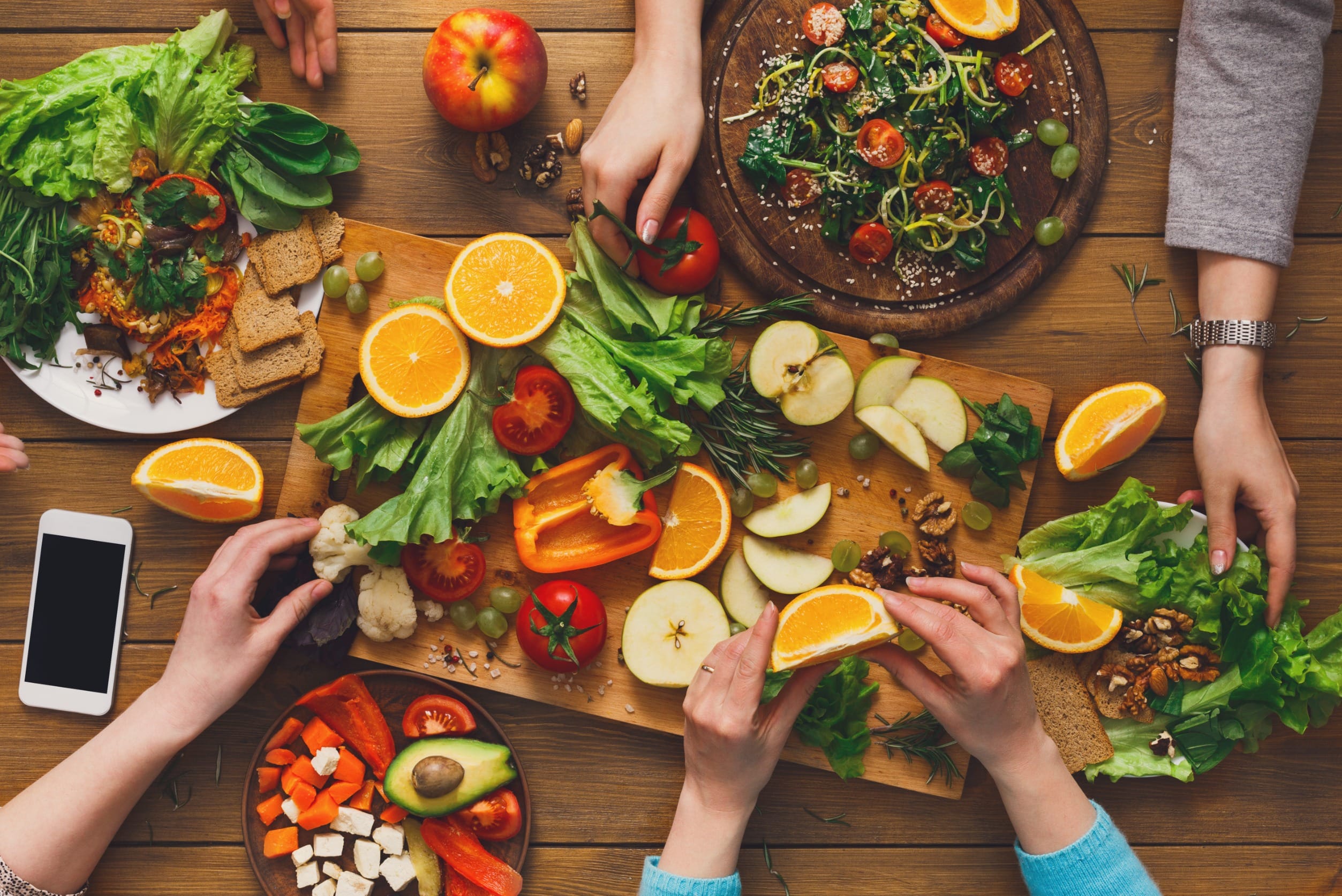
2. Plant-Based Eating

plant based eating
123rf

Gen Z is leading the charge towards plant-based diets for health and environmental reasons. Baby boomers can explore the world of plant-based cooking and discover delicious alternatives to meat and dairy products that are both nutritious and sustainable. This diet is typically high in fiber, vitamins, and antioxidants while being lower in saturated fats and cholesterol compared to animal-based diets. Moreover, research suggests that adopting a plant-based diet can lower the risk of chronic diseases such as heart disease, diabetes, and certain cancers, promoting overall health and well-being.

3. Remote Work

remote work
123rf

The COVID-19 pandemic accelerated the shift towards remote work, a lifestyle trend that Gen Z has wholeheartedly embraced. Baby boomers can explore the flexibility and convenience of working remotely, allowing them to balance work and leisure in a whole new way. Also, working remotely eliminates the need for lengthy commutes, reducing stress and providing more time for leisure activities and family bonding. By embracing this modern approach to work, boomers can enjoy greater autonomy and fulfillment in both their professional and personal lives.

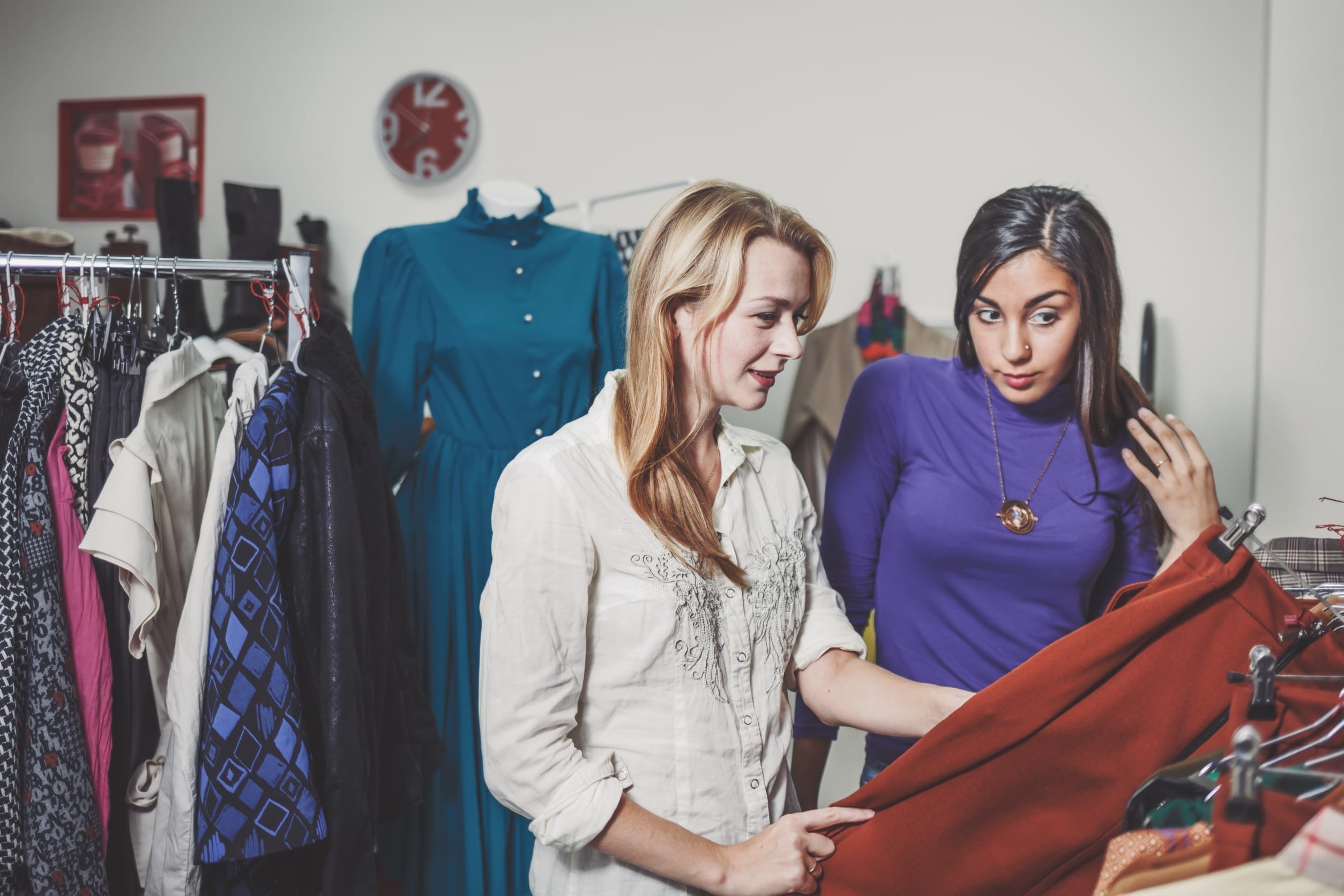
4. Thrift Shopping

thrifting
123rf

With concerns about sustainability and fast fashion on the rise, Gen Z has turned to thrift shopping as a stylish and eco-friendly alternative. Thrift shopping offers a myriad of benefits beyond just finding unique and affordable treasures. Firstly, it’s an eco-friendly choice that promotes sustainability by reducing the demand for new clothing production and minimizing textile waste. Secondly, thrift stores provide an opportunity to support local charities or businesses, with many establishments using proceeds to fund community initiatives or aid those in need.

Additionally, thrift shopping encourages creativity and individuality, allowing shoppers to curate a wardrobe that reflects their personal style without breaking the bank. Baby boomers can rediscover the thrill of hunting for unique treasures at thrift stores while reducing their carbon footprint.

5. DIY Culture

DIY culture
123rf

From crafting to home repairs, Gen Z has embraced the do-it-yourself ethos with gusto. Gen Z’s embrace of the do-it-yourself (DIY) culture reflects a desire for self-expression, sustainability, and resourcefulness. This generation is utilizing online platforms and tutorials to learn new skills and crafts, from upcycling clothing to creating homemade skincare products. Altogether, DIY projects not only offer a creative outlet but also empower individuals to personalize their belongings and reduce waste in a consumer-driven society.

Moreover, DIY culture fosters a sense of community as enthusiasts share tips, tricks, and finished projects online, inspiring others to explore their creativity and embrace a more hands-on approach to life.  Baby boomers can tap into their creative side and learn new skills by taking on DIY projects, whether it’s knitting a scarf or refurbishing old furniture.

6. Focus on Fitness

fitness class
123rf

Whether it’s yoga, HIIT workouts, or dance cardio, Gen Z is all about staying active and having fun while doing it. This generation embraces a wide range of physical activities, from traditional gym workouts to more unconventional forms of exercise like dance cardio, and outdoor adventure sports.

Along with this, social media platforms play a significant role in shaping fitness trends, with influencers and online communities promoting body positivity, inclusivity, and self-love. Gen Z’s approach to fitness extends beyond aesthetics, emphasizing mental health benefits such as stress relief, improved mood, and increased self-confidence. Baby boomers can explore different fitness trends and find activities that suit their interests and abilities, helping them stay healthy and energetic.

7. Mindfulness Practices

mindfulness
123rf

From meditation to journaling, Gen Z prioritizes mental health and self-care like never before. This generation incorporates various mindfulness practices into their daily routines, such as meditation, yoga, and journaling, to cultivate inner peace and resilience. Moreover, Gen Z’s commitment to mindfulness extends beyond personal well-being, as many advocate for destigmatizing mental health issues and promoting open dialogue about emotions and self-care. Of course, baby boomers can benefit as well from incorporating mindfulness practices into their daily routine, helping them stay grounded and resilient in the face of life’s challenges.

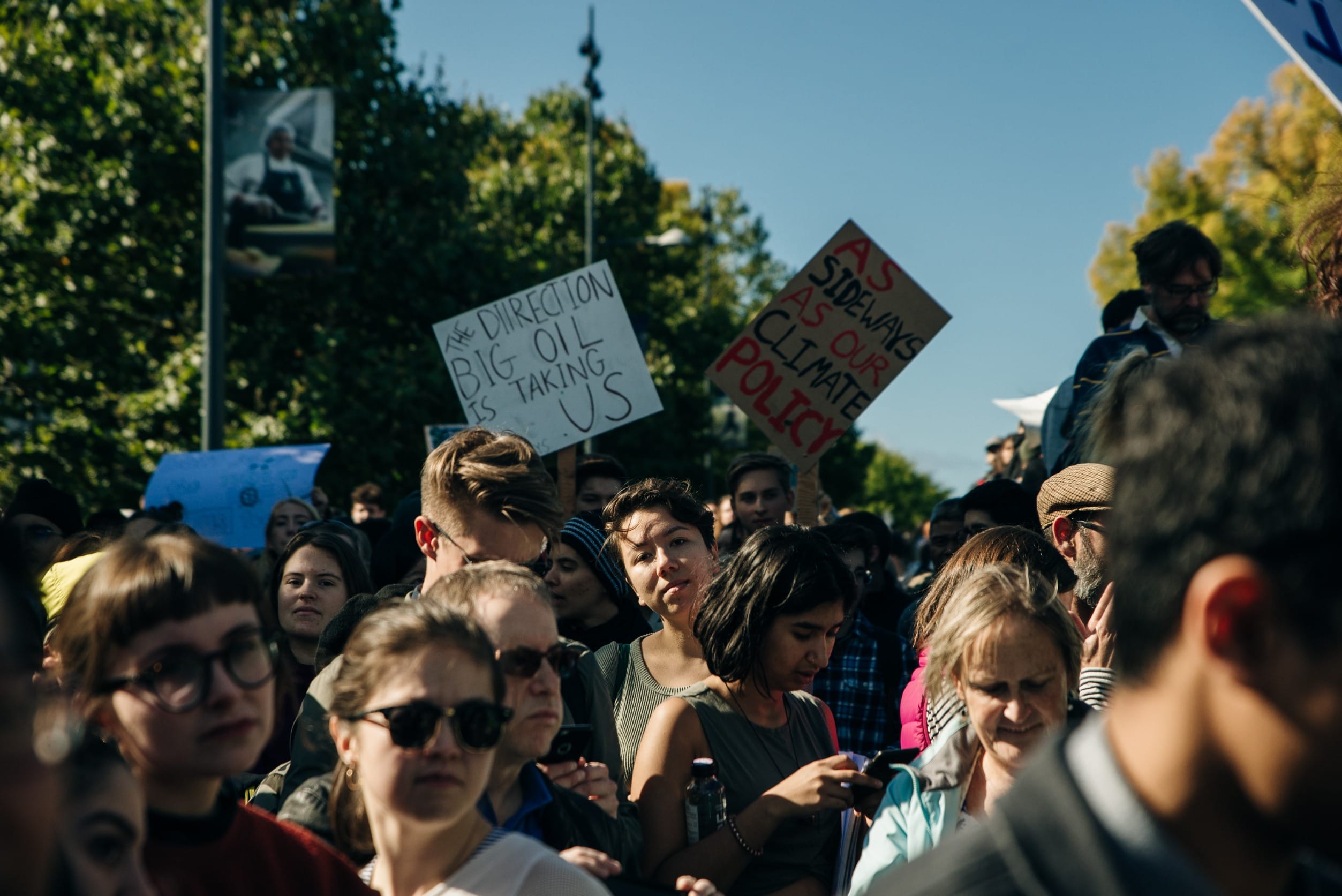
8. Social Activism

climate change protest
123rf

Gen Z is passionate about making a difference in the world and isn’t afraid to speak out on social and political issues. For example, they are highly vocal and active on social media platforms, using their voices to advocate for various causes, from climate action to racial justice and LGBTQ+ rights. Also, Gen Z’s approach to activism is inclusive and intersectional, recognizing the interconnectedness of social issues and advocating for solutions that address systemic inequalities. Beyond online activism, Gen Z participates in grassroots movements, protests, and community organizing efforts to effect tangible change in their local communities and beyond. Baby boomers can join the conversation and lend their voices to causes they care about, contributing to positive change in the world.

9. Tech Tools

tech tools video chatting
123rf

While technology may seem daunting to some baby boomers, embracing tech tools can open up a world of possibilities. Gen Z’s relationship with technology is characterized by fluency, adaptability, and innovation. This generation embraces a wide array of tech tools to streamline their daily lives, enhance productivity, and foster connection. From social media platforms like TikTok and Instagram to communication apps like Discord and Slack, Gen Z utilizes technology to express themselves creatively, stay informed, and connect with peers globally.

Moreover, Gen Z leverages emerging technologies such as augmented reality (AR), virtual reality (VR), and artificial intelligence (AI) to explore new realms of entertainment, education, and entrepreneurship. From video calls with loved ones to online banking and shopping, Gen Z’s tech-savvy lifestyle can help baby boomers stay connected and organized in the digital age.

10. Minimalism

minimalist décor
123rf

In a society that often equates success with material wealth, Gen Z is championing the minimalist lifestyle as a way to prioritize experiences over possessions. As a whole, Gen Z’s embrace of minimalism represents a shift away from consumerism towards a lifestyle focused on simplicity, intentionality, and sustainability. Furthermore, by decluttering their lives and paring down their possessions to the essentials, Gen Z cultivates a sense of freedom, clarity, and mindfulness.

Additionally, minimalism extends beyond physical belongings to encompass digital clutter and mental distractions, with Gen Z seeking to simplify all aspects of their lives to create space for what truly matters. By embracing minimalism, Gen Z is challenging societal norms of materialism and excess, advocating for a more mindful and purpose-driven approach to living. Ultimately, baby boomers can learn from Gen Z and declutter their homes and lives, focusing on what truly brings them joy and fulfillment.

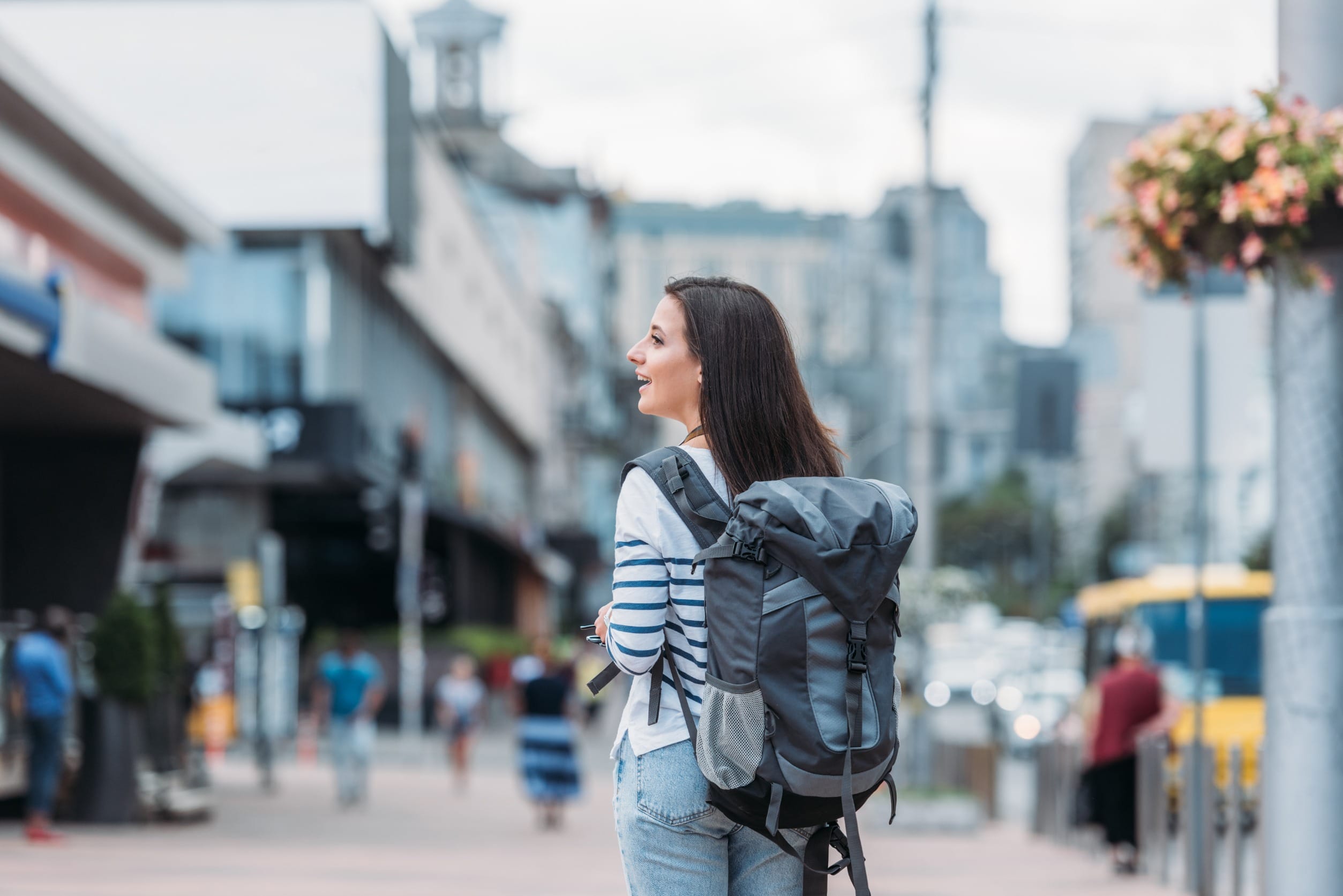
11. Travel Experiences

travel Gen Z
123rf

Gen Z values experiences over material possessions, and travel is high on their list of priorities. Unlike previous generations, who may have prioritized luxury resorts or guided tours, Gen Z seeks out off-the-beaten-path destinations and immersive experiences that allow them to connect with local communities and cultures. This generation values experiential travel over material possessions, prioritizing memories and meaningful encounters over souvenirs. Also, Gen Z’s travel experiences often incorporate elements of sustainability and social responsibility, with many opting for eco-friendly accommodations, supporting local businesses, and engaging in voluntourism initiatives.

By embracing travel as a means of personal growth, cultural exchange, and global citizenship, Gen Z is redefining the way we explore the world and fostering a deeper appreciation for the diversity and interconnectedness of our planet. Baby boomers can also embrace their sense of adventure and explore new destinations, whether it’s a weekend getaway or a bucket-list trip abroad, creating memories that will last a lifetime.

12. Lifelong Learning

Gen Z lifestyle lifelong learning
123rf

With access to endless information at their fingertips, Gen Z understands the importance of lifelong learning and incorporates into their lifestyle. Gen Z’s commitment to lifelong learning reflects a culture of curiosity, adaptability, and self-improvement. Additionally, this generation recognizes that learning doesn’t stop after formal education and actively seeks out opportunities to expand their knowledge and skills throughout their lives. Along with this, Gen Z leverages a variety of resources, including online courses, podcasts, workshops, and mentorship programs, to pursue their interests and stay abreast of emerging trends and technologies. Moreover, Gen Z embraces a growth mindset, viewing challenges as opportunities for growth and innovation rather than obstacles to be avoided.

By prioritizing lifelong learning, Gen Z is equipping themselves with the tools and knowledge needed to thrive in a rapidly changing world, ensuring their continued personal and professional development for years to come. In sum, baby boomers can embrace a growth mindset and pursue new hobbies, interests, and skills well into their golden years, keeping their minds sharp and curious.

Lifestyle Trends Worth Trying

Gen Z lifestyle
123rf

Ultimately, bridging the generational gap between baby boomers and Gen Z can lead to mutual understanding, growth, and enrichment. By embracing the diverse lifestyle trends championed by Gen Z, baby boomers can discover new passions, enhance their well-being, and connect with younger generations in meaningful ways. So why not take a cue from Gen Z and adopt some of this younger generation’s lifestyle? After all, it’s never too late to try something new and embrace the ever-evolving tapestry of life.

Read More

10 Strange Facts About the Human Body You Never Knew

9 Fashion Trends Gen Z Loves That Millennials Just Can’t Understand

Photograph of Teri Monroe
Teri Monroe
Teri Monroe started her career in communications working for local government and nonprofits. Today, she is a freelance finance and lifestyle writer and small business owner. Teri holds a B.A. From Elon University.  In her spare time, she loves golfing with her husband, taking her dog Milo on long walks, and playing pickleball with friends.

Filed Under: Lifestyle Tagged With: baby boomers, gen z, Lifestyle, remote work

13 Things Young People Won’t Stop Doing That Elderly People Don’t Understand

June 6, 2024 by Stephen Kanaval Leave a Comment

Selfie stick
unsplash

The generational gap frequently fosters misunderstandings and confusion between young and elderly people. As technology advances and societal norms shift, younger generations embrace new habits and practices that can leave older individuals feeling perplexed and out of touch. These changes not only highlight the differences in lifestyle and values but also underscore the evolving nature of human interaction and daily life. With each generation bringing its unique perspective and way of life, it’s no surprise that certain behaviors and trends embraced by young people today can seem utterly baffling to their elders. Here are 13 things that young people won’t stop doing that elderly people just don’t understand:

1. Constantly Using Social Media

Social
unsplash

Young people are glued to social media platforms like Instagram, TikTok, and Snapchat, sharing their lives and staying connected with friends and trends. For the elderly, the necessity of constant online interaction is perplexing, as they are accustomed to face-to-face conversations and phone calls for socialization. The concept of documenting daily activities, seeking validation through likes and comments, and following influencers seems foreign and often unnecessary to older generations who value privacy and direct human interaction.

2. Taking Selfies Everywhere

Selfie
unsplash

Selfie culture is pervasive among young people, who document every moment with photos of themselves. Elderly people often find this behavior odd, preferring traditional photography where the focus is on capturing memorable events rather than self-portraits. The obsession with taking multiple pictures to get the perfect shot, using filters, and sharing these images online can seem superficial and self-centered to older individuals who value more candid and meaningful photographs.

3. Streaming Music and Videos

Streams
unsplash

The shift from physical media to streaming services like Spotify, Netflix, and YouTube is second nature to the younger generation. In contrast, older individuals often prefer CDs, DVDs, or live television, finding it hard to grasp the convenience and vast selection offered by streaming platforms. The idea of having access to millions of songs and movies at their fingertips, without the need for physical storage, is a significant technological leap that can be challenging for the elderly to fully appreciate.

4. Texting Over Calling

text me
unsplash

Young people overwhelmingly favor texting and messaging apps for communication, as they value the ability to multitask and appreciate the casual, convenient nature of texts. This digital mode of interaction allows them to maintain multiple conversations simultaneously, share media instantly, and respond at their convenience, fitting seamlessly into their fast-paced, tech-savvy lives. In contrast, elderly individuals typically prefer phone calls, cherishing the personal touch and directness that comes with hearing someone’s voice.

To them, the brevity and sometimes impersonal nature of text messages can seem inadequate for meaningful communication. They grew up in an era where deep, verbal interactions were the norm, and the nuances of tone, inflection, and immediate feedback in a phone call are elements they find essential for genuine connection. The preference for texting among younger generations often feels impersonal and detached to older people, who may struggle to adapt to the less direct, more fragmented nature of digital communication.

5. Using Slang and Emojis

Emoji
unsplash

The use of slang and emojis in everyday communication is widespread among young people. Some young people can communicate with only emojis in a pinch. This language evolution can leave the older generation confused, struggling to understand the meanings behind these symbols and abbreviations. Emojis add a visual element to text, conveying emotions and reactions that can be lost in plain text, but for the elderly, this can seem like a complicated and unnecessary addition to written communication.

6. Working Remotely

Remote
unsplash

Remote work and the gig economy are popular among young professionals, who value flexibility and work-life balance. Most young people would prefer to work from the comfort of their homes and actually seek out jobs specifically that offer this kind of flexibility. For the elderly, who grew up with traditional office jobs and fixed schedules, the concept of working from home or freelancing is often difficult to comprehend. The lack of a physical office environment, set hours, and face-to-face meetings can seem chaotic and unproductive to those who are used to a more structured work life.

7. Following Influencers

Influencer
unsplash

Young people look up to social media influencers for lifestyle inspiration, product recommendations, and entertainment. Moreover, influencers have become a legitimate and useful marketing strategy for most major corporations. The idea of taking advice from strangers online is foreign to the elderly, who typically rely on trusted friends, family, or professionals for guidance. Influencers’ curated lives and commercial partnerships can seem misleading and superficial to older individuals who value authenticity and expert opinions.

8. Prioritizing Experiences Over Possessions

Experiences
unsplash

The younger generation often values experiences like travel and dining out over material possessions. Give a young person a road trip or a luxury dining experience, and they will jump at the chance. This contrasts with the older generation, who may prioritize financial stability and owning tangible assets like homes and cars. The idea of spending money on fleeting experiences rather than saving for long-term security can seem impractical and frivolous to those who have lived through times of economic uncertainty.

9. Dating Apps

Dating apps
unsplash

Online dating through apps like Tinder and Bumble has become the norm for young people seeking romantic relationships. These platforms offer a quick, convenient way to meet potential partners by simply swiping right or left based on profile pictures and brief bios. This method, while efficient, is often seen as impersonal by the older generation, who grew up valuing face-to-face introductions and deeper connections. Elderly individuals typically prefer traditional ways of meeting potential partners, such as through mutual acquaintances, community events, or social gatherings. The fast-paced, swipe culture of modern dating apps, with its quick judgments based on superficial criteria and the overwhelming volume of potential matches, can seem insincere and overwhelming to those who value intentional, personal connections and the gradual development of relationships.

10. Embracing Minimalism

min
unsplash

Minimalism, the practice of living with fewer possessions, resonates strongly with many young people who strive for simplicity and sustainability. This lifestyle emphasizes decluttering, reducing waste, and prioritizing quality over quantity, reflecting a conscious choice to focus on what truly matters. In contrast, the older generation, who may have experienced times of scarcity and economic hardship, often find it challenging to understand the appeal of intentionally having less. For them, accumulating possessions was a way to ensure security and preparedness, values deeply ingrained from their formative years. The minimalist approach can seem drastic and even wasteful to those who were taught to hold onto items for future use, viewing it as a departure from the prudent practices they were raised with.

11. Obsessing Over Fitness Trends

Fit woman
unsplash

Young people today are heavily influenced by the latest fitness trends, from CrossFit to yoga and HIIT (High-Intensity Interval Training) workouts. They often engage in these activities not just for health benefits but also as a social activity and a way to challenge themselves physically. This intense dedication to new workout regimes, specialized diets, and fitness challenges can appear extreme and unsustainable to the older generation, who generally prefer more conventional forms of exercise like walking, swimming, or gardening. Elderly individuals value moderation and consistency in physical activity, finding the intense, sometimes fad-driven nature of modern fitness trends to be impractical and even risky. The high-energy environment of these workouts can seem off-putting to those who have long relied on steady, tried-and-true methods for maintaining health and well-being.

12. Gaming Culture

unsplash

Video games have become a central part of entertainment for young people, who often spend hours playing online with friends and engaging in virtual worlds. For the elderly, gaming can seem like a frivolous and isolating activity, a stark contrast to the more social and passive forms of entertainment they grew up with, such as playing board games or watching television with family. The competitive nature, virtual interactions, and immersive environments created by modern games are difficult for older generations to understand. They may not see the community, skill-building, and strategic thinking involved in gaming, viewing it instead as a waste of time. The vibrant, fast-paced, and often complex world of gaming is a far cry from the simpler, more straightforward pastimes that the elderly prefer, highlighting a significant cultural divide between the generations.

13. Sharing Economy

sharing bikes
unsplash

Young people readily embrace the sharing economy, using services like Airbnb, Uber, and TaskRabbit to share resources and services. For many young people, these apps are the height of convenience.  Elderly individuals, accustomed to owning and managing their assets, may struggle to see the benefits of this communal approach. The idea of relying on strangers for accommodation, transportation, or tasks can seem risky and unreliable to those who prefer self-sufficiency and personal ownership.

Bridging the Generational Gap

Young people
pixabay

Understanding these differences is crucial in bridging the generational gap and fostering mutual respect between young people and the elderly. Each generation brings unique strengths and perspectives to the table, and by recognizing and appreciating these differences, we can create a more harmonious and inclusive society. Young people can benefit from the wisdom, life experiences, and timeless values of the older generation, gaining insights into resilience, patience, and the importance of face-to-face communication. On the other hand, elderly individuals can learn from the innovations, technological advancements, and fresh viewpoints of the younger generation, discovering new ways to stay connected, informed, and engaged with the world around them.

By embracing these differences, both generations can enhance their relationships and develop a deeper appreciation for each other’s perspectives. This mutual understanding can lead to more meaningful interactions, where the energy and creativity of youth are balanced by the knowledge and stability of age. It’s about finding common ground, where the past and present converge to create a richer, more diverse tapestry of human experience. Encouraging intergenerational dialogue and collaboration not only strengthens familial and social bonds but also paves the way for a future where everyone feels valued and understood.

Stephen Kanaval
Stephen Kanaval

Stephen began his career as a Research Assistant at a reputable middle-market private equity firm, where he honed his skills in market research, financial analysis, and identifying investment opportunities. He then transitioned to full-time financial writing focusing on small-cap biotech innovation and digital payment solutions. Today, Stephen is a value-based retail investor and novice baseball statistician.

Filed Under: People Tagged With: baby boomers, Boomers, gen z, Generation Differences, Millennials

12 Things Baby Boomers Can Teach Us About Frugality

May 21, 2024 by Vanessa Bermudez Leave a Comment

frugal baby boomer
123rf

Have you ever wondered how your grandparents managed to stretch every dollar, repair anything broken, and still save enough for a rainy day? Growing up in the wake of World War II and during the transformative 60s, Boomers learned how to make the most of what they had. Today, as we navigate through our own financial challenges, there’s a lot we can learn from their thriftiness. From the joys of a well-tended vegetable garden to the art of a perfectly timed thrift store find, let’s explore 12 standout lessons on frugality that Boomers can pass down to younger generations. 

1. Value Quality Over Quantity

high-quality shoes
123rf

Baby Boomers often emphasize the importance of buying quality items that last rather than cheap products that need frequent replacing. This approach not only saves money in the long run but also reduces waste. Investing in a well-made pair of shoes, for instance, might cost more upfront but can avoid the need for frequent replacements.

2. Embrace Home Cooking

elderly couple cooking at home
123rf

Eating out was a rarity rather than a routine for many Baby Boomers. They know that cooking at home saves a substantial amount of money compared to dining at restaurants. Home-cooked meals are not only cheaper but healthier, allowing for better control over ingredients and portion sizes, which is also a savvy way to stretch your food budget further.

3. Avoid Debt Whenever Possible

boomer avoiding debt
123rf

Baby Boomers generally view debt with skepticism. Except for significant investments like a home, they prefer to live within their means. This aversion to debt discourages frivolous spending on credit and encourages saving up for big purchases. Living debt-free means less stress and more financial freedom.

4. Make Do and Mend

an old man repairing a broken chair
123rf

The ‘make do and mend’ mindset of Baby Boomers is a stark contrast to today’s disposable culture. Repairing clothing, fixing appliances, and upcycling furniture not only saves money but also teaches valuable skills. This attitude helps cultivate a resourceful mindset and an appreciation for what one already possesses.

5. Use It Up, Wear It Out

squeezing toothpaste
123rf

Baby Boomers are masters of using items until they truly can’t be used anymore. From squeezing the last bit of toothpaste out of the tube to repurposing leftovers into new meals, they waste very little. This practice is not only frugal but also environmentally sustainable.

6. Grow Your Own Food

an old man planting vegetables
123rf

Many Boomers have a knack for gardening, a skill that provides fresh produce right from the backyard. Growing your own fruits and vegetables can significantly reduce the grocery bill. It’s also a rewarding hobby that ensures you know exactly where your food comes from.

7. Shop Secondhand

an elderly couple thrift shopping
123rf

Baby Boomers aren’t strangers to thrift stores and garage sales, where one can find everything from clothing to furniture at a fraction of the retail price. Shopping secondhand is not only economical but can also be a fun treasure hunt, making it an enjoyable way to save.

8. Plan for the Long Term

retirement plan
123rf

Long-term planning is a cornerstone of the Boomer approach to finances. Whether it’s retirement planning, investing in real estate, or buying life insurance, Boomers think ahead. Early and strategic planning can pave the way for financial stability and comfort later in life.

9. Appreciate Free Entertainment

free entertainment
123rf

Baby Boomers often enjoy simple pleasures and free local entertainment, such as community concerts, library events, or parks. They know that fun doesn’t have to come with a hefty price tag. In today’s world, where entertainment expenses can quickly add up, there’s wisdom in rediscovering these cost-free joys.

10. Be Energy Conscious

saving energy
123rf

Energy efficiency is another area where Boomers excel. From turning off lights when leaving a room to investing in energy-efficient appliances, they know that being mindful of energy use reduces utility bills.

11. Collect and Use Coupons Wisely

coupons
123rf

While this list focuses on saving without coupons, it’s worth noting that Boomers are adept at using coupons strategically for additional savings. They collect coupons for only those items they were already planning to buy, avoiding the trap of buying unnecessary items just because they’re on sale.

12. Pass Down and Share

passing down old clothes
123rf

Baby Boomers often pass down clothing, toys, books, and tools to the next generation or share them within their community. This practice not only saves money but strengthens community ties and supports a cycle of giving and receiving.

The Art of Frugality

baby boomer money tips
123rf

By adopting some of these tried-and-true frugality lessons from the Baby Boomer generation, people of all ages can learn to manage their finances more effectively, reduce waste, and lead a more prosperous life without spending more. In embracing these habits, we can all find ways to be financially savvy and environmentally conscious, ensuring a legacy of sustainability and thrift.

Read More

12 Crucial Money Lessons Baby Boomers Passed Down to Their Millennial Kids

9 Reasons Baby Boomers Are Healthier Than Other Generations

Vanessa Bermudez
Vanessa Bermudez
Vanessa Bermudez is a content writer with over eight years of experience crafting compelling content across a diverse range of niches. Throughout her career, she has tackled an array of subjects, from technology and finance to entertainment and lifestyle. In her spare time, she enjoys spending time with her husband and two kids. She’s also a proud fur mom to four gentle giant dogs.

Filed Under: money management Tagged With: baby boomers, budgeting, frugality, Personal Finance, saving money

  • « Previous Page
  • 1
  • 2
  • 3
  • 4

FOLLOW US

Search this site:

Recent Posts

  • Can My Savings Account Affect My Financial Aid? by Tamila McDonald
  • 12 Ways Gen X’s Views Clash with Millennials… by Tamila McDonald
  • What Advantages and Disadvantages Are There To… by Jacob Sensiba
  • 10 Tactics for Building an Emergency Fund from Scratch by Vanessa Bermudez
  • Call 911: Go To the Emergency Room Immediately If… by Stephen Kanaval
  • 7 Weird Things You Can Sell Online by Tamila McDonald
  • 10 Scary Facts About DriveTime by Tamila McDonald

Copyright © 2026 · News Pro Theme on Genesis Framework