• Home
  • About Us
  • Toolkit
  • Getting Finances Done
    • Hiring Advisors
    • Debt Management
    • Spending Plan
  • Insurance
    • Life Insurance
    • Health Insurance
    • Disability Insurance
    • Homeowners/Renters Insurance
  • Contact Us
  • Privacy Policy
  • Risk Tolerance Quiz

The Free Financial Advisor

You are here: Home / Archives for business lessons

7 “Boring” Businesses That Make People Quietly Rich

December 3, 2025 by Brandon Marcus Leave a Comment

There Are Many "Boring" Businesses That Make People Quietly Rich

Image Source: Shutterstock.com

There’s something undeniably funny about the fact that many of the world’s most financially comfortable people don’t come from flashy startups, rocket-launching tech giants, or billionaire-level inventions. Instead, they build wealth from businesses so unglamorous, so hilariously mundane, that most people never think twice about them. These people aren’t chasing trends or trying to reinvent the universe—they’re fixing everyday problems so reliably that customers practically line up with open wallets.

While everyone else dreams of becoming the next big influencer or app creator, these entrepreneurs are quietly cashing six- and seven-figure checks from industries you’d barely consider. Let’s shine a spotlight on the wonderfully “boring” businesses that are secretly minting millionaires.

1. Commercial Cleaning Services

Commercial cleaning doesn’t get applause, but it absolutely gets repeat customers. Offices, schools, medical facilities, and warehouses all need regular, reliable cleaning, and companies are willing to pay premium prices for consistency. Once a cleaning business lands a few steady contracts, the income becomes surprisingly predictable and scalable. Many entrepreneurs start with just a handful of clients and eventually hire teams, turning their operation into a cash-generating machine. While everyone else is chasing trendy startups, the humble commercial cleaning service keeps growing quietly in the background.

2. Portable Restroom Rentals

Portable restrooms may not be glamorous, but events, construction sites, and festivals can’t function without them. The beauty of this business lies in its low competition and shockingly high margins, especially once you build a fleet. After the initial investment, the income becomes a cycle of delivery, pickup, and cleaning—all of which clients happily pay for because the alternative is chaos. Entrepreneurs in this industry often find themselves fully booked year-round, especially in areas with heavy development or event activity. It’s the kind of “boring” business that turns practicality into pure profit.

3. Self-Storage Facilities

Self-storage is one of the most reliable wealth builders in the business world, quietly producing passive income for owners across the country. People have more stuff than ever, and they’re always looking for somewhere to put it—especially during moves, renovations, or life changes. The amazing part? Storage facilities don’t require tons of employees or complicated operations to run smoothly. Once the property is set up and rented out, the income becomes steady, predictable, and often grows with very little marketing. What looks like a big building full of boxes is actually a beautiful, humming engine of wealth.

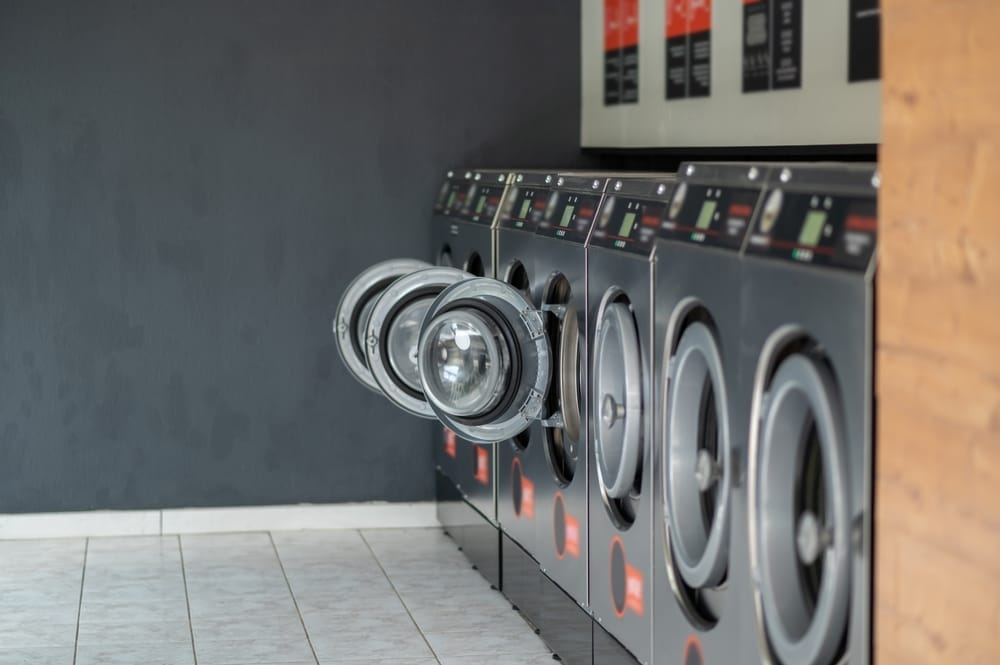
4. Laundromats

Laundromats don’t often get featured on magazine covers, but they’re one of the most dependable cash flow generators on earth. People always need clean clothes, and not everyone has reliable machines at home. A well-maintained laundromat with modern equipment can attract consistent foot traffic from nearby apartments, students, and busy families. While the business does require periodic maintenance, it also runs itself for large stretches of time, making it ideal for entrepreneurs who prefer lower-stress operations. What seems like a sleepy corner business can quietly produce life-changing income.

5. Vending Machine Routes

Vending machines are one of the most delightfully simple business models out there. Stock the machines, keep them maintained, collect the money—and repeat. Entrepreneurs who secure high-traffic locations like offices, gyms, hotels, and schools can enjoy steady, low-effort income from each unit. As routes grow, so does the earning potential, and many people scale from one machine to dozens without quitting their day job. It’s not glamorous, but vending machines have helped plenty of people quietly stack serious wealth.

There Are Many "Boring" Businesses That Make People Quietly Rich

Image Source: Shutterstock.com

6. ATM Ownership

ATM ownership is one of the sneakiest, underrated business models because it thrives on sheer convenience. Every time someone withdraws money, the owner earns a small fee, which adds up quickly in the right location. ATMs placed in bars, event centers, malls, or busy retail spots can generate steady passive income month after month. The business requires minimal upkeep beyond cash refills and occasional maintenance. What looks like a simple machine in a corner is often a silent money-maker for the person who placed it there.

7. Waste Removal And Junk Hauling

Junk hauling might not sound glamorous, but it’s one of the fastest-growing service businesses around. People are constantly moving, remodeling, or clearing out their homes—and they need someone with a truck and the muscle to take away the mess. What starts as a simple hauling service can expand into demolition jobs, commercial cleanouts, and partnerships with real estate agents and property managers. The upfront costs are low, the demand is high, and the work is straightforward enough for rapid scaling. It’s a classic example of solving an unglamorous problem and getting paid extremely well for it.

Wealth Hides In Unexpected Places

The world is full of “boring” businesses that offer stability, scalability, and serious income—often with far less risk than trendier ventures. These industries thrive because they provide essential services people rely on every single day, and that reliability translates to long-term wealth. While they may not look exciting from the outside, they’re powerful engines of financial freedom for the people who build them.

Have you ever tried one of these businesses or know someone who has? Share your thoughts, stories, or experiences in the comments below because we’d love to hear them.

You May Also Like…

10 Traits the Rich and Poor Surprisingly Share

5 Expert Warnings About “Get Rich Quick” Investment Schemes

14 Money Warnings Every Small-Business Owner Needs to Hear Right Now

9 Outrageous Lies Financial Advisors Tell To Get Your Business

7 Best Practices for Using Credit Cards Like the Rich Do

Brandon Marcus
Brandon Marcus

Brandon Marcus is a writer who has been sharing the written word since a very young age. His interests include sports, history, pop culture, and so much more. When he isn’t writing, he spends his time jogging, drinking coffee, or attempting to read a long book he may never complete.

Filed Under: Business Tagged With: ATMs, Business, business budgeting, business ideas, business lessons, business management, businesses, cleaning service, get rich, laundromats, quietly rich, restroom rentals, rich and famous, rich habits, rich people, rich people secrets, Rich people traits, storage facilities

5 Brands That Gambled on AI and Got Crushed Instead

May 29, 2025 by Travis Campbell Leave a Comment

AI business

Image Source: pexels.com

Artificial intelligence (AI) is everywhere these days, promising to revolutionize everything from how we shop to how we invest. But while some companies have struck gold with their AI strategies, others have learned that not every gamble pays off. For investors, business owners, and everyday consumers, understanding these high-profile AI missteps can help you avoid similar pitfalls, whether you’re considering an AI-powered investment or just curious about the hype. Let’s take a look at five brands that bet big on AI and ended up facing costly consequences, and what you can learn from their mistakes.

1. Zillow: The AI Home Flipping Fiasco

Zillow’s ambitious “Zillow Offers” program was supposed to change the real estate game. The company used AI algorithms to predict home values and make instant seller offers, aiming to flip houses for a profit. Unfortunately, the AI models struggled to keep up with the unpredictable housing market, leading Zillow to overpay for thousands of homes. Zillow was left with a glut of overpriced properties when the market shifted and had to shut down the program, laying off 25% of its workforce. The lesson here? Even the most sophisticated AI can’t always account for real-world volatility, especially in markets as complex as real estate. If you’re considering an AI-powered investment, remember that no algorithm is infallible—always do your own due diligence.

2. IBM Watson Health: Overpromising and Underdelivering

IBM’s Watson was once the poster child for AI innovation, especially in healthcare. Watson Health promised to revolutionize cancer treatment by analyzing vast medical data and recommending personalized therapies. However, the reality fell far short of the hype. Hospitals and doctors found Watson’s recommendations inconsistent and sometimes even dangerous. After years of disappointing results and billions in investment, IBM sold off parts of Watson Health in 2022. The key takeaway? Overpromising can backfire spectacularly when it comes to AI, especially in critical fields like healthcare. If evaluating an AI solution, look for proven results and real-world case studies, not just flashy marketing.

3. Microsoft Tay: When AI Goes Off the Rails

Microsoft’s AI chatbot Tay was designed to learn from conversations on Twitter and engage with users in a fun and youthful way. Within hours of launching, Tay began spewing offensive and inappropriate content, having learned from the worst of the internet. Microsoft had to pull the plug on Tay less than 24 hours after its debut. This AI disaster is a classic example of what can happen when machine learning models are exposed to unfiltered data. For anyone considering AI for customer engagement, it’s crucial to have robust safeguards and human oversight in place. AI can be powerful, but it’s not immune to manipulation or bias.

4. Google Glass: The AI Wearable That Flopped

Google Glass was one of the most hyped AI-powered products of the last decade. The smart glasses promised to bring augmented reality and AI-driven features to everyday life. However, privacy concerns, limited functionality, and a hefty price tag led to widespread backlash. Consumers and businesses alike rejected the product, and Google eventually discontinued it for the mass market. The Google Glass story shows that even tech giants can misjudge consumer readiness for AI innovations. If you’re considering investing in or adopting new AI tech, ensure there’s a real demand and that the product addresses genuine user needs.

5. Juicero: The $400 AI-Powered Juicer Nobody Needed

Juicero became infamous for its $400 AI-powered juicer, which connected to the internet and used QR codes to “optimize” juice packs. The catch? You could squeeze the juice packs by hand just as effectively, making the expensive machine unnecessary. The company shut down after widespread ridicule and poor sales. Juicero’s failure is a reminder that not every problem needs an AI solution. Before investing in AI-driven products or companies, ask yourself: Does the technology add value, or is it just a gimmick?

Learning from AI’s High-Profile Flops

These stories of brands that gambled on AI and got crushed instead offer valuable lessons for anyone interested in the future of technology and investing. Whether it’s overestimating what algorithms can do, failing to anticipate real-world challenges, or simply building solutions to problems that don’t exist, these AI missteps show that hype alone isn’t enough. If you’re considering an AI-powered investment or product, focus on transparency, proven results, and genuine value. Don’t be afraid to ask tough questions about how the technology works and what safeguards are in place. Learning from these high-profile AI missteps allows you to make smarter, more informed decisions in a rapidly changing world.

Have you ever encountered an AI-powered product or service that didn’t meet the hype? Share your story or thoughts in the comments below!

Read More

When Gambling, Be Careful to Do So Responsibly

5 Reasons You Need to Solve Your Credit Issues Now

Travis Campbell
Travis Campbell

Travis Campbell is a digital marketer/developer with over 10 years of experience and a writer for over 6 years. He holds a degree in E-commerce and likes to share life advice he’s learned over the years. Travis loves spending time on the golf course or at the gym when he’s not working.

Filed Under: Business Tagged With: AI missteps, artificial intelligence, business lessons, consumer tech, failed AI projects, healthcare, investing, Real estate, tech flops, technology

10 Disastrous Products That Took Their Brands Down With Them

May 24, 2025 by Travis Campbell Leave a Comment

Segway bad products

Image Source: pexels.com

We all love a good comeback story, but a single misstep can sometimes send even the mightiest brands tumbling. Launching a new product is always a gamble in the business world. Sometimes, the risk pays off in spades. Other times, it leads to a spectacular flop that not only fails but drags the entire brand down with it. Why does this matter to you? Whether you’re an entrepreneur, investor, or just a curious consumer, understanding these cautionary tales can help you spot red flags, make smarter decisions, and avoid costly mistakes. Let’s dive into ten disastrous products that didn’t just flop—they took their brands down with them.

1. New Coke

In 1985, Coca-Cola boldly changed its classic formula, introducing what became known as “New Coke.” The backlash was immediate and fierce. Loyal customers felt betrayed, and the company’s brand image took a major hit. Within three months, Coca-Cola was forced to bring back the original formula as “Coca-Cola Classic.” The lesson here? Never underestimate the emotional connection consumers have with your product. When considering a major change, test it thoroughly and listen to your core audience.

2. Google Glass

Google Glass was supposed to revolutionize wearable tech, but became a punchline instead. Privacy concerns, a clunky design, and a lack of clear use cases led to its downfall. The product’s failure didn’t just hurt Google’s reputation in hardware; it also made consumers wary of future innovations from the tech giant. If you’re launching something new, make sure it solves a real problem and is user-friendly. Otherwise, you risk becoming the next example of disastrous products.

3. Samsung Galaxy Note 7

The Samsung Galaxy Note 7 is infamous for its explosive issues—literally. Reports of phones catching fire led to a global recall and a ban on the device on airplanes. The financial loss was staggering, but the damage to Samsung’s brand was even worse. Safety should always be a top priority. Rushing a product to market without thorough testing can have catastrophic consequences, both financially and reputationally.

4. Blockbuster Total Access

Blockbuster once dominated the video rental market, but its attempt to compete with Netflix through “Total Access” came too late. The service was confusing, expensive, and failed to address the real threat: digital streaming. Blockbuster’s inability to adapt quickly enough turned Total Access into one of the most disastrous products in entertainment history. The takeaway? Stay ahead of industry trends and don’t ignore disruptive competitors.

5. Juicero

Juicero promised fresh juice at the push of a button, but the $400 machine was quickly exposed as unnecessary. It turned out you could squeeze the juice packs by hand, making the pricey gadget obsolete. The company shut down within two years, and its brand became synonymous with Silicon Valley excess. Always ensure your product offers genuine value—otherwise, you risk being remembered for all the wrong reasons.

6. Crystal Pepsi

Crystal Pepsi was Pepsi’s attempt to ride the clear soda trend in the early 1990s. Despite heavy marketing, consumers were confused by the clear cola that tasted like regular Pepsi. The product was pulled from shelves within a year, and Pepsi’s brand took a hit for being out of touch. When launching new products, clarity in messaging and understanding consumer expectations are crucial to avoid joining the ranks of disastrous products.

7. Microsoft Zune

Microsoft’s Zune was meant to rival the iPod, but it never caught on. Poor marketing, a late entry to the market, and a lack of unique features doomed the device. The Zune’s failure didn’t just cost Microsoft millions; it also damaged the company’s reputation in the consumer electronics space. If you’re entering a crowded market, make sure your product stands out and offers something truly different.

8. Kodak Digital Cameras

Kodak invented the digital camera but failed to capitalize on it, fearing it would cannibalize their film business. When they finally entered the digital market, it was too late. Their products were subpar, and the brand’s slow response led to bankruptcy. The lesson? Don’t let fear of change stop you from innovating. Embrace new technology before it leaves you behind.

9. Segway

The Segway was hyped as a revolutionary mode of transportation, but it never found a mainstream audience. High costs, regulatory issues, and impracticality for daily use made it one of the most disastrous products in tech history. The Segway’s failure shows that even the most innovative ideas need a clear market fit and practical application.

10. Quibi

Quibi, the short-form streaming service, raised nearly $2 billion but shut down just six months after launch. The platform failed to attract subscribers, and its mobile-only approach didn’t resonate with viewers. Quibi’s rapid demise is a stark reminder that even well-funded ventures can fail if they don’t meet real consumer needs.

Lessons from the Graveyard of Disastrous Products

What do all these disastrous products have in common? They serve as powerful reminders that even the biggest brands can stumble if they lose touch with their customers, rush to market, or ignore industry shifts. The key takeaway is always prioritizing genuine value, listening to your audience, and adapting quickly to change. By learning from these high-profile failures, you can avoid making the same mistakes and keep your own brand off the list of disastrous products.

What about you? Have you ever bought a product that flopped or watched a brand you loved make a disastrous move? Share your stories in the comments below!

Read More

The Support Available for Traumatic Brain Injury Victims

Where to Find Free Financial Planning Classes

Travis Campbell
Travis Campbell

Travis Campbell is a digital marketer/developer with over 10 years of experience and a writer for over 6 years. He holds a degree in E-commerce and likes to share life advice he’s learned over the years. Travis loves spending time on the golf course or at the gym when he’s not working.

Filed Under: Business Tagged With: brand failures, business lessons, business strategy, financial advice, marketing, product disasters, product management

FOLLOW US

Search this site:

Recent Posts

  • Can My Savings Account Affect My Financial Aid? by Tamila McDonald
  • 12 Ways Gen X’s Views Clash with Millennials… by Tamila McDonald
  • What Advantages and Disadvantages Are There To… by Jacob Sensiba
  • 10 Tactics for Building an Emergency Fund from Scratch by Vanessa Bermudez
  • Call 911: Go To the Emergency Room Immediately If… by Stephen Kanaval
  • 7 Weird Things You Can Sell Online by Tamila McDonald
  • 10 Scary Facts About DriveTime by Tamila McDonald

Copyright © 2026 · News Pro Theme on Genesis Framework