• Home
  • About Us
  • Getting Finances Done
    • Hiring Advisors
    • Debt Management
    • Spending Plan
  • Insurance
    • Life Insurance
    • Health Insurance
    • Disability Insurance
    • Homeowners/Renters Insurance
  • Contact Us
  • Our Editorial Commitment

The Free Financial Advisor

You are here: Home / Archives for Lifestyle

12 Private Clubs Only the Wealthy Can Afford

June 5, 2024 by Stephen Kanaval Leave a Comment

savile
wikimedia

In an era of growing wealth disparity, the world’s elite are increasingly seeking exclusivity and privacy. This trend has led to a resurgence in ultra-exclusive private clubs, where membership is not just about financial means but also about social standing, influence, and connections.

These bastions of privilege offer unparalleled amenities, networking opportunities, and discretion, but at a price that’s out of reach for all but the wealthiest individuals. Let’s peek behind the velvet ropes and explore 12 of these ultra-exclusive enclaves.

1. Soho House, Global

unsplash

Soho House isn’t just a club; it’s a global phenomenon spanning 27 locations across Europe, North America, and Asia. Founded in London in 1995, it caters primarily to those in creative industries. Members enjoy access to chic workspaces, rooftop pools, cinemas, and even bedrooms at select houses.

The club’s ethos is “a home away from home,” but with annual fees ranging from $1,000 to $3,500, plus hefty joining fees, it’s a home few can afford. Its exclusivity stems from its selective membership process, favoring influencers, artists, and media moguls.

2. The Battery, San Francisco

Club
pixabay

In the heart of San Francisco’s tech hub, The Battery reflects the city’s digital wealth. Founded by Michael and Xochi Birch, who sold Bebo to AOL for $850 million, this club caters to tech entrepreneurs, venture capitalists, and innovators. Members have access to a world-class art collection, gourmet dining, and even a secret underground bar. The real draw, however, is the networking, deals worth billions have been struck here. With a $2,500 initiation fee and $2,400 annual dues, it’s a small price for potential unicorn connections.

3. 5 Hertford Street, London

London
unsplash

Tucked away in London’s Mayfair district, 5 Hertford Street is the epitome of old-world charm meets modern exclusivity. Owned by Robin Birley, son of famous club owner Mark Birley, it’s a favorite among royalty, politicians, and business tycoons.

The club features a Moroccan-themed nightclub, LouLou’s, where Prince Harry reportedly first met Meghan Markle. Membership is by invitation only, with fees rumored to exceed £1,800 annually. The club’s allure lies in its privacy, no cameras allowed, making it a safe haven for high-profile guests.

4. Core Club, New York City

Art
123rf

New York’s Core Club is where Wall Street meets the art world. Located in Midtown Manhattan, it was founded by 100 influential individuals across finance, fashion, and entertainment. The club boasts a contemporary art collection rivaling many museums, curated events with thought leaders, and a high-tech fitness center. However, access to this intellectual and financial powerhouse doesn’t come cheap, initiation fees are around $50,000, with yearly dues of $15,000. It’s a steep price, but for those seeking to rub shoulders with Fortune 500 CEOs, it’s an investment.

5. The Tanglin Club, Singapore

Tanglin
wikimedia

Established in 1865, The Tanglin Club in Singapore is a relic of the colonial era that has adapted to the city-state’s nouveau riche. Set in a stunning white colonial building, it offers a blend of traditional charm and modern luxury. Members, many from Asia’s burgeoning billionaire class, enjoy access to squash courts, a stunning pool, and even a cigar lounge. The club’s appeal lies in its business facilities, where major regional deals are often negotiated. Joining requires a proposer and a seconder, plus fees that can reach S$25,000.

6. Annabel’s, London

London 2
pixabay

Annabel’s in London’s Berkeley Square is not just a club; it’s a work of art. Founded in 1963 and recently redesigned for £55 million, every inch is Instagram-worthy. Each room has a different theme, from the jungle-inspired Garden of Eden to the opulent Nightclub. Members, who include fashion designers, A-list celebrities, and aristocrats, have access to a spa, cigar salon, and world-class restaurants.

But beauty comes at a price, membership costs can soar to £3,500 annually, plus a hefty joining fee. For the elite, it’s a small price for entry to London’s most photogenic playground.

7. The Carnegie Club at Skibo Castle, Scotland

Scottish
unsplash

For those seeking nobility, there’s The Carnegie Club at Skibo Castle in the Scottish Highlands. Once home to industrialist Andrew Carnegie, this 8,000-acre estate offers a taste of aristocratic life. Members can stay in luxurious rooms, play the championship golf course, go salmon fishing, or enjoy whisky tastings.

The club’s exclusivity lies in its history and limited membership, only 400 individuals worldwide. Joining requires a one-time fee of £25,000 plus annual dues of £8,000, making it a retreat only for those with both lineage and liquidity.

8. The Cosmos Club, Washington, D.C.

Dupont
123rf

In a city driven by power, The Cosmos Club in Washington, D.C., trades in intellectual capital. Founded in 1878, its membership roster reads like a who’s who of Nobel laureates, Pulitzer winners, and top-tier academics. Located in a Dupont Circle mansion, the club features a magnificent library, scholarly lectures, and refined dining.

Unlike others on this list, wealth alone doesn’t grant access, members must have “done meritorious original work in science, literature, or the arts.” Still, with initiation fees of around $5,000 and annual dues of $3,000, it’s clear that in D.C., even intellectualism has a price tag.

9. The Wing, Multiple U.S. Cities

wing
123rf

In response to male-dominated clubs, The Wing offers a progressive alternative. With locations in New York, Los Angeles, Chicago, and more, it’s a network of co-working and community spaces designed for women. Founded by Audrey Gelman and Lauren Kassan, it reflects the rising economic power of female entrepreneurs and executives.

Members enjoy beautifully designed workspaces, pump rooms for nursing mothers, and events featuring influential women. While more accessible than some, with fees around $2,350 annually, it’s still a luxury, a symbol that in today’s world, women’s success is a commodity worth investing in.

10. Club 33, Disneyland, California

33
unsplash

Behind an unmarked door in Disneyland’s New Orleans Square lies Club 33, a secret haven unknown to most park visitors. Originally conceived by Walt Disney as a place to entertain investors, it’s now the ultimate status symbol for Disney superfans.

Members enjoy priority park access, valet parking, and exquisite dining in a space filled with original Disney artifacts. The real magic? Alcohol is served as a rarity in the park. With a rumored 20-year waitlist, $25,000 initiation fee, and $15,000 annual dues, it’s proof that even in the happiest place on Earth, money talks.

11. The Augusta National Golf Club, Georgia

Augusta
pixabay

For golf aficionados, the Augusta National Golf Club in Georgia is the holy grail. Home to the prestigious Masters Tournament, its fairways have been graced by every golfing legend. Membership is by invitation only, usually extended to CEOs, politicians, and celebrities who are passionate golfers.

The club’s allure isn’t just its impeccable course but its traditions, caddies still wear white jumpsuits, and there’s a strict no-cell-phone policy. While membership costs are a closely guarded secret, estimates suggest initiation fees exceed $40,000, with substantial annual dues. In Augusta, wealth buys more than golf, it buys a piece of sporting history.

12. Yellowstone Club, Montana

WY
123rf

For those who find urban clubs too confining, there’s the Yellowstone Club in Montana, a 15,200-acre private ski and golf resort. Co-founded by Tim and Edra Blixseth, this wilderness playground caters to tech moguls, Hollywood stars, and business titans seeking privacy in nature. Members own multi-million-dollar chalets and enjoy access to world-class skiing, an 18-hole golf course designed by Tom Weiskopf, and even private fly-fishing streams.

Security is paramount, ensuring paparazzi-free vacations. But this mountain serenity comes at a summit-high price, property ownership starts at $3 million, plus a $300,000 joining fee and $37,500 in annual dues.

The High Price of Privacy and Power

Private club
unsplash

These 12 clubs represent more than just luxury; they’re symbols of the growing chasm between the ultra-wealthy and everyone else. In an age where privacy is increasingly scarce and networking is currency, these exclusive enclaves offer both, at a price that’s astronomical to most. From tech havens in San Francisco to Scottish castles, each club reflects the particular tastes and needs of the global elite.

But there’s a larger conversation to be had. As wealth concentrates at the top, so do opportunities for influence. Deals made over whisky at Skibo Castle or during a round at Augusta can shape industries and even national policies. These clubs aren’t just about luxury; they’re about access to power.

Moreover, in a world striving for inclusivity, the very existence of such exclusive spaces raises questions. Are they bastions of privacy in an oversharing age, or symbols of widening social divides? Do they foster innovation through elite networking, or do they further entrench existing power structures?

Do you think such spaces are a harmless luxury, or do they contribute to social inequality? Share your thoughts in the comments below. Your perspective could shed light on a world few ever see, a world where the price of entry isn’t just high; it’s prohibitively so for all but the wealthiest among us.

Stephen Kanaval
Stephen Kanaval

Stephen began his career as a Research Assistant at a reputable middle-market private equity firm, where he honed his skills in market research, financial analysis, and identifying investment opportunities. He then transitioned to full-time financial writing focusing on small-cap biotech innovation and digital payment solutions. Today, Stephen is a value-based retail investor and novice baseball statistician.


Filed Under: Lifestyle Tagged With: Luxury, Private clubs, rich and famous, VIP

12 Health Fads That Became Useless Over Time

June 5, 2024 by Teri Monroe Leave a Comment

health fads
123rf

In the ever-evolving world of health and wellness, countless health fads have emerged, each promising to be the next miracle solution for weight loss, detoxification, or overall well-being. From bizarre diets to unusual supplements, many of these health fads have captivated public attention, only to fade into obscurity as their claims failed to hold up under scientific scrutiny. While some trends offer temporary results or placebo effects, they often lack the sustainability and safety required for long-term health. Here we explore 12 health fads that once dominated headlines but have since been debunked and discarded, emphasizing the importance of evidence-based approaches to wellness.

1. The Grapefruit Diet

grapefruit diet
123rf

The Grapefruit Diet, popular in the 1930s, claimed that consuming half a grapefruit before each meal could burn fat and boost metabolism. However, the scientific evidence behind these claims was weak, and the fad diet proved unsustainable for most people. Over time, nutritionists highlighted the importance of balanced diets, rendering this citrus-centric approach obsolete. Today, the focus is on whole foods and portion control rather than health fads like single-food solutions.

2. Tapeworm Pills

fad diet tapeworm pills
123rf

In the early 20th century, some people turned to tapeworm pills to lose weight, believing that the parasites would consume excess calories. The risks, however, far outweighed any potential benefits, as tapeworms can cause severe health problems, including malnutrition and intestinal blockages. Medical advancements have since eradicated the need for such dangerous practices. The emphasis now is on safe, sustainable weight management methods.

3. Juice Cleanse

juice cleanses
123rf

Juice cleanses surged in popularity in the early 2000s, with claims of detoxifying the body and aiding weight loss. Despite their appeal, they often lack essential nutrients and can lead to muscle loss and metabolic slowdown. Experts now argue that our bodies have built-in detox systems, the liver and kidneys, that don’t require extreme diets to function. Balanced eating and regular exercise have been proven more effective for long-term health.

4. Fat-Free Craze

fat-free diet
123rf

The fat-free craze of the 1990s led many to believe that eliminating all fats from their diets would result in weight loss and improved health. However, fat is essential for nutrient absorption, brain function, and hormone production. The removal of fat from products often led to the addition of sugars and other unhealthy ingredients. Modern nutrition advice emphasizes the importance of healthy fats, such as those from avocados, nuts, and fish.

5. Master Cleanse

master cleanse fad diet
123rf

The Master Cleanse, involving a concoction of lemon juice, cayenne pepper, maple syrup, and water, promised rapid weight loss and detoxification. While followers did lose weight, it was often temporary and due to severe caloric restriction. Such extreme diets and health fads can be harmful, leading to nutrient deficiencies and other health issues. Sustainable, balanced eating habits are now recognized as the best approach to weight management.

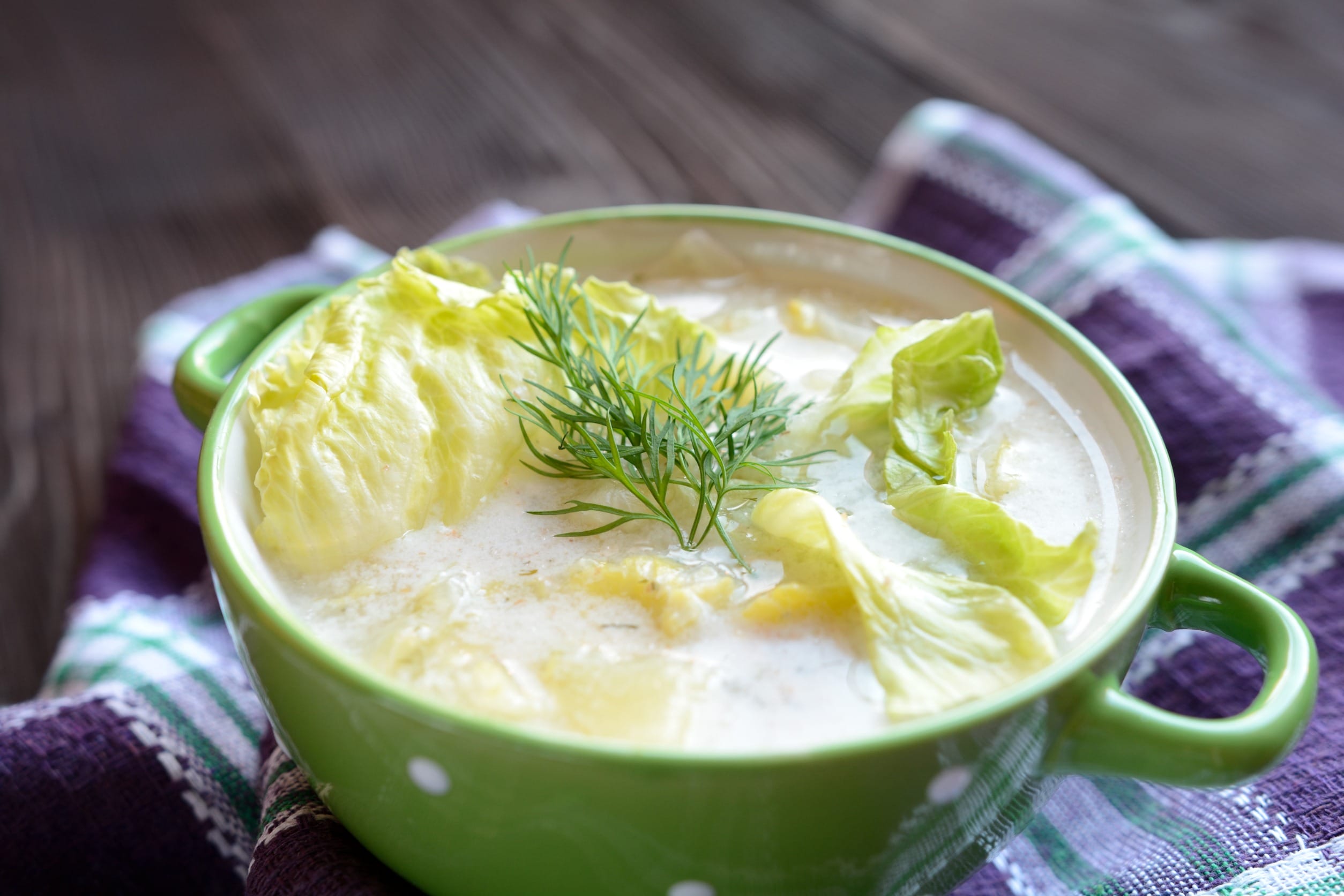
6. Cabbage Soup Diet

cabbage soup
123rf

The Cabbage Soup Diet, a week-long eating plan centered around unlimited cabbage soup, was touted for quick weight loss. While participants did see short-term results, they often experienced hunger, fatigue, and boredom due to the diet’s restrictive nature. Once the diet ended, weight regain was common. Today, variety and moderation are key principles of effective and enjoyable weight loss strategies.

7. Alkaline Diet

alkaline diet
123rf

The Alkaline Diet claims that eating certain foods can alter the body’s pH balance, promoting better health and weight loss. However, the human body naturally regulates its pH levels, making dietary attempts to change it largely ineffective. Furthermore, scientific evidence supporting the diet’s claims is scant. Emphasis on balanced, nutrient-rich diets remains the gold standard for health.

8. HCG Diet

fad diet
123rf

The HCG Diet, which combines severe caloric restriction with injections of human chorionic gonadotropin (HCG), a hormone produced during pregnancy, gained attention for its rapid weight loss promises. However, the FDA has declared HCG diet products illegal and fraudulent, as there is no substantial evidence supporting their efficacy. Severe calorie restriction can lead to various health problems, making this diet both ineffective and unsafe. The consensus now favors more balanced and evidence-based weight loss methods.

9. Slimming Body Wraps

health fads body wraps
123rf

Body wraps, often marketed in spas, promised to help users lose inches from their waistlines through temporary compression and detoxification. While they might offer short-term water weight loss, the effects are fleeting and do not result in lasting fat reduction. Furthermore, these treatments can be expensive and time-consuming without providing significant benefits. Sustainable weight management focuses on diet, exercise, and lifestyle changes rather than quick fixes.

10. Blood Type Diet

health fads
123rf

The Blood Type Diet suggested that people should eat according to their blood type to achieve optimal health and weight loss. Despite its popularity, there is no scientific evidence to support the diet’s claims, and many nutritionists consider it a pseudoscience. The diet’s restrictions can also lead to nutrient deficiencies. Modern dietary advice emphasizes personalized nutrition based on individual health needs and preferences rather than blood type.

11. Apple Cider Vinegar Shots

health fads apple cider vinegar diet
123rf

Taking shots of apple cider vinegar was once thought to aid weight loss, improve digestion, and boost metabolism. However, the harsh acidity can damage tooth enamel, irritate the throat, and cause stomach issues when consumed in large amounts. Scientific support for its health benefits is limited, and experts recommend incorporating it sparingly into meals rather than as a standalone remedy. A balanced diet and regular physical activity remain the best strategies for achieving and maintaining health.

12. The Cotton Ball Diet

health fads cotton ball diet
123rf

The Cotton Ball Diet, where individuals consume cotton balls soaked in juice to feel full without eating actual food, is extremely dangerous. This fad can lead to severe gastrointestinal blockages and malnutrition, posing significant health risks. It highlights the extremes to which some will go in the pursuit of weight loss. Current health guidelines emphasize the importance of balanced, nutritious eating habits for maintaining a healthy weight and overall well-being.

Embracing Sustainable Health Practices Over Health Fads

sustainable health practices
123rf

As we’ve seen, fad diets often promise quick fixes but rarely deliver lasting, safe results. Over time, scientific research and medical advancements have debunked many of these trends, highlighting the importance of balanced nutrition, regular physical activity, and holistic wellness. It’s essential to approach new health trends with skepticism and prioritize evidence-based practices. By focusing on sustainable habits, we can achieve better health outcomes and avoid the pitfalls of fleeting fads.

Photograph of Teri Monroe
Teri Monroe
Teri Monroe started her career in communications working for local government and nonprofits. Today, she is a freelance finance and lifestyle writer and small business owner. Teri holds a B.A. From Elon University.  In her spare time, she loves golfing with her husband, taking her dog Milo on long walks, and playing pickleball with friends.

Filed Under: Lifestyle Tagged With: diet, health, Health Fads, Lifestyle

Turn Your Closet Into Cash: 10 Tips for Selling Your Old Clothes Online

June 5, 2024 by Vanessa Bermudez Leave a Comment

selling clothes online
123RF

Ever looked at your overflowing closet and thought, “I have nothing to wear!”? It’s probably time for a wardrobe refresh. Instead of letting those clothes gather dust, why not turn them into cash?

Selling your old clothes online is easier than ever and can give you some extra money to splurge on new fashion finds. Here are 10 tips to help you get started and make the most out of your online selling experience.

1. Choose the Right Platform

Choose the Right Platform
123RF

The first step to selling your clothes online is picking the right platform. Websites like eBay, Poshmark, and Depop are popular choices, each with its own audience and selling features. Do a bit of research to see which one fits your style and items best.

Some platforms cater more to designer labels, while others are great for trendy, fast-fashion pieces. By choosing the right platform, you can reach the buyers most interested in your wardrobe. Make sure to understand the fees and policies of each platform before committing.

2. Take High-Quality Photos

Take High-Quality Photos
123RF

Photos are the first thing potential buyers see, so make sure they’re top-notch. Use natural light to capture the true color and details of your clothes. Take multiple shots from different angles, including close-ups of any unique features or imperfections.

A clean, uncluttered background helps your items stand out. Consider using a mannequin or wearing the clothes to show how they fit. High-quality photos can make a huge difference in attracting buyers and making sales.

3. Write Detailed Descriptions

Write Detailed Descriptions
123RF

A picture is worth a thousand words, but a great description seals the deal. Include important details like brand, size, color, material, and condition. Be honest about any wear and tear; buyers appreciate transparency.

Mention how the item fits and any unique features it has. Use keywords that buyers might search for, like “vintage,” “boho,” or “formal.” The more information you provide, the easier it is for buyers to make a decision.

4. Price It Right

Price It Right
123RF

Setting the right price can make or break your sale. Check similar listings to see what comparable items are selling for. Consider the condition and brand of your item when pricing. If you’re not sure, start with a slightly higher price and be open to offers.

Be realistic about what buyers are willing to pay, but don’t undervalue your clothes. Remember, it’s better to make a sale than to have items sitting unsold for months.

5. Be Responsive and Friendly

Be Responsive and Friendly
123RF

Good customer service can set you apart from other sellers. Respond to questions and offers promptly and politely. Being friendly and helpful can encourage buyers to make a purchase and even come back for more.

If someone asks for additional photos or measurements, provide them quickly. Positive interactions can lead to positive reviews, which can boost your credibility and sales. Treat your buyers how you’d like to be treated.

6. Promote Your Listings

Promote Your Listings
123RF

Don’t rely solely on the platform’s traffic to sell your items. Promote your listings on social media, like Instagram, Facebook, and Twitter. Share links and photos, and use relevant hashtags to reach a wider audience.

Join online communities or groups dedicated to buying and selling clothes. The more people see your listings, the higher your chances of making a sale. Get creative with your promotions to draw attention to your items.

7. Package Items Neatly

Package Items Neatly
123RF

Once you make a sale, make sure to package your items neatly and securely. Use clean, sturdy materials to protect the clothes during shipping. Consider adding a personal touch, like a thank-you note or small freebie, to make a good impression.

Make sure to follow any shipping guidelines provided by the platform. Neat packaging can lead to positive reviews and repeat customers. It shows that you care about your buyers and their experience.

8. Be Honest About Shipping Times

Be Honest About Shipping Times
123RF

Set realistic expectations for shipping times. If you can’t ship the item within a few days, let the buyer know before they make a purchase. Clear communication about shipping times can prevent misunderstandings and negative feedback.

Provide tracking information so buyers can follow their package. If there’s a delay, inform the buyer as soon as possible. Transparency about shipping times builds trust and keeps buyers happy.

9. Keep Track of Your Inventory

Keep Track of Your Inventory
123RF

Stay organized by keeping track of what you’ve listed, sold, and shipped. Use a spreadsheet or an app to manage your inventory. This can help you avoid accidentally selling an item that’s no longer available.

Regularly update your listings to reflect any changes. Keeping track of your inventory can also help you identify which items are selling well and which aren’t. Organization is key to running a smooth and successful online selling business.

10. Learn from Feedback

Learn from Feedback
123RF

Take feedback seriously and use it to improve your selling process. Positive reviews can highlight what you’re doing right, while constructive criticism can show you where to improve. Don’t take negative feedback personally; instead, see it as an opportunity to grow.

Respond to feedback professionally and thank buyers for their input. Continually improving based on feedback can help you build a better reputation and attract more buyers. Learning from your experiences is essential to success.

Start Selling and Reap the Rewards

Start Selling and Reap the Rewards
123RF

Selling your old clothes online can be a fun and profitable way to declutter your closet. By choosing the right platform, taking great photos, and providing excellent customer service, you can turn your unwanted items into cash. Keep these tips in mind as you start your online selling journey, and enjoy the rewards of a more organized closet and a little extra money in your pocket.

Vanessa Bermudez
Vanessa Bermudez
Vanessa Bermudez is a content writer with over eight years of experience crafting compelling content across a diverse range of niches. Throughout her career, she has tackled an array of subjects, from technology and finance to entertainment and lifestyle. In her spare time, she enjoys spending time with her husband and two kids. She’s also a proud fur mom to four gentle giant dogs.

Filed Under: Lifestyle Tagged With: Closet Cleanout, Declutter Tips, Fashion Resale, Online Selling, Selling Clothes Online

Forever Food: 12 Food Items That Never Expire

June 4, 2024 by Stephen Kanaval Leave a Comment

Jars
pixabay

In the fast-paced world we live in, having a stash of non-perishable food items can be incredibly useful. Not only do these items provide peace of mind during emergencies, but they also help reduce food waste. Let’s dive into 12 food items that never expire, ensuring your pantry is always prepared.

1. Honey

Honey
unsplash

Honey is often referred to as liquid gold and for a good reason. Its unique chemical composition makes it resistant to bacteria and mold. Archaeologists have found pots of honey in ancient Egyptian tombs that are still edible. Honey’s longevity is due to its low moisture content and acidic pH.

It’s a versatile ingredient perfect for sweetening tea, drizzling over toast, or using it as a natural remedy for sore throats. Honey can be used in baking, marinades, and even skincare, making it a multi-purpose staple in your pantry. Just be sure to store it in a sealed container to maintain its quality and keep it free from contaminants.

2. White Rice

Salt
unsplash

White rice is a staple in many households and can last indefinitely if stored properly. Unlike brown rice, which has a higher oil content and can spoil, white rice’s refined nature gives it a much longer shelf life. Keep it in an airtight container in a cool, dry place to prevent any moisture or pests from getting in.

White rice is incredibly versatile, serving as a base for countless dishes from stir-fries to curries to soups. It’s also an excellent source of energy and can be used to make rice flour for baking. Whether you’re cooking up a stir-fry or preparing a hearty soup, white rice is always a reliable option. For best results, consider using oxygen absorbers in storage containers to extend its shelf life even further.

3. Salt

Salt
pixabay

Salt is not just a seasoning but also a preservative that has been used for centuries. It never goes bad because it is a mineral that doesn’t support microbial growth. From table salt to Himalayan pink salt, this versatile ingredient can be used to enhance the flavor of your dishes or even for preserving other foods.

Salt is essential in baking, pickling, and even for making homemade cleaning solutions. It also plays a critical role in maintaining proper hydration and electrolyte balance in the body. Store it in a dry place to keep it from clumping and ensure it remains free-flowing. Additionally, salt can be used in various DIY projects, such as homemade bath salts and scrubs.

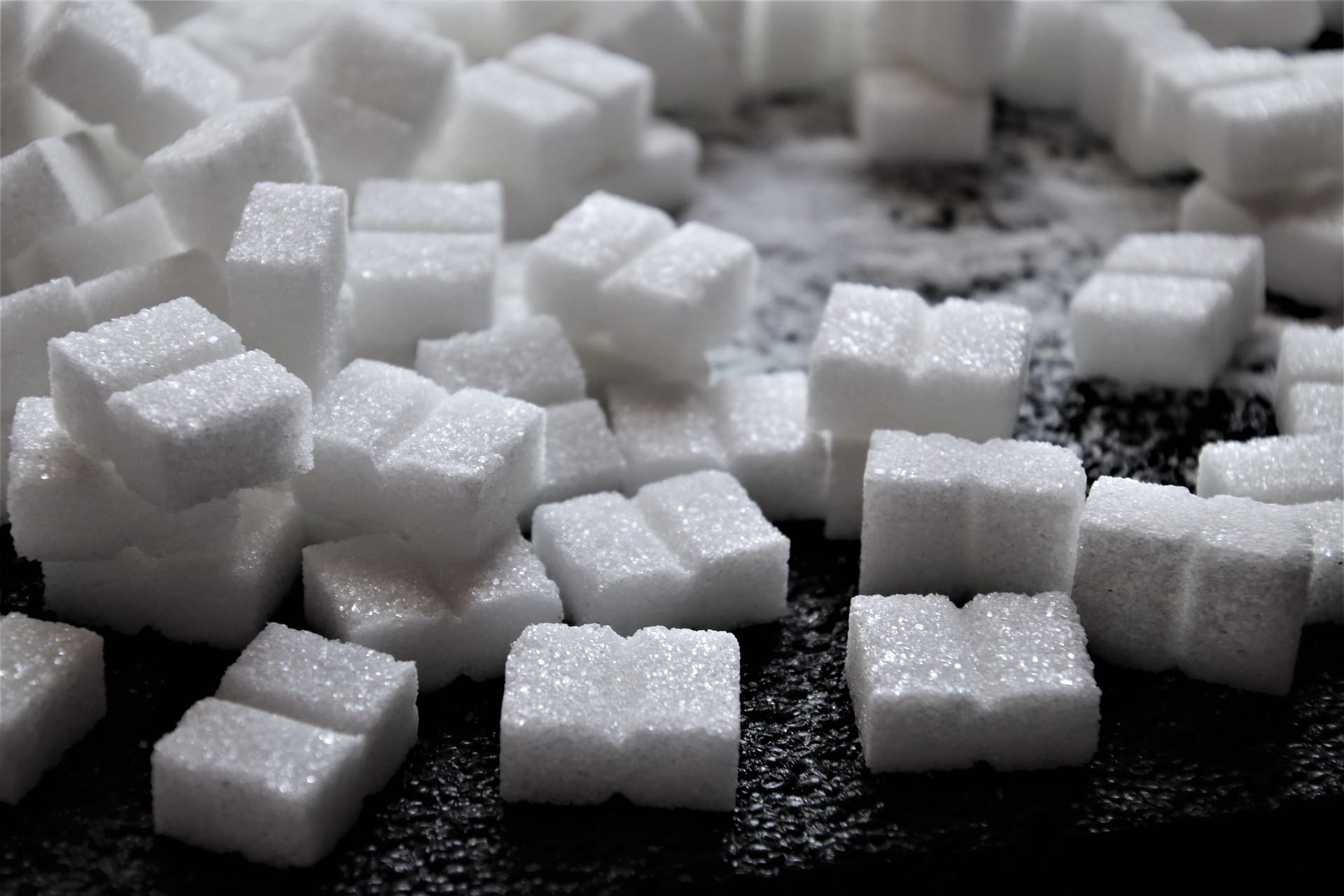
4. Sugar

sugar
pixabay

Similar to salt, sugar has an indefinite shelf life. Its crystalline structure prevents the growth of bacteria and mold. Whether you prefer white, brown, or powdered sugar, keeping it in an airtight container will ensure it stays usable forever. Sugar is perfect for baking, sweetening beverages, or even making homemade preserves.

It can also be used to create simple syrups for cocktails or to add a caramelized touch to savory dishes. Proper storage will prevent it from hardening or clumping, ensuring it’s always ready to use. Beyond the kitchen, sugar can be used in skincare as an exfoliant, making it a versatile pantry staple.

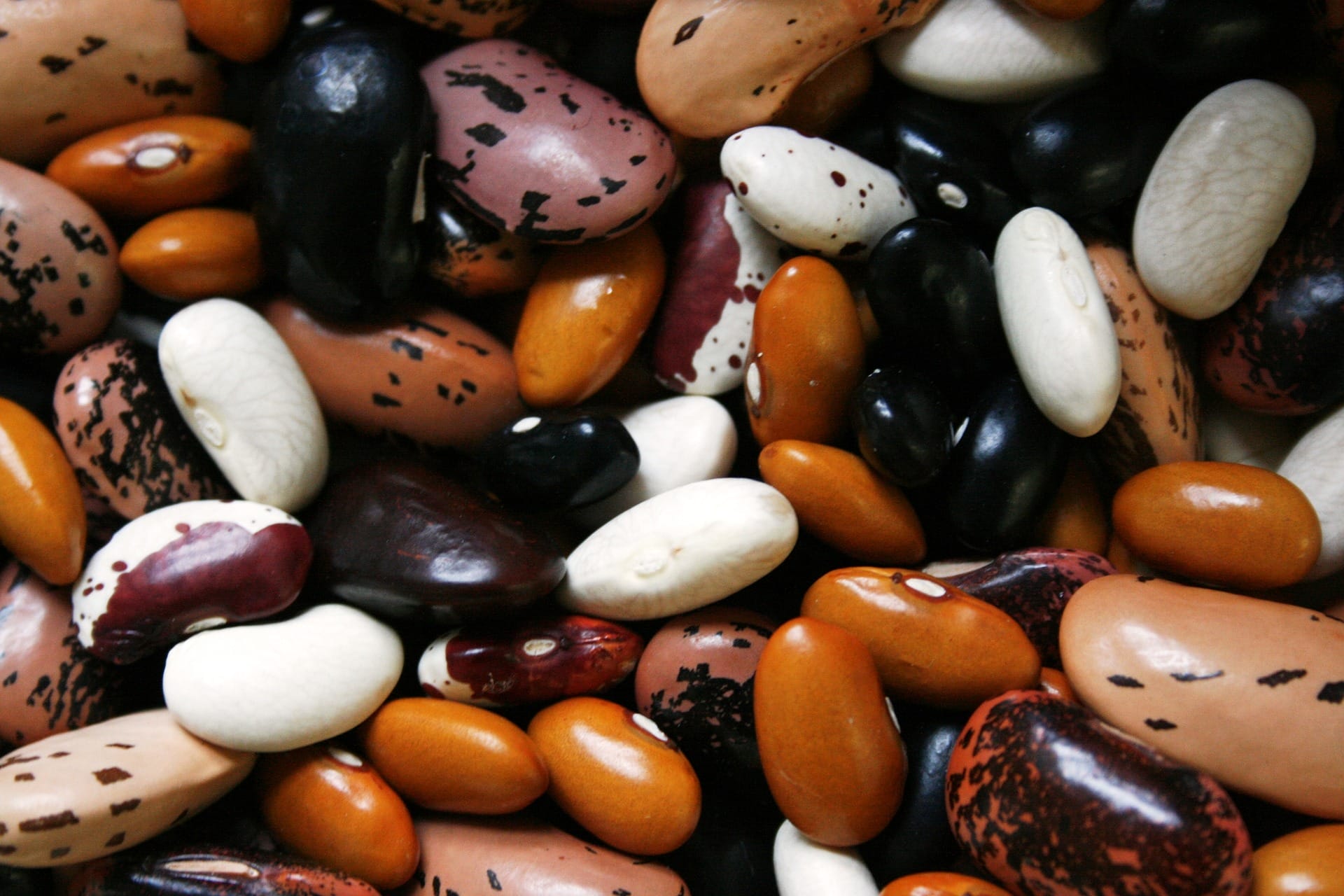
5. Dried Beans

dried beans
pixabay

Dried beans are a powerhouse of nutrition and can last indefinitely when stored correctly. They need to be kept in a cool, dry place, away from moisture and pests. While they may take longer to cook as they age, their nutritional value remains intact. Dried beans are an excellent source of protein, fiber, vitamins, and minerals, making them a nutritious addition to any meal.

They can be used in a variety of dishes, from soups and stews to salads and casseroles. To ensure they cook evenly, consider soaking them overnight before use. They are a great source of protein and fiber, making them an excellent addition to soups, stews, and salads. Proper storage and preparation can make dried beans a cost-effective and nutritious staple.

6. Pure Maple Syrup

maple syrup
pixabay

Pure maple syrup, unlike its artificial counterparts, can last indefinitely if unopened. Once opened, it should be refrigerated, but it will still last for years. Its high sugar content acts as a preservative, preventing the growth of bacteria and mold. Use it to add natural sweetness to pancakes, and waffles, or even as a flavor enhancer in cooking and baking.

Pure maple syrup is also rich in antioxidants and has a unique flavor that artificial syrups can’t replicate. It can be used as a natural sweetener in marinades, dressings, and even desserts. Always store it in a glass container to preserve its quality and prevent any off-flavors from developing.

7. Cornstarch

cornstarch
123rf

Cornstarch is a staple thickening agent in many kitchens and can last forever if stored properly. Keep it in a cool, dry place in an airtight container to prevent it from absorbing moisture. It’s perfect for thickening soups, sauces, and gravies, and even for making homemade cleaning products.

Cornstarch is also used in baking to create a lighter, fluffier texture in cakes and cookies. Additionally, it can be used in DIY beauty treatments, such as dry shampoo or face masks. Its versatility extends to household uses, like starching clothes or soothing skin irritations. By keeping it well-sealed, you can ensure it remains a reliable pantry item for years to come.

8. Vinegar

vinegar
pixabay

Vinegar, particularly white vinegar, has an indefinite shelf life. Its acidic nature makes it self-preserving. Vinegar remains stable over time, whether you use it for cooking, pickling, or cleaning. Store it in a cool, dark place, and it will be ready whenever you need it.

Vinegar is an essential ingredient in many recipes, adding a tangy flavor to salads, marinades, and sauces. It’s also a powerful natural cleaner and disinfectant, perfect for cleaning surfaces and eliminating odors. Vinegar can even be used in gardening to help control weeds. Its versatility and longevity make it a must-have item in any household.

9. Soy Sauce

soy sauce
pixabay

Soy sauce is a fermented product that can last indefinitely due to its high salt content. As long as it is stored properly, in a cool, dark place, and tightly sealed, it won’t spoil. It adds a savory, umami flavor to dishes, making it a must-have condiment in your pantry. Soy sauce is essential in many Asian cuisines and can be used in marinades, stir-fries, and dipping sauces.

It’s also a great way to add depth of flavor to soups and stews. The fermentation process not only enhances its taste but also preserves its shelf life. For the best quality, choose traditionally brewed soy sauce and keep it tightly sealed after each use.

10. Hard Liquor

hard liquor
pixabay

Hard liquors like whiskey, vodka, and rum have an indefinite shelf life when stored properly. Their high alcohol content prevents the growth of bacteria and mold. Keep them in a cool, dark place, and they will remain safe to drink indefinitely. Use them for cocktails, cooking, or as a disinfectant in a pinch.

Hard liquor can also be a valuable barter item in emergencies. Additionally, certain types of liquor, such as whiskey, can develop more complex flavors over time when stored properly. Whether for entertaining guests or use in culinary creations, having a variety of hard liquors on hand ensures you’re always prepared.

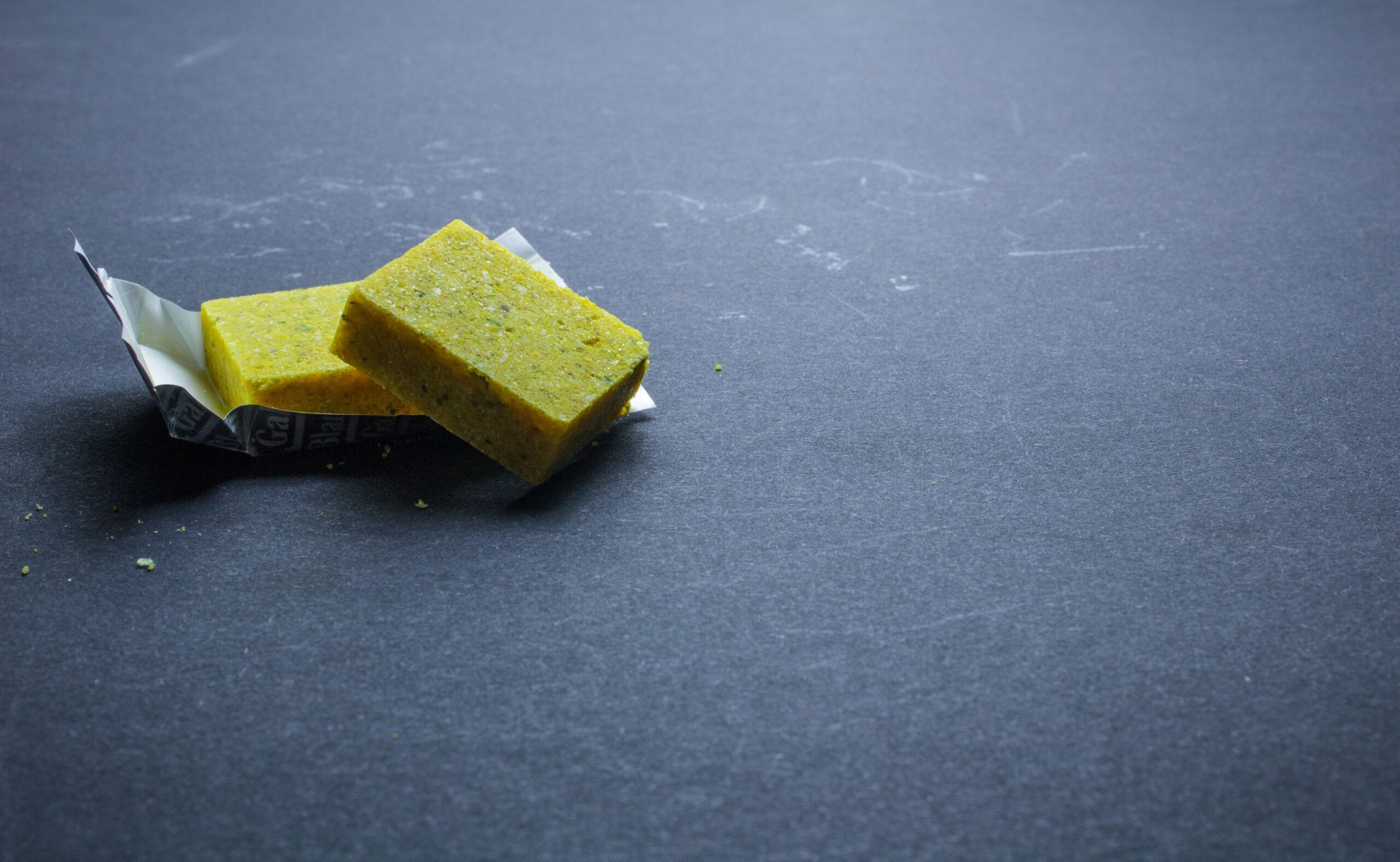
11. Bouillon Cubes

bouillon
123rf

Bouillon cubes or granules are dehydrated broth that can last indefinitely when kept in a cool, dry place. They are perfect for adding flavor to soups, stews, and sauces. Their high salt content acts as a preservative, ensuring they remain safe to use over time. Bouillon cubes are convenient and can quickly enhance the taste of your dishes without the need for fresh broth.

They come in various flavors, including chicken, beef, and vegetables, making them versatile for different recipes. For best results, keep them in an airtight container to prevent moisture from affecting their texture and flavor.

12. Instant Coffee

Coffee
pixabay

Instant coffee has a very long shelf life due to its low moisture content. As long as it is kept in a dry, airtight container, it will stay fresh for years. It’s a convenient option for a quick caffeine fix or for adding flavor to recipes like desserts and marinades.

Instant coffee is also useful for making quick coffee-flavored drinks, such as iced coffee or frappes. It can be a lifesaver during power outages when you can’t brew a fresh pot. Keep it in your pantry for those times when you need a fast and easy coffee solution. Also, it can be used in baking to enhance the flavor of chocolate or in savory dishes to add depth.

Having these forever foods in your pantry not only ensures you are prepared for any situation but also helps reduce food waste and save money. By understanding which foods never expire, you can make smarter choices when stocking up on essentials.

Food That Will Outlast Us

Fermenting
Pixabay

Stocking your pantry with these non-perishable items is a smart move for any household. They provide reliability and convenience, ensuring you’re always prepared. For more tips on food storage and emergency preparedness, be sure to subscribe to our newsletter and follow us on social media.

Stephen Kanaval
Stephen Kanaval

Stephen began his career as a Research Assistant at a reputable middle-market private equity firm, where he honed his skills in market research, financial analysis, and identifying investment opportunities. He then transitioned to full-time financial writing focusing on small-cap biotech innovation and digital payment solutions. Today, Stephen is a value-based retail investor and novice baseball statistician.

Filed Under: Lifestyle Tagged With: food, Foods that don't expire, Kitchen, Pantry

15 Kitchen Gadgets That Are More Trouble Than They’re Worth

June 3, 2024 by Vanessa Bermudez Leave a Comment

too many kitchen tools
DALL-E

Ever snagged a cool kitchen gadget that promised to revolutionize your cooking, only to find it buried in your drawer months later? You’re not alone. While some kitchen tools can be game-changers, others just end up being more hassle than they’re worth. Here’s a rundown of 15 gadgets that might look nifty but could leave you with buyer’s remorse.

1. Avocado Slicers

Avocado Slicers
Canva

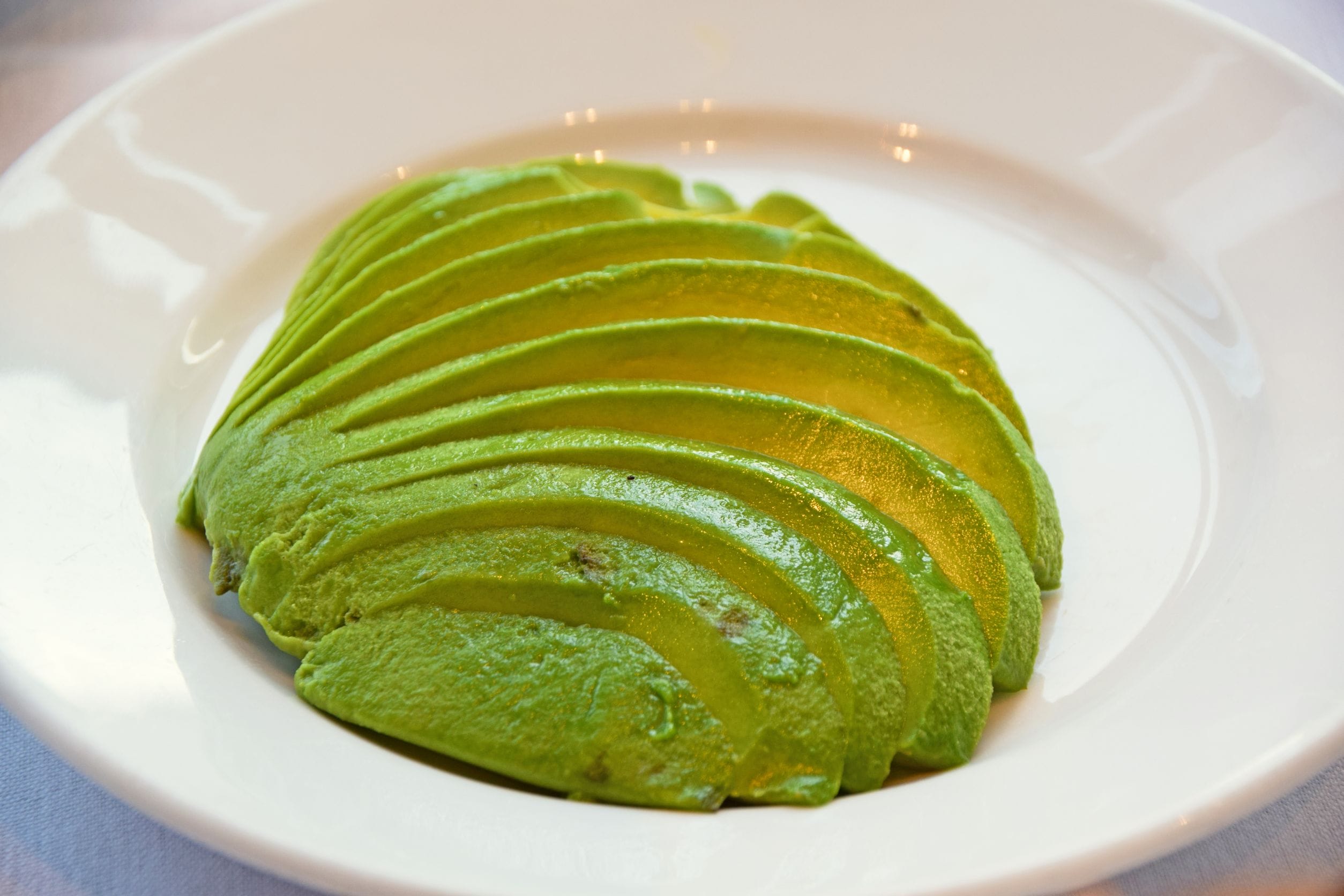
Avocado slicers might look slick in the store, but in reality, they often struggle to handle the various sizes and ripeness of avocados. They can be more of a nuisance than a help, especially when it comes to cleaning those awkward blades.

A simple knife does the job faster, with less cleanup. Plus, it’s one less gadget to store. Keep it straightforward and stick with traditional tools for your avocado toast needs.

2. Garlic Presses

Garlic Presses
Canva

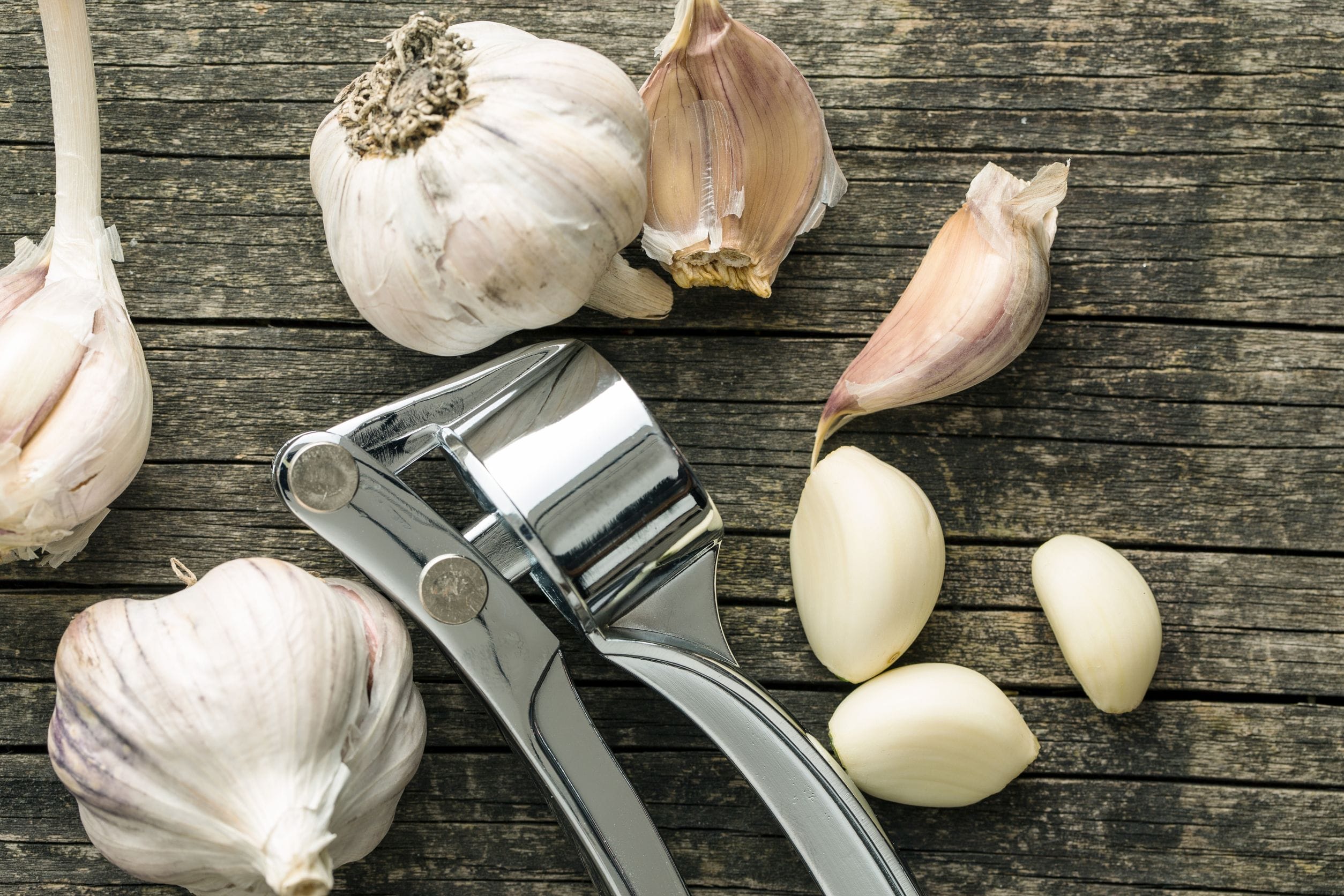
While garlic presses promise to save you from the smell of garlic on your fingers, they rarely press out all the garlic, and cleaning them can be a real chore. The tiny bits left behind either go to waste or require picking out, which defeats the purpose of convenience. A good chef’s knife will give you minced garlic in less time and with less waste.

3. Electric Can Openers

Electric Can Openers
Canva

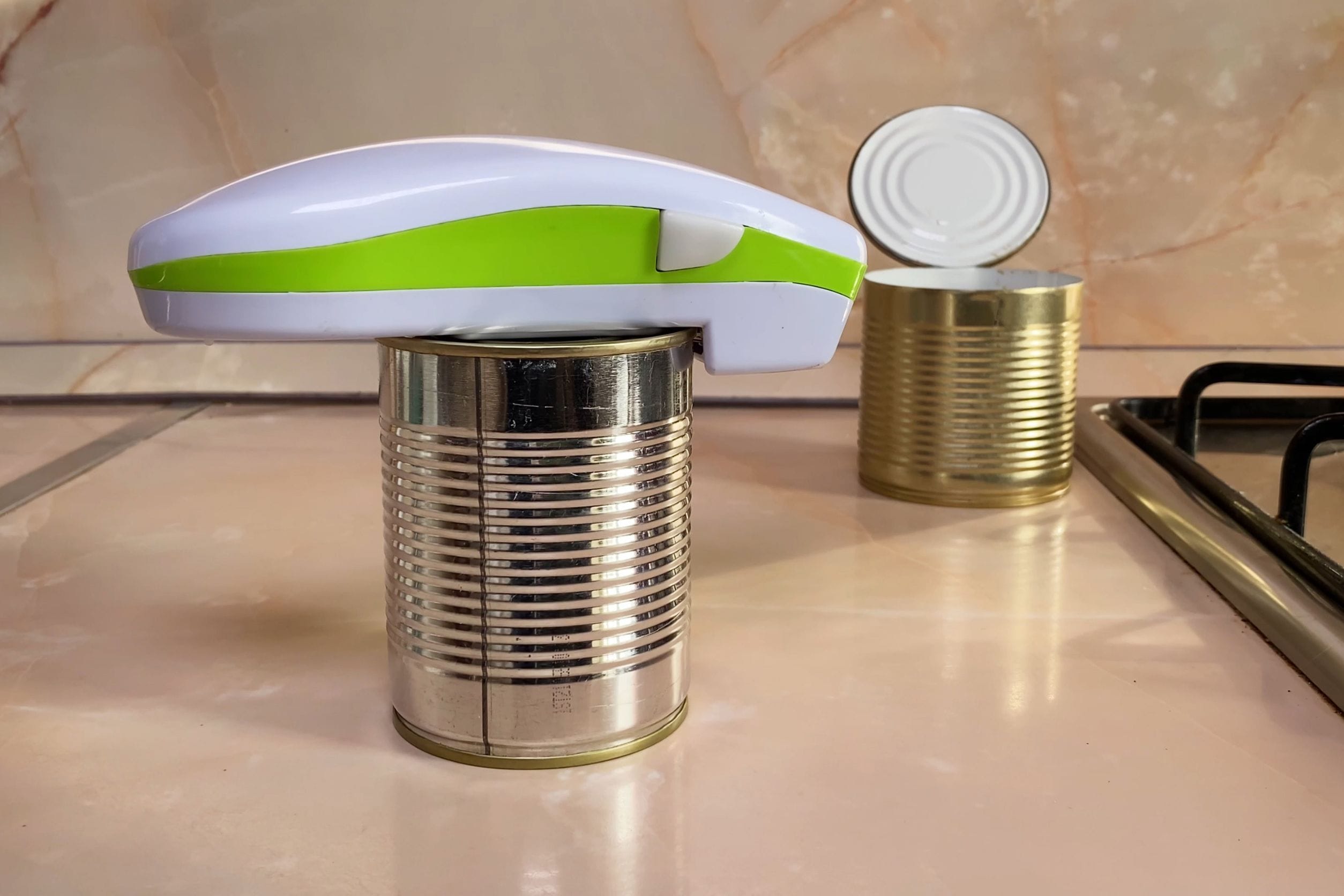
Electric can openers might seem useful for those with limited hand strength, but for most people, they’re just bulky counter-hoggers. They often malfunction, leaving you wrestling with a can that’s only half-open. A simple manual can opener is much more reliable and easy to tuck away in a drawer after use.

4. Strawberry Hullers

Quesadilla Makers
Canva

Strawberry hullers are designed to neatly remove the stem and core, but they often miss the mark. If you don’t align them just right, you end up mangling your strawberries. A small knife or sturdy straw can effectively hull strawberries with much less fuss and equipment.

5. Egg Slicers

Egg Slicers
Canva

An egg slicer can seem like a neat way to get perfectly even slices, but they tend to be flimsy and not very durable. Plus, they’re typically only good for one thing, slicing eggs. A knife can achieve the same result, and you won’t have to worry about extra cleaning or breaking delicate wires.

6. Banana Slicers

Banana Slicers
Canva

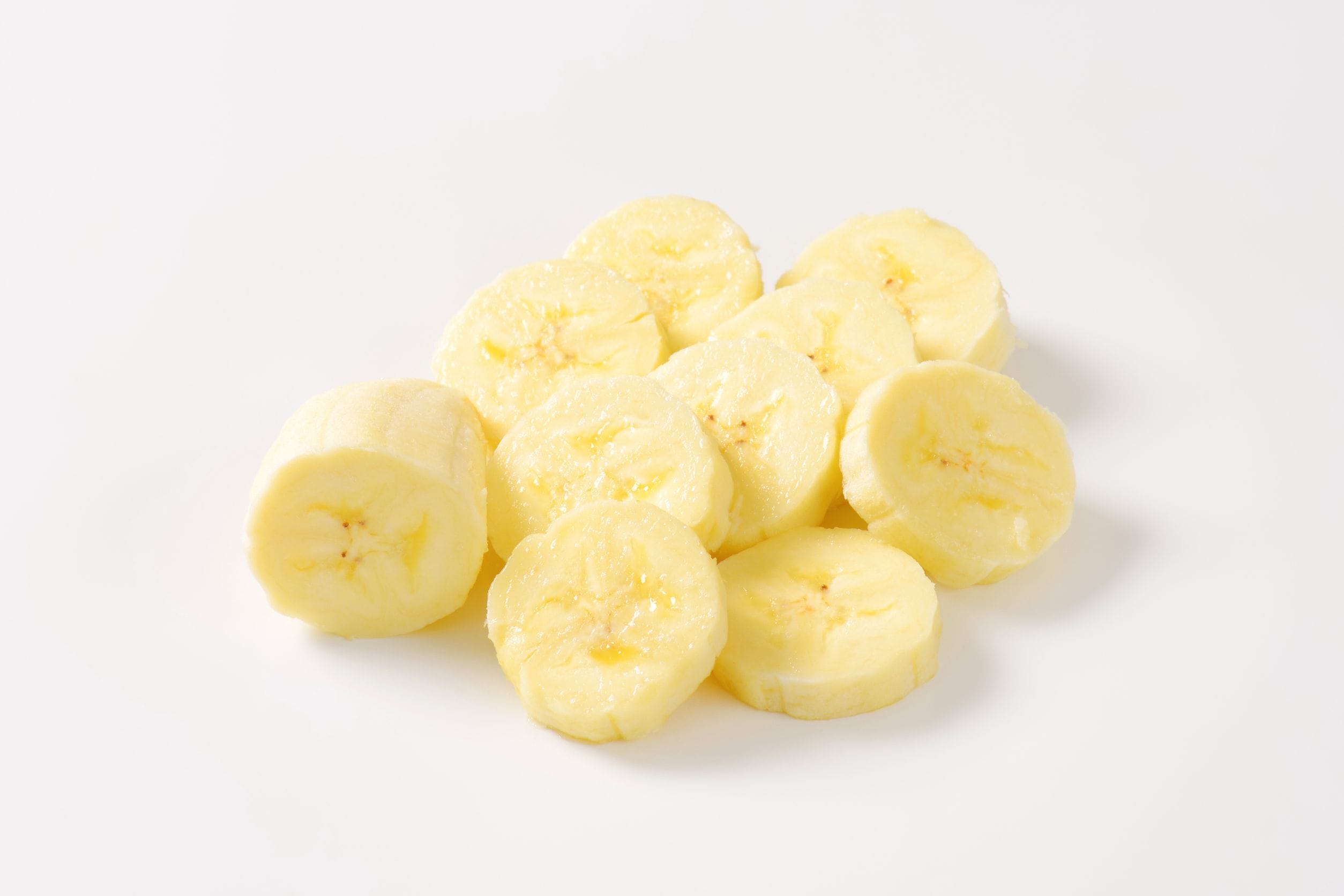
Banana slicers might cut your banana into even pieces, but so can any sharp knife. Unless you’re outfitting a toddler’s kitchen set, you probably don’t need this one-trick pony taking up space in your drawer. Stick with a knife for a quick and easy solution.

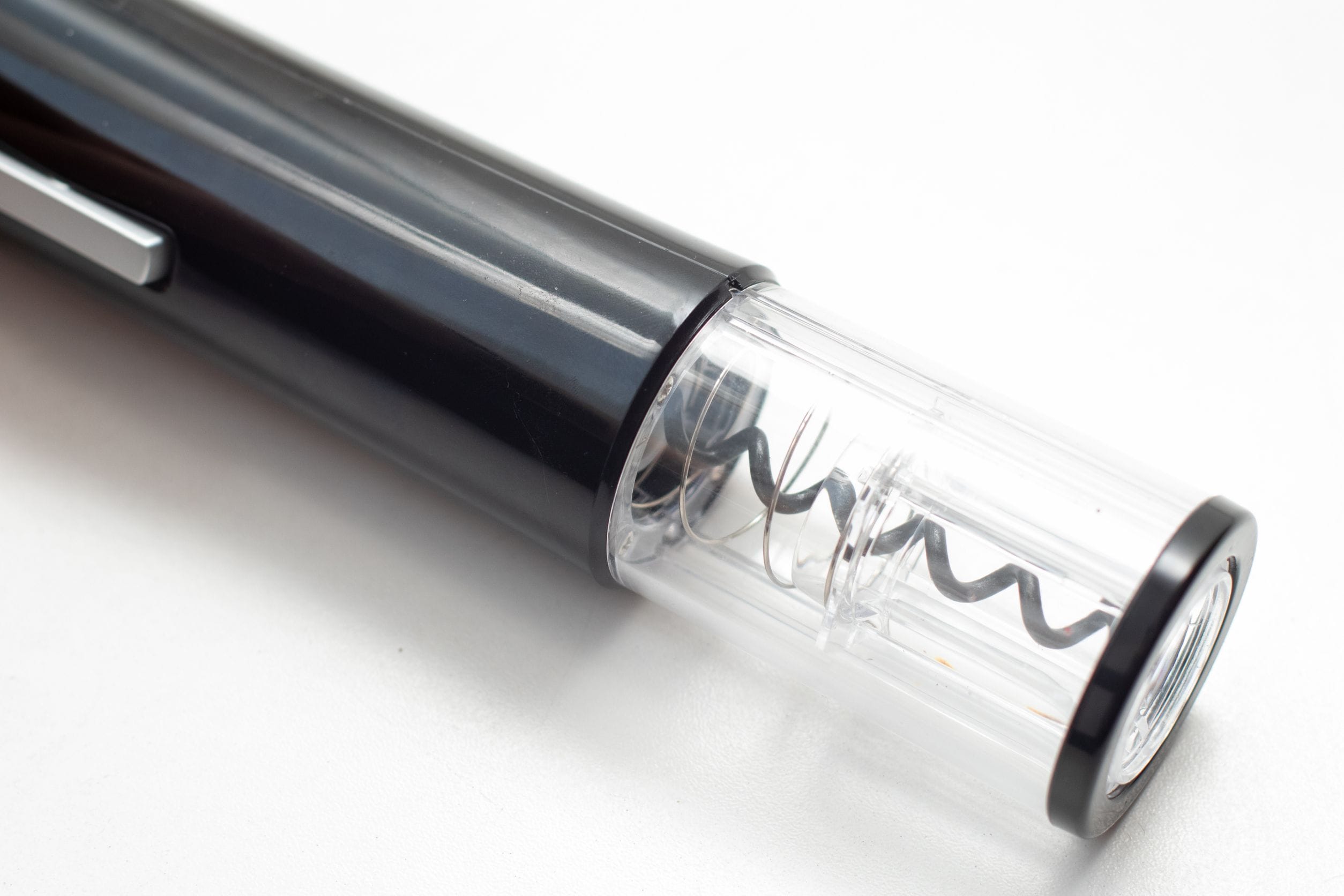
7. Electric Wine Openers

Electric Wine Openers
Canva

Electric wine openers are another gadget that can seem appealing for their ease and novelty. However, they can be unreliable, often running out of battery when you need them most. A traditional corkscrew is compact, doesn’t require batteries, and adds a touch of sommelier flair to your wine opening.

8. Herb Scissors

Herb Scissors
Canva

Herb scissors, with their multiple blades, are meant to make chopping herbs a breeze. Yet, they often just mash the herbs, and cleaning between those blades is a nightmare. A sharp knife not only gives you cleaner cuts but is also much easier to wash and dry.

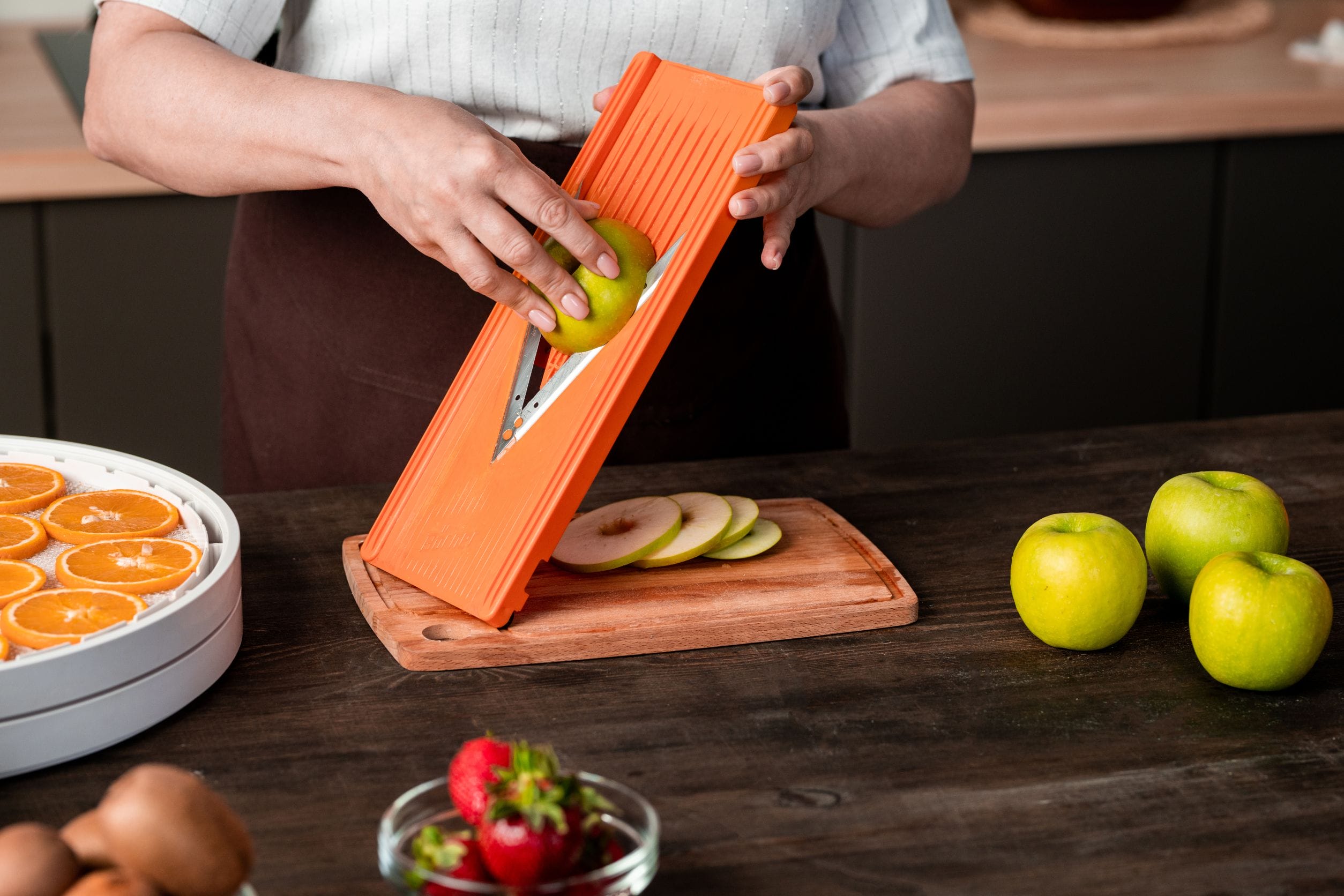
9. Mandoline Slicers

Mandoline Slicers
Canva

Mandoline slicers are fantastic for getting uniform slices quickly, but they come with a high risk of injury. The blades are extremely sharp, making them dangerous if you’re not extremely cautious. Most people find that a good knife or a simple vegetable peeler can meet their needs safely.

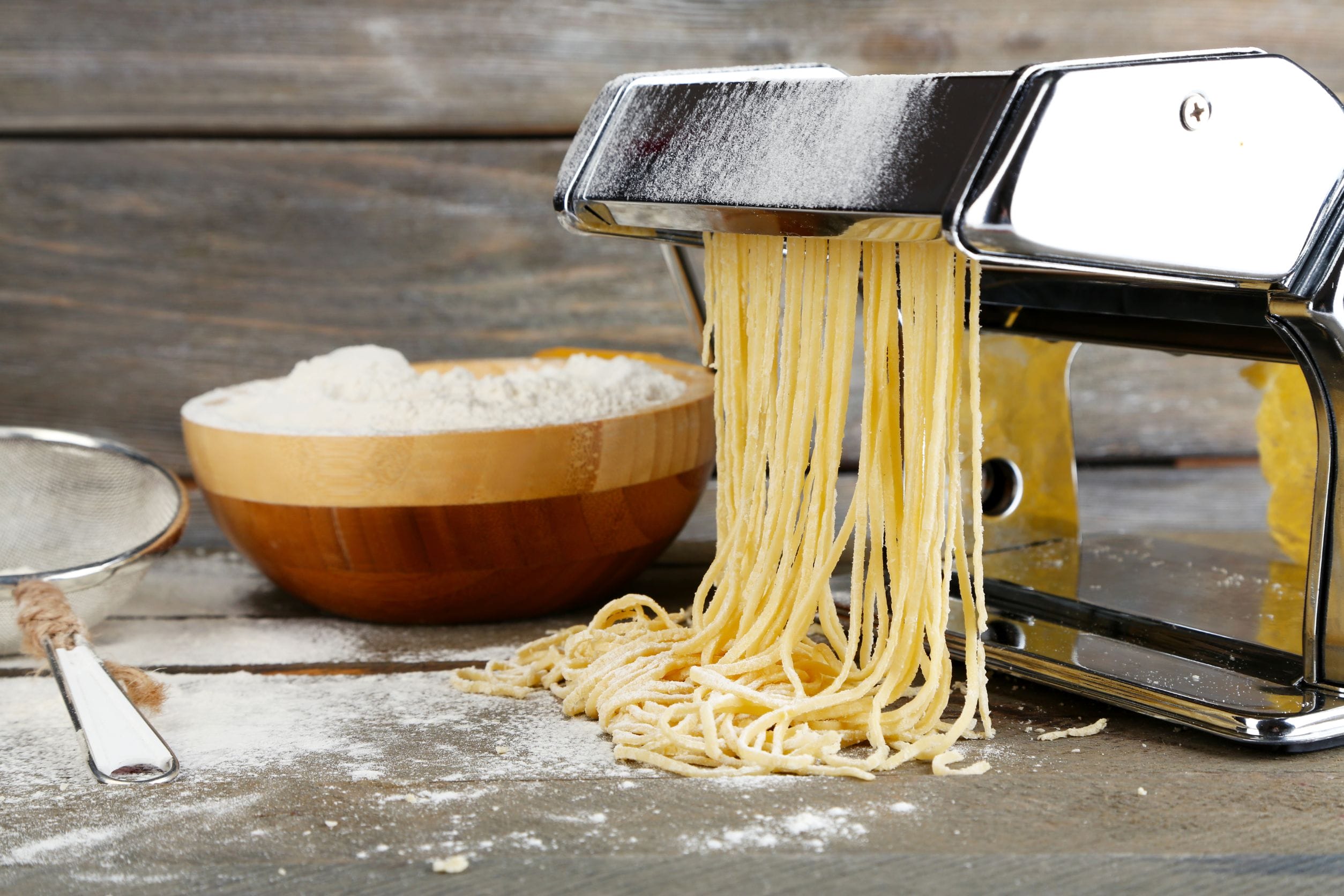
10. Pasta Makers

Pasta Makers
Canva

Making homemade pasta is romantic and rewarding, but pasta makers demand a lot of time and effort for setup and cleaning. Unless you’re a pasta aficionado, this gadget might not be worth the countertop space it consumes. Quality store-bought pasta can satisfy most pasta cravings with far less effort.

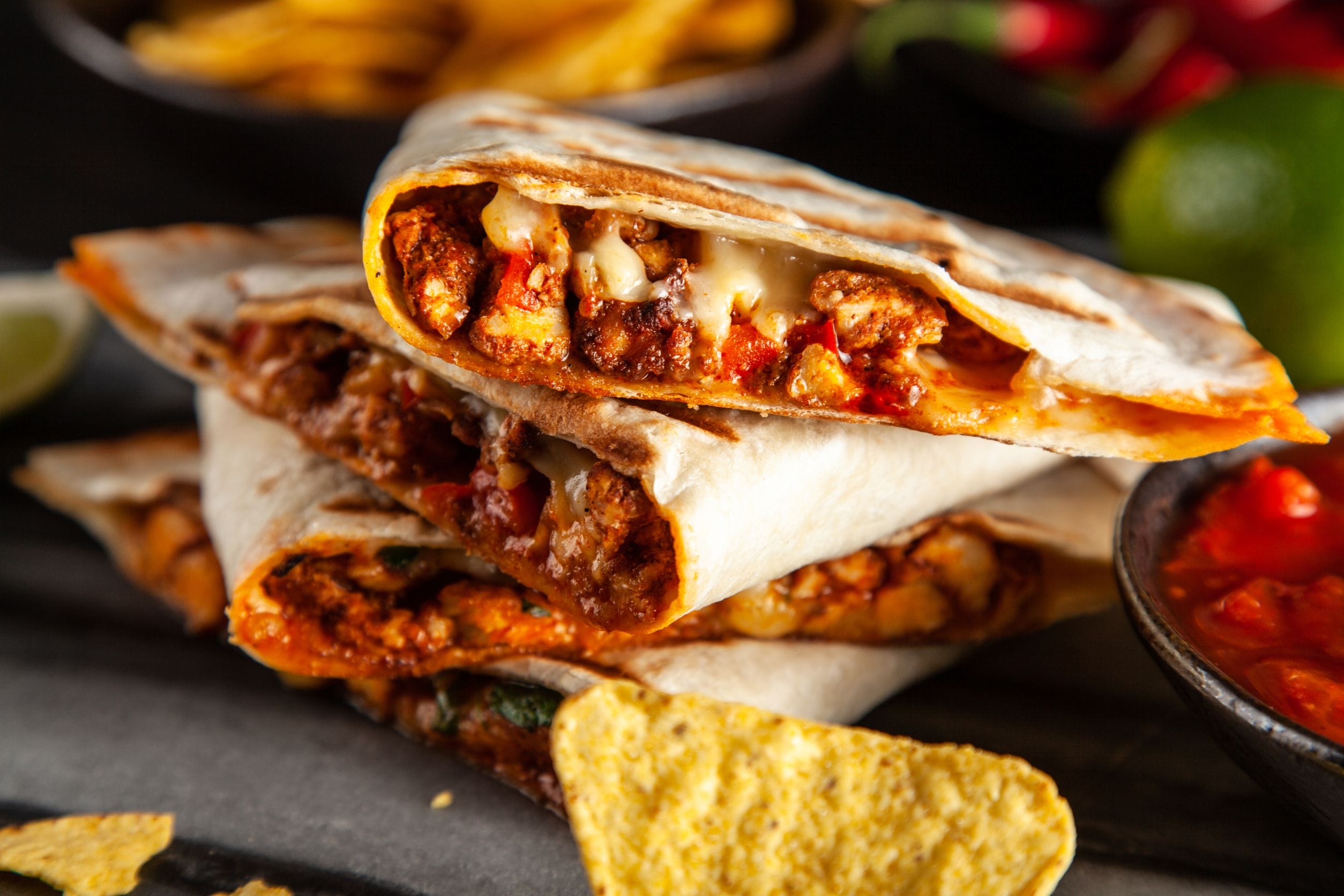
11. Quesadilla Makers

Quesadilla Makers
Canva

Quesadilla makers are supposed to simplify the process, but really, flipping a quesadilla in a skillet is just as easy and doesn’t require you to clean a bulky appliance afterward. Plus, a skillet is more versatile and doesn’t limit the size of your quesadilla.

12. Ice Cream Makers

Ice Cream Makers
Canva

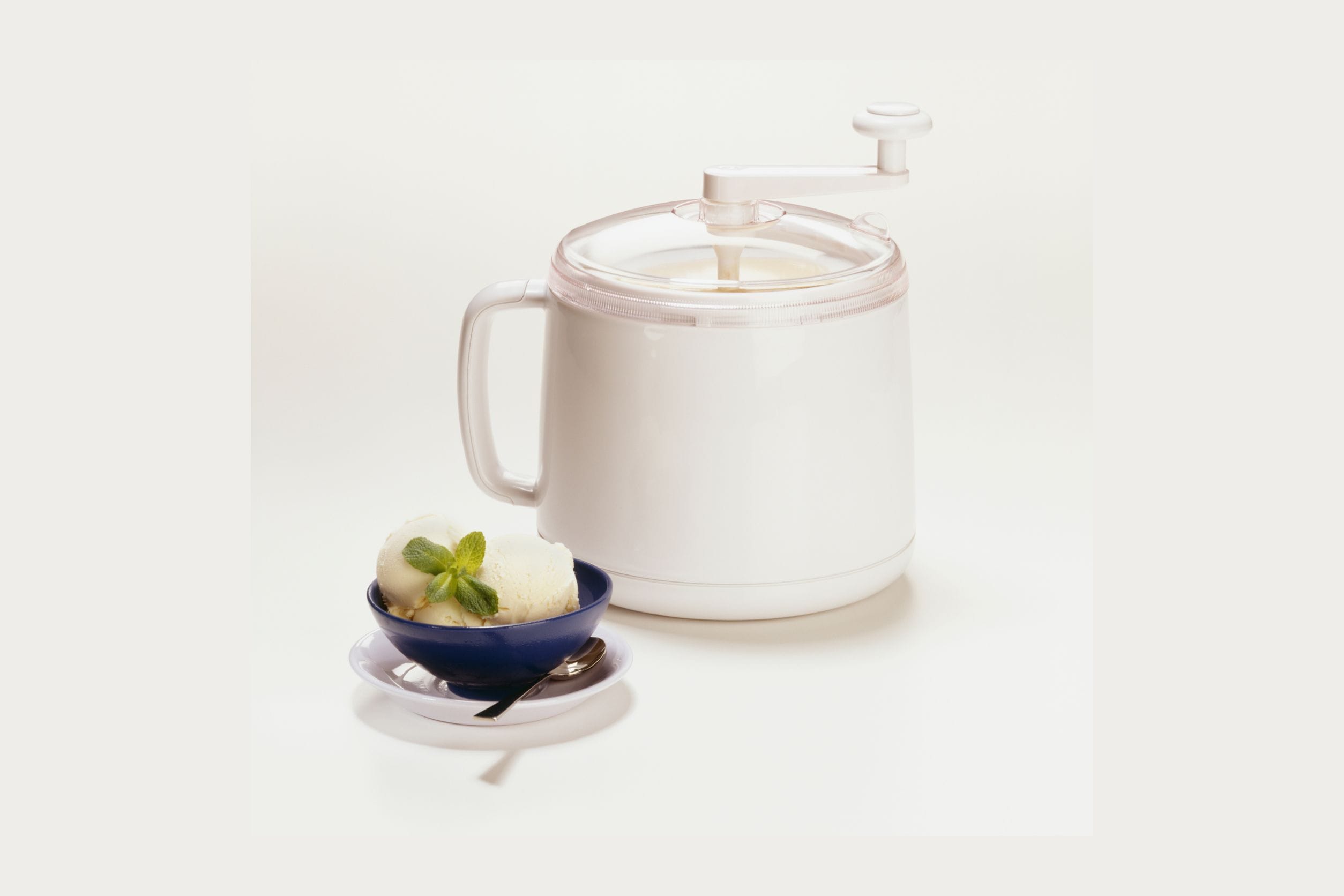
Unless you’re churning out homemade ice cream every week, an ice cream maker is likely just taking up valuable cabinet space. The process is fun for a novelty treat, but for regular indulgence, it’s much easier to scoop something delightful from the store.

13. Bread Makers

Bread Makers
Canva

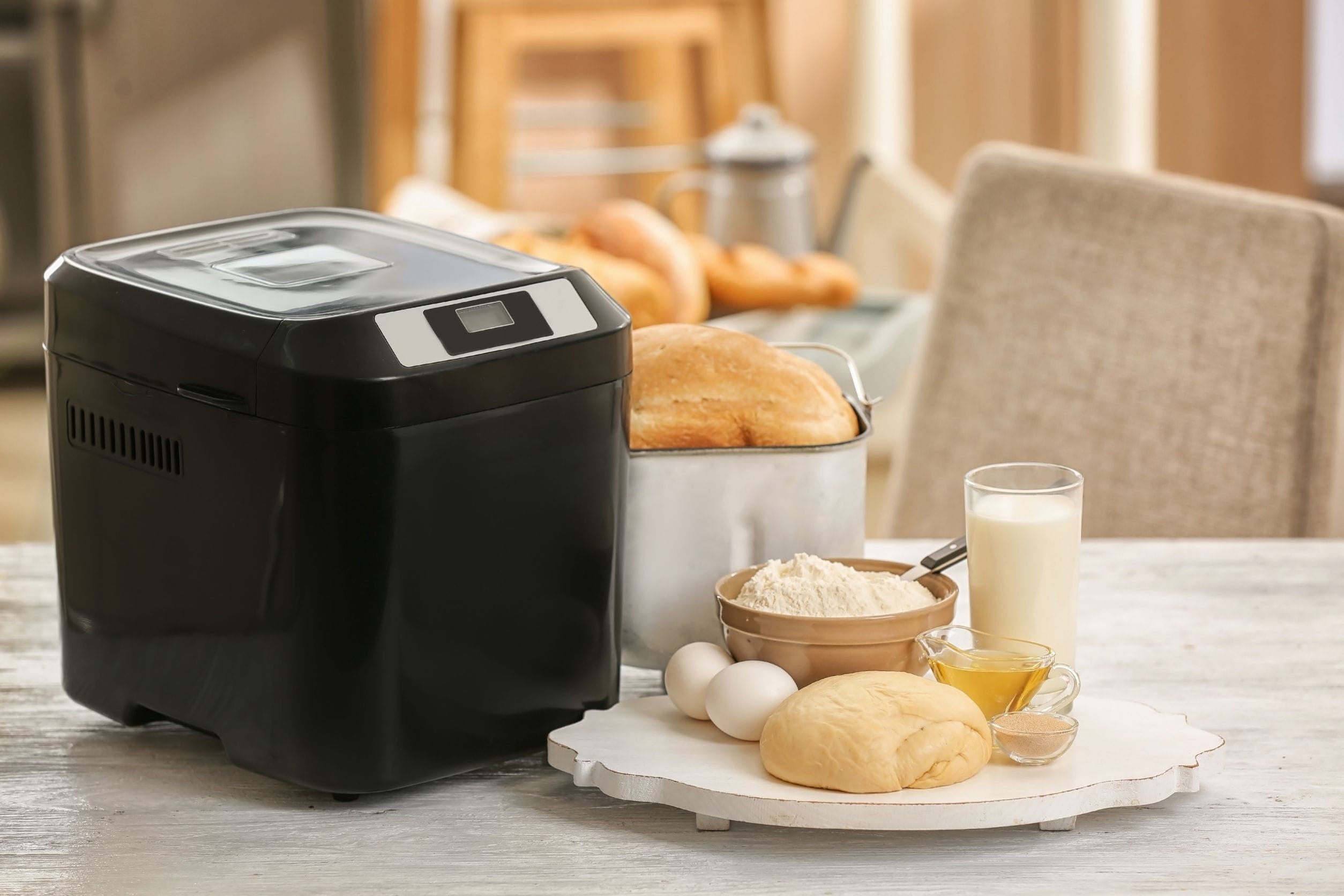
Bread makers sound great for anyone wanting the aroma of fresh bread without the effort, but they’re often left unused after a few tries. They take up a lot of space, and many find the process not as “set and forget” as advertised. Kneading dough by hand or with a stand mixer can

be more satisfying and less space-consuming.

14. Popcorn Machines

Popcorn Machines
Canva

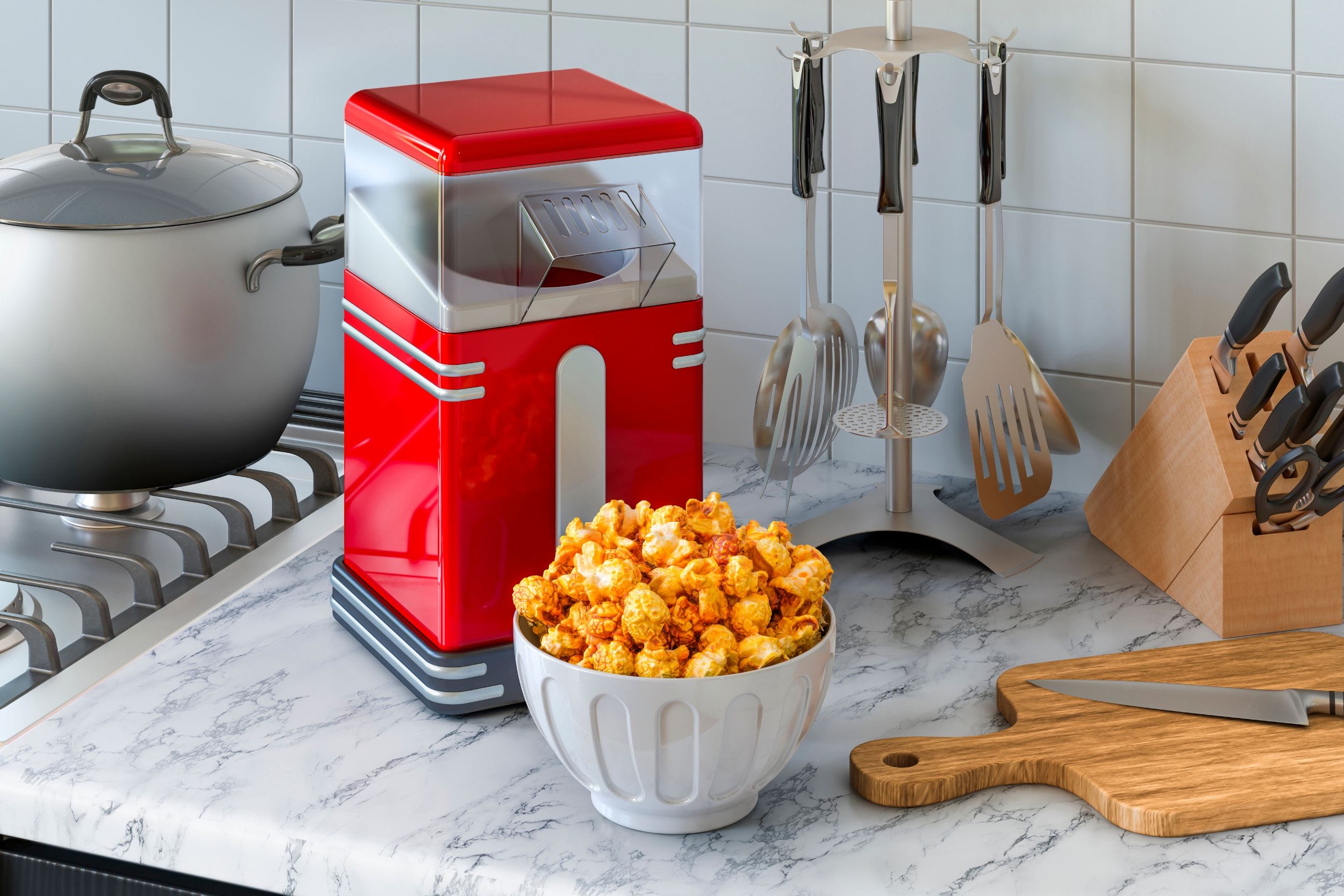
Popcorn machines may bring the movie theater vibe into your home, but they’re not practical for regular use. They require a lot of cleaning, and their size can be cumbersome. A stovetop or microwave does the job just as well, with much less cleanup involved.

15. Juicers

Juicers
Canva

Juicers can help with a healthy lifestyle, but they often require a lot of fruit and veggies for a small amount of juice, and the cleanup can be daunting. A good blender or even eating whole fruits and vegetables might be a better, less wasteful approach to health.

Keep It Simple, Chef

A woman cooking in the kitchen
Canva

The best kitchen setup is one that works efficiently for you without clutter or fuss. Before you buy that flashy new gadget, think about whether it will truly make your life easier or just add to your kitchen clutter.

Often, the simplest tools are the most useful and enduring. Keep your kitchen streamlined and practical, and you’ll find cooking more enjoyable and less of a chore!

Vanessa Bermudez
Vanessa Bermudez
Vanessa Bermudez is a content writer with over eight years of experience crafting compelling content across a diverse range of niches. Throughout her career, she has tackled an array of subjects, from technology and finance to entertainment and lifestyle. In her spare time, she enjoys spending time with her husband and two kids. She’s also a proud fur mom to four gentle giant dogs.

Filed Under: Lifestyle Tagged With: Cooking Tips, Gadget Reviews, Home Cooking, Kitchen Clutter, kitchen gadgets

Cold Hard Facts: 12 Unexpected Complications of Electric Scooters

May 31, 2024 by Stephen Kanaval Leave a Comment

Electric scooter closeup
123rf

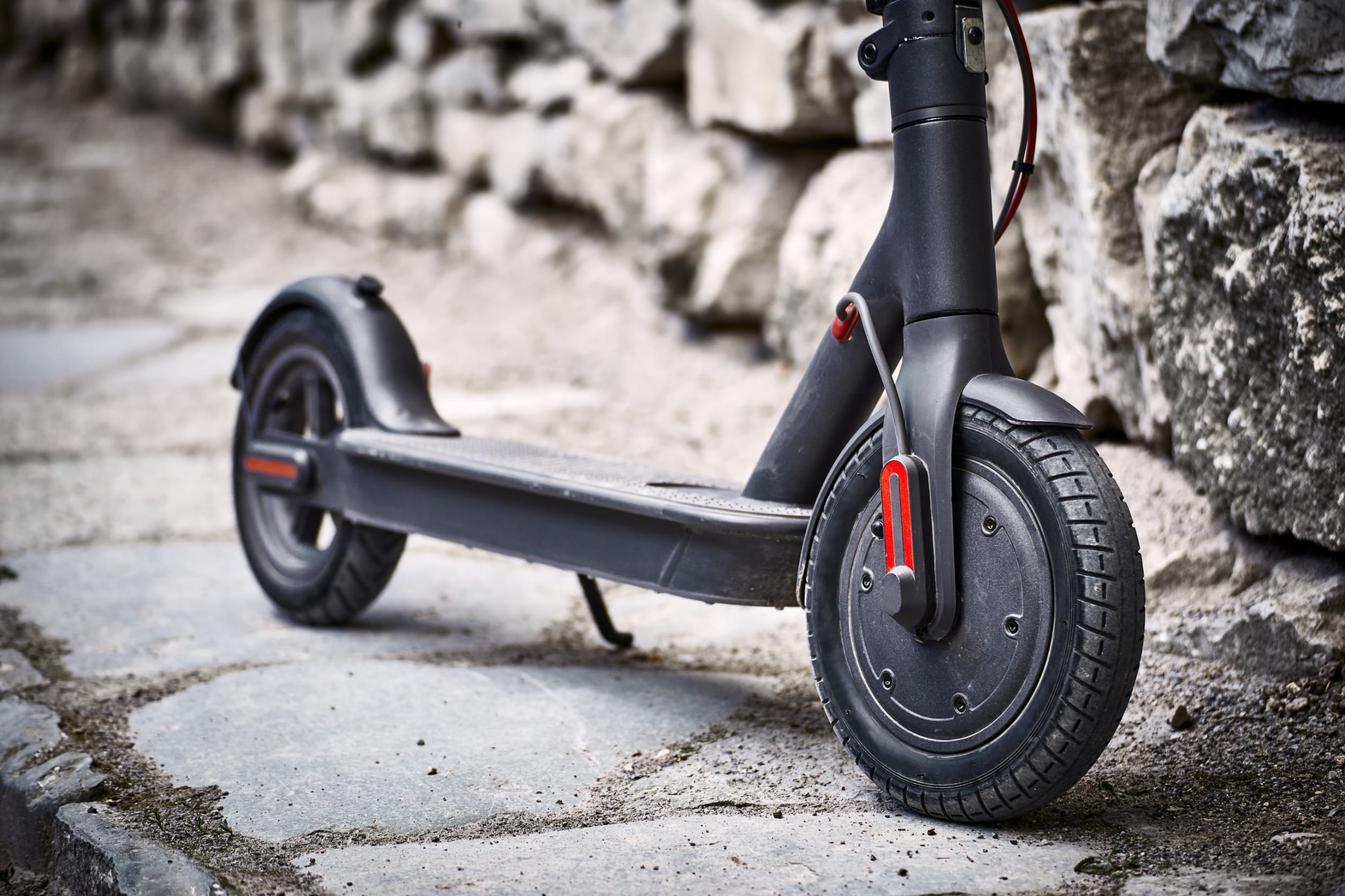
Electric scooters have surged in popularity as a convenient and eco-friendly mode of urban transportation. However, despite their appeal, they come with a host of unexpected complications. Here are 12 cold hard facts about electric scooters that you might not have considered.

1. Safety Concerns

Urban scooters
unsplash

While electric scooters are undeniably fun and efficient, they come with significant safety risks that cannot be ignored. Riders often neglect to wear helmets, drastically increasing the likelihood of head injuries in the event of an accident. The small wheels of scooters make it challenging to navigate uneven surfaces, potholes, and debris, which can easily lead to crashes.

Plus, inexperienced riders frequently struggle with maintaining balance and control, particularly at higher speeds or on crowded streets. The combination of these factors results in a higher incidence of accidents and injuries. To address these safety issues, there is an urgent need for improved rider education, mandatory safety gear, and stricter regulations to ensure the well-being of all users.

2. Urban Clutter

Lots of scooters
unsplash

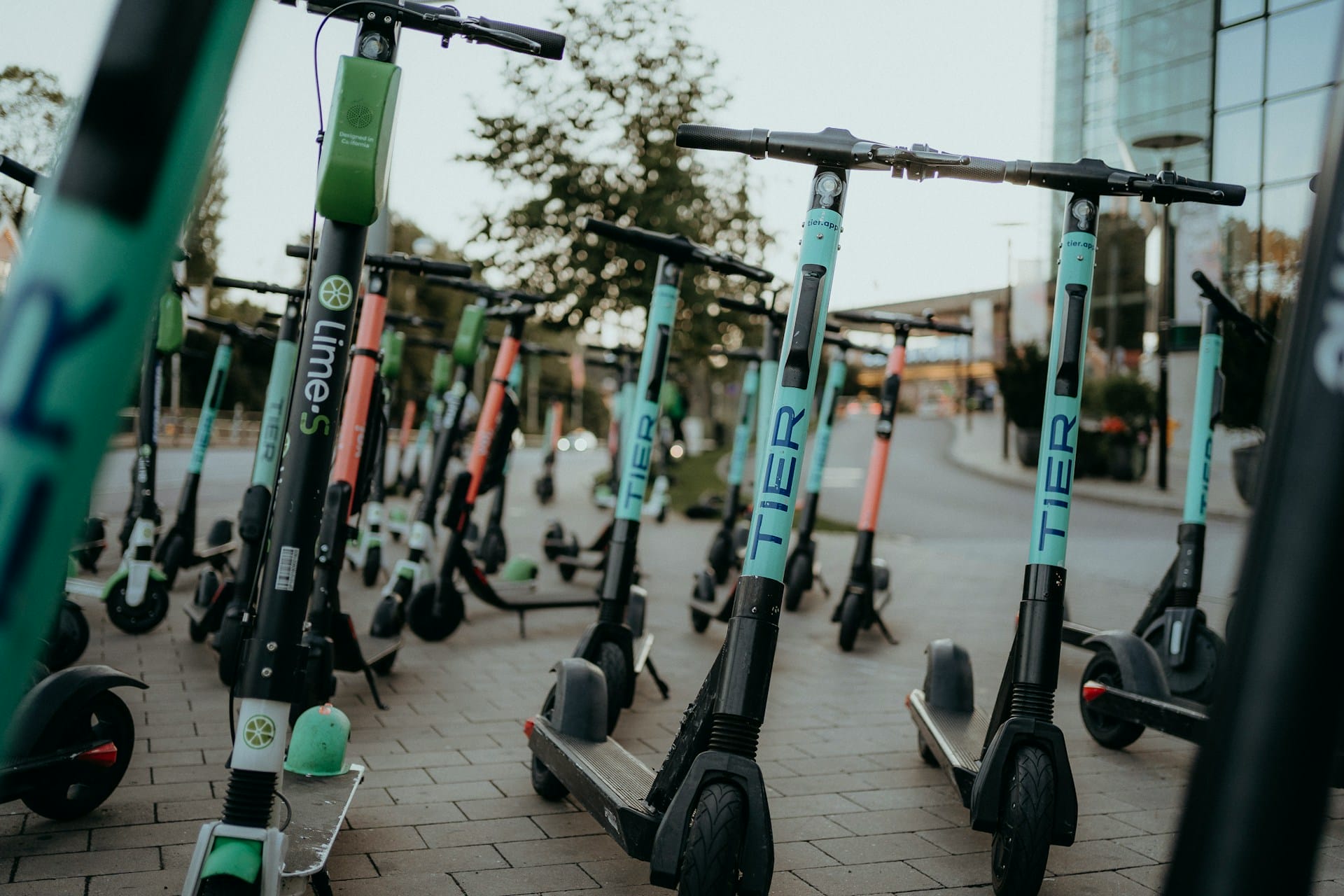
Electric scooters, while convenient, often contribute to significant urban clutter. Riders frequently leave them haphazardly on sidewalks, creating obstacles that impede pedestrian traffic. This clutter is especially problematic for individuals with disabilities, parents pushing strollers, and the elderly, who may find it difficult to navigate around the scattered scooters.

In many cities, the rapid proliferation of shared scooters has turned public spaces into virtual obstacle courses, making it challenging for everyone to move freely. To mitigate these issues, effective management strategies and designated parking areas are essential.

Until these measures are widely implemented, scooters will continue to add to the chaos and inconvenience on busy streets and sidewalks, detracting from their potential benefits.

3. Maintenance and Durability

Carrying scooter
123rf

Despite their sleek and modern design, electric scooters are prone to frequent wear and tear. Constant use and exposure to various weather conditions can lead to mechanical failures and battery issues, compromising the safety and reliability of these vehicles. Regular maintenance is crucial to keep scooters in optimal operating condition, but this is often overlooked, particularly in shared scooter fleets where high usage rates and minimal oversight are common.

The rapid turnover of shared scooters also raises concerns about their environmental sustainability, as discarded units contribute to electronic waste. To address these challenges, investing in higher-quality materials and implementing robust maintenance practices are essential.

Ensuring the longevity and sustainability of electric scooters will not only enhance their performance but also reduce their environmental impact, making them a more viable long-term transportation solution.

4. Battery Disposal Issues

Line of scooters
pixabay

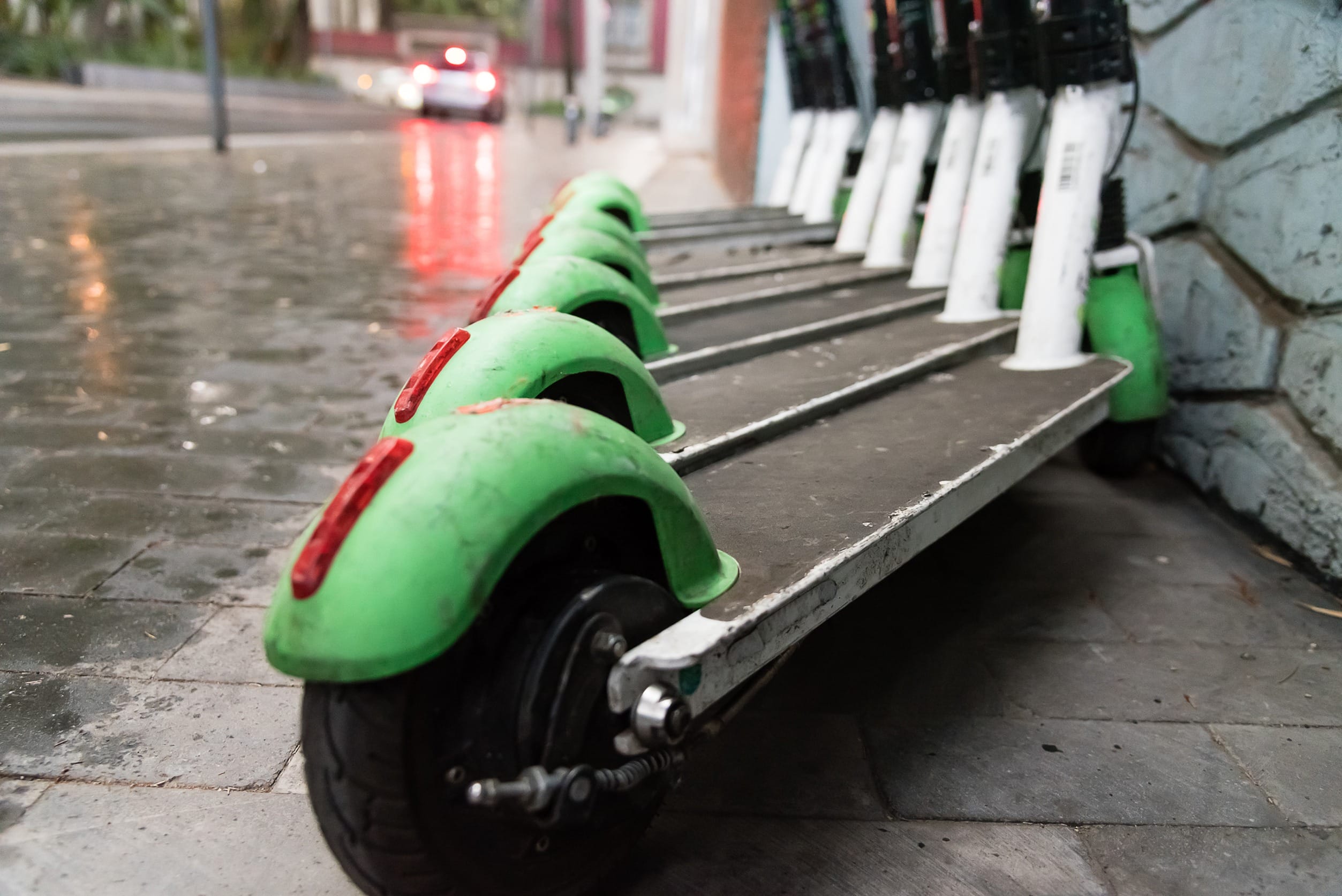
Electric scooters rely on lithium-ion batteries, which pose significant disposal challenges. Improper disposal of these batteries can lead to environmental hazards, including soil and water contamination. The mining of lithium and other materials used in batteries has its own environmental impact.

As the popularity of electric scooters grows, so does the need for responsible battery recycling programs. Without proper disposal practices, the environmental benefits of electric scooters are diminished.

5. Insurance Complications

Scooter insurance
123rf

Insurance coverage for electric scooter accidents is often murky. Many personal insurance policies do not cover scooter-related injuries or damages, leaving riders vulnerable. Determining liability in accidents involving scooters can be complex, especially in cases involving shared scooters.

Riders need to be aware of their insurance options and potential liabilities before hitting the road. The legal landscape surrounding scooter insurance needs to evolve to provide better protection for users.

6. Legal and Regulatory Challenges

2 scooter regs
123rf

The rapid rise of electric scooters has outpaced the development of regulations to govern their use. In many cities, laws regarding where and how scooters can be ridden are still unclear. This regulatory ambiguity can lead to conflicts between riders, pedestrians, and motorists.

Cities need to develop clear and consistent regulations to ensure the safe and orderly use of electric scooters. Until then, riders must navigate a patchwork of rules that can vary widely from one place to another.

7. Impact on Public Transportation

Public transportation
unsplash

Electric scooters can both complement and compete with public transportation. While they provide a convenient last-mile solution, they can also draw riders away from buses and trains. This shift can impact public transportation revenue and the overall efficiency of urban transit systems.

Cities need to integrate scooters into their transportation planning to maximize benefits and minimize disruptions. Understanding the role of scooters in the broader transit ecosystem is key to achieving this balance.

8. Weather-Related Issues

Bad weather
123rf

Scooters are not well-suited for all weather conditions. Rain, snow, and ice can make scooter riding hazardous and uncomfortable. In regions with harsh weather, the use of electric scooters may be limited to certain times of the year. Riders need to be aware of weather-related risks and take precautions when necessary. Cities should also consider weather conditions when planning infrastructure and regulations for scooter use.

9. Limited Range and Battery Life

Scooter dumped
unsplash

The range of electric scooters is often limited, making them unsuitable for longer commutes. Frequent charging is necessary, which can be inconvenient for riders. Battery life can also diminish over time, further reducing the effective range of the scooter. Riders need to plan their trips carefully to avoid running out of battery mid-journey. Improvements in battery technology are needed to extend the range and reliability of electric scooters.

10. Vandalism and Theft

Vandalism Scooters
unsplash

Electric scooters are frequently targeted for theft and vandalism. The lightweight and portable nature of scooters makes them easy targets for thieves. Vandalism, including damage to the scooters and their components, is also a common issue. These problems can result in significant costs for scooter companies and inconvenience for users. Enhanced security measures and public awareness campaigns are needed to combat theft and vandalism.

11. Health and Fitness Concerns

Health and scooters
123rf

While electric scooters are convenient, they do not provide the same health benefits as walking or cycling. Reliance on scooters for short trips can reduce physical activity, potentially impacting overall fitness levels and weight loss efforts.

Encouraging a balanced approach to transportation that includes walking and cycling is important for public health. Riders should be mindful of incorporating physical activity into their daily routines to maintain fitness and support weight management goals.

12. Accessibility Issues

Scooters and accessibility
123rf

Electric scooters are not accessible to everyone. People with disabilities or mobility challenges may find scooters difficult or impossible to use. Additionally, the placement of scooters on sidewalks can obstruct pathways, making it harder for those with mobility aids to navigate. Inclusive design and thoughtful placement of scooters are essential to address these accessibility concerns. Ensuring that new transportation options are accessible is crucial for equitable urban mobility.

Ride at Your Own Risk

Scooter pile
pixabay

Electric scooters offer many benefits, but they also come with unexpected complications. From safety concerns to regulatory challenges, it’s important to be aware of these issues before hopping on a scooter. As cities and companies work to address these complications, riders can contribute by staying informed and riding responsibly. If you’re considering using an electric scooter, take the time to understand the potential risks and how to mitigate them. Together, we can make urban transportation safer and more efficient for everyone.

Stephen Kanaval
Stephen Kanaval

Stephen began his career as a Research Assistant at a reputable middle-market private equity firm, where he honed his skills in market research, financial analysis, and identifying investment opportunities. He then transitioned to full-time financial writing focusing on small-cap biotech innovation and digital payment solutions. Today, Stephen is a value-based retail investor and novice baseball statistician.

Filed Under: Lifestyle Tagged With: Electric scooters, Electric Vehicles, technology

Mamma Mia! 14 Hilarious Signs You Were Raised in an Italian Household

May 31, 2024 by Vanessa Bermudez Leave a Comment

Italian Family
Canva

Ah, Italian families! Where life swirls around pasta servings large enough to feed a small country and where your nonna insists you’re too skinny even if you’ve just polished off half a lasagna. Growing up in an Italian household is like being in a real-life sitcom. Your life is full of loud voices, hand gestures that could direct traffic, and enough drama to rival a telenovela. If you find yourself nodding and laughing along, here are 14 uproarious signs that you were indeed raised in an Italian household.

1. Your vocal cords are built for opera

Your first cooking utensil was a wooden spoon
Canva

In an Italian home, there’s no need for doorbells or texting from the next room. Here, communication is about volume and passion. You learned early on that if you weren’t speaking at least 20 decibels louder than normal, you probably weren’t being heard. Dinner conversations often sounded like friendly shouting matches, and every story was told with enough gusto to make the neighbors wonder if they should buy tickets to the show.

2. Sunday dinners lasted longer than most weddings

Sunday dinners lasted longer than most weddings
Canva

Oh, Sunday dinners! These weren’t mere meals; they were marathons of eating, arguing, laughing, and then eating some more. The table was an overflowing cornucopia of every Italian delicacy you could imagine, and forgetting to wear your stretchy pants was a cardinal sin. It didn’t matter what you had planned; Sundays were reserved for family and food, in that order, from noon till night.


3. There was a plastic cover saga in your living room

There was a plastic cover saga in your living room
DALL-E

Walking into the living room was like entering a museum. Every piece of furniture was covered with plastic, making you wonder if your family was preserving artifacts for future generations. This peculiar tradition was especially torturous in the summer when your legs would peel off the covers with a sound effect worthy of a special effects studio. But, on the bright side, the furniture was always ready to impress unexpected guests!

4. Your first cooking utensil was a wooden spoon

Your first cooking utensil was a wooden spoon
Canva

Long before you could even spell ‘spaghetti,’ you were handed a wooden spoon and drafted as your nonna’s sous-chef. The kitchen was the command center of the house, and the wooden spoon was her scepter. Whether for stirring the sauce or giving a playful tap when you tried to steal a meatball, the wooden spoon was an emblem of culinary authority and love.

5. You couldn’t do homework without a soundtrack

You couldn't do homework without a soundtrack
Canva

Forget quiet study sessions. In an Italian household, completing your homework was about mastering concentration amidst chaos. The soundtrack of your childhood featured operatic arias, the latest hits from the Sanremo Music Festival, or just loud discussions about who used all the olive oil. Somehow, you managed to write essays while subconsciously learning every word of your favorite Italian pop songs.

6. A pantry without pasta is a cardinal sin

A pantry without pasta is a cardinal sin
Canva

In your home, a low pasta supply was grounds for a family emergency. The pantry was stocked as though pasta was about to be discontinued, with enough varieties to open a small store. You knew you were raised Italian when the sight of empty pasta shelves in the grocery store sent a shiver down your spine.

7. Espresso was your childhood energy drink

Espresso was your childhood energy drink
Canva

While other kids woke up to cartoons and cereal, you were more likely to be handed a tiny cup of espresso, decaf, of course. By the time you were ten, you knew your macchiato from your ristretto. Caffeine was a cultural heritage, not just a morning ritual, and certainly something to be introduced as early as possible.

8. Your family tree needs its own encyclopedia

Your family tree needs its own encyclopedia
Canva

Family gatherings require name tags, and not just for the third cousins, which are twice removed. You had relatives you didn’t even know existed until they showed up at your door with a bottle of homemade wine and a cheek-pinching enthusiasm. Your family tree was less of a diagram and more of a sprawling vineyard, with roots stretching back to the old country.

9. Learning to argue was part of your education

Learning to argue was part of your education
Canva

In an Italian household, a spirited debate could ignite faster than you could say, “Pass the salt.” Disagreements were never hidden but were instead treated as spectator sports. You learned the art of persuasion not through books but through passionate discourse over dinner, where every meal was a lively exchange of opinions.

10. Superstitions were your second religion

Superstitions were your second religion
Canva

Forget stepping on cracks; if you dared to place a hat on a bed or spilled olive oil, you were practically inviting doom. Superstitions were as much a part of your upbringing as your Sunday school lessons. Whether it was throwing salt over your shoulder or avoiding the number 17, you grew up knowing that some things were just not to be tampered with.

11. There was no such thing as a small wedding or a quick birthday party

There was no such thing as a small wedding or a quick birthday party
Canva

Events in your family were grandiose affairs. Weddings were epics, birthdays were extravaganzas, and even a first communion could rival some royal ceremonies. Invitations went out by the dozens, and the festivity planning started months in advance, always ensuring a memorable, joy-filled bash.

12. You mastered the art of cheek-kissing

You mastered the art of cheek-kissing
Canva

Navigating social gatherings was a skill finely honed from a young age. The double (sometimes triple) cheek kiss was your standard greeting, an art form that required precision and timing. By the time you were a teenager, you could cheek kiss with the best of them, never missing a beat or a cheek.

13. Your cure-all was always food

Your cure-all was always food
Canva

No matter the problem; heartbreak, headache, or a hard day, food was the remedy. Your mamma had a sixth sense for when you needed a pick-me-up, and it usually came in the form of your favorite pasta dish. “Eat, you’ll feel better,” was the mantra repeated with loving insistence, proving that in an Italian home, love and food are essentially synonymous.

14. You learned life’s lessons at the dinner table

You learned life's lessons at the dinner table
Canva

The dinner table was more than a place to eat; it was where life’s big lessons were imparted. From respecting your elders to understanding the value of good food and company, everything important was discussed at length around that table. It was your classroom, your sanctuary, and the heart of the home.

Enjoy the Chaos, Enjoy the Pasta

Embrace the Chaos, Enjoy the Pasta
Canva

Growing up in an Italian household might have been chaotic, loud, and filled with eccentricities, but it was also vibrant, warm, and incredibly loving. Each meal was a celebration, each gathering a festival, and each moment filled with the richness of life that only such a lively cultural heritage can offer. So, if these signs ring true for you, congratulations! You’ve been raised in a tradition that’s full of heart, soul, and an unforgettable flair for the dramatic. Salute!

Vanessa Bermudez
Vanessa Bermudez
Vanessa Bermudez is a content writer with over eight years of experience crafting compelling content across a diverse range of niches. Throughout her career, she has tackled an array of subjects, from technology and finance to entertainment and lifestyle. In her spare time, she enjoys spending time with her husband and two kids. She’s also a proud fur mom to four gentle giant dogs.

Filed Under: Lifestyle Tagged With: Cultural Quirks, Family Humor, Growing Up Italian, Italian Culture, Italian Traditions

15 Tiny Garden Transformations That Will Have Your Neighbors Jealous

May 30, 2024 by Vanessa Bermudez Leave a Comment

tiny garden
Canva

Do you dream of transforming that little patch of land or a small balcony into a lush oasis? Imagine turning heads with your pint-sized garden that packs a punch of creativity and charm. With just a few clever tweaks and some creative flair, you can overhaul your tiny space into a green sanctuary that’s the envy of the neighborhood. Whether it’s a vertical herb wall or a colorful array of potted plants, each transformation promises to be both breathtaking and inspiring. Let’s explore 15 tiny garden transformations that are not just beautiful but downright neighbor-envy-worthy!

1. Vertical Gardens

Vertical Gardens
Canva

Vertical gardens are perfect for maximizing space in tiny areas. By growing plants upwards instead of outwards, you can create a lush, green wall that’s both functional and beautiful. Use a variety of plants, from flowers to herbs, to add color and texture. Vertical gardens can be created with DIY pallets, wall-mounted planters, or even repurposed materials like old gutters. They not only save space but also make a striking visual statement.

2. Container Gardening

Container Gardening
Canva

Container gardening is ideal for small spaces and offers endless flexibility. Use pots, planters, and even repurposed items like buckets and crates to grow your favorite plants. Arrange them creatively to add depth and dimension to your garden. You can easily move containers around to catch the best sunlight or create new layouts. Plus, containers are perfect for growing a variety of plants, from flowers to vegetables, making your tiny garden versatile and vibrant.

3. Hanging Planters

Hanging Planters
Canva

Hanging planters are a fantastic way to add greenery without taking up floor space. Suspend them from ceilings, balconies, or hooks to create a floating garden effect. Use a mix of trailing plants like ivy, petunias, and ferns to add a lush, cascading look. Hanging planters can be made from a variety of materials, including macrame, wire, and recycled bottles. They bring greenery to eye level, making your tiny garden feel more expansive.

4. Fairy Gardens

Container Gardening
Canva

Fairy gardens are a whimsical way to transform a small garden space. Create miniature landscapes complete with tiny houses, fairy figurines, and small plants. Use containers, old wheelbarrows, or even tree stumps as the base for your fairy garden. Add moss, pebbles, and miniature accessories to bring your fairy tale vision to life. These enchanting gardens are sure to captivate both kids and adults alike.

5. Succulent Displays

Succulent Displays

Succulents are perfect for small spaces because they require minimal maintenance and come in a variety of shapes and colors. Create stunning displays by arranging succulents in unique containers like teacups, mason jars, or driftwood. Use different varieties to add texture and interest. Succulent displays can be placed on windowsills, shelves, or tabletops, bringing a touch of greenery to any corner of your tiny garden.

6. Raised Beds

Raised Beds
Canva

Raised beds are a great solution for small gardens, offering improved soil quality and better drainage. Build or buy raised beds in various sizes to fit your space. Fill them with rich soil and plant a mix of vegetables, herbs, and flowers. Raised beds make gardening more accessible and allow you to grow more in a compact area. They also add a structured, neat look to your tiny garden.

7. Miniature Water Features

Miniature Water Features
Canva

A small water feature can add a sense of tranquility and beauty to your tiny garden. Consider installing a mini fountain, birdbath, or even a small pond. The sound of running water creates a soothing ambiance and attracts birds and butterflies. Miniature water features can be made from pots, bowls, or even repurposed items like old sinks. They become a focal point, adding a touch of elegance to your space.

8. Window Boxes

Window Boxes
Canva

Window boxes are an excellent way to add greenery and color to your home’s exterior. Fill them with a mix of flowers, herbs, and trailing plants for a lush, vibrant look. Window boxes can be attached to railings, windowsills, or balconies, making them perfect for apartments and small homes. They bring nature closer to your living space and create a beautiful view from both inside and outside.

9. Garden Mirrors

Garden Mirrors
Canva

Mirrors can create the illusion of more space in a tiny garden. Place a garden mirror on a fence or wall to reflect light and greenery, making the area feel larger and brighter. Use decorative frames to add a stylish touch. Garden mirrors not only enhance the visual appeal but also create a sense of depth and dimension. They’re an easy and affordable way to transform a small space.

10. Pallet Gardens

Pallet Gardens
Canva

Repurposing wooden pallets into garden planters is a trendy and eco-friendly way to maximize space. Stand pallets vertically or horizontally and fill them with soil and plants. Use a mix of flowers, herbs, and succulents to create a vibrant display. Pallet gardens can be leaned against walls or placed on balconies, adding a rustic charm to your tiny garden. They’re a perfect DIY project for anyone looking to upcycle and beautify their space.

11. Herb Spirals

Herb Spirals
Canva

Herb spirals are a creative and space-saving way to grow a variety of herbs in a compact area. Construct a spiral-shaped bed using bricks, stones, or wood, and fill it with soil and herbs. The spiral design provides different microclimates, allowing you to grow a diverse range of herbs in one spot. Herb spirals are not only functional but also add a unique and artistic element to your garden.

12. Garden Art and Ornaments

Garden Art and Ornaments
Canva

Adding art and ornaments to your tiny garden can enhance its charm and personality. Use sculptures, wind chimes, colorful pots, and DIY garden decorations to create a whimsical and inviting space. Garden art can be made from repurposed materials like old tools, glass bottles, and ceramics. These creative touches reflect your style and make your garden a true extension of your home.

13. Small Fruit Trees

Pallet Gardens
Canva

Dwarf fruit trees are perfect for small gardens and can be grown in pots or small plots. Consider planting varieties like dwarf apple, lemon, or cherry trees. These compact trees provide fresh fruit and add a lovely, natural element to your garden. They’re also great for creating a focal point and adding vertical interest. With proper care, small fruit trees can thrive and produce bountiful harvests in limited spaces.

14. DIY Garden Furniture

DIY Garden Furniture
Canva

Creating your own garden furniture can save space and add a personal touch to your tiny garden. Build benches, tables, or chairs from pallets, crates, or reclaimed wood. Opt for foldable or stackable designs to maximize space when not in use. DIY garden furniture is a fun project that adds functionality and style to your garden. Plus, it’s a great way to repurpose materials and reduce waste.

15. Layered Planting

Herb Spirals
Canva

Layered planting involves using plants of different heights to create a lush, multi-dimensional garden. Start with taller plants at the back, medium-sized plants in the middle, and shorter plants at the front. This technique adds depth and makes the most of your vertical space. Layered planting creates a rich, full look and ensures that every inch of your tiny garden is bursting with life and color.

Tiny Gardens with Big Impact

Tiny Gardens with Big Impact
Canva

Transforming a small garden space doesn’t require a big budget or a lot of land. With these creative ideas, you can turn even the tiniest area into a stunning oasis that will have your neighbors jealous. So get inspired, roll up your sleeves, and start creating a garden that’s uniquely yours.

Vanessa Bermudez
Vanessa Bermudez
Vanessa Bermudez is a content writer with over eight years of experience crafting compelling content across a diverse range of niches. Throughout her career, she has tackled an array of subjects, from technology and finance to entertainment and lifestyle. In her spare time, she enjoys spending time with her husband and two kids. She’s also a proud fur mom to four gentle giant dogs.

Filed Under: Lifestyle Tagged With: Creative garden designs, DIY garden projects, Garden transformations, Small space gardening, Tiny garden ideas

13 Reasons Why Some People Can Eat Whatever They Want and Not Gain Weight

May 22, 2024 by Vanessa Bermudez Leave a Comment

Why Some People Can Eat Whatever They Want and Not Gain Weight
123rf

Have you ever envied that friend who can polish off a whole pizza, follow it up with a giant slice of chocolate cake, and still fit into jeans they wore in high school? While it might seem like they’ve hit the genetic jackpot, there’s actually a mix of factors at play. From metabolic mysteries to lifestyle choices, let’s dive into the 13 fascinating reasons why some people can eat to their heart’s content without gaining an ounce.

1. Genetics Play a Big Role

dna
123rf

Genetics significantly influence an individual’s propensity to maintain a stable weight. Certain genes can affect metabolism, making it easier for some people to burn calories efficiently. Additionally, genetic variations can impact how the body stores fat and responds to physical activity. People with specific genetic markers may experience less hunger and greater satiety, aiding in weight management.

2. They Have More Muscle Mass

muscle mass
123rf

Having more muscle mass plays a crucial role in preventing weight gain. Muscles are metabolically active tissues that burn more calories at rest compared to fat. This higher resting metabolic rate means that individuals with greater muscle mass can consume more calories without gaining weight. Additionally, muscle mass improves insulin sensitivity, helping the body to use glucose more effectively and preventing fat storage. Regular strength training not only builds muscle but also boosts overall metabolism. People with higher muscle mass also tend to engage in more physical activity, further enhancing calorie expenditure.

3. Differences in Hormone Levels

hormone levels
123rf

Differences in hormone levels can significantly impact an individual’s ability to avoid weight gain. Hormones like leptin and ghrelin regulate hunger and satiety, influencing food intake. People with balanced levels of these hormones may feel full sooner and stay satisfied longer, reducing overeating. Additionally, hormones such as insulin and cortisol play roles in fat storage and metabolism, where optimal levels help prevent excess fat accumulation.

4. A Highly Active Lifestyle

active lifestyle
123rf

It’s not always what you eat but what you do. People who are constantly on the move burn more calories. Whether it’s regular trips to the gym, cycling to work, or just being naturally fidgety, active lifestyles help keep the pounds off. Active individuals often have better muscle mass, which boosts metabolism and further aids in burning calories. Moreover, an active lifestyle can help regulate appetite and improve overall energy balance.

5. They Don’t Absorb All the Calories They Eat

a woman eating a burger
123rf

Some people don’t absorb all the calories they eat, which can help them avoid weight gain. This reduced absorption can be due to differences in digestion and gut microbiota. When fewer calories are absorbed, the body has less excess energy to store as fat. Additionally, certain foods, like those high in fiber, can pass through the digestive system with fewer calories being absorbed.

6. Frequent Small Meals

eating healthy
123rf

Eating patterns play a crucial role. Those who munch on smaller meals throughout the day might have better control over their metabolism and less dramatic insulin spikes, which helps manage weight. Smaller, regular meals can help keep metabolism active throughout the day, aiding in continuous calorie burning. Also, it can help regulate blood sugar levels, preventing spikes and crashes that can lead to cravings. Consistently eating small meals can also provide a steady stream of energy, promoting better overall physical activity. 

7. High Metabolic Rate

drinking water
123rf

Some people have a naturally high basal metabolic rate (BMR). Individuals with a faster metabolism burn more calories at rest and during activities, making it easier to maintain a healthy weight. This increased calorie expenditure helps prevent excess energy from being stored as fat. Additionally, a high metabolic rate can enhance the efficiency of nutrient utilization, supporting overall health and energy levels. Factors such as genetics, muscle mass, and physical activity levels contribute to metabolic rate variations.

8. Efficient Fat Oxidation

weight loss
123rf

The ability to burn fat effectively is another key factor. Some people have bodies that preferentially use fat as an energy source, which can prevent weight gain even when their diet is rich in fats. They can burn more fat during both rest and physical activity. This process helps in managing weight by utilizing fat stores instead of relying solely on carbohydrates for energy. Factors like regular exercise, a balanced diet, and genetics can enhance fat oxidation.

9. Hydration Habits

hydration
123rf

Hydration habits play a significant role in maintaining a healthy weight. Drinking adequate water can boost metabolism, helping the body burn more calories. Proper hydration also aids in digestion and prevents water retention, which can contribute to a healthier weight. Additionally, drinking water before meals can promote a sense of fullness, reducing overall calorie intake. Staying hydrated can also improve physical performance, encouraging more consistent physical activity.

10. Mindful Eating

mindful eating
123rf

Being mindful about what and when you eat can impact weight significantly. By paying close attention to hunger and fullness cues, individuals can avoid overeating and better regulate their calorie intake. This practice involves savoring each bite, which enhances the eating experience and can lead to greater satisfaction with smaller portions. Mindful eating also encourages choosing nutrient-dense foods over empty-calorie options, supporting overall health and weight management. Additionally, it helps reduce emotional eating by fostering a more conscious relationship with food.

11. They Burn Calories Through Non-Exercise Activity Thermogenesis (NEAT)

going up the stairs
123rf

NEAT refers to the calories you burn through daily activities other than formal exercise, like walking to the printer at work or pacing while talking on the phone. These activities can significantly increase daily calorie expenditure, helping to prevent weight gain. Individuals who are naturally more active throughout the day tend to have higher NEAT levels. Simple habits like taking the stairs, standing while working, or frequently moving around can contribute to this calorie burn.

12. Youthful Metabolic Rate

a group of young people
123rf

A youthful metabolic rate significantly contributes to preventing weight gain. Younger individuals often have faster metabolisms, which means they burn calories more efficiently. This higher metabolic rate is partly due to greater muscle mass and higher energy levels typically found in youth. As a result, they can consume more calories without gaining weight compared to older adults. In addition, youthful bodies are often more active, naturally incorporating more physical movement into daily routines.

13. Psychological Factors

stress-free
123rf

Stress management and emotional well-being can significantly impact eating behaviors and weight management. Individuals with a positive body image and healthy self-esteem are more likely to engage in behaviors that support weight maintenance. Conversely, chronic stress and emotional distress can lead to overeating or unhealthy eating habits. Mindfulness and mental health practices can help individuals develop a balanced relationship with food.

Eat More, Weigh Less?

a woman enjoying junk food
123rf

Understanding these factors sheds light on the complex interplay of genetics, lifestyle, and biological mechanisms that determine weight gain. While some might have more forgiving metabolisms, a balanced diet, and regular physical activity are key for everyone in maintaining a healthy weight. So, before you envy your friend’s carefree eating habits, remember there’s a lot going on behind the scenes!

Read More

From Cold Cures to Detox Diets: 15 Health Myths Unmasked

Stay Young Forever? 14 Non-Exercise Tips That Actually Work

Vanessa Bermudez
Vanessa Bermudez
Vanessa Bermudez is a content writer with over eight years of experience crafting compelling content across a diverse range of niches. Throughout her career, she has tackled an array of subjects, from technology and finance to entertainment and lifestyle. In her spare time, she enjoys spending time with her husband and two kids. She’s also a proud fur mom to four gentle giant dogs.

Filed Under: Lifestyle Tagged With: genetics, healthy eating, metabolism, mindful eating, weight management

15 Products That Are Surprisingly Made from Recycled Materials

May 22, 2024 by Vanessa Bermudez Leave a Comment

recycled products
123rf

In an era where sustainability is more than just a buzzword, the innovation behind recycled products is booming. From high-fashion statements to everyday essentials, the range of items made from repurposed materials is expanding, challenging our perceptions of what recycling can achieve. Here’s a look at 15 unexpected products that are giving old materials new life.

1. Sneakers from Ocean Plastics

shoes and water bottler
123rf

Leading sportswear brands are sprinting towards sustainability by crafting sneakers from plastics harvested from the oceans. These stylish kicks not only help reduce ocean waste but also promote awareness of marine conservation. They’re durable, waterproof, and incredibly trendy, proving that eco-friendly choices can also be chic.

2. Furniture from Discarded Fishing Nets

chair and fishing net
DALL-E

Innovative designers are turning problematic waste, such as discarded fishing nets, into sleek, modern furniture. These nets, often found polluting oceans, are transformed into chairs and tables that are both functional and fashionable. This initiative not only cleans up our seas but also offers a stylish approach to sustainable living.

3. Insulation from Denim

denims
123rf

Old jeans find new purpose as building insulation, providing an eco-friendly alternative to traditional materials. This denim insulation offers excellent thermal performance and soundproofing, plus it’s safer to handle compared to fiberglass options, making it a favorite in green building projects.

4. Backpacks from Recycled PET Bottles

backpack
123rf

Imagine carrying a backpack that was once a plastic bottle. Companies are now weaving recycled polyethylene terephthalate (PET) into durable fabric used for backpacks. This process not only reuses plastic waste but also significantly reduces the production of new plastics.

5. Jewelry from E-Waste

e-waste jewelry
DALL-E

Electronic waste is not just a growing problem but also a source of precious metals. Artisans are crafting stunning pieces of jewelry from metals and components reclaimed from old electronics. These pieces are not just beautiful but also tell a compelling story of sustainability.

6. Yoga Mats from Recycled Wetsuits

yoga mat
123rf

Old wetsuits are getting a second life as yoga mats. The neoprene rubber is cleaned, shredded, and transformed into comfortable, grippy mats ideal for your next downward dog. This upcycling effort helps keep non-biodegradable materials out of landfills.

7. Wall Art from Skateboard Decks

skateboard wall deck
DALL-E

Broken skateboards are no longer destined for the dump. Artists are repurposing these colorful decks into vibrant wall art. Each piece is unique, displaying the scratches and scars of its previous life, adding character and a pop of color to any room.

8. Playground Equipment from Recycled Plastic

playground slide
123rf

Playgrounds across the globe are becoming greener with equipment made from recycled plastics. These fun and safe installations are helping keep plastic waste out of landfills and proving that sustainable practices can bring joy to communities.

9. Notebooks from Coffee Cups

coffee and notebook
123rf

Millions of used coffee cups are recycled into paper used for notebooks. This innovative recycling process turns your morning coffee waste into your next great place for sketches, notes, and ideas, blending functionality with sustainability.

10. Glasses Frames from Fishing Nets

sunglasses and fishing net
DALL-E

Eyewear companies are looking through a sustainable lens by crafting frames from recycled fishing nets. These frames are not only stylish but also help reduce plastic waste in the oceans, offering a clear vision for a cleaner world.

11. T-Shirts from Recycled Cotton

tshirts
123rf

Old, discarded cotton garments are being reborn as fresh t-shirts. This process reduces waste and the demand for new raw materials, significantly lowering water usage and carbon emissions associated with traditional cotton production.

12. Blankets from Plastic Bottles

blankets
DALL-E

Cozy, soft blankets are now being woven from fibers made from recycled plastic bottles. This transformation from plastic to plush not only offers comfort but also tackles the issue of plastic waste.

13. Flooring from Used Tires

floor mats
123rf

Used car tires are being converted into durable flooring for gyms, playgrounds, and even outdoor patios. The rubber provides excellent shock absorption and is an inventive solution to tire disposal issues.

14. Dog Toys from Old T-shirts

dog toy
123rf

Unwanted t-shirts are finding a playful new purpose as braided dog toys. This DIY recycling trick is simple yet effective, providing pets with hours of entertainment and a greener option for pet owners.

15. Bike Racks from Scrap Metal

bike racks
123rf

Even metal scraps are not wasted. They are welded into creative and sturdy bike racks, often seen in urban areas. This initiative supports cycling infrastructure and demonstrates that even small pieces of scrap can be transformed into useful products.

The Art of Recycling

girls holding a recycle sign
123rf

These fifteen products exemplify the creativity and potential of recycling. They highlight how innovative thinking can turn waste into something wonderful, pushing the boundaries of what we typically consider recyclable. Each item not only serves a practical purpose but also carries a message of responsibility and hope for a more sustainable world.

Vanessa Bermudez
Vanessa Bermudez
Vanessa Bermudez is a content writer with over eight years of experience crafting compelling content across a diverse range of niches. Throughout her career, she has tackled an array of subjects, from technology and finance to entertainment and lifestyle. In her spare time, she enjoys spending time with her husband and two kids. She’s also a proud fur mom to four gentle giant dogs.

Filed Under: Lifestyle Tagged With: eco-friendly, green innovation, recycled products, recycling ideas, sustainability, sustainable living, upcycled goods

  • « Previous Page
  • 1
  • …
  • 25
  • 26
  • 27
  • 28
  • Next Page »

Follow Us

Search this site:

Recent Posts

  • Can My Savings Account Affect My Financial Aid? by Tamila McDonald
  • 12 Ways Gen X’s Views Clash with Millennials… by Tamila McDonald
  • What Advantages and Disadvantages Are There To… by Jacob Sensiba
  • 10 Tactics for Building an Emergency Fund from Scratch by Vanessa Bermudez
  • Call 911: Go To the Emergency Room Immediately If… by Stephen Kanaval
  • 7 Weird Things You Can Sell Online by Tamila McDonald
  • 10 Scary Facts About DriveTime by Tamila McDonald

Copyright © 2026 · News Pro Theme on Genesis Framework