• Home
  • About Us
  • Toolkit
  • Getting Finances Done
    • Hiring Advisors
    • Debt Management
    • Spending Plan
  • Insurance
    • Life Insurance
    • Health Insurance
    • Disability Insurance
    • Homeowners/Renters Insurance
  • Contact Us
  • Privacy Policy
  • Risk Tolerance Quiz

The Free Financial Advisor

You are here: Home / Archives for Crime & Safety

10 Places Burglars Always Look When You Live In An Expensive Neighborhood

April 11, 2025 by Travis Campbell Leave a Comment

burglar breaking in

Image Source: pexels

Living in an upscale neighborhood might give you a sense of security, but it can actually make your home a prime target for sophisticated burglars. These criminals specifically scout affluent areas, knowing the potential for valuable items is higher. Understanding their tactics and favorite hiding spots can help you outsmart them before they strike. This guide reveals the top places burglars search when targeting homes in expensive neighborhoods, allowing you to take preventive measures to protect your valuables.

1. Master Bedroom Closets and Dressers

Master bedroom closets are typically the first place experienced burglars head when entering an upscale home. Most homeowners instinctively store jewelry, cash, and other valuables in dresser drawers or closet shelves, making these locations predictably lucrative for thieves. Professional burglars know to check behind clothing, in shoe boxes, and even inside pockets of rarely worn garments where valuables might be concealed. Women’s jewelry boxes are particularly targeted, with thieves often emptying entire containers rather than selecting individual pieces to maximize their haul. Smart homeowners are now investing in decoy jewelry boxes while keeping genuine valuables in unexpected locations throughout the home.

2. Home Office Drawers and Filing Cabinets

Home offices contain a wealth of both valuable items and sensitive information that makes them a burglar’s second stop. Desk drawers frequently hold emergency cash, expensive electronics, and sometimes even firearms that homeowners keep for protection. Filing cabinets may contain financial documents perfect for identity theft, including bank statements, investment information, and personal identification. Burglars know that many people store passwords, account information, and even safe combinations in seemingly secure office spaces. Professional thieves can quickly assess which documents might be valuable for resale on dark web marketplaces where personal information commands high prices.

3. Bathroom Medicine Cabinets and Vanities

Surprisingly, bathrooms rank high on a burglar’s checklist when targeting affluent homes. Prescription medications, particularly opioid painkillers and other controlled substances, can be extremely valuable on the black market and are often stored in predictable medicine cabinets. High-end cosmetics and skincare products found in luxury bathrooms can be easily resold, with some premium brands fetching hundreds of dollars per item. Wealthy homeowners often keep secondary jewelry stashes in bathroom vanities for convenience when preparing for social events. Some burglars specifically target bathrooms, knowing that expensive watches are often removed before showering and left on countertops or in drawers. Bathroom safes disguised as everyday items have become increasingly popular as homeowners become aware of this vulnerability.

4. Kitchen Hiding Spots

Kitchens in upscale homes often contain unexpected valuables that experienced burglars know to check. Freezers and refrigerators serve as improvised safes for many homeowners who believe these appliances are overlooked during break-ins. Burglars routinely check inside coffee canisters, fake food containers, and other kitchen storage items where cash or jewelry might be hidden. High-end kitchen equipment itself can be valuable, with professional-grade appliances and specialty cooking tools being portable targets for theft. According to a study by the National Council for Home Safety and Security, kitchen pantries are increasingly used as hiding spots for valuables, making them a standard checkpoint for experienced thieves.

5. Behind and Under Furniture

Seasoned burglars know that many homeowners believe the space behind or beneath furniture provides clever hiding places. Valuable items taped to the underside of drawers or behind picture frames are common hiding spots that thieves immediately check. Burglars will quickly look under mattresses, inside pillowcases, and between sofa cushions, where cash and small valuables are frequently concealed. Professional thieves often bring tools specifically designed to check these hidden areas efficiently, allowing them to search an entire room in minutes. According to security experts, burglars can identify which furniture pieces are most likely to conceal valuables based on their positioning and accessibility in the room.

6. Basement and Attic Storage

Remote storage areas like basements and attics often contain valuable collections and forgotten treasures in affluent homes. Vintage items, collectibles, and family heirlooms stored in these spaces can be worth significant amounts to knowledgeable thieves targeting upscale neighborhoods. Burglars specifically look for labeled boxes that might indicate valuable contents, such as “Electronics,” “Jewelry,” or “Important Documents.” Many homeowners mistakenly believe these areas are too inconvenient for burglars to search, making them paradoxically more vulnerable. Seasonal decoration storage often contains valuable items mixed with holiday ornaments, making these containers prime targets. Professional thieves allocate time to check these areas when targeting larger homes, where the potential payoff justifies the extended search.

7. Children’s Rooms and Playrooms

Children’s spaces are increasingly becoming hiding spots for valuables, but experienced burglars are well aware of this trend. Parents often conceal expensive items in children’s rooms, believing thieves will respect these spaces or overlook them during hurried break-ins. Toy boxes, stuffed animals with hidden compartments, and children’s bookshelves are all checked by thorough burglars. Gaming systems, high-end electronics, and collectible toys themselves can be valuable targets in affluent households. Burglars know that teenagers in wealthy families often have expensive items like designer clothing, smartphones, and even cash stashed in their rooms.

8. Garage and Workshop Areas

Garages in upscale neighborhoods often contain valuable equipment that burglars can quickly convert to cash. Power tools, specialized lawn equipment, and high-end sporting goods are easily resold and difficult to trace once stolen. Many homeowners store backup keys, garage door openers, and even safe combinations in predictable garage locations that experienced thieves immediately check. Luxury vehicles themselves may contain valuable items or serve as secondary targets if keys are located during the home search. Workshop areas often contain valuable raw materials like copper, specialized equipment, or collectible items that homeowners store away from the main living space.

9. Bookshelves and Hollow Books

Literary hiding spots remain popular despite being well-known to professional burglars targeting affluent neighborhoods. Hollow books, though considered clever by homeowners, are immediately identified by experienced thieves who know exactly how to spot them among genuine volumes. Burglars systematically check behind books on shelves where homeowners often tape envelopes containing cash or important documents. Valuable first editions and collectible books themselves can be targets for knowledgeable thieves specializing in literary theft. Decorative bookends, especially those appearing unusually heavy or ornate, are checked for hidden compartments or valuable materials.

10. Smart Home Devices and Electronics

Modern homes in expensive neighborhoods contain numerous electronic devices that store both physical valuables and digital assets. Burglars target smart home hubs, computers, and external hard drives that might contain cryptocurrency wallet information or financial records. Password managers and digital banking information stored on home computers can be more valuable than physical items in the long term. Professional thieves know to check behind televisions and entertainment centers, where homeowners often install small safes or hiding spots. According to cybersecurity experts, the theft of digital assets from home electronics has increased by 300% in affluent neighborhoods over the past five years.

Protecting Your Valuables: Beyond the Obvious

The most effective security strategy combines unpredictability with modern technology to create multiple layers of protection. Consider investing in a professionally installed security system with 24/7 monitoring rather than relying solely on hiding places experienced burglars already know about. Create a home inventory with photographs and serial numbers of valuable items, and ensure your insurance coverage adequately protects your most precious possessions. Consider using decoy valuables in predictable hiding spots while securing genuine items in unexpected locations or professionally installed safes. Remember that your best defense is making your home a difficult, time-consuming target that encourages burglars to move on to easier opportunities.

Have you discovered any creative hiding places that might outsmart even the most experienced burglars? Share your ideas in the comments below – just be careful not to reveal your actual security measures!

Read More

Your Home Isn’t as Safe as You Think: 5 Security Flaws Burglars Love

How Criminals Use Simple Chalk Marks to Target Homes for Burglary

Travis Campbell
Travis Campbell

Travis Campbell is a digital marketer/developer with over 10 years of experience and a writer for over 6 years. He holds a degree in E-commerce and likes to share life advice he’s learned over the years. Travis loves spending time on the golf course or at the gym when he’s not working.

Filed Under: Crime & Safety Tagged With: burglar tactics, burglary prevention, hiding valuables, home security, upscale neighborhood safety, valuable protection

5 Ways To Ensure Your Safety If You Live In A Street Level Apartment

April 10, 2025 by Travis Campbell Leave a Comment

broken glass

Image Source: pexels

Living in a street-level apartment offers convenience but comes with unique security challenges. With direct access from the street and increased visibility from passersby, proactive safety measures are essential. This article explores five practical strategies to enhance your security and peace of mind while enjoying the benefits of ground-floor living.

1. Fortify Your Entry Points

Your doors and windows are the first line of defense against potential intruders. Installing high-quality deadbolts on all exterior doors significantly reduces the risk of forced entry and provides an additional layer of security beyond standard locks. Window security films can prevent the glass from shattering completely when broken, deterring burglars who prefer quick and quiet access. Motion-sensor lighting around entry points eliminates dark corners where intruders might hide and automatically illuminates anyone approaching your apartment. Security bars or pins for windows allow ventilation while preventing them from being fully opened, striking a balance between comfort and safety. Smart locks with remote monitoring capabilities enable you to control access and receive alerts when your door is opened, even when you’re away from home.

2. Enhance Your Privacy Measures

Privacy is crucial for street-level apartments where pedestrians can easily peek inside. Installing window treatments like frosted film provides 24/7 privacy without sacrificing natural light and creates a barrier between your private space and public view. Strategic furniture placement away from windows reduces visibility from the outside and makes valuable items less noticeable to potential thieves casing the area. One-way window film allows you to see out while preventing others from seeing in, maintaining your connection to the outside world without compromising privacy. Indoor plants placed near windows create natural privacy screens that enhance your decor while obscuring direct sightlines into your living space. Keeping blinds or curtains closed during evening hours when interior lights make visibility highest prevents creating an inadvertent “display window” effect for passersby.

3. Invest in Smart Security Technology

Modern technology offers powerful tools for apartment security that weren’t available just a few years ago. Wireless security cameras with motion detection can be installed without permanent modifications to your rental property and provide real-time monitoring through smartphone apps. Door/window sensors alert you immediately when entry points are breached, giving you crucial time to respond to potential threats before they escalate. Smart doorbells with video capabilities let you see and speak with visitors without opening your door, adding a screening layer before granting access. Indoor motion sensors can detect movement when you’re away and integrate with other smart devices to trigger lights or alarms if unexpected activity occurs. Voice assistants can be programmed to simulate occupancy by playing sounds or controlling lights when you’re away, creating the impression that someone is home even during vacations or work hours.

4. Build Community Connections

Your neighbors can be your most valuable security asset in apartment living environments. Introducing yourself to neighbors creates a network of people who recognize who belongs in your building and who doesn’t, establishing an informal community watch. Joining neighborhood social media groups informs you about local security concerns and allows you to share information about suspicious activities in real time. Participating in community events helps strengthen relationships with neighbors who might notice unusual activity near your apartment when you’re not home. Alerting trusted neighbors when you’ll be away for extended periods ensures extra eyes watch your space during vulnerable times. Regular communication with your property manager about security concerns demonstrates that tenants are vigilant and encourages management to maintain and improve building security measures.

5. Develop Personal Safety Habits

Daily routines and awareness significantly impact your security regardless of technological measures. Conducting regular security checks before leaving and upon returning home creates habits that help you notice if something has been disturbed or tampered with. Avoiding displaying valuable items near windows reduces the temptation for opportunistic thieves who might be passing by your apartment. Being mindful of what you post on social media about your location or schedule prevents broadcasting when your apartment might be empty to potential wrongdoers. Varying your routine occasionally makes your comings and goings less predictable to anyone monitoring the building. Having an emergency plan with escape routes and contact procedures ensures you’re prepared to act quickly if you encounter a security threat in your home.

Balancing Security With Comfortable Living

Creating a safe street-level apartment doesn’t mean turning your home into a fortress. The key is implementing layered security measures that complement each other while maintaining the comfort and accessibility that drew you to ground-floor living. Security and comfort aren’t mutually exclusive when approached thoughtfully. Small, consistent habits often provide more protection than expensive systems that aren’t regularly used. Remember that visible security measures protect you and deter potential intruders who typically seek easier targets. Finding your personal balance between openness and protection allows you to enjoy your space without constant worry. With these strategies in place, your street-level apartment can be both a convenient home and a secure haven.

What security measures have you implemented in your ground-floor apartment that make you feel safer? Share your experiences in the comments below!

Read More

What Do I Do If I Get an Eviction Notice? 12 Tips to Keep You Off the Streets

5 Surprising Things Not Covered by Homeowners Insurance

Travis Campbell
Travis Campbell

Travis Campbell is a digital marketer/developer with over 10 years of experience and a writer for over 6 years. He holds a degree in E-commerce and likes to share life advice he’s learned over the years. Travis loves spending time on the golf course or at the gym when he’s not working.

Filed Under: Crime & Safety Tagged With: apartment safety, apartment security tips, ground floor security, home protection, urban living safety

8 Reasons Thieves Are Targeting KIA Cars

April 9, 2025 by Travis Campbell Leave a Comment

Kia Car

Image Source: unsplash.com

The alarming rise in KIA thefts has left many owners concerned about their vehicle’s security. What was once considered a reliable, budget-friendly option has become a prime target for car thieves across the nation. Understanding why these vehicles are particularly vulnerable can help owners take necessary precautions to protect their investments.

The Perfect Storm: Why Your KIA Might Be at Risk

Recent data shows KIA thefts have increased dramatically, with some cities reporting over 1,000% increases between 2020 and 2023. This isn’t random—specific vulnerabilities have made certain KIA models particularly attractive to thieves. Let’s examine the key reasons behind this troubling trend.

1. Lack of Engine Immobilizers

KIA models manufactured between 2011 and 2021 often lack engine immobilizers—electronic security devices that prevent engines from starting without the correct key. This critical security feature, standard in most modern vehicles, is absent in many older KIAs. Without immobilizers, thieves can easily bypass the ignition system using basic tools. The National Insurance Crime Bureau confirms this vulnerability makes KIAs twice as likely to be stolen compared to other brands. This security gap creates an easy entry point for even amateur thieves looking for an easy target.

2. Social Media Influence and the “KIA Boys” Phenomenon

The viral “KIA Challenge” on platforms like TikTok has dramatically accelerated theft rates by providing step-by-step instructions for stealing these vehicles. These tutorials, often created by groups calling themselves the “KIA Boys,” demonstrate how to break steering columns and start engines using just a USB cable. Social media’s amplification effect has turned what might have been isolated incidents into a nationwide trend. The widespread sharing of these theft methods has inspired countless copycats, leading to theft spikes in major cities across America.

3. Simple Tools Can Bypass Security

Unlike vehicles requiring sophisticated equipment to steal, many KIA models can be taken using everyday items like screwdrivers and USB cables. The simplicity of the theft method makes these cars particularly attractive targets. Thieves need minimal preparation or specialized knowledge to successfully steal these vehicles. This low barrier to entry means more potential thieves can target KIAs compared to vehicles with advanced security systems requiring electronic bypassing or key cloning technology.

4. Outdated Keyless Entry Systems

Older KIA models often use unencrypted key fob signals that thieves can easily intercept and copy. According to cybersecurity experts, the lack of advanced encryption in these systems makes them particularly susceptible to relay attacks. Modern vehicles use encrypted signals and rolling codes that change with each use, making them significantly harder to hack. This technological gap leaves many KIA owners vulnerable to sophisticated theft techniques that exploit these outdated systems.

5. Geographic Hotspots Amplify Risk

Certain cities have become epicenters for KIA thefts, creating a contagion effect as the practice spreads. Milwaukee earned the nickname “the KIA theft capital” after experiencing a 132% increase in KIA thefts in 2021. Chicago reported over 7,000 KIA thefts in 2023, nearly double the previous year’s figure. Other hard-hit areas include Minneapolis, St. Louis, and Cleveland. This geographic concentration creates environments where theft techniques are refined and shared, further increasing risk for owners in these regions.

6. Insurance Complications Compound Problems

Major insurers like State Farm have blacklisted certain KIA models in multiple states due to high theft rates. According to reports, affected models include the 2015-2021 KIA Forte, Optima, Rio, Sedona, Soul, and Sportage. This insurance reluctance creates additional challenges for owners, who may face higher premiums or difficulty obtaining coverage. The financial implications extend beyond the risk of theft itself, creating a secondary burden for KIA owners in high-risk areas.

7. Delayed Manufacturer Response

While KIA has implemented software updates and provided steering wheel locks to affected owners, these measures came after theft rates had already skyrocketed. The company made engine immobilizers standard only in 2022, leaving millions of vulnerable vehicles on the road. This delayed response allowed theft techniques to spread widely before countermeasures were implemented. Even with recent improvements, many older models remain at high risk without significant security upgrades.

8. Aftermarket Security Limitations

Many KIA owners rely on aftermarket security devices that may not fully address the specific vulnerabilities in their vehicles. While steering wheel locks and alarm systems provide some deterrence, they don’t resolve the fundamental ignition system weaknesses. Comprehensive protection requires multiple security layers, including electronic immobilizers and advanced alarm systems. Without these integrated protections, even vigilant owners remain at elevated risk compared to drivers of vehicles with built-in security features.

Protecting Your Investment: Beyond the Factory Settings

The vulnerability of KIA vehicles doesn’t mean owners are helpless. Installing steering wheel locks, aftermarket immobilizers, and parking in well-lit areas can significantly reduce theft risk. KIA’s software updates have shown promise, with vehicles receiving upgrades experiencing a 64% drop in theft rates compared to unprotected models.

Have you taken steps to protect your KIA from theft? Share your security solutions in the comments below!

Read More

5 Steps to Take After a Truck Accident

Unveiling the Crucial Role of Financial Experts in Car Accident Litigation

Travis Campbell
Travis Campbell

Travis Campbell is a digital marketer/developer with over 10 years of experience and a writer for over 6 years. He holds a degree in E-commerce and likes to share life advice he’s learned over the years. Travis loves spending time on the golf course or at the gym when he’s not working.

Filed Under: Crime & Safety Tagged With: auto theft prevention, car security, engine immobilizers, KIA Boys, KIA theft, KIA vulnerability, steering wheel locks, vehicle protection

Why Criminals Are Placing USB Drives in Public Spaces—and the Risks You Face

April 5, 2025 by Latrice Perez Leave a Comment

Digital illustration of USB flash drive in isolated background

Image Source: 123rf.com

The humble USB drive—a tool many use daily—is being weaponized by criminals in increasingly sophisticated scams. Placed innocently in public spaces like parking lots or sidewalks, these devices tempt unsuspecting individuals to plug them in, not realizing the risks involved. Here’s why criminals are using this tactic, the dangers it poses, and how to protect yourself.

1. The Temptation to Plug In

When spotting a USB drive in public, many people’s first instinct is curiosity: “Could this belong to someone important?” or “Might it contain valuable information?” Criminals exploit this curiosity, banking on the fact that someone will eventually pick up the device and connect it to their computer. It’s a surprisingly effective method for initiating cyberattacks.

2. The Malware Threat Inside

Once plugged in, USB drives can deliver harmful software directly into a victim’s computer. These devices may contain malware that steals personal information, locks files until a ransom is paid (ransomware), or even provides remote access to the criminal. The act is known as “USB baiting,” and it’s an easy way for hackers to bypass traditional security measures.

3. Corporate Espionage Tactics

The stakes become even higher when USB baiting is used for corporate espionage. Criminals may strategically leave compromised drives near offices or industries to infiltrate sensitive systems. Once inside, they can steal proprietary data, sabotage operations, or sell stolen information to competitors. Companies are increasingly warning employees about this threat and implementing policies to safeguard against it.

4. How USB Drives Trick Systems

A computer screen with program code warning of a detected malware script program. 3d illustration

Image Source: 123rf.com

Many compromised USB drives are programmed to execute malware as soon as they are connected to a computer. Others mimic keyboards and automatically type commands to hijack the system. This sneaky technology makes it difficult for victims to recognize the threat until it’s too late. Advanced versions even manipulate anti-virus programs to remain undetected.

5. How to Protect Yourself

Avoid falling victim to USB baiting by following these precautions:

  • Never Plug In Unknown USB Drives: If you find a USB in public, treat it as suspicious.
  • Use Read-Only USB Ports: Some security devices only allow USBs to be connected in a non-executable mode.
  • Invest in Antivirus Software: Ensure your computer has robust protection to catch threats early.
  • Report Suspicious USBs: If you find one near your office or in a high-security area, notify local authorities.

Don’t Let Curiosity Lead to Chaos

Criminals know how to turn curiosity into vulnerability, and USB baiting is a clear example. By staying vigilant and adopting safe practices, you can protect yourself and your devices from these sneaky schemes. The next time you see a USB drive lying around, think twice before picking it up.

Have you ever encountered a suspicious USB drive? What are your thoughts on the effectiveness of these tactics? Share your experiences in the comments below.

Read More:

How Scammers Are Using Stolen License Plates to Frame Innocent People

The Silent Car Theft Trick That’s Fooling Even Smart Drivers

Latrice Perez

Latrice is a dedicated professional with a rich background in social work, complemented by an Associate Degree in the field. Her journey has been uniquely shaped by the rewarding experience of being a stay-at-home mom to her two children, aged 13 and 5. This role has not only been a testament to her commitment to family but has also provided her with invaluable life lessons and insights.

As a mother, Latrice has embraced the opportunity to educate her children on essential life skills, with a special focus on financial literacy, the nuances of life, and the importance of inner peace.

Filed Under: Crime & Safety Tagged With: corporate espionage, cybercrime tactics, cybersecurity threats, malware, protecting your computer, USB baiting

The High-Tech Bandits: How Thieves Are Hacking Cars Right Off Your Driveway

April 1, 2025 by Latrice Perez Leave a Comment

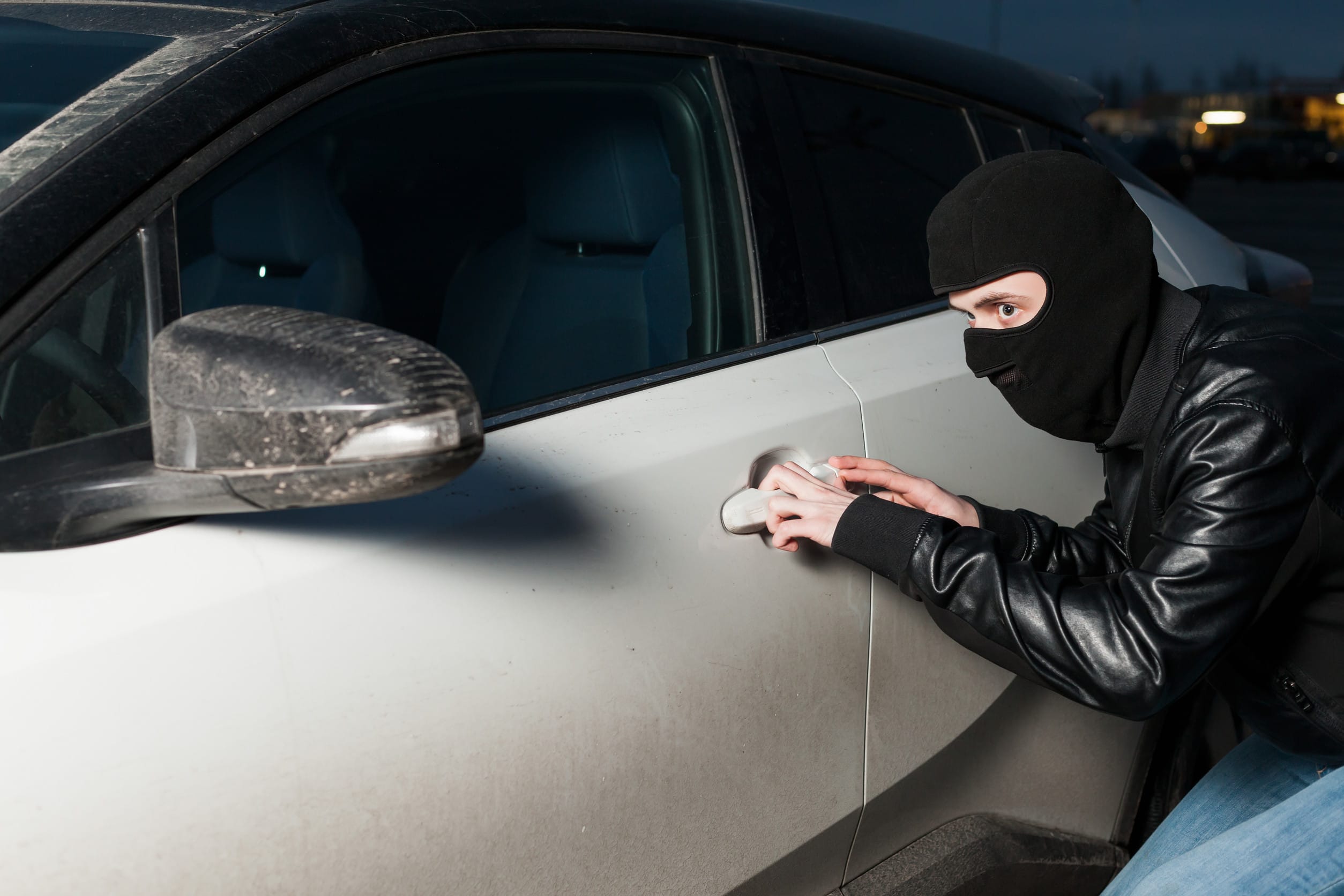
Carjacking danger, car insurance advertising concept. Male thief with balaclava on his head trying to open car door. Carjacker unlock vehicle

Image Source: 123rf.com

Car theft has taken a shocking turn in recent years, as criminals trade crowbars for cutting-edge technology. Instead of breaking windows or hot-wiring ignitions, today’s thieves are using sophisticated tools to hack cars right from driveways. These crimes are not only startling but also reveal how vulnerable modern vehicles can be to digital attacks. In this article, we’ll delve into how these high-tech bandits operate, explore the risks posed by smart car technology, and share tips to protect yourself.

1. The Rise of Keyless Entry Theft

Keyless entry systems were designed for convenience, allowing drivers to unlock and start their cars with a simple button press. However, criminals have found ways to exploit these systems using devices known as relay boxes. These tools intercept and amplify signals from a car owner’s key fob, tricking the vehicle into thinking the key is nearby. Thieves can then unlock the car and drive away—all in a matter of seconds. The sophistication of these devices has made keyless entry theft a growing concern for car owners.

2. Hacking Vehicle Control Systems

As cars become increasingly connected, they also become more susceptible to cyberattacks. Skilled hackers can infiltrate a vehicle’s control systems, giving them access to functions like locks, engine start, and even GPS tracking. In some cases, criminals have exploited vulnerabilities in software updates or unsecured apps to gain control. This alarming trend highlights the need for stronger cybersecurity measures in the automotive industry.

3. The Black Market for Car-Hacking Tools

Believe it or not, tools for hacking cars are readily available on the black market. From signal jammers to diagnostic tools repurposed for theft, criminals have a wide array of gadgets at their disposal. Some even use sophisticated software to duplicate key fobs or bypass security protocols. The accessibility of these tools underscores the urgency of addressing car hacking as a growing threat.

4. Targeting Smart Cars

Smart cars, with their advanced connectivity and self-driving capabilities, are particularly appealing targets for high-tech thieves. These vehicles often rely on complex networks and wireless communication, creating multiple points of vulnerability. Criminals can exploit these systems to disable alarms, unlock doors, or even take control remotely. As smart cars become more common, manufacturers must prioritize safeguarding their technologies against potential breaches.

5. Protecting Yourself Against High-Tech Car Theft

car lock on the driver steering to prevent theft

Image Source :123rf.com

Fortunately, there are steps you can take to reduce the risk of becoming a victim:

  • Invest in Signal-Blocking Pouches: These pouches, often called Faraday bags, can prevent thieves from intercepting signals from your key fob.
  • Disable Keyless Entry Features: If possible, disable this feature when your car is parked at home.
  • Install Steering Wheel Locks: A physical deterrent can make your car less attractive to thieves.
  • Keep Software Updated: Regular updates often include security patches to address vulnerabilities.
  • Park Strategically: Parking in well-lit, secured areas can deter criminals.

A Digital Revolution in Car Theft

The rise of high-tech car theft is a reminder that as technology evolves, so do the tactics of criminals. While smart cars and keyless entry systems offer convenience, they also introduce new risks that require proactive measures. By staying informed and taking precautions, car owners can protect themselves against the growing threat of vehicle hacking.

Have you ever worried about the security of your car’s technology? What measures do you think manufacturers should take to improve car cybersecurity? Share your thoughts in the comments below.

Read More:

The Silent Theft: How to Spot a Relative Stealing from Your Elderly Parents

Check Your Credit Report NOW—5 Signs of Identity Theft

Latrice Perez

Latrice is a dedicated professional with a rich background in social work, complemented by an Associate Degree in the field. Her journey has been uniquely shaped by the rewarding experience of being a stay-at-home mom to her two children, aged 13 and 5. This role has not only been a testament to her commitment to family but has also provided her with invaluable life lessons and insights.

As a mother, Latrice has embraced the opportunity to educate her children on essential life skills, with a special focus on financial literacy, the nuances of life, and the importance of inner peace.

Filed Under: Crime & Safety Tagged With: automotive security, car hacking, car theft prevention, keyless entry theft, relay box theft, smart cars, vehicle cybersecurity

When Food Turns Fatal: The Rise of Black-Market Avocado Heists

April 1, 2025 by Latrice Perez Leave a Comment

Avocados

Image Source: 123rf.com

Avocados—a creamy, green treasure beloved by foodies worldwide—may seem like an unlikely target for crime. However, their skyrocketing demand and high market value have turned them into a lucrative commodity for black-market operations. The rise of avocado heists is not just a quirky headline; it’s a serious global issue with far-reaching consequences for farmers, communities, and consumers. Here’s the dark underbelly of the avocado trade, uncovering why these crimes are happening and who is paying the price.

1. The “Green Gold” Craze

Avocados have earned the nickname “green gold” thanks to their soaring popularity and premium price. With the rise of health-conscious diets and Instagram-worthy meals, the demand for avocados has skyrocketed. This has led to an avocado boom in countries like Mexico, Peru, and Chile, where farmers work tirelessly to meet global consumption. However, as demand grows, so does the potential for exploitation. Criminals see avocados as easy targets, stealing large quantities to sell at a premium price on the black market.

2. Organized Crime Involvement

What’s particularly alarming about avocado heists is the level of organization behind them. These aren’t just small-scale thefts; entire cartels are getting involved. Organized crime groups are infiltrating avocado farms, threatening farmers, and orchestrating massive thefts. Some even extort growers for “protection money” to ensure their crops aren’t stolen. The involvement of cartels has made the avocado trade increasingly dangerous, turning a beloved fruit into a source of fear and violence.

3. Environmental Consequences

The illegal trade of avocados doesn’t just hurt farmers—it damages the environment as well. Criminal groups often cut corners, growing avocados in protected areas or deforesting land to expand farming operations. This contributes to habitat loss, soil erosion, and water shortages in regions already struggling with climate change. The ripple effect of these environmental crimes highlights the broader impact of the black-market avocado trade.

4. The Role of Corruption

In some regions, local authorities are complicit in avocado-related crimes. Corrupt officials may turn a blind eye to illegal farming practices or even participate in theft operations themselves. This lack of accountability allows the black market to thrive, leaving honest farmers to fend for themselves. Tackling corruption is essential to restoring integrity to the avocado trade and protecting those who rely on it for their livelihoods.

5. The Consumer Connection

making sandwiches with avocado healthy organic food.

Image Source: 123rf.com

As consumers, we play a surprising role in the avocado black market. The demand for cheap, readily available avocados often drives illegal operations. When stolen avocados make their way into markets and stores, buyers may unknowingly support criminal activities. Raising awareness about the origin of the avocados we purchase can help combat this issue. Opting for fair-trade and sustainably sourced options is a small but impactful way to make a difference.

The Cost of “Green Gold”

Avocado heists are more than just a curious phenomenon—they’re a reminder of the complexities behind seemingly simple commodities. From organized crime to environmental damage, the black-market trade of avocados has serious implications for all involved. By shedding light on these issues, we can work toward solutions that protect farmers, consumers, and the planet.

Did you know about the dark side of the avocado trade? How can we as consumers ensure we’re supporting ethical practices? Share your thoughts and ideas in the comments below.

Read More:

The Real Reasons Fast-Food Chains Are Charging You More for Less Food

Forever Food: 12 Food Items That Never Expire

Latrice Perez

Latrice is a dedicated professional with a rich background in social work, complemented by an Associate Degree in the field. Her journey has been uniquely shaped by the rewarding experience of being a stay-at-home mom to her two children, aged 13 and 5. This role has not only been a testament to her commitment to family but has also provided her with invaluable life lessons and insights.

As a mother, Latrice has embraced the opportunity to educate her children on essential life skills, with a special focus on financial literacy, the nuances of life, and the importance of inner peace.

Filed Under: Crime & Safety Tagged With: avocado crime, black-market trade, environmental impact, ethical consumption, fair trade, food security, organized crime

The Hidden Danger of Fake Parking Tickets: What They’re Really After

April 1, 2025 by Latrice Perez Leave a Comment

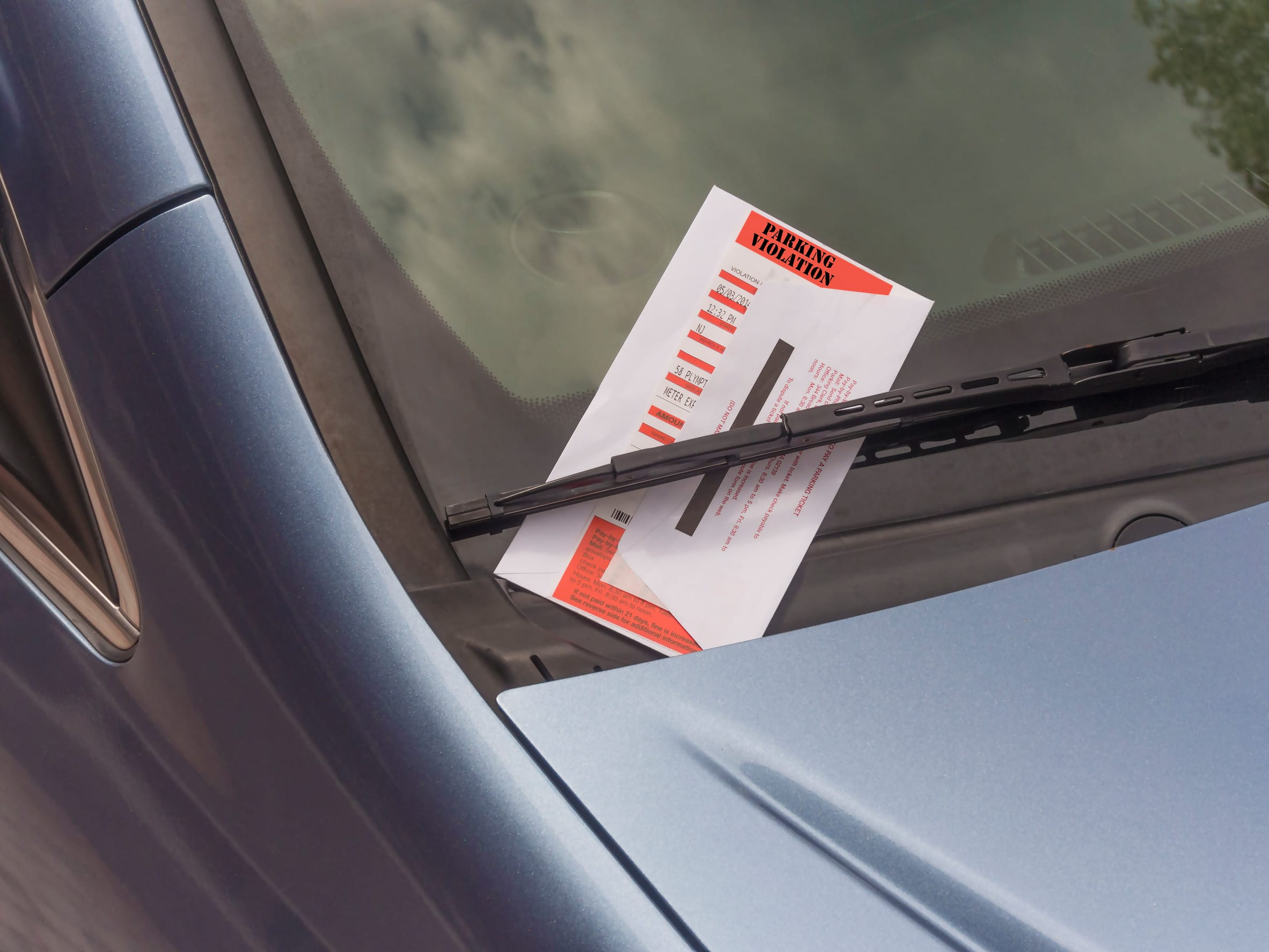
Fake Parking Ticket

Image Source: 123rf.com

Parking tickets are an unfortunate reality for drivers, but imagine receiving one that looks real, only to discover later that it was part of an elaborate scam. Fake parking tickets are becoming a tool for criminals to gather sensitive information, steal money, and even access your vehicle. In this article, we’ll explore how these scams work, what criminals are after, and how to protect yourself from falling victim.

1. The Anatomy of a Fake Parking Ticket

Fake parking tickets are designed to look as genuine as possible, often replicating the design and language of official citations issued by local authorities. They may feature realistic logos, seals, and even barcodes to deceive unsuspecting drivers. The level of detail makes it challenging to spot a fake at first glance, especially when you’re already frustrated about receiving a ticket.

2. How Criminals Use QR Codes and Payment Links

Many fake tickets include QR codes or links that direct victims to fraudulent payment websites. These sites may ask for personal details like your name, address, and credit card information, which criminals can then use for identity theft or financial fraud. In some cases, the payment process is used to install malware on your device, granting hackers access to sensitive data.

3. The Real Motive: Data and Money

The primary goal of fake parking ticket scams is to collect either money or personal information. Criminals rely on the fact that most people want to resolve parking fines quickly and avoid further penalties. By creating a sense of urgency, they increase the chances of victims falling for the scam without thoroughly inspecting the ticket or website.

4. Common Locations for Fake Tickets

These scams often target high-traffic areas where parking enforcement is common. Typical locations include:

  • Shopping malls: Where drivers may leave their cars for hours.
  • Downtown areas: Where parking violations are frequent.
  • Event venues: Where large numbers of vehicles are parked during concerts or sports events.
    Criminals take advantage of these locations to blend in and avoid suspicion while placing fake tickets on cars.

5. The Role of Technology in Fake Ticket Scams

Man working with laptop keyboard and digital.

Image Source: 123rf.com

Modern technology has made it easier for criminals to execute these scams. High-resolution printers, graphic design software, and easily accessible QR code generators allow scammers to create highly convincing tickets. Additionally, the rise of digital payments makes it simpler to trick victims into sharing financial information through fake websites.

6. Warning Signs to Look Out For

To avoid falling victim to this scam, watch out for the following red flags:

  • Poor Grammar and Spelling: Fake tickets may contain subtle errors that a legitimate citation wouldn’t have.
  • Unfamiliar Payment Platforms: Be cautious if the ticket directs you to a third-party payment site instead of an official government portal.
  • Unusual Placement: Tickets placed under windshield wipers or in odd spots may not align with your city’s parking enforcement practices.
  • Lack of Contact Information: Legitimate tickets usually include a phone number or office address for inquiries.

7. Steps to Protect Yourself

Here are some practical tips to safeguard against fake parking ticket scams:

  • Verify the Ticket: Cross-check the ticket details with your city’s parking enforcement office before paying.
  • Inspect QR Codes and Links: Use caution when scanning QR codes or clicking on links—ensure they lead to official websites.
  • Trust Your Instincts: If something feels off about the ticket, take time to investigate before acting.
  • Report Suspicions: Notify local authorities if you suspect you’ve received a fake parking ticket.

More Than Just An Annoyance

Fake parking tickets are more than just an annoyance—they’re a gateway for criminals to exploit your personal information and finances. By staying alert and taking a few extra steps to verify suspicious tickets, you can protect yourself from falling victim to this deceptive scheme. Remember, when in doubt, always check with your local parking enforcement office.

Have you or someone you know ever encountered a fake parking ticket? What strategies do you use to avoid falling victim to scams? Share your thoughts in the comments below.

Read More:

7 Uncharacteristic Behaviors of Adult Bullies

9 Sketchy Situations That Scream “Danger”—Trust Your Gut!

Latrice Perez

Latrice is a dedicated professional with a rich background in social work, complemented by an Associate Degree in the field. Her journey has been uniquely shaped by the rewarding experience of being a stay-at-home mom to her two children, aged 13 and 5. This role has not only been a testament to her commitment to family but has also provided her with invaluable life lessons and insights.

As a mother, Latrice has embraced the opportunity to educate her children on essential life skills, with a special focus on financial literacy, the nuances of life, and the importance of inner peace.

Filed Under: Crime & Safety Tagged With: fake tickets, fraud prevention, identity theft, parking lot security, parking ticket scams, QR code scams

If You Hear These Sounds Outside at Night, Call the Police Immediately

March 31, 2025 by Latrice Perez Leave a Comment

Silhouette of a person looking through a window at night

Image Source: 123rf.com

The quiet of the night can often be deceiving, masking potential dangers that lurk in the shadows. Hearing certain sounds outside your home may be an early warning sign of criminal activity. In this article, we detail the types of noises that should prompt you to contact the police immediately. Being vigilant and acting quickly can be the difference between safety and harm.

1. Unidentified Screams or Cries for Help

Hearing someone scream or call for help is a clear sign that something is amiss. These sounds often indicate distress or danger nearby. They can stem from accidents, assaults, or domestic disputes. Ignoring such cries could result in missing an opportunity to help or alert authorities. Always trust your instincts and report these sounds promptly.

2. Breaking Glass or Loud Crashes

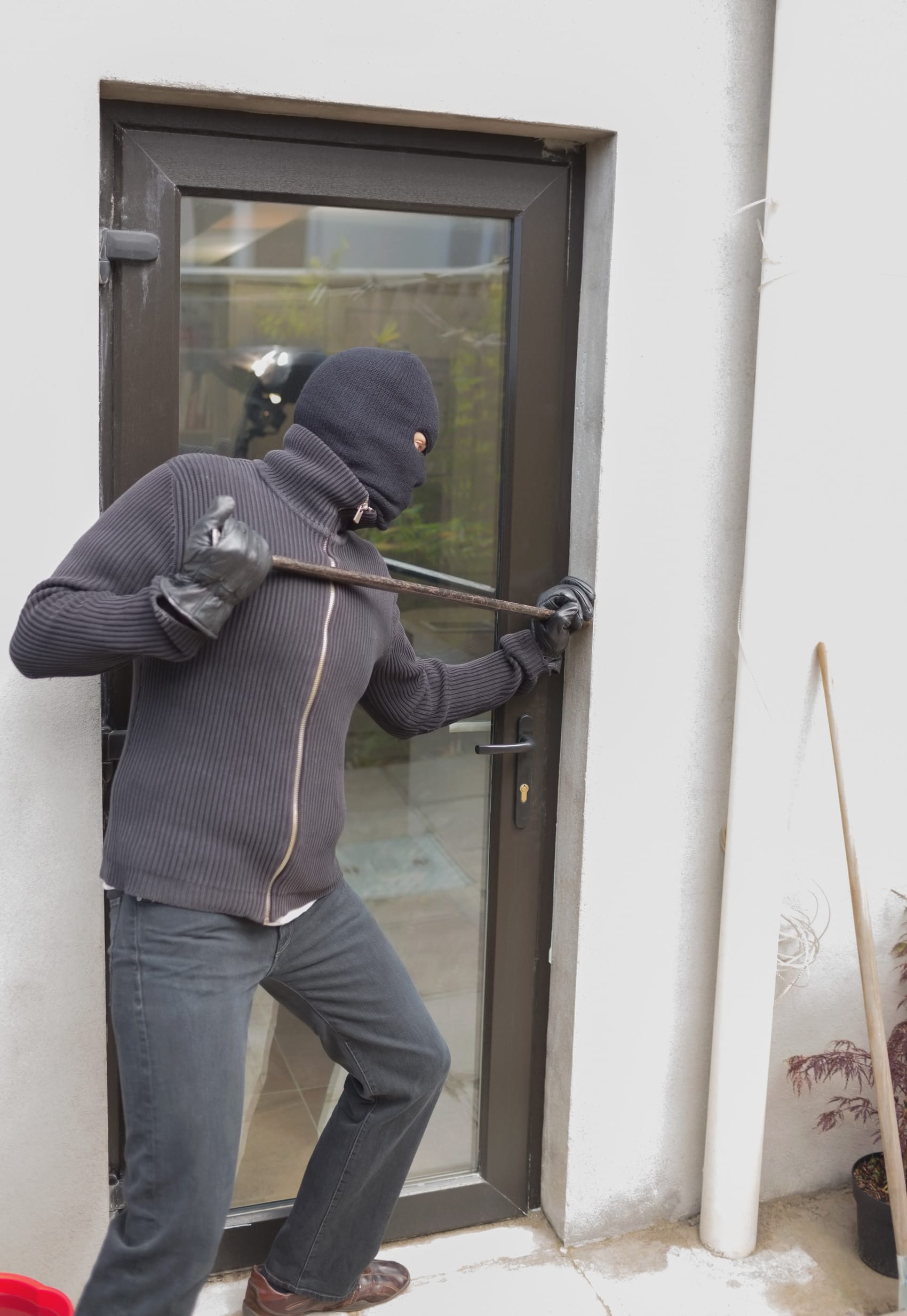
Burglar breaking door from outside with crow bar

Image Source: 123rf.com

The sound of breaking glass or a loud crash in the middle of the night is a cause for concern. Such noises might indicate a break-in or vandalism occurring near your property. They are often sudden and unexpected, disrupting the usual calm of the night. If you hear these sounds, avoid investigating alone and instead contact the police. Quick reporting can help prevent further damage or potential harm.

3. Gunshots or Explosive Sounds

Gunshots, or noises that resemble explosive sounds, are extremely alarming. Even if you are unsure whether they are actual gunfire, it is better to err on the side of caution. These sounds can signal a violent altercation or criminal activity in progress. Immediate notification of law enforcement is essential in such cases. Prompt action can be critical in mitigating harm and ensuring community safety.

4. Persistent Animal Disturbances

Unusual or persistent animal noises, such as incessant barking or distressed animal cries, can sometimes indicate a deeper problem. These sounds may suggest that an animal is in danger or that someone is tampering with pets. They can also be a distraction used by criminals to cover up illicit activities. If animal disturbances seem out of the ordinary, it is wise to inform the authorities. Protecting both animals and people is a key part of community safety.

5. Unfamiliar Footsteps or Voices

Hearing footsteps or unfamiliar voices near your property, especially when you are alone, is a serious warning sign. These sounds may indicate that someone is trespassing or scouting your home. They can create a sense of vulnerability and alertness. It is important not to confront the situation directly but to secure your home and call the police immediately. Reporting such anomalies can help deter potential criminal activity.

6. Tampering Noises at Doors or Windows

Sounds that suggest someone is trying to open or tamper with your doors or windows are red flags. These noises often precede a break-in attempt. They can be subtle at first but grow more pronounced as the intrusion continues. Instead of investigating, move to a safe area and contact law enforcement. Prompt reporting helps ensure that professionals can handle the situation appropriately.

7. Unusual Mechanical Noises

Mechanical sounds like drilling, sawing, or other tool noises late at night can be highly suspicious. Such noises may indicate that someone is attempting to breach security systems or locks. They often occur in quiet areas where any sound is amplified. Do not ignore these sounds, as they could signal premeditated criminal activity. When in doubt, call the police immediately to have the situation assessed.

Being Alert To Sounds At Night

Staying alert to the sounds around your home at night is a crucial component of personal safety. Recognizing these warning signs can help prevent potential crimes and ensure timely assistance from law enforcement. Trust your instincts and don’t hesitate to call the police when something feels off.

What sounds have you found most alarming, and how did you respond? Share your experiences in the comments below.

Read More:

10 Car Safety Features You Didn’t Know You Needed Until Now

Why Some Criminals Leave a Water Bottle on Your Car Tire—And What It Means

Latrice Perez

Latrice is a dedicated professional with a rich background in social work, complemented by an Associate Degree in the field. Her journey has been uniquely shaped by the rewarding experience of being a stay-at-home mom to her two children, aged 13 and 5. This role has not only been a testament to her commitment to family but has also provided her with invaluable life lessons and insights.

As a mother, Latrice has embraced the opportunity to educate her children on essential life skills, with a special focus on financial literacy, the nuances of life, and the importance of inner peace.

Filed Under: Crime & Safety Tagged With: crime prevention, night safety, personal security, police alert, suspicious sounds

  • « Previous Page
  • 1
  • 2

FOLLOW US

Search this site:

Recent Posts

  • Can My Savings Account Affect My Financial Aid? by Tamila McDonald
  • 12 Ways Gen X’s Views Clash with Millennials… by Tamila McDonald
  • What Advantages and Disadvantages Are There To… by Jacob Sensiba
  • 10 Tactics for Building an Emergency Fund from Scratch by Vanessa Bermudez
  • Call 911: Go To the Emergency Room Immediately If… by Stephen Kanaval
  • 7 Weird Things You Can Sell Online by Tamila McDonald
  • 10 Scary Facts About DriveTime by Tamila McDonald

Copyright © 2026 · News Pro Theme on Genesis Framework