• Home
  • About Us
  • Toolkit
  • Getting Finances Done
    • Hiring Advisors
    • Debt Management
    • Spending Plan
  • Insurance
    • Life Insurance
    • Health Insurance
    • Disability Insurance
    • Homeowners/Renters Insurance
  • Contact Us
  • Privacy Policy
  • Risk Tolerance Quiz

The Free Financial Advisor

You are here: Home / Archives for Teri Monroe

Teri Monroe started her career in communications working for local government and nonprofits. Today, she is a freelance finance and lifestyle writer and small business owner. In her spare time, she loves golfing with her husband, taking her dog Milo on long walks, and playing pickleball with friends.

14 Online Behaviors That Put You at Risk of Cybercrime

April 9, 2024 by Teri Monroe Leave a Comment

online risky behaviors that lead to cybercrime

In today’s digital age, the internet has become an integral part of our daily lives, offering convenience, connectivity, and countless opportunities. However, along with its benefits come risks, particularly regarding cybersecurity. With over 2328 attacks per day, there is a hacker attack online about every 39 seconds. There are some behaviors online that put you more at risk of cybercrime than you may be aware.

Cybercriminals constantly evolve tactics to exploit vulnerabilities and steal sensitive information from unsuspecting individuals. While technology has advanced to combat cyber threats, individuals must also be vigilant and aware of their online behaviors that can expose them to cybercrime. Here are 14 common online habits that can put you at risk.

1. Weak Passwords

weak passwords

According to Verizon’s annual Data Breach Index Report, up to 80% of successful data breaches result from compromised login credentials. Using simple or easily guessable passwords makes it easier for cybercriminals to access your accounts. 

As many as 2 in 3 users are at risk for data breaches because of their passwords. Strong, unique passwords that combine letters, numbers, and special characters are essential for better security.

2. Reusing Passwords

reusing passwords cybercrime

A study found that 34% of respondents use a variation of the same password across multiple sites. Using the same password across multiple accounts increases the risk of a security breach. If one account is compromised, cybercriminals can also gain access to other accounts.

3. Clicking on Suspicious Links

phishing scams

Clicking links in unsolicited emails, pop-up ads, or social media messages can lead to phishing scams or malware infections. Always verify the source and legitimacy of links before clicking on them.

Cybercriminals are constantly changing their tactics to make phishing scams more believable. Phishing emails and text messages often tell a story to trick you into clicking on a link or opening an attachment. You might get an unexpected email or text message that looks like it’s from a company you know or trust, like a bank, credit card company, or utility company. 

4. Ignoring Software Updates

software updates to avoid cybercrime

Neglecting to update your operating system, antivirus software, web browsers, and other applications leaves your devices vulnerable to known security vulnerabilities. Install updates regularly to patch security flaws and protect against cyber threats.

5. Downloading Unauthorized Software

downloading suspicious software

Downloading pirated software, games, movies, or music from untrusted sources often exposes users to malware, ransomware, or other malicious software hidden within the files.

6. Sharing Personal Information

identity theft

Revealing sensitive personal information such as full name, address, phone number, or financial details on social media platforms or unsecured websites can lead to identity theft or fraud.

If you believe your information has been compromised, you can report it to the FTC. This can help you determine the next steps and prevent fraud and identity theft in the future.

7. Using Public Wi-Fi Unprotected

public wifi security risk

Connecting to public Wi-Fi networks without using a Virtual Private Network (VPN) or other encryption measures exposes your data to interception by cybercriminals monitoring the network. This risky online behavior makes you an easy target for cybercrime.

8. Ignoring Privacy Settings

data privacy settings online security

Failing to review and adjust privacy settings on social media accounts, online profiles, or mobile apps may inadvertently expose your personal information to the public or third-party advertisers. 

Pew Research found that only about one in five adults say they always or often read a company’s privacy policy before agreeing to it.

9. Falling for Social Engineering Tactics

hacked from falling for social engineering

Cybercriminals often employ social engineering techniques to manipulate users into divulging confidential information or performing actions that compromise security, such as posing as tech support or a trusted acquaintance. 

10. Not Backing Up Data

external devices to prevent data loss

Failing to regularly back up important files and documents can leave you vulnerable to data loss in the event of a cyber attack, ransomware infection, or hardware failure. You can choose to back up files to the cloud or external devices.

11. Overlooking Email Security

ignoring email security online behavior putting you at risk

Opening email attachments or downloading files from unknown senders without verifying their authenticity can lead to malware infections or phishing attacks.

12. Ignoring Two-Factor Authentication

ignoring two step authentication online behavior that can put you at risk

Disabling or neglecting to enable two-factor authentication (2FA) on online accounts leaves them more susceptible to unauthorized access, as it adds an extra layer of security beyond just a password. 2FA usually requires your password and another factor such as a security token or biometric factor.

13. Engaging with Untrustworthy Sites

online gambling risky behavior

Participating in online activities such as illegal file sharing or gambling on untrustworthy websites increases the likelihood of encountering malware or falling victim to scams. These online behaviors put you directly at risk of cybercrime.

14. Not Monitoring Financial Accounts

checking financial accounts

A recent Ipsos poll found that nearly 1 in 3 Americans have been victims of online financial fraud or cybercrime. Failing to regularly monitor bank statements, credit card transactions, and other financial accounts for unauthorized activity may delay detecting fraudulent charges or identity theft.

Staying Safe Online

managing online behaviors that put you at risk

Safeguarding against cybercrime requires awareness, vigilance, and proactive measures to protect yourself online. By avoiding these risky online behaviors and adopting good cybersecurity practices, you can reduce your risk of falling victim to cyber threats and ensure a safer digital experience. 

Remember, staying informed and exercising caution are crucial steps in defending against the ever-evolving landscape of cybercrime.

Read More

15 Things Smart People Only Leave To Charity In Their Wills

10 Surprising Ways Boomer Grandparents Are Splurging On Their Grandkids

Photograph of Teri Monroe
Teri Monroe
Teri Monroe started her career in communications working for local government and nonprofits. Today, she is a freelance finance and lifestyle writer and small business owner. Teri holds a B.A. From Elon University.  In her spare time, she loves golfing with her husband, taking her dog Milo on long walks, and playing pickleball with friends.

Filed Under: Crime Tagged With: cybercrime, cybersecurity, hackers, identity theft, online behaviors

15 Things Smart People Only Leave to Charity in Their Wills

April 8, 2024 by Teri Monroe Leave a Comment

writing will

While it is most common to make charitable donations throughout your lifetime, smart people understand the benefits of leaving contributions to charity in their will. Writing charities in your will not only feels altruistic and may ensure your legacy, but there are also significant tax benefits for the estate and your heirs.

Charitable bequests, whether assets or items, are typically deductible from the estate’s taxable income, reducing the overall tax burden. While many people leave financial donations to charity in their will, many other surprising things can be left to charity. Here are 15 things smart people only leave to charity in their will.

1. Money and Financial Assets

donating to charity in will

Cash, stocks, bonds, or other financial assets are commonly bequeathed to charitable organizations to support their missions and programs. When leaving stocks and bonds to charity in your will, you can allocate all or some of the assets to the charity of your choice.

2. Real Estate

Donating home to charity

Property such as houses, land, or commercial buildings can be left to charities to use directly or sell for funding their activities. Leaving your home to charity can also lessen the burden on children if they do not wish to keep your house.

3. Artwork

donating art charity will

Valuable paintings, sculptures, or other artwork may be donated to museums or arts organizations to enrich cultural heritage and support the arts. However, not all museums will accept your art, so planning is necessary.

When the museum receives your collection, your estate will receive a tax deduction based on the collection’s current valuation.

4. Season Tickets

donate season tickets

Many charitable organizations use ticket donations to raise money for their organizations through silent auctions. Leaving your season tickets to your favorite charity could put them to good use.

5. Vehicles

donating vehicle charity will

Cars, boats, or other vehicles can be donated to charitable organizations, which may use them for their operations or sell them to raise funds. Most people wouldn’t consider leaving a car to charity, but many organizations like Cars for Kids run their entire charity on car donations.

6. Jewelry

donating jewelry charity will

Donating jewelry to charity can be beneficial not just for its monetary value, but in some cases for its historical significance. If your fine jewelry is antique, you may consider donating it to a museum.

7. Collections

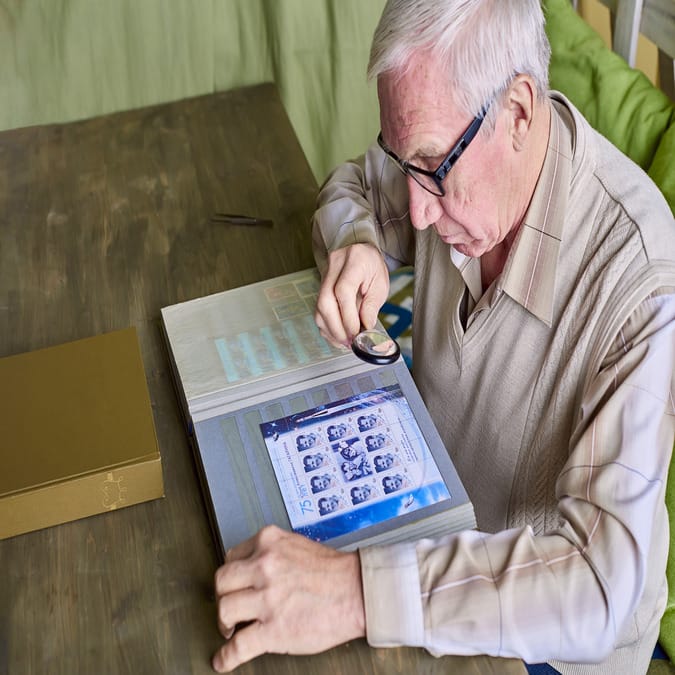
stamp collection donated in will

Whether it’s stamps, coins, books, or other collectibles, individuals sometimes leave their collections to charities that can benefit from them, such as libraries or historical societies.

8. Personal Property

donating furniture charity will

Furniture, antiques, household items, and other personal belongings may be donated to charities that support individuals in need. Organizations like Goodwill and Salvation Army will pick up furniture from your home. Donating your furniture may be especially helpful if your heirs plan to sell your home.

9. Life Insurance Policies

life insurance left to charity

Some people designate charitable organizations as beneficiaries of their life insurance policies, providing financial support to the organizations upon their passing. To do so, you must notify the charity of your choice that they are a beneficiary ahead of time. Some insurers don’t allow this, so check to see if this is possible.

10. Retirement Accounts

IRA charity

Individual Retirement Accounts (IRAs) or other retirement savings accounts can be left to charities, potentially providing tax benefits to the estate and supporting charitable causes. Donating to a charity in this way in your will is also beneficial to the charity since they don’t have to pay income tax on any of the proceeds.

11. Business Interests

business interests to charity

Entrepreneurs and business owners may leave shares of their company or other business interests to charitable organizations, contributing to causes they care about.

12. Intellectual Property

donating intellectual property charity will

Copyrights, patents, or royalties from books, music, or other creative works can be assigned to charitable organizations, benefiting them long-term.

13. Donor-Advised Funds

donor-advised fund

A donor-advised fund is an account created specifically for donations to charity. To set this up, you first irrevocably contribute assets such as cash, stock, real estate, or private business interests to the fund. Then, you and your family can make grants to your chosen charities while you’re still alive and after you die.

Assets in the fund may grow over time, making more money available for the charity of your choice. You also receive a tax write-off in the year the gift is made. A donor-advised fund is also appealing because the list of charities that benefit can be changed. According to the National Philanthropic Trust, donor-advised funds held $234.06 billion in assets in 2021.

14. Animal Assets

Pet owners may leave assets or set up trusts to ensure the care and well-being of their pets, with any remaining funds going to animal welfare charities.

15. Education Funds

educational funds will

Scholarships, grants, or educational endowments can be established in your will to support students in need or educational institutions you care about, such as your alma mater.

Benefits of Writing Charities into Your Will

donating to charity will

Leaving items to charity in your will is a meaningful and financially smart way to leave a legacy. Whether supporting humanitarian causes, advancing education and the arts, or preserving the environment, charitable bequests allow individuals to continue their philanthropic efforts beyond their lifetime. Smart people leave more than just money to charity in their wills, but instead understand the full gamut of possible donations.

Due to the complex nature of estate planning, it’s always a good idea to consult a legal professional to walk you through the best way to make charitable donations in your will.

Read More

10 Upgrades Seniors Are Making To Their Homes In Lieu Of Retirement Facilities

Do These 12 Things If You Can’t Pay Your Taxes On Time

Photograph of Teri Monroe
Teri Monroe
Teri Monroe started her career in communications working for local government and nonprofits. Today, she is a freelance finance and lifestyle writer and small business owner. Teri holds a B.A. From Elon University.  In her spare time, she loves golfing with her husband, taking her dog Milo on long walks, and playing pickleball with friends.

Filed Under: charitable giving, Personal Finance Tagged With: Charitable donation, charitable giving, Estate planning

10 Upgrades Seniors Are Making To Their Homes In Lieu Of Retirement Facilities

April 5, 2024 by Teri Monroe Leave a Comment

Upgrades seniors are making to their homes

Increasingly, seniors are opting to upgrade their homes to make them more accessible rather than entering retirement facilities. According to AARP, in 2021, 77% of adults over 50 would prefer to age in place if they had the choice. Aging in place may make more financial sense for some seniors due to the rising costs of assisted living care.

A recent Cost of Care Survey from Genworth Financial found that the national median monthly cost of assisted living is about $5,350. On the other hand, home modifications can range from very affordable smaller projects to larger-scale renovations. Here are 10 upgrades seniors are making to their homes in lieu of retirement facilities.

1. Upgrading Bathrooms

Upgrades seniors are making to their homes in the bathroom

The most common upgrades seniors are making to their homes are bathroom updates. Renovations may include installing walk-in showers or tubs, handheld shower heads, grab bars, shower seats, and raised toilets.

Retrofitting bathrooms has become very easy and more affordable. Many installers can accomplish this project in a day with no permits involved. These upgrades allow seniors extra safety in their bathrooms, where accidents are likely to happen.

2. Incorporating Additional Lighting

Upgrades seniors are making to their homes lighting

Most slips and falls occur at night because of decreased visibility. To combat this, seniors are adding additional lighting with easy rocker switches or motion sensors. Spotlights are also crucial in heavily used areas like the kitchen.

3. Investing In Smart Home Technology

Seniors upgrading their homes smart home technology

Smart technology can give seniors an extra level of security in their homes. Security systems like Ring are easy to use and are managed by an app. Many seniors are also adding systems that regulate their thermostats, turn off plugs or the stove, alert you when a door is opened, and turn on lights. Additionally, some systems can be helpful in an emergency by alerting emergency services and loved ones.

4. Buying New Furniture

Furniture upgrades seniors are making to their homes

Not only are structural improvements necessary, but seniors are also considering how their furniture can help them age in place. Ergonomic furniture can be beneficial if seniors experience mobility issues down the line.

Many seniors are also considering if their furniture layouts will have extra space for moving around and, therefore, are opting for less bulky furniture with fewer sharp edges.

5. Moving The Primary Bedroom to The First Level

Upgrades seniors are making to their homes moving master bedroom

Seniors are also reconsidering the stories of their homes and making necessary adjustments, such as moving their primary bedroom to the first floor or adding a bathroom on the main level to avoid stairs. If moving their bedroom to the first floor isn’t possible, seniors can also add stair lifts for increased accessibility. Stair lifts can typically cost between $4,000 and $8,000.

6. Replacing Slippery Flooring

Flooring upgrades seniors are making to their homes

Slips and falls are the leading cause of injury to seniors who choose to age in place. Many seniors are changing their flooring to avoid this, especially if they have slippery tile or hardwood floors. A low and dense pile carpet is the best choice for additional traction.

7. Adding Outdoor Ramps and Handrails

Wheelchair ramp

Accessibility outside the home is a crucial improvement for seniors. Adding a ramp and handrails gives seniors peace of mind that they can easily come and go from their homes. The average cost of a ramp ranges from $1,300 to $4,000.

8. Modifying Kitchen Design

Kitchen upgrades seniors are making to their homes

Cuts and burns are the second most common type of injury to seniors in the home after falls. To help avoid this, seniors are modifying their kitchens by lowering countertops and rounding counter edges.

Another easy fix is swapping out drawer and cabinet pulls for wider pulls with soft ergonomic shapes, making them easier to grasp. Soft-close cabinets and drawers are also easy additions. Changing out wide basin sinks for something shallower is also a good idea to avoid too much bending over. Most hands-free sinks also have anti-scald devices. It may also be beneficial to widen the kitchen’s footprint for extra accessibility.

9. Swapping Round Door Knobs for Lever Handles

Home upgrades

A very easy swap that seniors are making is replacing round door handles around the house with lever handles. These handles are much easier to grip, especially for those with arthritis.

10. Repurposing Rooms for Hobbies

Converting rooms for hobbies home upgrades

Seniors are also updating their homes to accommodate how they want to spend their golden years. For some seniors, this means upgrading an adult child’s old room to an art studio or cozy library.

Offset the Cost of Home Upgrades

Offset the costs of home upgrades

Upgrading your home so that you can age in place instead of moving into a retirement facility doesn’t need to be a daunting undertaking. By focusing on these 10 most common upgrades seniors are making to their homes, you can stay in your space no matter what your needs might be in the future.

While these projects range in cost, some may be covered by insurance or be tax deductible. This monetary assistance can help you offset the costs associated with aging in place.

Read More

10 Surprising Ways Baby Boomer Grandparents Are Splurging on Their Grandkids

14 Things Never To Do on Public Wi-Fi Networks

Photograph of Teri Monroe
Teri Monroe
Teri Monroe started her career in communications working for local government and nonprofits. Today, she is a freelance finance and lifestyle writer and small business owner. Teri holds a B.A. From Elon University.  In her spare time, she loves golfing with her husband, taking her dog Milo on long walks, and playing pickleball with friends.

Filed Under: Real Estate Tagged With: Aging in Place, Home Modification, Retirement, Senior Home Improvements

  • « Previous Page
  • 1
  • …
  • 3
  • 4
  • 5

FOLLOW US

Search this site:

Recent Posts

  • Can My Savings Account Affect My Financial Aid? by Tamila McDonald
  • 12 Ways Gen X’s Views Clash with Millennials… by Tamila McDonald
  • What Advantages and Disadvantages Are There To… by Jacob Sensiba
  • 10 Tactics for Building an Emergency Fund from Scratch by Vanessa Bermudez
  • Call 911: Go To the Emergency Room Immediately If… by Stephen Kanaval
  • 7 Weird Things You Can Sell Online by Tamila McDonald
  • 10 Scary Facts About DriveTime by Tamila McDonald

Copyright © 2026 · News Pro Theme on Genesis Framework