
• Home
  • About Us
  • Getting Finances Done
    • Hiring Advisors
    • Debt Management
    • Spending Plan
  • Insurance
    • Life Insurance
    • Health Insurance
    • Disability Insurance
    • Homeowners/Renters Insurance
  • Contact Us
  • Our Editorial Commitment

The Free Financial Advisor

You are here: Home / Archives for Tamila McDonald

Tamila McDonald is a U.S. Army veteran with 20 years of service, including five years as a military financial advisor. After retiring from the Army, she spent eight years as an AFCPE-certified personal financial advisor for wounded warriors and their families. Now she writes about personal finance and benefits programs for numerous financial websites.

Negative Equity: The Trade-In Dilemma for Car Owners

August 14, 2023 by Tamila McDonald Leave a Comment

trading in a car with negative equity

Trading in a car with negative equity is challenging for any vehicle owner. Negative equity essentially means that you owe more on your car loan than the vehicle is worth, which makes the financial side of trading it in difficult. However, that doesn’t mean you don’t have options. Here’s what you need to know about dealing with negative equity when trading in a car.

How Does Negative Equity on Cars Happen

Negative equity happens when a vehicle’s value drops below the amount remaining on the car loan. This is most common when a person buys a new vehicle without a down payment. While depreciation rates can vary, during the first year of ownership, many new cars lose around 20 percent of their value. Making the scheduled payments on a car loan don’t reduce the remaining balance by that same amount. As a result, negative equity occurs.

However, new vehicles bought with a loan and down payment, as well as used cars purchased with a loan, can also end up with negative equity. Shifts in the vehicle market can accelerate depreciation. Additionally, declines in a car’s condition can cause it to lose value faster than if it’s well-maintained.

Why Trade-In a Car with Negative Equity

Generally speaking, trading in a car with negative equity isn’t the wisest financial decision, as it comes with a variety of challenges that aren’t always the easiest to navigate. However, it could become a necessity for several reasons.

If your vehicle payments aren’t manageable, trading in the car could allow you to get something more affordable. Then, you may have an easier time balancing your budget moving forward, making it potentially worth any financial downsides related to the trade-in.

You might consider trading in a vehicle with negative equity if the car itself no longer serves your needs, too. For example, if you have a two-door car and then you have a baby, transitioning to a four-door vehicle could be a must for practicality.

At times, trading in a vehicle with negative equity may also make sense if the costs of maintaining it are becoming unmanageable. If you’re likely to spend far more in repairs and maintenance than you would if you could transition to another car, even the financial drawbacks of trading in a car that’s underwater could cause it to be a smart move when you consider the bigger picture.

How to Trade in a Car with Negative Equity

Check Several Dealerships

If your goal is to trade in your vehicle and there are several dealerships in your area that sell cars you’re considering buying, make sure to speak with them all. Dealerships may make different offers on your trade-in, so you may find that choosing one over another works in your favor.

For example, if you have a car with a loan balance of $11,000, one dealer may state it has a trade-in value of $9,000, while another would give you $10,000. By choosing the dealership with the higher offer, you’re essentially reducing the amount of negative equity you need to address.

Just make sure that any savings from the reduction of negative equity aren’t outweighed by a higher purchase price on the new car. Often, this is simple if both dealerships have vehicles that are the same make and model, have identical features, and the cars are in similar condition. If not, then you may need to do some research to see if you’re getting the right price on the vehicle you’re planning to purchase or if what you’d pay would eliminate any benefit from the reduction in negative equity.

Roll the Negative Equity into Your New Loan

In some cases, a car dealer will allow you to roll the negative equity from your existing car loan into your new vehicle loan. With this option, you don’t have to worry about addressing the negative equity before completing the trade-in, making it more convenient than some alternatives.

However, if you go down this path, you’re at a much greater risk of having negative equity on your new vehicle. Depending on the terms of the new loan, you also may pay more in interest and fees.

If this is a route you’re considering, make sure you focus on finding a low-cost vehicle that will meet your long-term needs. You may be better off choosing a used car over a brand-new one, as those usually experience less depreciation during the first year. In turn, you can return to positive equity faster.

Choosing a shorter contract term may also help. Interest rates are usually lower when the loan term is shorter. Plus, a higher percentage of your monthly payment goes toward the principal. Again, this helps you achieve positive equity in less time.

Finally, make sure to shop around for financing options that will allow you to roll the negative equity into your new loan. You may be able to get a better interest rate by exploring lenders outside of what the dealer offers, so it’s worth checking.

Pay Off the Negative Equity

For vehicle owners with some cash savings available, you may have the option of paying off the negative equity during the trade-in process. Working with a dealer allows you to find out what the dealership is willing to pay for the car. Then, you’ll know exactly how much you need to pay to your lender to break even.

With this option, it’s helpful if you can send the required payment to eliminate the negative equity to your current lender. By doing so, you eliminate some of the hoops you may otherwise have to jump through to complete the trade-in process. Just make sure any offer made by the dealer is good long enough for the payment to fully process. That way, you don’t risk the vehicle getting reassessed by the dealership and ending up with a lower offer.

Delay Trading the Car In

If the financial drawbacks of trading in a car with negative equity are too much to bear, then waiting until you achieve positive equity could be your best choice. At that point, the trade-in could pay off the loan, allowing you to eradicate the connected debt. Then, you can move forward with a clean financial slate.

How you approach this can vary. Continuing to make regular payments can allow you to cross the tipping point, but this is the slower of the two options. Alternatively, you can make extra principal payments to reduce the loan balance faster. Just make sure that your loan doesn’t come with a prepayment penalty if you go that route, as that may offset any of the financial gains related to tackling the balance faster.

An Alternative to Trading In: Try a Private Sale

Usually, the trade-in value of a vehicle is less than its fair market value through a private sale. As a result, instead of trading in a car with negative equity, you could see if you can get a suitable price from a private buyer.

This approach is a bit tricky, as you’ll need to involve your lender in the process. Otherwise, you won’t have a way to satisfy the loan and transfer the title to the new owner, functionally making it impossible to complete the sale correctly. However, it’s potentially worth considering if the current loan balance aligns with what a private buyer may pay.

Do you have any tips that can help people who are trading in a car with negative equity? Have you ever faced a negative equity problem with a trade-in and want to tell others what it was like? Share your thoughts in the comments below.

Read More:

  • Selling Your Vehicle Via a Private Sale-Follow These Steps
  • Refinancing Your Car-Here Are the Pros and Cons
  • How to Retrieve Your Vehicle After
  • How To Use $6 Black Gorilla Tape to Fix Minor Bumper Damage
Tamila McDonald
Tamila McDonald

Tamila McDonald is a U.S. Army veteran with 20 years of service, including five years as a military financial advisor. After retiring from the Army, she spent eight years as an AFCPE-certified personal financial advisor for wounded warriors and their families. Now she writes about personal finance and benefits programs for numerous financial websites.


Filed Under: Car Tagged With: Check Several Dealerships, Delay Trading the Car In, How Does Negative Equity on Cars Happen, Negative Equity: The Trade-In Dilemma for Car Owners, Pay Off the Negative Equity, Roll the Negative Equity into Your New Loan, Why Trade-In a Car with Negative Equity

Is It Time to Sell All of The Stocks In My Portfolio?

August 13, 2023 by Tamila McDonald Leave a Comment

when to sell stocks at a loss

Back in mid-June 2022, the S&P 500 entered bear market territory, and the Federal Reserve increased rates by the largest margin since the mid-1990s. Together, this made investors nervous. Along with worrying about an economic downturn, some fear a full-blown recession may be just around the corner. As a result, they’re re-evaluating their portfolios and wondering if now is the time to sell stocks at a loss. If you’re trying to decide what’s best. Here’s what you need to consider.

How Market Downturns Alter the Picture

Market downturns are intimidating. This particularly true to two kinds of investors. For those nearing or in retirement, declining stock values are worrisome as they may soon impact the investor’s quality of life. The value of their portfolio serves as a source of retirement income. Thus, causing declines to have a potentially immediate impact on their short- and long-term financial well-being.

Another type of investor that often gets worried about market downturns is those that are newer to investing. For those who weren’t involved in the markets during the last major recession – such as the market crash of 2008.  There may be more fear about what lies ahead. That could make selling seem like an attractive option. Since it could prevent future financial losses.

However, what’s important to remember is that wide stock declines aren’t typically permanent. Additionally, those who maintain their portfolios and those who continue to invest can often come out ahead in the long run. This is only if they stick with it. That’s good news for buy-and-hold investors. These are investors who don’t need to tap the funds within the next few years. For them there’s a decent chance their portfolio value will recover.

But that doesn’t mean it’s never wise to sell stocks at a loss; it’s simply that making broad decisions about an entire portfolio isn’t the best idea. Investors should always look at the potential value of any particular holding to determine whether it makes sense for their goals, allowing them to make strategic choices regardless of market conditions.

When Selling Stocks at a Loss Makes Sense

There are a handful of situations where selling a stock at a loss does make sense. The primary one is when the company’s outlook has significantly changed. Now, all businesses experience some degree of ups and downs, so slight shifts in value aren’t necessarily enough to justify a sale. However, if the company’s future prospects are fundamentally altered by a particular event, it’s possible it is no longer a wise investment, and selling at a loss could be a good move.

Another reason to sell stocks at a loss involves taxes. By selling stocks at a loss, you can potentially offset any income or capital gains generated by stronger investments. The strategy is known as tax-loss harvesting, and it’s worth considering if a particular stock lost value and it no longer makes sense for your portfolio at large.

Selling stocks at a loss because you genuinely need the cash may also make sense. Along with the potential tax benefits, it may allow you to cover a cost without having to worry about incurring debt. While it’s usually better to use an emergency fund first, if that’s fully tapped and you still need cash, this might be better than selling stocks with additional growth potential.

Finally, if you need to rebalance your portfolio, selling losing stocks is usually better than liquidating strong performers or those with ample potential. It allows you to accomplish the goal while improving your overall financial picture. Plus, you could get some tax benefits, which is a bonus.

When Selling Stocks at a Loss Isn’t Wise

Usually, the main time when selling stocks at a loss isn’t smart is if the downturn is likely temporary. For companies that are stable and have the potential to grow and thrive, the odds are good that the stock price will recover. In fact, downturns could be the right time to actually purchase more stocks, as you may get them at a bargain price, giving you stronger gains when there’s a recovery.

If the stock value fell, but it comes with a solid dividend, then selling might not be the wisest choice either. That’s mainly true if the company is reasonably healthy and was simply overvalued at the time of purchase. In this case, the dividends may offset that loss, making the buy-and-hold approach a better fit in this situation. Just make sure that the value isn’t likely to decline dramatically long-term, barring normal market fluctuations or broad downturns that aren’t reflective of the company’s health.

Finally, never sell a stock if emotions are all that’s driving that choice. Investment decisions should always be based on logic, research, financial goals, and similar factors. Usually, rash choices will work against you. So, if you’re motivated by emotion, take a step back, look at the situation objectively, and then decide what’s best.

Do you have any other tips that can help someone figure out when to sell stocks at a loss? Do you think selling stocks now is a wise move, or are people better off waiting until the market stabilizes? Share your thoughts in the comments below.

Read More:

  • What Traders Need to Know about How the Stock Market Works?
  • Who Needs to Worry About the Stock Market and Why?
  • Can Public.com Help You Build the Best Stock Portfolio for Your Goals?
Tamila McDonald
Tamila McDonald

Tamila McDonald is a U.S. Army veteran with 20 years of service, including five years as a military financial advisor. After retiring from the Army, she spent eight years as an AFCPE-certified personal financial advisor for wounded warriors and their families. Now she writes about personal finance and benefits programs for numerous financial websites.
Filed Under: Investing Tagged With: investing, rebalancing portfolio, sell stocks at a loss, selling stocks

Navigating the Aftermath: Dealing with a Rental Car Accident

August 7, 2023 by Tamila McDonald Leave a Comment

rental car accident

When you rent a car during a vacation or business trip, getting in an accident isn’t usually something you’re worried about. But if it happens, knowing how to navigate the aftermath is a must. All accidents are potentially complex to work through, but the situation is trickier when you’re dealing with a rental vehicle. Fortunately, by knowing the steps you need to take, it’s far simpler. Here’s what you need to know to deal with a rental car accident.

Assess Everyone for Injuries

Immediately after an accident, the first step you need to take is to make sure that everyone is okay. Check yourself for any potential injuries, then find out if any passengers in your vehicle or people in the other involved cars or around the scene are hurt. If anyone has serious injuries that require medical treatment, call 911.

If everyone is in suitable condition and the involved vehicles are still drivable, move the cars to the side of the road. For cars that aren’t drivable, contact law enforcement. Additionally, if there is a fire or risk of an explosion, clear the area and call 911.

It’s critical to note that you always have the option of calling law enforcement after an accident, even if all of the involved vehicles are safe enough to operate. Often, doing so is wise even if the accident is relatively minor, as having a formal police report can simplify the insurance claims process and other steps you may need to take later.

Gather Contact and Insurance Information

Once everyone is safe, you need to exchange contact information with all involved parties, as well as any witnesses. Share your name, address, phone number, and email address, and request the same information from other vehicle operators or people involved in the accident. Also, you’ll need to provide your driver’s license number, license plate, insurance company name, and insurance policy number, gathering those details from other involved drivers and vehicles, too.

If law enforcement arrives at the accident, be ready to share your contact, insurance, and vehicle information with them, as well. They may also request a statement about what occurred.

Avoid Admitting Fault

When you engage with other parties at the scene, avoid admitting fault. Don’t apologize for what occurred, as saying, “I’m sorry,” could be viewed as an admission of guilt, regardless of why you said it. Similarly, don’t discuss any driving errors you may or may not have made.

It’s usually also best to avoid stating that you’re driving a rental car. While that may seem irrelevant to you, others may try to leverage that fact, so it’s better to keep it out of the conversation, aside from during discussions with law enforcement.

Additionally, don’t sign any statement that outlines fault or includes a promise to pay for any damages. Similarly, avoid signing anything even if the other person is offering to pay for damage to your rental car, cover your deductible, or anything else.

Take Photos and Notes

During the aftermath of a rental car accident, things can get hectic. Take the time to collect as much detailed information as you need. Write down the make, model, year, and color of all involved vehicles, and note which person was driving which car. Mention any notable features of the vehicles, as well as what you remember about how the accident happened. If other people discuss the accident, try to write down what they state or claim, as well.

You also want to record the exact location of the accident, including the street names, driving directions, and used lanes. If it’s helpful, draw a sketch.

In some cases, making video recordings of the scene and discussions with other involved people is wise. Generally, video is allowed if all parties are in a public space. Whether you can later use audio may depend on consent laws in your area, so it’s wise to record a person giving consent if they’re willing to do so.

Call Your Insurance Company

Even if you opted for additional coverage through the rental car company, it’s wise to immediately inform your insurance company of the accident. They may be able to assist with certain filings, coordinate with law enforcement and the rental car company, and offer guidance about how to navigate the situation. Plus, it gives you a chance to get additional details about your deductible or coverage in case you need a refresher.

Contact the Rental Car Company

After speaking with your insurance company, call the rental car agency. Usually, you’ll find an accident reporting or emergency line in your rental agreement, though it may also be in other documentation found in the car, and it’s usually available online.

Let the rental car company know that you’ve spoken to law enforcement and provide any other details they request. Just make sure you avoid admitting fault during these conversations, as it’s better to leave the determination of responsibility to those investigating the accident.

Call Your Credit Card Company

If you used a credit card to pay for the rental car, you may have some coverage through that company as well. Contact the lender, let them know about the accident, and ask about rental car coverage. Find out if there is anything you need to file to use that benefit and follow their process to get the ball rolling.

Wait for the Investigations to Complete

Generally, once you’ve taken the steps above, various investigations into the accident begin. The goal of these actions is to determine liability, as that will ultimately decide which person is responsible for the accident and which policies or coverage apply to the situation.

Once the investigations wrap up, you can coordinate with your car insurance company, the rental car company, and your credit card company to move forward. Precisely how that unfolds may vary depending on whether you were deemed at fault and the exact coverage or policies that apply to the situation.

Do you have any tips that can help others deal with a rental car accident? Have you ever experienced an accident while driving a rental car and want to tell others about your experience? Share your thoughts in the comments below.

Read More

  • How to Recover Finances After Getting into a Motor Vehicle Accident
  • How to Ask for Reimbursement of Travel Expenses
  • How to Choose the Right Automotive Insurance Company
Tamila McDonald
Tamila McDonald

Tamila McDonald is a U.S. Army veteran with 20 years of service, including five years as a military financial advisor. After retiring from the Army, she spent eight years as an AFCPE-certified personal financial advisor for wounded warriors and their families. Now she writes about personal finance and benefits programs for numerous financial websites.

Filed Under: Car Tagged With: Assess Everyone for Injuries, Avoid Admitting Fault, Call Your Credit Card Company, Call Your Insurance Company, Contact the Rental Car Company, Gather Contact and Insurance Information, Navigating the Aftermath: Dealing with a Rental Car Accident, Take Photos and Notes

Analyzing California’s Debt Relief Programs and their Impact on Individuals and the State Economy

July 31, 2023 by Tamila McDonald Leave a Comment

CA debt relief

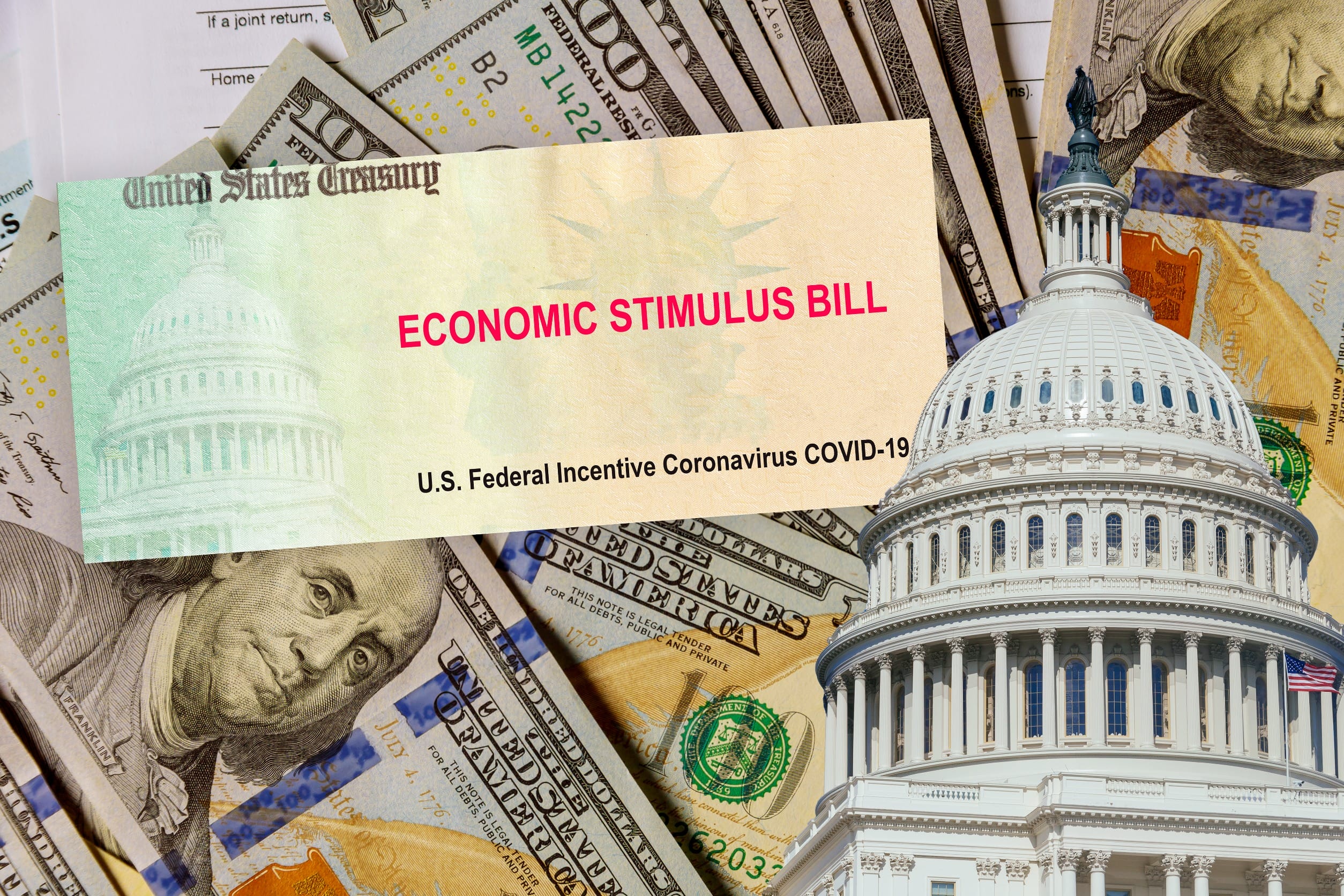
Rising inflation and fears of a possible recession have put a strain on household and company budgets alike. As a means of navigating some of the uncertainty, California launched programs designed to boost the economy and provide people with some financial breathing room. Primarily, these took the form of stimulus packages, giving qualifying individuals influxes of cash that could potentially allow them to make ends meet with greater ease. However, these programs did cause some people concern, as many worried about the impact on the economy. Here’s a look at the California stimulus and how this CA debt relief impacted the economy.

How Did the California Stimulus Program Work?

In the aftermath of the pandemic, many Californians received several rounds of stimulus checks to help them make ends meet. Initially, they were designed to boost income after the pandemic caused many to experience significant losses. Subsequent rounds often targeted other financial strains, such as offsetting the impact of inflation.

Recipients of the stimulus were able to receive the funds in several ways. Direct deposit or checks were often available, and some could even have the money onto a prepaid debit card for ease of use.

There was also additional aid available for some households. Those types of relief were often a bit more targeted, such as providing rent or utility bill assistance. Additionally, the state temporarily suspended diesel fuel sales taxes.

While the influx of cash was well-received by those who qualified for relief, it also spurred fears about the potential impact on inflation. Typically, reducing inflation requires a decrease in overall spending. Essentially, supply and demand have to hit an equilibrium to prevent prices from continuing to rise. If more money is available to spend, that could stimulate an economy that’s already struggling to bear the weight of demand, and the outcome is usually higher prices.

However, there’s some debate about whether the stimulus had an inflation-boosting effect. Some experts felt that it could push prices higher, while others stated any impact would be minimal. Ultimately, since the release of the last round of stimulus checks, it appears that the latter is true. The inflation rate in California has largely been on the decline, with only small, short increases showing.

Ultimately, inflation peaked in June 2022, and Southern California even saw a 26-month low based on May 2023 data. As a result, it appears that the stimulus didn’t negatively impact inflation.

Was the California Stimulus a Type of CA Debt Relief?

While some consider the California stimulus checks a type of debt relief – as many decided to use the funds to address their debt – they were technically something different. The stimulus money – aside from targeted programs – could be used for functionally any purpose.

Recipients weren’t limited to using the funds to pay off debt and could instead use the cash to handle living expenses, boost their savings, or do nearly anything else they’d like. As a result, calling it CA debt relief wouldn’t be an accurate description.

Are There Other CA Debt Relief Options?

As is true in essentially every part of the US, most California residents do have debt relief options that they can explore. In most cases, nonprofit credit counseling services that are properly accredited are a solid choice. They can assist people with creating a workable budget, which may be enough to get back on track financially. However, they may also be able to set up debt repayment plans that are more affordable than the current debt payments a person is making. Plus, most debt repayment plans have a single monthly payment, making them easier to navigate.

Californians may also be able to access other programs, though these don’t necessarily qualify as debt relief. For example, food assistance via SNAP programs or food banks can free up room in monthly budgets, potentially making debt payments easier to manage. Veterans also often have access to various programs through the VA, and they’re worth exploring if you qualify and are experiencing hardship.

What’s critical to remember when exploring CA debt relief programs is scams are widespread. Some fraudsters state they can functionally wipe out your debt in exchange for a fee, which isn’t usually possible outside of formal bankruptcy proceedings.

While reputable credit counseling services may charge modest fees for their services, they’re honest about how the program works and what it can do. Any organization that claims it can erase your debt should give you pause. Similarly, if the fee to get started is high, do additional research before moving forward.


How do you think the CA debt relief programs impacted individuals and the state’s economy? Do you think the programs were a good idea or a bad move? Share your thoughts in the comments below.


Read More:

  • What Is the Difference Between Inflation and a Recession?
  • Six Debt Relief Programs to Break Free of a Financial Burden
  • Your Guide to Getting Out of Debt and Starting Over
Tamila McDonald
Tamila McDonald

Tamila McDonald is a U.S. Army veteran with 20 years of service, including five years as a military financial advisor. After retiring from the Army, she spent eight years as an AFCPE-certified personal financial advisor for wounded warriors and their families. Now she writes about personal finance and benefits programs for numerous financial websites.

Filed Under: Debt Management Tagged With: Analyzing California's Debt Relief Programs and their Impact on Individuals and the State Economy, Are There Other CA Debt Relief Options?, How Did the California Stimulus Program Work?, Was the California Stimulus a Type of CA Debt Relief?

The Impact of Changes in Jumbo Loan Limits on the Real Estate Market

July 24, 2023 by Tamila McDonald Leave a Comment

jumbo loan limit

This year, the Federal Housing Finance Agency (FHFA) made changes to the limit for conventional home loans. The conforming loan limit went up, with the maximum amount shifting to $726,200 for most locations in the US, and some high-cost markets have maximums that are set much higher. As a result, this essentially altered the lower level of the jumbo loan limits and may cause some lenders to make their upper jumbo loan limits higher. Along with changing the mortgage landscape, this has an impact on the real estate market. Here’s how.

How Jumbo Loan Limits Changed

Jumbo loans changed primarily since the upper limit for conforming loans increased. As a result, aspiring homebuyers can qualify for conventional loans on houses with higher values than was possible previously.

The upper limit for conforming loans primarily went up due to changes in home values across the majority of markets in the United States. Since homes are worth more than when the previous upper conforming loan limit was set, an adjustment was made to bring it in line with typical home pricing.

That’s also why conforming loan limits are higher than $726,200 in select cities or housing markets. Cities like San Francisco and New York City come with high-cost real estate markets. But since the value of properties in those areas largely remains high, conforming loans for buying in that area have a higher limit than what you’d find in lower-cost towns or markets.

The upper limit for a jumbo loan isn’t technically set in stone, and that hasn’t changed. Instead, the maximum amount a person can get with a jumbo loan is largely determined by the lender. Some lenders may set their maximums at $2 million, for example, even though that’s not required by any government agency. Others may allow borrowers to access jumbo loans in amounts of $4 million, $5 million, or even $10+ million.

Along with lenders setting upper jumbo loan limits, they also control the eligibility requirements for the loans. For example, while it’s possible to get a conforming loan with a credit score of around 620 to 640, most jumbo loans need a credit score of 700 or higher.

Additionally, debt-to-income ratio requirements may be stricter for jumbo loans. The minimum down payment needed is also usually higher than what you find with conforming loans, with a 10 to 25 percent down payment being relatively common in the jumbo loan market.

The Impact of Jumbo Loan Limits on the Real Estate Market

Generally, shifting the upper limit for conforming loans, which altered the lower limit for jumbo loans, does have a potential impact on the real estate market. Often, qualifying for conforming loans is simpler than for jumbo loans. By allowing aspiring homebuyers to get larger conforming loans, it may let some home purchasers access properties that would otherwise be hard for them to reach, which could lead to more real estate sales.

However, other factors are influencing the real estate market currently. One of the most significant is rising interest rates. When the Federal Reserve increases rates, interest rates associated with mortgages of all types typically rise. That has a significant impact on affordability. As a result, interest in buying a home has declined. Additionally, some borrowers have to explore properties that cost less than what they’d look for if interest rates were higher.

Still, the long-term impact of higher maximums for conforming loans could bolster interest in houses that were previously just above the jumbo loan limits on the lower end. As a result, even with higher interest rates, it may positively impact that part of the market, leading to more buyers and sellers within that segment.

Do you think changes to the jumbo loan limit will impact the real estate market in other ways? Do you view jumbo loans differently because of the adjustments to the limits? Share your thoughts in the comments below.

Read More:

  • Is Paying Points a Good Way to Reduce Your Mortgage Rate?
  • 5 Things to Do Before Applying for a Mortgage
  • Save Money on Your Mortgage by Negotiating These Fees
  • 7 REASONS YOU SHOULDN’T BUY YOUR KID A CAR
Tamila McDonald
Tamila McDonald

Tamila McDonald is a U.S. Army veteran with 20 years of service, including five years as a military financial advisor. After retiring from the Army, she spent eight years as an AFCPE-certified personal financial advisor for wounded warriors and their families. Now she writes about personal finance and benefits programs for numerous financial websites.
Filed Under: Personal Finance Tagged With: How Jumbo Loan Limits Changed, The Impact of Changes in Jumbo Loan Limits on the Real Estate Market, The Impact of Jumbo Loan Limits on the Real Estate Market

Why Office Spaces For Lease Are Now Becoming Residential Leases in New York

July 17, 2023 by Tamila McDonald Leave a Comment

office spaces for lease

Overall, converting a building to make it serve a new purpose isn’t anything new. However, it’s happening far more often in New York. The types of conversions is mainly one kind: taking office buildings and making them condos or apartments. That repurposing is largely being bolstered by two core factors. Here’s a look at why office spaces for lease are now becoming residential properties in New York.

Why Office Spaces for Lease Are Now Becoming Residential Leases in New York

New York City’s Chronic Housing Shortage

One of the primary reasons that office spaces are being repurposed as residential leases in New York is that New York City and surrounding suburbs have long struggled with a housing shortage. Along with low vacancy rates, new builds in the area aren’t as common as they are in some other major cities. Essentially, the rental market can’t keep pace with demand.

Low housing availability has led to skyrocketing rental prices, as interest in finding suitable rentals has remained high even though it’s a challenging city in which to find a decent property. That can make taking office buildings and making them residential properties – such as apartments or condos – incredibly attractive to developers. After updating the building, the odds of finding renters is generally high. Couple that with rental price points that are largely above what you’d see in other metro areas, and the odds of turning a profit are reasonably strong.

These conversions are also beneficial to aspiring renters. It increases the availability of residential properties and could slow rental price increases if inventory levels get high enough. While rentals in New York City and its suburbs will likely remain expensive when compared to many other cities in the nation, any slowdown is likely welcome by those who want to live in the area.

Unused Office Buildings in New York City

While residential rental vacancies are low in New York City and surrounding areas, office spaces for lease are seeing incredibly high vacancy rates. Partially, this is due to the aftermath of the pandemic, which led to a surge in work-from-home arrangements. Many professionals never returned to the office full-time, even as COVID restrictions eased.

Plus, for smaller businesses that didn’t own their office space, office leases in New York were expensive. With the rise in remote work, many companies discovered that they could forgo the lease expense entirely by allowing ongoing telecommuting, as that arrangement costs far less than maintaining a location for on-site work.

For businesses that couldn’t forgo an office lease entirely, many have chosen to downgrade, shifting to smaller facilities. Again, this is largely bolstered by the ease of remote work, making a smaller office space appropriate for how the organization currently operates.

For office building owners, the rising vacancy rates are costly. They still have to pay costs related to maintaining and owning the building, such as maintenance and property taxes, even if the offices aren’t bringing in the same level of income. As a result, taking an unused office space and making it residential is a way to avoid continuing losses, making such conversions attractive.

Turning office building into residential spaces

Ultimately, turning office spaces for lease into residential leases allows a property owner to capitalize on the demand for residential rentals while avoiding the decline of office leases. As a result, interest in conversions may continue to grow and remain high until both markets are functionally right-sized based on demand.

Do you think that turning office spaces for lease into residences is smart, considering the current economic climate? Would you consider moving into a former office space that’s been turned into a residential lease? Why or why not? Share your thoughts in the comments below.

Read More:

  • Property Manager or DIY: When to Pay for Rental Issues
  • 5 Ways to Save Up to Buy a House
  • Are Housing Prices Finally Dropping?
  • How To Find An Income Restricted Apartment
Tamila McDonald
Tamila McDonald

Tamila McDonald is a U.S. Army veteran with 20 years of service, including five years as a military financial advisor. After retiring from the Army, she spent eight years as an AFCPE-certified personal financial advisor for wounded warriors and their families. Now she writes about personal finance and benefits programs for numerous financial websites.

Filed Under: Personal Finance Tagged With: New York City’s Chronic Housing Shortage, Unused Office Buildings in New York City, Why Office Spaces For Lease Are Now Becoming Residential Leases in New York

What Is The Difference Between Inflation and a Recession?

July 3, 2023 by Tamila McDonald Leave a Comment

inflation vs recession

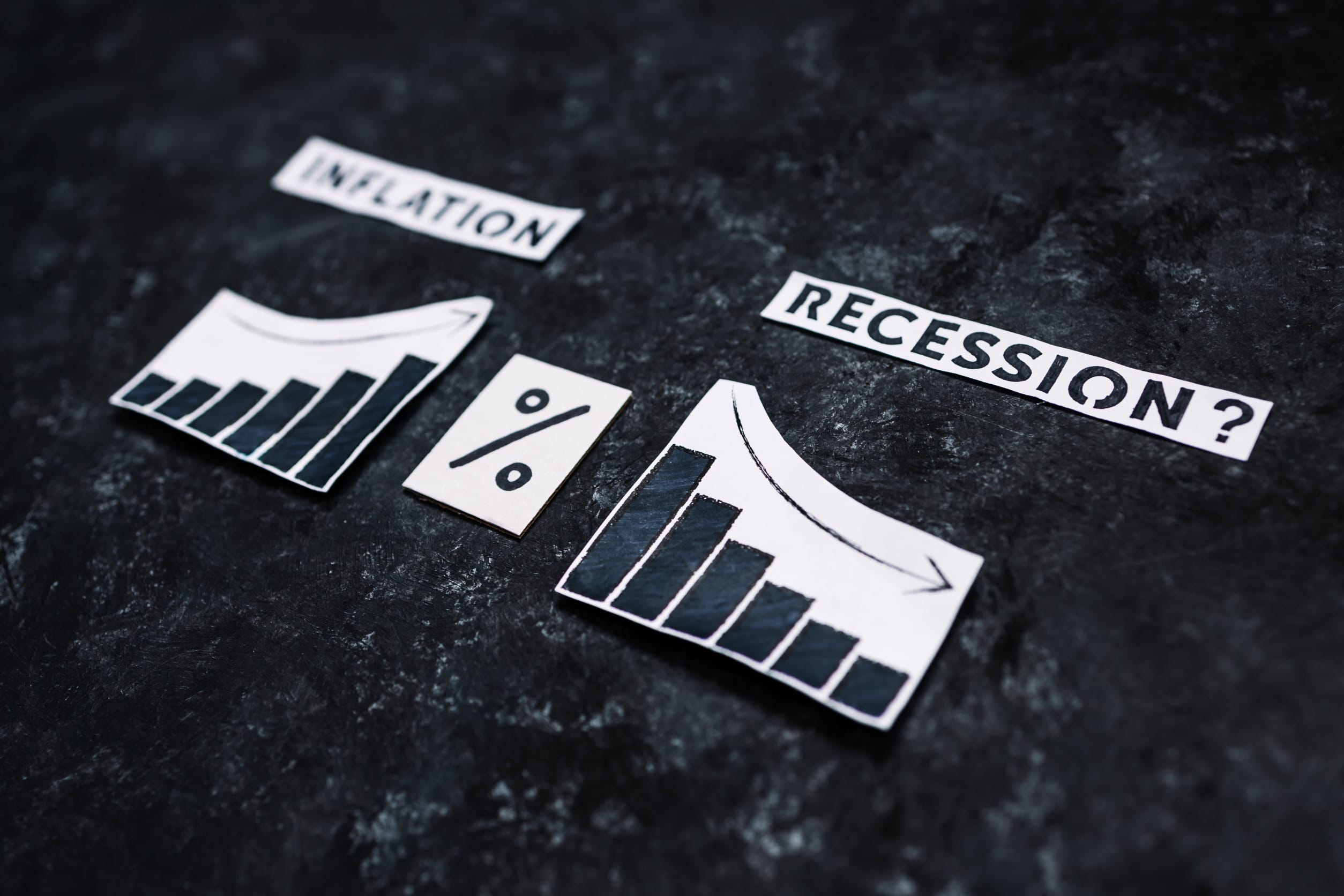
Currently, there’s a lot of economic uncertainty. Inflation has been an continuing issue, and talks of a potential recession are ongoing, including among experts. However, many people wonder what the difference is between inflation vs. a recession. Here’s a look at what each term means, as well as how the two economic concepts stand apart.

What Is Inflation?

Inflation is an economic condition marked by broad price increases. In most cases, it’s reflected as a percentage, showing how much the price of goods or services went up over a particular timeframe, such as year-over-year.

Some amount of inflation isn’t necessarily troublesome. Low but steady price increases can be the mark of a strong economy. However, if the inflation rate gets particularly high, the sudden rise in costs becomes challenging for consumers to shoulder. As a result, most have to adjust their spending habits to account for the higher prices, and that can slow down economic growth.

Inflation is triggered in many ways. First, cost-push inflation occurs when the price of raw materials or labor rises. If that happens, companies usually increase the prices of their goods and services to offset their rising expenses.

Second, there’s demand-pull inflation. That happens when demand for a product or service outpaces the supply, causing the price for the product or service in question to rise.

What Is a Recession?

Recessions are economic downturns. While there are some nuances to the definition, an economy isn’t generally considered to be in a recession until the gross domestic product (GDP) declines for two consecutive quarters or a period of six months straight.

When recessions occur, consumer spending typically decreases. Business costs can rise, and lending often tightens. Additionally, unemployment rates usually increase as companies start scaling back their workforces as a cost-saving measure or to align their operations with reduced demand. Stock markets also often decline, and that can lead to less investing and spending, slowing the economy further.

Inflation vs. Recession: What’s the Difference?

There are several key differences between inflation vs. a recession. First, inflation describes an increase in the prices of goods and services, while a recession is an economic condition where economic activity and the GDP decline. While recessions are measured using the GDP, inflation typically relies on consumer price index (CPI) and wholesale price index (WPI) data, as those both measure the cost of goods and services, specifically.

However, both create economic stress for consumers and businesses alike. Additionally, they can commonly co-exist. High inflation – and the moves required to overcome it – can trigger a recession, as higher prices alter consumer behavior and can slow the economy.

For example, when inflation is problematic, the Federal Reserve typically increases interest rates to slow inflation down. When that occurs, the cost of borrowing increases, and that creates economic strain that may slow the economy, potentially leading to a recession.

Ultimately, both high inflation and recessions are challenging economic conditions, and governments often try to avoid both. However, economies experience fluctuations at times, and recoveries usually follow periods of difficulty. Still, it’s wise to prepare for the impacts of both and adjust your behaviors as needed, ensuring you don’t experience any undue hardship when high inflation or recessions occur.

Are you surprised by the differences between inflation vs. a recession? Are you concerned about ongoing inflation or the chances of a recession on the horizon? How are you planning to manage inflation or a possible recession to keep your household financially stable? Share your thoughts in the comments below.

Read More:

  • Eight Ways to Counter Inflation
  • Take These 5 Steps to Recession Proof Your Savings
  • Managing High Inflation in Retirement
Tamila McDonald
Tamila McDonald

Tamila McDonald is a U.S. Army veteran with 20 years of service, including five years as a military financial advisor. After retiring from the Army, she spent eight years as an AFCPE-certified personal financial advisor for wounded warriors and their families. Now she writes about personal finance and benefits programs for numerous financial websites.

Filed Under: Personal Finance Tagged With: Inflation vs. Recession: What’s the Difference?, What Is a Recession?, What Is Inflation?, What Is The Difference Between Inflation and a Recession?

How To Claim Facebook Privacy Settlement

June 26, 2023 by Tamila McDonald Leave a Comment

Facebook Settlement

If you used Facebook at any point between May 24, 2007, and December 22, 2022, you may be entitled to part of a massive settlement over privacy violations. However, you won’t receive any compensation automatically. Instead, you need to file a claim. Here’s what you need to know about the Facebook privacy settlement and how to file a claim for compensation.

What Is the Facebook Privacy Settlement?

The Facebook settlement is based on lawsuits involving Facebook and Cambridge Analytica, where the latter was able to scrape user data without users’ permission to build out voter profiles. While Meta – the parent company of Facebook – denied liability and wrongdoing, an agreement was reached, leading to a $725 million settlement.

Facebook users have until August 25, 2023, to file a monetary claim relating to the settlement. Fortunately, the process is reasonably straightforward.

How to File a Claim for the Facebook Settlement

There are two ways that you can file a claim relating to the Facebook privacy settlement. First, you can handle the entire process online through the claim website. Second, you can print out the claim form and mail it to:

Facebook Consumer Privacy User Profile Litigation

c/o Settlement Administrator

1650 Arch Street Suite 2210

Philadelphia, PA 19103

Regardless of the approach you choose, you’ll need to provide specific information. That includes your first name, last name, mailing address, and email address, with phone numbers being optional. Additionally, you’ll need to confirm some details to show that you qualify as a claimant, such as that you resided in the US and were a Facebook user during the eligibility period.

Next, you need to provide the username (or usernames) of your Facebook account(s), as well as any associated email addresses and phone numbers. You can find your Facebook name by going to the Facebook website on your browser, head to Account, click Settings and Privacy, click Settings, and find Username. For mobile apps, go to the menu, click your display name, tap “…” and go to Edit Profile, and you’ll see the username under “Your Profile Link.”

Then, you get to choose a payment method. Finally, you’ll need to verify and attest under oath that the information provided is true and correct. You’ll type your full name. The date field is populated automatically. Once that’s done, you can click Submit to get your claim moving.

Available Payment Methods for Facebook Settlement

There are several quick, convenient payment options available for any funds due based on the Facebook settlement. You can select from:

  • Prepaid Mastercard
  • PayPal
  • Venmo
  • Direct Deposit via ACH
  • Zelle

When you choose a payment method, you need to make sure that the email or phone number in your contact information matches the one associated with the selected payment type. The only exception is requesting a paper check through the provided link, as that allows you to have a check sent to the mailing address listed in your contact details.

How Much Money Do You Get for a Claim?

The amount of money a person receives for a qualifying claim may vary depending on a few factors. First, every claimant gets one point per month that they had an activated Facebook account during the eligibility period, so how long you used Facebook plays a role. Second, the total number of filers is a factor, as well as how much attorney fees reduce the claim.

Since people can file claims until August 25, 2023, the number of eligible claimants is currently unknown. As a result, it’s impossible to estimate how much a claimant will receive at this time.

When Will the Money Go to Claimants?

This is another area where it isn’t entirely clear what will happen. There’s another settlement hearing in early September, at which point the court will determine if the deal is approved and will award attorney’s fees and other costs from the settlement amount. At that point, it’s also possible the settlement will face appeals, which would lengthen the timeline.

Overall, no one should expect a payment until later this year. However, it’s possible money wouldn’t go out until far later, depending on how the legal processes involved unfold.

What Happens If You Opt Out of the Settlement?

Claimants do have the option to formally opt out of the settlement by completing the required form by July 26, 2023. If you decide to opt out, you maintain your right to sue Meta separately for any issues arising based on the privacy violations at the heart of the settlement-related lawsuit. However, you will waive your right to any money associated with this settlement.

What Happens If You Do Nothing?

Not filing a claim and failing to opt out means you won’t get any settlement money, and you waive your right to file a suit against Facebook in the future over the privacy issues in question. As a result, eligible parties may want to either file a claim or formally opt out instead of doing nothing.

Are you planning to file a claim based on the Facebook settlement, or do you think that it’s not worth the effort? Do you think the Facebook settlement is fair, or should Facebook have had bigger repercussions for its actions? Share your thoughts in the comments below.

Read More:

  • 5 Ways to Find Unclaimed Money
  • How Automated Insurance Claims Impact Customer Relations
  • How to Claim Insurance for Wrongful Death
Tamila McDonald
Tamila McDonald

Tamila McDonald is a U.S. Army veteran with 20 years of service, including five years as a military financial advisor. After retiring from the Army, she spent eight years as an AFCPE-certified personal financial advisor for wounded warriors and their families. Now she writes about personal finance and benefits programs for numerous financial websites.

Filed Under: Personal Finance Tagged With: Available Payment Methods for Facebook Settlement, How Much Money Do You Get for a Claim?, How To Claim Facebook Privacy Settlement, What Happens If You Do Nothing?, What Happens If You Opt Out of the Settlement?, What Is the Facebook Privacy Settlement?, When Will the Money Go to Claimants?

Will I Lose My Job to ChatGPT?

June 19, 2023 by Tamila McDonald Leave a Comment

ChatGPT

Once ChatGPT became available to the public in November 2022, it stirred as much fear as it did excitement. Many professionals have long been worried that automation and artificial intelligence (AI) technology would threaten their jobs. With ChatGPT being so accessible and many people visiting the site to try it for themselves, a notable number of professionals soon began worrying that ChatGPT would cost them their jobs. If you’re among them, here’s what you need to know about whether ChatGPT could lead to job losses.

The Most Likely Outcome for Most Professionals

Currently, the bulk of professionals likely has little to worry about overall. ChatGPT is a solid performer when it comes to generating text, but it’s by no means perfect. One of the most significant challenges with ChatGPT is that it can’t guarantee accuracy when it shares information. There are plenty of examples where ChatGPT seemingly lied or falsified information, including citing legal cases that don’t exist in legal documents it created.

With issues like that being possible, eliminating professionals from the equation en masse isn’t likely to occur any time soon. Instead, AI tools like ChatGPT are more likely to become a supplement. Essentially, it’ll be a service that professionals can leverage in specific situations to expedite their work but not wholly replace them in an organization.

The idea of it being complementary is also supported by many companies being hesitant about using ChatGPT in certain contexts. ChatGPT can’t guarantee privacy, as information given to it to generate text is stored by the company behind the technology. As a result, sharing sensitive or proprietary information with ChatGPT is risky, and it may even violate privacy and data security laws, depending on what it’s given.

Now, does this mean that no jobs are at risk? No, it doesn’t. A study by Goldman Sachs stated that 300 million jobs worldwide could be impacted by AI, with white-collar jobs being most at risk as a category.

Jobs That Are Most At-Risk Due to ChatGPT

Tech – Programmers, Coders, Data Analysts, Software Engineers

ChatGPT and similar generative AI tools are capable of writing code in a variety of programming languages. Additionally, AI technology is allowing for the automation of a wide range of common tech tasks, so it could displace a significant amount of work that’s usually handled by people.

While these AI tools will likely operate in a supportive role initially, as they become more efficient and their accuracy is proven, it could mean that companies require fewer employees. In turn, positions may get eliminated. Still, since there’s a broad shortage of these types of professionals, the impact of those staffing reductions may be minimal at first, with companies essentially cutting positions they weren’t successfully filling. But in time, that equation could shift.

Media – Writing, Ad Creation, Journalism, Content Creation

Media jobs often have a significant writing component, which puts them in the crosshairs of technologies like ChatGPT. ChatGPT has shown itself to be incredibly competent when it comes to spelling, grammar, and language use, at least in languages that are widely used on the internet.

However, while ChatGPT can potentially write more efficiently than people, inaccurate information is a risk when using the technology. Plus, even though ChatGPT performs admirably in a technical sense, it lacks the human judgment that’s often necessary in these roles. But that doesn’t mean it couldn’t lead to staff reductions, just that it’s unlikely to eliminate all jobs in these categories until the technology matures significantly.

Legal – Paralegals and Legal Assistants

While ChatGPT has shown issues with accuracy in this niche by citing non-existent legal cases, that doesn’t mean it can’t impact the roles of paralegals and legal assistants. ChatGPT is adept at generating text, so it can plausibly create briefs and similar documents as needed. But it still requires the human touch. Professionals need to verify any facts presented, as well as adjust content to meet the needs of clients or document recipients. As a result, ChatGPT could boost productivity and lead to team size reductions in some cases, but it isn’t likely to take over the entire field.

Other Positions at Risk Due to AI

While ChatGPT may specifically impact the fields above to the highest degree, there are other positions that could be affected by different types of generative AI. For example, AI-created art could reduce demand for graphic designers and similar kinds of artists.

Additionally, AI isn’t limited to generative technologies. Automation is often the most widely-used version of AI tech currently, and it’s having an impact on a variety of professions. It can take tedious, repetitive tasks off the hands of finance professionals, keep robotic production facilities operating, and much more.

Are There Benefits to AI in the Workplace?

The most likely overall outcome of introducing AI in the workplace is that the details of a person’s role will change, and some staffing levels will reduce, not that fields will get entirely eliminated. Considering that labor shortages are pervasive in many industries, this could actually work to everyone’s benefit, reducing workloads to keep them manageable even if there are fewer employees.

Plus, AI can create new job opportunities. Behind every AI is a person that designs its functions, oversees its tasks, reviews its work, or harnesses its outputs for other duties that require the human touch. As a result, AI in the workplace isn’t a wholly bad thing, and it may lead to benefits in the workplace that everyone might enjoy.

Do you think that ChatGPT poses a real threat to people’s jobs, or do you feel that the fears are largely unfounded? Share your thoughts in the comments below.

Read More:

  • 4 Signs It’s Time to Look for a New Job
  • Just Lost Your Job? Here’s 10 Things Not to Do with Your Severance Pay
  • Budgeting Tips for When You’re Between Jobs
Tamila McDonald
Tamila McDonald

Tamila McDonald is a U.S. Army veteran with 20 years of service, including five years as a military financial advisor. After retiring from the Army, she spent eight years as an AFCPE-certified personal financial advisor for wounded warriors and their families. Now she writes about personal finance and benefits programs for numerous financial websites.

Filed Under: Artificial Intelligence Tagged With: Jobs That Are Most At-Risk Due to ChatGPT, Other Positions at Risk Due to AI, The Most Likely Outcome for Most Professionals, Will I Lose My Job to ChatGPT?

A Guide to Accurately Determining the Value of Your Totaled Car

June 12, 2023 by Tamila McDonald Leave a Comment

totaled car value calculator

If you’ve been in a car accident and your vehicle was damaged, there’s a chance that your insurance company will declare it a total loss. Usually, you’ll receive a payout based on the car’s estimated value, which the insurer determines. However, if you’re uninsured or want to buy back the vehicle to potentially resell it, you might want to determine the value of your totaled car yourself. If so, here’s what you need to know.

When Is a Car Totaled?

When an auto insurance company declares a vehicle totaled – or a total loss – that doesn’t mean it doesn’t have any value. Instead, a car is totaled when the cost to repair the existing damage exceeds how much the vehicle was worth in the current market in its pre-accident state. When that occurs, it costs the insurer less money to simply compensate you based on the car’s pre-accident value than to repair the damage.

As a result, a totaled car isn’t necessarily damaged to the point of being unrestorable. Many totaled cars could be fixed and returned to the road. It just doesn’t make financial sense to the insurer to go that route.

Determining the Value of Your Totaled Car

Use a Totaled Car Value Calculator

Usually, the easiest way to estimate the value of a totaled vehicle is to use a totaled car value calculator. You might find calculators explicitly designed for totaled vehicles online, or you can use traditional car value calculators to get a general idea.

The information you need to provide to the calculator is typically straightforward. You’ll need to input the make, model, and model year of the car, as well as its current mileage. Details about its features and equipment are often necessary, as well as the location of the vehicle (or the zip code associated with where you’d potentially sell it) and it’s color.

With the totaled car value calculators, be wary of those offered by companies that buy cars in any condition. The price you’re presented with is usually based on what that business is willing to pay for your vehicle. Since their goal is usually to resell the car – either in whole or by parting it out – to make a profit, the value they assign may be lower than fair market.

If your vehicle is deemed a total loss after an accident, understanding the legal implications is just as crucial as determining its value. For detailed insights into handling auto accidents and related legal matters, visit Consumer Shield’s guide on Auto Accidents to ensure you are fully informed and prepared.

With traditional car value estimators, you’ll need a calculator that lets you set the vehicle’s condition as fair or poor. Which of those options is best for your situation depends on the extent of the damage. If you’re not sure where to begin, the Kelley Blue Book What’s My Car Worth tool is a solid place to start, as it will guide you through selecting the right condition.

Check Out Your Local Vehicle Market

While it may seem like the simplest way to gauge the value of your totaled car is to attempt to sell it, that isn’t an option immediately. Totaled vehicles typically need a salvage certificate issued by the Department of Motor Vehicles before they’re eligible for resale. As a result, you can’t merely see what potential buyers are willing to pay, as most won’t offer anything without the salvage certificate.

If you work with your insurer and choose to keep your car, the insurance company may handle the reporting of a totaled vehicle for you. If you’re not working with an insurer, then you typically need to tackle those steps yourself.

However, you can get insights into the value of your totaled car by looking at prices for vehicles like yours in similar condition – including being classified as a salvage vehicle – in your area. Typically, this process works best if you’re in or near a larger city, as there may be more cars available for a comparison.

You can also contact local dealerships that purchase salvage vehicles. While dealerships typically pay less than private parties, the selling process is often simpler. As a result, putting out some feelers if you’re willing to go through the steps required for a salvage certificate is worth considering if you’re trying to determine the car’s value in its current state.

Explore Your Local Parts Market

When it comes to the vehicle market, the sum of the whole is potentially worth less than the value of its parts. Essentially, depending on your make, model, year, and other details about the car, you might earn more by selling it for parts.

Usually, you’ll want to connect with local salvage yards to find out the value of your vehicle for this purpose. If specific parts are in-demand, they may offer more for your car than you’d get by selling the vehicle to a private party or dealer.

The sale process is also reasonably simple if you go this route, suggesting you have a salvage certificate. Plus, if there are local laws in your area about selling unsafe vehicles, even if you have a salvage certificate, this option allows you to avoid violating the rules or any form of liability.

Have you ever had to figure out the value of a totaled car? If so, do you have any other tips that can help someone calculate the value of their totaled car? Share your thoughts in the comments below.

Read More:

  • How To Recover Finances After Getting into a Motor Vehicle Accident
  • How to Get a Vehicle Loan: Tips for the Credit-Challenged Car Buyer
  • Can You Turn a Profit by Flipping a Salvage Nissan 350Z Bought at an Online Auction?
Tamila McDonald
Tamila McDonald

Tamila McDonald is a U.S. Army veteran with 20 years of service, including five years as a military financial advisor. After retiring from the Army, she spent eight years as an AFCPE-certified personal financial advisor for wounded warriors and their families. Now she writes about personal finance and benefits programs for numerous financial websites.

Filed Under: budget tips Tagged With: A Guide to Accurately Determining the Value of Your Totaled Car, Check Out Your Local Vehicle Market, Explore Your Local Parts Market, Use a Totaled Car Value Calculator, When Is a Car Totaled?

  • « Previous Page
  • 1
  • …
  • 8
  • 9
  • 10
  • 11
  • 12
  • …
  • 26
  • Next Page »

Follow Us

Search this site:

Recent Posts

  • Can My Savings Account Affect My Financial Aid? by Tamila McDonald
  • 12 Ways Gen X’s Views Clash with Millennials… by Tamila McDonald
  • What Advantages and Disadvantages Are There To… by Jacob Sensiba
  • 10 Tactics for Building an Emergency Fund from Scratch by Vanessa Bermudez
  • Call 911: Go To the Emergency Room Immediately If… by Stephen Kanaval
  • 7 Weird Things You Can Sell Online by Tamila McDonald
  • 10 Scary Facts About DriveTime by Tamila McDonald

Copyright © 2026 · News Pro Theme on Genesis Framework