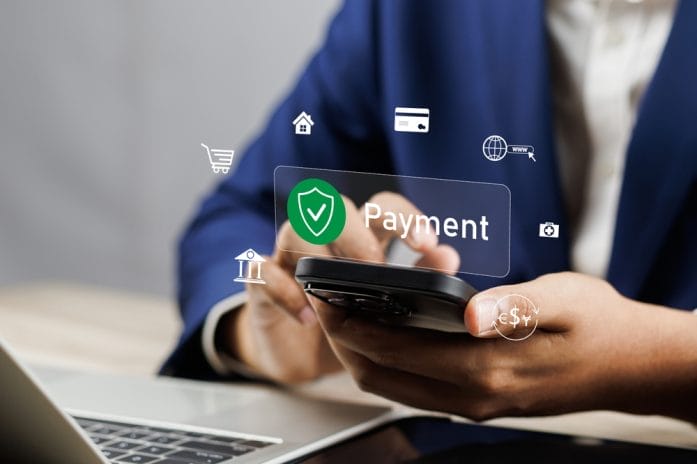
The way money moves is changing fast, and it is not waiting for anyone to catch up. Banks across the financial world continue pushing toward all-digital payment systems, reshaping how people send, receive, and store money. Cash no longer sits at the center of daily transactions, and digital tools now handle everything from grocery purchases to rent payments. This shift does not just tweak banking habits—it rewires them completely.
People already feel the change through mobile banking apps, tap-to-pay cards, and instant transfers that land in seconds. Many banks now prioritize digital-first services, reducing reliance on physical branches and paper-based systems. That transformation brings convenience, but it also raises important questions about access, security, and control over personal finances. The financial landscape continues evolving, and everyday money decisions evolve right along with it.
The Shift to All-Digital Banking Is Speeding Up
Banks across the industry continue investing heavily in digital infrastructure because customers demand faster and easier transactions. Mobile apps now handle deposits, transfers, bill payments, and even loan approvals without requiring a branch visit. Financial institutions also reduce physical locations in many regions as digital usage grows year after year. This trend signals a major pivot toward a system where physical cash plays a smaller role. Experts describe this as a long-term structural shift rather than a temporary convenience upgrade.
Fintech companies also accelerate this movement by offering seamless digital wallets and instant payment services that traditional banks must match. Consumers now expect transactions to happen in real time without delays or paperwork. Governments and regulators in many countries also encourage safer digital systems to reduce fraud tied to physical cash handling. This growing ecosystem pushes banking deeper into a fully connected digital environment where speed defines value.
What Happens to Cash, Cards, and Traditional Banking?
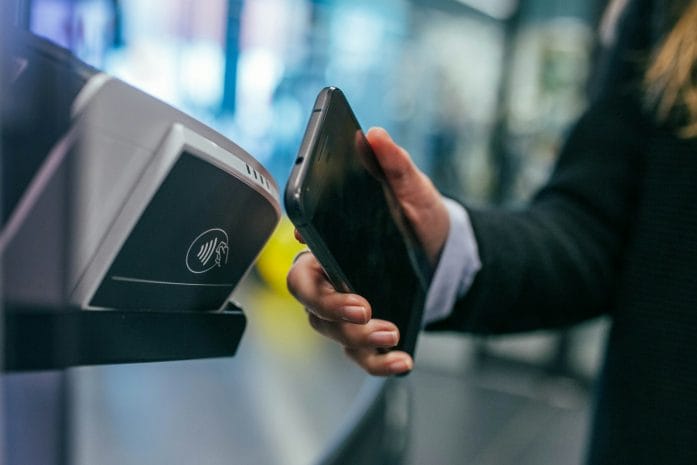
Cash still exists, but its role continues shrinking as digital payments dominate everyday life. Many retailers now prefer contactless or card payments because they speed up checkout lines and reduce handling risks. Traditional debit and credit cards also evolve into digital versions stored in smartphones and wearable devices. Banks still support physical cash, but they design fewer services around it as demand slowly declines. This shift does not eliminate cash overnight, but it clearly pushes it into a secondary role.
Traditional banking branches also change as fewer people visit them for routine transactions. Many banks convert physical locations into advisory centers instead of full-service transaction hubs. Customers now complete most banking tasks through apps or online platforms that operate 24/7. This change reduces wait times but also removes the face-to-face experience many people once relied on for financial guidance. The entire system moves toward automation, speed, and self-service tools.
How Digital Payments Change Everyday Money Management
Digital payments transform how people track spending because every transaction leaves an instant record. Budgeting apps now connect directly to bank accounts and categorize purchases automatically. This visibility helps people spot spending patterns that often go unnoticed with cash usage. Many users also benefit from instant alerts that flag unusual activity or overspending in real time. This level of control gives consumers a sharper view of their financial habits than ever before.
Digital systems also make money more mobile, allowing instant transfers between accounts, friends, and businesses. People no longer need to visit a bank or wait days for cleared checks. Subscription services, online shopping, and bill payments all integrate into a single digital ecosystem that simplifies daily life. However, this convenience also demands stronger digital awareness because every transaction depends on secure access to accounts. Financial control now depends as much on technology literacy as it does on income management.
Risks, Security Concerns, and What Consumers Need to Watch
Digital banking introduces strong protections, but it also creates new vulnerabilities that consumers must recognize. Cybersecurity threats continue evolving, and scammers constantly develop new ways to target digital accounts. Banks invest heavily in encryption, biometric logins, and fraud detection systems to reduce these risks. Still, users play a major role in protecting their financial information through strong passwords and safe browsing habits. Security now works as a shared responsibility between banks and customers.
Outages and technical failures also highlight the risks of a fully digital system. When apps or networks go down, access to money can temporarily disappear, even if funds remain safe. This dependence on technology creates pressure for banks to maintain reliable systems with minimal downtime. Consumers also need backup options, such as alternative payment methods, in case digital platforms become unavailable. Awareness of these risks helps people adapt without losing financial stability.
What This Digital Shift Really Means for Your Financial Future
The move toward all-digital payments reshapes financial life into something faster, more connected, and more data-driven. Banks continue reducing friction in transactions while increasing automation across services. Consumers gain convenience, but they also take on more responsibility for managing digital access and security. Financial habits evolve as real-time tools replace traditional banking routines. The entire system leans toward efficiency, but it also demands greater awareness from everyone who uses it.
What do you think about a future where most payments go fully digital and cash becomes rare in daily life?
You May Also Like…
API Banking Lock: Why Budget Apps May Lose Access Under New Security Standards
I Saved $5,000 in Change — Then Found Out Banks Might Not Take It
5 Digital Banking Changes That May Be Adding New Fees Without Notice
5 Outrageous Fees Hidden in Everyday Banking Services
Banks Are Holding Cash Transfers Over $2,000 for Verification—What Seniors Need to Know

Brandon Marcus is a writer who has been sharing the written word since a very young age. His interests include sports, history, pop culture, and so much more. When he isn’t writing, he spends his time jogging, drinking coffee, or attempting to read a long book he may never complete.
.png)
Leave a Reply