
Scammers have turned missed calls into a money-making machine, and the “one-ring” trick sits right at the center of it. A phone buzzes, rings once, then stops, leaving nothing but curiosity and a flashing missed call notification. That tiny moment pushes many people into doing exactly what scammers want: calling back without thinking. Once that callback happens, the situation shifts from harmless curiosity to a potentially expensive mistake. This scam thrives because it plays on quick reactions instead of careful decisions.
Modern phone fraud doesn’t rely on complex hacking or sophisticated technology. It relies on human behavior, especially the impulse to return a missed call from an unknown number. Scammers know that people often assume a dropped call means something important or urgent.
How the One-Ring Scam Actually Works
Scammers use automated dialing systems that target thousands of numbers in a short burst. Each phone receives a single ring, just enough to trigger a missed call notification without giving time for the user to answer. The number often looks international or unfamiliar, which adds a layer of confusion and curiosity. Many of these calls come from premium-rate numbers that charge high fees per minute once someone calls back. The scammer earns money each time a victim returns the call and stays on the line even briefly.
The operation depends on scale rather than precision, so scammers do not care who answers. They simply want enough people to call back to generate profit from connection fees. Some operations even route calls through expensive foreign carriers to increase charges. The system works like a digital fishing net, casting wide and waiting for small but consistent returns. Every returned call increases the scammer’s revenue, even if the conversation never actually happens.
Why Scammers Rely on Curiosity and Urgency
Scammers understand that people react emotionally to missed calls from unknown numbers. The brain often assumes that a single ring signals urgency, such as a job call, delivery update, or personal emergency. That assumption pushes people to act quickly instead of checking details. The scam exploits this split-second decision-making process and turns it into profit. Curiosity becomes the bait that pulls victims into expensive traps.
Urgency also plays a powerful role in how this scam spreads. Many victims believe ignoring the call might mean missing something important. That fear of missing out creates pressure that overrides caution. Scammers do not need to build trust or maintain conversation because the system works before any dialogue even begins. The moment a call gets returned, the scam has already succeeded in its main goal.
The Hidden Costs When the Call Gets Returned
Returning a one-ring call often triggers international charges that appear small at first glance but grow quickly over time. Some premium-rate numbers charge per minute, while others apply connection fees that start immediately after dialing. Victims often remain on the line long enough to hear silence or automated messages, which still racks up charges. Phone bills then reveal unexpected costs that feel confusing and frustrating. These charges can escalate fast, especially when multiple callbacks happen in a short period.
Beyond direct financial loss, some scams also collect personal data during the call. Fraudulent systems may record voice patterns or attempt to trick callers into sharing information. Even a short interaction can expose users to additional scam attempts later. Phone numbers that engage with these systems often get flagged as “active,” leading to more spam calls. The damage continues long after the initial call ends.
Smart Ways to Shut It Down Fast and Stay Protected
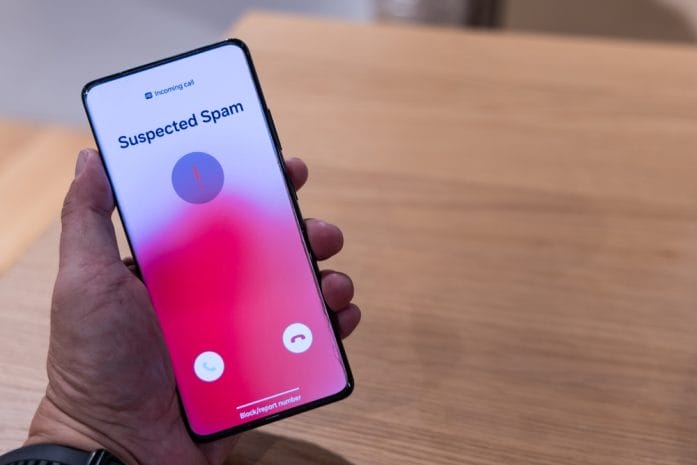
The simplest defense starts with ignoring unknown missed calls that ring only once. Legitimate callers rarely rely on a single ring before disconnecting. Blocking suspicious numbers immediately reduces repeat attempts from the same source. Many smartphones now include built-in spam detection tools that flag risky calls automatically. These tools help filter out most one-ring scam attempts before they ever reach attention.
Awareness also plays a major role in stopping this scam from spreading further. Checking unfamiliar numbers online often reveals reports from other users who experienced the same issue. Mobile carriers sometimes offer free scam and spam protection services that block known premium-rate fraud numbers. Reporting suspicious calls helps providers shut down active scam lines faster. Every small action strengthens protection against future attempts.
The Real Cost Behind That One Ring: Staying Ahead of the Scam
The one-ring scam survives because it turns a split-second reaction into a financial trap. Scammers depend on curiosity, urgency, and automatic habits that bypass careful thinking. A single missed call can feel harmless, yet it can open the door to unexpected charges and ongoing spam contact. Staying cautious with unknown numbers protects both money and personal information. Smart habits consistently beat fast reactions when dealing with modern phone fraud.
What do you think—should phone carriers do more to block these scams before they even reach users? Share your thoughts with us below in our comments section.
You May Also Like…
5 Phone Calls You Should Never Return — Even If They Sound Urgent
8 Scam Messages That Look Official — But Aren’t
8 Subtle Illusions Used by Scammers in Investment Offers
7 New Scam Tactics That Look Real — And Are Still Fooling Americans
The “Love Bombing” Tactic Scammers Use to Gain Financial Control in a New Relationship

Brandon Marcus is a writer who has been sharing the written word since a very young age. His interests include sports, history, pop culture, and so much more. When he isn’t writing, he spends his time jogging, drinking coffee, or attempting to read a long book he may never complete.