
Can a law designed to protect patients from financial shock still leave millions vulnerable? The answer is yes, and it’s happening in one of the most common places people go for care: the doctor’s office.
While landmark billing protections were meant to end the era of terrifying, unexpected medical charges, routine office visits quietly remain outside some of the strongest safeguards, creating a confusing and costly blind spot in everyday healthcare.
The Protection Everyone Heard About (But Not the Fine Print)
The No Surprises Act was a big deal when it went into effect in the United States in 2022. It promised to shield patients from massive, unexpected bills when they had no control over who treated them, especially in emergencies and hospital-based care. If you go to the ER or have surgery at an in-network hospital and an out-of-network doctor is involved, the law generally steps in to protect you from being balance billed. That was a long-overdue fix to a deeply broken system, and for millions of people, it truly changed the game.
But the law was never meant to cover everything. Routine doctor office visits, scheduled appointments, and many non-hospital settings fall into a gray area where protections weaken or disappear entirely. If a provider is out of network and you knowingly (or unknowingly) receive care, the same surprise billing rules often don’t apply.
Why Doctor Offices Sit Outside the Safety Net
The logic behind the law’s structure is rooted in control and consent. In emergencies, you can’t choose your provider, and in hospitals, patients often don’t know who is in-network or out-of-network behind the scenes. That’s why protections are strongest there. In a doctor’s office setting, the assumption is that patients have more choice and more information, even if that assumption doesn’t always match reality.
Doctor offices are also not required to follow the same disclosure rules as hospitals and emergency departments. That means fewer standardized notices, fewer protections, and more responsibility pushed onto patients to navigate a system that was never designed to be simple.
The Real-World Impact on Everyday Patients
This gap doesn’t just affect rare or extreme cases. It hits people going in for annual checkups, specialist consultations, mental health appointments, and diagnostic testing. These are normal, responsible healthcare behaviors, and yet they can still lead to unexpected financial stress when coverage assumptions fall apart.
Financial anxiety around healthcare doesn’t come from dramatic emergencies alone. It builds slowly, appointment by appointment, bill by bill. When people lose trust in predictability, they delay care, skip follow-ups, or avoid specialists altogether. That’s not just a financial issue; it’s a public health problem in disguise.
What makes this especially frustrating is that patients are doing what they’re supposed to do. They carry insurance and try to stay in-network and schedule appointments responsibly. And yet the system still leaves space for confusion, disputes, and surprise costs that feel fundamentally unfair.
What Patients Can Actually Do Right Now
While the system may be flawed, there are practical steps that can reduce risk. Before appointments, verify not just the clinic, but the specific provider’s network status with your insurance company directly, not just the provider’s office.
Request written cost estimates when possible, especially for procedures, testing, or specialist visits. It’s not always perfect, but it creates documentation and accountability. Keep records of who you spoke to, when, and what you were told. That paper trail matters if a dispute arises.
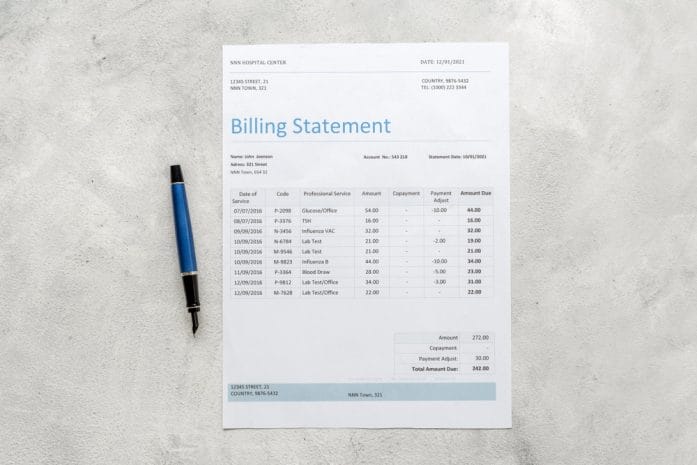
If you receive a bill that doesn’t make sense, don’t pay it blindly. Call your insurer, ask for and then carefully read an explanation of benefits, and request itemized billing from the provider. Many billing errors are corrected simply because someone asked questions instead of assuming the charge was final.
Why This Policy Gap Still Exists
Healthcare reform in the U.S. moves slowly, and it moves in pieces. The No Surprises Act tackled the most extreme and visible forms of surprise billing first, especially those tied to emergencies and hospital care. Doctor office visits were left largely untouched because lawmakers prioritized scenarios where patients had the least control.
But policy doesn’t always align with lived experience. In reality, patients often lack meaningful control even in outpatient settings. Network systems are opaque, provider affiliations change, and billing structures are confusing by design. The idea that patients can navigate all of this flawlessly is more theory than reality.
The Blind Spot That Still Needs Fixing
Surprise billing protections were a huge step forward, but they weren’t the finish line. Doctor office visits remain one of the most overlooked weak points in patient financial protection, quietly exposing people to costs they never expected and couldn’t reasonably predict. If healthcare is supposed to be about access, trust, and stability, then leaving everyday care outside major protections is a contradiction that can’t last forever.
Until policy catches up, awareness is power. Knowing where protections stop is just as important as knowing where they exist. And the more patients understand this gap, the more pressure there is for a system that finally treats routine care with the same seriousness as emergencies.
Do you think surprise billing laws should cover routine doctor visits too, or do you believe the current system puts enough responsibility on patients already? Share your thoughts and opinions in our comments section below.
You May Also Like…
Why Do Medical Bills Feel So Hard to Plan Around
Expense Spike: 8 Healthcare Costs That Hit Harder in Later Life
How Life Disruptions and Medical Costs Push Americans Toward Bankruptcy
The Medical Bill Mistake That Can Cripple Your Credit for a Decade
Insurance Just Stopped Paying for These Routine Health Supplies — Check Your Plan Immediately

Brandon Marcus is a writer who has been sharing the written word since a very young age. His interests include sports, history, pop culture, and so much more. When he isn’t writing, he spends his time jogging, drinking coffee, or attempting to read a long book he may never complete.