• Home
  • About Us
  • Toolkit
  • Getting Finances Done
    • Hiring Advisors
    • Debt Management
    • Spending Plan
  • Insurance
    • Life Insurance
    • Health Insurance
    • Disability Insurance
    • Homeowners/Renters Insurance
  • Contact Us
  • Privacy Policy
  • Risk Tolerance Quiz

The Free Financial Advisor

You are here: Home / Archives for Investing Tips

8 Hidden Investment Exit Fees Many Don’t Expect

August 21, 2025 by Travis Campbell Leave a Comment

fees

Image source: pexels.com

When you invest, it’s easy to focus on potential gains and overlook the costs of getting out. Yet, hidden investment exit fees can eat into your returns and catch you off guard. These costs aren’t always obvious in the paperwork or discussed by advisors. If you plan to switch funds, sell assets, or move accounts, exit fees could shrink your nest egg. Understanding these charges is crucial for anyone who wants to keep more of their money. Knowing what to look for can help you avoid surprises and make smarter choices with your investments.

1. Early Redemption Fees

Many mutual funds and some ETFs charge early redemption fees when you sell your shares within a certain time frame, often 30 to 90 days after purchase. These fees are designed to discourage frequent trading, which can disrupt fund management. If you need to access your money quickly, you could end up paying a fee of 1% to 2% of your investment value. Always check the fund’s prospectus for early redemption policies before investing.

2. Account Transfer Fees

Transferring your investments from one brokerage to another can trigger account transfer fees. These fees typically range from $50 to $150 per account, depending on the firm. Some brokers also charge per-asset or per-position fees if you have multiple holdings. Even if your new brokerage offers a bonus or reimbursement, these exit fees can be a hassle and reduce your overall investment returns.

3. Back-End Load Fees

Certain mutual funds have back-end load fees, also known as deferred sales charges. These are commissions you pay when selling fund shares, rather than when buying them. The percentage often decreases the longer you hold the investment, sometimes dropping to zero after several years. However, selling too soon can mean paying a hefty fee, sometimes up to 5%. Always review the fund’s fee schedule so you know what to expect when it’s time to exit.

4. Surrender Charges on Annuities

One of the most overlooked investment exit fees comes from annuities. Insurance companies often impose surrender charges if you withdraw money or cancel your contract before a specified period, usually five to ten years. These charges can start as high as 7% and gradually decrease over time. If you need flexibility or anticipate needing access to your funds, be wary of surrender charges that could significantly reduce your payout.

5. Withdrawal Fees from Retirement Accounts

Some retirement accounts, especially employer-sponsored plans, charge withdrawal or distribution fees. While these are not universal, they add to the cost of accessing your money. The fees might be flat (such as $50 per withdrawal) or a percentage of the amount withdrawn. In addition to potential tax penalties for early withdrawals, these investment exit fees can further erode your retirement savings.

6. Inactivity and Maintenance Fees

Investment platforms sometimes charge inactivity or annual maintenance fees if you don’t meet certain criteria, such as a minimum balance or number of trades. If you decide to stop using a particular brokerage and leave your account dormant, these fees can quietly eat away at your balance. Make sure you understand the ongoing and exit-related costs before letting an account sit unused.

7. Real Estate Transaction Costs

Selling real estate investments, including REITs (real estate investment trusts) or direct property holdings, often involves more than just agent commissions. You might face legal fees, transfer taxes, and, in the case of some private REITs, steep redemption penalties. These hidden investment exit fees can add up quickly and take a big bite out of your profits. Always factor in all transaction costs when planning your real estate exit strategy.

8. Foreign Investment Exit Taxes

Investing internationally can expose you to unique exit fees, including foreign taxes or repatriation charges. Some countries levy taxes on capital gains when you sell foreign assets, and transferring money back to your home country may involve additional bank or government fees. These investment exit fees are often overlooked until investors try to cash out, so it’s important to research the rules for any country where you invest.

Protecting Yourself from Investment Exit Fees

Investment exit fees can sneak up on even the most careful investors. To avoid surprises, always read the fine print and ask your advisor or brokerage about all possible costs before you invest. Compare fee structures, and don’t hesitate to negotiate or shop around. If you’re moving accounts, check if your new provider will cover transfer fees.

Staying informed about investment exit fees can help you preserve more of your hard-earned returns. Have you encountered unexpected fees when selling or transferring your investments? Share your experience in the comments below!

Read More

7 Hidden Fees That Aren’t Labeled As Fees At All

10 Hidden Profit Sharing Clauses In Investment Products

Travis Campbell
Travis Campbell

Travis Campbell is a digital marketer/developer with over 10 years of experience and a writer for over 6 years. He holds a degree in E-commerce and likes to share life advice he’s learned over the years. Travis loves spending time on the golf course or at the gym when he’s not working.

Filed Under: Investing Tagged With: annuities, brokerage accounts, exit fees, Investing Tips, investment fees, mutual funds, Retirement

I Asked ChatGPT How to Get Rich In The Next 5 Years—Here’s What It Said

August 12, 2025 by Catherine Reed Leave a Comment

I Asked ChatGPT How to Get Rich In The Next 5 Years—Here's What It Said

Image source: 123rf.com

The idea of building significant wealth in a short time might sound like a fantasy, but with the right strategy, it can be closer to reality than you think. When I asked ChatGPT how to get rich in the next 5 years, the advice combined proven financial principles with actionable steps that anyone can start today. The key wasn’t chasing lottery-style wins, but making smart, consistent moves that compound over time. From investing wisely to developing valuable skills, the approach emphasized building a foundation for lasting financial freedom. Here’s the breakdown of what it suggested.

1. Increase Your Earning Power Through High-Income Skills

One of the fastest ways to improve your financial position is to boost your income. ChatGPT’s advice focused on developing high-demand skills like software development, digital marketing, or data analysis. These skills can open doors to higher-paying jobs or freelance opportunities that scale over time. The goal is to move from trading hours for dollars to commanding premium rates for specialized expertise. When thinking about how to get rich in the next 5 years, increasing your earning potential is step one.

2. Start a Scalable Side Business

A side business that can grow without requiring your constant presence can dramatically accelerate wealth-building. ChatGPT highlighted options like e-commerce, online courses, or subscription-based services. The beauty of a scalable business is that your income isn’t limited by your available time. With consistent effort in the early stages, it can become a strong source of passive income. Choosing a business aligned with your skills and interests increases your chances of success.

3. Invest Aggressively but Strategically

Investing early and consistently can be a game-changer over a five-year horizon. ChatGPT suggested focusing on assets with high growth potential, such as index funds, stocks, or real estate in emerging markets. The advice emphasized balancing risk with research, ensuring that investments are chosen based on data rather than hype. Reinvesting returns rather than spending them accelerates compounding. If you’re serious about how to get rich in the next 5 years, strategic investing must be part of the plan.

4. Live Well Below Your Means

Earning more is only part of the equation — keeping more of what you earn is equally important. ChatGPT’s guidance was to adopt a lifestyle that allows for aggressive saving and investing. This might mean driving a modest car, avoiding lifestyle inflation, and choosing affordable housing options. The more you can save without sacrificing your quality of life, the faster your wealth will grow. A lean lifestyle now can mean financial freedom later.

5. Network With the Right People

The people you spend time with can have a huge influence on your financial trajectory. ChatGPT recommended intentionally building relationships with mentors, industry leaders, and like-minded peers. Networking can open doors to business opportunities, investments, and partnerships you might not find on your own. Surrounding yourself with ambitious and knowledgeable people helps keep you motivated and informed. Your network can be one of your most valuable assets when aiming for significant financial growth.

6. Continuously Learn and Adapt

Financial landscapes change quickly, and the most successful people are those who adapt. ChatGPT stressed the importance of ongoing education, whether through books, courses, or industry news. Staying ahead of trends can help you spot opportunities before they become mainstream. This habit also sharpens your decision-making, helping you avoid costly mistakes. A learning mindset ensures you can pivot as needed while still moving toward your five-year goal.

7. Automate Your Savings and Investments

One way to ensure consistency is to remove willpower from the equation. ChatGPT suggested automating transfers to savings accounts, retirement funds, and investment portfolios. This “pay yourself first” strategy builds wealth without the temptation to spend the money elsewhere. Over time, even modest automated contributions can lead to impressive growth. The simplicity of automation makes it a must-have tactic for how to get rich in the next 5 years.

8. Minimize and Eliminate Bad Debt

High-interest debt can destroy your ability to build wealth quickly. ChatGPT’s advice was to tackle credit cards, payday loans, or other expensive debts as soon as possible. Every dollar not spent on interest can be redirected toward investments and savings. This creates a snowball effect, freeing up more resources each month. Avoiding new debt is just as important as paying off the old.

9. Focus on Multiple Income Streams

Relying on a single income source is risky, especially if you’re aiming for rapid wealth growth. ChatGPT suggested creating multiple income streams, such as a primary job, rental income, dividends, or a side hustle. Diversification protects you from setbacks and increases your earning potential. Each stream may start small, but together they can add up quickly. Over five years, this approach can provide both stability and momentum.

Turning Advice Into Action

Hearing the strategies is one thing — putting them into action is another. ChatGPT’s plan for how to get rich in the next 5 years revolves around consistent effort, smart choices, and a willingness to make sacrifices now for greater rewards later. By combining increased earnings, smart investing, and disciplined spending, you can create a path toward substantial financial growth. The sooner you start, the sooner the results will follow.

If you were building your own five-year wealth plan, what would be your first move? Share your thoughts in the comments — you might inspire someone else to start today.

Read More:

8 Smart Investing Rules the Wealthy Actually Follow

8 Things Rich People Never Finance (And You Shouldn’t Either)

Catherine Reed
Catherine Reed

Catherine is a tech-savvy writer who has focused on the personal finance space for more than eight years. She has a Bachelor’s in Information Technology and enjoys showcasing how tech can simplify everyday personal finance tasks like budgeting, spending tracking, and planning for the future. Additionally, she’s explored the ins and outs of the world of side hustles and loves to share what she’s learned along the way. When she’s not working, you can find her relaxing at home in the Pacific Northwest with her two cats or enjoying a cup of coffee at her neighborhood cafe.

Filed Under: Wealth Building Tagged With: budgeting strategies, financial independence, Investing Tips, Personal Finance, side hustle ideas, Wealth Building

6 Margin Account Risks That Sneakily Empty Retirement Payouts

August 11, 2025 by Catherine Reed Leave a Comment

6 Margin Account Risks That Sneakily Empty Retirement Payouts

Image source: 123rf.com

Margin accounts might look like a shortcut to growing wealth fast, but for retirees or anyone planning for retirement, they can quietly drain your hard-earned savings. When you’re borrowing money to invest, every market dip, fee, or interest payment puts your retirement payout at risk. Many investors don’t realize how margin account risks creep up until it’s too late and their portfolio balance is already shrinking. What starts as a small loan for leverage can quickly spiral into big debt, especially if you’re drawing income from the same account. Here are six sneaky ways margin accounts can derail your retirement—and how to protect your financial future.

1. Interest Charges Add Up Fast

One of the most overlooked margin account risks is the ongoing interest charged on borrowed funds. Even when your investments are performing well, those interest fees continue piling up behind the scenes. Over time, especially in volatile markets, your returns can be wiped out just by covering interest. For retirees relying on consistent income, these charges quietly chip away at what you thought was a secure payout. Many investors underestimate just how much they’re paying over the long term—and by the time they notice, a large chunk of their savings is gone.

2. Margin Calls Can Trigger Forced Sales

When the value of your investments drops below a certain threshold, your brokerage may issue a margin call. This means you must either deposit more money or sell off assets to restore your account balance. For someone living off their retirement account, this can be a nightmare scenario. Being forced to sell at a loss during a market downturn can permanently lock in losses, shrinking your nest egg with no time to recover. Margin calls can come suddenly and without warning, making them one of the most stressful margin account risks.

3. Losses Are Magnified in Both Directions

Margin accounts let you borrow money to buy more stock, which amplifies gains during a bull market. But the flip side is just as powerful: your losses are also magnified. If your investment drops by 10%, you could lose 20% or more of your actual cash investment depending on how much margin you used. This kind of rapid loss is dangerous when you’re no longer working and can’t easily replace what’s lost. It’s a classic example of how margin account risks can catch up with you quickly, even if your initial investment seemed smart.

4. Retirement Withdrawals Make Margin Use Riskier

Taking regular withdrawals from an account that’s also using margin can accelerate losses. Each time you pull money out for living expenses, you’re reducing your buffer against a margin call. This means even minor market fluctuations could tip your account into dangerous territory. What’s worse, you may have to sell investments at the wrong time to meet withdrawal needs and margin requirements. For retirees, combining withdrawals and borrowed investing is like playing financial roulette—it only takes one bad turn to lose big.

5. Fees and Commissions Eat into Returns

Even without major losses, margin account risks include a long list of fees that slowly drain your gains. Brokerages charge interest, but they also tack on other charges like trade commissions, account maintenance fees, and regulatory costs. If you’re actively trading or rebalancing your portfolio, those fees can quickly snowball. These costs are often hidden in statements or masked by market performance, making it hard to see the actual impact. Over a decade or two of retirement, even small fees can make a huge difference in how long your savings last.

6. False Confidence from Leverage

Perhaps one of the most dangerous margin account risks is the false sense of security it can create. When markets are rising, the added leverage makes it seem like you’re making brilliant investment decisions. But that confidence can lead to riskier bets, less diversification, or ignoring basic financial principles. Once the market corrects or crashes, the illusion falls apart and the consequences are much more severe for retirees. Margin accounts can create a temporary high but leave a lasting hole in your retirement savings if things don’t go as planned.

Better Safe Than Sorry in Retirement Planning

While margin accounts may have a place in aggressive growth strategies, they rarely align with the needs of someone in or nearing retirement. The unpredictable nature of markets combined with the consistent need for retirement income makes margin use especially risky. Safe, sustainable growth—paired with reduced volatility—is a better long-term strategy for retirees. Before taking on margin, it’s worth consulting with a financial advisor who can explain the true cost of that borrowed money. Protecting your retirement payout often means sticking to tried-and-true strategies rather than chasing fast gains.

Have you ever considered using margin accounts for retirement investing? Share your thoughts or experiences in the comments!

Read More:

6 Retirement Accounts That Are No Longer Considered “Safe”

Is Your Roth IRA Protected From All Future Tax Code Changes?

Catherine Reed
Catherine Reed

Catherine is a tech-savvy writer who has focused on the personal finance space for more than eight years. She has a Bachelor’s in Information Technology and enjoys showcasing how tech can simplify everyday personal finance tasks like budgeting, spending tracking, and planning for the future. Additionally, she’s explored the ins and outs of the world of side hustles and loves to share what she’s learned along the way. When she’s not working, you can find her relaxing at home in the Pacific Northwest with her two cats or enjoying a cup of coffee at her neighborhood cafe.

Filed Under: Investing Tagged With: financial mistakes, Investing Tips, margin account risks, Personal Finance, retirement income, retirement planning, retirement savings

10 Ways “Zero-Fee” Investing Platforms Make Money Off You

August 10, 2025 by Travis Campbell Leave a Comment

investing

Image source: pexels.com

Zero-fee investing platforms sound like a dream. No commissions, no trading fees, just easy access to the stock market. But nothing is ever truly free. If you use a zero-fee investing platform, you should know how these companies actually make money. Understanding their business model helps you protect your investments and avoid surprises. Here’s how zero-fee investing platforms profit from your activity, even when you don’t pay a cent in trading fees.

1. Payment for Order Flow

Zero-fee investing platforms often sell your trades to third parties. This is called payment for order flow. When you place a trade, the platform routes your order to a market maker or another broker. That third party pays the platform for the right to execute your trade. This can mean your order isn’t always filled at the best possible price. The platform gets paid, but you might lose a few cents per share. Over time, that adds up.

2. Interest on Uninvested Cash

When you leave cash sitting in your account, the platform doesn’t just let it sit there. They sweep your uninvested cash into their own accounts or partner banks. Then, they earn interest on that money. You might get a tiny bit of that interest, but the platform keeps most of it. This is a big source of revenue, especially when interest rates are high.

3. Securities Lending

Platforms can lend out the stocks you own to other investors, like short sellers. They collect a fee for this service. You still see your shares in your account, but someone else is borrowing them. The platform keeps most of the lending fees. You might get a small cut, but usually, you don’t even notice it’s happening.

4. Premium Features and Subscriptions

Zero-fee platforms often offer premium services for a monthly fee. These might include advanced research, margin trading, or faster customer support. The basic service is free, but if you want more, you have to pay. Many users end up subscribing for convenience or extra features.

5. Margin Interest

If you borrow money to invest (buying on margin), the platform charges you interest. These rates can be much higher than what you’d pay for a personal loan. Margin interest is a steady source of income for zero-fee platforms. It’s easy to overlook, but it can eat into your returns if you’re not careful.

6. Selling Data

Your trading habits, account balances, and even browsing behavior are valuable. Platforms can sell this data (in aggregate, not tied to your name) to hedge funds, advertisers, or other financial firms. This helps those firms spot trends or target products. You might not notice, but your data is part of the business model.

7. In-App Advertising and Cross-Selling

Some platforms show you ads for other financial products. You might see offers for credit cards, loans, or insurance. The platform gets paid when you click or sign up. They may also cross-sell their own products, like cash management accounts or crypto trading. These offers can be tempting, but always read the fine print.

8. Cryptocurrency Fees

Many zero-fee investing apps now offer crypto trading. But here’s the catch: they often charge a spread or hidden fee on each crypto transaction. You might not see a commission, but you pay a higher price to buy or get less when you sell. This is a big moneymaker for platforms, especially as crypto trading grows.

9. Account Transfer and Inactivity Fees

While trading is free, moving your account to another broker often isn’t. Platforms can charge $50 or more to transfer your assets out. Some also charge inactivity fees if you don’t trade for a while. These fees are buried in the fine print, but they can surprise you if you decide to leave.

10. Partner Offers and Affiliate Revenue

Zero-fee platforms often partner with other companies. They might offer you a free stock for signing up with a partner bank or a bonus for using a certain credit card. When you take these offers, the platform gets a commission. These deals can look like perks, but they’re another way the platform profits from your activity.

Why Knowing the “Zero-Fee” Model Matters

Zero-fee investing platforms have changed how people invest. But “zero-fee” doesn’t mean zero cost. These companies make money in ways that aren’t always obvious. If you know how they profit, you can make smarter choices. You can ask better questions, read the fine print, and avoid getting caught by surprise fees or poor trade execution. The next time you use a zero-fee investing platform, remember: you’re still part of their business model. Make sure you’re getting value in return.

How has your experience been with zero-fee investing platforms? Have you noticed any hidden costs or surprises? Share your thoughts in the comments.

Read More

The Benefits of Investing in a Fence

8 Smart Investing Rules the Wealthy Actually Follow

Travis Campbell
Travis Campbell

Travis Campbell is a digital marketer/developer with over 10 years of experience and a writer for over 6 years. He holds a degree in E-commerce and likes to share life advice he’s learned over the years. Travis loves spending time on the golf course or at the gym when he’s not working.

Filed Under: Investing Tagged With: fintech, investing fees, investing platforms, Investing Tips, payment for order flow, Personal Finance, stock trading, zero-fee investing

7 Dividend Investing Tricks That Help You Retire Early

June 4, 2025 by Travis Campbell Leave a Comment

Investing

Image Source: pexels.com

Retiring early is a dream for many, but it can feel out of reach if you’re relying solely on a traditional paycheck. That’s where dividend investing comes in—a strategy that lets your money work for you, generating passive income while you sleep. Whether you’re new to the stock market or already dabbling in investments, learning a few smart tricks can make a huge difference in your journey to financial independence. Dividend investing isn’t just for the ultra-wealthy or finance pros; it’s a practical, approachable way to build wealth over time. If you want to retire early and enjoy life on your terms, these seven dividend investing tricks can help you get there faster. Let’s dive in and see how you can start stacking up those dividend checks!

1. Focus on Dividend Growth Stocks

When it comes to dividend investing, not all stocks are created equal. Some companies pay high dividends now but might not sustain them, while others steadily increase their payouts year after year. Focusing on dividend growth stocks—companies with a solid track record of raising dividends—can supercharge your early retirement plan. These businesses often have strong financials and a commitment to rewarding shareholders, which means your income can grow faster than inflation. For example, companies in the S&P 500 Dividend Aristocrats index have increased their dividends for at least 25 consecutive years, making them a great starting point for research. You’ll see your portfolio snowball over time by reinvesting those growing dividends.

2. Reinvest Your Dividends Automatically

One of the most powerful tricks in dividend investing is to reinvest your dividends instead of spending them. Many brokerages offer Dividend Reinvestment Plans (DRIPs) that automatically use your payouts to buy more shares, compounding your returns without any extra effort. This “set it and forget it” approach accelerates your wealth-building, especially in the early years. Over decades, the difference between spending and reinvesting dividends can be massive. Even if you’re tempted to cash out, remember that every reinvested dollar is another step closer to early retirement.

3. Diversify Across Sectors

It’s easy to get excited about a single high-yield stock, but putting all your eggs in one basket is risky. Smart dividend investing means spreading your money across different sectors—like utilities, healthcare, consumer goods, and technology. This diversification helps protect your income if one industry hits a rough patch. For instance, if energy stocks take a hit, your healthcare or consumer staples holdings can help balance things out. A well-diversified portfolio keeps your dividend stream steady and your early retirement plans on track.

4. Watch Out for Dividend Traps

A high dividend yield can be tempting, but sometimes it’s a warning sign. Companies with unusually high yields may be struggling financially, and their payouts could be unsustainable. This is known as a “dividend trap.” Before investing, dig into the company’s financial health—look at payout ratios, earnings stability, and recent news. If a company is paying out more than it earns, that dividend might not last. Reliable dividend investing means choosing quality over quantity, so don’t chase the highest yield without doing your homework.

5. Take Advantage of Tax-Advantaged Accounts

Taxes can eat into your dividend income, but you can keep more of your money by using tax-advantaged accounts like IRAs or 401(k)s. Qualified dividends in these accounts can grow tax-free or tax-deferred, depending on the account type. This means more money stays in your portfolio, compounding over time. If you’re serious about early retirement, maximizing your contributions to these accounts is a smart move.

6. Monitor and Adjust Your Portfolio Regularly

Dividend investing isn’t a “set it and forget it” strategy forever. Companies change, markets shift, and your goals may evolve. Make it a habit to review your portfolio at least once a year. Check if your holdings are still growing dividends, if any companies have cut payouts, or if your sector allocation is out of balance. Rebalancing ensures you’re not taking on too much risk and that your investments are still aligned with your early retirement goals. Staying proactive keeps your dividend investing plan on the right track.

7. Start Early and Stay Consistent

The earlier you start dividend investing, the more time your money has to grow. Even small, regular investments can add up to a significant nest egg over the years. Consistency is key—set up automatic contributions, reinvest dividends, and stick to your plan through market ups and downs. Remember, early retirement isn’t about timing the market; it’s about time in the market. The longer you let compounding work its magic, the sooner you’ll reach financial freedom.

Your Path to Financial Freedom Starts Now

Dividend investing is a powerful tool for anyone dreaming of early retirement. By focusing on growth stocks, reinvesting dividends, diversifying, avoiding traps, using tax-advantaged accounts, monitoring your portfolio, and staying consistent, you can build a reliable stream of passive income. The journey might take time, but every step brings you closer to the life you want. Why wait? Start your dividend investing journey today and watch your future self thank you.

What’s your favorite dividend investing trick, or what’s holding you back from getting started? Share your thoughts in the comments below!

Read More

Vacation Without Breaking the Bank

5 Biggest Refinance Concerns

Travis Campbell
Travis Campbell

Travis Campbell is a digital marketer/developer with over 10 years of experience and a writer for over 6 years. He holds a degree in E-commerce and likes to share life advice he’s learned over the years. Travis loves spending time on the golf course or at the gym when he’s not working.

Filed Under: Investing Tagged With: dividend investing, early retirement, financial independence, Investing Tips, Passive income, Personal Finance, stock market

9 Beginner Stock Investing Myths That Still Circulate

June 3, 2025 by Travis Campbell Leave a Comment

stock market

Image Source: pexels.com

Jumping into the world of stock investing can feel like stepping onto a rollercoaster—exciting, a little intimidating, and full of ups and downs. For beginners, the journey is often clouded by persistent myths that can lead to hesitation or costly mistakes. These stock investing myths are everywhere, from social media to family gatherings, and they can keep you from making smart, confident decisions. Understanding what’s true and what’s just outdated advice is crucial for anyone hoping to build wealth through the stock market. Let’s clear the air and set you up for success by busting some of the most common beginner stock investing myths that still circulate today.

1. You Need a Lot of Money to Start Investing

One of the most stubborn stock investing myths is that you need thousands of dollars to get started. In reality, many online brokerages now allow you to open an account with little or no minimum deposit. Fractional shares make it possible to invest in big-name companies with just a few dollars. The key is to start early and be consistent, even if your initial investment is small. Over time, those small amounts can grow significantly thanks to the power of compounding.

2. The Stock Market Is Just Like Gambling

It’s easy to see why some people compare stock investing to gambling, but this myth misses the mark. While both involve risk, investing in stocks is fundamentally different because it’s based on research, analysis, and long-term growth. Gambling is a game of chance, but investing is about owning a piece of a business and sharing in its success. With a solid strategy and patience, you can tilt the odds in your favor and build real wealth over time.

3. You Have to Be a Financial Expert

Many beginners believe that only financial wizards can succeed in the stock market. The truth is, you don’t need a finance degree to start investing. There are plenty of resources, from books to podcasts, that break down the basics in simple terms. Plus, many platforms offer educational tools and robo-advisors to help you make informed decisions. The most important thing is to keep learning and not let fear of the unknown hold you back.

4. Timing the Market Is the Key to Success

Trying to buy low and sell high sounds great in theory, but even professional investors struggle to time the market perfectly. This stock investing myth can lead to endless second-guessing and missed opportunities. Instead, focus on time in the market, not timing the market. Consistently investing over the long term, regardless of short-term ups and downs, has proven to be a more reliable strategy. Historical data shows that missing just a few of the best days in the market can seriously hurt your returns.

5. Only Buy Stocks That Are “Sure Things”

It’s tempting to look for the next big winner or “can’t-miss” stock, but there’s no such thing as a guaranteed investment. Even the most promising companies can face unexpected challenges. Diversification—spreading your money across different stocks and sectors—is the best way to manage risk. Don’t put all your eggs in one basket, and remember that steady, diversified growth often beats chasing the latest hot tip.

6. The Stock Market Is Too Risky for Beginners

Risk is part of investing, but it’s not a reason to avoid the stock market altogether. In fact, avoiding stocks can be riskier in the long run because inflation erodes the value of cash sitting in a savings account. By starting with a diversified portfolio and focusing on long-term goals, beginners can manage risk and benefit from the market’s growth over time. Remember, risk and reward go hand in hand.

7. You Should Sell When the Market Drops

Market downturns can be scary, especially for new investors. But selling in a panic often locks in losses and keeps you from benefiting when the market rebounds. Historically, the stock market has always recovered from downturns, and those who stay invested tend to come out ahead. Instead of reacting emotionally, stick to your plan and view downturns as opportunities to buy quality stocks at lower prices.

8. Dividends Don’t Matter for Beginners

Some beginners overlook dividend-paying stocks, thinking they’re only for retirees. In reality, dividends can be a powerful tool for building wealth at any age. Reinvesting dividends can accelerate your portfolio’s growth and provide a steady stream of income. Don’t ignore the potential of dividend stocks as part of your overall investing strategy.

9. You Can “Set It and Forget It” Forever

While long-term investing is smart, it doesn’t mean you should ignore your portfolio completely. Life changes, markets evolve, and your goals may shift over time. It’s important to review your investments regularly and make adjustments as needed. Staying engaged helps you stay on track and make the most of your stock investing journey.

Building Confidence in Your Stock Investing Journey

Stock investing myths can hold you back, but knowledge is your best ally. By separating fact from fiction, you can confidently approach the market and make decisions that support your financial goals. Remember, every successful investor started as a beginner—what matters most is taking that first step and staying committed to learning and growing along the way.

What stock investing myths did you believe when you started? Share your experiences or questions in the comments below!

Read More

Stop Reading About Last Year’s Top Ten Mutual Funds

Researching Mutual Funds (or How to Cure Insomnia)

Travis Campbell
Travis Campbell

Travis Campbell is a digital marketer/developer with over 10 years of experience and a writer for over 6 years. He holds a degree in E-commerce and likes to share life advice he’s learned over the years. Travis loves spending time on the golf course or at the gym when he’s not working.

Filed Under: Investing Tagged With: beginner investing, financial literacy, investing myths, Investing Tips, Personal Finance, stock investing, stock market

14 Signs Your Investment Strategy Needs a Total Overhaul

June 3, 2025 by Travis Campbell Leave a Comment

investment

Image Source: pexels.com

Are you starting to wonder if your investment strategy is working for you, or against you? Many investors stick with the same approach for years, even as their goals, the market, and their lives change. But ignoring the warning signs can cost you big time. Whether you’re a seasoned investor or just getting started, knowing when your investment strategy needs a total overhaul is crucial for long-term financial success. Let’s dive into the red flags that signal it’s time to rethink your approach and set yourself up for a brighter financial future.

1. Your Portfolio Consistently Underperforms the Market

If your investment strategy is lagging behind major benchmarks like the S&P 500 year after year, it’s a clear sign something’s off. While no one expects to beat the market every year, consistent underperformance means your approach may be outdated or too conservative. Compare your returns to relevant indexes and consider whether your asset allocation or fund choices need a refresh.

2. You Don’t Have Clear Financial Goals

An investment strategy without clear goals is like driving without a destination. If you can’t articulate what you’re investing for—retirement, a home, your child’s education—it’s time to step back and define your objectives. A solid investment strategy is always built around specific, measurable goals.

3. You’re Reacting Emotionally to Market Swings

Do you panic-sell during downturns or chase hot stocks when the market is booming? Emotional investing is a recipe for disaster. If your investment strategy is driven by fear or greed rather than a disciplined plan, it’s time for a total overhaul. Building a strategy that helps you stay calm and focused is essential for long-term success.

4. Your Asset Allocation Is Out of Whack

Over time, market movements can throw your asset allocation off balance. If you haven’t rebalanced your portfolio in a while, you might be taking on more risk than you realize—or missing out on growth opportunities. Regularly reviewing and adjusting your asset mix is a key part of a healthy investment strategy.

5. You’re Paying High Fees Without Realizing It

Hidden fees can quietly erode your returns. If you haven’t checked what you’re paying in fund expenses, advisory fees, or trading costs, you could be losing thousands over the years. Use tools like FINRA’s Fund Analyzer to see how fees impact your investment strategy and look for lower-cost alternatives.

6. You Don’t Understand What You Own

If you can’t explain what’s in your portfolio or why you own certain investments, it’s a sign your investment strategy lacks clarity. Every holding should have a purpose. Take time to review your investments and make sure each one aligns with your goals and risk tolerance.

7. You’re Not Diversified

Putting all your eggs in one basket is risky. If your portfolio is heavily concentrated in a single stock, sector, or asset class, you’re exposing yourself to unnecessary risk. A well-diversified investment strategy spreads risk and increases your chances of steady returns.

8. You Haven’t Updated Your Strategy in Years

Markets evolve, and so should your investment strategy. If you’re still following advice from a decade ago, you might be missing out on new opportunities or exposing yourself to outdated risks. Regularly reviewing and updating your approach keeps your strategy relevant.

9. You’re Chasing the Latest Fads

Jumping on every new investment trend—whether it’s meme stocks, cryptocurrencies, or hot sectors—can lead to big losses. If your investment strategy is driven by hype rather than research, it’s time to get back to basics and focus on long-term fundamentals.

10. Your Risk Tolerance Has Changed

Life changes—like a new job, marriage, or nearing retirement—can shift your risk tolerance. If your investment strategy doesn’t reflect your current comfort with risk, you could be setting yourself up for sleepless nights or missed opportunities.

11. You’re Not Taking Advantage of Tax-Advantaged Accounts

You’re leaving money on the table if you’re not using IRAs, 401(k)s, or other tax-advantaged accounts. A smart investment strategy makes the most of these tools to boost your after-tax returns and help you reach your goals faster.

12. You Ignore Rebalancing

Letting your portfolio drift without rebalancing can lead to unintended risk. If you haven’t checked your allocations in a while, your investment strategy may no longer match your original plan. Set a schedule to review and rebalance at least once a year.

13. You Don’t Have an Exit Plan

Every investment should have an exit strategy. If you don’t know when or why you’d sell a holding, you’re flying blind. A strong investment strategy includes clear criteria for selling, whether it’s reaching a target price, a change in fundamentals, or a shift in your goals.

14. You’re Not Learning or Adapting

The best investors are always learning. If you’re not staying informed about market trends, new investment vehicles, or changes in your own financial situation, your investment strategy can quickly become outdated. Make ongoing education a core part of your approach.

Time for a Fresh Start: Rebuilding Your Investment Strategy

Recognizing these warning signs is the first step toward a healthier financial future. If you see yourself in several of these scenarios, don’t panic—many investors need to overhaul their investment strategy at some point. Start by setting clear goals, reviewing your asset allocation, and seeking professional advice if needed. Remember, a successful investment strategy is flexible, goal-oriented, and built to weather both good times and bad.

What signs have you noticed in your own investment strategy? Share your experiences or questions in the comments below!

Read More

5 Biggest Refinance Concerns

Stop Reading About Last Year’s Top Ten Mutual Funds

Travis Campbell
Travis Campbell

Travis Campbell is a digital marketer/developer with over 10 years of experience and a writer for over 6 years. He holds a degree in E-commerce and likes to share life advice he’s learned over the years. Travis loves spending time on the golf course or at the gym when he’s not working.

Filed Under: Investing Tagged With: Investing Tips, investment strategy, money management, Personal Finance, Planning, portfolio management

Here Are 5 Books That Everyone Should Read to Improve Their Financial Literacy

October 16, 2024 by Vanessa Bermudez Leave a Comment

Here Are 5 Books That Everyone Should Read to Improve Their Financial Literacy

123rf

In today’s fast-paced world, having a solid understanding of financial literacy is essential. Whether you’re just starting out or looking to refine your skills, these five books offer invaluable insights to help you manage your money better. Let’s dive into the must-reads for anyone serious about improving their financial knowledge.

1. “Rich Dad Poor Dad” by Robert T. Kiyosaki

“Rich Dad Poor Dad” is a classic when it comes to financial literacy. In this book, Kiyosaki shares lessons learned from his two “dads”—one rich and one poor—on how they viewed money, investing, and education. The book emphasizes the importance of financial independence and investing in assets that generate passive income. Through relatable stories, Kiyosaki breaks down complex financial concepts, making them accessible to everyone. This book will challenge the way you think about money and is a great starting point for those new to personal finance.

2. “The Total Money Makeover” by Dave Ramsey

Dave Ramsey’s “The Total Money Makeover” is a straightforward guide to financial freedom, focusing on debt elimination and disciplined spending. Ramsey provides a step-by-step plan to help readers get out of debt, save for emergencies, and build wealth through smart budgeting. The book is full of real-life success stories, offering both motivation and practical advice. Ramsey’s approach is strict, but it’s highly effective for those struggling with debt or poor financial habits. If you’re serious about transforming your finances, this book is an essential read.

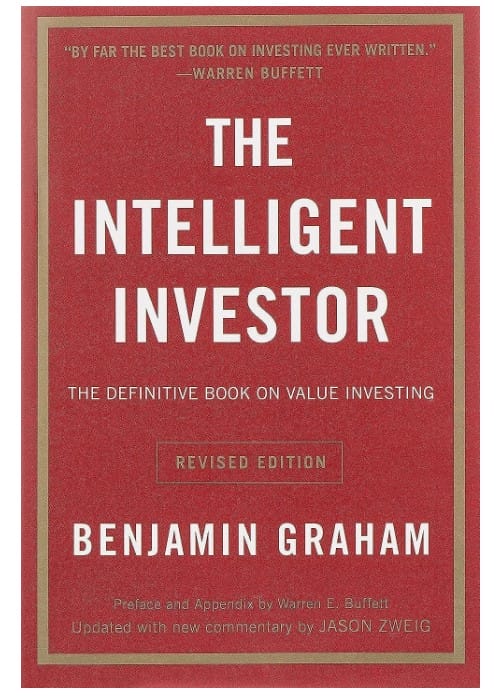
3. “The Intelligent Investor” by Benjamin Graham

The Intelligent Investor by Benjamin Graham

Amazon

For anyone interested in learning about investing, “The Intelligent Investor” by Benjamin Graham is a must-read. Known as one of the greatest investment advisors of all time, Graham’s book introduces the concept of value investing, which focuses on purchasing stocks that are undervalued by the market. The book is packed with timeless financial principles that help readers understand risk, reward, and long-term strategies for building wealth. Graham also emphasizes the importance of research and patience in investing, making this book a valuable resource for both beginners and seasoned investors. Warren Buffett himself cites it as one of his most influential reads.

4. “Your Money or Your Life” by Vicki Robin and Joe Dominguez

“Your Money or Your Life” takes a unique approach to financial literacy by focusing on the relationship between money and happiness. The authors guide readers through nine steps to transform their relationship with money, helping them track spending, reduce expenses, and ultimately achieve financial independence. This book teaches readers to see money as a tool for creating the life they want, rather than an end goal. Robin and Dominguez’s philosophy promotes mindful spending and sustainable living, making it a refreshing take on personal finance. It’s perfect for those looking to simplify their financial life and focus on what truly matters.

5. “I Will Teach You to Be Rich” by Ramit Sethi

“I Will Teach You to Be Rich” by Ramit Sethi

Amazon

Ramit Sethi’s “I Will Teach You to Be Rich” is a modern, no-nonsense guide to managing your money, with an emphasis on automating your finances and investing smartly. Sethi’s witty, conversational tone makes complex financial strategies easy to understand and follow. He covers everything from credit cards and savings accounts to investing and budgeting, offering practical advice for millennials and young professionals. The book is perfect for those looking to build wealth without feeling overwhelmed by financial jargon. Sethi’s approach is all about living a rich life, where money supports your goals and dreams.

Building Financial Literacy for a Secure Future

Improving your financial literacy is one of the most important investments you can make in yourself. These five books provide the foundational knowledge you need to take control of your finances, whether you’re aiming to get out of debt, build wealth, or simply become more confident in managing your money. By incorporating the lessons from these must-read books, you’ll be better equipped to make informed financial decisions and secure your financial future. Don’t wait—start building your financial literacy today!

Vanessa Bermudez
Vanessa Bermudez
Vanessa Bermudez is a content writer with over eight years of experience crafting compelling content across a diverse range of niches. Throughout her career, she has tackled an array of subjects, from technology and finance to entertainment and lifestyle. In her spare time, she enjoys spending time with her husband and two kids. She’s also a proud fur mom to four gentle giant dogs.

Filed Under: book review Tagged With: financial literacy, Investing Tips, money management, Personal Finance Books, Wealth Building

  • « Previous Page
  • 1
  • 2
  • 3

FOLLOW US

Search this site:

Recent Posts

  • Can My Savings Account Affect My Financial Aid? by Tamila McDonald
  • 12 Ways Gen X’s Views Clash with Millennials… by Tamila McDonald
  • What Advantages and Disadvantages Are There To… by Jacob Sensiba
  • 10 Tactics for Building an Emergency Fund from Scratch by Vanessa Bermudez
  • Call 911: Go To the Emergency Room Immediately If… by Stephen Kanaval
  • 7 Weird Things You Can Sell Online by Tamila McDonald
  • 10 Scary Facts About DriveTime by Tamila McDonald

Copyright © 2026 · News Pro Theme on Genesis Framework