
• Home
  • About Us
  • Toolkit
  • Getting Finances Done
    • Hiring Advisors
    • Debt Management
    • Spending Plan
  • Insurance
    • Life Insurance
    • Health Insurance
    • Disability Insurance
    • Homeowners/Renters Insurance
  • Contact Us
  • Privacy Policy
  • Risk Tolerance Quiz

The Free Financial Advisor

You are here: Home / Archives for financial habits

6 Financial Landmines That Even Bankruptcy Can’t Fix

February 14, 2025 by Latrice Perez Leave a Comment

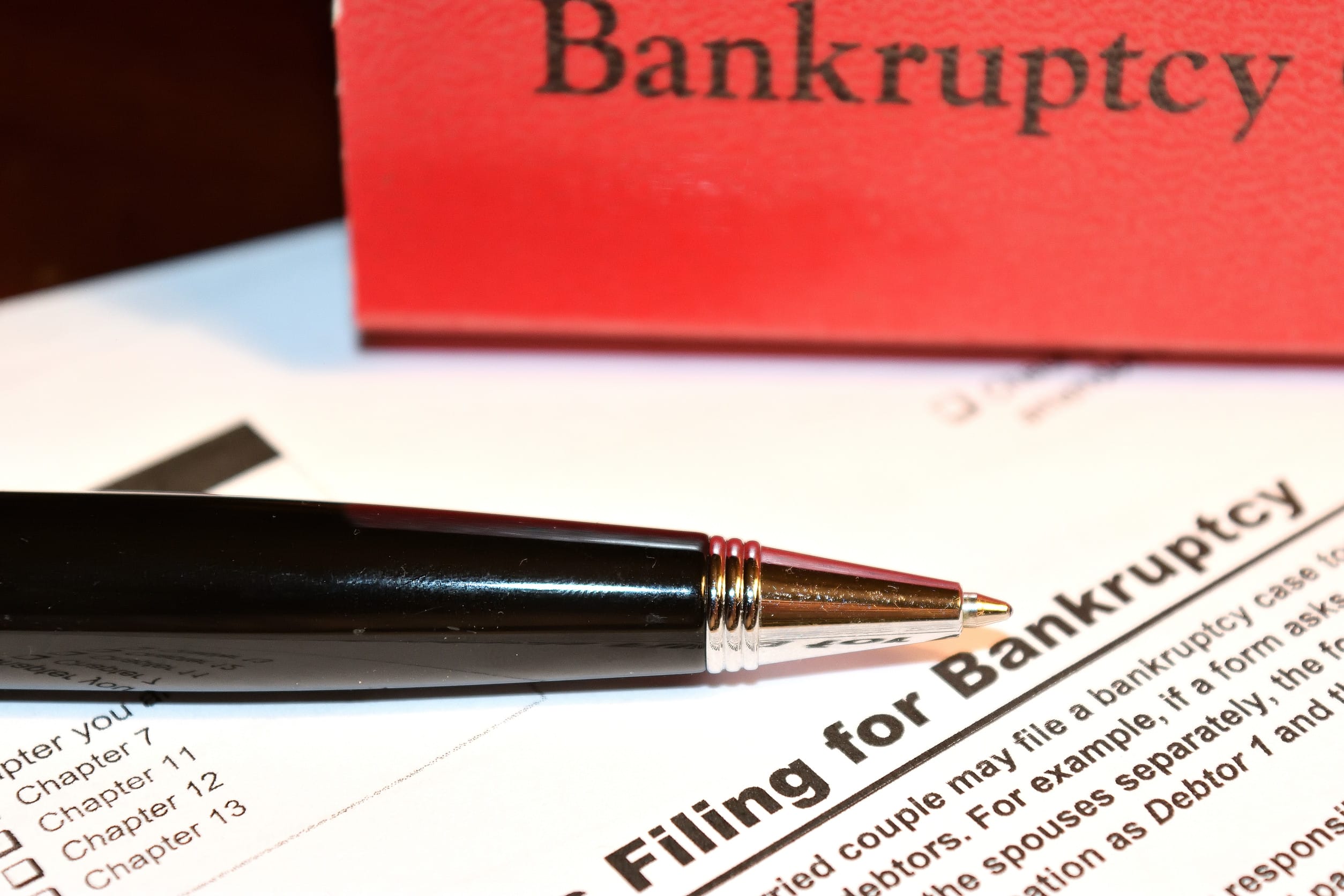
Bankruptcy

Image Source: 123rf.com

Some consumers believe that bankruptcy can fix any financial trouble that they find themselves in. Due to this myth, many people carelessly get into debt thinking that a quick trip to a bankruptcy attorney will make all of their problems go away. While it can provide relief from some financial obligations, it’s not a universal solution.

There are several financial issues that bankruptcy cannot address, leaving you stuck in a cycle of financial instability. Understanding these financial landmines will help you avoid costly mistakes and make smarter choices before you ever consider bankruptcy. Here are six financial challenges that bankruptcy can’t fix—and how to navigate them.

1. Mortgage Debt on a Property You Can’t Afford

While bankruptcy may discharge many types of debt, mortgage debt is generally not one of them. If you’re underwater on your home loan, meaning the value of your property is less than the mortgage balance, and you’re unable to make your monthly payments, bankruptcy won’t necessarily fix the problem. You could end up losing the home through foreclosure, and bankruptcy may only delay the inevitable.

To address mortgage debt, it’s essential to explore alternatives such as loan modifications, refinancing, or negotiating directly with your lender. Sometimes, bankruptcy can help prevent foreclosure temporarily, but without a viable plan to handle the mortgage in the long term, your home may still be at risk.

2. Student Loan Debt

Student loan debt is one of the most persistent financial burdens. While bankruptcy can discharge many debts, it doesn’t typically apply to student loans unless you can prove “undue hardship,” which is a difficult standard to meet. The result? Many people continue to pay off student loans for decades after graduation, long after bankruptcy might have resolved other financial issues.

To address student loan debt, explore repayment options like income-driven plans, loan consolidation, or forgiveness programs. It’s essential to stay proactive and consider refinancing to reduce the interest rates or seek other solutions that can make your debt more manageable.

3. Credit Card Debt from Impulse Spending

Credit card debt is one of the most common forms of debt in the U.S., and it’s easy to accumulate, especially when impulse spending gets out of hand. It’s simple to swipe your card for things you don’t necessarily need, and over time, the balance builds up with high-interest rates. If you’re carrying a significant amount of credit card debt, bankruptcy can offer relief, but it won’t stop the behavior that led to the debt in the first place.

If you struggle with impulse spending, it’s important to take control of your habits. Create a budget, reduce reliance on credit cards, and focus on paying down the balance each month to prevent accumulating interest.

4. Ongoing Tax Liabilities

Tax Liability

Image Source:123rf.com

Back taxes or unpaid taxes are a serious issue that bankruptcy can’t solve. In most cases, bankruptcy doesn’t discharge tax liabilities, especially if they are recent or the result of neglect. The IRS and state tax agencies will still require you to pay what you owe, and failing to do so can lead to wage garnishments, liens, or even legal action.

Addressing tax liabilities means staying current on your filings and payments. If you owe back taxes, consider working with a tax professional to create a repayment plan or explore options like an Offer in Compromise to settle for less than what you owe.

5. Child Support and Alimony Payments

When it comes to child support or alimony, bankruptcy offers no relief. These are considered priority debts, which means they are not discharged in bankruptcy proceedings. Not paying child support or alimony can result in severe legal consequences, including wage garnishments and even jail time.

It’s crucial to stay up to date on any family court obligations. If you’re having trouble making payments, consult with a legal professional to explore options for modifying your support payments based on your current financial situation.

6. Poor Financial Habits

Bankruptcy might resolve your current debts, but it won’t address the underlying financial habits that got you into trouble in the first place. If you continually overspend, fail to save, or ignore budgeting, you’ll end up right back where you started. Bankruptcy doesn’t fix poor financial habits; it just offers a reset. Without a change in behavior, you may find yourself accumulating new debt almost immediately.

To avoid falling back into financial hardship, commit to better habits. Start by creating a realistic budget, setting financial goals, and automating savings. Tracking your spending and adjusting habits is key to building lasting financial stability after bankruptcy.

Avoiding Financial Landmines

Bankruptcy can provide much-needed relief in certain situations, but it’s not a cure-all. To avoid the financial landmines that even bankruptcy can’t fix, take a proactive approach to your financial health. Avoid lifestyle inflation, address student loan debt early, manage credit card spending, stay on top of taxes and family obligations, and, most importantly, change the habits that led to your financial difficulties. By doing so, you can build a solid foundation for a secure and prosperous future.

Have you ever filed for bankruptcy? If so, what did you do differently to stay out of debt for a better financial future? Let us know in the comments below.

Read More:

Bankruptcy Blues: 14 Financial Mistakes We Can’t Believe People Still Make

Don’t File Bankruptcy Due to Medical Debt-Do This Instead!

Latrice Perez

Latrice is a dedicated professional with a rich background in social work, complemented by an Associate Degree in the field. Her journey has been uniquely shaped by the rewarding experience of being a stay-at-home mom to her two children, aged 13 and 5. This role has not only been a testament to her commitment to family but has also provided her with invaluable life lessons and insights.

As a mother, Latrice has embraced the opportunity to educate her children on essential life skills, with a special focus on financial literacy, the nuances of life, and the importance of inner peace.

Filed Under: Personal Finance Tagged With: bankruptcy, child support, Credit card debt, Debt Management, financial habits, Financial Stability, Personal Finance, Planning, student loans, tax liabilities

10 Common Financial Habits That Annoy the Experts

December 6, 2023 by Tamila McDonald 1 Comment

Financial Habits

Financial habits play a crucial role in shaping our economic future. While some habits, like a daily latte or occasional shopping splurge, may seem harmless, their cumulative impact on our bottom line can be significant. Even the smallest, routine purchases of $1 or $5 can add up, potentially contributing to chronic debt-related issues. Let’s explore ten common financial habits that not only annoy financial experts but can also hinder your path to financial freedom.

1. Impulse Buying

Snapping up unplanned purchases, whether on sale or not, can lead to unsound spending behaviors. Justifying poor purchasing decisions, using credit cards for impulse buys, and losing track of your budget are common pitfalls. Combat this habit by developing a mantra like “I only buy what I need” and implementing a waiting period before non-essential purchases.

2. Using Credit Cards for Points

While rewards credit cards can be beneficial, they often encourage overspending. Credit card spending activates reward centers in the brain, fostering a craving to spend more. Be wary of credit card reward schemes that may lead to increased debt. If already in credit card debt, consider transferring balances to a lower APR card.

3. Keeping Up With the Joneses

The urge to match your neighbors’ lifestyle, known as “conspicuous consumption,” can lead to overspending. The pressure to impress others often results in unnecessary purchases and compromises financial goals. Remember, appearances can be deceiving, and it’s crucial to prioritize personal financial milestones over societal expectations.

4. Shopping to Boost Your Mood

Retail therapy, or shopping to alleviate stress or boost mood, can become a harmful habit. Repetitive or compulsive shopping may lead to continued spending, irrespective of the emotional, social, and financial consequences. Consider implementing waiting periods before nonessential purchases and seek professional help if emotional spending becomes unmanageable.

5. Spending on Convenience

Overspending for the sake of convenience, such as frequent takeout meals, can hinder debt repayment. Assess your spending habits to identify areas where you can cut back on convenience purchases. Small adjustments, like preparing meals at home, can significantly contribute to reducing unnecessary expenses.

6. Excessive Lifestyle Inflation

While salary increases are expected, excessive lifestyle inflation, where every income increase leads to higher spending, can perpetuate the cycle of debt. Differentiate between needs and wants and avoid increasing spending every time income rises. Redirect additional income towards debt repayment and financial goals.

7. Ignoring Your Debt

Ignoring debt-related issues by avoiding calls from creditors or neglecting bills only exacerbates the problem. Face your financial situation head-on by opening statements, knowing your debt amount, and creating a budget that includes debt repayment plans. Ignoring debt leads to late fees, interest charges, and a deeper cycle of harmful financial behavior.

8. Not Following a Budget

Budgeting is a fundamental tool for financial management. Track your income and expenses, including fixed and variable costs, to gain a comprehensive understanding of your financial situation. Budgeting helps in allocating funds for debt repayment, essential expenses, and discretionary spending.

9. Not Saving Money at All

Even when in debt, saving is crucial. Establishing an emergency fund prevents reliance on credit for unexpected expenses, breaking the cycle of debt. Start small, contribute regularly to savings, and gradually build a financial safety net.

10. Ignoring the Future

Thinking about future goals is integral to breaking the debt cycle. While dealing with debt, envision your future, set goals, and prioritize financial decisions that align with your long-term aspirations. Regularly evaluate and adjust your goals, considering milestones like homeownership, early retirement, or starting a business.

Breaking free from the cycle of debt involves recognizing and altering harmful financial habits. Whether it’s impulse buying, ignoring debt, or succumbing to lifestyle inflation, taking charge and cultivating healthier money habits can pave the way to financial freedom. Remember, progress may be gradual, but the outcome—financial stability and peace of mind—is well worth the effort.

Read More:

These 5 Money Habits Will Keep You Poor

Hiring a Financial Advisor: Clues from the Reception Area

Financial Literacy Tips From A Financial Advisor

Tamila McDonald
Tamila McDonald

Tamila McDonald is a U.S. Army veteran with 20 years of service, including five years as a military financial advisor. After retiring from the Army, she spent eight years as an AFCPE-certified personal financial advisor for wounded warriors and their families. Now she writes about personal finance and benefits programs for numerous financial websites.

Filed Under: Personal Finance Tagged With: bad financial habits, financial habits

  • « Previous Page
  • 1
  • …
  • 6
  • 7
  • 8

FOLLOW US

Search this site:

Recent Posts

  • Can My Savings Account Affect My Financial Aid? by Tamila McDonald
  • 12 Ways Gen X’s Views Clash with Millennials… by Tamila McDonald
  • What Advantages and Disadvantages Are There To… by Jacob Sensiba
  • 10 Tactics for Building an Emergency Fund from Scratch by Vanessa Bermudez
  • Call 911: Go To the Emergency Room Immediately If… by Stephen Kanaval
  • 7 Weird Things You Can Sell Online by Tamila McDonald
  • 10 Scary Facts About DriveTime by Tamila McDonald

Copyright © 2026 · News Pro Theme on Genesis Framework