
Image Source: Shutterstock.com
The word “penalty” hits like a brick when it shows up next to a dollar sign. Nothing ruins a perfectly normal day faster than discovering that a simple oversight turned into a fine that grows by the minute. Taxes don’t just demand attention once a year—they expect discipline, accuracy, and timing that feels almost athletic. One wrong move, and suddenly the system starts charging interest like a ticking clock that refuses to pause.
Plenty of people assume major penalties only hit those who intentionally dodge taxes or make huge financial blunders. That assumption couldn’t sit further from reality. Everyday actions—completely ordinary, even responsible ones—can trigger fines from the Internal Revenue Service. Missing a date, misreporting a number, or forgetting a form can quietly open the door to fees that stack up faster than expected.
Filing Late Feels Small Until the Fees Explode
Deadlines don’t negotiate, and the IRS doesn’t either. Filing a tax return even one day late can trigger a failure-to-file penalty that starts at 5% of the unpaid taxes per month. That percentage keeps climbing each month until it reaches a maximum of 25%, which means a delay that feels harmless can snowball into a serious financial hit. Add interest on top of that, and suddenly the original tax bill doesn’t even look like the main problem anymore.
People often assume that filing an extension solves everything, but that belief causes one of the most common mistakes. An extension only gives extra time to file paperwork—it does not extend the deadline to pay taxes owed. Anyone who files an extension but skips the payment still faces a failure-to-pay penalty, which racks up at 0.5% per month. That smaller percentage might look manageable at first glance, but it stacks with interest and doesn’t disappear until the balance clears.
Smart moves keep this trap from snapping shut. Filing on time—even without full payment—cuts the penalty dramatically compared to filing late. Estimating taxes owed and paying as much as possible before the deadline shows effort and reduces penalties. Setting calendar reminders weeks in advance helps avoid last-minute scrambling that leads to errors or missed submissions.
Consistency matters just as much as timing. Making quarterly estimated payments throughout the year spreads the burden and keeps everything manageable. Anyone with freelance income, side hustles, or investments benefits from this approach. Staying proactive doesn’t just avoid penalties—it turns tax season into a routine instead of a crisis.
Underpaying Taxes Isn’t a Free Pass
Paying something toward a tax bill feels responsible, but partial payments can still trigger penalties if they fall short of IRS expectations. The underpayment penalty applies when payments don’t meet required thresholds throughout the year. That means even people who pay consistently can face penalties if those payments don’t hit the right targets.
The IRS uses a “safe harbor” rule that offers a helpful guideline. Paying at least 90% of the current year’s taxes or 100% of the previous year’s taxes (110% for higher incomes) usually avoids penalties. Miss those marks, and the IRS starts calculating penalties based on how much and how late the payments fall behind. It’s not about intention—it’s about numbers.
Income that fluctuates creates one of the biggest risks here. Freelancers, contractors, and anyone with variable earnings often miscalculate quarterly payments because income doesn’t stay predictable. A strong month followed by a slow one can throw off estimates quickly. Without adjustments, those swings lead to underpayment penalties that feel unfair but follow strict rules.
Adjustments keep things under control. Reviewing income every quarter and updating estimated payments based on real numbers prevents gaps. Using withholding adjustments through an employer can also help offset side income. Keeping records organized and updated avoids guesswork that leads to costly miscalculations.
Planning beats reacting every time. Setting aside a percentage of income specifically for taxes ensures funds stay available when deadlines arrive. That approach removes stress and prevents last-minute scrambling to cover shortfalls. Staying ahead of payments keeps penalties from creeping in unnoticed.
Forgetting to Report Income Sets Off Alarms
Every dollar earned matters in the eyes of the IRS, whether it comes from a full-time job, freelance gig, or side hustle. Failing to report income—even accidentally—can trigger penalties and sometimes audits. Employers and clients send forms like W-2s and 1099s directly to the IRS, so mismatches between reported income and official records raise immediate red flags.
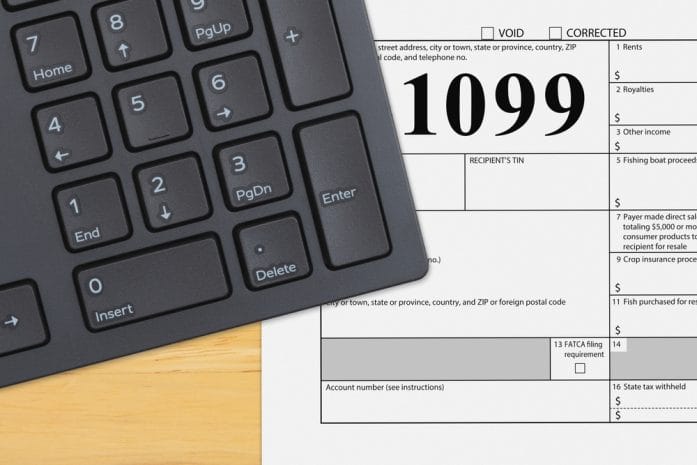
Image Source: Shutterstock.com
Small gigs often slip through the cracks. Selling items online, doing occasional freelance work, or earning interest from investments might not feel significant, but those amounts still count as taxable income. Ignoring them creates discrepancies that the IRS can easily spot through automated systems that compare reported data.
Digital payment platforms have made tracking easier—and stricter. Services that process payments may issue 1099-K forms once transactions hit certain thresholds. That means side hustles and casual sales now generate official records that demand accurate reporting. Overlooking those forms can lead to penalties that feel completely unexpected.
Staying organized solves most of these issues. Keeping a running record of all income sources, no matter how small, ensures nothing gets missed during tax preparation. Using accounting apps or simple spreadsheets helps track earnings throughout the year instead of scrambling at the last minute.
Double-checking forms before filing prevents mismatches. Comparing personal records with official documents ensures accuracy and reduces the chance of triggering IRS attention. Accuracy here doesn’t just avoid penalties—it builds confidence that everything lines up exactly as it should.
Ignoring Notices Only Makes Things Worse
An IRS notice rarely arrives without a reason, and ignoring it never makes the issue disappear. These letters often address discrepancies, missing payments, or requests for additional information. Letting them sit unopened or unanswered allows penalties and interest to grow while the problem quietly escalates.
Each notice includes a deadline, and that deadline matters just as much as a filing date. Missing it can lead to additional penalties or even enforcement actions. The IRS operates on timelines that move forward regardless of whether anyone responds. That means silence often translates into agreement from the IRS’s perspective.
Many notices involve simple fixes. A missing form, a math error, or a clarification request might only require a quick response. Addressing these issues promptly prevents escalation and keeps penalties from piling up. Waiting too long can turn a minor issue into a larger financial headache. Responding doesn’t require panic. Reading the notice carefully, gathering requested documents, and replying within the given timeframe resolves most situations efficiently. Seeking help from a tax professional can also provide clarity and ensure responses meet IRS expectations.
Staying proactive changes the entire experience. Keeping contact information updated ensures notices arrive promptly. Checking mail regularly during tax season prevents delays in response. Handling issues quickly keeps penalties small and manageable instead of letting them grow into something overwhelming.
Saving Your Wallet and a Headache
Tax penalties don’t wait for major mistakes—they show up when everyday habits slip just slightly off track. Filing late, underpaying taxes, missing income, or ignoring notices all create opportunities for fines to grow quietly in the background. Each of these traps shares one thing in common: they thrive on inattention, not intention.
Which of these penalty traps feels the easiest to fall into, and what strategies have worked to stay ahead of them? Share thoughts, ideas, or personal experiences in the comments—there’s always something new to learn from each other.
You May Also Like…
IRS Refund Delays Surge: Incorrect Bank Info Is Triggering Weeks-Long Payment Holds
Retirement Accounts Are Triggering Unexpected Taxes — What Some Investors Overlook
5 Reasons To Talk To Your Kids About Taxes
Income Threshold: 4 Hidden Taxes That Hit Once You Cross Certain Limits
9 Georgia Counties Where Property Taxes Are Set to Rise the Fastest

Brandon Marcus is a writer who has been sharing the written word since a very young age. His interests include sports, history, pop culture, and so much more. When he isn’t writing, he spends his time jogging, drinking coffee, or attempting to read a long book he may never complete.
Leave a Reply