• Home
  • About Us
  • Getting Finances Done
    • Hiring Advisors
    • Debt Management
    • Spending Plan
  • Insurance
    • Life Insurance
    • Health Insurance
    • Disability Insurance
    • Homeowners/Renters Insurance
  • Contact Us
  • Our Editorial Commitment

The Free Financial Advisor

You are here: Home / Archives for Lifestyle

12 Things Baby Boomers Should Try from Gen Z’s Lifestyle

July 8, 2024 by Teri Monroe Leave a Comment

Gen Z
123rf

In a world where generational gaps seem to grow wider by the day, it’s easy to forget that each generation brings something unique to the table. Baby boomers, often characterized by their traditional values and lifestyles, can learn a thing or two from the younger generation, Gen Z. With their innovative mindset and tech-savvy approach, Gen Z has introduced several lifestyle trends that can enrich the lives of baby boomers in unexpected ways. Here are 12 things baby boomers should try from Gen Z’s lifestyle.

1. Digital Detox

digital detox
123rf

While boomers may have grown up in an era before smartphones and social media, they can still benefit from unplugging and enjoying the present moment. For example, Gen Z’s emphasis on digital detoxes and mindfulness can help boomers reduce stress and reconnect with the world around them. Also, constant connectivity can contribute to feelings of stress, anxiety, and burnout, particularly for individuals who didn’t grow up with digital devices.

By disconnecting from screens, boomers can reclaim valuable time for activities that promote relaxation, creativity, and meaningful connections with loved ones. Ultimately, embracing digital detoxes can lead to improved mental health, better sleep, and a greater appreciation for the simple pleasures found offline, enriching their lives in profound ways.

2. Plant-Based Eating

plant based eating
123rf

Gen Z is leading the charge towards plant-based diets for health and environmental reasons. Baby boomers can explore the world of plant-based cooking and discover delicious alternatives to meat and dairy products that are both nutritious and sustainable. This diet is typically high in fiber, vitamins, and antioxidants while being lower in saturated fats and cholesterol compared to animal-based diets. Moreover, research suggests that adopting a plant-based diet can lower the risk of chronic diseases such as heart disease, diabetes, and certain cancers, promoting overall health and well-being.

3. Remote Work

remote work
123rf

The COVID-19 pandemic accelerated the shift towards remote work, a lifestyle trend that Gen Z has wholeheartedly embraced. Baby boomers can explore the flexibility and convenience of working remotely, allowing them to balance work and leisure in a whole new way. Also, working remotely eliminates the need for lengthy commutes, reducing stress and providing more time for leisure activities and family bonding. By embracing this modern approach to work, boomers can enjoy greater autonomy and fulfillment in both their professional and personal lives.

4. Thrift Shopping

thrifting
123rf

With concerns about sustainability and fast fashion on the rise, Gen Z has turned to thrift shopping as a stylish and eco-friendly alternative. Thrift shopping offers a myriad of benefits beyond just finding unique and affordable treasures. Firstly, it’s an eco-friendly choice that promotes sustainability by reducing the demand for new clothing production and minimizing textile waste. Secondly, thrift stores provide an opportunity to support local charities or businesses, with many establishments using proceeds to fund community initiatives or aid those in need.

Additionally, thrift shopping encourages creativity and individuality, allowing shoppers to curate a wardrobe that reflects their personal style without breaking the bank. Baby boomers can rediscover the thrill of hunting for unique treasures at thrift stores while reducing their carbon footprint.

5. DIY Culture

DIY culture
123rf

From crafting to home repairs, Gen Z has embraced the do-it-yourself ethos with gusto. Gen Z’s embrace of the do-it-yourself (DIY) culture reflects a desire for self-expression, sustainability, and resourcefulness. This generation is utilizing online platforms and tutorials to learn new skills and crafts, from upcycling clothing to creating homemade skincare products. Altogether, DIY projects not only offer a creative outlet but also empower individuals to personalize their belongings and reduce waste in a consumer-driven society.

Moreover, DIY culture fosters a sense of community as enthusiasts share tips, tricks, and finished projects online, inspiring others to explore their creativity and embrace a more hands-on approach to life.  Baby boomers can tap into their creative side and learn new skills by taking on DIY projects, whether it’s knitting a scarf or refurbishing old furniture.

6. Focus on Fitness

fitness class
123rf

Whether it’s yoga, HIIT workouts, or dance cardio, Gen Z is all about staying active and having fun while doing it. This generation embraces a wide range of physical activities, from traditional gym workouts to more unconventional forms of exercise like dance cardio, and outdoor adventure sports.

Along with this, social media platforms play a significant role in shaping fitness trends, with influencers and online communities promoting body positivity, inclusivity, and self-love. Gen Z’s approach to fitness extends beyond aesthetics, emphasizing mental health benefits such as stress relief, improved mood, and increased self-confidence. Baby boomers can explore different fitness trends and find activities that suit their interests and abilities, helping them stay healthy and energetic.

7. Mindfulness Practices

mindfulness
123rf

From meditation to journaling, Gen Z prioritizes mental health and self-care like never before. This generation incorporates various mindfulness practices into their daily routines, such as meditation, yoga, and journaling, to cultivate inner peace and resilience. Moreover, Gen Z’s commitment to mindfulness extends beyond personal well-being, as many advocate for destigmatizing mental health issues and promoting open dialogue about emotions and self-care. Of course, baby boomers can benefit as well from incorporating mindfulness practices into their daily routine, helping them stay grounded and resilient in the face of life’s challenges.

8. Social Activism

climate change protest
123rf

Gen Z is passionate about making a difference in the world and isn’t afraid to speak out on social and political issues. For example, they are highly vocal and active on social media platforms, using their voices to advocate for various causes, from climate action to racial justice and LGBTQ+ rights. Also, Gen Z’s approach to activism is inclusive and intersectional, recognizing the interconnectedness of social issues and advocating for solutions that address systemic inequalities. Beyond online activism, Gen Z participates in grassroots movements, protests, and community organizing efforts to effect tangible change in their local communities and beyond. Baby boomers can join the conversation and lend their voices to causes they care about, contributing to positive change in the world.

9. Tech Tools

tech tools video chatting
123rf

While technology may seem daunting to some baby boomers, embracing tech tools can open up a world of possibilities. Gen Z’s relationship with technology is characterized by fluency, adaptability, and innovation. This generation embraces a wide array of tech tools to streamline their daily lives, enhance productivity, and foster connection. From social media platforms like TikTok and Instagram to communication apps like Discord and Slack, Gen Z utilizes technology to express themselves creatively, stay informed, and connect with peers globally.

Moreover, Gen Z leverages emerging technologies such as augmented reality (AR), virtual reality (VR), and artificial intelligence (AI) to explore new realms of entertainment, education, and entrepreneurship. From video calls with loved ones to online banking and shopping, Gen Z’s tech-savvy lifestyle can help baby boomers stay connected and organized in the digital age.

10. Minimalism

minimalist décor
123rf

In a society that often equates success with material wealth, Gen Z is championing the minimalist lifestyle as a way to prioritize experiences over possessions. As a whole, Gen Z’s embrace of minimalism represents a shift away from consumerism towards a lifestyle focused on simplicity, intentionality, and sustainability. Furthermore, by decluttering their lives and paring down their possessions to the essentials, Gen Z cultivates a sense of freedom, clarity, and mindfulness.

Additionally, minimalism extends beyond physical belongings to encompass digital clutter and mental distractions, with Gen Z seeking to simplify all aspects of their lives to create space for what truly matters. By embracing minimalism, Gen Z is challenging societal norms of materialism and excess, advocating for a more mindful and purpose-driven approach to living. Ultimately, baby boomers can learn from Gen Z and declutter their homes and lives, focusing on what truly brings them joy and fulfillment.

11. Travel Experiences

travel Gen Z
123rf

Gen Z values experiences over material possessions, and travel is high on their list of priorities. Unlike previous generations, who may have prioritized luxury resorts or guided tours, Gen Z seeks out off-the-beaten-path destinations and immersive experiences that allow them to connect with local communities and cultures. This generation values experiential travel over material possessions, prioritizing memories and meaningful encounters over souvenirs. Also, Gen Z’s travel experiences often incorporate elements of sustainability and social responsibility, with many opting for eco-friendly accommodations, supporting local businesses, and engaging in voluntourism initiatives.

By embracing travel as a means of personal growth, cultural exchange, and global citizenship, Gen Z is redefining the way we explore the world and fostering a deeper appreciation for the diversity and interconnectedness of our planet. Baby boomers can also embrace their sense of adventure and explore new destinations, whether it’s a weekend getaway or a bucket-list trip abroad, creating memories that will last a lifetime.

12. Lifelong Learning

Gen Z lifestyle lifelong learning
123rf

With access to endless information at their fingertips, Gen Z understands the importance of lifelong learning and incorporates into their lifestyle. Gen Z’s commitment to lifelong learning reflects a culture of curiosity, adaptability, and self-improvement. Additionally, this generation recognizes that learning doesn’t stop after formal education and actively seeks out opportunities to expand their knowledge and skills throughout their lives. Along with this, Gen Z leverages a variety of resources, including online courses, podcasts, workshops, and mentorship programs, to pursue their interests and stay abreast of emerging trends and technologies. Moreover, Gen Z embraces a growth mindset, viewing challenges as opportunities for growth and innovation rather than obstacles to be avoided.

By prioritizing lifelong learning, Gen Z is equipping themselves with the tools and knowledge needed to thrive in a rapidly changing world, ensuring their continued personal and professional development for years to come. In sum, baby boomers can embrace a growth mindset and pursue new hobbies, interests, and skills well into their golden years, keeping their minds sharp and curious.

Lifestyle Trends Worth Trying

Gen Z lifestyle
123rf

Ultimately, bridging the generational gap between baby boomers and Gen Z can lead to mutual understanding, growth, and enrichment. By embracing the diverse lifestyle trends championed by Gen Z, baby boomers can discover new passions, enhance their well-being, and connect with younger generations in meaningful ways. So why not take a cue from Gen Z and adopt some of this younger generation’s lifestyle? After all, it’s never too late to try something new and embrace the ever-evolving tapestry of life.

Read More

10 Strange Facts About the Human Body You Never Knew

9 Fashion Trends Gen Z Loves That Millennials Just Can’t Understand

Photograph of Teri Monroe
Teri Monroe
Teri Monroe started her career in communications working for local government and nonprofits. Today, she is a freelance finance and lifestyle writer and small business owner. Teri holds a B.A. From Elon University.  In her spare time, she loves golfing with her husband, taking her dog Milo on long walks, and playing pickleball with friends.

Filed Under: Lifestyle Tagged With: baby boomers, gen z, Lifestyle, remote work

13 States Where You Can Legally Live Off the Grid

July 8, 2024 by Amanda Blankenship Leave a Comment

13 States Where You Can Legally Live Off the Grid
123RF

Living off the grid is an increasingly popular lifestyle choice for those seeking self-sufficiency, sustainability, and a simpler way of life. Whether it’s to escape the hustle and bustle of city living or to reduce one’s carbon footprint, many are looking to establish their own slice of paradise away from modern utilities. Here are 13 states where you can legally live off the grid.

1. Alaska

1. Alaska
123RF

Alaska is the quintessential state for off-grid living. With its vast wilderness and low population density, it offers ample opportunities for self-sufficient living. The state has lenient building codes and a strong culture of independence, making it an ideal choice for those looking to live off the land. However, extreme weather conditions and remote locations can pose challenges, so proper planning and preparation are essential.

2. Arkansas

2. Arkansas
123RF

Arkansas provides a welcoming environment for off-grid enthusiasts with its affordable land and mild climate. The state’s lax building codes and supportive community make it easier to establish a self-sufficient lifestyle. Arkansas’s diverse landscapes, including forests, mountains, and rivers, offer ample resources for those looking to live sustainably. Additionally, the state has a rich history of farming and homesteading, which can provide valuable knowledge and support.

3. Idaho

3. Idaho
123RF

Idaho offers a mix of mountains, forests, and farmland, providing a variety of options for off-grid enthusiasts. The state has relatively lax building codes and a strong emphasis on individual rights, which can make setting up an off-grid homestead easier. Additionally, Idaho’s climate is suitable for growing a wide range of crops, making it possible to sustain yourself through farming.

4. Illinois

4. Illinois
123RF

Illinois, with its rich soil and agricultural heritage, is a great state for off-grid living. The state’s supportive regulations for alternative energy and sustainable practices make it easier to create an eco-friendly homestead. Illinois’s diverse climate allows for a variety of crops to be grown, contributing to a self-sufficient lifestyle. Moreover, the state’s numerous rivers and lakes provide ample opportunities for water collection and usage.

5. Iowa

5. Iowa
123RF

Iowa’s fertile farmland and supportive community make it an excellent choice for those looking to live off the grid. The state’s mild climate and abundant rainfall create ideal conditions for growing crops and raising livestock. Iowa’s relaxed building codes and emphasis on renewable energy make it easier to establish a sustainable homestead. Additionally, the state’s agricultural background provides a wealth of knowledge and resources for off-grid living.

6. Maine

6. Maine
123RF

Maine’s vast forests and coastal areas offer a unique environment for off-grid living. The state has supportive regulations for sustainable building and alternative energy, allowing for greater freedom in creating an eco-friendly homestead. Maine’s strong focus on community and local agriculture can provide valuable resources and support for those looking to live off the land. The state’s abundant natural resources make it possible to live a self-sufficient lifestyle with ease.

7. Minnesota

7. Minnesota
123RF

Minnesota’s diverse landscapes, from forests to prairies, provide ample opportunities for off-grid living. The state’s supportive laws for renewable energy and sustainable building practices make it easier to create an environmentally friendly homestead. Minnesota’s climate, while challenging in winter, offers fertile soil and ample water resources for growing crops and raising animals. The state’s strong community focus on sustainability can also provide valuable support and resources.

8. Missouri

8. Missouri
123RF

Missouri offers a mix of affordable land and a favorable climate for off-grid living. The state’s lax building codes and emphasis on individual freedoms make it easier to establish a self-sufficient homestead. Missouri’s diverse landscapes, including forests, rivers, and farmland, provide ample resources for sustainable living. The state’s rich agricultural heritage can also provide valuable knowledge and support for those looking to live off the land.

9. Montana

9. Montana
123RF

Montana’s vast landscapes and rugged terrain make it another excellent state for off-grid living. The state is known for its large plots of affordable land and a favorable climate for agriculture. In Montana, you can find numerous resources and communities that support sustainable living practices. However, it’s important to be aware of the state’s wildlife and the potential for harsh winters.

10. Oregon

10. Oregon
123RF

Oregon is a haven for those looking to live sustainably. The state’s diverse landscapes, ranging from coastal areas to forests and mountains, offer a variety of environments for off-grid living. Oregon has progressive laws regarding alternative energy and sustainable building practices, making it easier to implement eco-friendly solutions. The state’s vibrant off-grid community can also provide valuable support and resources.

11. Texas

11. Texas
123RF

Texas’s vast landscapes and sunny climate make it an ideal state for off-grid living. The state offers large tracts of affordable land and relatively lax building regulations, allowing for greater flexibility in establishing an off-grid home. Texas’s abundant natural resources, such as wind and solar energy, provide excellent opportunities for renewable energy. However, water scarcity in some regions can be a challenge, so proper planning is essential.

12. Vermont

12. Vermont
123RF

Vermont’s picturesque landscapes and strong community focus on sustainability make it an appealing state for off-grid living. The state has progressive laws that support renewable energy and eco-friendly building practices. Vermont’s fertile soil and abundant water sources make it possible to grow a variety of crops and maintain a self-sufficient lifestyle. The state’s commitment to local agriculture and community support can be invaluable for off-grid living.

13. West Virginia

13. West Virginia
123RF

West Virginia’s rolling hills and dense forests provide a serene environment for off-grid living. The state has relatively lax building codes and a supportive community of off-grid enthusiasts. West Virginia’s natural resources, such as forests and rivers, offer ample opportunities for self-sufficient living. The state’s mild climate and fertile soil make it possible to grow a variety of crops and raise livestock, contributing to a sustainable lifestyle.

Living Off the Grid Offers Unique Opportunities

Living Off the Grid Offers Unique Opportunities 
123RF

Living off the grid offers a unique opportunity to embrace self-sufficiency and sustainability. These 13 states provide the ideal environments, resources, and regulations to support off-grid living. If you’re ready to take the plunge into a simpler, more sustainable way of life, consider exploring these states as potential locations for your off-grid homestead. For more information and resources on off-grid living, visit our website and join our community of like-minded individuals.

Headshot of Amanda Blankenship
Amanda Blankenship

Amanda Blankenship is the Chief Editor for District Media.  With a BA in journalism from Wingate University, she frequently writes for a handful of websites and loves to share her own personal finance story with others. When she isn’t typing away at her desk, she enjoys spending time with her daughter, son, husband, and dog. During her free time, you’re likely to find her with her nose in a book, hiking, or playing RPG video games.

Filed Under: Lifestyle Tagged With: Lifestyle, Living Off Grid, simple living

13 Falsehoods About Memory That You Should Forget

June 10, 2024 by Teri Monroe Leave a Comment

memory
123rf

Memory is a fundamental aspect of human experience, shaping our identities and influencing our daily lives. However, despite its importance, memory is often misunderstood and surrounded by falsehoods. From the belief that memory works like a video camera to the notion that we only use a small fraction of our brains, these misconceptions can skew our understanding and expectations of how memory functions. By addressing and debunking these common falsehoods, we can develop a more accurate and practical perspective on memory, leading to better cognitive health and overall well-being. In this article, we will explore 13 widespread myths about memory and provide evidence-based insights to help you separate fact from fiction.

1. Memory is Like a Video Camera

video camera
123rf

One of the most pervasive myths about memory is that it functions like a video camera, recording every detail of an event accurately and precisely. In reality, memory is reconstructive, meaning that our brains piece together bits of information to create a coherent narrative. This process can be influenced by numerous factors, including our current emotions, beliefs, and experiences. As a result, memories can be distorted or even completely false.

2. You Only Use 10% of Your Brain

brain
123rf

The notion that we only use 10% of our brain is a widely circulated falsehood. Neuroscience has shown that we use virtually every part of our brain, and most of it is active almost all the time. Memory functions involve complex interactions across various brain regions. This myth undermines the understanding of how dynamic and interconnected our brain activities truly are.

3. Photographic Memory Exists

photographs
123rf

Many people believe in the concept of photographic memory, where an individual can recall images, sounds, and objects with extreme precision. However, scientific evidence for true photographic memory is lacking. What some people experience are exceptional memory skills, often honed through practice and specific mnemonic techniques. These skills are impressive but not the same as having an infallible photographic recall.

4. Memory Decline is Inevitable with Age

senior memory decline
123rf

While it is true that some cognitive decline can occur with aging, it is not an inevitable fate for everyone. Many older adults maintain sharp memories and cognitive functions well into their later years. Lifestyle factors such as regular physical activity, mental stimulation, and social engagement play crucial roles in preserving memory. Age-related memory decline can often be mitigated by staying mentally and physically active.

5. Suppressed Memories are Always Accurate

suppressed memories
123rf

The idea that suppressed or repressed memories, especially those related to traumatic events, are always accurate is controversial and problematic. Research has shown that memories, particularly those of traumatic events, can be highly susceptible to suggestion and alteration. Therapies that attempt to recover these memories can sometimes create false memories. It is essential to approach the topic of recovered memories with caution and scientific rigor.

6. Amnesia Means Forgetting Everything

amnesia
123rf

Amnesia is often dramatized in movies and TV shows as a complete loss of identity and past experiences. In reality, amnesia can take many forms, and it rarely involves a total loss of memory. Most cases involve the inability to form new memories (anterograde amnesia) or difficulty recalling past events (retrograde amnesia). The extent and nature of memory loss in amnesia vary widely depending on the cause and severity.

7. Memory Pills and Supplements are Miracle Cures

supplements
123rf

The market is flooded with pills and supplements claiming to boost memory and cognitive function. However, there is limited scientific evidence supporting the effectiveness of most of these products. Some supplements may offer minor benefits, but they are not miracle cures. This is just one of many memory falsehoods! A balanced diet, regular exercise, and mental engagement are far more effective strategies for maintaining and improving memory.

8. The Internet is Destroying Our Memory

the internet
123rf

There is a growing concern that the Internet and digital devices are harming our memory by making information readily accessible. While it is true that we may rely more on digital tools for storing and retrieving information, this does not necessarily mean our memory is deteriorating. Instead, our brains are adapting to a new way of managing information. The key is to find a balance between using digital tools and exercising our natural memory abilities.

9. All Memories are Created Equal

remembering
123rf

Not all memories are stored with the same level of detail and accuracy. Our brains prioritize certain types of information, such as emotionally charged or significant events, over mundane details. This selective memory process helps us navigate the world more efficiently by focusing on what is most relevant. Understanding this can help us better appreciate the complexities of how we remember and forget.

10. Alcohol Permanently Destroys Memory Cells

alcohol memory falsehoods
123rf

While excessive alcohol consumption can lead to memory impairments and conditions like Wernicke-Korsakoff syndrome, moderate alcohol intake does not necessarily destroy memory cells. The impact of alcohol on memory is more nuanced and depends on factors like the amount consumed, frequency, and individual susceptibility. Moderation is key, and understanding the potential risks can help mitigate long-term memory issues related to alcohol use.

11. You Can Train Your Brain to Have Perfect Memory

crossword puzzle
123rf

While brain training programs and memory techniques can certainly improve your memory skills, the idea of achieving a perfect memory is unrealistic and one of many memory falsehoods. Human memory is inherently fallible and subject to various influences. Training can enhance specific memory tasks, but it does not make memory infallible. Accepting the imperfections of memory while striving for improvement is a more balanced approach.

12. Napping Harms Your Memory

naps memory falsehoods
123rf

Contrary to the belief that napping can disrupt memory and cognitive function, research shows that short naps can actually benefit memory consolidation. A brief nap can help reinforce information learned earlier and improve recall. The key is to keep naps short, around 20-30 minutes, to avoid grogginess and ensure they are refreshing. Incorporating napping strategically can be a valuable tool for memory enhancement.

13. Stress Always Harms Memory

stress memory falsehoods
123rf

It is widely believed that stress is universally detrimental to memory, but the relationship is more complex. Acute stress can enhance memory formation, especially for emotionally charged events. However, chronic stress has a detrimental effect on memory and cognitive function. Managing stress effectively is crucial for maintaining a healthy balance and supporting optimal memory function.

Debunking Memory Falsehoods

memories
123rf

The myths and misconceptions about memory are pervasive, but a nuanced understanding can help us better appreciate its complexities. Memory is not a static, flawless recording device; it is a dynamic, reconstructive process influenced by numerous factors. By dispelling these falsehoods, we can adopt more effective strategies for improving and maintaining our memory. Staying informed and approaching memory with a balanced perspective can enhance our cognitive health and overall well-being.

Photograph of Teri Monroe
Teri Monroe
Teri Monroe started her career in communications working for local government and nonprofits. Today, she is a freelance finance and lifestyle writer and small business owner. Teri holds a B.A. From Elon University.  In her spare time, she loves golfing with her husband, taking her dog Milo on long walks, and playing pickleball with friends.

Filed Under: Lifestyle Tagged With: health, health myths, Lifestyle, well-being

Fitness Fads: 12 Reasons Everyone Is Talking About Mewing

June 7, 2024 by Stephen Kanaval Leave a Comment

Mewing man
123rf

Mewing has surged in popularity within the fitness and wellness community, igniting curiosity and sparking debates. This technique, centered on maintaining proper tongue posture to enhance facial structure and overall health, has captured widespread attention for a multitude of reasons. Advocates of mewing claim benefits ranging from improved breathing and jaw alignment to a more defined facial appearance. As the conversation around this unique practice continues to grow, it’s clear that many are intrigued by its potential. Here are 12 compelling reasons why mewing has become a trending topic that everyone is talking about.

1. Promises of Improved Facial Aesthetics

Jaw man
123rf

Mewing enthusiasts claim that proper tongue posture can enhance facial structure, creating a more defined jawline and improved overall appearance. By pressing the tongue against the roof of the mouth, proponents believe it can influence bone growth and muscle tone over time. This potential for non-invasive facial improvement has intrigued many. The idea of achieving a more chiseled look without surgery is appealing. Before-and-after photos circulating online have fueled interest. While scientific evidence is still limited, the aesthetic promises of mewing continue to attract attention.

2. Potential Health Benefits

Sleep
123rf

Beyond aesthetics, mewing is also linked to various health benefits. Proper tongue posture can help in maintaining open airways, potentially reducing issues like snoring and sleep apnea. This can lead to better sleep quality and overall health improvement. Additionally, mewing may promote better breathing habits by encouraging nasal breathing over mouth breathing. Improved breathing can enhance oxygen intake and cardiovascular health. The multifaceted health benefits associated with mewing make it a topic of interest in wellness circles.

3. Accessibility and Simplicity

Simplicity
123rf

One of the main reasons mewing has gained popularity is its accessibility. Unlike many fitness trends that require expensive equipment or memberships, mewing is free and can be practiced anywhere. The technique itself is simple, involving consistent tongue posture maintenance. This ease of practice makes it appealing to a wide audience. Individuals of all ages and fitness levels can attempt mewing without significant barriers. The simplicity and low cost contribute to its widespread appeal.

4. Influencer Endorsements

Influencer
unsplash

Social media influencers and online personalities have played a significant role in promoting mewing. With large followings, these influencers share their personal experiences and results, amplifying interest in the technique. Their endorsements can sway public opinion and drive trends. Influencers often provide tutorials and tips, making it easier for their audiences to start mewing. This visibility on platforms like Instagram and YouTube has propelled mewing into mainstream awareness. The power of influencer marketing cannot be underestimated in the popularity of mewing.

5. Community Support and Forums

Community
123rf

Online communities and forums dedicated to mewing provide support and motivation for newcomers. These platforms offer a space for individuals to share their progress, ask questions, and receive feedback. The sense of community fosters commitment and perseverance. Seeing others’ success stories can inspire continued practice and belief in the technique. The communal aspect of mewing creates a supportive environment for those looking to improve their facial structure and health. This support network is crucial in maintaining long-term engagement.

6. Skepticism and Debate

Debate
123rf

The controversial nature of mewing has also contributed to its notoriety. While some swear by its benefits, others remain skeptical about its effectiveness. This debate has sparked discussions in both scientific and public forums. Critics argue that there is insufficient scientific evidence to support the claims. Proponents counter with anecdotal evidence and personal testimonials. This ongoing dialogue keeps mewing in the spotlight, as people seek to understand its true potential. The clash of opinions generates continuous interest and investigation.

7. Minimal Time Commitment

Time
123rf

Mewing requires minimal time commitment, making it an attractive addition to daily routines. Unlike lengthy workouts or complex regimens, mewing can be practiced consistently throughout the day. This ease of integration appeals to busy individuals seeking simple health and fitness solutions. The minimal effort required lowers the barrier to entry. People appreciate the ability to work on their facial aesthetics and health without dedicating significant time. This convenience factor is a strong selling point for mewing.

8. Holistic Approach

oils
unsplash

Mewing aligns with a holistic approach to health and wellness, emphasizing natural and non-invasive methods. CBD and meditation are other wellness trends that are popular with this same demographic. Mewing appeals to individuals who prefer to avoid surgical or medical interventions. The technique encourages overall well-being by promoting proper posture and breathing. This holistic perspective resonates with the growing trend towards natural health practices. The focus on natural enhancement without external aids fits well with current wellness philosophies. This alignment with holistic health trends boosts mewing’s popularity.

9. Long-Term Potential

Mewing girl
123rf

The promise of long-term benefits from consistent practice is another draw for mewing. Advocates believe that maintaining proper tongue posture over time can lead to lasting changes in facial structure and health. This long-term potential encourages continued practice and commitment. Individuals are willing to invest time in techniques that offer enduring results. The prospect of gradual, yet permanent, improvements makes mewing an appealing practice. This long-term vision adds to its credibility and attractiveness.

10. DIY Health Trend

DIY
123rf

Mewing fits into the broader DIY health trend, where individuals take health improvement into their own hands. People are increasingly interested in methods they can practice independently, without relying on professionals. The DIY nature of mewing empowers individuals to control their progress and outcomes. This self-sufficiency is a significant appeal in the current health and wellness landscape. The ability to practice mewing without professional intervention aligns with the DIY ethos. This trend towards self-managed health practices enhances mewing’s appeal.

11. Celebrity Influence

Cameras
123rf

Celebrities have also contributed to the buzz around mewing. High-profile individuals often set trends and influence public behavior. When celebrities share their experiences with mewing, it sparks widespread interest and emulation. The visibility and credibility of celebrities lend weight to the practice. Their endorsements can reach a broad audience, further popularizing mewing. The celebrity factor adds glamour and legitimacy to the technique. This influence is a powerful driver of mewing’s growing popularity.

12. Continuous Curiosity

Woman working out
123rf

The curiosity surrounding mewing keeps it relevant in conversations about fitness and wellness. People are intrigued by the potential benefits and the simplicity of the technique. This curiosity drives individuals to explore and try mewing for themselves. Continuous curiosity fuels ongoing discussions and experimentation. As more people share their experiences and results, interest in mewing persists. This cycle of curiosity and exploration sustains the trend. The perpetual intrigue ensures mewing remains a topic of interest and conversation.

Be Open to the Potential

Mewing people
123rf

Mewing has captured the attention of many due to its potential benefits and simplicity. Whether you’re curious about its aesthetic promises or interested in its health benefits, mewing is worth exploring. Share this article to spread awareness and join the conversation about this intriguing fitness fad. Let’s continue the discussion and explore the potential benefits of mewing together. Stay informed and stay curious!

Stephen Kanaval
Stephen Kanaval

Stephen began his career as a Research Assistant at a reputable middle-market private equity firm, where he honed his skills in market research, financial analysis, and identifying investment opportunities. He then transitioned to full-time financial writing focusing on small-cap biotech innovation and digital payment solutions. Today, Stephen is a value-based retail investor and novice baseball statistician.

Filed Under: Lifestyle Tagged With: fads, Fitness, mewing, trends

Don’t Turn Your Back: 12 Things You Should Never Leave Unattended in Public

June 6, 2024 by Stephen Kanaval Leave a Comment

Stuff
unsplash

In an era where cybersecurity dominates headlines, we often forget that physical security remains equally critical. As we navigate through bustling coffee shops, serene libraries, and busy airports, our focus on digital threats can blind us to the tangible risks lurking nearby. This article sheds light on 12 items you should never leave unattended in public, reminding us that in our hyper-connected world, old-school vigilance is more relevant than ever.

1. Smartphones

Smartphones
unsplash

Your smartphone is no longer just a communication device; it’s the master key to your digital life. With mobile banking, password managers, and social media apps, your phone holds the keys to your finances, identity, and personal relationships. Studies have shown that most Americans store sensitive data on their phones without any protection. In public spaces, where skilled thieves can unlock a phone in seconds, leaving it unattended is like handing over your life’s control panel.

2. Laptops

Laptop
unsplash

With remote work’s meteoric rise, laptops have become our mobile offices. They contain confidential work documents, client information, and often, access to corporate networks. The FBI reports that a laptop is stolen every 53 seconds in the U.S., with many of those thefts occurring in public places. High-profile cases, like the 2020 theft of a NASA laptop containing control codes for the International Space Station, underscore the stakes. Your laptop isn’t just a device; it’s a portable data vault.

3. Wallets

wallet
unsplash

While pickpocketing might seem like an old-fashioned crime, it’s far from extinct. With the advent of contactless payment technologies, a stolen wallet is now a goldmine. Beyond cash, it contains credit cards that can be tapped for instant transactions and IDs that enable identity theft. According to the FTC, credit card fraud spiked in 2020, partly due to contactless payment vulnerabilities. Your wallet, left unattended, is an open invitation to financial chaos.

4. Prescription Medications

meds
unsplash

In our fast-paced lives, it’s common to pop pills without thinking. There are medications for every ailment. However, leaving prescription medications unattended in public is a grave mistake. The National Institute on Drug Abuse confirms that millions of Americans misuse prescription drugs every year. Your unattended medications could be stolen for illegal resale or, worse, consumed by someone unaware of their effects, leading to severe health consequences or even death.

5. Car Keys

Car keys
unsplash

Modern car keys are marvels of technology, offering keyless entry and push-button starts. However, this convenience comes at a cost. A study by the German Automobile Club found that thieves can amplify key fob signals from over 100 meters away. Your keys, left on a cafe table, could give a thief access to your car without ever touching them. In some cases, they might even identify your vehicle by pressing buttons to make it beep or flash.

6. Work ID Badges

Id badge
pixabay

In an age of corporate espionage and data breaches, your work ID badge is a high-value target. These badges often grant access to secure areas, computer systems, and sensitive information. The 2019 Verizon Data Breach Report found that many breaches involved the use of stolen credentials. Your unattended ID badge in a public space could be the key a corporate spy needs to infiltrate your company, putting not just your job at risk, but your entire organization.

7. USB Drives

USB
unsplash

USB drives, despite cloud storage’s popularity, remain in use for their convenience. However, an unattended USB drive in public is a cybersecurity nightmare. Attackers often drop infected USB drives in public places, hoping someone will plug them in out of curiosity. A study by the University of Illinois found that nearly 50% of people who find a USB drive will plug it into their computer. Your forgotten drive could become a vector for malware, ransomware, or data theft.

8. Children

Children
unsplash

In our digital age, where we track packages and taxis in real time, it’s shocking that child abductions still occur. Yet, the FBI’s National Crime Information Center reported that Public spaces like parks and malls are hotspots for such incidents. A child left unattended, even for a moment, can be a target for predators. No call, text, or social media post is worth that risk.

9. Open Beverages

Beverage
unsplash

In our quest for the perfect Instagram shot, we often leave drinks unattended. However, this innocent act can have dire consequences. The National Sexual Violence Resource Center reports that about half of all sexual assaults involve alcohol, with many cases involving date rape drugs slipped into unattended drinks. These odorless, colorless substances can render you helpless within minutes. Your momentarily forgotten cocktail could become a tool for a heinous crime.

10. Bank Statements

Bank Statement
123rf

In an age of paperless billing, receiving a physical bank statement feels archaic. Yet, some people still get them and, worse, read them in public. A discarded or forgotten bank statement is a treasure map for identity thieves, revealing account numbers, balances, and spending habits. The Identity Theft Resource Center notes that physical document theft still accounts for 14% of identity theft cases. Don’t let your financial roadmap guide a criminal to your assets.

11. Work Documents

Work doc
pixabay

With remote work blurring the lines between office and public spaces, many people review confidential work documents in cafes or airport lounges. A 2019 survey by Shred-it found that a majority of managers believe their employees have put sensitive information at risk. An unattended work document in public could reveal trade secrets, customer data, or strategic plans, potentially costing your company millions and derailing your career.

12. Personal Mail

Letter
123rf

In our digital world, physical mail is increasingly rare. When we do get it, we might open it anywhere, including public spaces. However, personal mail often contains sensitive information like credit card offers, bank statements, or medical records. The U.S. Postal Inspection Service warns that mail theft is a gateway to identity theft, affecting over 1.7 million Americans yearly. Your unattended mail in public is an identity theft starter kit waiting to be snatched.

Constant Vigilance in a Connected World

Carry items
unsplash

In our hyper-connected age, where we manage our lives through devices and conduct business in public spaces, the line between private and public has blurred. This convenience comes at a cost. Our belongings are more vulnerable than ever. This isn’t fearmongering; it’s a call for balanced awareness. While we rightly focus on cybersecurity, safeguarding our physical assets is equally crucial. Each item on this list represents not just a possession but a gateway, to your identity, finances, safety, or corporate secrets. In a world where data is currency and personal information is power, these gateways must be guarded vigilantly.

So, as you navigate through public spaces, tethered to the digital realm, remember the tangible vulnerabilities around you. Don’t let the glow of your screen blind you to the risks on your table, chair, or park bench. Share this article to spread awareness, and consider setting phone reminders or using tracking devices for your most valuable items. In our connected world, old-school vigilance isn’t outdated; it’s your last line of defense.

Stephen Kanaval
Stephen Kanaval

Stephen began his career as a Research Assistant at a reputable middle-market private equity firm, where he honed his skills in market research, financial analysis, and identifying investment opportunities. He then transitioned to full-time financial writing focusing on small-cap biotech innovation and digital payment solutions. Today, Stephen is a value-based retail investor and novice baseball statistician.

Filed Under: Lifestyle Tagged With: Important Items, Most Important Items, Never Leave in Public

12 Private Clubs Only the Wealthy Can Afford

June 5, 2024 by Stephen Kanaval Leave a Comment

savile
wikimedia

In an era of growing wealth disparity, the world’s elite are increasingly seeking exclusivity and privacy. This trend has led to a resurgence in ultra-exclusive private clubs, where membership is not just about financial means but also about social standing, influence, and connections.

These bastions of privilege offer unparalleled amenities, networking opportunities, and discretion, but at a price that’s out of reach for all but the wealthiest individuals. Let’s peek behind the velvet ropes and explore 12 of these ultra-exclusive enclaves.

1. Soho House, Global

Poolside terrace with wicker chairs and wooden tables beside a bright blue pool
unsplash

Soho House isn’t just a club; it’s a global phenomenon spanning 27 locations across Europe, North America, and Asia. Founded in London in 1995, it caters primarily to those in creative industries. Members enjoy access to chic workspaces, rooftop pools, cinemas, and even bedrooms at select houses.

The club’s ethos is “a home away from home,” but with annual fees ranging from $1,000 to $3,500, plus hefty joining fees, it’s a home few can afford. Its exclusivity stems from its selective membership process, favoring influencers, artists, and media moguls.

2. The Battery, San Francisco

Club
pixabay

In the heart of San Francisco’s tech hub, The Battery reflects the city’s digital wealth. Founded by Michael and Xochi Birch, who sold Bebo to AOL for $850 million, this club caters to tech entrepreneurs, venture capitalists, and innovators. Members have access to a world-class art collection, gourmet dining, and even a secret underground bar. The real draw, however, is the networking, deals worth billions have been struck here. With a $2,500 initiation fee and $2,400 annual dues, it’s a small price for potential unicorn connections.

3. 5 Hertford Street, London

London
unsplash

Tucked away in London’s Mayfair district, 5 Hertford Street is the epitome of old-world charm meets modern exclusivity. Owned by Robin Birley, son of famous club owner Mark Birley, it’s a favorite among royalty, politicians, and business tycoons.

The club features a Moroccan-themed nightclub, LouLou’s, where Prince Harry reportedly first met Meghan Markle. Membership is by invitation only, with fees rumored to exceed £1,800 annually. The club’s allure lies in its privacy, no cameras allowed, making it a safe haven for high-profile guests.

4. Core Club, New York City

Art
123rf

New York’s Core Club is where Wall Street meets the art world. Located in Midtown Manhattan, it was founded by 100 influential individuals across finance, fashion, and entertainment. The club boasts a contemporary art collection rivaling many museums, curated events with thought leaders, and a high-tech fitness center. However, access to this intellectual and financial powerhouse doesn’t come cheap, initiation fees are around $50,000, with yearly dues of $15,000. It’s a steep price, but for those seeking to rub shoulders with Fortune 500 CEOs, it’s an investment.

5. The Tanglin Club, Singapore

Tanglin
wikimedia

Established in 1865, The Tanglin Club in Singapore is a relic of the colonial era that has adapted to the city-state’s nouveau riche. Set in a stunning white colonial building, it offers a blend of traditional charm and modern luxury. Members, many from Asia’s burgeoning billionaire class, enjoy access to squash courts, a stunning pool, and even a cigar lounge. The club’s appeal lies in its business facilities, where major regional deals are often negotiated. Joining requires a proposer and a seconder, plus fees that can reach S$25,000.

6. Annabel’s, London

London 2
pixabay

Annabel’s in London’s Berkeley Square is not just a club; it’s a work of art. Founded in 1963 and recently redesigned for £55 million, every inch is Instagram-worthy. Each room has a different theme, from the jungle-inspired Garden of Eden to the opulent Nightclub. Members, who include fashion designers, A-list celebrities, and aristocrats, have access to a spa, cigar salon, and world-class restaurants.

But beauty comes at a price, membership costs can soar to £3,500 annually, plus a hefty joining fee. For the elite, it’s a small price for entry to London’s most photogenic playground.

7. The Carnegie Club at Skibo Castle, Scotland

Scottish
unsplash

For those seeking nobility, there’s The Carnegie Club at Skibo Castle in the Scottish Highlands. Once home to industrialist Andrew Carnegie, this 8,000-acre estate offers a taste of aristocratic life. Members can stay in luxurious rooms, play the championship golf course, go salmon fishing, or enjoy whisky tastings.

The club’s exclusivity lies in its history and limited membership, only 400 individuals worldwide. Joining requires a one-time fee of £25,000 plus annual dues of £8,000, making it a retreat only for those with both lineage and liquidity.

8. The Cosmos Club, Washington, D.C.

Dupont
123rf

In a city driven by power, The Cosmos Club in Washington, D.C., trades in intellectual capital. Founded in 1878, its membership roster reads like a who’s who of Nobel laureates, Pulitzer winners, and top-tier academics. Located in a Dupont Circle mansion, the club features a magnificent library, scholarly lectures, and refined dining.

Unlike others on this list, wealth alone doesn’t grant access, members must have “done meritorious original work in science, literature, or the arts.” Still, with initiation fees of around $5,000 and annual dues of $3,000, it’s clear that in D.C., even intellectualism has a price tag.

9. The Wing, Multiple U.S. Cities

wing
123rf

In response to male-dominated clubs, The Wing offers a progressive alternative. With locations in New York, Los Angeles, Chicago, and more, it’s a network of co-working and community spaces designed for women. Founded by Audrey Gelman and Lauren Kassan, it reflects the rising economic power of female entrepreneurs and executives.

Members enjoy beautifully designed workspaces, pump rooms for nursing mothers, and events featuring influential women. While more accessible than some, with fees around $2,350 annually, it’s still a luxury, a symbol that in today’s world, women’s success is a commodity worth investing in.

10. Club 33, Disneyland, California

33
unsplash

Behind an unmarked door in Disneyland’s New Orleans Square lies Club 33, a secret haven unknown to most park visitors. Originally conceived by Walt Disney as a place to entertain investors, it’s now the ultimate status symbol for Disney superfans.

Members enjoy priority park access, valet parking, and exquisite dining in a space filled with original Disney artifacts. The real magic? Alcohol is served as a rarity in the park. With a rumored 20-year waitlist, $25,000 initiation fee, and $15,000 annual dues, it’s proof that even in the happiest place on Earth, money talks.

11. The Augusta National Golf Club, Georgia

Augusta
pixabay

For golf aficionados, the Augusta National Golf Club in Georgia is the holy grail. Home to the prestigious Masters Tournament, its fairways have been graced by every golfing legend. Membership is by invitation only, usually extended to CEOs, politicians, and celebrities who are passionate golfers.

The club’s allure isn’t just its impeccable course but its traditions, caddies still wear white jumpsuits, and there’s a strict no-cell-phone policy. While membership costs are a closely guarded secret, estimates suggest initiation fees exceed $40,000, with substantial annual dues. In Augusta, wealth buys more than golf, it buys a piece of sporting history.

12. Yellowstone Club, Montana

WY
123rf

For those who find urban clubs too confining, there’s the Yellowstone Club in Montana, a 15,200-acre private ski and golf resort. Co-founded by Tim and Edra Blixseth, this wilderness playground caters to tech moguls, Hollywood stars, and business titans seeking privacy in nature. Members own multi-million-dollar chalets and enjoy access to world-class skiing, an 18-hole golf course designed by Tom Weiskopf, and even private fly-fishing streams.

Security is paramount, ensuring paparazzi-free vacations. But this mountain serenity comes at a summit-high price, property ownership starts at $3 million, plus a $300,000 joining fee and $37,500 in annual dues.

The High Price of Privacy and Power

Private club
unsplash

These 12 clubs represent more than just luxury; they’re symbols of the growing chasm between the ultra-wealthy and everyone else. In an age where privacy is increasingly scarce and networking is currency, these exclusive enclaves offer both, at a price that’s astronomical to most. From tech havens in San Francisco to Scottish castles, each club reflects the particular tastes and needs of the global elite.

But there’s a larger conversation to be had. As wealth concentrates at the top, so do opportunities for influence. Deals made over whisky at Skibo Castle or during a round at Augusta can shape industries and even national policies. These clubs aren’t just about luxury; they’re about access to power.

Moreover, in a world striving for inclusivity, the very existence of such exclusive spaces raises questions. Are they bastions of privacy in an oversharing age, or symbols of widening social divides? Do they foster innovation through elite networking, or do they further entrench existing power structures?

Do you think such spaces are a harmless luxury, or do they contribute to social inequality? Share your thoughts in the comments below. Your perspective could shed light on a world few ever see, a world where the price of entry isn’t just high; it’s prohibitively so for all but the wealthiest among us.

Stephen Kanaval
Stephen Kanaval

Stephen began his career as a Research Assistant at a reputable middle-market private equity firm, where he honed his skills in market research, financial analysis, and identifying investment opportunities. He then transitioned to full-time financial writing focusing on small-cap biotech innovation and digital payment solutions. Today, Stephen is a value-based retail investor and novice baseball statistician.

Filed Under: Lifestyle Tagged With: Luxury, Private clubs, rich and famous, VIP

12 Health Fads That Became Useless Over Time

June 5, 2024 by Teri Monroe Leave a Comment

health fads
123rf

In the ever-evolving world of health and wellness, countless health fads have emerged, each promising to be the next miracle solution for weight loss, detoxification, or overall well-being. From bizarre diets to unusual supplements, many of these health fads have captivated public attention, only to fade into obscurity as their claims failed to hold up under scientific scrutiny. While some trends offer temporary results or placebo effects, they often lack the sustainability and safety required for long-term health. Here we explore 12 health fads that once dominated headlines but have since been debunked and discarded, emphasizing the importance of evidence-based approaches to wellness.

1. The Grapefruit Diet

grapefruit diet
123rf

The Grapefruit Diet, popular in the 1930s, claimed that consuming half a grapefruit before each meal could burn fat and boost metabolism. However, the scientific evidence behind these claims was weak, and the fad diet proved unsustainable for most people. Over time, nutritionists highlighted the importance of balanced diets, rendering this citrus-centric approach obsolete. Today, the focus is on whole foods and portion control rather than health fads like single-food solutions.

2. Tapeworm Pills

fad diet tapeworm pills
123rf

In the early 20th century, some people turned to tapeworm pills to lose weight, believing that the parasites would consume excess calories. The risks, however, far outweighed any potential benefits, as tapeworms can cause severe health problems, including malnutrition and intestinal blockages. Medical advancements have since eradicated the need for such dangerous practices. The emphasis now is on safe, sustainable weight management methods.

3. Juice Cleanse

juice cleanses
123rf

Juice cleanses surged in popularity in the early 2000s, with claims of detoxifying the body and aiding weight loss. Despite their appeal, they often lack essential nutrients and can lead to muscle loss and metabolic slowdown. Experts now argue that our bodies have built-in detox systems, the liver and kidneys, that don’t require extreme diets to function. Balanced eating and regular exercise have been proven more effective for long-term health.

4. Fat-Free Craze

fat-free diet
123rf

The fat-free craze of the 1990s led many to believe that eliminating all fats from their diets would result in weight loss and improved health. However, fat is essential for nutrient absorption, brain function, and hormone production. The removal of fat from products often led to the addition of sugars and other unhealthy ingredients. Modern nutrition advice emphasizes the importance of healthy fats, such as those from avocados, nuts, and fish.

5. Master Cleanse

master cleanse fad diet
123rf

The Master Cleanse, involving a concoction of lemon juice, cayenne pepper, maple syrup, and water, promised rapid weight loss and detoxification. While followers did lose weight, it was often temporary and due to severe caloric restriction. Such extreme diets and health fads can be harmful, leading to nutrient deficiencies and other health issues. Sustainable, balanced eating habits are now recognized as the best approach to weight management.

6. Cabbage Soup Diet

cabbage soup
123rf

The Cabbage Soup Diet, a week-long eating plan centered around unlimited cabbage soup, was touted for quick weight loss. While participants did see short-term results, they often experienced hunger, fatigue, and boredom due to the diet’s restrictive nature. Once the diet ended, weight regain was common. Today, variety and moderation are key principles of effective and enjoyable weight loss strategies.

7. Alkaline Diet

alkaline diet
123rf

The Alkaline Diet claims that eating certain foods can alter the body’s pH balance, promoting better health and weight loss. However, the human body naturally regulates its pH levels, making dietary attempts to change it largely ineffective. Furthermore, scientific evidence supporting the diet’s claims is scant. Emphasis on balanced, nutrient-rich diets remains the gold standard for health.

8. HCG Diet

fad diet
123rf

The HCG Diet, which combines severe caloric restriction with injections of human chorionic gonadotropin (HCG), a hormone produced during pregnancy, gained attention for its rapid weight loss promises. However, the FDA has declared HCG diet products illegal and fraudulent, as there is no substantial evidence supporting their efficacy. Severe calorie restriction can lead to various health problems, making this diet both ineffective and unsafe. The consensus now favors more balanced and evidence-based weight loss methods.

9. Slimming Body Wraps

health fads body wraps
123rf

Body wraps, often marketed in spas, promised to help users lose inches from their waistlines through temporary compression and detoxification. While they might offer short-term water weight loss, the effects are fleeting and do not result in lasting fat reduction. Furthermore, these treatments can be expensive and time-consuming without providing significant benefits. Sustainable weight management focuses on diet, exercise, and lifestyle changes rather than quick fixes.

10. Blood Type Diet

health fads
123rf

The Blood Type Diet suggested that people should eat according to their blood type to achieve optimal health and weight loss. Despite its popularity, there is no scientific evidence to support the diet’s claims, and many nutritionists consider it a pseudoscience. The diet’s restrictions can also lead to nutrient deficiencies. Modern dietary advice emphasizes personalized nutrition based on individual health needs and preferences rather than blood type.

11. Apple Cider Vinegar Shots

health fads apple cider vinegar diet
123rf

Taking shots of apple cider vinegar was once thought to aid weight loss, improve digestion, and boost metabolism. However, the harsh acidity can damage tooth enamel, irritate the throat, and cause stomach issues when consumed in large amounts. Scientific support for its health benefits is limited, and experts recommend incorporating it sparingly into meals rather than as a standalone remedy. A balanced diet and regular physical activity remain the best strategies for achieving and maintaining health.

12. The Cotton Ball Diet

health fads cotton ball diet
123rf

The Cotton Ball Diet, where individuals consume cotton balls soaked in juice to feel full without eating actual food, is extremely dangerous. This fad can lead to severe gastrointestinal blockages and malnutrition, posing significant health risks. It highlights the extremes to which some will go in the pursuit of weight loss. Current health guidelines emphasize the importance of balanced, nutritious eating habits for maintaining a healthy weight and overall well-being.

Embracing Sustainable Health Practices Over Health Fads

sustainable health practices
123rf

As we’ve seen, fad diets often promise quick fixes but rarely deliver lasting, safe results. Over time, scientific research and medical advancements have debunked many of these trends, highlighting the importance of balanced nutrition, regular physical activity, and holistic wellness. It’s essential to approach new health trends with skepticism and prioritize evidence-based practices. By focusing on sustainable habits, we can achieve better health outcomes and avoid the pitfalls of fleeting fads.

Photograph of Teri Monroe
Teri Monroe
Teri Monroe started her career in communications working for local government and nonprofits. Today, she is a freelance finance and lifestyle writer and small business owner. Teri holds a B.A. From Elon University.  In her spare time, she loves golfing with her husband, taking her dog Milo on long walks, and playing pickleball with friends.

Filed Under: Lifestyle Tagged With: diet, health, Health Fads, Lifestyle

Forever Food: 12 Food Items That Never Expire

June 4, 2024 by Stephen Kanaval Leave a Comment

Jars
pixabay

In the fast-paced world we live in, having a stash of non-perishable food items can be incredibly useful. Not only do these items provide peace of mind during emergencies, but they also help reduce food waste. Let’s dive into 12 food items that never expire, ensuring your pantry is always prepared.

1. Honey

Honey
unsplash

Honey is often referred to as liquid gold and for a good reason. Its unique chemical composition makes it resistant to bacteria and mold. Archaeologists have found pots of honey in ancient Egyptian tombs that are still edible. Honey’s longevity is due to its low moisture content and acidic pH.

It’s a versatile ingredient perfect for sweetening tea, drizzling over toast, or using it as a natural remedy for sore throats. Honey can be used in baking, marinades, and even skincare, making it a multi-purpose staple in your pantry. Just be sure to store it in a sealed container to maintain its quality and keep it free from contaminants.

2. White Rice

Salt
unsplash

White rice is a staple in many households and can last indefinitely if stored properly. Unlike brown rice, which has a higher oil content and can spoil, white rice’s refined nature gives it a much longer shelf life. Keep it in an airtight container in a cool, dry place to prevent any moisture or pests from getting in.

White rice is incredibly versatile, serving as a base for countless dishes from stir-fries to curries to soups. It’s also an excellent source of energy and can be used to make rice flour for baking. Whether you’re cooking up a stir-fry or preparing a hearty soup, white rice is always a reliable option. For best results, consider using oxygen absorbers in storage containers to extend its shelf life even further.

3. Salt

Salt
pixabay

Salt is not just a seasoning but also a preservative that has been used for centuries. It never goes bad because it is a mineral that doesn’t support microbial growth. From table salt to Himalayan pink salt, this versatile ingredient can be used to enhance the flavor of your dishes or even for preserving other foods.

Salt is essential in baking, pickling, and even for making homemade cleaning solutions. It also plays a critical role in maintaining proper hydration and electrolyte balance in the body. Store it in a dry place to keep it from clumping and ensure it remains free-flowing. Additionally, salt can be used in various DIY projects, such as homemade bath salts and scrubs.

4. Sugar

sugar
pixabay

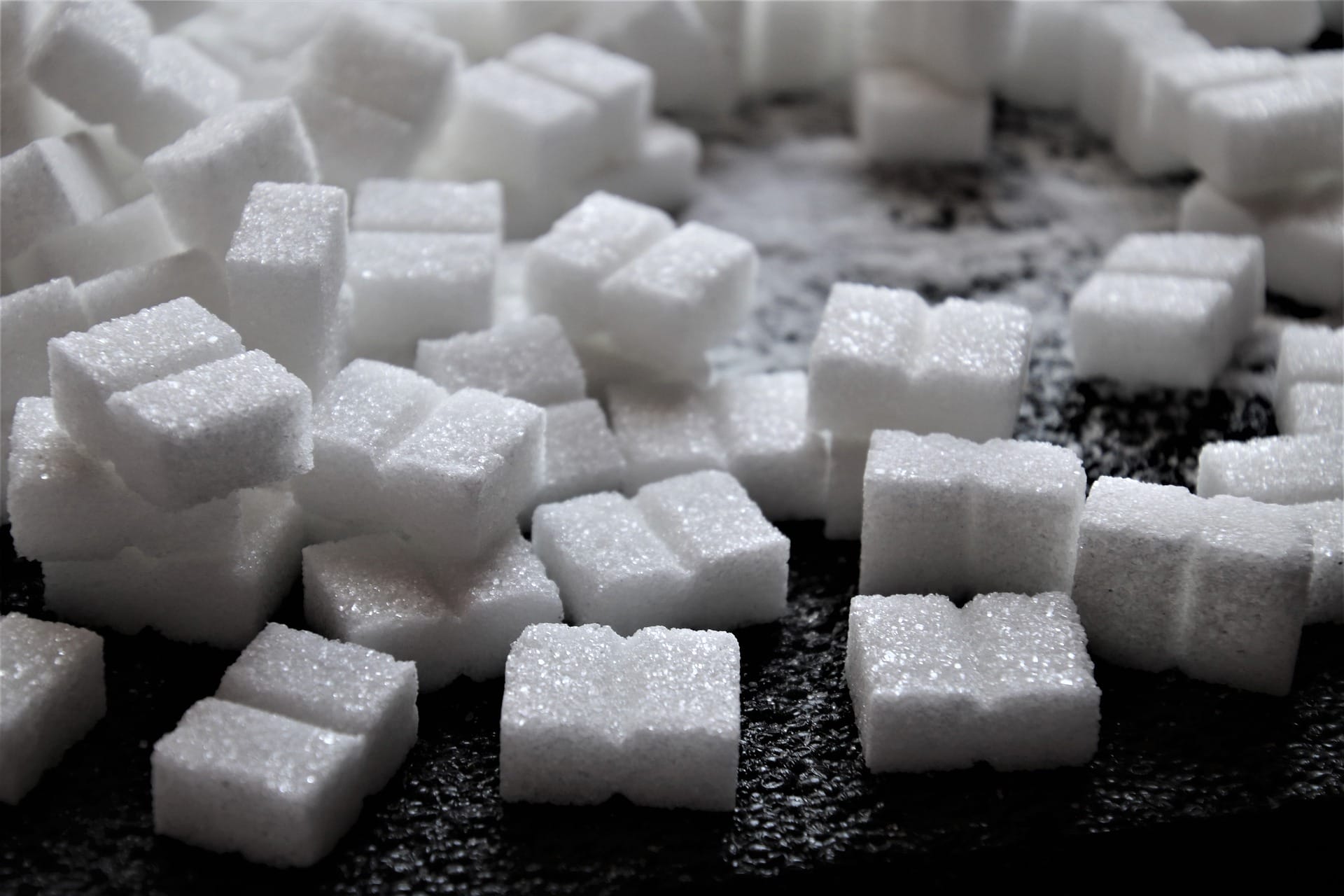
Similar to salt, sugar has an indefinite shelf life. Its crystalline structure prevents the growth of bacteria and mold. Whether you prefer white, brown, or powdered sugar, keeping it in an airtight container will ensure it stays usable forever. Sugar is perfect for baking, sweetening beverages, or even making homemade preserves.

It can also be used to create simple syrups for cocktails or to add a caramelized touch to savory dishes. Proper storage will prevent it from hardening or clumping, ensuring it’s always ready to use. Beyond the kitchen, sugar can be used in skincare as an exfoliant, making it a versatile pantry staple.

5. Dried Beans

dried beans
pixabay

Dried beans are a powerhouse of nutrition and can last indefinitely when stored correctly. They need to be kept in a cool, dry place, away from moisture and pests. While they may take longer to cook as they age, their nutritional value remains intact. Dried beans are an excellent source of protein, fiber, vitamins, and minerals, making them a nutritious addition to any meal.

They can be used in a variety of dishes, from soups and stews to salads and casseroles. To ensure they cook evenly, consider soaking them overnight before use. They are a great source of protein and fiber, making them an excellent addition to soups, stews, and salads. Proper storage and preparation can make dried beans a cost-effective and nutritious staple.

6. Pure Maple Syrup

maple syrup
pixabay

Pure maple syrup, unlike its artificial counterparts, can last indefinitely if unopened. Once opened, it should be refrigerated, but it will still last for years. Its high sugar content acts as a preservative, preventing the growth of bacteria and mold. Use it to add natural sweetness to pancakes, and waffles, or even as a flavor enhancer in cooking and baking.

Pure maple syrup is also rich in antioxidants and has a unique flavor that artificial syrups can’t replicate. It can be used as a natural sweetener in marinades, dressings, and even desserts. Always store it in a glass container to preserve its quality and prevent any off-flavors from developing.

7. Cornstarch

cornstarch
123rf

Cornstarch is a staple thickening agent in many kitchens and can last forever if stored properly. Keep it in a cool, dry place in an airtight container to prevent it from absorbing moisture. It’s perfect for thickening soups, sauces, and gravies, and even for making homemade cleaning products.

Cornstarch is also used in baking to create a lighter, fluffier texture in cakes and cookies. Additionally, it can be used in DIY beauty treatments, such as dry shampoo or face masks. Its versatility extends to household uses, like starching clothes or soothing skin irritations. By keeping it well-sealed, you can ensure it remains a reliable pantry item for years to come.

8. Vinegar

vinegar
pixabay

Vinegar, particularly white vinegar, has an indefinite shelf life. Its acidic nature makes it self-preserving. Vinegar remains stable over time, whether you use it for cooking, pickling, or cleaning. Store it in a cool, dark place, and it will be ready whenever you need it.

Vinegar is an essential ingredient in many recipes, adding a tangy flavor to salads, marinades, and sauces. It’s also a powerful natural cleaner and disinfectant, perfect for cleaning surfaces and eliminating odors. Vinegar can even be used in gardening to help control weeds. Its versatility and longevity make it a must-have item in any household.

9. Soy Sauce

soy sauce
pixabay

Soy sauce is a fermented product that can last indefinitely due to its high salt content. As long as it is stored properly, in a cool, dark place, and tightly sealed, it won’t spoil. It adds a savory, umami flavor to dishes, making it a must-have condiment in your pantry. Soy sauce is essential in many Asian cuisines and can be used in marinades, stir-fries, and dipping sauces.

It’s also a great way to add depth of flavor to soups and stews. The fermentation process not only enhances its taste but also preserves its shelf life. For the best quality, choose traditionally brewed soy sauce and keep it tightly sealed after each use.

10. Hard Liquor

hard liquor
pixabay

Hard liquors like whiskey, vodka, and rum have an indefinite shelf life when stored properly. Their high alcohol content prevents the growth of bacteria and mold. Keep them in a cool, dark place, and they will remain safe to drink indefinitely. Use them for cocktails, cooking, or as a disinfectant in a pinch.

Hard liquor can also be a valuable barter item in emergencies. Additionally, certain types of liquor, such as whiskey, can develop more complex flavors over time when stored properly. Whether for entertaining guests or use in culinary creations, having a variety of hard liquors on hand ensures you’re always prepared.

11. Bouillon Cubes

bouillon
123rf

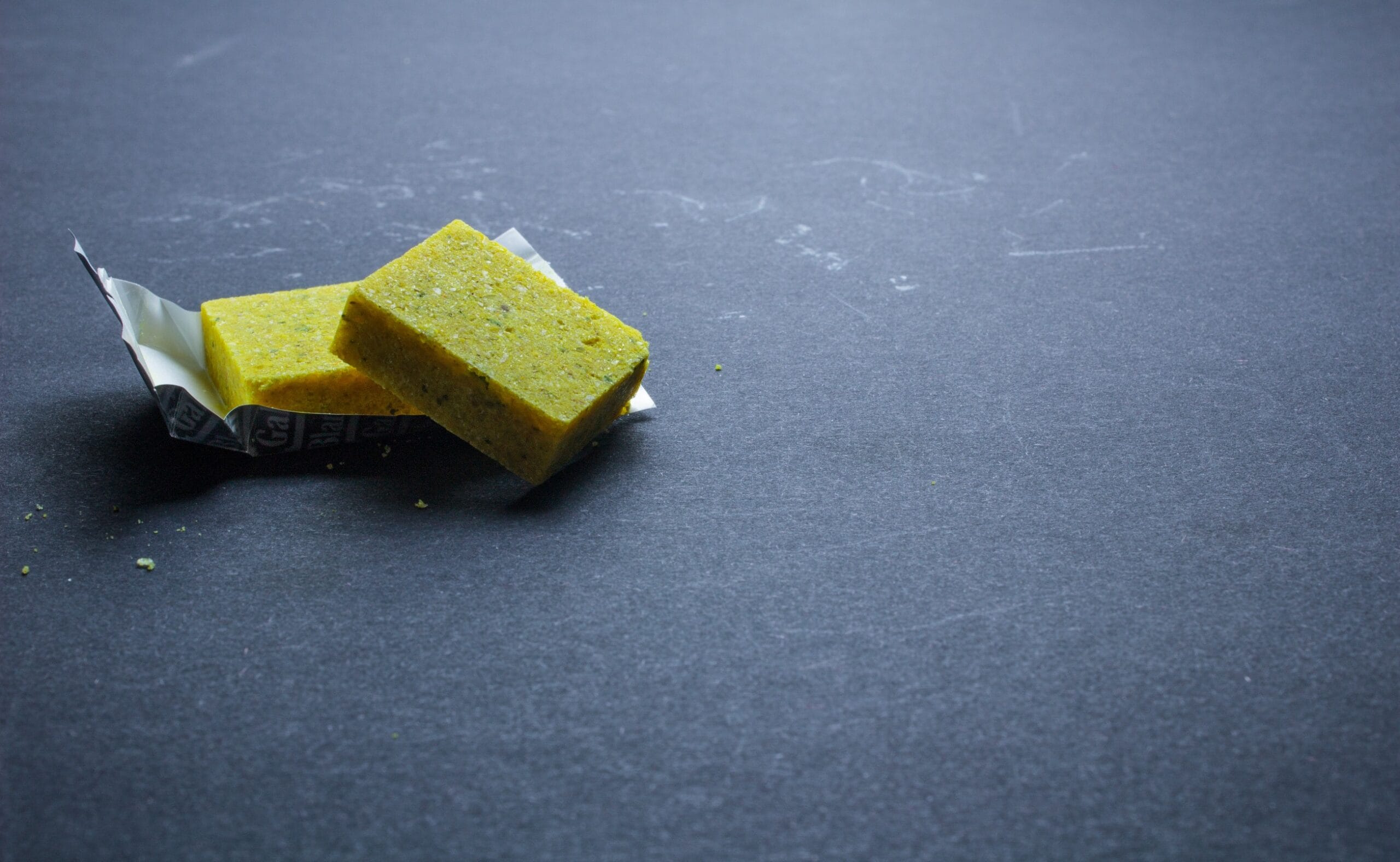
Bouillon cubes or granules are dehydrated broth that can last indefinitely when kept in a cool, dry place. They are perfect for adding flavor to soups, stews, and sauces. Their high salt content acts as a preservative, ensuring they remain safe to use over time. Bouillon cubes are convenient and can quickly enhance the taste of your dishes without the need for fresh broth.

They come in various flavors, including chicken, beef, and vegetables, making them versatile for different recipes. For best results, keep them in an airtight container to prevent moisture from affecting their texture and flavor.

12. Instant Coffee

Coffee
pixabay

Instant coffee has a very long shelf life due to its low moisture content. As long as it is kept in a dry, airtight container, it will stay fresh for years. It’s a convenient option for a quick caffeine fix or for adding flavor to recipes like desserts and marinades.

Instant coffee is also useful for making quick coffee-flavored drinks, such as iced coffee or frappes. It can be a lifesaver during power outages when you can’t brew a fresh pot. Keep it in your pantry for those times when you need a fast and easy coffee solution. Also, it can be used in baking to enhance the flavor of chocolate or in savory dishes to add depth.

Having these forever foods in your pantry not only ensures you are prepared for any situation but also helps reduce food waste and save money. By understanding which foods never expire, you can make smarter choices when stocking up on essentials.

Food That Will Outlast Us

Fermenting
Pixabay

Stocking your pantry with these non-perishable items is a smart move for any household. They provide reliability and convenience, ensuring you’re always prepared. For more tips on food storage and emergency preparedness, be sure to subscribe to our newsletter and follow us on social media.

Stephen Kanaval
Stephen Kanaval

Stephen began his career as a Research Assistant at a reputable middle-market private equity firm, where he honed his skills in market research, financial analysis, and identifying investment opportunities. He then transitioned to full-time financial writing focusing on small-cap biotech innovation and digital payment solutions. Today, Stephen is a value-based retail investor and novice baseball statistician.

Filed Under: Lifestyle Tagged With: food, Foods that don't expire, Kitchen, Pantry

Cold Hard Facts: 12 Unexpected Complications of Electric Scooters

May 31, 2024 by Stephen Kanaval Leave a Comment

Electric scooter closeup
123rf

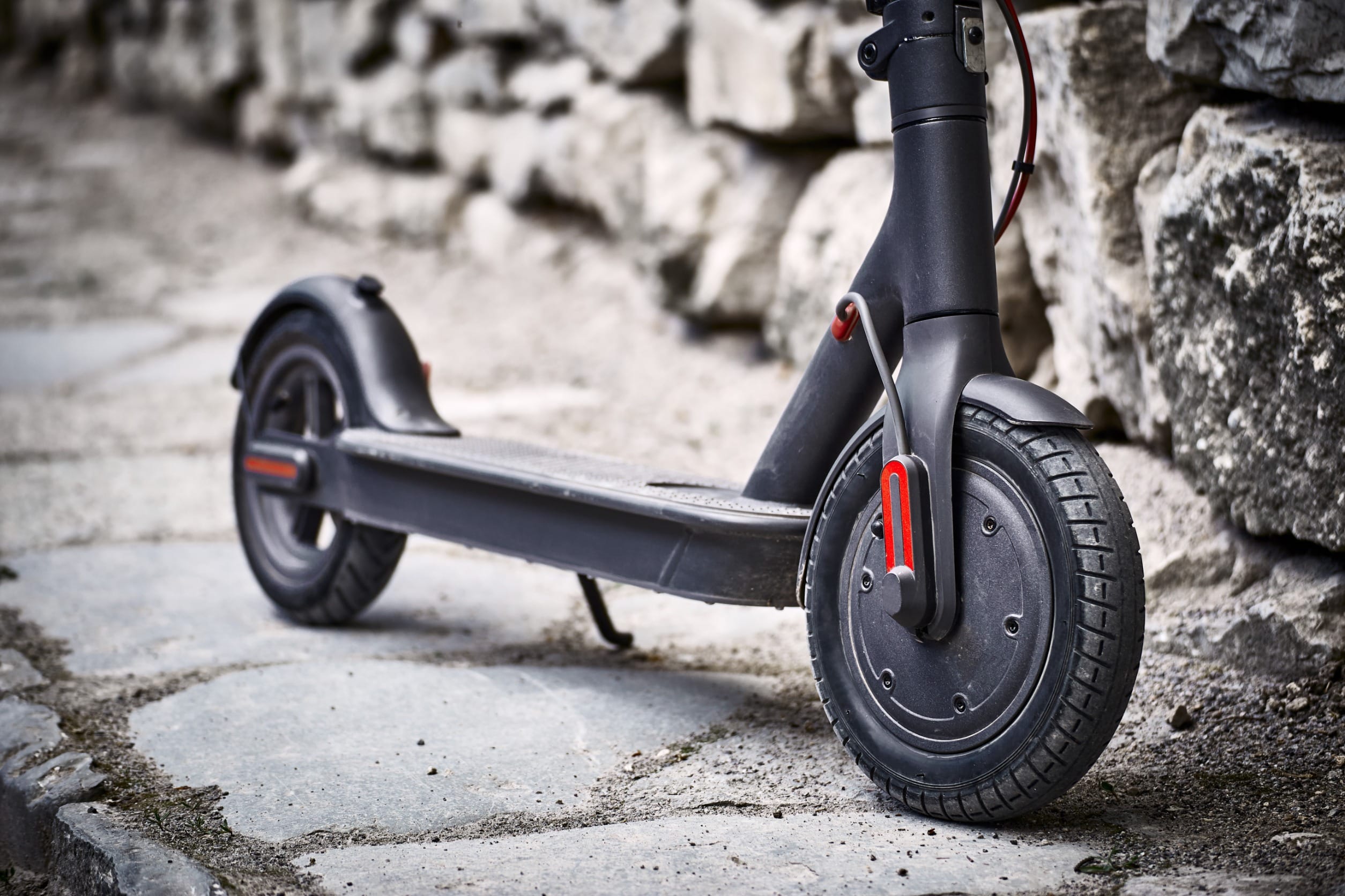
Electric scooters have surged in popularity as a convenient and eco-friendly mode of urban transportation. However, despite their appeal, they come with a host of unexpected complications. Here are 12 cold hard facts about electric scooters that you might not have considered.

1. Safety Concerns

Urban scooters
unsplash

While electric scooters are undeniably fun and efficient, they come with significant safety risks that cannot be ignored. Riders often neglect to wear helmets, drastically increasing the likelihood of head injuries in the event of an accident. The small wheels of scooters make it challenging to navigate uneven surfaces, potholes, and debris, which can easily lead to crashes.

Plus, inexperienced riders frequently struggle with maintaining balance and control, particularly at higher speeds or on crowded streets. The combination of these factors results in a higher incidence of accidents and injuries. To address these safety issues, there is an urgent need for improved rider education, mandatory safety gear, and stricter regulations to ensure the well-being of all users.

2. Urban Clutter

Lots of scooters
unsplash

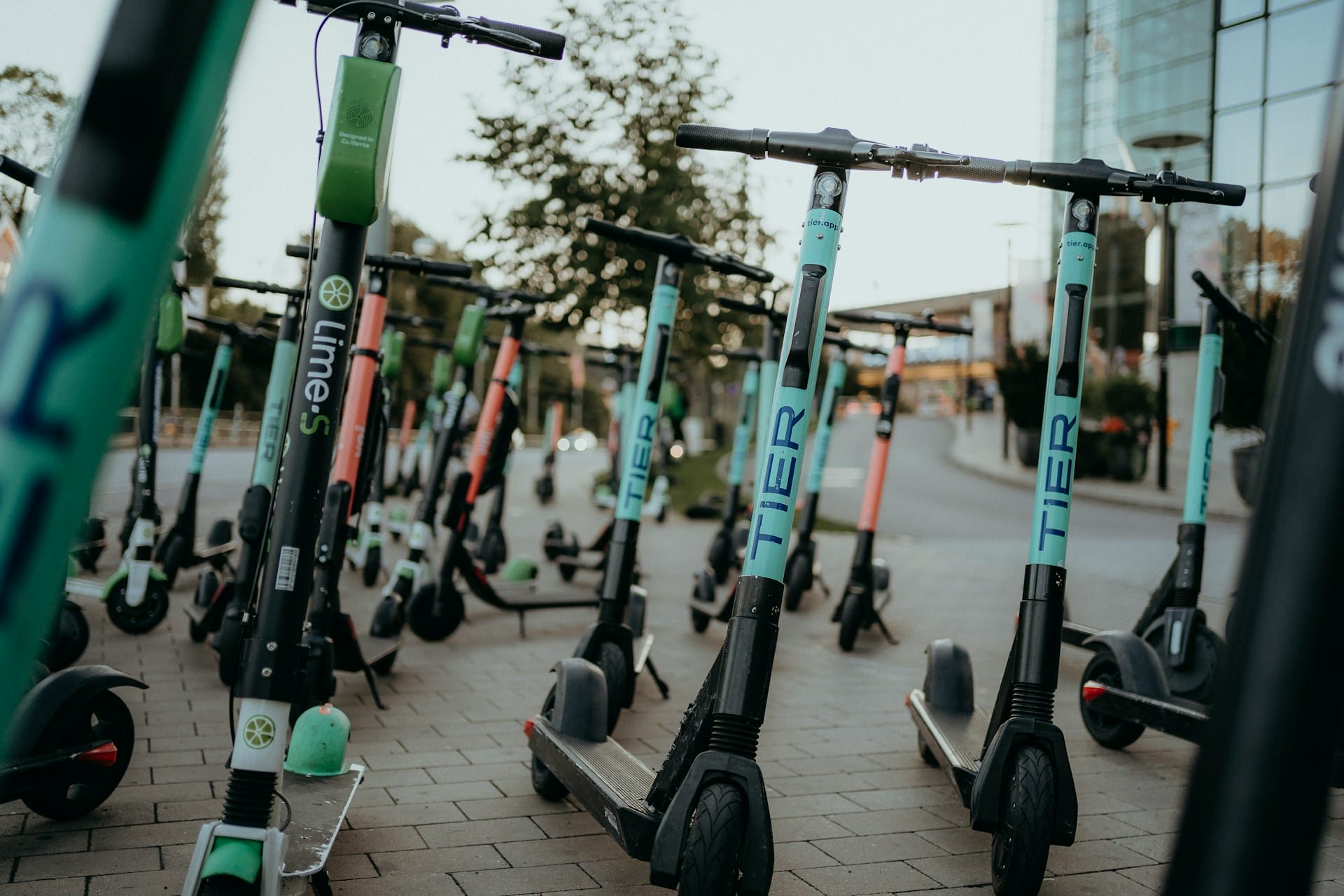
Electric scooters, while convenient, often contribute to significant urban clutter. Riders frequently leave them haphazardly on sidewalks, creating obstacles that impede pedestrian traffic. This clutter is especially problematic for individuals with disabilities, parents pushing strollers, and the elderly, who may find it difficult to navigate around the scattered scooters.

In many cities, the rapid proliferation of shared scooters has turned public spaces into virtual obstacle courses, making it challenging for everyone to move freely. To mitigate these issues, effective management strategies and designated parking areas are essential.

Until these measures are widely implemented, scooters will continue to add to the chaos and inconvenience on busy streets and sidewalks, detracting from their potential benefits.

3. Maintenance and Durability

Carrying scooter
123rf

Despite their sleek and modern design, electric scooters are prone to frequent wear and tear. Constant use and exposure to various weather conditions can lead to mechanical failures and battery issues, compromising the safety and reliability of these vehicles. Regular maintenance is crucial to keep scooters in optimal operating condition, but this is often overlooked, particularly in shared scooter fleets where high usage rates and minimal oversight are common.

The rapid turnover of shared scooters also raises concerns about their environmental sustainability, as discarded units contribute to electronic waste. To address these challenges, investing in higher-quality materials and implementing robust maintenance practices are essential.

Ensuring the longevity and sustainability of electric scooters will not only enhance their performance but also reduce their environmental impact, making them a more viable long-term transportation solution.

4. Battery Disposal Issues

Line of scooters
pixabay

Electric scooters rely on lithium-ion batteries, which pose significant disposal challenges. Improper disposal of these batteries can lead to environmental hazards, including soil and water contamination. The mining of lithium and other materials used in batteries has its own environmental impact.

As the popularity of electric scooters grows, so does the need for responsible battery recycling programs. Without proper disposal practices, the environmental benefits of electric scooters are diminished.

5. Insurance Complications

Scooter insurance
123rf

Insurance coverage for electric scooter accidents is often murky. Many personal insurance policies do not cover scooter-related injuries or damages, leaving riders vulnerable. Determining liability in accidents involving scooters can be complex, especially in cases involving shared scooters.

Riders need to be aware of their insurance options and potential liabilities before hitting the road. The legal landscape surrounding scooter insurance needs to evolve to provide better protection for users.

6. Legal and Regulatory Challenges

2 scooter regs
123rf

The rapid rise of electric scooters has outpaced the development of regulations to govern their use. In many cities, laws regarding where and how scooters can be ridden are still unclear. This regulatory ambiguity can lead to conflicts between riders, pedestrians, and motorists.

Cities need to develop clear and consistent regulations to ensure the safe and orderly use of electric scooters. Until then, riders must navigate a patchwork of rules that can vary widely from one place to another.

7. Impact on Public Transportation

Public transportation
unsplash

Electric scooters can both complement and compete with public transportation. While they provide a convenient last-mile solution, they can also draw riders away from buses and trains. This shift can impact public transportation revenue and the overall efficiency of urban transit systems.

Cities need to integrate scooters into their transportation planning to maximize benefits and minimize disruptions. Understanding the role of scooters in the broader transit ecosystem is key to achieving this balance.

8. Weather-Related Issues

Bad weather
123rf

Scooters are not well-suited for all weather conditions. Rain, snow, and ice can make scooter riding hazardous and uncomfortable. In regions with harsh weather, the use of electric scooters may be limited to certain times of the year. Riders need to be aware of weather-related risks and take precautions when necessary. Cities should also consider weather conditions when planning infrastructure and regulations for scooter use.

9. Limited Range and Battery Life

Scooter dumped
unsplash

The range of electric scooters is often limited, making them unsuitable for longer commutes. Frequent charging is necessary, which can be inconvenient for riders. Battery life can also diminish over time, further reducing the effective range of the scooter. Riders need to plan their trips carefully to avoid running out of battery mid-journey. Improvements in battery technology are needed to extend the range and reliability of electric scooters.

10. Vandalism and Theft

Vandalism Scooters
unsplash

Electric scooters are frequently targeted for theft and vandalism. The lightweight and portable nature of scooters makes them easy targets for thieves. Vandalism, including damage to the scooters and their components, is also a common issue. These problems can result in significant costs for scooter companies and inconvenience for users. Enhanced security measures and public awareness campaigns are needed to combat theft and vandalism.

11. Health and Fitness Concerns

Health and scooters
123rf

While electric scooters are convenient, they do not provide the same health benefits as walking or cycling. Reliance on scooters for short trips can reduce physical activity, potentially impacting overall fitness levels and weight loss efforts.

Encouraging a balanced approach to transportation that includes walking and cycling is important for public health. Riders should be mindful of incorporating physical activity into their daily routines to maintain fitness and support weight management goals.

12. Accessibility Issues

Scooters and accessibility
123rf

Electric scooters are not accessible to everyone. People with disabilities or mobility challenges may find scooters difficult or impossible to use. Additionally, the placement of scooters on sidewalks can obstruct pathways, making it harder for those with mobility aids to navigate. Inclusive design and thoughtful placement of scooters are essential to address these accessibility concerns. Ensuring that new transportation options are accessible is crucial for equitable urban mobility.

Ride at Your Own Risk

Scooter pile
pixabay

Electric scooters offer many benefits, but they also come with unexpected complications. From safety concerns to regulatory challenges, it’s important to be aware of these issues before hopping on a scooter. As cities and companies work to address these complications, riders can contribute by staying informed and riding responsibly. If you’re considering using an electric scooter, take the time to understand the potential risks and how to mitigate them. Together, we can make urban transportation safer and more efficient for everyone.

Stephen Kanaval
Stephen Kanaval

Stephen began his career as a Research Assistant at a reputable middle-market private equity firm, where he honed his skills in market research, financial analysis, and identifying investment opportunities. He then transitioned to full-time financial writing focusing on small-cap biotech innovation and digital payment solutions. Today, Stephen is a value-based retail investor and novice baseball statistician.

Filed Under: Lifestyle Tagged With: Electric scooters, Electric Vehicles, technology

10 Things You Should Never Forget When Moving

May 22, 2024 by Teri Monroe Leave a Comment

moving
123rf

Moving to a new home marks the start of an exciting chapter, but it can also be a whirlwind of stress and chaos. From packing up your belongings to coordinating logistics, there’s a lot to remember amidst the hustle and bustle. But fear not! We’ve compiled a comprehensive guide of the top 10 things you should never forget when moving. Whether you’re a first-time mover or a seasoned pro, these tips will ensure a smooth transition to your new abode.

1. Plan Ahead to Stay Ahead

plan ahead
123rf

Moving day can sneak up on you if you’re not careful, so start planning well in advance. Create a timeline that outlines tasks such as decluttering, packing, and scheduling movers. Enlist the help of friends and family well in advance, as well. By breaking down the process into manageable steps, you’ll avoid feeling overwhelmed and ensure everything gets done on time.

2. Declutter Like a Pro

declutter
123rf

Moving presents the perfect opportunity to declutter and streamline your belongings. Take stock of what you own and ruthlessly purge items you no longer need or use. Consider donating gently used clothes, furniture, and household items to charity or selling them online. Not only will this lighten your load come moving day, but it’ll also help you start fresh in your new space.

3. Pack Smarter, Not Harder

pack smarter
123rf

Packing can be a daunting task, but with the right approach, it can also be surprisingly efficient. Invest in sturdy moving boxes, packing tape, and bubble wrap to protect your belongings during transit. Be sure to label each box with its contents and the room it belongs to, making unpacking a breeze. And don’t forget to pack a “first-night” box with essentials like toiletries, bedding, and a change of clothes to keep you comfortable as you settle in.

4. Notify the Necessary Parties

mailman
123rf

Don’t let your mail get lost in the shuffle. Be sure to notify the post office of your change of address at least a week before your move. Additionally, inform banks, credit card companies, insurance providers, and any other relevant institutions of your new address to ensure a seamless transition. And don’t forget to update your information with online retailers, subscription services, and utility providers to avoid any interruptions in service.

5. Arrange for Utilities

utilities
123rf

Few things are more frustrating than moving into a new home only to find yourself without electricity, water, or internet. Arranging for utilities is a crucial step when moving to a new home to ensure a seamless transition. Contact utility providers well in advance to schedule disconnection at your old address and connection at your new one.

Double-check the dates and confirmations to avoid any last-minute surprises on moving day. Be prepared to provide necessary information such as your new address, move-in date, and account details to facilitate the process. Additionally, inquire about any setup fees, deposit requirements, or special instructions specific to your utility providers to avoid any delays or misunderstandings.

6. Protect Your Valuables

movers
123rf

When it comes to your most prized possessions, it’s better to be safe than sorry. Keep important documents, jewelry, and sentimental items with you rather than entrusting them to movers or packing them away in boxes. This way, you can closely monitor their whereabouts and prevent loss or damage. Additionally, consider investing in special containers or padding to provide extra protection for fragile or delicate items during transit.

7. Inspect Your New Digs

inspect home
123rf

Before you start unpacking boxes and arranging furniture, take some time to thoroughly inspect your new home. Check for any pre-existing damage or issues that need addressing, such as leaky faucets, cracked windows, or faulty appliances. Often, you will find damage during your final walk-through that may have been covered by rugs or pictures. Document any findings and communicate them to your landlord or real estate agent to ensure they’re resolved in a timely manner.

8. Consider Your Furry Friends

family dog
123rf

Moving can be stressful for pets, so be sure to consider their needs throughout the process. Keep them calm and comfortable on moving day by providing familiar bedding, toys, and treats. If you’re traveling a long distance, plan for rest stops and overnight accommodations that are pet-friendly. Once you’ve arrived at your new home, take some time to explore the neighborhood and establish a routine to help them acclimate.

9. Say Goodbye (and Hello!)

empty house
123rf

Moving is as much about saying goodbye to your old home as it is about saying hello to your new one. Take the time to bid farewell to your old neighborhood, neighbors, and favorite places before you embark on your new adventure. Consider taking pictures outside your old home before you leave. Once you’ve settled into your new digs, be sure to introduce yourself to your neighbors and explore your surroundings to make it feel like home.

10. Embrace the Adventure

moving
123rf

Above all, remember that moving is an adventure and there may be hiccups along the way. Try to take setbacks in stride and remember that moving is a chance to start anew and create the life you’ve always dreamed of. Embrace the challenges and uncertainties that come with the journey, knowing that each obstacle you overcome brings you one step closer to your goals. As you settle into your new home and begin to make memories, cherish the experience and celebrate the exciting chapter that lies ahead.

Making The Transition Easier

new house
123rf

Moving doesn’t have to be a stressful ordeal. With careful planning, organization, and a positive attitude, you can make the transition to your new home with ease. By remembering these 10 vital tips, you’ll be well-equipped to tackle any challenges that come your way and embark on the next chapter of your life with confidence and excitement. Happy moving!

Read More

11 Fashion Trends Gen Z Loves That Millennials Just Can’t Understand

Common 401k Mistakes You Don’t Want to Make

Photograph of Teri Monroe
Teri Monroe
Teri Monroe started her career in communications working for local government and nonprofits. Today, she is a freelance finance and lifestyle writer and small business owner. Teri holds a B.A. From Elon University.  In her spare time, she loves golfing with her husband, taking her dog Milo on long walks, and playing pickleball with friends.



Filed Under: Lifestyle Tagged With: Lifestyle, moving, moving tips

  • « Previous Page
  • 1
  • …
  • 33
  • 34
  • 35
  • 36
  • Next Page »

Follow Us

Search this site:

Recent Posts

  • Can My Savings Account Affect My Financial Aid? by Tamila McDonald
  • 12 Ways Gen X’s Views Clash with Millennials… by Tamila McDonald
  • What Advantages and Disadvantages Are There To… by Jacob Sensiba

  • Call 911: Go To the Emergency Room Immediately If… by Stephen Kanaval
  • 7 Weird Things You Can Sell Online by Tamila McDonald

  • 10 Scary Facts About DriveTime by Tamila McDonald
  • How to Avoid NJ Exit Tax by Jacob Sensiba

Copyright © 2026 · News Pro Theme on Genesis Framework