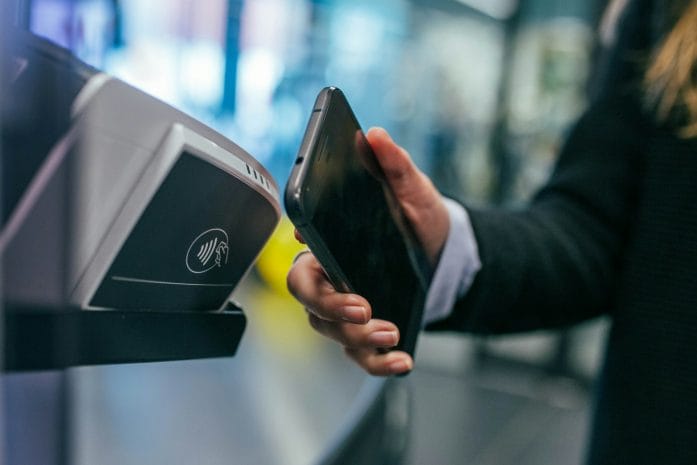
Ever pulled out a crumpled dollar bill at the grocery store and wondered if paper money will even exist in ten years? The financial world is hurtling into a cashless future faster than most people realize, and banks are leading the charge. Across the country, institutions are investing heavily in digital payment systems, mobile apps, and online banking features that make physical money seem almost prehistoric. From tap-to-pay smartphones to instant peer-to-peer transfers, the days of waiting for checks to clear or fumbling for coins are slipping away. This shift isn’t just about convenience; it’s reshaping how money flows in everyday life, and it’s happening faster than many customers can keep up with.
As banks go fully digital, they aren’t just changing how people pay—they’re changing how people think about money itself. The rise of digital payments is influencing spending habits, saving patterns, and even the way we handle financial emergencies. That’s why understanding what’s happening now isn’t just smart—it’s essential.
The Digital Dollar Is Taking Over
The push toward digital payments isn’t a gimmick or a passing trend. Banks are increasingly phasing out paper checks and encouraging customers to adopt mobile wallets, contactless cards, and app-based transfers. Digital transactions have been growing at double-digit rates over the past few years, with mobile payments like Apple Pay, Google Wallet, and Venmo accounting for a substantial share of everyday transactions. The convenience of sending money with a tap or a swipe is undeniable, but there’s more than just speed at play here. Banks also see digital payments as a way to collect data, streamline operations, and reduce the costs associated with handling physical cash.
For consumers, this transition means reevaluating how they carry and use money. A digital-first approach can save time and make budgeting easier, as app notifications track spending in real time and allow users to categorize expenses automatically. However, it also comes with responsibilities. Digital wallets and banking apps are vulnerable to hacks, phishing scams, and identity theft if users aren’t careful. The key takeaway? Embracing digital payments doesn’t mean giving up control—it means staying vigilant and using the tools smartly. Learning to protect passwords, enabling two-factor authentication, and keeping software updated aren’t optional anymore—they’re essential.
Goodbye Cash, Hello Convenience
The appeal of a cashless lifestyle isn’t hard to see. Forget digging for coins or standing in line to deposit checks. Mobile and online payments let people pay bills, split tabs, and shop online faster than ever. But convenience doesn’t automatically translate to safety. While banks implement encryption and security protocols to protect transactions, individuals must also adopt safe practices to avoid cyber threats. Using verified apps, avoiding public Wi-Fi for financial activities, and monitoring accounts for unusual activity are critical steps.
Moreover, the rise of digital payments has sparked a cultural shift. Spending money has become instantaneous and often less tangible. People feel the financial impact in real time rather than counting physical cash, which can influence budgeting habits. For some, this is empowering; for others, it may require adopting new strategies to avoid overspending. Automated alerts, digital envelopes, and regular app-based reconciliations can help keep spending habits in check while embracing the speed and simplicity of modern banking.
The Banks’ Big Bet on Mobile
It isn’t just consumers driving the move to digital payments—banks are betting big on mobile-first experiences. Apps now allow users to deposit checks with a photo, transfer money instantly to friends and family, and even track credit scores all in one place. According to studies, many U.S. banks have upgraded their mobile platforms to support advanced features, signaling a clear commitment to a fully digital future. The competition isn’t just about convenience—it’s about survival in a world where nimble fintech companies are snapping at the heels of traditional institutions.
For customers, this means more options but also more decisions. Comparing app features, transaction fees, and security protocols can help ensure that choosing a digital bank aligns with personal financial goals. Experimenting with different tools—like budgeting integrations, AI-powered alerts, or investment tracking features—can turn mobile banking from a mundane task into a genuinely useful resource. Staying informed and proactive allows people to take full advantage of what banks are offering without being blindsided by fees or limitations.
Protecting Your Money in a Digital World
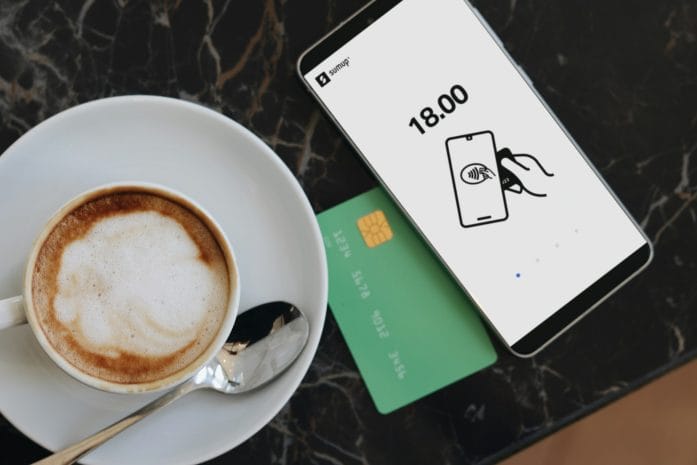
As digital payments dominate, protecting financial data has never been more critical. Cybersecurity threats evolve alongside technology, and relying solely on a bank’s security measures isn’t enough. Consumers must take active steps, such as using strong, unique passwords, monitoring accounts daily, and setting up fraud alerts. Biometrics, like fingerprint or facial recognition, add another layer of protection, especially for mobile payments.
Beyond security, having a backup plan for emergencies remains essential. Even the most tech-savvy individuals can encounter outages, frozen accounts, or lost devices. Keeping a small reserve of cash for unavoidable situations and knowing alternative payment options can prevent panic if digital systems fail. The goal isn’t to fear the digital shift but to navigate it confidently and safely, ensuring that convenience never comes at the expense of security.
Embracing the Future Without Losing Control
The all-digital payment era promises speed, simplicity, and efficiency, but it also demands responsibility and awareness. Banks are accelerating this transition, and consumers who adapt quickly can reap the benefits while staying protected. Learning how to manage digital wallets, safeguard accounts, and track spending proactively transforms what might feel like a chaotic shift into a smooth, empowering experience.
The move toward cashless living isn’t just a technical evolution—it’s a lifestyle change. Embracing it offers remarkable opportunities for efficiency, financial insight, and convenience, as long as people stay attentive to the risks. Thinking strategically about security, budgeting, and emergency plans allows anyone to thrive in a fully digital banking environment. As banks continue to innovate, the question isn’t whether the shift will happen—it’s how well people will adapt and take control of their digital financial future.
What strategies or tools have worked best for navigating digital payments? Give us your ideas, experiences, and tips in the comments below and spark the conversation about mastering money in the digital age.
You May Also Like…
Biometric Banking and the Rise of Fraud Concerns in 2026
5 Budgeting Apps That Integrate With Biometric Banking
6 Data-Scraping Features in Online Banking
6 Banking Terms That Invalidate Joint Ownership Intentions
What Are the Hidden Dangers of Digital-Only Banking?

Brandon Marcus is a writer who has been sharing the written word since a very young age. His interests include sports, history, pop culture, and so much more. When he isn’t writing, he spends his time jogging, drinking coffee, or attempting to read a long book he may never complete.
Leave a Reply