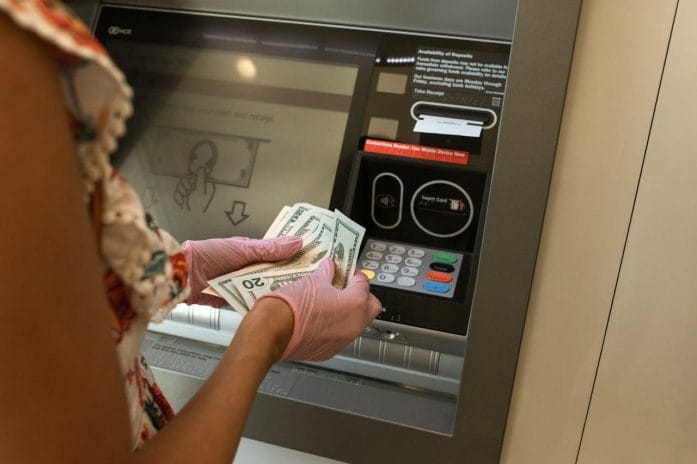
We all know that money moves faster than gossip, and some of your financial transactions might already be under the microscope without you even knowing. Every swipe, transfer, and deposit has the potential to catch the attention of regulators, banks, or the IRS. Most people think only massive transfers ring alarm bells, but the reality is far more nuanced. Financial institutions must file certain reports to comply with laws, and those reports can include transactions that seem mundane.
Awareness isn’t just about avoiding trouble—it’s about making smarter choices and staying in control. From large cash deposits to frequent wire transfers, some routine financial activities might be reported automatically. Even digital payments can trigger reports under specific thresholds or patterns. The key is knowing what falls under the radar, why it matters, and what proactive steps can help keep everything above board.
1. Big Cash Deposits: When Your Wallet Makes Headlines
Dropping thousands of dollars in cash at your bank might feel like a private victory, but the government has a keen eye on this type of movement. Any cash deposit over $10,000 triggers a Currency Transaction Report (CTR), which goes straight to the Financial Crimes Enforcement Network (FinCEN). Banks have to report this to comply with anti-money laundering laws. Even structured deposits just under the $10,000 mark, if repeated, can catch attention through Suspicious Activity Reports (SARs). The IRS uses these reports to monitor unusual cash inflows, making it essential to understand limits.
It’s not just about large sums. A series of smaller deposits might look innocent but can appear as an attempt to avoid reporting, a practice known as structuring. Banks monitor accounts for these patterns and may file a SAR if they detect suspicious behavior. To avoid unnecessary headaches, maintain records of large transactions and be transparent with your bank if you expect frequent big deposits. Planning ahead and communicating with your financial institution helps keep transactions smooth, compliant, and stress-free. This knowledge empowers smarter financial decisions, avoiding unintended attention.
2. Wire Transfers: The Digital Fingerprints
Sending money electronically seems quick and effortless, but wire transfers leave detailed trails. Financial institutions must report certain domestic and international wire transfers. These records include sender and recipient information, creating a paper trail that regulators can follow if needed. International transfers can also trigger additional reporting requirements under the Bank Secrecy Act, making transparency critical for cross-border transactions.
Even small transfers can attract scrutiny if patterns suggest unusual activity. Repeated high-volume transfers or payments to unfamiliar accounts may prompt banks to file a Suspicious Activity Report. To stay ahead, use reliable services, double-check recipient details, and maintain documentation of the transaction’s purpose. Being organized ensures that your transfers remain smooth, compliant, and stress-free. It’s a small step that saves major headaches down the line while protecting both personal finances and reputations.
3. Cryptocurrency Moves: Digital Currency, Real-World Rules
Buying, selling, or transferring cryptocurrency may feel anonymous, but regulators increasingly track these transactions. The IRS considers cryptocurrency property for tax purposes, requiring reporting of gains and losses. Exchanges must report users’ transactions above specific thresholds, and wallets used for business purposes can attract reporting requirements. Even transferring digital coins between your own wallets may need documentation to avoid misunderstandings later.
Crypto doesn’t escape scrutiny just because it exists online. Large purchases, frequent trades, or transfers to exchanges without verified identities could trigger alerts. Keeping records of all transactions, including timestamps, amounts, and counterparties, is essential. Using reputable exchanges with strong reporting practices also helps stay compliant. Understanding crypto’s reporting obligations transforms digital currency from a confusing gray area into a manageable, strategic part of your financial life.
4. Gift Cards and Prepaid Cards: Tiny Packages, Big Attention
It’s easy to treat gift cards and prepaid debit cards as harmless tokens, but large purchases of these can trigger reporting. Banks may monitor purchases of prepaid cards, especially when done in bulk. These transactions sometimes appear similar to cash deposits, raising questions about the source of funds. In certain cases, regulators require reporting to ensure these instruments aren’t used for money laundering or tax evasion.
Avoid surprises by limiting large or repeated purchases of prepaid cards and keeping receipts for all transactions. Documenting the purpose—gifts, business expenses, or personal use—adds transparency. It’s a small habit that keeps financial activity clean and organized while ensuring compliance. Recognizing that even seemingly innocent purchases can be reported reinforces smart money management.
5. Foreign Accounts: Reporting Overseas Holdings
Having a bank account or investment abroad isn’t inherently suspicious, but the U.S. government takes notice. The Foreign Bank Account Report (FBAR) requires reporting accounts exceeding $10,000 in aggregate value. Failure to report can lead to steep penalties, even if the funds are fully legal. The IRS also expects individuals to report foreign investments for income tax purposes.
It’s easy to underestimate the reporting requirements when dealing with overseas accounts. Frequent transfers to and from foreign institutions or earnings from international investments require careful documentation. Using trusted financial advisors and maintaining detailed records ensures compliance while keeping international finances organized. Awareness of these rules avoids unnecessary complications and preserves financial security across borders.

6. Large Purchases with Financing: More Than a Swipe
Buying expensive items on credit or financing agreements doesn’t automatically sound like a reportable transaction, but it can be. Banks and lenders might report high-dollar loans or unusual payment patterns to regulatory bodies if they suspect fraud of any kind. Even multiple smaller financed purchases that collectively seem significant might attract attention. Financial institutions use these reports to assess risk and detect unusual patterns that could indicate fraud or money laundering.
To navigate large financed purchases, you should keep thorough records of transactions and their purposes. Inform your lender if you plan high-volume purchases or need unusual financing. Planning ahead can prevent unnecessary reports or investigations while ensuring smooth approval and tracking. Smart financial management often means balancing large acquisitions with careful documentation.
7. Cashing Checks and Money Orders: Paper Trails Everywhere
Checks and money orders seem old-school, but they carry a strong paper trail. Depositing large checks or money orders can sometimes trigger reports similar to cash deposits. Banks must report suspicious patterns or significant amounts exceeding $10,000, following federal regulations. Even money orders bought in batches can raise flags if patterns suggest an attempt to bypass reporting rules.
Document the source and purpose of large checks or money orders. Keeping receipts, noting sender information, and maintaining transaction records provides transparency. Proper documentation ensures smooth banking experiences and avoids misinterpretations by regulators. Awareness of how even traditional payment methods are monitored reinforces responsible financial habits.
Managing Transactions Wisely
Financial reporting isn’t about catching mistakes—it’s about accountability and safety. Large cash deposits, wire transfers, crypto trades, gift card bulk purchases, foreign accounts, financed purchases, and checks all carry reporting obligations that can trigger attention. By understanding these reporting thresholds and maintaining organized records, financial transactions become manageable and stress-free. Proactive communication with banks and advisors minimizes surprises and empowers confident decision-making. Staying informed transforms what might feel like scrutiny into a system that works for you rather than against you.
Which transactions have surprised you the most? Have you encountered any unexpected reporting situations or found clever ways to stay organized and compliant? Share your thoughts, stories, or strategies in the comments.
You May Also Like…
The $50k Dating Trap: 3 “First Date” Red Flags That Scream Financial Disaster
10 New Financial Regulations Your Bank Isn’t Telling You About
Are You Unknowingly Triggering Tax Penalties With December Transactions?
More Retirees Are Seeing Higher Medicare Costs—And It’s Tied to Income From Years Ago
Customers Beware: Banks Are Tightening Fraud Rules and Freezing Accounts Faster Than Ever

Brandon Marcus is a writer who has been sharing the written word since a very young age. His interests include sports, history, pop culture, and so much more. When he isn’t writing, he spends his time jogging, drinking coffee, or attempting to read a long book he may never complete.