• Home
  • About Us
  • Getting Finances Done
    • Hiring Advisors
    • Debt Management
    • Spending Plan
  • Insurance
    • Life Insurance
    • Health Insurance
    • Disability Insurance
    • Homeowners/Renters Insurance
  • Contact Us
  • Our Editorial Commitment

The Free Financial Advisor

You are here: Home / Archives for fintech trends

9 Digital Payment Habits That Banks Are Quietly Flagging in 2026

May 14, 2026 by Brandon Marcus Leave a Comment

9 Digital Payment Habits That Banks Are Quietly Flagging in 2026
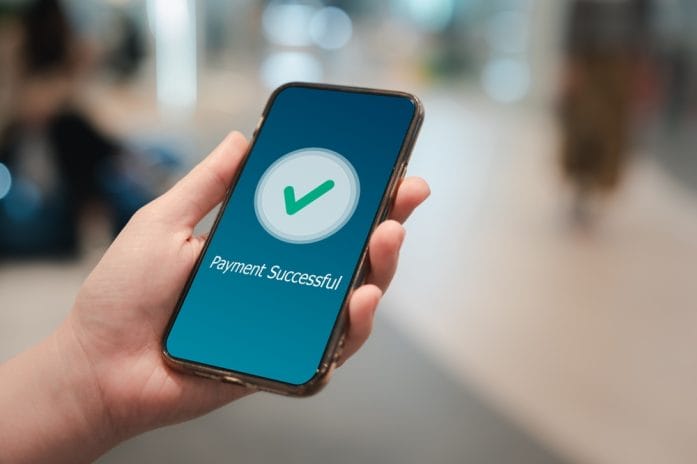
A digital payment being accepted on a smartphone – Shutterstock

Digital payments keep expanding across the United States, but banks now monitor transaction behavior more closely than ever. New fraud detection systems scan for patterns that signal risk, not just outright fraud. Everyday habits that once seemed harmless now trigger automated reviews or temporary holds.

Many consumers never realize their behavior raises internal “red flags” until a payment gets delayed or declined. These nine digital payment habits stand out as the ones banks quietly track in 2026.

1. Rapid Fire Transfers Between Multiple Apps

Banks now track how quickly money moves between apps like Venmo, Cash App, and Zelle. Fast, repeated transfers within minutes can look like layering, a tactic often linked to money laundering attempts. Even legitimate users sometimes trigger alerts when they split payments across platforms to manage expenses. Fraud detection systems often freeze transactions for review when they detect rapid cycling behavior. Users who space out transfers and keep clear records avoid unnecessary interruptions.

Financial institutions also compare transaction timing with typical user behavior patterns. Sudden spikes in activity often raise more scrutiny than the dollar amount itself. Many banks now use AI-driven monitoring tools that flag “velocity patterns” instead of just large transfers. Consumers who frequently bounce funds between accounts may notice delayed settlements. Slow and consistent payment habits reduce the chance of automated intervention.

2. Repeated Small Transfers That Add Up

Banks increasingly watch for structured payments that break larger amounts into smaller chunks. This pattern once helped fraudsters avoid reporting thresholds, so systems now detect it aggressively. Even everyday users who split rent, bills, or group expenses can trigger alerts if patterns look unusual. Multiple $50 transfers within a short window can raise more concern than a single $300 payment. Clear descriptions and predictable timing help reduce unnecessary flags.

Modern banking systems now group related transactions to detect intentional fragmentation. AI tools analyze both frequency and intent behind small transfers. Users who frequently send micro-payments to new recipients face higher scrutiny. Payment history consistency plays a major role in account stability reviews. Simple consolidation of payments often keeps accounts in good standing.

3. Unusual Late-Night Spending Spikes

Banks track transaction timing as part of behavioral authentication systems. Late-night spending spikes, especially outside normal patterns, often trigger fraud checks. A user who typically shops during daytime hours may face alerts if sudden midnight transactions appear. Systems treat these shifts as potential account compromise signals. This behavior often leads to temporary card locks or verification requests.

Time-based monitoring has grown more precise in 2026. Algorithms compare activity against weeks or months of past habits. A sudden change in spending hours often triggers automated identity checks. Many users experience declines at gas stations, online retailers, or travel apps when this happens. Maintaining consistent usage windows helps reduce disruptions.

4. Frequent Refunds and Chargebacks

Banks and payment processors closely monitor refund-heavy accounts. High refund rates can signal product disputes, scams, or resale manipulation. Even legitimate sellers who handle returns frequently can trigger risk scoring increases. Chargebacks carry even more weight because they involve direct bank intervention. Merchants and consumers both face scrutiny when disputes become routine.

Financial institutions treat chargebacks as a reliability metric. Too many disputes can lead to account restrictions or higher processing fees. Banks also compare refund ratios across similar user profiles. Sudden spikes in disputes often trigger manual reviews. Keeping transactions clean and documented helps maintain trust with financial systems.

5. Logging In From Multiple Locations in One Day

Banks now rely heavily on geolocation tracking for fraud prevention. Logging in from different states or cities within a short time window often signals account sharing or hacking attempts. Even legitimate travel can confuse systems if users do not update location settings. Sudden shifts in login geography often trigger identity verification steps. Some accounts even face temporary freezes during security checks.

Security systems now combine device fingerprinting with location data. A mismatch between device history and login location raises immediate concern. Frequent travelers often face more verification prompts than others. Banking apps increasingly encourage users to register travel plans ahead of time. Stable login patterns reduce friction during everyday transactions.
9 Digital Payment Habits That Banks Are Quietly Flagging in 2026
Someone holding their credit card while logging into a computer – Pexels

6. High-Value Transfers to New Recipients

Banks monitor first-time payments very closely, especially when they involve large amounts. Sending significant funds to a new recipient often triggers manual review. Fraud systems assume higher risk when trust history does not exist. Even legitimate purchases or personal transfers can face delays under these rules. Verification steps often interrupt the payment process.

Financial systems now assign “recipient trust scores” based on transaction history. New payees always start at the lowest trust level. Larger amounts increase the likelihood of verification requests. Users who gradually build transaction history face fewer interruptions. Establishing consistent recipient patterns improves payment reliability.

7. Frequent Use of Public Wi-Fi for Payments

Banks detect login environments and often flag transactions from unsecured networks. Public Wi-Fi creates higher risk of interception, so systems respond with caution. Payment attempts from cafes, airports, or hotels often require extra authentication. Even secure apps cannot fully offset risks tied to open networks. Users often notice more verification prompts when using public connections.

Security systems evaluate network consistency alongside device behavior. A sudden switch from home Wi-Fi to public hotspots can trigger alerts. Fraudsters often exploit public networks, so banks respond aggressively. Many institutions now recommend mobile data for sensitive transactions. Secure connections reduce unnecessary friction during payments.

8. Repeated Declines Followed by Immediate Retry Attempts

Banks track failed transactions as part of fraud detection models. Multiple declines followed by rapid retries often signal card testing behavior. Fraudsters commonly use this method to validate stolen card details. Even legitimate users who mistype details can trigger temporary safeguards. Systems interpret repeated attempts as elevated risk.

Modern payment systems now limit retry frequency. Too many attempts in a short period often result in temporary blocks. Banks encourage users to verify details before resubmitting payments. Decline patterns matter more than individual errors. Careful entry habits help avoid unnecessary security flags.

9. Sudden Subscription Overload Across Multiple Services

Banks increasingly monitor subscription behavior tied to digital payment accounts. A sudden surge in streaming, gaming, or software subscriptions often raises spending pattern alerts. Fraud systems interpret rapid subscription growth as possible account takeover activity. Even legitimate users who upgrade services quickly can face scrutiny. Payment networks track subscription velocity closely.

Financial institutions analyze recurring billing patterns for stability signals. Abrupt changes in monthly commitments often trigger account reviews. Systems compare subscription history against previous spending behavior. Consistency plays a major role in maintaining uninterrupted payments. Gradual changes in subscriptions reduce unnecessary alerts.

Smarter Payment Habits Keep Accounts Running Smoothly

Digital payment systems now rely heavily on behavioral analytics, not just transaction amounts. Banks focus on patterns, timing, and consistency to detect risk faster than ever. Many flagged behaviors come from normal habits that simply look unusual to automated systems. Small adjustments in payment routines often prevent unnecessary holds or verification delays. Awareness of these patterns helps users navigate modern banking with fewer interruptions.

What digital payment habit feels most surprising or restrictive in today’s banking world? Share thoughts and experiences in the comments.

You May Also Like…

8 Banking Policies Changing This Year That Could Freeze Your Money

$3,000 Withdrawal Cap: Why Some Banks Are Limiting Weekend Cash Access in High-Fraud Areas

Why Some Banks Are Tightening Cash Access in Texas and Florida

Why Banks Are Quietly Reducing Cash Withdrawal Limits in California, New York, Texas, Florida, and Illinois

How a Greener Home Can Boost Your Bank Account

Brandon Marcus
Brandon Marcus

Brandon Marcus is a writer who has been sharing the written word since a very young age. His interests include sports, history, pop culture, and so much more. When he isn’t writing, he spends his time jogging, drinking coffee, or attempting to read a long book he may never complete.

Filed Under: Banking Tagged With: banking alerts, banking security, cybersecurity, digital payments, financial habits, fintech trends, fraud prevention, money management, Online banking, payment apps, Personal Finance, USA banking

The Credit Card Still Thrives: Baby Boomers Aren’t Walking Away From Plastic

March 9, 2026 by Brandon Marcus Leave a Comment

The Credit Card Still Thrives: Baby Boomers Aren't Walking Away From Plastic
Image Source: Unsplash.com

A piece of plastic still commands enormous power. New apps promise frictionless payments. Phones replace wallets. Tech companies race to convince the world that tapping a screen beats swiping a card. Yet one generation refuses to abandon the familiar rectangle that has lived in wallets for decades. Baby Boomers continue to rely on credit cards in remarkable numbers, and their loyalty tells an interesting story about trust, control, and financial habits built over a lifetime.

While younger consumers chase digital wallets and buy-now-pay-later services, Boomers keep swiping cards issued by companies like Visa and Mastercard. The trend does not signal resistance to change alone. It reflects a deliberate choice shaped by experience, security concerns, and a deep understanding of how credit works. Anyone who wants stronger financial habits can learn a lot from that mindset.

Why Plastic Still Feels Powerful

Credit cards built their reputation long before smartphones arrived, and that history carries weight. Many Baby Boomers opened their first card accounts during the massive expansion of consumer credit in the 1970s and 1980s. Those early experiences shaped a long-term relationship with borrowing and repayment that still guides spending behavior today.

Credit cards offer a simple structure: make purchases, receive a statement, and pay the balance. That cycle creates a clear rhythm for managing money. Boomers grew comfortable with that rhythm, and it continues to provide a sense of financial order that many digital payment tools struggle to replicate.

Security also plays a major role. Credit cards provide strong fraud protection, and issuers quickly reverse unauthorized charges in most cases. Organizations such as the Federal Trade Commission emphasize that credit cards often limit consumer liability more effectively than debit cards or bank transfers. Boomers understand that protection and trust it. Familiarity drives confidence. Confidence drives continued use. That combination keeps credit cards firmly planted in wallets across the country.

Digital Payments Haven’t Won the Boomers Over

Digital wallets such as Apple Pay, Google Pay, and PayPal promise speed and convenience. Younger consumers embrace those tools enthusiastically. Baby Boomers, however, approach them with more caution. Many Boomers value clarity over novelty. A physical card produces a visible transaction at the register and a detailed statement later. Mobile wallets compress those steps into a quick tap, which sometimes removes the mental checkpoint that helps people track spending.

Security concerns also linger. News headlines about data breaches and digital fraud shape public perception, even when payment platforms maintain strong safeguards. Boomers often choose the system they understand best instead of experimenting with something unfamiliar.

None of this means Boomers reject technology outright. Plenty of them shop online, use banking apps, and monitor accounts digitally. The difference lies in the payment tool itself. Credit cards deliver the combination of familiarity, structure, and security that many Boomers prefer.

Rewards Programs Keep the Relationship Alive

Credit card companies know exactly how to keep customers engaged, and rewards programs play a major role. Cash back, airline miles, and travel perks create a powerful incentive to keep swiping. Cards issued by companies like American Express and Discover often include generous reward systems that appeal strongly to Baby Boomers, especially those who travel or enjoy dining out. Many Boomers learned how to maximize those benefits over the years.

That strategy turns everyday purchases into small financial victories. Groceries, gas, and utility payments generate points or cash back that eventually offset travel costs or statement balances. Boomers treat rewards programs almost like a game, but they play it carefully.

The key difference lies in discipline. Many Boomers chase rewards without carrying balances. Interest charges erase the value of points quickly, and experienced card users know it. Smart cardholders collect rewards while paying off balances each month.

Credit History Matters More Later in Life

Long-term credit history shapes financial stability, especially during retirement years. Credit scores influence everything from insurance premiums to loan approvals. Baby Boomers recognize that reality and maintain active credit card accounts to keep their financial profile strong. A long credit history benefits a credit score significantly. Closing old accounts shortens that history and can lower the score. Boomers often keep cards open for decades to preserve that advantage.

Credit cards also provide flexibility during unexpected expenses. Medical bills, home repairs, or travel emergencies sometimes demand quick payment options. A reliable credit line provides breathing room while other financial resources remain intact.

Financial planners often encourage responsible credit card use for exactly that reason. A well-managed card account strengthens financial resilience and supports a healthy credit profile over time.

The Credit Card Still Thrives: Baby Boomers Aren't Walking Away From Plastic
Image Source: Pexels.com

The Discipline Factor: A Habit Worth Copying

Baby Boomers developed their financial habits in a very different economic environment. Many of them learned money management without budgeting apps, automated alerts, or subscription tracking tools. That experience forced people to pay closer attention to spending. Credit card statements served as a monthly financial checkpoint. People reviewed every purchase line by line. That routine created accountability.

That habit still holds tremendous value today. Anyone who wants better control over spending can borrow that approach. Review statements carefully, question unfamiliar charges, and track recurring expenses.

Another useful strategy involves setting a personal rule: charge only what can be paid off when the statement arrives. That guideline prevents debt from growing quietly in the background. Boomers often follow that rule instinctively because they watched earlier generations struggle with credit card debt. Discipline does not require complicated systems. Consistent awareness often works better.

Smart Credit Card Habits Everyone Should Steal

A few practical habits separate confident card users from overwhelmed ones. Boomers tend to follow these rules almost automatically. First, keep the number of cards manageable. Too many accounts complicate tracking and increase the temptation to overspend. Two or three well-chosen cards usually cover most needs.

Second, schedule automatic payments for at least the minimum balance. Late fees and penalty interest rates punish forgetfulness quickly. Automation eliminates that risk while maintaining control. Third, monitor accounts regularly through online dashboards. Card issuers provide real-time alerts and spending summaries that make fraud detection much easier.

Finally, treat credit cards as financial tools instead of extra income. That mindset makes all the difference. Responsible users treat the balance as money already spent, not money borrowed from the future.

The Lesson Behind the Swipe

Credit cards survived countless financial trends, from debit cards to mobile wallets to buy-now-pay-later services. Baby Boomers continue to rely on them because decades of experience proved their value.

Technology will keep evolving, and payment systems will keep changing. Yet a simple truth remains: the smartest financial tools often succeed because people use them wisely, not because they look new or flashy.

Will credit cards remain the dominant payment tool for decades to come, or will digital wallets finally push plastic aside? Give us all of your thoughts and opinions in the comments section below.

You May Also Like…

Is Your State a Skimmer Hub? The 9 Places Where Credit Card Fraud Is Skyrocketing

23% of Americans With Credit Card Debt Don’t Believe They’ll Ever Pay It Off

Bankrate Projects Credit Card Rates Will Only Drop to 19.1% by End of 2026

8 Ways Baby Boomers Should Leave Their Inheritance That Helps Families Keep The Peace

What Outdated Financial Advice Are Boomers Still Giving?

Brandon Marcus
Brandon Marcus

Brandon Marcus is a writer who has been sharing the written word since a very young age. His interests include sports, history, pop culture, and so much more. When he isn’t writing, he spends his time jogging, drinking coffee, or attempting to read a long book he may never complete.

Filed Under: credit cards Tagged With: account-to-account payments, baby boomers, banking technology, debit vs credit, digital payments, financial habits, fintech apps, fintech trends, instant payments, payment innovation, Personal Finance

Follow Us

Search this site:

Recent Posts

  • Can My Savings Account Affect My Financial Aid? by Tamila McDonald
  • 12 Ways Gen X’s Views Clash with Millennials… by Tamila McDonald
  • What Advantages and Disadvantages Are There To… by Jacob Sensiba
  • 10 Tactics for Building an Emergency Fund from Scratch by Vanessa Bermudez
  • Call 911: Go To the Emergency Room Immediately If… by Stephen Kanaval
  • 7 Weird Things You Can Sell Online by Tamila McDonald
  • 10 Scary Facts About DriveTime by Tamila McDonald

Copyright © 2026 · News Pro Theme on Genesis Framework