• Home
  • About Us
  • Toolkit
  • Getting Finances Done
    • Hiring Advisors
    • Debt Management
    • Spending Plan
  • Insurance
    • Life Insurance
    • Health Insurance
    • Disability Insurance
    • Homeowners/Renters Insurance
  • Contact Us
  • Risk Tolerance Quiz
  • Our Editorial Commitment

The Free Financial Advisor

You are here: Home / Archives for family conflict

6 Times a Trust Fund Caused a Family Meltdown

June 14, 2025 by Travis Campbell Leave a Comment

trust fund
Image Source: pexels.com

Trust funds are often seen as the ultimate safety net, a way to secure your family’s financial future and ensure your wishes are honored. But what happens when that safety net turns into a web of conflict? For many families, a trust fund can become the spark that ignites long-simmering tensions, leading to arguments, lawsuits, and even permanent rifts. Understanding the pitfalls is crucial if you’re considering setting up a trust fund or expect to benefit from one. These real-life stories of trust fund meltdowns reveal how even the best intentions can go awry—and what you can do to protect your family from similar drama.

1. The Sibling Showdown

When parents set up a trust fund for their children, they often assume it will bring everyone closer together. In reality, it can do the opposite. In one notorious case, three siblings were named equal beneficiaries of a sizable trust fund. The trouble started when the eldest was appointed as trustee, giving her control over distributions. The other two felt she was playing favorites, leading to accusations, legal threats, and years of estrangement. The lesson? Naming one sibling as trustee can create a power imbalance. If you want to avoid this, consider appointing a neutral third party or professional trustee. This can help keep the peace and ensure everyone feels treated fairly.

2. The Surprise Beneficiary

Few things cause more shock than discovering a trust fund includes an unexpected beneficiary. In one family, a father secretly added his new spouse to the trust fund, giving her a significant share. His adult children only learned of this after his passing. The result? A bitter legal battle that drained the trust fund and left relationships in tatters. If you’re updating your trust fund, transparency is key. Discuss changes with your family ahead of time, or at least leave a letter explaining your decisions. Surprises might seem easier in the short term, but often lead to long-term resentment and costly disputes.

3. The Spendthrift Clause Catastrophe

A spendthrift clause protects beneficiaries from themselves by limiting access to trust fund money. But what if the restrictions are too tight? In one case, a young adult was denied funds for college tuition because the trustee interpreted the clause too strictly. The beneficiary felt betrayed, and the family ended up in court. The takeaway: Be clear about your intentions when drafting a trust fund. Spell out what expenses are allowed and give trustees enough flexibility to make reasonable decisions. If you’re a beneficiary, communicate openly with the trustee and seek mediation before heading to court.

4. The Disappearing Trustee

Trust funds rely on responsible trustees. But what happens when a trustee goes missing or neglects their duties? One family learned the hard way when their chosen trustee moved overseas and stopped responding to emails. The trust fund languished, bills went unpaid, and beneficiaries were left limbo. Always name a successor trustee in your trust fund documents to prevent this. Regularly review and update your choices, especially if your trustee’s circumstances change.

5. The Unequal Inheritance

Dividing a trust fund unequally can make sense—maybe one child needs more help, or a family business is involved. But without clear communication, unequal distributions can breed resentment. In one family, a father left the bulk of his trust fund to his youngest child, believing the older siblings were financially secure. The older children felt slighted and challenged the trust in court, leading to a public and painful feud. If you plan to divide your trust fund unequally, explain your reasoning in writing or, better yet, in person. Open conversations can prevent misunderstandings and help your family accept your decisions.

6. The Outdated Trust

Life changes, but trust fund documents often don’t. In one case, a trust fund set up decades earlier failed to account for new grandchildren and changing family dynamics. The next generation was left fighting over ambiguous language and outdated provisions when the original beneficiaries passed away. The trust fund, meant to provide security, instead became a source of stress and legal bills. The solution? Review your trust fund regularly—at least every few years or after major life events. Update beneficiaries, clarify your wishes, and consult with an estate planning professional to keep everything current.

How to Keep Your Trust Fund from Tearing Your Family Apart

A trust fund can be a powerful tool for protecting your family’s future, but only if it’s set up and managed with care. The stories above show that the biggest trust fund meltdowns often stem from poor communication, unclear instructions, or outdated documents. To avoid these pitfalls, prioritize transparency, choose trustees wisely, and revisit your trust fund regularly. Open conversations and clear documentation can go a long way toward preserving your wealth and family relationships.

Have you seen a trust fund cause family drama, or do you have tips for keeping the peace? Share your thoughts in the comments below!

Read More

The Definition of Irony (or Why You Should Know What You’re Doing)

Why Junior’s Education Might Be Less Expensive Than Expected

Travis Campbell
Travis Campbell

Travis Campbell is a digital marketer/developer with over 10 years of experience and a writer for over 6 years. He holds a degree in E-commerce and likes to share life advice he’s learned over the years. Travis loves spending time on the golf course or at the gym when he’s not working.

Filed Under: Personal Finance Tagged With: Estate planning, family conflict, family finance, Inheritance, money management, Planning, trust fund

8 Reasons People Regret Not Signing a DNR

May 28, 2025 by Travis Campbell Leave a Comment

end of life
Image Source: pexels.com

Facing end-of-life decisions is never easy, but few choices carry as much weight as whether to sign a Do Not Resuscitate (DNR) order. Many people avoid this conversation, hoping it will never become relevant. Yet, when a medical crisis strikes, the absence of a DNR can lead to outcomes that families and patients deeply regret. Understanding the real-world impact of not having a DNR is crucial for anyone who wants to make informed, compassionate choices about their future care. This article explores eight compelling reasons people regret not signing a DNR, offering practical insights and data to help you navigate this sensitive topic.

1. Unwanted Medical Interventions

When a DNR isn’t in place, emergency teams are legally required to perform all possible life-saving measures, including CPR, intubation, and electric shocks. For older adults or those with chronic illnesses, these interventions often cause more harm than good. Studies show that only about 17% of elderly patients who receive CPR in hospitals survive to discharge, and many suffer broken ribs, brain damage, or prolonged pain as a result. Families frequently express regret when loved ones endure aggressive treatments that contradict their wishes for a peaceful passing.

2. Loss of Control Over End-of-Life Care

Without a DNR, patients lose the ability to shape their final moments. Medical teams default to resuscitation, even if it goes against the patient’s values or previously expressed preferences. This loss of autonomy can be distressing for both patients and families. In a survey by the Kaiser Family Foundation, 70% of Americans said they would prefer to die at home, yet most end up in hospitals receiving intensive interventions. Not having a DNR often means missing the chance to experience a dignified, self-directed end-of-life journey.

3. Emotional Trauma for Loved Ones

Witnessing aggressive resuscitation efforts can be traumatic for families. The chaos of emergency procedures and the physical toll on the patient often leave lasting emotional scars. Many relatives later wish they had discussed and documented a DNR, sparing themselves and their loved ones unnecessary suffering. Real-life stories abound of families haunted by the memory of frantic hospital scenes, wishing they had made different choices.

4. Financial Burden of Intensive Care

The cost of end-of-life care in the U.S. is staggering. Intensive interventions, such as mechanical ventilation and prolonged ICU stays, can quickly exhaust savings and increase out-of-pocket expenses. According to the Centers for Medicare & Medicaid Services, about 25% of Medicare spending goes to care in the last year of life, much of it on aggressive treatments with little benefit. Families often regret not having a DNR when faced with overwhelming medical bills for care that did not improve quality of life.

5. Prolonged Suffering and Reduced Quality of Life

For patients with terminal illnesses or advanced age, resuscitation rarely restores them to their previous health. Instead, it often leads to extended hospitalizations, dependence on machines, and a significant decline in quality of life. Research from the National Institutes of Health highlights that many survivors of in-hospital CPR experience long-term cognitive and physical impairments. Families frequently express regret that their loved one’s final days were marked by suffering rather than comfort.

6. Family Conflict and Guilt

When a DNR isn’t documented, families are left to make split-second decisions during a crisis. This can lead to disagreements, guilt, and long-term rifts. Siblings may argue over what their parents would have wanted, or spouses may feel responsible for outcomes that contradict their partner’s values. Clear documentation of a DNR helps prevent these painful conflicts, ensuring that everyone is on the same page and reducing the emotional burden on loved ones.

7. Missed Opportunity for Hospice and Palliative Care

Hospice and palliative care focus on comfort, dignity, and quality of life rather than aggressive treatment. Without a DNR, patients may miss the chance to transition to these supportive services. Data from the National Hospice and Palliative Care Organization shows that hospice care patients report higher satisfaction and better symptom management. Regret often sets in when families realize that a DNR could have opened the door to more compassionate, patient-centered care.

8. Legal and Ethical Complications

In the absence of a DNR, healthcare providers are bound by law to attempt resuscitation, even if it conflicts with the patient’s previously stated wishes. This can create ethical dilemmas for doctors and moral distress for families. Legal battles sometimes arise when there’s confusion about a patient’s preferences, adding unnecessary stress during an already difficult time. Having a DNR in place provides clarity and ensures that everyone’s actions align with the patient’s values.

Making Informed Choices for Peace of Mind

The decision to sign a DNR is deeply personal, but the consequences of avoiding it are far-reaching. Unwanted interventions, emotional trauma, financial strain, and family conflict are just a few of the regrets people face when a DNR isn’t in place. By having open conversations with loved ones and healthcare providers, you can ensure your wishes are respected and spare your family unnecessary pain. Consider discussing your preferences early, documenting them clearly, and revisiting them as your health changes. Taking these steps can provide peace of mind and help you maintain control over your end-of-life care.

Have you or someone you know faced difficult decisions about resuscitation? What advice would you share with others considering a DNR? Share your thoughts in the comments below.

Read More

Who Pays the Shocking Truth About Medical Bills After Death

7 Signs of Disrespect in a Relationship

Travis Campbell
Travis Campbell

Travis Campbell is a digital marketer/developer with over 10 years of experience and a writer for over 6 years. He holds a degree in E-commerce and likes to share life advice he’s learned over the years. Travis loves spending time on the golf course or at the gym when he’s not working.
Filed Under: Legal Advice Tagged With: DNR, end-of-life planning, family conflict, healthcare decisions, hospice care, medical ethics, Planning

10 Reasons You Should Ban A Family Member from the Funeral

May 25, 2025 by Travis Campbell Leave a Comment

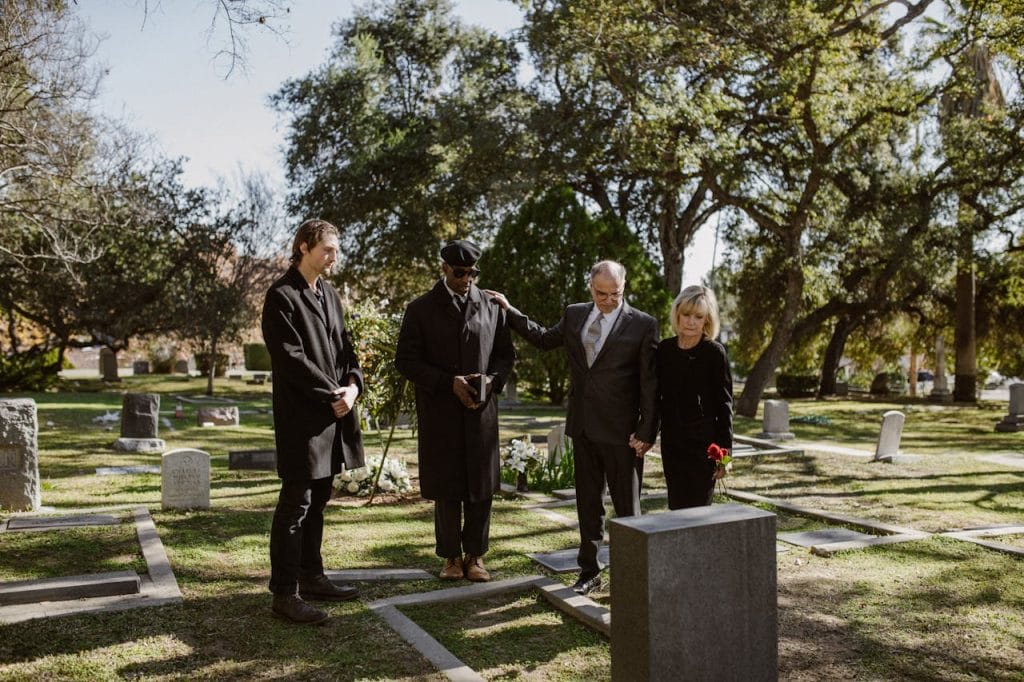
funeral
Image Source: pexels.com

Funerals are meant to be a time of remembrance, healing, and closure. But what happens when the presence of a certain family member threatens to turn a solemn occasion into a source of stress, conflict, or even trauma? While the idea of banning a family member from a funeral might sound extreme, there are situations where it’s not only justified but necessary for the well-being of everyone involved. If you’re facing this difficult decision, you’re not alone. Many families struggle with the question of whether to exclude someone from such an important event. In this article, we’ll explore ten compelling reasons why you might need to ban a family member from the funeral, offering practical advice and real-world insight to help you navigate this sensitive issue.

1. History of Violence or Threats

If a family member has a documented history of violence or has made threats against others, their presence at the funeral can put everyone at risk. Funerals are emotionally charged events, and the last thing anyone needs is the fear of physical altercations or outbursts. In these cases, prioritizing the safety of all attendees is paramount. Setting boundaries with violent individuals is crucial for personal safety and peace of mind.

2. Ongoing Legal Disputes

Funerals can become battlegrounds when there are unresolved legal disputes, such as inheritance battles or custody issues. If a family member is involved in ongoing litigation with the deceased’s estate or other relatives, their attendance could escalate tensions and disrupt the service. Sometimes, it’s best to separate legal matters and mourning to allow everyone the space to grieve without added stress.

3. Substance Abuse Issues

A family member struggling with substance abuse may not be able to control their behavior in a high-stress environment like a funeral. The risk of disruptive actions, inappropriate comments, or even dangerous situations increases significantly. Protecting the dignity of the event and the comfort of other mourners may require making the tough call to exclude someone who is actively struggling with addiction. The Substance Abuse and Mental Health Services Administration (SAMHSA) offers resources for families dealing with these challenges.

4. History of Abusive Behavior Toward the Deceased

If a family member was abusive—physically, emotionally, or financially—toward the deceased, their presence at the funeral can be deeply hurtful to those who loved and supported the person who has passed. Allowing an abuser to attend can feel like a betrayal of the memory of the deceased and may retraumatize survivors. In these cases, banning the individual is an act of protection and respect.

5. Disruptive or Attention-Seeking Behavior

Some people have a pattern of making every event about themselves, even at funerals. If a family member is known for causing scenes, making inappropriate remarks, or otherwise drawing attention away from the purpose of the gathering, it may be wise to ask them not to attend. Funerals should focus on honoring the deceased, not managing unnecessary drama.

6. Estrangement and No Relationship with the Deceased

If a family member was estranged from the deceased for many years and had no meaningful relationship, their attendance might feel disingenuous or even disrespectful to those who were close. Sometimes, people attend funerals out of obligation or curiosity rather than genuine grief. In these cases, it’s reasonable to question whether their presence is appropriate or necessary.

7. Risk of Triggering Trauma for Other Mourners

For some attendees, the presence of a particular family member can trigger painful memories or trauma, especially if there’s a history of abuse or conflict. Protecting the mental health of vulnerable mourners should be a top priority. If someone’s attendance would cause significant distress to others, it’s worth considering a ban for the sake of collective healing.

8. Repeated Violations of Boundaries

If you’ve set clear boundaries with a family member in the past and they’ve repeatedly ignored or violated them, it’s a strong indicator that they may not respect the solemnity of the funeral. Consistent boundary violations show a lack of respect for your wishes and the needs of the grieving family. Sometimes, enforcing a ban is the only way to uphold those boundaries.

9. Potential for Legal or Criminal Issues

In rare cases, a family member may be under investigation or have outstanding legal issues that could bring unwanted attention or even law enforcement to the funeral. This can create an uncomfortable or unsafe environment for everyone present. Protecting the privacy and dignity of the event may require excluding individuals whose legal troubles could overshadow the service.

10. Protecting the Deceased’s Final Wishes

Ultimately, the wishes of the deceased should be honored above all else. If they explicitly requested that a certain person not attend their funeral, it’s important to respect that decision. Upholding their final wishes is a way to show love and loyalty, even in the face of family pressure or controversy.

Choosing Peace Over Obligation

Deciding to ban a family member from a funeral is never easy, but sometimes it’s the most compassionate choice for everyone involved. Funerals are about honoring the life of the deceased and supporting those left behind. When the presence of a particular individual threatens to disrupt that process, choosing peace over obligation is an act of courage and care. Remember, you have the right to create a safe, respectful space for mourning, even if it means making difficult decisions about who can attend.

What are your thoughts on banning a family member from a funeral? Have you ever faced this situation? Share your experiences or opinions in the comments below.

Read More

Who Pays? The Shocking Truth About Medical Bills After Death

7 Surprising Ways Family Members Can Be Cut Out of an Inheritance

Travis Campbell
Travis Campbell

Travis Campbell is a digital marketer/developer with over 10 years of experience and a writer for over 6 years. He holds a degree in E-commerce and likes to share life advice he’s learned over the years. Travis loves spending time on the golf course or at the gym when he’s not working.

Filed Under: Estate Planning Tagged With: boundaries, Estate planning, family conflict, family relationships, funeral etiquette, funeral planning, grief, mental health

Why Some People Are Secretly Relieved When a Loved One Dies

May 24, 2025 by Travis Campbell Leave a Comment

funeral family
Image Source: pexels.com

Losing a loved one is almost always painted as a time of deep sorrow, but the truth is more complicated than we often admit. For some, the death of a family member or close friend brings not just grief, but also a sense of relief, sometimes accompanied by guilt or confusion. This reaction is rarely discussed openly, yet it’s more common than you might think. Understanding why some people feel secretly relieved when a loved one dies can help us process our own emotions and support others through complex grief. If you’ve ever felt this way, you’re not alone; there are valid reasons behind these feelings. Let’s explore why this happens and what it means for your emotional and financial well-being.

1. The End of Caregiver Burnout

Caring for a chronically ill or aging loved one can be emotionally and physically exhausting. Many caregivers spend years juggling work, family, and the relentless demands of caregiving, often at the expense of their own health and happiness. When the person they care for passes away, it’s natural to feel a sense of relief that the daily stress and exhaustion have ended. This doesn’t mean the caregiver didn’t love the person; it simply means they’re human. According to the Family Caregiver Alliance, caregivers are at higher risk for depression and chronic illness themselves. The relief that comes with the end of caregiving is a sign that the burden was real and significant.

2. Release from Toxic Relationships

Not all relationships are healthy or loving. Some people endure years of emotional, physical, or financial abuse from a family member. When that person dies, it can feel like a weight has been lifted. The relief comes from knowing that the source of pain or manipulation is gone, and there’s finally space to heal. This is especially true in cases where the loved one’s behavior caused ongoing stress or trauma. If you’ve experienced this, it’s important to acknowledge your feelings without judgment. Psychology Today notes that relief is a valid response to the end of a toxic relationship, even if it’s mixed with sadness.

3. Financial Pressures Are Lifted

Money is a major source of stress in many families, especially when a loved one requires expensive medical care or long-term support. Sometimes, the death of a loved one brings financial relief, either because costly care is no longer needed or because of an inheritance or life insurance payout. While it may feel uncomfortable to admit, this financial relief can be significant, allowing survivors to pay off debt, save for the future, or simply breathe easier. It’s important to recognize that financial stress can impact your mental health, and feeling relieved when it’s gone is a normal human reaction.

4. The End of Anticipatory Grief

When someone you love is terminally ill, you may begin grieving long before they actually pass away. This is known as anticipatory grief, and it can be emotionally draining. By the time the death occurs, you may have already processed much of your sadness, leaving room for relief that the waiting and uncertainty are over. This doesn’t mean you won’t miss the person, but it does mean you’re ready to move forward. Anticipatory grief is a well-documented phenomenon; recognizing it can help you understand your emotional journey.

5. Freedom to Reclaim Your Life

Sometimes, the needs or expectations of a loved one can put your own life on hold. You might have delayed career opportunities, travel, or personal goals to care for someone else. When that person dies, you may feel a sense of freedom to pursue your own dreams again. This isn’t selfish—it’s a natural part of moving on. Reclaiming your life after loss is a healthy step, and it’s okay to feel excited about new possibilities, even as you honor the memory of your loved one.

6. Relief from Family Conflict

Family dynamics can become especially tense during illness or after a death. Disagreements over care decisions, inheritance, or funeral arrangements can create lasting rifts. When a loved one passes, it can sometimes bring an end to ongoing arguments or power struggles. The relief comes from the end of conflict and the opportunity to rebuild relationships or establish new boundaries. If you find yourself feeling lighter after a period of family drama, know that this is a common and understandable reaction.

7. Permission to Feel Your True Emotions

Society often expects us to grieve in a certain way, but real emotions are rarely that simple. Feeling relief after a loved one dies doesn’t make you a bad person—it makes you honest. Giving yourself permission to feel whatever comes up, without guilt or shame, is crucial for healing. Talking to a therapist or joining a support group can help you process these complex emotions in a healthy way. Remember, grief is personal, and there’s no right or wrong way to experience it.

Embracing the Complexity of Grief

Grief is rarely straightforward, and feeling relief when a loved one dies is more common than most people realize. Whether it’s the end of caregiver burnout, release from a toxic relationship, or the lifting of financial pressures, these feelings are valid and deserve acknowledgment. By understanding the reasons behind your emotions, you can move forward with greater self-compassion and resilience. If you’re struggling, reach out for support—there’s no need to navigate this journey alone.

Have you ever felt relief after losing a loved one? Share your thoughts or experiences in the comments below—your story might help someone else feel less alone.

Read More

Who Pays the Shocking Truth About Medical Bills After Death

7 Surprising Ways Family Members Can Be Cut Out of an Inheritance

Travis Campbell
Travis Campbell

Travis Campbell is a digital marketer/developer with over 10 years of experience and a writer for over 6 years. He holds a degree in E-commerce and likes to share life advice he’s learned over the years. Travis loves spending time on the golf course or at the gym when he’s not working.

Filed Under: relationships Tagged With: caregiver burnout, emotional health, family conflict, financial stress, grief, Personal Finance, toxic relationships

5 Deathbed Confessions That Can Rip Families Apart

May 23, 2025 by Travis Campbell Leave a Comment

man on deathbed
Image Source: pexels.com

Facing the end of life often brings a flood of emotions, regrets, and the urge to unburden secrets that have been carried for years. While some confessions can bring closure and healing, others have the power to shatter family bonds and create lasting rifts. For many, the idea of a deathbed confession conjures up images of dramatic movie scenes, but in reality, these moments can be deeply personal and profoundly impactful. Understanding the kinds of secrets that can surface—and the consequences they may have—can help families prepare for difficult conversations and, hopefully, navigate them with compassion. If you’ve ever wondered what kinds of revelations can truly shake a family to its core, you’re not alone. Let’s explore five deathbed confessions that can rip families apart, and what you can do to protect your loved ones from unnecessary pain.

1. Hidden Children or Secret Affairs

Few things can upend a family’s sense of identity like the revelation of a hidden child or a long-term affair. Imagine learning, in a loved one’s final moments, that you have a half-sibling you never knew existed, or that your parent maintained a secret relationship for decades. These confessions can leave family members questioning their history, relationships, and even their sense of self. According to a study by the Pew Research Center, family structure and secrets can profoundly impact children’s emotional well-being. If you’re ever in a position to share such a secret, consider the timing and the potential fallout. Sometimes, it’s better to address these issues earlier, with the help of a counselor or mediator, rather than waiting until emotions are already running high.

2. Financial Secrets and Hidden Debts

Money matters are a leading cause of family conflict, and deathbed confessions about hidden debts, secret accounts, or undisclosed assets can be devastating. Imagine discovering that your inheritance is at risk because of unpaid loans, or that a parent has been supporting another family member secretly. These revelations can lead to legal battles, resentment, and a breakdown of trust. Open communication about finances is crucial for family harmony, especially as parents age. If you have financial secrets, it’s wise to come clean sooner rather than later and seek professional advice on minimizing the impact on your loved ones.

3. Unspoken Regrets and Apologies

While some confessions are about secrets, others are about regrets—words left unsaid, apologies never made, or relationships left unresolved. A parent might confess to favoring one child or express remorse for past actions that hurt the family. These admissions can be both healing and hurtful, depending on how they’re delivered and received. The key is approaching these conversations with empathy and a willingness to listen. If you’re on the receiving end, remember that everyone makes mistakes and that forgiveness can be a powerful tool for moving forward. If you have regrets, don’t wait until the last minute—start the conversation now, while there’s still time to make amends.

4. Disputed Wills and Last-Minute Changes

Nothing stirs up family drama like a contested will or a last-minute change to an estate plan. Deathbed confessions about changes to inheritance—such as disinheriting a child, leaving assets to a new partner, or revealing a secret beneficiary—can lead to years of legal wrangling and fractured relationships. According to the American Bar Association, clear and transparent estate planning is essential to avoid disputes. If you’re considering making changes to your will, do so with the guidance of a qualified attorney, and communicate your intentions to your family in advance. Surprises at the end rarely go over well and can leave a legacy of bitterness rather than love.

5. Family Feuds and Long-Held Grudges

Sometimes, the most damaging confessions are about old wounds and unresolved conflicts. A dying relative might reveal a long-held grudge, expose a family secret, or blame another member for past misfortunes. These confessions can reignite old feuds and create new divisions, especially if they come as a shock. The best way to handle these situations is to focus on healing and understanding, rather than assigning blame. Family therapy or mediation can be invaluable in helping everyone process their emotions and move forward. Remember, it’s never too late to seek reconciliation, but it’s much easier when everyone is still willing to talk.

Building Stronger Families Through Honest Conversations

Deathbed confessions can be dramatic, but they don’t have to be destructive. The primary lesson is that open, honest communication can prevent many of these painful surprises long before the end is near. Families can build trust and resilience that will carry them through even the most challenging times by addressing secrets, regrets, and financial matters early. If you’re holding onto a secret or regret, consider sharing it in a safe, supportive environment, rather than waiting until it’s too late. And if you’re on the receiving end, approach these revelations with empathy and a willingness to understand. Ultimately, the goal is to strengthen family bonds, not tear them apart.

Have you ever experienced a shocking family revelation? How did it affect your relationships? Share your story in the comments below!

Read More

Who Pays the Shocking Truth About Medical Bills After Death

7 Surprising Ways Family Members Can Be Cut Out of an Inheritance

Travis Campbell
Travis Campbell

Travis Campbell is a digital marketer/developer with over 10 years of experience and a writer for over 6 years. He holds a degree in E-commerce and likes to share life advice he’s learned over the years. Travis loves spending time on the golf course or at the gym when he’s not working.

Filed Under: Mental Health Tagged With: deathbed confessions, Estate planning, family conflict, family secrets, financial advice, Inheritance, relationships

  • « Previous Page
  • 1
  • 2

FOLLOW US

Search this site:

Recent Posts

  • Can My Savings Account Affect My Financial Aid? by Tamila McDonald
  • 12 Ways Gen X’s Views Clash with Millennials… by Tamila McDonald
  • What Advantages and Disadvantages Are There To… by Jacob Sensiba
  • 10 Tactics for Building an Emergency Fund from Scratch by Vanessa Bermudez
  • Call 911: Go To the Emergency Room Immediately If… by Stephen Kanaval
  • 7 Weird Things You Can Sell Online by Tamila McDonald
  • 10 Scary Facts About DriveTime by Tamila McDonald

Copyright © 2026 · News Pro Theme on Genesis Framework