• Home
  • About Us
  • Getting Finances Done
    • Hiring Advisors
    • Debt Management
    • Spending Plan
  • Insurance
    • Life Insurance
    • Health Insurance
    • Disability Insurance
    • Homeowners/Renters Insurance
  • Contact Us
  • Our Editorial Commitment

The Free Financial Advisor

You are here: Home / Archives for grief

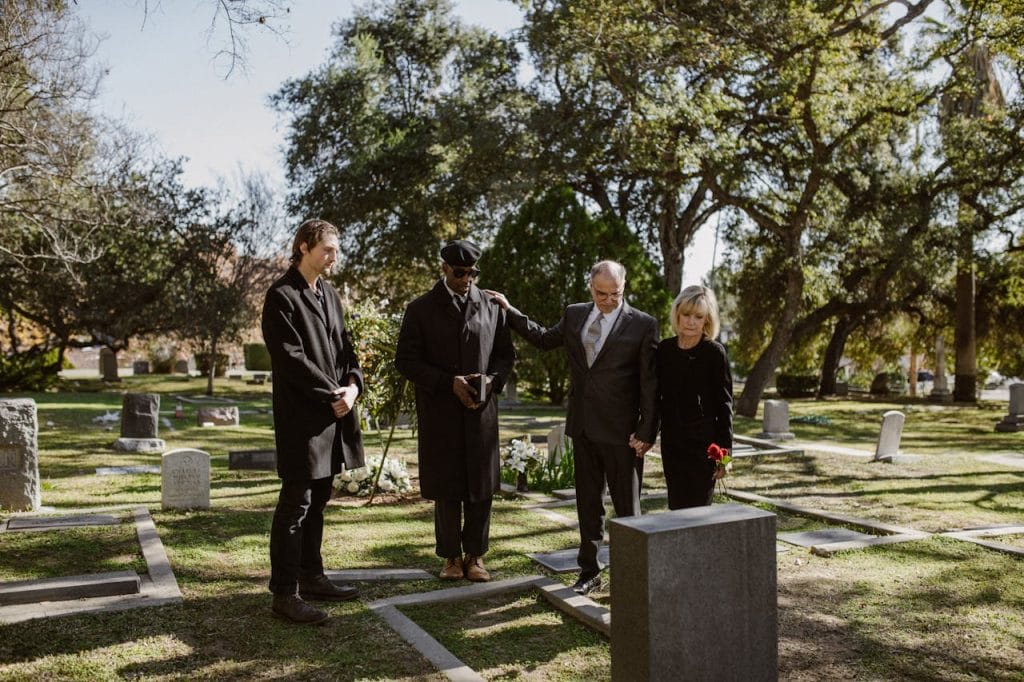
Why Do Families Fight Over Items Worth Almost Nothing

September 10, 2025 by Catherine Reed Leave a Comment

Why Do Families Fight Over Items Worth Almost Nothing
Image source: 123rf.com

When a loved one passes away, most families expect tears, memories, and moments of support. What often comes as a shock is how quickly arguments can erupt—not over money or property, but over trinkets, keepsakes, and personal items. It may seem irrational, but families fight over items worth almost nothing because emotions, memories, and unresolved dynamics often outweigh actual financial value. Understanding why this happens can help you prevent painful conflicts during already difficult times.

1. Emotional Value Outweighs Financial Value

One of the main reasons families fight over items worth almost nothing is that emotions drive the dispute. A worn chair, chipped teacup, or set of costume jewelry may carry memories that mean the world to one person. These objects become symbols of connection to the loved one who passed. When more than one family member feels attached, the fight isn’t really about the item—it’s about the memories tied to it. In this sense, sentimental value often feels priceless, even when the object has no market value.

2. Old Rivalries Resurface in Times of Stress

Family history plays a big role in inheritance disputes. When siblings or relatives have unresolved rivalries, even small items can spark big conflicts. Fighting over who gets a photo album or a knickknack may be less about the item itself and more about long-standing feelings of favoritism or inequality. These emotional wounds often resurface when people are grieving and vulnerable. The fight over small objects becomes an outlet for years of built-up tension.

3. Perceived Fairness Matters More Than Value

Another reason families fight over items worth almost nothing is the perception of fairness. One sibling may feel they always got less attention, less praise, or fewer gifts, so when inheritance time comes, they want equal or greater share of keepsakes. The monetary value doesn’t matter—what matters is whether they feel seen and acknowledged. When another family member claims something they wanted, the situation can feel like a repeat of old unfairness. In this way, even dividing trinkets becomes a deeply personal issue.

4. Sentimental Items Are Hard to Divide Equally

Unlike money, sentimental items cannot be easily divided. A family heirloom like grandma’s quilt or dad’s watch is one of a kind, and there’s no fair way to split it between multiple siblings. This scarcity makes emotions run higher, because once someone has it, no one else does. The difficulty of dividing sentimental items often leads to disputes that escalate quickly. Families fight over items worth almost nothing because they are truly irreplaceable in an emotional sense.

5. Grief Intensifies Conflict

Grief magnifies emotions, making even small disagreements feel overwhelming. When people are grieving, rational thinking often takes a back seat. A simple question like “Who gets this book?” can feel loaded with emotional weight. Fighting over small items may actually be an expression of pain, loss, or even guilt. In this way, grief fuels disputes that outsiders might find puzzling, but for families, the emotions feel very real.

6. Symbolic Meaning Gets Lost in Translation

Items often carry personal meaning that others may not understand. A mug, scarf, or fishing pole might remind one person of countless shared moments, while to another it looks like junk. Without knowing the backstory, other relatives may dismiss its importance, leading to conflict. The lack of shared perspective can make arguments over seemingly trivial things intense. Families fight over items worth almost nothing because the meaning behind them is invisible to anyone else.

7. Lack of Planning Makes Situations Worse

Many inheritance disputes happen because there was no clear plan in place. Without a will or instructions, families are left to decide who gets what, and disagreements become inevitable. When sentimental items are not assigned or discussed beforehand, it opens the door to misunderstandings. Even families that get along well can stumble into conflict in these situations. Proper planning can reduce the chances of fights over objects that should bring comfort instead of division.

Preserving Peace Over Possessions

The reality is that families fight over items worth almost nothing not because of greed, but because of love, memory, and unresolved history. The good news is that with honest conversations, clear planning, and empathy, these conflicts can often be avoided. Families who focus on relationships instead of possessions protect themselves from unnecessary heartbreak. At the end of the day, the real inheritance is the love and connection shared—not the objects left behind.

Have you witnessed families fight over items worth almost nothing after a loved one passed away? Share your thoughts and experiences in the comments below!

What to Read Next…

Why Do Some Families Waste Inheritances Within Months

The Unexpected Reason Your Executor Could Be Removed By a Judge

Why Do So Many Middle-Class Families Struggle With Inheritance Taxes

10 Secrets About Wealth Transfer That the Public Rarely Knows

9 Inherited Assets That Cause More Family Fights Than Joy

Catherine Reed
Catherine Reed

Catherine is a tech-savvy writer who has focused on the personal finance space for more than eight years. She has a Bachelor’s in Information Technology and enjoys showcasing how tech can simplify everyday personal finance tasks like budgeting, spending tracking, and planning for the future. Additionally, she’s explored the ins and outs of the world of side hustles and loves to share what she’s learned along the way. When she’s not working, you can find her relaxing at home in the Pacific Northwest with her two cats or enjoying a cup of coffee at her neighborhood cafe.

Filed Under: Estate Planning Tagged With: Estate planning, family conflicts, family relationships, grief, inheritance disputes, Personal Finance, sentimental value

10 Things Rich Families Do After a Death That Others Can’t Afford

July 19, 2025 by Travis Campbell Leave a Comment

finance
Image Source: pexels.com

When someone in the family dies, everyone feels the loss. But what happens next can look very different depending on your financial situation. Rich families have options that most people don’t. They can make choices that protect their wealth, ease the process, and even help them heal. For many, these steps are out of reach. This matters because it shapes how families move forward after a loss. If you want to understand what sets wealthy families apart, here’s what they do differently after a death.

1. Hire a Team of Experts

Wealthy families don’t handle everything alone. They bring in lawyers, accountants, and financial advisors right away. This team reviews the will, manages taxes, and handles investments. Most people can’t afford this level of help. But it means fewer mistakes and less stress. The right experts can save a family millions and keep things running smoothly.

2. Settle Debts and Taxes Quickly

Rich families pay off debts and taxes fast. They have cash on hand or assets they can sell without worry. This keeps the estate out of legal trouble and avoids penalties. For others, settling debts can take years and drain what little is left. Quick action also means heirs get their inheritance sooner.

3. Hold Private, Secure Funerals

Privacy matters to wealthy families. They often hold funerals in private venues with security. This keeps the press and strangers away. They can grieve in peace. Most people use public funeral homes and can’t control who attends. For the rich, privacy is a luxury they can buy.

4. Create Legacy Projects

Some families set up scholarships, foundations, or charitable funds in the deceased’s name. These projects keep the person’s memory alive and can offer tax benefits. Setting up a foundation costs money and time, so it’s not an option for everyone. But it’s a way for rich families to shape how their loved one is remembered.

5. Manage Family Businesses Smoothly

If there’s a family business, wealthy families have plans in place. They use succession plans and legal documents to transfer control. This keeps the business running without drama. For others, a death can mean the end of a small business. Planning ahead costs money, but it protects jobs and wealth.

6. Use Trusts to Avoid Probate

Probate can be slow and expensive. Rich families use trusts to skip this process. Trusts keep assets private and move them to heirs faster. Setting up a trust takes legal help and money, so it’s not common for everyone. But it’s a key way the wealthy protect their assets.

7. Offer Grief Counseling and Support

Wealthy families often pay for private grief counseling. They may bring in therapists for the whole family. This helps everyone process the loss and move forward. Most people rely on free or low-cost support, if they get any at all. Access to mental health care is a big advantage.

8. Protect Family Reputation

After a death, rumors and stories can spread. Rich families hire public relations experts to manage the family’s image. They control what gets shared and how the story is told. This protects their reputation and business interests. Most families can’t afford this, so they have less control over what people say.

9. Distribute Heirlooms and Assets Fairly

Wealthy families use appraisers to value art, jewelry, and other heirlooms. They make sure everything is divided fairly. This avoids fights and lawsuits. For others, dividing assets can lead to arguments and broken relationships. Professional appraisals cost money, but they keep things fair.

10. Plan for the Next Generation

Rich families use the moment to update estate plans and teach the next generation about money. They hold family meetings to talk about wealth, values, and responsibilities. This helps prevent future problems. Most people don’t have the resources or knowledge to do this. But it’s one reason wealth stays in some families for generations.

Why These Steps Matter for Everyone

Most people can’t do everything on this list. But understanding what rich families do after a death can help you make better choices. Even small steps—like writing a will or talking to your family about your wishes—can make a big difference. The main lesson is that planning ahead, getting advice, and talking openly can help any family, no matter their wealth. If you want to protect your loved ones, start with what you can do now.

Have you seen families handle things differently after a loss? What steps do you think matter most? Share your thoughts in the comments.

Read More

8 Things Rich People Buy That the Middle Class Think Are Silly

12 Times Rich People Spent Millions on Absolutely Nothing

Travis Campbell
Travis Campbell

Travis Campbell is a digital marketer/developer with over 10 years of experience and a writer for over 6 years. He holds a degree in E-commerce and likes to share life advice he’s learned over the years. Travis loves spending time on the golf course or at the gym when he’s not working.

Filed Under: Wealth Building Tagged With: Estate planning, family business, family finance, grief, Inheritance, legacy, Planning, probate, trusts, Wealth

10 Reasons You Should Ban A Family Member from the Funeral

May 25, 2025 by Travis Campbell Leave a Comment

funeral
Image Source: pexels.com

Funerals are meant to be a time of remembrance, healing, and closure. But what happens when the presence of a certain family member threatens to turn a solemn occasion into a source of stress, conflict, or even trauma? While the idea of banning a family member from a funeral might sound extreme, there are situations where it’s not only justified but necessary for the well-being of everyone involved. If you’re facing this difficult decision, you’re not alone. Many families struggle with the question of whether to exclude someone from such an important event. In this article, we’ll explore ten compelling reasons why you might need to ban a family member from the funeral, offering practical advice and real-world insight to help you navigate this sensitive issue.

1. History of Violence or Threats

If a family member has a documented history of violence or has made threats against others, their presence at the funeral can put everyone at risk. Funerals are emotionally charged events, and the last thing anyone needs is the fear of physical altercations or outbursts. In these cases, prioritizing the safety of all attendees is paramount. Setting boundaries with violent individuals is crucial for personal safety and peace of mind.

2. Ongoing Legal Disputes

Funerals can become battlegrounds when there are unresolved legal disputes, such as inheritance battles or custody issues. If a family member is involved in ongoing litigation with the deceased’s estate or other relatives, their attendance could escalate tensions and disrupt the service. Sometimes, it’s best to separate legal matters and mourning to allow everyone the space to grieve without added stress.

3. Substance Abuse Issues

A family member struggling with substance abuse may not be able to control their behavior in a high-stress environment like a funeral. The risk of disruptive actions, inappropriate comments, or even dangerous situations increases significantly. Protecting the dignity of the event and the comfort of other mourners may require making the tough call to exclude someone who is actively struggling with addiction. The Substance Abuse and Mental Health Services Administration (SAMHSA) offers resources for families dealing with these challenges.

4. History of Abusive Behavior Toward the Deceased

If a family member was abusive—physically, emotionally, or financially—toward the deceased, their presence at the funeral can be deeply hurtful to those who loved and supported the person who has passed. Allowing an abuser to attend can feel like a betrayal of the memory of the deceased and may retraumatize survivors. In these cases, banning the individual is an act of protection and respect.

5. Disruptive or Attention-Seeking Behavior

Some people have a pattern of making every event about themselves, even at funerals. If a family member is known for causing scenes, making inappropriate remarks, or otherwise drawing attention away from the purpose of the gathering, it may be wise to ask them not to attend. Funerals should focus on honoring the deceased, not managing unnecessary drama.

6. Estrangement and No Relationship with the Deceased

If a family member was estranged from the deceased for many years and had no meaningful relationship, their attendance might feel disingenuous or even disrespectful to those who were close. Sometimes, people attend funerals out of obligation or curiosity rather than genuine grief. In these cases, it’s reasonable to question whether their presence is appropriate or necessary.

7. Risk of Triggering Trauma for Other Mourners

For some attendees, the presence of a particular family member can trigger painful memories or trauma, especially if there’s a history of abuse or conflict. Protecting the mental health of vulnerable mourners should be a top priority. If someone’s attendance would cause significant distress to others, it’s worth considering a ban for the sake of collective healing.

8. Repeated Violations of Boundaries

If you’ve set clear boundaries with a family member in the past and they’ve repeatedly ignored or violated them, it’s a strong indicator that they may not respect the solemnity of the funeral. Consistent boundary violations show a lack of respect for your wishes and the needs of the grieving family. Sometimes, enforcing a ban is the only way to uphold those boundaries.

9. Potential for Legal or Criminal Issues

In rare cases, a family member may be under investigation or have outstanding legal issues that could bring unwanted attention or even law enforcement to the funeral. This can create an uncomfortable or unsafe environment for everyone present. Protecting the privacy and dignity of the event may require excluding individuals whose legal troubles could overshadow the service.

10. Protecting the Deceased’s Final Wishes

Ultimately, the wishes of the deceased should be honored above all else. If they explicitly requested that a certain person not attend their funeral, it’s important to respect that decision. Upholding their final wishes is a way to show love and loyalty, even in the face of family pressure or controversy.

Choosing Peace Over Obligation

Deciding to ban a family member from a funeral is never easy, but sometimes it’s the most compassionate choice for everyone involved. Funerals are about honoring the life of the deceased and supporting those left behind. When the presence of a particular individual threatens to disrupt that process, choosing peace over obligation is an act of courage and care. Remember, you have the right to create a safe, respectful space for mourning, even if it means making difficult decisions about who can attend.

What are your thoughts on banning a family member from a funeral? Have you ever faced this situation? Share your experiences or opinions in the comments below.

Read More

Who Pays? The Shocking Truth About Medical Bills After Death

7 Surprising Ways Family Members Can Be Cut Out of an Inheritance

Travis Campbell
Travis Campbell

Travis Campbell is a digital marketer/developer with over 10 years of experience and a writer for over 6 years. He holds a degree in E-commerce and likes to share life advice he’s learned over the years. Travis loves spending time on the golf course or at the gym when he’s not working.

Filed Under: Estate Planning Tagged With: boundaries, Estate planning, family conflict, family relationships, funeral etiquette, funeral planning, grief, mental health

Why Some People Are Secretly Relieved When a Loved One Dies

May 24, 2025 by Travis Campbell Leave a Comment

funeral family
Image Source: pexels.com

Losing a loved one is almost always painted as a time of deep sorrow, but the truth is more complicated than we often admit. For some, the death of a family member or close friend brings not just grief, but also a sense of relief, sometimes accompanied by guilt or confusion. This reaction is rarely discussed openly, yet it’s more common than you might think. Understanding why some people feel secretly relieved when a loved one dies can help us process our own emotions and support others through complex grief. If you’ve ever felt this way, you’re not alone; there are valid reasons behind these feelings. Let’s explore why this happens and what it means for your emotional and financial well-being.

1. The End of Caregiver Burnout

Caring for a chronically ill or aging loved one can be emotionally and physically exhausting. Many caregivers spend years juggling work, family, and the relentless demands of caregiving, often at the expense of their own health and happiness. When the person they care for passes away, it’s natural to feel a sense of relief that the daily stress and exhaustion have ended. This doesn’t mean the caregiver didn’t love the person; it simply means they’re human. According to the Family Caregiver Alliance, caregivers are at higher risk for depression and chronic illness themselves. The relief that comes with the end of caregiving is a sign that the burden was real and significant.

2. Release from Toxic Relationships

Not all relationships are healthy or loving. Some people endure years of emotional, physical, or financial abuse from a family member. When that person dies, it can feel like a weight has been lifted. The relief comes from knowing that the source of pain or manipulation is gone, and there’s finally space to heal. This is especially true in cases where the loved one’s behavior caused ongoing stress or trauma. If you’ve experienced this, it’s important to acknowledge your feelings without judgment. Psychology Today notes that relief is a valid response to the end of a toxic relationship, even if it’s mixed with sadness.

3. Financial Pressures Are Lifted

Money is a major source of stress in many families, especially when a loved one requires expensive medical care or long-term support. Sometimes, the death of a loved one brings financial relief, either because costly care is no longer needed or because of an inheritance or life insurance payout. While it may feel uncomfortable to admit, this financial relief can be significant, allowing survivors to pay off debt, save for the future, or simply breathe easier. It’s important to recognize that financial stress can impact your mental health, and feeling relieved when it’s gone is a normal human reaction.

4. The End of Anticipatory Grief

When someone you love is terminally ill, you may begin grieving long before they actually pass away. This is known as anticipatory grief, and it can be emotionally draining. By the time the death occurs, you may have already processed much of your sadness, leaving room for relief that the waiting and uncertainty are over. This doesn’t mean you won’t miss the person, but it does mean you’re ready to move forward. Anticipatory grief is a well-documented phenomenon; recognizing it can help you understand your emotional journey.

5. Freedom to Reclaim Your Life

Sometimes, the needs or expectations of a loved one can put your own life on hold. You might have delayed career opportunities, travel, or personal goals to care for someone else. When that person dies, you may feel a sense of freedom to pursue your own dreams again. This isn’t selfish—it’s a natural part of moving on. Reclaiming your life after loss is a healthy step, and it’s okay to feel excited about new possibilities, even as you honor the memory of your loved one.

6. Relief from Family Conflict

Family dynamics can become especially tense during illness or after a death. Disagreements over care decisions, inheritance, or funeral arrangements can create lasting rifts. When a loved one passes, it can sometimes bring an end to ongoing arguments or power struggles. The relief comes from the end of conflict and the opportunity to rebuild relationships or establish new boundaries. If you find yourself feeling lighter after a period of family drama, know that this is a common and understandable reaction.

7. Permission to Feel Your True Emotions

Society often expects us to grieve in a certain way, but real emotions are rarely that simple. Feeling relief after a loved one dies doesn’t make you a bad person—it makes you honest. Giving yourself permission to feel whatever comes up, without guilt or shame, is crucial for healing. Talking to a therapist or joining a support group can help you process these complex emotions in a healthy way. Remember, grief is personal, and there’s no right or wrong way to experience it.

Embracing the Complexity of Grief

Grief is rarely straightforward, and feeling relief when a loved one dies is more common than most people realize. Whether it’s the end of caregiver burnout, release from a toxic relationship, or the lifting of financial pressures, these feelings are valid and deserve acknowledgment. By understanding the reasons behind your emotions, you can move forward with greater self-compassion and resilience. If you’re struggling, reach out for support—there’s no need to navigate this journey alone.

Have you ever felt relief after losing a loved one? Share your thoughts or experiences in the comments below—your story might help someone else feel less alone.

Read More

Who Pays the Shocking Truth About Medical Bills After Death

7 Surprising Ways Family Members Can Be Cut Out of an Inheritance

Travis Campbell
Travis Campbell

Travis Campbell is a digital marketer/developer with over 10 years of experience and a writer for over 6 years. He holds a degree in E-commerce and likes to share life advice he’s learned over the years. Travis loves spending time on the golf course or at the gym when he’s not working.

Filed Under: relationships Tagged With: caregiver burnout, emotional health, family conflict, financial stress, grief, Personal Finance, toxic relationships

10 Things You Should NEVER Do Immediately After The Death Of a Spouse

April 22, 2025 by Travis Campbell Leave a Comment

woman at funeral
Image Source: unsplash.com

The loss of a spouse is one of life’s most devastating experiences. During this overwhelming period of grief, many people make decisions they later regret. Understanding what actions to avoid can help protect your emotional and financial well-being during this vulnerable time. Whether you’re currently facing this situation or want to prepare for the future, these guidelines will help you navigate the immediate aftermath of losing your life partner with greater clarity and confidence.

1. Make Major Financial Decisions

Grief impairs cognitive function and decision-making abilities. Avoid selling your home, investing large sums of money, or making other significant financial changes during the first few months. According to a study, grief can significantly impact financial decision-making for up to 14 months after a loss.

Your judgment is compromised during intense grief, and decisions made during this time often lead to regret. Instead, focus on immediate financial necessities only, and postpone major decisions until you’ve had time to process your loss and consult with trusted advisors.

2. Rush to Pay Off All Debts

While it might seem responsible to immediately pay off all outstanding debts, this could deplete cash reserves you need for immediate expenses. First, understand which debts were solely in your spouse’s name (which may be discharged upon death) versus joint debts you remain responsible for.

Contact creditors to inform them of the death and request information about death provisions in loan agreements. Some loans have insurance that pays off balances upon death, and you don’t want to unnecessarily pay these debts before exploring all options.

3. Distribute Personal Belongings Too Quickly

Resist pressure to sort through and distribute your spouse’s belongings quickly. Premature decisions about personal items often lead to regret and can intensify grief. Permit yourself to maintain your spouse’s belongings until you feel emotionally ready to address them.

When you do decide to sort through possessions, consider having a trusted friend or family member help you, as this process can trigger unexpected emotions and memories.

4. Isolate Yourself Completely

While you may need solitude to process your grief, complete isolation can worsen depression and anxiety. Research from the American Psychological Association shows that social support is crucial for healthy grief processing.

Allow trusted friends and family to provide practical support with meals, childcare, or handling phone calls. Consider joining a grief support group to connect with others who truly understand your experience.

5. Make Promises to Family Members

Avoid making commitments about inheritance, possessions, or future plans to family members while emotions are raw. Well-meaning promises made during grief can create complicated family dynamics and legal issues later.

Instead, acknowledge requests with phrases like “I’ll consider that when I’m ready to make those decisions” or “I need some time before addressing those matters.”

6. Neglect Legal and Financial Notifications

While major decisions can wait, certain notifications cannot. Within the first month, you should notify:

  • Social Security Administration
  • Insurance companies
  • Your spouse’s employer
  • Financial institutions
  • Credit bureaus

Failure to notify these entities promptly can create complications with benefits, accounts, and identity protection. Create a checklist and address these notifications methodically.

7. Immediately Update Your Will

Though it seems counterintuitive, avoid immediately rewriting your will or trust documents. Your perspectives and priorities may shift significantly as you process grief. Make temporary arrangements for immediate concerns, but wait 6-12 months before making permanent changes to estate plans.

When you update documents, work with an experienced estate attorney specializing in widowed clients to ensure your new arrangements align with your long-term goals.

8. Make Impulsive Lifestyle Changes

Grief can trigger desires for dramatic life changes—moving to a new city, changing careers, or making significant purchases. These decisions often stem from wanting to escape pain rather than thoughtful planning.

Give yourself at least a year before making lifestyle changes that can’t be easily reversed. This allows time for the acute grief to subside and for clearer thinking to emerge.

9. Ignore Your Own Health

The physical toll of grief is real and documented. Many widowed individuals experience compromised immune function, sleep disturbances, and appetite changes. Neglecting self-care during this time can lead to serious health complications.

Maintain basic health routines, such as sleep schedules, medication management, and regular meals. Schedule a check-up with your doctor within a few months of your loss, as they can monitor grief-related health impacts.

10. Rush the Grieving Process

Perhaps most importantly, don’t pressure yourself to “move on” or “get over it” quickly. Grief isn’t linear, and there’s no standard timeline for healing. Research shows that the old “stages of grief” model is oversimplified—your experience will be unique.

Give yourself permission to grieve in your own way and time. Avoid people who pressure you to “snap out of it” or suggest your grief has lasted “too long.”

Navigating the New Normal

The journey after losing a spouse isn’t about “getting back to normal”—it’s about creating a new normal that honors both your past and your future. The decisions you avoid in the immediate aftermath create space for healing and thoughtful planning later.

Remember that grief counseling isn’t just for those who are “handling it badly”—it’s a valuable resource for anyone navigating loss. Professional support can help you process emotions and develop healthy coping strategies as you move forward.

Have you experienced the loss of a spouse or supported someone through this difficult time? What advice would you add to this list for those facing this challenging life transition?

Read More

Comfort vs. Connection: 8 Signs Your Marriage Lacks True Love

Can Money Fix a Broken Relationship?

Travis Campbell
Travis Campbell

Travis Campbell is a digital marketer/developer with over 10 years of experience and a writer for over 6 years. He holds a degree in E-commerce and likes to share life advice he’s learned over the years. Travis loves spending time on the golf course or at the gym when he’s not working.

Filed Under: Estate Planning Tagged With: bereavement, Estate planning, financial planning after death, grief, spouse loss, widow advice, widowhood

Follow Us

Search this site:

Recent Posts

  • Can My Savings Account Affect My Financial Aid? by Tamila McDonald
  • 12 Ways Gen X’s Views Clash with Millennials… by Tamila McDonald
  • What Advantages and Disadvantages Are There To… by Jacob Sensiba
  • 10 Tactics for Building an Emergency Fund from Scratch by Vanessa Bermudez
  • Call 911: Go To the Emergency Room Immediately If… by Stephen Kanaval
  • 7 Weird Things You Can Sell Online by Tamila McDonald
  • 10 Scary Facts About DriveTime by Tamila McDonald

Copyright © 2026 · News Pro Theme on Genesis Framework