• Home
  • About Us
  • Getting Finances Done
    • Hiring Advisors
    • Debt Management
    • Spending Plan
  • Insurance
    • Life Insurance
    • Health Insurance
    • Disability Insurance
    • Homeowners/Renters Insurance
  • Contact Us
  • Our Editorial Commitment

The Free Financial Advisor

You are here: Home / Archives for consumer spending

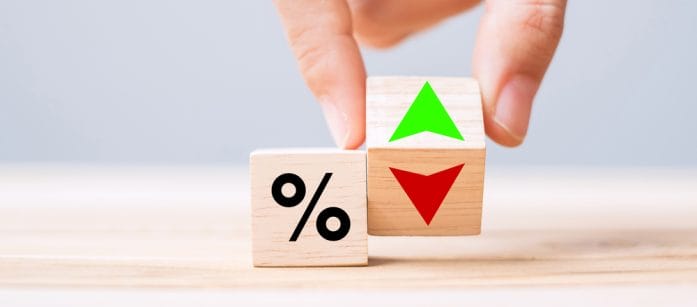
Why Does Interest Rate Talk Suddenly Affect Everyday Spending

January 10, 2026 by Brandon Marcus Leave a Comment

Why Does Interest Rate Talk Suddenly Affect Everyday Spending
Image Source: Shutterstock.com

Money moves quietly until someone whispers the magic—or terrifying—words: “interest rates.” Suddenly, everyday spending decisions start feeling monumental. That morning latte feels like a major budget choice. The idea of buying a car seems like launching a rocket.

But why does talk about interest rates have this weird power over our daily lives? Let’s talk about the thrilling, surprising, and sometimes eyebrow-raising connection between central bank chatter and the way you spend, save, and think about money every single day.

How Interest Rates Shape Your Wallet Without You Noticing

Interest rates are essentially the price of borrowing money. When rates go up, loans cost more. Mortgages, car loans, and credit cards suddenly carry heftier price tags. Even a small rate hike can nudge people to pause before splurging. But the effect goes beyond obvious borrowing; it seeps into your subconscious spending habits. When rates rise, banks pay more to savers, which makes holding onto money slightly more attractive than spending it.

Conversely, lower rates make borrowing cheaper and encourage shopping sprees, bigger renovations, or even impulsive online purchases. It’s like a quiet tug-of-war between spending now and saving for later, and interest rates are the referee.

The Psychological Push Behind Interest Rate Announcements

Human brains love patterns, predictability, and stories. Interest rate announcements tell a story about the economy. If rates are climbing, people assume inflation is on the march, and prices may rise faster than usual. Even if you don’t have a mortgage or a loan, your brain starts factoring in future costs. On the flip side, a rate cut signals easier money and sometimes sparks confidence that spending won’t hurt as much. It’s remarkable how numbers on a chart or a short speech from a central bank can trigger a chain reaction in millions of wallets, grocery carts, and online checkouts. Psychology and economics collide, turning abstract percentages into very real decisions at the supermarket or car dealership.

Everyday Spending That Feels The Interest Rate Effect

You might not think buying a coffee, movie ticket, or new phone is linked to interest rates—but it often is. High rates can make you rethink that big vacation, postpone home renovations, or hesitate on dining out at pricier restaurants. On the other hand, lower rates may encourage a spontaneous upgrade to the latest gadget, an extra night out, or even taking out a small personal loan to consolidate debt. It’s a ripple effect that moves through households in ways economists and behavioral scientists study carefully. Even subtle habits—like choosing to refill a water bottle instead of buying bottled water—can be influenced by the invisible pressure of rising rates. Every little purchase is suddenly weighed against the backdrop of a larger economic climate you might not even consciously notice.

The Media Amplification Factor

News outlets love interest rate stories. Headlines scream, analysts speculate, and social media debates explode. This constant coverage amplifies the impact on everyday spending. People see graphs, charts, and bullet points, and suddenly, the numbers matter more than the items they were planning to buy. It’s one thing to hear “rates rose by a quarter percent,” and another to see it framed as “borrowing just got more expensive!”

The media doesn’t just report; it magnifies perceptions, shaping moods and mindsets. Suddenly, even casual conversations at the water cooler are colored by economic forecasts, making every purchase feel slightly weightier. The buzz surrounding rates often spreads faster than the actual change in the numbers themselves, feeding a cycle of caution—or optimism—depending on the news spin.

Why Does Interest Rate Talk Suddenly Affect Everyday Spending
Image Source: Shutterstock.com

The Domino Effect On Major Purchases

Interest rates aren’t just about small, everyday buys—they can derail or accelerate big-ticket decisions. Mortgages, car loans, and student loans all respond directly to rate changes. When rates rise, monthly payments grow, and people might delay moving, buying a new car, or refinancing debt. Companies notice this too, slowing expansions or holding off on new hires.

Conversely, low rates can create spending booms, housing surges, and even unexpected splurges on home improvements. The connection between rates and large purchases is straightforward, but it bleeds into smaller decisions. Even those latte runs or weekend splurges are subtly influenced by the backdrop of big financial moves, creating a ripple effect through the economy.

How Consumers Can Stay Calm Amid Rate Chatter

The secret to thriving in a world where interest rates dominate headlines is perspective. Educating yourself about what rates really mean—and how they actually affect your personal finances—can turn fear into strategy. For instance, understanding that a small rate hike might barely change your mortgage payment can prevent unnecessary panic. Budgeting with flexibility, keeping an emergency fund, and prioritizing goals over hype keeps spending decisions grounded in reality. Remember, the market reacts instantly, but your personal finances don’t need to. A little awareness transforms abstract financial news into practical, everyday wisdom. You regain control instead of letting the numbers dictate moods or purchases.

Your Take On The Rate Rollercoaster

Interest rate chatter might sound boring at first, but its impact is anything but. From tiny coffee decisions to massive purchases like cars or homes, rates influence how we think, feel, and act in ways we rarely notice. The next time you hesitate at the checkout, consider what role the financial headlines are playing in your choice. Have you noticed that your spending habits change when rates rise or fall? Your stories, insights, or even surprising observations could add a fascinating layer to this ongoing economic conversation.

Drop your experiences in the comments section below and see how other readers react to the rate rollercoaster.

You May Also Like…

Could Rising Interest Rates Force You To Delay Retirement Longer Than Planned?

Could Ignoring Rising Interest Rates Destroy Your Budget

8 Expenses That Quietly Rise Every Time Interest Rates Drop

Why Do Poorer Families Pay Higher Interest Rates Than Wealthy Ones

Tax Ahead: 4 Strategic Moves If You Think Congress Will Rewrite Tax Rules


Brandon Marcus
Brandon Marcus

Brandon Marcus is a writer who has been sharing the written word since a very young age. His interests include sports, history, pop culture, and so much more. When he isn’t writing, he spends his time jogging, drinking coffee, or attempting to read a long book he may never complete.

Filed Under: Lifestyle Tagged With: consumer spending, daily spending, digital spending, everyday items, impulse spending, interest rates, Life, Lifestyle, media, overspending, Smart Spending, spending

How Can Rich vs. Poor Shopping Habits Predict Local Economies

September 2, 2025 by Catherine Reed Leave a Comment

How Can Rich vs. Poor Shopping Habits Predict Local Economies
Image source: 123rf.com

When economists study communities, they often look at employment data, housing prices, and business growth. Yet, one of the most revealing indicators comes from something people do every day: shopping. The way individuals spend money, from luxury items to discount essentials, provides insight into the financial health of entire neighborhoods. Shopping habits don’t just reflect personal income levels; they also shape and predict the strength of local economies. By comparing how the rich and poor shop, we can better understand where communities are headed financially.

1. Where People Shop Tells a Bigger Story

One of the clearest signals comes from where people choose to shop. Affluent households often spend money at specialty stores, boutiques, and higher-end grocery chains, which attract further business investment. Lower-income households, on the other hand, tend to rely on discount retailers, dollar stores, and bulk shopping clubs. These patterns of shopping habits determine which businesses thrive in a given area. Over time, the mix of stores in a community becomes a direct reflection of its overall economic strength.

2. Spending on Experiences vs. Essentials

Another key difference in shopping habits is whether households spend more on experiences or essentials. Wealthier families are more likely to purchase dining, travel, and entertainment, injecting money into service-oriented businesses. Poorer families often allocate a greater share of income to necessities like food, clothing, and utilities. While both forms of spending support local economies, experience-based spending usually generates more tax revenue and job diversity. The balance between essentials and experiences reveals the financial flexibility of a community.

3. Credit Use and Debt Impact Local Economies

How people pay for their purchases is another economic clue. Wealthier shoppers are more likely to use credit strategically, paying balances in full to earn rewards. Lower-income shoppers often rely on credit out of necessity, which can lead to revolving debt and higher interest payments. These shopping habits influence the local economy by affecting consumer confidence and long-term spending power. Communities with high debt reliance often face slower economic growth compared to those with healthier financial practices.

4. The Role of Big-Box vs. Small Businesses

The choice between shopping at big-box retailers or supporting local businesses highlights broader economic patterns. Wealthier shoppers often split their spending, using large retailers for convenience but also supporting niche local stores. Lower-income households may lean heavily on big-box or chain stores for affordability. These shopping habits impact the survival of small businesses, which are often critical for local job creation and tax revenue. The strength of small businesses within a community is a powerful predictor of local economic resilience.

5. The Effect of Online Shopping Growth

The rise of e-commerce has widened the gap between rich and poor shopping habits. Affluent shoppers often use online platforms for both luxury goods and everyday purchases, supporting national and global brands. Lower-income shoppers may stick to in-store purchases for essentials, partly due to lack of access to credit or delivery services. This difference in habits shapes whether local economies lose money to outside corporations or keep it circulating within the community. The level of online vs. local spending offers a forecast of future economic development.

6. How Savings and Bulk Purchases Shape Spending

Wealthier families often buy in bulk, not just for savings but also for convenience. This strategy reduces per-unit costs and helps stretch long-term budgets. Lower-income households, however, frequently purchase smaller quantities, even though it costs more per unit, simply because cash flow is tighter. These shopping habits create a cycle where wealthier households save more while poorer households spend more on the same items. Over time, this imbalance contributes to widening economic divides within local communities.

7. Indicators from Luxury vs. Discount Growth

The presence and growth of luxury stores versus discount retailers can predict where an economy is headed. When luxury shops and upscale grocery chains open in a neighborhood, it signals rising incomes and investment potential. Conversely, a surge in discount retailers often points to economic stress in the community. These shifts in retail presence stem directly from consumer shopping habits. For policymakers and investors, they serve as an early warning system of local financial health.

8. Shopping Habits and Community Stability

Beyond economics, shopping patterns also influence community stability. Wealthier households, with more discretionary spending, often support arts, culture, and charitable donations tied to their shopping behaviors. Lower-income households, focused on survival spending, may not have the same opportunities to invest in community enrichment. This creates visible differences in how neighborhoods develop socially and economically. Shopping habits, therefore, act as both a reflection and a driver of community well-being.

The Economic Story Hidden in Every Purchase

Every purchase tells a story, not just about personal budgets but about the health of entire communities. The contrast between rich and poor shopping habits highlights which areas are growing, which are struggling, and where the future may be headed. By paying attention to where people shop, what they buy, and how they pay, we can better predict local economic shifts. These insights remind us that small daily choices can have large collective impacts on community prosperity.

Do you think shopping habits reveal more about a local economy than official statistics? Share your thoughts in the comments.

What to Read Next…

Can You Really Build a Future With Someone Who’s Terrible With Money?

10 Unusual Spending Habits That Reveal Someone Is Quietly Rich

What Happens When Inflation Creeps Into Everyday Purchases

8 Silent Wealth Killers That Hide in Everyday Expenses

20 Valuable Items In Your Home Hiding in Plain Sight

Catherine Reed
Catherine Reed

Catherine is a tech-savvy writer who has focused on the personal finance space for more than eight years. She has a Bachelor’s in Information Technology and enjoys showcasing how tech can simplify everyday personal finance tasks like budgeting, spending tracking, and planning for the future. Additionally, she’s explored the ins and outs of the world of side hustles and loves to share what she’s learned along the way. When she’s not working, you can find her relaxing at home in the Pacific Northwest with her two cats or enjoying a cup of coffee at her neighborhood cafe.

Filed Under: Spending Habits Tagged With: community development, consumer spending, economic trends, financial behavior, local economies, Personal Finance, shopping habits

  • « Previous Page
  • 1
  • 2

Follow Us

Search this site:

Recent Posts

  • Can My Savings Account Affect My Financial Aid? by Tamila McDonald
  • 12 Ways Gen X’s Views Clash with Millennials… by Tamila McDonald
  • What Advantages and Disadvantages Are There To… by Jacob Sensiba
  • Call 911: Go To the Emergency Room Immediately If… by Stephen Kanaval
  • 7 Weird Things You Can Sell Online by Tamila McDonald
  • 10 Scary Facts About DriveTime by Tamila McDonald
  • How to Avoid NJ Exit Tax by Jacob Sensiba

Copyright © 2026 · News Pro Theme on Genesis Framework