• Home
  • About Us
  • Toolkit
  • Getting Finances Done
    • Hiring Advisors
    • Debt Management
    • Spending Plan
  • Insurance
    • Life Insurance
    • Health Insurance
    • Disability Insurance
    • Homeowners/Renters Insurance
  • Contact Us
  • Privacy Policy
  • Risk Tolerance Quiz

The Free Financial Advisor

You are here: Home / Archives for saving money

How to Raise Money-Smart Kids: 7 Tips Every Parent Should Know

February 18, 2025 by Latrice Perez Leave a Comment

The little smart girl in glasses shows graphics company's business activity on a background of a wall with a picture

Image Source: 123rf.com

Teaching kids about money from an early age sets them up for financial success in the future. Many parents struggle with how to instill good financial habits, but it doesn’t have to be complicated. By introducing basic money concepts in everyday life, kids can develop financial literacy that will benefit them for years to come. Whether it’s saving, budgeting, or understanding the value of a dollar, every child can learn to make smart financial decisions. Here are seven practical tips to help you raise money-smart kids.

1. Start with Basic Money Concepts

Young children can begin learning financial literacy by understanding basic money concepts. Teach them about different coins, bills, and what money is used for in everyday life. Simple activities like letting them count change or explaining the cost of groceries can make a big difference. As they get older, introduce the idea of earning, saving, and spending wisely. The earlier they grasp these concepts, the more comfortable they’ll be managing money as adults.

2. Encourage Saving with a Visual Goal

Kids learn best when they can see their progress, so introduce savings goals with a visual element. A clear jar, piggy bank, or digital savings tracker can help them understand how money grows over time. Encourage them to save for something they truly want, like a toy or a special outing. This teaches patience and the importance of delayed gratification. Once they reach their goal, celebrate their achievement to reinforce the value of saving.

3. Give an Allowance with Responsibility

An allowance can be a powerful tool in teaching kids about financial literacy for kids. Instead of just giving them money, tie it to chores or responsibilities to help them understand the concept of earning. Allow them to manage their own money, making choices about saving, spending, and even donating. This hands-on experience builds confidence in financial decision-making. As they grow, adjust their allowance and responsibilities to reflect real-life money management.

4. Teach Budgeting with Real-Life Examples

Child asian little girl putting coin into Piggy Bank in vintage color tone,kid saving money for the future concept

Image Source: 123rf.com

Budgeting is a fundamental skill that kids can start learning early. Use everyday moments like grocery shopping or planning a family trip to show how budgeting works. Let them help compare prices, set spending limits, or decide between needs and wants. Giving them small budgets for things like school supplies or snacks helps them make thoughtful spending choices. Over time, this practice helps them develop a habit of mindful money management.

5. Introduce the Concept of Giving

Financial literacy for kids isn’t just about saving and spending—it’s also about generosity. Teach children the importance of giving by encouraging them to donate a portion of their money to charity or help a cause they care about. Explain how their contributions make a difference and let them choose where to give. Volunteering or participating in fundraising efforts also reinforces the value of generosity. Learning to give teaches empathy and responsible money habits.

6. Show How to Make Smart Purchases

Kids need to understand how to make wise financial decisions when it comes to spending. Teach them to compare prices, look for sales, and consider whether a purchase is truly worth it. If they want a big-ticket item, discuss the benefits of waiting for a discount or saving up instead of impulsively buying. Encouraging them to think critically about their purchases helps build long-term financial responsibility. These small lessons will prepare them to make smart financial choices as adults.

7. Lead by Example with Good Money Habits

Children learn best by watching their parents, so model good financial behavior. Show them how you budget, save, and make smart financial decisions in daily life. Avoid impulse spending and talk openly about financial goals and challenges. Involve them in discussions about bills, savings plans, and long-term financial decisions when appropriate. The more they see responsible money management in action, the more likely they are to adopt those habits themselves.

Share These Tips with Other Parents

Raising money-smart kids is one of the best gifts you can give them for a successful future. By teaching financial literacy for kids through practical lessons and real-life experiences, you help them develop confidence and responsibility with money. Start with small steps and build on their knowledge over time. If you found these tips helpful, share this article with other parents looking to raise financially responsible children. Together, we can help the next generation make smarter financial choices.

Read More:

How Much Money Should I Save Every Month For My Kids?

13 Reasons Why Millennials Will Never Be Able To Pay For Their Kids To Go To College

Latrice Perez

Latrice is a dedicated professional with a rich background in social work, complemented by an Associate Degree in the field. Her journey has been uniquely shaped by the rewarding experience of being a stay-at-home mom to her two children, aged 13 and 5. This role has not only been a testament to her commitment to family but has also provided her with invaluable life lessons and insights.

As a mother, Latrice has embraced the opportunity to educate her children on essential life skills, with a special focus on financial literacy, the nuances of life, and the importance of inner peace.

Filed Under: saving money Tagged With: budgeting for children, financial education for kids, financial literacy for kids, how to raise money-smart kids, kids and allowance, parenting and money, saving tips for kids, teaching kids about money

Several Ways to Get Cash Back-Try One Of These 3 Sites

September 24, 2024 by Vanessa Bermudez Leave a Comment

Several Ways to Get Cash Back-Try One Of These 3 Sites

Canva

Who doesn’t love getting rewarded for spending? If you’re shopping online and not taking advantage of cash-back sites, you’re leaving money on the table. Here are three fantastic platforms that help you get more bang for your buck—including one that’s making waves: Dollar Dig.

1. Dollar Dig: The Hidden Gem for Savvy Shoppers

Dollar Dig

Dollar Dig

Dollar Dig is rapidly becoming a go-to choice for cash-back enthusiasts. With its easy-to-navigate interface and a vast array of partner stores, this site makes it simple to earn cash while shopping for everyday essentials. What sets Dollar Dig apart is its competitive cash-back rates, often higher than more well-known platforms. Plus, the site regularly offers bonus promotions, boosting your rewards even further. It’s a perfect fit for shoppers looking to maximize every dollar they spend.

2. Rakuten: The OG of Cash-Back Sites

Rakuten

Rakuten

Formerly known as Ebates, Rakuten has built a stellar reputation over the years. This platform partners with thousands of retailers, allowing users to earn cash back on everything from groceries to travel bookings. The appeal of Rakuten lies in its reliability—payments are sent like clockwork, and there’s even a browser extension that makes earning rewards effortless. Whether you’re a frequent shopper or just picking up occasional items, Rakuten makes it easy to pad your wallet. Their seasonal Double Cash Back events sweeten the deal even more.

3. Honey: More Than Just Coupons

Honey

Honey

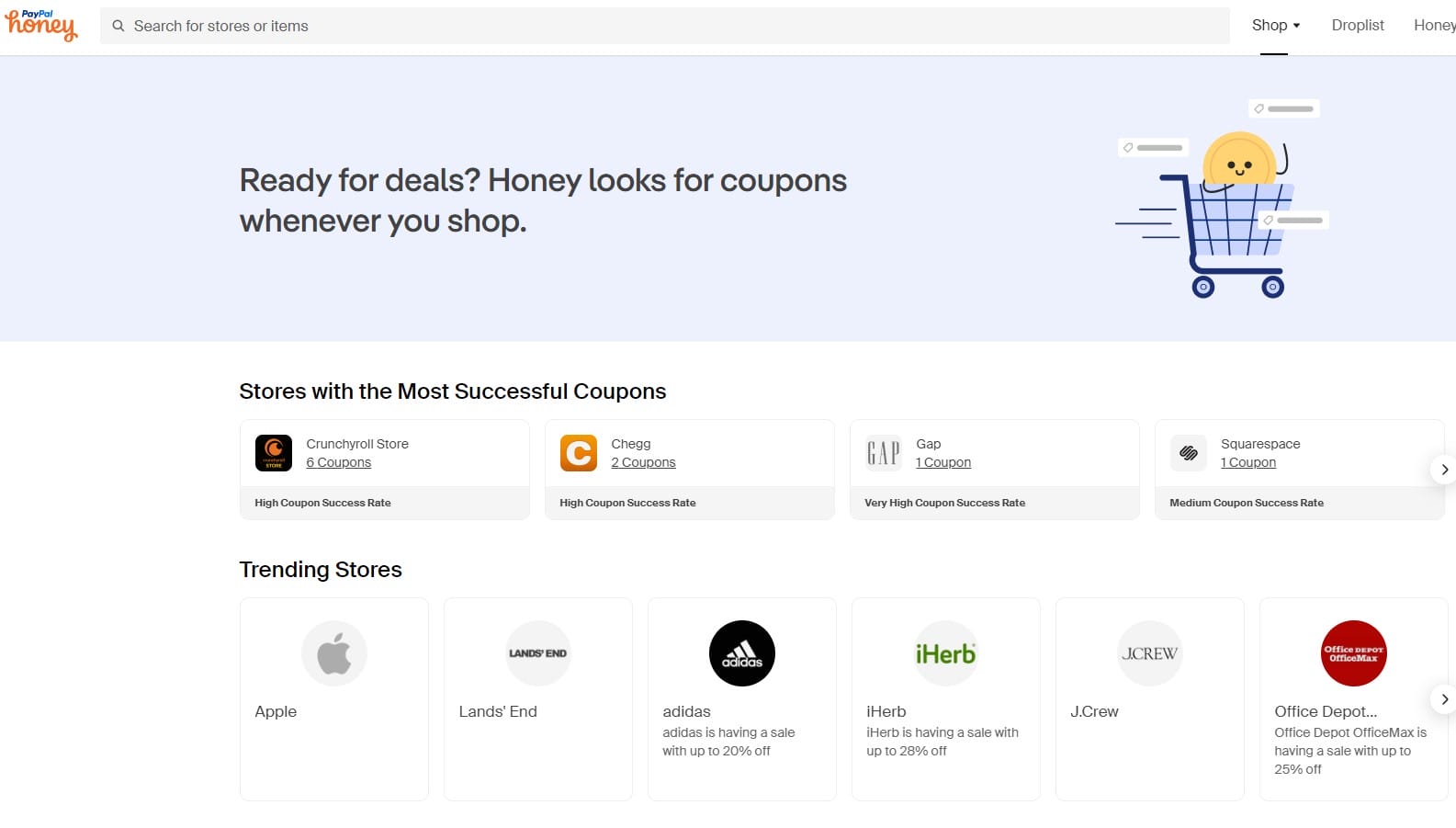
While Honey is best known for its coupon-finding prowess, it also offers a solid cash-back program through Honey Gold. Honey Gold can be redeemed for gift cards to popular retailers, making it a versatile option for those looking to stretch their budget. One of the highlights of using Honey is its seamless integration with your browser—saving you money is almost automatic. Whether you’re hunting for deals on tech, clothes, or even food delivery, Honey’s dual approach of finding discounts and offering cashback means more savings in your pocket.

Time to Start Earning Cash Back Today!

The digital age has brought incredible opportunities to earn while you spend, and Dollar Dig, Rakuten, and Honey are just the tip of the iceberg. Whether you’re a seasoned deal hunter or a casual shopper, cash-back sites are an easy way to keep more of your hard-earned money. Each platform offers something unique, so why not try all three and see which works best for you?

Vanessa Bermudez
Vanessa Bermudez
Vanessa Bermudez is a content writer with over eight years of experience crafting compelling content across a diverse range of niches. Throughout her career, she has tackled an array of subjects, from technology and finance to entertainment and lifestyle. In her spare time, she enjoys spending time with her husband and two kids. She’s also a proud fur mom to four gentle giant dogs.

Filed Under: saving money Tagged With: Cash-back sites, Dollar Dig, Honey Gold, Online shopping rewards, Rakuten

Wasted It: Don’t Waste Your Inheritance on These 13 Things

June 7, 2024 by Stephen Kanaval Leave a Comment

Burning cash

unsplash

Receiving an inheritance can be a life-changing event, offering a unique opportunity to secure financial stability and invest in your future. However, the temptation to splurge can be overwhelming, leading to poor financial decisions that squander this valuable gift. To ensure you make the most of your inheritance, it’s essential to avoid common pitfalls. Here are 13 things you should steer clear of to protect and grow your newfound wealth.

1. Impulse Purchases

pos purchase impulse

unsplash

One of the biggest mistakes people make with an inheritance is indulging in impulsive buys. It’s easy to get carried away with a sudden influx of cash, but splurging on expensive items like luxury cars, high-end gadgets, or designer clothes can quickly deplete your funds. Instead, take a step back and think carefully about how each purchase fits into your long-term financial goals. Planning and prioritizing essential expenses can help you make smarter spending decisions. By avoiding impulsive buys, you ensure that your inheritance serves a meaningful purpose in your life.

2. High-Risk Investments

down investment

unsplash

While investing part of your inheritance can be a smart move, diving into high-risk ventures without proper knowledge can be disastrous. Investments like cryptocurrency, penny stocks, or speculative real estate might promise high returns, but they also carry significant risks. It’s crucial to conduct thorough research or consult a financial advisor before making any investment decisions. A diversified portfolio that balances risk and reward can provide more stable growth. Protect your inheritance by avoiding high-risk investments that could lead to substantial losses.

3. Lavish Vacations

Vacation

unsplash

It’s tempting to use your inheritance to fund a dream vacation, but extravagant trips can drain your finances quickly. While it’s essential to enjoy life and create memories, it’s important to strike a balance. Instead of splurging on a single lavish trip, consider planning more modest getaways that allow you to enjoy your inheritance over a more extended period. Setting a travel budget and sticking to it can help you manage expenses effectively. Enjoying leisure activities without overspending ensures your inheritance lasts longer and benefits you in multiple ways.

4. Unnecessary Upgrades

Big car

unsplash

Upgrading your home or car might seem like a good idea, but unnecessary upgrades can be a financial drain. Renovations or buying a new vehicle can quickly eat into your inheritance without providing long-term value. Evaluate whether these upgrades are genuinely needed and if they will improve your quality of life or financial situation. Sometimes, simpler and more cost-effective solutions can achieve the same results. Prioritizing essential improvements over cosmetic ones can help you manage your inheritance wisely.

5. Expensive Hobbies

Wine

unsplash

Pursuing a new hobby or interest is a great way to enrich your life, but some hobbies come with hefty price tags. Collecting rare items, taking up golf, or investing in high-end photography equipment can add up quickly. Before diving into an expensive hobby, consider whether it’s something you’ll genuinely commit to long-term. Look for cost-effective ways to explore new interests, such as renting equipment or joining clubs. By being mindful of hobby-related expenses, you can enjoy your passions without jeopardizing your financial stability.

6. Helping Friends and Family

Needy family

123rf

While it’s natural to want to support loved ones, using your inheritance to help friends and family can become a slippery slope. Generosity is admirable, but it’s crucial to set boundaries to avoid depleting your funds. Create a budget for how much you can afford to give without compromising your financial goals. Communicating openly with loved ones about your limits can help manage expectations and prevent misunderstandings. By balancing generosity with financial prudence, you can assist others without endangering your inheritance.

7. Starting a Business Without a Plan

No plan

pixabay

Entrepreneurial ambitions can be exciting, but starting a business without a solid plan can lead to financial ruin. Many new ventures fail within the first few years due to poor planning and lack of market understanding. Before investing your inheritance in a business, conduct thorough market research and develop a detailed business plan. Seeking advice from experienced entrepreneurs or mentors can also provide valuable insights. A well-thought-out approach can increase the chances of business success and protect your financial investment.

8. Paying Off Someone Else’s Debt

Debt

unsplash

It might feel noble to use your inheritance to pay off a friend or family member’s debt, but this can quickly erode your financial cushion. While helping others is commendable, prioritizing your financial security is essential. If you choose to assist, ensure it doesn’t compromise your own financial stability. Setting clear boundaries and offering support in non-monetary ways can also be effective. Protecting your inheritance means making decisions that align with your long-term financial goals.

9. Not Planning for Taxes

Taxes

unsplash

Inheritances can come with significant tax implications that can catch you off guard if you’re unprepared. Depending on the size and nature of the inheritance, you may owe federal or state taxes. Consulting a tax professional can help you understand your tax obligations and develop strategies to minimize the impact. Planning for taxes ensures you don’t face unexpected financial burdens down the line. Proper tax planning is a crucial step in preserving your inheritance and maximizing its benefits.

10. Ignoring Retirement Savings

Savings

123rf

Using your inheritance for immediate pleasures while neglecting retirement savings can be a costly mistake. Ensuring financial security in your later years is crucial, and an inheritance can significantly bolster your retirement fund. Consider allocating a portion of your inheritance to retirement accounts like IRAs or 401(k)s. This not only provides long-term financial security but also offers potential tax benefits. Prioritizing retirement savings helps you build a stable future, ensuring your inheritance serves you well throughout your life.

11. Falling for Scams

scammer

123rf

Scammers often target individuals who have recently come into money, knowing they may be inexperienced in handling large sums. Protecting your inheritance requires vigilance and skepticism towards unsolicited offers or too-good-to-be-true investment opportunities. Educate yourself about common scams and seek advice from trusted financial advisors. By staying informed and cautious, you can safeguard your inheritance from fraudulent schemes. Being aware of potential scams ensures your hard-earned money remains secure and benefits you as intended.

12. Overspending on Weddings

Wedding

unsplash

A wedding is a significant life event, but spending an excessive amount on a single day can deplete your inheritance quickly. The pressure to host a lavish celebration can lead to financial strain and regret. Setting a realistic budget and prioritizing what’s most important can help you create a memorable day without overspending. Consider alternatives like smaller, intimate ceremonies or destination weddings to manage costs effectively. Planning a wedding within your means ensures you start your married life on solid financial footing.

13. Neglecting Financial Advice

Financial advisor

123rf

Managing a substantial inheritance can be challenging, and neglecting to seek professional financial advice can lead to costly mistakes. Financial advisors can help you develop a comprehensive plan to grow and protect your inheritance. They can provide guidance on investments, tax strategies, and long-term financial goals. Consulting a professional ensures you make informed decisions that align with your financial objectives. Taking advantage of expert advice helps you maximize the benefits of your inheritance and avoid common pitfalls.

Make Your Inheritance Count

Inheritance

unsplash

Inheriting money can be a blessing, but it’s essential to manage it wisely to ensure it serves your long-term goals. By avoiding these common pitfalls, you can protect your financial future and make your inheritance count. Share this article to help others avoid wasting their inheritance and encourage them to make smart financial decisions. Let’s turn inheritances into opportunities for lasting financial security and growth. Remember, your inheritance is more than just a financial windfall, it’s an opportunity to build a brighter future.

Stephen Kanaval
Stephen Kanaval

Stephen began his career as a Research Assistant at a reputable middle-market private equity firm, where he honed his skills in market research, financial analysis, and identifying investment opportunities. He then transitioned to full-time financial writing focusing on small-cap biotech innovation and digital payment solutions. Today, Stephen is a value-based retail investor and novice baseball statistician.

Filed Under: saving money Tagged With: financial advice, Inheritance, Wealth management

How Can You Earn Extra Money After Your Divorce?

May 16, 2024 by Erin H. Leave a Comment

When you get married, you think it’s going to be forever. Sadly, that result doesn’t happen for 37.6% of all Americans. Instead, they get divorced, and it can leave people in a tight situation. Newly single, they might have been dependent on their ex-spouse for money; now they need to earn more. Here are ways that you can earn extra money after your divorce.

Get a Side Hustle

There are multiple reasons why people get divorced. According to a survey by the U.S. Census Bureau, 22% of people got divorced due to money issues. You’re now single, and you’re going to need to make extra cash. One way to do that is a side hustle.

There are quite a lot of options out there that can help you there. You can be a driver for a company like Uber or Lyft, for one thing. There are sites like Fiverr, where you can lend your services to do everything from voiceover work to art to writing to website design. Depending on how good you are, you can boost your earnings. This is important since you might have to pay for child support or alimony.

Look Into Consulting

Do you have demonstrable expertise in an area? Are you known for being able to use that knowledge to help companies get on their feet? You can be a consultant for them and show their employees certain tricks of the trade that they need to be familiar with. You can also do things like fundraising, which can help the company’s bottom line. Your income can come in several ways, including flat fees and a cut of any profits that they make. As a result, your bank account will grow.

Explore Being a Donor

A lot of people earn a good amount of money by donating things from their bodies. Are you a recently divorced woman? You can be an egg donor, though you need to meet some requirements. Your family history must not contain more than one occurrence of the same cancer or heart disease under age 55. That’s some extra cash that can help in your post-divorce life.

Sell Items

There are plenty of things that you can sell to boost your bank account. Some of them may seem obvious, depending on how acrimonious the divorce was. Yes, we’re talking about your wedding rings. Possibly even your engagement ring, too. Your home is probably filled with a lot of items that you can go ahead and list on sites like eBay or Mercari, among others. You can even have a garage sale or two to get rid of other items!

Getting divorced can be very rough on you both emotionally and financially. You can feel like your world got yanked out from under you, especially if it came out of the blue. If you don’t have a support network of friends or family members, you could feel like you have been suddenly abandoned on an island, and there are no immediate supplies coming. Fortunately, if you do the above things, you can improve your chances of being able to thrive. Then you’ll be able to enjoy your newly single life.

Filed Under: saving money

10 Times the Beauty Industry Played Us for Fools: Overpriced Beauty Products Exposed!

May 7, 2024 by Toi Williams Leave a Comment

overpriced beauty productsIn the dazzling world of beauty, high prices are often equated with superior quality. However, not all products that come with a hefty price tag are necessarily worth the investment. Many are marked up due to branding, packaging, and aggressive marketing rather than their actual value. This exposé will guide you through 10 notoriously overpriced beauty products, helping you navigate your next shopping trip with more savvy and less waste.

1. Luxury Facial Moisturizers

Some high-end moisturizers can cost hundreds of dollars for a mere ounce, boasting rare ingredients and proprietary formulas. However, dermatologists often assert that many mid-range products are just as effective. Ingredients like hyaluronic acid and ceramides, which are vital for hydration and skin barrier repair, are available in more affordable brands at similar concentrations.

2. Designer Lipsticks

While the allure of a designer lipstick with its elegant packaging can be tempting, the truth is the formula inside often matches that of much cheaper alternatives. Many drugstore brands offer the same range of colors, finishes, and longevity for a fraction of the price.

3. High-Tech Skincare Devices

From LED light machines to facial toning devices, the beauty gadget market is booming. While these tools promise a myriad of benefits, the results can vary significantly and rarely justify the steep prices. Often, similar effects can be achieved with regular facials or targeted topical treatments.

4. Premium Shampoos and Conditioners

Haircare is another area where prices can soar for products that only have fleeting contact with your hair. Shampoos and conditioners from salon brands can be excessively overpriced beauty products without offering proportional benefits over supermarket brands, which contain similar cleansing and conditioning ingredients.

5. Sheet Masks

Often sold in packs that make each mask seem reasonably priced, many sheet masks are steeped in serums that you can buy in larger quantities for much less. The cost per application is often inflated compared to buying a bottle of serum that lasts for many uses.

6. Eyeshadow Palettes

While some luxury palettes offer unique shades and impressive pigmentation, many are priced more for their brand than their performance. Frequently, only a few colors are used regularly, with others left untouched. Smaller, more affordable palettes or single shadows can often provide the colors you actually use at a better value.

7. Celebrity-Endorsed Anything

Products endorsed by celebrities often carry a premium, yet the endorsement does not guarantee superior quality. These overpriced beauty products bank more on the star’s popularity than on their effectiveness or innovation in formulation.

8. Boutique Fragrances

While fragrance is a highly personal choice, niche boutique brands can sometimes cost exponentially more than mainstream perfumes without offering anything more than exclusivity. Exploring lesser-known brands or concentrating on the scent rather than the brand can yield equally delightful fragrances at more accessible prices.

9. Anti-Aging Lotions and Potions

The anti-aging skincare market is saturated with overpriced beauty products promising miraculous results. Many of these products are preying on the fear of aging rather than offering effective solutions. Retinoids, peptides, and antioxidants can often be sourced from less expensive, highly reputable skincare lines.

10. Specialty Nail Polishes

High-priced nail polishes often do not offer benefits proportionate to their cost, such as longer wear or better health for your nails. Many mid-priced polishes offer the same range of colors, finishes, and durability without the luxury price tag.

Wise and Wary Wallets

Being an informed consumer means looking beyond the hype and assessing the true value of beauty products. By understanding where your money goes and choosing products that genuinely offer superior benefits without the inflated costs, you can keep both your beauty routine and your budget beautifully balanced. Remember, the most expensive option is not always the best.

[Read more…]

Toi Williams
Toi Williams

Toi Williams began her writing career in 2003 as a copywriter and editor and has authored hundreds of articles on numerous topics for a wide variety of companies. During her professional experience in the fields of Finance, Real Estate, and Law, she has obtained a broad understanding of these industries and brings this knowledge to her work as a writer.

Filed Under: saving money Tagged With: frugal tips, Money Saving tips, Shopping

14 Things That Are Never a Good Deal at Warehouse Stores

May 6, 2024 by Vanessa Bermudez Leave a Comment

a woman carrying boxes

123rf

Warehouse stores often entice consumers with savings through bulk purchases. However, not everything in these vast retail landscapes is a bargain. 

Savvy shoppers know that some items are consistently better to buy elsewhere, especially considering quality, quantity, and price factors. Here’s a guide to what you should think twice before tossing into your oversized shopping cart.

1. Name-Brand Clothing

a woman shopping for clothes

123rf

While tempting, name-brand clothing at warehouse stores often isn’t the best deal. The selection can be limited, and sizes are not always consistent. 

More importantly, these items often appear in warehouse stores because they didn’t sell well elsewhere, so the styles might be out of trend. Additionally, the price difference from regular retail stores, especially during sales, is usually minimal.

2. Books and DVDs

books

123rf

In the age of digital media, purchasing books and DVDs in bulk isn’t cost-effective. Streaming services offer books and movies at competitive subscriptions that are more convenient and often cheaper than physical copies. 

Moreover, warehouse stores don’t typically offer the best prices on these items compared to online retailers or digital marketplaces.

3. Condiments and Spices

condiments

123rf

Buying condiments and spices in large quantities can lead to waste. Most households can’t use a giant container of mustard or a pound of paprika before expiration. 

Not only does this negate any initial savings, but the loss of flavor over time also compromises the quality of your meals.

4. Sunscreen

sunscreen

123rf

Sunscreen has a limited shelf life, typically around three years, which can be even shorter if stored in high temperatures. Buying in bulk may mean you end up with expired sunscreen, which is less effective at protecting your skin. 

It’s wiser to purchase smaller quantities you can use within the expiration period.

5. Electronics

a man checking a phone

123rf

Warehouse stores are not always the best places for purchasing electronics. Their deals on TVs, laptops, and other gadgets might seem good, but they often feature older models. 

Additionally, electronic stores or online retailers often provide better warranties and return policies, which are crucial for significant purchases.

6. Pre-packaged Produce

fresh produce

123rf

Pre-packaged produce might look convenient, but it’s often more expensive per unit than local grocery stores. You also lose the ability to handpick the freshest items and are stuck with a large quantity that might spoil before you can use it all.

7. Diapers

bulk diapers

123rf

While buying diapers in bulk seems logical, it can be problematic due to sizing issues as babies grow. You might end up with a box of diapers that no longer fit your baby. 

It’s more practical to watch for sales at various retailers where you can buy the right size as needed.

8. Baking Ingredients

mother and child baking

123rf

Large bags of flour, sugar, or baking mixes might go to waste unless you frequently bake. These ingredients also have a shelf life and can develop bugs or go stale if stored too long. Smaller packages ensure freshness and reduce waste.

9. Canned Goods

canned goods

123rf

The savings on canned goods at warehouse stores can be minimal. Local supermarkets often have sales that beat warehouse prices, and you can buy quantities that match your actual needs without the risk of storing bulky items for long periods.

10. Paper Goods

toilet paper

123rf

While buying paper goods in bulk is common, prices at warehouse stores are not always competitive. Frequent sales at local grocery stores or through online subscriptions can offer better savings, plus you avoid storing massive quantities at home.

11. Over-the-Counter Medications

over the counter medicine

123rf

Bulk packages of medications can lead to having excess that you may never use. With expiration dates usually within a year or two, you could be wasting money on medication that goes unused. Smaller packs ensure you use all contents within their effective period.

12. Jewelry and Luxury Goods

jewelry

123rf

Warehouse stores often market jewelry as high-value items, but they are typically not the best places to make such personalized and significant investments. 

Specialty stores offer not just broader selections but also expert advice and better customer service, which are essential when buying luxury goods.

13. Specialty Cheeses

cheese

123rf

Warehouse stores may offer specialty cheeses in bulk, but the quality may vary, and the large quantities can lead to spoilage. Local delis or specialty stores provide a wider variety of fresh cheeses and, often, at competitive prices.

14. Pet Food

dog and pet food

123rf

Buying pet food in massive bags might save a few dollars, but it can compromise freshness and taste for your pet, particularly if it takes a long time to consume. Smaller bags ensure the food remains appetizing and nutritious for your furry friends.

Beware of These Rip-Offs 

wholesale store

123rf

Understanding what not to buy at warehouse stores can save you money, reduce waste, and ensure you get the best products available. 

Always weigh the pros and cons of bulk buying against your actual consumption, preferences, and storage capabilities to maximize your shopping trips.

Read More

13 Incredible Shopping Tips That Will Save You Money

Money-Saving Tricks for Online Shopping

Vanessa Bermudez
Vanessa Bermudez
Vanessa Bermudez is a content writer with over eight years of experience crafting compelling content across a diverse range of niches. Throughout her career, she has tackled an array of subjects, from technology and finance to entertainment and lifestyle. In her spare time, she enjoys spending time with her husband and two kids. She’s also a proud fur mom to four gentle giant dogs.

Filed Under: saving money Tagged With: bulk shopping, discounts, grocery shopping, Shopping, warehouse stores

The Financial Black Sheep: 15 Traits That Set You Apart From The Rest Of Your Family

May 2, 2024 by Vanessa Bermudez Leave a Comment

financial black sheep

DALL-E

Every family often has a dynamic where financial habits and attitudes toward money are passed down from generation to generation. However, some individuals break away from these patterns, standing out as the “financial black sheep” of the family. 

These individuals exhibit distinct traits that set them apart from their relatives in the realm of personal finance. Here are 15 traits that can mark you as the financial black sheep of your family:

1. Embracing Financial Independence

financial freedom

123rf

While your family may rely on traditional sources of income or support systems, you’ve taken the path of financial independence. You prioritize building wealth and do not rely on others for financial stability.

2. Risk-Taking Mindset

a risk-taker

123rf

Unlike risk-averse family members, you embrace calculated risks in your financial ventures. Whether investing in stocks or starting a business, you understand that taking risks can lead to substantial rewards.

3. Entrepreneurial Spirit

entrepreneurial spirit

123rf

While some in your family may favor conventional career paths, you possess an entrepreneurial spirit. You’re not afraid to pursue unconventional opportunities and create your own path to success.

4. Wise Investor

savvy investor

123rf

You’ve cultivated a deep understanding of investing and actively manage your investment portfolio. While others may shy away from the complexities of the stock market, you see it as an opportunity for wealth growth.

5. Financial Literacy Advocate

financial literacy

123rf

You recognize the importance of financial education and advocate for it within your family. You strive to empower others with the knowledge and skills to make sound financial decisions.

6. Frugal by Choice

frugal

123rf

While your family may indulge in lavish spending, you value frugality and mindful spending. You understand the value of money and prioritize saving and investing for the future.

7. Debt-Free Lifestyle

debt-free lifestyle

123rf

Debt may be typical among your family members, but you’ve made a conscious effort to live a debt-free lifestyle. You prioritize paying off what you owe and avoid unnecessary borrowing.

8. Long-Term Financial Planning

financial planning

123rf

While some may live for the moment, you take a proactive approach to long-term financial planning. You set clear financial goals and work diligently towards achieving them, whether it’s saving for retirement or purchasing a home.

9. Diversified Income Streams

diverse income streams

123rf

Instead of relying solely on a single source of income, you’ve diversified your income streams. Regardless of whether it’s through side hustles, investments, or passive money streams, you understand the importance of multiple revenue sources.

10. Generous Philanthropist

handing out money

123rf

Some may hoard their wealth, but you believe in giving back to your community and making a positive impact. You actively donate to charitable causes and use your financial resources to help those in need.

11. Tech-Savvy Financial Management

tech savvy

123rf

You leverage technology to manage your finances efficiently. Whether using budgeting apps, robo-advisors, or online banking platforms, you embrace innovative tools to streamline your financial management process.

12. Continuous Learning

handing out money

123rf

You recognize that the world of finance is constantly evolving, so make an effort to stay informed about the latest trends and developments. You actively seek out opportunities for learning and self-improvement in the world of personal finance.

13. Focus on Financial Wellness

a woman holding a piggy back and calculator

123rf

Beyond just wealth accumulation, you prioritize overall financial wellness. You understand the importance of balancing financial stability with mental and physical well-being, striving for a holistic approach to prosperity.

14. Resilience in Financial Setbacks

resilient businesswoman

123rf

Despite facing financial setbacks or challenges, you remain resilient and adaptable. You view obstacles as opportunities for growth and learn valuable lessons from adversity.

15. Visionary Financial Goals

money and target

123rf

You have ambitious financial goals that extend beyond mere monetary wealth. Whether achieving financial freedom, leaving a legacy for future generations, or significantly impacting the world, you have a clear vision for your financial future.

Is Being a Financial Black Sheep Good or Bad?

black sheep and money

DALL-E

Being the financial black sheep of your family isn’t about rebelling against established norms. Instead, it’s embracing a mindset of empowerment, education, and innovation in personal finance. By embodying these traits, you pave the way for your own financial success and inspire others to follow suit.

Read More

How To Get Your Freelancing Finances In Order

Decoding the Differences: Understanding Financial Freedom vs Financial Independence

Vanessa Bermudez
Vanessa Bermudez
Vanessa Bermudez is a content writer with over eight years of experience crafting compelling content across a diverse range of niches. Throughout her career, she has tackled an array of subjects, from technology and finance to entertainment and lifestyle. In her spare time, she enjoys spending time with her husband and two kids. She’s also a proud fur mom to four gentle giant dogs.

Filed Under: money management, Personal Finance, saving money Tagged With: finance, financial advice, financial black sheep

The Invisible Drain: How 6 Hidden Fees Are Silently Eroding Your Savings

January 2, 2024 by Tamila McDonald Leave a Comment

Hidden fees

Many people put money into savings in hopes of watching the balance grow over time. Unfortunately, hidden fees can quietly eat away at their balance, causing them to miss out on potential earnings or even lose money. By understanding what hidden fees are and which can harm your savings, it’s easier to avoid or minimize many of these potential costs. Here’s a quick overview of what a hidden fee is and a closer look at six hidden fees that are (potentially) silently eroding your savings.

What Are Hidden Fees?

In the simplest sense, hidden fees are expenses that people don’t expect to encounter when engaging with a business, handling a transaction, or purchasing goods or services.

The reason they’re referred to as “hidden” isn’t because they aren’t disclosed at some point; it’s that these costs aren’t widely known, so they aren’t anticipated by most consumers. Additionally, hidden fees aren’t always disclosed early in a transaction or purchase. Instead, they appear later in the process (but before the actual purchase is completed).

In many cases, hidden fees that aren’t transparently listed before a sale begins make comparison shopping challenging. Customers may only see the initial advertised cost when choosing a provider or vendor, so they use that information as the basis for identifying a solid deal. Then, as they move toward finalizing the purchase, they realize that there are additional costs that weren’t disclosed upfront, causing what seemed like a bargain to not be the deal they expected.

A prime example of hidden fees is mandatory resort fees at some hotels. Usually, the resort fee isn’t part of the advertised room price. Instead, they’re tacked on later in the booking process, and the total of the charges can be surprisingly high.

However, there are also hidden fees that can quietly erode a person’s savings. Here are some examples.

How 6 Hidden Fees Are Silently Eroding Your Savings

1. Bank Account Maintenance Fees

Maintenance fees are charges levied by banks or credit unions in exchange for the financial institution keeping your account active. Typically, they’re pulled directly from the account’s available balance monthly, and the size of the fee can be anywhere from a few dollars to more than $20.

Usually, there are ways people can avoid maintenance fees. For example, not all banks and credit unions charge them on specific kinds of accounts, so you may just need to select a fee-free account type to bypass this one. In other cases, you can skip the fees by meeting particular conditions. For example, maintaining a minimum balance above a specific threshold may work.

Ideally, you want to research the maintenance fee structure of any account you have or are considering. That way, you can find out if you’d likely have to pay the cost or if you can avoid it.

2. Inactivity Fees

An inactivity fee is a sort of financial penalty for having an account that hasn’t had a particular type of transaction – such as a deposit or withdrawal – occur within a set period. Usually, this sort of issue is easier to encounter if you have a separate emergency fund that’s already holding the amount of money you want to set aside for the unexpected. At that point, you may not make any more deposits since you’ve managed to achieve your goal. Additionally, there aren’t regular withdrawals since the point of the account is to safeguard you from potential emergencies.

Fortunately, this is another fee that’s easy to avoid. First, you can choose a fee-free savings account to hold your emergency fund. Second, you can make small deposits monthly to meet the required activity threshold. Finally, you could pay a minor recurring bill with your savings account and then transfer that same dollar amount from checking to savings right before that bill is paid, giving you one deposit and one withdrawal every month.

3. Retirement Account Fees

Retirement account fees can quickly chip away at a critical nest egg, making it harder to secure your financial future. Plan provider fees are potentially unavoidable, particularly for employer-sponsored retirement accounts. However, fund fees are something people can potentially avoid or at least reduce.

When considering funds for a retirement account, look at the expense ratios. Those summarize the fees associated with a fund, and they’re usually listed as a percentage. If you’re comparing funds that serve a similar function, choosing the one with a lower expense ratio reduces the fees you’ll pay. Choosing ETFs instead of mutual funds can also lead to lower fees.

Just make sure you don’t factor in the fees when selecting the investments. Instead, you need to ensure that the options you’re considering align with your overall financial goals and risk tolerance first. Then, make fees part of the equation to help you make a sound decision.

4. HSA Fees

Health savings accounts (HSAs) have clear tax advantages and other benefits, but those are potentially offset if the fees you’ll pay are high. Account maintenance fees can have a shocking impact on your balance, especially during periods when interest rates are lower.

As a result, it’s wise to look for an HSA provider that either doesn’t charge maintenance fees or waives the fee if you meet specific conditions, such as maintaining a balance above a reasonable threshold or making deposits regularly.

5. Trade Fees

If some of your savings are in a brokerage account and you conduct trades regularly, transaction fees on those trades can add up fast. The fees occur when buying or selling specific types of investments, like bonds and stocks. For active traders, a fee on every purchase or sale can take big bites out of any secured profits, and that ultimately harms their savings.

Now, precisely how much a trade fee is does vary depending on several factors. The type of investment and the platform used to conduct the transaction can both play a role. By choosing the right brokerage and researching potential transaction fees on specific trades before initiating them, it’s possible to keep the cost down, allowing you to preserve more of your savings.

6. ATM Fees

ATM fees are costs associated with using an ATM to withdraw cash from an account. Typically, these fees are only levied when a customer uses an out-of-network ATM. They’re often relatively small – usually being less than $5 per transaction – but they can add up quickly. As a result, they can cause your checking or savings account balance to fall with shocking speed if you use out-of-network ATMs regularly.

Fortunately, this fee is generally easy to avoid. If you need to pull cash from an ATM, use your bank’s mobile app or website to find a nearby one that’s in-network. If there aren’t many in-network ATMs in locations where you typically need to withdraw cash, then changing to another bank (either one with nearby in-network ATMs or one that reimburses ATM fees) is potentially worth exploring.

Do you know of any other hidden fees that may silently erode people’s savings? Do you have any tips that can help people avoid unexpected costs like hidden fees? Share your thoughts in the comments below.

Read More:

  • Save Money on Your Mortgage by Negotiating These Fees
  • Can an Employer Charge Fees to Turnover Your 401(k) After You Quit a Job?
Tamila McDonald
Tamila McDonald

Tamila McDonald is a U.S. Army veteran with 20 years of service, including five years as a military financial advisor. After retiring from the Army, she spent eight years as an AFCPE-certified personal financial advisor for wounded warriors and their families. Now she writes about personal finance and benefits programs for numerous financial websites.

Filed Under: saving money Tagged With: ATM Fees, Hidden Fees, Hidden Fees Are Silently Eroding Your Savings, HSA Fees, Inactivity Fees, maintenance fees, Retirement Account Fees, Trade Fees

4 Reasons Financial Advisors Recommend Starting Your Own Food Garden

October 27, 2022 by Erin H. Leave a Comment

It’s no secret that things have changed drastically in the last few decades. As such, it’s important for anyone who wants to thrive to change with the times as well. One of the areas that has been affected by this change is agriculture, so it’s a good idea to find ways to move positively with the changes that have come up. If you’d like to see some solid reasons why financial advisors are recommending people to start their own gardens, read on to see four of them.

1. You’ll Save Time and Money

When you start your own food garden, you stand to save both time and money. This is because there will be no need for you to head to the store for grocery shopping as often as you’d need to if you didn’t have a food garden. To get the best outcome and make the effort worth it, you should find the best food crops to grow in your area that have a chance to thrive and give you a harvest that can support your family comfortably. While looking for the right crops to grow, keep in mind that four major biotech crops account for 99% of the GM crop area on a global scale. These are soybean, maize, cotton, and oilseed rape.

2. You Get Better Nutrition

Growing your own food in a garden at home will enable you to eat more healthily. This is because you’ll grow exactly what you want to grow and take care of it in an organic way. Since you’re not going to be motivated by increasing production at the expense of quality, you may not need to apply chemicals and fertilizers to your crop to maximize the outcome. Your food garden will also be small enough for you to manage sustainably and so you’ll have an easy time growing crops naturally. You may find that you need to visit the hospital less often as a result of this. This is one of the ways a financial advisor can help you maintain control of your finances in the long term. You’ll find that this may contribute to the fact shared by the National Association of Plan Advisors, which states that 95% of people who have a financial advisor believe that it’s worth the money.

3. You Benefit the Environment

The environment can always benefit from additional greenery, and so you’ll be doing a great service to it by starting a food garden. Look for crops that are known to do well in your area so that you don’t need to use too much resources trying to keep them healthy. You can also partner with agriculture-based companies that can give you advice and help you get the most out of your garden. Try to look for a good one based on the key messages they share with the public. These are the statements that someone and their organization or client agree to be the most important things that the target audience needs to see, hear, and understand about their business or brand.

4. You Provide an Opportunity for Learning

Last but not least, you provide an opportunity for learning, both for you and your family. You’ll all get to see first-hand how crops start and grow and understand the process of food production to a noticeable extent. This should make it easy for you to appreciate nature and make a bigger effort to keep the environment green. The fact that you’ll be outdoors is going to make the learning experience a lot of fun and allow you to get some beneficial Vitamin D at the same time.

Consider starting a food garden at home for these four reasons. It may be the best thing that you will do for yourself and your family this year. Do some research and find out the basics that you need to start your food garden. Starting small will be good enough and it will actually be better than not starting at all.

Filed Under: Personal Finance, saving money

How Can Cash Discounts Diversify and Attract Growth

October 18, 2022 by Susan Paige Leave a Comment

https://www.pexels.com/photo/close-up-photo-of-banknotes-and-coins-8566288/


How Can Cash Discounts Diversify and Attract Growth?

A cash discount is when a merchant provides customers with discounted prices if they pay with cash for an item or service instead of a credit card. Who doesn’t love a discount?

Many business owners have recently realized that offering a cash discount can motivate customers to pay promptly and improve cash flow. Eliminate your credit card processing fees by using our cash discount program.


Cash Discount Diversity Growth

A solid strategy is at the heart of any good investment decision, and it’s vital to ensure your choices are based on deep industry insights. Regardless of your specific market and industry, you need to understand how to grow your business and attract growth.

Interestingly, a cash discount can turn into a critical marketing tool your business can leverage to attract customers. Those who walk into your business for the first time may be more likely to return due to the added benefit. After all, you’ll be giving them a small discount to purchase items they might have bought at a higher price.

Clients generally appreciate a program such as a cash discount. It doesn’t limit or deny ways to pay, which is perfect for your bottom line. In addition, it could give card-wielding clients a reason to return with cash. Because a cash discount program encourages clients to pay in cash, your business can have faster access to more money. Instead of waiting for card payment to process, you can use cash discount programs to increase your cash flow sooner.


Other Benefits of Using Cash Discount Programs

One of the most considerable drawbacks to focusing on credit card payments is the risk of chargebacks or fraud. These charge reversals could be harmful to your business in the long run, and every time a merchant initiates a chargeback, it reflects poorly on you. The great news is that you can eliminate these worries with a cash discount program. If you deal primarily with cash, you ensure the transactions run smoothly while eliminating the bank’s influence.

On the other hand, the most significant purpose of a cash discount program is that you won’t have to pay payment processing fees. When you receive cash, the money goes directly into your register without any added fees, percentages, or rates. This could mean a significant deal of savings. What you see is what you get.

If you’re selling to customers on credit, the process can involve following up on past-due accounts, making phone calls, mailing invoices, or getting a collection agency involved. But offering a lower product price if paid in cash can considerably increase sales because most customers will want to take advantage of such deals.

You can attract potential customers through a cash discount program while motivating existing ones to buy your products in bulk to maximize their spending value. You will also eliminate the need for follow-up.

Lastly, starting to build your clientele, you may know how hard it is to attract and keep great customers. But providing a few perks can help you grow your client base and keep them coming to your business for the products or services you offer.

Filed Under: Personal Finance, saving money

  • « Previous Page
  • 1
  • 2
  • 3
  • 4

FOLLOW US

Search this site:

Recent Posts

  • Can My Savings Account Affect My Financial Aid? by Tamila McDonald
  • 12 Ways Gen X’s Views Clash with Millennials… by Tamila McDonald
  • What Advantages and Disadvantages Are There To… by Jacob Sensiba
  • Call 911: Go To the Emergency Room Immediately If… by Stephen Kanaval
  • 10 Tactics for Building an Emergency Fund from Scratch by Vanessa Bermudez
  • 7 Weird Things You Can Sell Online by Tamila McDonald
  • 10 Scary Facts About DriveTime by Tamila McDonald

Copyright © 2026 · News Pro Theme on Genesis Framework