• Home
  • About Us
  • Toolkit
  • Getting Finances Done
    • Hiring Advisors
    • Debt Management
    • Spending Plan
  • Insurance
    • Life Insurance
    • Health Insurance
    • Disability Insurance
    • Homeowners/Renters Insurance
  • Contact Us
  • Privacy Policy
  • Risk Tolerance Quiz

The Free Financial Advisor

You are here: Home / Archives for Lists

13 Surprising Behaviors That Scream Someone Is Undereducated

September 26, 2025 by Tamila McDonald Leave a Comment

Undereducated

Image Source: 123rf.com

In a world where education paves the path to opportunities and broadens our understanding, the absence of it can manifest in subtle yet telling behaviors. Education extends beyond academic learning; it shapes our interactions, problem-solving abilities, and perspectives. Here are 13 surprising behaviors that might suggest a person’s educational background is lacking, shedding light on the significance of continuous learning and intellectual growth.

1. Struggles with Basic Literacy

An immediate indicator of undereducation is difficulty with basic reading and writing. This fundamental skill gap can hinder a person’s ability to comprehend written materials, articulate ideas in writing, and effectively engage in tasks that require literacy.

2. Limited Vocabulary

A constrained vocabulary often signifies limited educational exposure. An individual may struggle to express complex thoughts, resulting in repetitive language and simplistic explanations. This can impede their ability to communicate effectively in diverse settings.

3. Difficulty Grasping Abstract Concepts

Individuals with limited education might find it challenging to understand or discuss abstract ideas. This can be apparent in conversations about theoretical subjects, where they may seem unable to engage meaningfully or critically.

4. Challenges with Critical Thinking

Critical thinking involves analyzing information to form a judgment. Those with a lack of education might accept information without scrutiny, displaying a deficiency in critical analysis and reasoning, which are fundamental components of informed decision-making.

5. Poor Problem-Solving Abilities

Effective problem-solving requires creativity and logical thinking. An undereducated person often faces challenges in solving complex problems, tending towards simplistic and sometimes ineffective solutions, especially in situations requiring innovative or strategic thinking.

6. Narrow Worldview

A lack of education can lead to a limited understanding of global issues or cultures outside one’s immediate experience. This often results in a narrow, sometimes insular worldview, with little appreciation or knowledge of broader global perspectives.

7. Trouble Following Complex Instructions

Undereducated individuals may find it challenging to comprehend and follow complex instructions or processes. This can lead to mistakes or confusion in tasks that require understanding multiple steps or the integration of various pieces of information.

8. Difficulty with Numeracy Skills

Basic numeracy skills are essential for everyday tasks. Individuals who have not received adequate education may struggle with simple mathematical concepts, which can be evident in tasks like budgeting, cooking, or time management.

9. Inability to Articulate Opinions Clearly

Expressing opinions in a clear, coherent manner is often challenging for those who are undereducated. They might struggle to back their views with logical reasoning or evidence, resulting in vague or unsubstantiated opinions.

10. Lack of Curiosity and Inquisitiveness

A hallmark of a well-educated mind is curiosity and the desire to learn. Those lacking in education may display a noticeable disinterest in learning new things, asking questions, or exploring topics beyond their immediate understanding or comfort zone.

11. Over-reliance on Others for Information

Undereducated individuals may excessively rely on others for information and understanding, rather than seeking out knowledge independently. This can manifest in a tendency to follow others’ opinions without question or a lack of initiative in self-educating.

12. Difficulty Understanding Cause and Effect

Recognizing the relationship between actions and their outcomes requires analytical thinking. Undereducated people might have difficulty understanding these connections, leading to poor judgment and decision-making.

13. Resistance to New Ideas and Perspectives

Lastly, a lack of education can result in resistance to new ideas or different viewpoints. This can manifest as a rigid mindset, an inability to adapt to change, or a reluctance to consider perspectives that challenge their existing beliefs.

Understanding The Impact of Education

Undereducation often creates long-term financial struggles because it limits access to higher-paying job opportunities. Without adequate skills in literacy, numeracy, and problem-solving, individuals may find themselves confined to low-wage work with little potential for growth. This lack of upward mobility makes it difficult to build savings, invest in retirement, or cover emergency expenses, leading to a cycle of financial instability. Additionally, undereducated individuals may be more vulnerable to predatory lending practices or fall into debt due to a lack of financial literacy.

The inability to understand complex contracts, manage budgets, or evaluate long-term costs can also result in poor financial decisions. For example, someone who struggles with numeracy may take on high-interest loans without realizing the long-term impact, or fail to recognize the benefits of compound interest when saving. Over time, these small missteps compound, leaving individuals trapped in financial hardship. Ultimately, education provides not only academic knowledge but also the practical skills necessary to navigate the modern economy effectively.

Recognizing these behaviors as potential signs of undereducation isn’t about judgment; it’s about understanding the profound impact education has on individuals and society. Education empowers us with knowledge, critical thinking, and an openness to the world’s complexities. Sharing this knowledge can inspire a commitment to lifelong learning and intellectual development.

Encounter someone exhibiting these signs? Share this article to highlight the importance of education and the difference it can make.

What to Read Next

  • Should Financial Education Be Required Before You Can Get a Credit Card?
  • 10 Telltale Signs Someone Isn’t as Educated as They Pretend to Be
  • 13 Smart Ways to Save for Your Child’s College Education
  • 15 Telltale Signs That Someone Is Educated, But Have No Common Sense
  • 10 Financial Lies That Are Still Being Taught in Schools Today
Tamila McDonald
Tamila McDonald

Tamila McDonald is a U.S. Army veteran with 20 years of service, including five years as a military financial advisor. After retiring from the Army, she spent eight years as an AFCPE-certified personal financial advisor for wounded warriors and their families. Now she writes about personal finance and benefits programs for numerous financial websites.


Filed Under: Lists Tagged With: Difficulty Grasping Abstract Concepts, Limited Vocabulary, Poor Problem-Solving Abilities, Struggles with Basic Literacy

7 Unexpected Things That Make You Look More Attractive Instantly

March 20, 2025 by Latrice Perez Leave a Comment

Attractive People

Image Source: 123rf.com

Most people assume that attractiveness is all about physical features, but science—and real-life experience—says otherwise. While good genes and a solid skincare routine help, there are plenty of unexpected factors that can instantly boost your appeal. Confidence, body language, and even the way you speak can make you more attractive without changing anything about your appearance. Some of these factors are subtle, yet they have a powerful effect on how people perceive you. If you want to turn heads without a major makeover, here are seven surprising ways to make yourself instantly more attractive.

1. Your Scent Can Make You Unforgettable

Smelling good isn’t just a bonus—it’s a game changer. Studies show that scent plays a huge role in attraction, with certain fragrances enhancing how others perceive you. A clean, fresh scent or a signature cologne or perfume can make you more memorable and alluring. It’s not just about smelling good but also about finding a scent that suits your personality and body chemistry. If you want to leave a lasting impression, choose a subtle but captivating fragrance that makes people want to be close to you.

2. The Right Posture Exudes Confidence

Slouching makes you look insecure and unapproachable, while standing tall gives off an air of confidence and power. Good posture not only improves your physical health but also makes you look more attractive instantly. People are naturally drawn to those who carry themselves well, as it signals self-assurance and strength. Next time you walk into a room, keep your shoulders back, your chin up, and your movements relaxed yet purposeful. You’ll command attention without saying a word.

3. A Genuine Smile Works Wonders

A forced or half-hearted smile does nothing for your attractiveness, but a real, genuine one is magnetic. Smiling makes you seem warm, friendly, and approachable—all key factors in attraction. Science backs this up, showing that people who smile are perceived as more attractive than those with neutral expressions. A smile signals happiness and positivity, which naturally draws others in. If you want to make an instant impact, let your smile be your secret weapon.

4. Your Voice Can Make You More Alluring

The way you speak matters just as much as what you say. Research suggests that vocal tone plays a major role in attraction, with deeper voices in men and slightly higher, melodic voices in women being more appealing. A confident, steady, and engaging speaking style also makes you more attractive, as it shows charisma and self-assurance. Even if you’re not naturally gifted with a smooth voice, slowing down your speech, enunciating clearly, and lowering vocal tension can make a big difference.

5. Wearing Red Commands Attention

Color psychology plays a big role in attraction, and red is the ultimate power color. Studies have shown that wearing red increases perceived attractiveness and desirability, likely because it’s associated with confidence, passion, and boldness. Whether it’s a red dress, a tie, or even just a bold lip color, adding red to your outfit can make you stand out instantly. If you want to make a lasting impression, consider incorporating this color into your wardrobe.

6. A Sense of Humor is Irresistible

Portrait of successful creative business team looking at camera and smiling. Diverse business people standing together at startup.

Image Source: 123rf.com

Being funny instantly makes you more attractive—period. People love to be around those who make them laugh, as humor signals intelligence, social ease, and confidence. A good sense of humor helps break the ice and makes interactions more engaging, leading to deeper connections. You don’t have to be a stand-up comedian, but being able to laugh at yourself and find humor in everyday situations is a major attraction booster. If you can make someone laugh, you’re already ahead of the game.

7. Eye Contact Builds Instant Connection

Looking someone in the eye when you speak to them creates an immediate sense of intimacy and confidence. Strong eye contact shows that you’re engaged, self-assured, and interested in the conversation. Avoiding eye contact, on the other hand, can make you seem insecure or disinterested. A simple trick is to hold eye contact for a second longer than usual—it creates intrigue and makes the interaction more memorable. Master this, and you’ll notice a major shift in how people respond to you.

Attraction Is More Than Just Looks

Attractiveness isn’t about perfection—it’s about the energy you project and how you make others feel. Small adjustments in the way you carry yourself, speak, and engage with people can dramatically change how attractive you appear. The best part? None of these require drastic changes or expensive makeovers. Focus on confidence, connection, and authenticity, and you’ll naturally become someone people gravitate toward.

Have you ever noticed how small changes can make a big difference in attraction? Which of these factors do you think has the biggest impact? Share your thoughts in the comments!

Read More:

Love Isn’t Far—Why the Perfect Man Might Already Be in Your Circle

9 Ways People Test You in Relationships Without Saying a Word

Latrice Perez

Latrice is a dedicated professional with a rich background in social work, complemented by an Associate Degree in the field. Her journey has been uniquely shaped by the rewarding experience of being a stay-at-home mom to her two children, aged 13 and 5. This role has not only been a testament to her commitment to family but has also provided her with invaluable life lessons and insights.

As a mother, Latrice has embraced the opportunity to educate her children on essential life skills, with a special focus on financial literacy, the nuances of life, and the importance of inner peace.

Filed Under: Lists Tagged With: attractiveness, body language, confidence, dating tips, psychology of attraction, relationships, self-improvement, social skills

Baby Boomers Aren’t the Enemy: 10 Myths We Need to Stop Spreading

March 17, 2025 by Latrice Perez Leave a Comment

Group of Elderly Couples

Image Source: 123rf.com

Every generation has its stereotypes, but Baby Boomers seem to get more than their fair share of criticism. From rising housing costs to environmental issues, many people place the blame squarely on Boomers, painting them as out-of-touch, selfish, or resistant to change. But how much of this is actually true?

While no generation is perfect, much of the resentment toward Boomers is based on myths rather than facts. It’s time to take a step back and separate reality from fiction. Here are ten common myths about Baby Boomers that need to be put to rest.

1. Baby Boomers Had Everything Handed to Them

Many people believe Boomers had an easy road to success—cheap housing, stable jobs, and a thriving economy. While it’s true that some aspects of life were more affordable decades ago, it doesn’t mean Boomers didn’t work hard for what they have.

Many Boomers grew up during uncertain times, including the Cold War, economic recessions, and oil crises. They built their careers without the safety net of modern technology, navigated inflation, and worked in a time when workplace protections were minimal. The idea that everything was handed to them ignores the challenges they faced along the way.

2. They Destroyed the Economy

A popular belief is that Boomers hoarded wealth, crashed the economy, and left younger generations struggling. While some Boomers have accumulated wealth, the idea that they alone are responsible for economic downturns is misleading.

Economic trends are shaped by complex factors, including government policies, globalization, and technological advances. Every generation influences the economy, and blaming one group ignores the larger forces at play.

3. They All Own Homes and Are Hoarding Real Estate

One of the biggest criticisms against Baby Boomers is that they bought homes at low prices and are now refusing to downsize, making it harder for younger generations to buy property. While housing was more affordable in the past, not every Boomer owns a home.

Many Boomers struggle with housing costs, either because they never purchased a home or because rising property taxes and maintenance expenses make homeownership difficult. Some even rent or live with family due to financial hardships. Assuming that all Boomers are wealthy homeowners is an oversimplification.

4. They Don’t Understand Technology

Boomers are often portrayed as clueless when it comes to technology, struggling with smartphones, social media, and online platforms. While some older adults may not be digital natives, many Boomers have adapted and thrive in the digital world.

Plenty of Boomers use social media, run businesses online, and work in tech-related fields. They were the first generation to use computers in the workplace and played a role in the development of modern technology. Painting all Boomers as tech-illiterate ignores their contributions and adaptability.

5. They Don’t Care About Social Issues

Social Issues

Image Source: 123rf.com

Another common misconception is that Baby Boomers are resistant to change and out of touch with social justice movements. However, many of today’s biggest social changes were driven by Boomers when they were younger.

Boomers were at the forefront of the civil rights movement, women’s rights, LGBTQ+ rights, and environmental activism. While individuals within any generation may have different views, saying that Boomers don’t care about progress ignores their history of activism.

6. They Don’t Work Hard Anymore

There’s a perception that Boomers are all retired and living comfortably while younger generations struggle. In reality, many Boomers are still working—some by choice, others out of necessity.

Due to financial instability, healthcare costs, and inadequate retirement savings, many Boomers remain in the workforce longer than expected. Some run businesses, others freelance, and many still hold traditional jobs. The idea that they’ve all checked out and are coasting through life is far from accurate.

7. They’re the Reason Younger Generations Can’t Get Ahead

Many Millennials and Gen Z workers feel that Boomers are clogging up the job market and refusing to retire, leaving younger people with fewer opportunities. While it’s true that some older workers stay in their positions longer, it’s often because they can’t afford to retire.

Blaming Boomers for the challenges younger workers face ignores broader issues like wage stagnation, automation, and corporate hiring practices. The workforce is evolving, and while generational dynamics play a role, they’re not the sole cause of economic struggles.

8. They Ruined the Environment

Boomers are often blamed for pollution, climate change, and unsustainable practices, but environmental damage has been happening for centuries. In fact, many of the first environmental activists were Baby Boomers who pushed for cleaner air, water regulations, and conservation efforts.

While earlier generations may not have had the same awareness about climate change, many Boomers support environmental initiatives today. They recycle, advocate for sustainability, and invest in green energy. Blaming an entire generation for environmental damage ignores the fact that industries and governments hold the most power in shaping environmental policy.

9. They Don’t Support Younger Generations

A common criticism is that Boomers don’t care about the struggles of Millennials and Gen Z. While generational differences exist, many Boomers actively support younger family members through financial help, childcare, and mentorship.

Many young adults move back in with Boomer parents due to rising living costs, and Boomers often help pay for education or assist with career advice. The idea that they’re unwilling to support younger generations isn’t supported by reality.

10. They All Have It Easy in Retirement

While some Boomers enjoy comfortable retirements, many struggle financially. Rising healthcare costs, inflation, and inadequate savings have left millions of Boomers facing economic uncertainty.

Not every Boomer has a pension or a fully funded retirement account. Many rely on Social Security, part-time work, or family support to get by. Assuming that all Boomers are living stress-free in retirement ignores the financial difficulties many still face.

Stop Pointing Fingers

It’s easy to point fingers at older generations, but stereotypes rarely tell the full story. Every generation has faced its own set of challenges and contributed to society in different ways. Instead of blaming Boomers for all of today’s problems, it’s more productive to focus on solutions and mutual understanding.

What’s the biggest misconception you’ve heard about Baby Boomers? Share your thoughts in the comments below.

Read More:

Why Baby Boomers Had the Best Childhood—And Gen Z Will Never Understand

9 Reasons Why Baby Boomers Aren’t Leaving Much Wealth Behind

Latrice Perez

Latrice is a dedicated professional with a rich background in social work, complemented by an Associate Degree in the field. Her journey has been uniquely shaped by the rewarding experience of being a stay-at-home mom to her two children, aged 13 and 5. This role has not only been a testament to her commitment to family but has also provided her with invaluable life lessons and insights.

As a mother, Latrice has embraced the opportunity to educate her children on essential life skills, with a special focus on financial literacy, the nuances of life, and the importance of inner peace.

Filed Under: Lists Tagged With: aging population, baby boomers, common misconceptions, economy and boomers, generational divide, generational stereotypes, millennial vs boomer, myths about boomers, social issues, workplace dynamics

8 Girl’s Names That Are Beautiful but Ruined by Pop Culture

March 17, 2025 by Latrice Perez Leave a Comment

Baby Girls

Image Source: 123rf.com

Some names have timeless elegance, while others ride waves of popularity before crashing due to overuse, cultural associations, or infamous figures. A beautiful name can lose its appeal overnight if it becomes too closely linked to a controversial celebrity, a viral meme, or a character with a negative reputation. Parents who once adored these names now hesitate to use them, worried about the strong associations that pop culture has attached to them.

Here are eight girls’ names that were once admired but have been overshadowed by pop culture references, making them more difficult to use today.

Karen

Karen was once considered a classic, respectable name, popular among baby boomers and older generations. It was simple, strong, and widely used without controversy. However, in recent years, Karen has taken on a completely different meaning.

The name became an internet meme associated with entitled, rude, and demanding women, particularly those who harass service workers or call the police on innocent people. The stereotype spread so widely that even people named Karen have spoken out about how frustrating it is to have their name become shorthand for bad behavior. As a result, parents today rarely consider Karen as a baby name, despite its once respectable status.

Felicity

Felicity is a name that once symbolized joy and good fortune, making it a perfect choice for a daughter. It was sophisticated yet charming, standing out without being overly trendy. However, the name took a hit due to multiple pop culture influences.

First, the late ‘90s television show Felicity made the name popular for a short time, but the sudden decline of the show’s popularity made it feel like a relic of that era. More recently, actress Felicity Huffman’s involvement in the college admissions scandal further tarnished the name’s reputation. The combination of these factors has led to Felicity losing some of its former appeal.

Britney

Maybe Britney

Image Source: 123rf.com

The name Britney was fresh, fun, and ultra-popular in the late ‘90s and early 2000s, largely thanks to pop icon Britney Spears. However, its overwhelming association with the singer has made it difficult for many people to separate the name from her celebrity status.

Britney’s public struggles, highly publicized legal battles, and media portrayal as a troubled figure have made the name feel tied to her story. While she remains beloved by fans, the name itself carries so much cultural baggage that many parents avoid it, fearing their child will always be compared to the pop star.

Regina

Regina is a regal-sounding name with a long history of elegance. It means “queen” in Latin, making it a strong and sophisticated choice. Unfortunately, its reputation took a turn when Mean Girls introduced the world to Regina George, one of the most infamous “mean girl” characters in film history.

The character was manipulative, cruel, and ruthless, leaving a lasting impression on audiences. While some people still love the name, many immediately associate it with high school drama and social toxicity. This pop culture connection has made Regina a more difficult name for parents to embrace.

Isis

Isis was once a name filled with historical and mythological significance. It originated from Egyptian mythology, where Isis was a powerful goddess associated with wisdom, healing, and motherhood. It was an elegant, meaningful choice that set a child apart with a name rich in history.

Unfortunately, the rise of the extremist group ISIS (Islamic State of Iraq and Syria) completely changed how people perceive the name. The association is so strong that it has led to social discomfort, prompting many parents to avoid it altogether. A once-beautiful name is now practically unusable in many parts of the world due to its tragic connection.

Elsa

Elsa was an elegant, underused name for many years. It had a European charm and was a unique yet sophisticated choice for parents looking for something classic but uncommon. Then came Disney’s Frozen.

While the movie and its main character, Queen Elsa, became a worldwide phenomenon, the name’s sudden popularity became a drawback. Parents who had chosen Elsa before the film’s release suddenly found themselves with children sharing their name with one of the most famous animated characters of all time. Now, many avoid it because it feels too linked to Disney, making it hard for a child to stand out without the inevitable Frozen references.

Anastasia

Anastasia has long been associated with elegance, royalty, and Russian history. It is a sophisticated, romantic name that once carried an air of mystery and grace. However, its reputation took a turn when the Fifty Shades of Grey series exploded in popularity.

The main character, Anastasia Steele, became synonymous with the controversial themes of the books and movies. Now, when people hear the name, many immediately think of the franchise rather than its historical or classic roots. While some parents still love the name, its connection to the series has made it a more complicated choice.

Dolores

Dolores was once a strong, classic name with religious and cultural significance. It was widely used across Spanish-speaking communities and had a traditional charm. However, pop culture has attached some unfortunate associations to it.

One of the most well-known characters named Dolores in recent years is Dolores Umbridge from Harry Potter. The character was depicted as cruel, controlling, and deeply unlikable, which left a lasting impact on how people feel about the name. Additionally, Dolores has been used in media as a name for older or stern characters, making it feel outdated rather than fresh and timeless.

Names Can Change with Time

A name’s reputation can shift depending on cultural trends, media portrayals, and famous figures. While some names remain timeless, others take on strong associations that can make them harder to use. What was once elegant and sophisticated can quickly become tied to a meme, a villain, or a scandal.

If you love one of these names, it doesn’t mean you can’t use it, but it’s good to be aware of how people might react.

Would you name your girl any one of the names above? Do you think any of these names deserve a comeback? Share your thoughts in the comments.

Read More:

12 Boys’ and Girls’ Names That Everyone Seems to Dislike

Millionaire Baby Names: 10 Names That Sound Like They Belong on Forbes

Latrice Perez

Latrice is a dedicated professional with a rich background in social work, complemented by an Associate Degree in the field. Her journey has been uniquely shaped by the rewarding experience of being a stay-at-home mom to her two children, aged 13 and 5. This role has not only been a testament to her commitment to family but has also provided her with invaluable life lessons and insights.

As a mother, Latrice has embraced the opportunity to educate her children on essential life skills, with a special focus on financial literacy, the nuances of life, and the importance of inner peace.

Filed Under: Lists Tagged With: baby names, baby naming advice, celebrity impact, character names, controversial baby names, historical names, names with bad reputations, naming trends, pop culture influence

Millionaire Baby Names: 10 Names That Sound Like They Belong on Forbes

February 26, 2025 by Latrice Perez Leave a Comment

Rich Baby

Image Source: 123rf.com

Choosing a name for a child is one of the most important decisions a parent will make. Some names carry an air of sophistication, power, and success, while others are associated with wealth and influence. Many parents seek names that exude a sense of prestige, as if they belong to future CEOs, investors, or industry leaders. Whether inspired by business tycoons, luxury branding, or old-money legacies, these names sound like they belong on the Forbes list.

Alexander: A Name of Strength and Leadership

Alexander is a timeless name associated with power, leadership, and wealth. Many successful entrepreneurs and business leaders bear this name, and it carries a strong presence. With historical ties to royalty, military greatness, and modern-day financiers, Alexander is a name that commands respect and authority. Parents who choose Alexander often seek a balance between tradition and ambition, ensuring their child has a name that will stand out in boardrooms and business settings.

Genevieve: Elegance and Sophistication

Genevieve is elegant, sophisticated, and effortlessly classy. The name has French origins, adding to its upscale appeal. It evokes images of old-money families, luxury fashion brands, and high-society gatherings. Those who hear the name Genevieve often associate it with intelligence, poise, and timeless refinement. Parents choosing this name often hope to instill a sense of grace and prestige in their child’s identity.

Maximilian: A Name That Means ‘Greatest’

Maximilian, often shortened to Max, has an undeniable air of prosperity. The name means “greatest” in Latin, making it a fitting choice for ambitious parents who want their child to aim high. Whether associated with hedge fund managers, tech startup founders, or legacy investors, Maximilian carries the weight of high expectations and success. It’s a name that suggests confidence, intelligence, and a drive to achieve great things.

Victoria: A Name That Commands Respect

Victoria is a name that never goes out of style. It has been linked to queens, business executives, and luxury brands. The name represents strength and success while maintaining a sense of grace. Many parents choose Victoria because it has a polished, powerful sound that suits someone destined for greatness. It has long been associated with perseverance and triumph, making it a perfect fit for a future leader.

Preston: The Essence of Old Money

Preston is a name that exudes old-money charm. It carries a sense of privilege, sophistication, and high status. Often associated with Ivy League graduates and successful investors, Preston is the kind of name that belongs to someone who inherits wealth but also knows how to build upon it. The name feels timeless yet modern, making it a favorite among parents who want to give their child an air of financial prosperity.

Eleanor: A Name of Intelligence and Influence

Eleanor is a name that has long been associated with intelligence, leadership, and high achievement. Whether it’s a political figure, an author, or a businesswoman, Eleanor conveys wisdom and success. It has a timeless appeal, making it a top choice for parents who want a name with lasting power. Many parents who choose Eleanor appreciate its deep-rooted history and the strong female figures who have carried the name.

Sterling: A Name That Means High Value

Sterling is a name that quite literally means “of high quality” and is associated with wealth and prosperity. Whether linked to sterling silver or the British currency, the name has an undeniable association with affluence. It’s a bold yet refined choice for parents who want something that stands out while still maintaining an aura of class and success. Sterling is a name that suggests high standards and great potential.

Charlotte: A Royal Name with Global Appeal

Baby Royalty

Image Source: 123rf.com

Charlotte has royal connections and has been a favorite among aristocratic families for centuries. It is a name that signifies class, sophistication, and intelligence. Many successful women across various industries carry this name, adding to its reputation as a name of power and influence. With ties to European royalty and modern-day business leaders, Charlotte is a name that will never lose its grandeur.

Landon: The Name of an Entrepreneur

Landon has a modern, wealthy feel, often associated with successful entrepreneurs and real estate moguls. It has a polished sound without feeling overly traditional. Many parents are drawn to Landon because it feels like a name that would belong to someone leading a company or making smart financial moves. The name carries an aura of ambition and progress, perfect for a child meant to break barriers.

Theodore: A Name for Visionaries

Theodore is a name with a rich history, often linked to strong leaders and intellectuals. It has a refined, traditional feel while still being highly respected in business and finance. Whether it’s a politician, a tech mogul, or an investor, Theodore is a name that carries weight and prestige. Parents who choose this name often envision their child growing into a thoughtful, strategic leader.

A Name A Message

Choosing a baby name isn’t just about what sounds good—it’s about the message it sends. Names like Alexander, Genevieve, and Sterling convey power, influence, and ambition. Whether inspired by history, royalty, or modern-day billionaires, these names set the tone for a child’s future success. Parents looking for a name that aligns with financial prosperity and leadership will find plenty of inspiration in these names that sound like they belong on the Forbes list.

Did you name your child with success in mind? What name did you choose? Let us know in the comments.

Read More:

10 Stupid Things That Nobody Wants You to Leave In Your Will

Bank of Mom and Dad: How You’re Risking Your Retirement For Your Adult Children

Latrice Perez

Latrice is a dedicated professional with a rich background in social work, complemented by an Associate Degree in the field. Her journey has been uniquely shaped by the rewarding experience of being a stay-at-home mom to her two children, aged 13 and 5. This role has not only been a testament to her commitment to family but has also provided her with invaluable life lessons and insights.

As a mother, Latrice has embraced the opportunity to educate her children on essential life skills, with a special focus on financial literacy, the nuances of life, and the importance of inner peace.

Filed Under: Lists Tagged With: baby names, business names, luxury baby names, millionaire names, rich-sounding names, success names, wealthy names

10 Telltale Signs Someone Isn’t as Educated as They Pretend to Be

February 19, 2025 by Latrice Perez Leave a Comment

Educated

Image Source: 123rf.com

Education isn’t just about having a degree or listing accomplishments on a resume. Truly educated people demonstrate their knowledge through their behavior, critical thinking, and how they interact with the world. Some individuals, however, try to appear more educated than they really are. Whether it’s through fake confidence, misused vocabulary, or a complete inability to engage in thoughtful discussion, their lack of genuine knowledge eventually becomes apparent. Here are ten telltale signs that someone isn’t as educated as they pretend to be.

1. They Overuse Complex Words Incorrectly

People who are genuinely educated use words naturally and effectively, while those trying to sound smart often over complicate their speech. They may use long, obscure words in the wrong context, thinking it makes them appear more intelligent. Instead of enhancing their message, it creates confusion and signals that they don’t fully understand the vocabulary they’re using. Mispronunciations and forced phrases also give away that they’re trying too hard. True intelligence is about communicating ideas clearly, not making them sound overly complicated.

2. They Dismiss New Ideas Without Question

A truly educated person is open to learning, evolving, and reconsidering their viewpoints. Someone pretending to be knowledgeable, however, will often dismiss new ideas immediately. They refuse to engage in meaningful discussions because they don’t want to expose gaps in their knowledge. This rigid mindset is a defense mechanism to protect their perceived intelligence. Real education teaches people how to think critically, not just defend what they already believe.

3. They Can’t Back Up Their Opinions with Facts

Everyone has opinions, but educated people can support theirs with facts, logic, and well-formed arguments. Those pretending to be informed often make bold claims but can’t provide reliable sources or evidence when challenged. They might rely on phrases like “everyone knows that” or “I read it somewhere” instead of citing actual studies or historical facts. When asked for proof, they often deflect, change the subject, or become defensive.

4. They Use Arrogance to Cover Their Gaps in Knowledge

Rather than admitting when they don’t know something, people who pretend to be educated will often resort to arrogance. They may mock or belittle those who ask questions instead of engaging in thoughtful discussion. This tactic helps them avoid exposing their own ignorance while making others feel less confident. True intelligence comes with humility, a willingness to admit when one doesn’t know something, and an eagerness to learn.

5. They Rely on Memorization Instead of Understanding

Some people can recite facts, statistics, or historical events but struggle to explain their significance. Memorization without comprehension is a sign of someone who lacks true education. They might impress people with surface-level knowledge, but when asked deeper questions, they fail to provide meaningful insight. Genuinely educated individuals understand the why behind the facts, not just the facts themselves.

6. They Avoid Deep Conversations

Deep Conversations

Image Source: 123rf.com

People pretending to be more educated than they are tend to steer conversations away from in-depth discussions. They might quickly change the topic or rely on vague statements when discussions become too complex. This is because they lack the depth of understanding necessary to contribute meaningfully. An educated person enjoys exploring new ideas, while someone faking it sticks to rehearsed talking points.

7. They Struggle with Basic Critical Thinking

Critical thinking is a fundamental trait of an educated person. Those who lack it tend to accept information at face value without questioning its validity. They may fall for misinformation, repeat conspiracy theories, or believe in exaggerated claims without looking at credible sources. Instead of analyzing different perspectives, they cling to whatever aligns with their existing beliefs.

8. They Misinterpret or Misquote Books and Articles

Quoting books, studies, or famous thinkers can make someone sound intelligent—unless they misinterpret or misquote them. People pretending to be educated often reference material they haven’t actually read or understood. They might pull out a quote from a well-known author but completely miss the meaning behind it. When questioned further, they often struggle to explain how the quote fits into a broader discussion.

9. They Resist Constructive Feedback

An educated person understands that learning is a lifelong process and is open to feedback. Those who pretend to be knowledgeable, however, take any correction as a personal attack. Instead of engaging in a productive conversation, they become defensive or dismissive. This resistance to learning prevents them from expanding their knowledge and improving their understanding.

10. They Pretend to Know More Than They Do

The biggest sign that someone is pretending to be more educated than they are is their refusal to admit when they don’t know something. They will confidently speak on topics they have no expertise in rather than acknowledging gaps in their knowledge. Instead of asking questions or seeking to understand, they bluff their way through conversations. A truly educated person values learning over appearing knowledgeable and isn’t afraid to say, “I don’t know, but I’d love to learn more.”

True Education Shows in Actions, Not Just Words

Being educated isn’t about showing off degrees, using big words, or winning arguments—it’s about curiosity, humility, and a genuine desire to learn. People who pretend to be knowledgeable often give themselves away through arrogance, misinformation, and an inability to think critically. The smartest people aren’t the ones who claim to know everything but those who keep an open mind and are always willing to grow.

Have you met someone that pretends to be smart, but you can tell they are not? How did you figure it out? We’d like to hear about it in the comments below.

Read More:

13 Smart Ways to Save for Your Child’s College Education

8 Poor Choices People Make When They Make Too Much Money

Latrice Perez

Latrice is a dedicated professional with a rich background in social work, complemented by an Associate Degree in the field. Her journey has been uniquely shaped by the rewarding experience of being a stay-at-home mom to her two children, aged 13 and 5. This role has not only been a testament to her commitment to family but has also provided her with invaluable life lessons and insights.

As a mother, Latrice has embraced the opportunity to educate her children on essential life skills, with a special focus on financial literacy, the nuances of life, and the importance of inner peace.

Filed Under: Lists Tagged With: critical thinking, Education, fake smart people, intelligence, lifelong learning, misinformation, personal growth, self-improvement, signs of intelligence

They Did What: 12 Things That Baby Boomers Did That Would Be Criminal Now

July 10, 2024 by Stephen Kanaval Leave a Comment

Pinto

wikimedia

In a world where rules and regulations continuously evolve to reflect growing societal awareness and technological advancements, the actions and behaviors that were once commonplace can now seem bewildering. Baby boomers, born between 1946 and 1964, witnessed and partook in practices that would be deemed criminal or highly unsafe today. This generational shift in norms and laws underscores how far we’ve come in terms of public safety, health, and societal expectations. Here, we explore 12 things that baby boomers did that would be unthinkable, or even illegal, today. Prepare to be amazed at how much times have changed.

1. Hitchhiking Everywhere

Hitchhiking

pixabay

Back in the day, hitchhiking was a common and accepted way to get around. Baby boomers didn’t think twice about sticking their thumbs out for a ride, relying on the goodwill of strangers for transportation. Today, this practice is seen as highly dangerous and is often illegal in many areas. The combination of safety concerns and increased awareness of potential dangers has made hitchhiking a relic of the past. Modern transportation options such as rideshare services and stricter laws have all but eliminated the practice. Reflecting on this now, it’s astonishing how common hitchhiking once was. The risks associated with hitchhiking, including accidents and criminal activity, have led to its decline.

2. Riding Without Seatbelts

Old Car

wikimedia

For baby boomers, seatbelts were often an afterthought. Many remember piling into cars without a single person buckling up, with children even sitting on laps in the front seat. Today, not wearing a seatbelt is not only unsafe but also illegal in most places, with laws mandating their use and enforcing strict penalties for non-compliance. The increased awareness of road safety and advancements in car safety regulations have made seatbelt use mandatory. It’s hard to imagine a time when driving without seatbelts was normal, given the strict enforcement of seatbelt laws today. The change highlights how far we’ve come in terms of automotive safety, with modern cars featuring advanced seatbelt technology to protect passengers.

3. Smoking Everywhere

Smoking on plabe

wikimedia

Smoking was once allowed in restaurants, airplanes, and even hospitals, with no designated smoking areas or restrictions. Baby boomers lived in a time when the dangers of smoking were not fully understood or acknowledged, and tobacco advertising was rampant. Nowadays, smoking is heavily regulated, with strict laws in place to protect non-smokers from secondhand smoke. The shift in public health policies reflects a broader understanding of the health risks associated with smoking, leading to widespread smoking bans in public places. It’s startling to think of how pervasive smoking once was in public spaces. The changes in smoking laws illustrate a significant shift in societal norms and health consciousness, promoting a healthier environment for everyone.

4. Drinking and Driving

Drinking and driving

wikimedia

There was a time when drinking and driving were not taken as seriously as they are today. Baby boomers often recall a more lenient attitude towards this dangerous behavior, with fewer DUI checkpoints and less stringent laws. Now, DUI laws are stringent, with severe penalties to deter drunk driving, including hefty fines, license suspensions, and even imprisonment. Public awareness campaigns have also played a crucial role in changing attitudes toward drinking and driving, emphasizing the deadly consequences of impaired driving. The strict enforcement of DUI laws today starkly contrasts the past. This evolution highlights the growing emphasis on road safety and responsible behavior, aiming to reduce the number of alcohol-related accidents and fatalities.

5. Letting Kids Roam Freely

Kids

wikimedia

Baby boomers often reminisce about the freedom they had as children to roam their neighborhoods without adult supervision. It was common for kids to spend entire days playing outside, exploring, and only returning home when the streetlights came on. Nowadays, this level of freedom is rare due to heightened concerns about child safety, including the risk of abduction and accidents. Modern parents are more likely to keep a close watch on their children, often arranging supervised playdates or enrolling them in organized activities. The cultural shift towards more protective parenting reflects a broader concern for child safety and well-being. It’s a significant change from the carefree days of the past. This transformation underscores the evolving nature of parenting and societal expectations, prioritizing the safety and security of children.

6. Playing with Hazardous Toys

Kinder

wikimedia

Toys in the past were not always subject to the rigorous safety standards we have today. Baby boomers played with items that would be considered dangerous now, such as lead-painted toys, small parts that posed choking hazards, and even fireworks. Current regulations ensure that toys are tested for safety, protecting children from potential harm. The stricter standards are a response to past incidents and a growing understanding of child safety, leading to recalls of dangerous toys and the development of safer alternatives. It’s surprising to look back at some of the toys that were once considered normal. The improved safety standards represent a significant advancement in protecting children, ensuring that they can play safely without the risk of injury or exposure to harmful substances.

7. Using Lawn Darts

Lawn

pixabay

Lawn darts were a popular outdoor game among baby boomers, despite their potential to cause serious injury. These heavy, pointed darts, thrown at targets on the ground, were eventually banned after numerous accidents and injuries, including fatalities. Today’s games and sports equipment are designed with safety in mind, often undergoing thorough testing to prevent such hazards. The ban on lawn darts illustrates a proactive approach to preventing injuries, with manufacturers and regulators working together to develop safer alternatives. It’s a clear example of how safety concerns have reshaped recreational activities. The change highlights the ongoing efforts to ensure safer play environments for everyone, allowing families to enjoy outdoor activities without fear of harm.

8. Using Asbestos

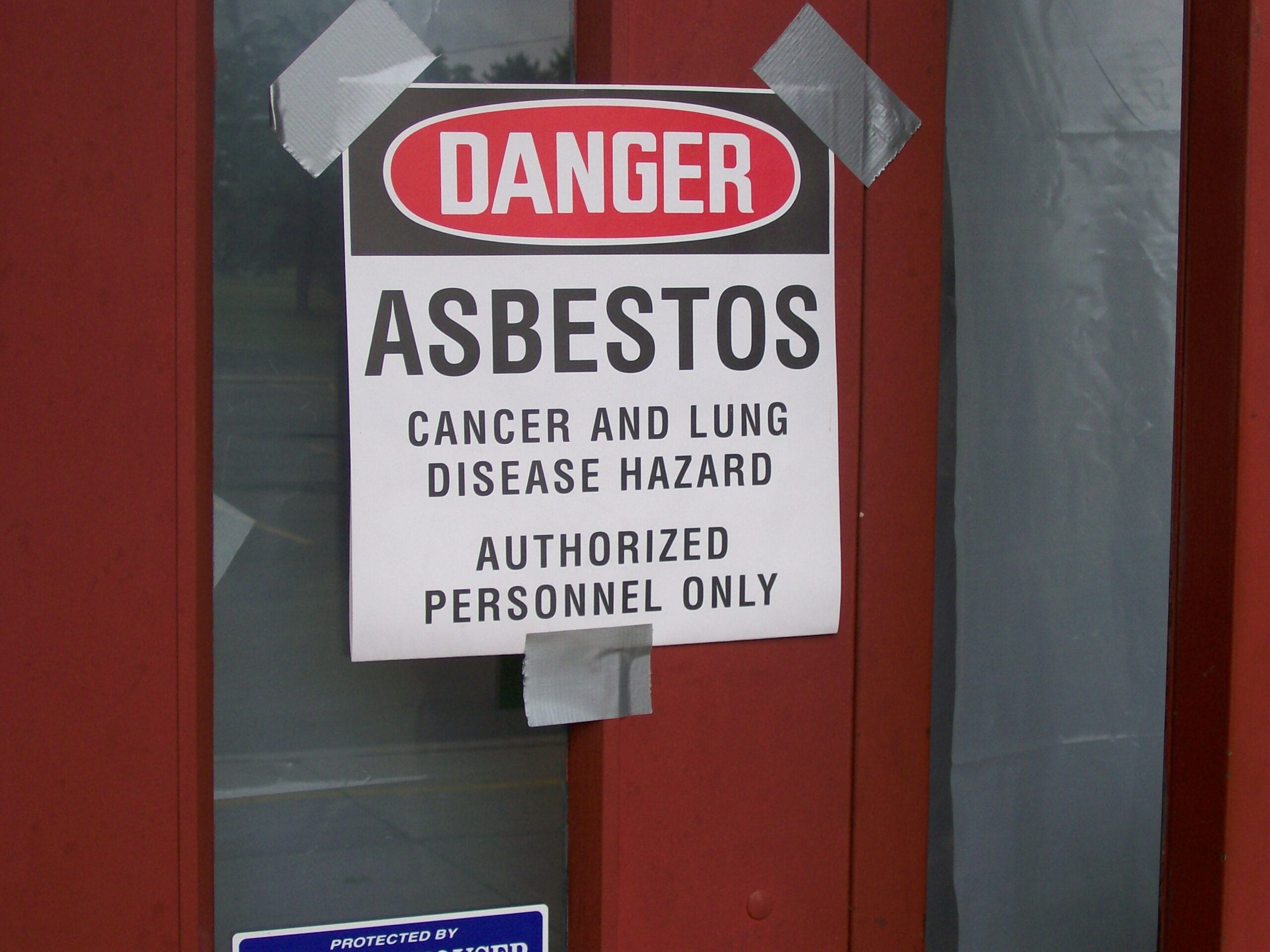
Asbestos

wikimedia

Asbestos was once widely used in construction and household products, despite its dangerous health effects, including lung cancer and mesothelioma. Baby boomers may remember asbestos being used in insulation, flooring, and even household items. Today, asbestos use is heavily regulated and often banned due to its links to serious illnesses. The strict regulations and bans on asbestos use highlight a significant improvement in public health protections. The transition from widespread use to stringent control represents a major advancement in health and safety standards. This change underscores the importance of ongoing health and safety research, leading to better protections for current and future generations.

9. Leaving Children Unattended in Cars

Child in a car

123rf

It was not uncommon for baby boomers to be left unattended in cars while their parents ran errands, often for extended periods. Modern laws make this practice illegal due to the dangers it poses to children, including the risk of heatstroke, abduction, and accidents. The increased awareness of these risks has led to stricter enforcement of child safety laws, with parents facing severe penalties for leaving children unattended in vehicles. This change reflects a broader commitment to protecting vulnerable individuals and ensuring that children are kept safe from harm. It’s a stark contrast to the more relaxed attitudes of the past. The evolution in laws and awareness highlights the growing emphasis on child safety, prioritizing their well-being in all circumstances.

10. Driving Without a License

No license

wikimedia

Baby boomers might recall a time when driving without a license was not as heavily policed as it is today. Stricter laws and enforcement now ensure that only licensed individuals can operate vehicles, enhancing road safety and ensuring that drivers are adequately trained and knowledgeable. The rigorous process of obtaining and maintaining a driver’s license reflects the importance of ensuring competent drivers on the road, with mandatory testing and renewal procedures. The contrast between past and present regulations highlights significant improvements in road safety standards. This shift underscores the importance of regulated driving practices, reducing the risk of accidents and ensuring a safer driving environment for everyone.

11. Using Leaded Gasoline

gas

wikimedia

Next, leaded gasoline was the norm during the baby boomer era, despite its harmful environmental and health impacts, including air pollution and lead poisoning. The phase-out of leaded gasoline in favor of unleaded alternatives represents a significant advancement in public health and environmental protection, with regulations mandating the use of cleaner fuels. Modern regulations ensure that gasoline is formulated to minimize harmful emissions, contributing to cleaner air and a healthier environment. The transition from leaded to unleaded gasoline illustrates a proactive approach to addressing pollution and health concerns, with significant reductions in lead exposure and associated health risks. This change highlights the importance of ongoing improvements in environmental standards, promoting a healthier future for all.

12. Lack of Food Safety Standards

No FDA

wikimedia

Food safety standards were not as stringent during the baby boomer era, leading to higher risks of foodborne illnesses and contamination. Today, strict regulations govern food production and handling to ensure public safety, with comprehensive safety protocols and regular inspections. The improved standards reflect a growing understanding of the importance of food safety. The evolution of food safety laws highlights significant advancements in protecting public health. The changes underscore the ongoing efforts to ensure that food products are safe for consumption.

Embrace the Changes for a Safer Future

Hard hat

pixabay

Reflecting on these past practices highlights how much we’ve advanced in safety and health regulations. It’s vital to keep evolving our laws to protect public well-being. Let’s embrace change and work towards an even safer future for everyone. By learning from the past, we can create a better environment for future generations. If you found this article insightful, please share it with your friends and family, so others may know about the changes we’ve made over the years.

Stephen Kanaval
Stephen Kanaval

Stephen began his career as a Research Assistant at a reputable middle-market private equity firm, where he honed his skills in market research, financial analysis, and identifying investment opportunities. He then transitioned to full-time financial writing focusing on small-cap biotech innovation and digital payment solutions. Today, Stephen is a value-based retail investor and novice baseball statistician.

Filed Under: Lists Tagged With: baby boomers, Generational Differences, Safety standards

9 Rare Historical Photos You’ve Never Seen

July 10, 2024 by Stephen Kanaval Leave a Comment

Oppenheimer

wikimedia

History is filled with captivating moments that have shaped the world as we know it. While many iconic images are etched in our minds, countless rare photographs remain hidden in archives, waiting to be discovered. In this article, we present nine rare historical photos that offer a fresh perspective on significant events and lesser-known moments. These images not only provide a glimpse into the past but also highlight the stories that shaped our history.

1. The Construction of the Eiffel Tower

YouTube/mycompasstv

The Eiffel Tower, one of the most recognizable landmarks in the world, was a marvel of engineering when it was constructed in the late 19th century. This rare photo captures the tower mid-construction, showcasing the intricate framework that supports the iconic structure. Workers can be seen meticulously assembling the iron beams, demonstrating the sheer scale and complexity of the project. The image provides a unique perspective on the construction techniques of the time and the dedication of the laborers involved. It’s a testament to human ingenuity and the ambition of a generation that dared to dream big.

2. Albert Einstein on the Beach

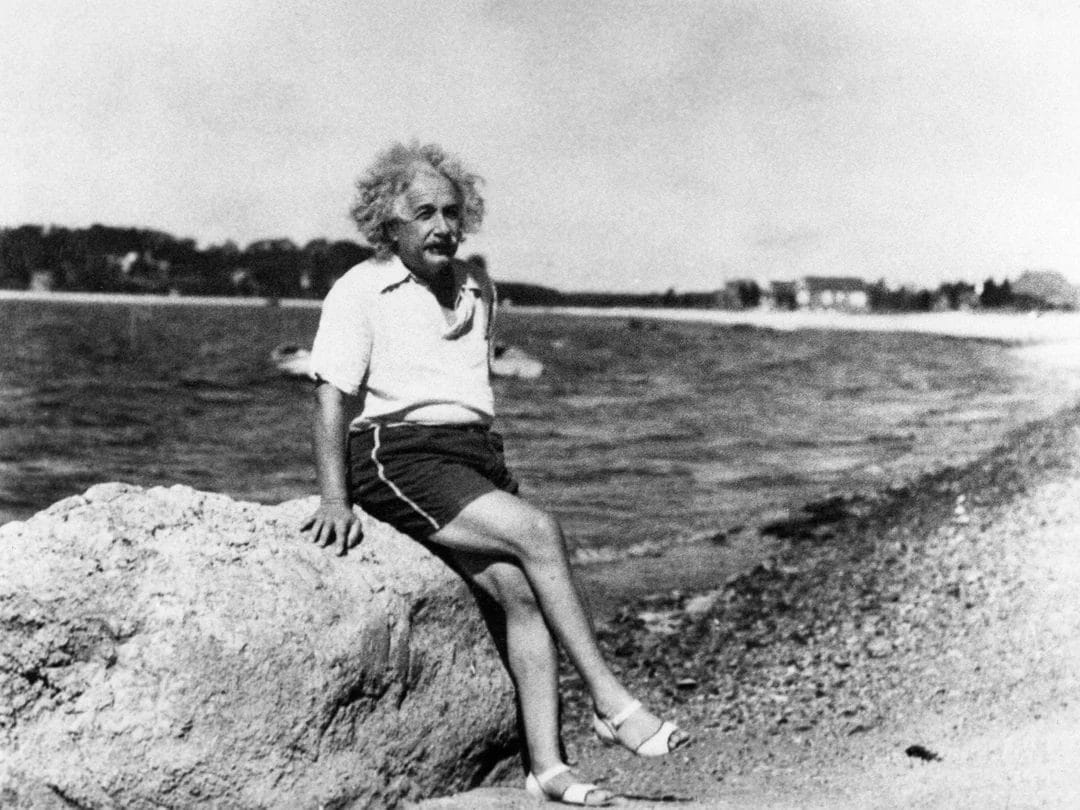
Einstein on the beach

Reddit

Albert Einstein, renowned for his contributions to theoretical physics, is often pictured in formal settings or deep in thought. However, this rare photo shows a different side of the genius, as he enjoys a relaxing day at the beach. Dressed casually and smiling, Einstein appears content and carefree, a stark contrast to his usual serious demeanor. This image humanizes the legendary scientist, reminding us that even the greatest minds need moments of relaxation and joy. It’s a glimpse into the personal life of a man who changed our understanding of the universe.

3. The First Woodstock Festival

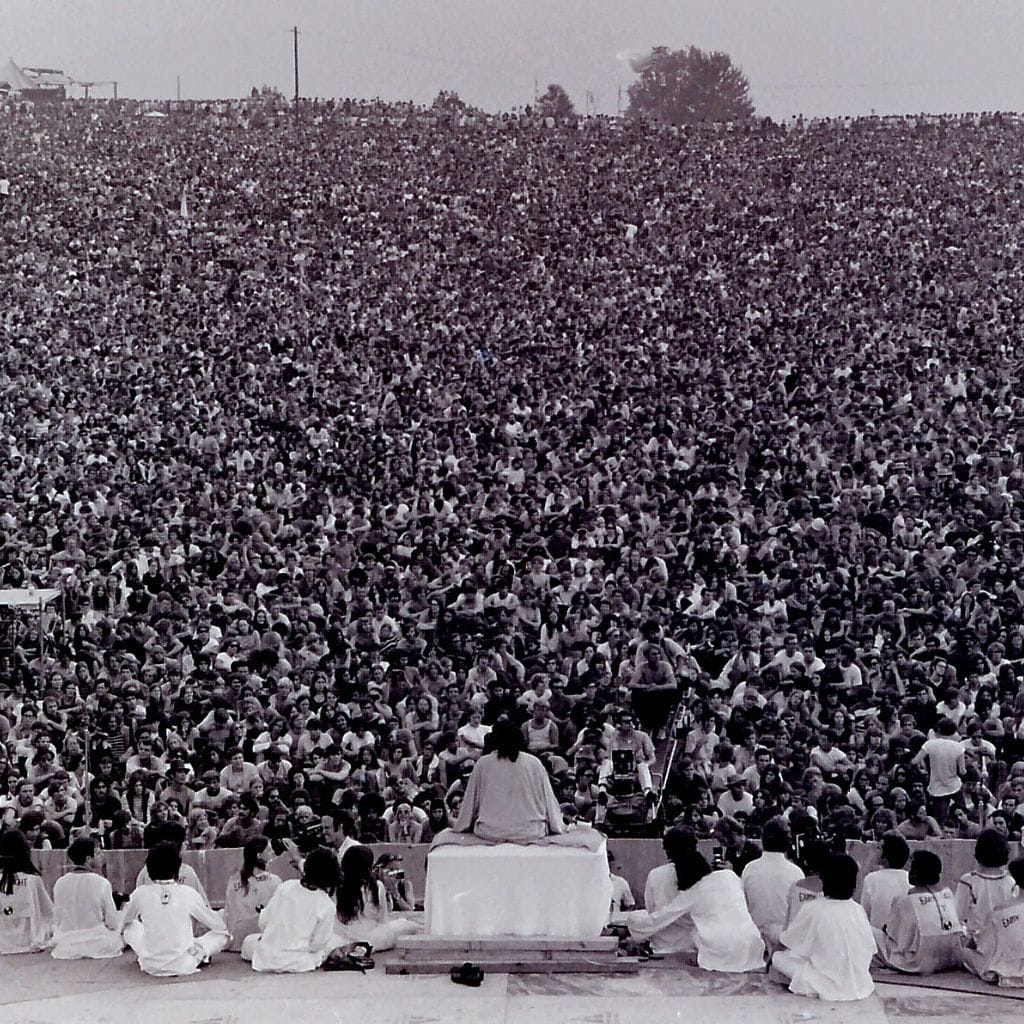
Woodstock

wikimedia

The Woodstock Festival of 1969 is synonymous with the counterculture movement of the 1960s, but many photos of the event focus on the performances and the crowds. This rare image captures the festival grounds before the attendees arrived, showing the calm before the storm. The vast open field, dotted with makeshift stages and tents, hints at the monumental event that was about to unfold. It’s a reminder of the organization and effort that went into creating one of the most iconic music festivals in history. The photo serves as a prelude to the peace, love, and music that defined Woodstock.

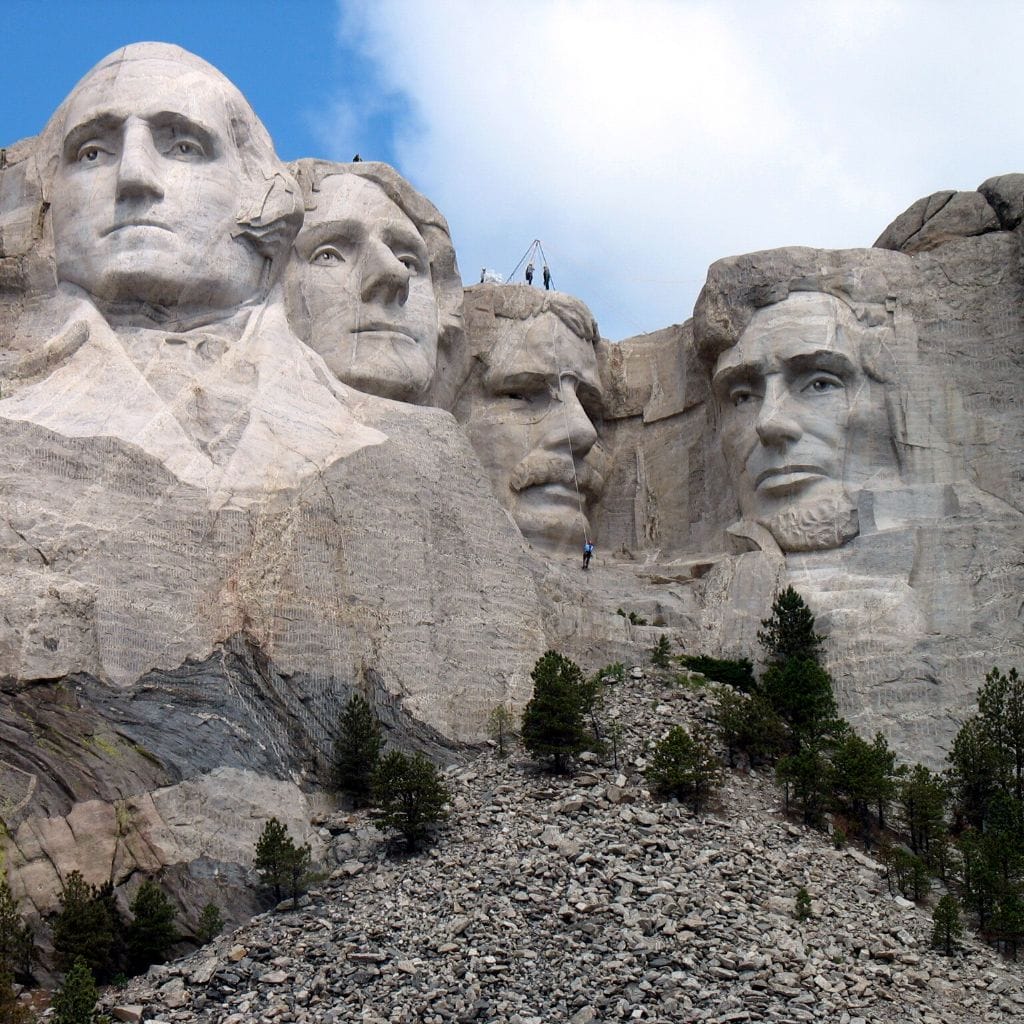
4. The Unveiling of Mount Rushmore

MT Rushmore

wikimedia

Mount Rushmore, with its colossal carvings of four U.S. presidents, is a symbol of American history and achievement. The photo captures the moment when the monument was first unveiled to the public. Crowds gather in awe, gazing up at the immense faces carved into the granite mountain. The image reflects the national pride and excitement surrounding the project, as well as the remarkable craftsmanship involved. It’s a snapshot of a significant moment in American history, celebrating the completion of a monumental feat of art and engineering.

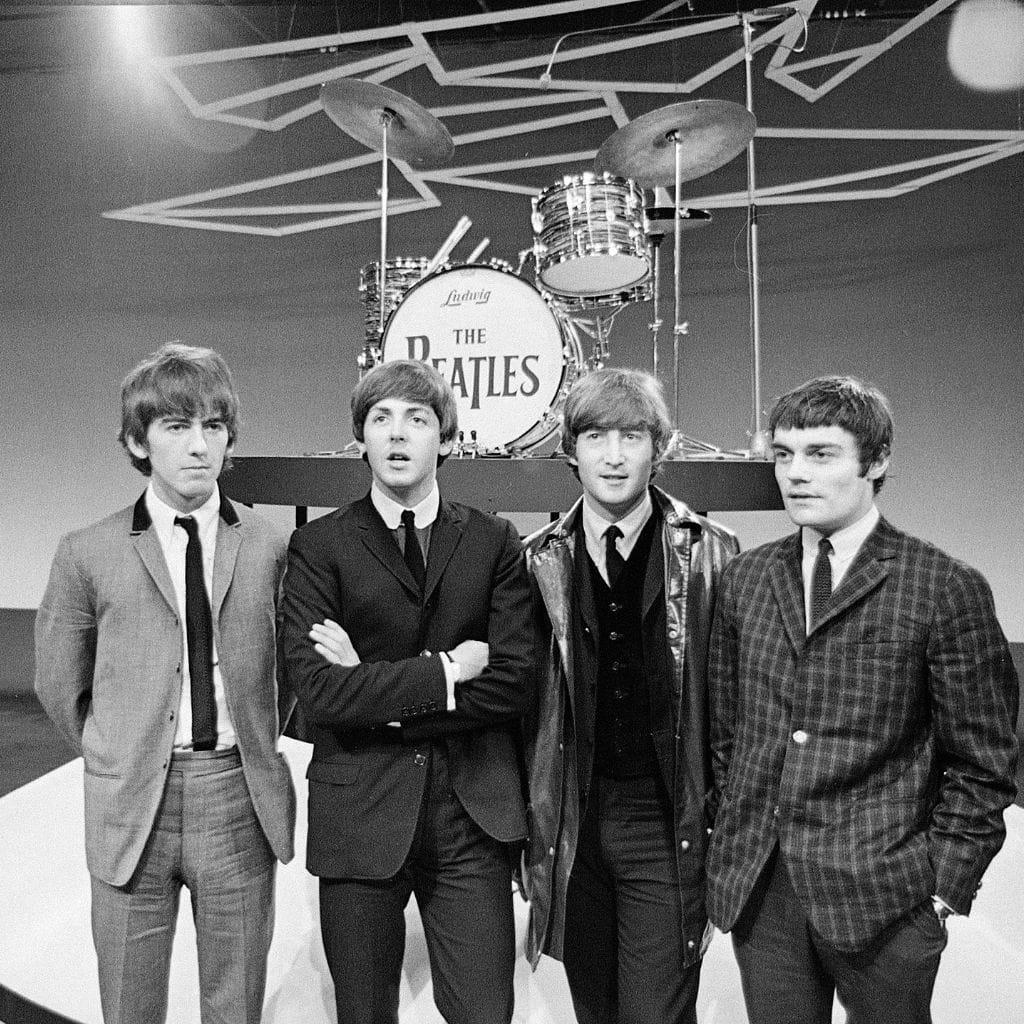
5. The Beatles’ Last Concert

Beatles

wikimedia

The Beatles, one of the most influential bands in music history, played their last public concert in 1966. This rare photo captures the Fab Four on stage during their final performance, radiating the energy and charisma that captivated millions. The image is a bittersweet reminder of the end of an era, as the band transitioned from live performances to studio work. It highlights the enduring legacy of The Beatles and the impact they had on music and culture. Fans can see the band in their prime, delivering a performance that would be remembered for decades.

6. The Opening of Disneyland

Disneyland Opening Day

YouTube/CBS 8 San Diego

Disneyland, the brainchild of Walt Disney, opened its doors in 1955 and quickly became a beloved destination for families around the world. This rare photo captures the opening day, with Walt Disney himself greeting the first visitors. The image shows the excitement and wonder on the faces of children and adults alike, as they experience the magic of Disneyland for the first time. It’s a nostalgic glimpse into the early days of the theme park that has brought joy to millions. The photo encapsulates the vision and creativity of Walt Disney and the lasting impact of his creation.

7. The Hindenburg Before Disaster

Zeppelin

wikimedia

The Hindenburg disaster of 1937 is one of the most infamous tragedies in aviation history. This rare photo captures the airship in flight, just moments before the catastrophic explosion. The image shows the grandeur and elegance of the Hindenburg, highlighting the advanced engineering of the time. It’s a haunting reminder of the fragility of human achievements and the unpredictable nature of technology. The photo provides context for the disaster, illustrating the awe and fascination that surrounded the Hindenburg before its tragic end.

8. Frida Kahlo in New York

Instagram/arthiding

Frida Kahlo, the iconic Mexican artist, is often associated with her vibrant paintings and tumultuous personal life. This rare photo captures Kahlo in New York City, a place that influenced her work and broadened her horizons. The image shows Kahlo amidst the urban backdrop, blending her unique style with the bustling energy of the city. It highlights her bold personality and the cultural exchanges that enriched her art. The photo offers a rare glimpse into Kahlo’s experiences outside of Mexico, showcasing the diverse influences that shaped her creative vision.

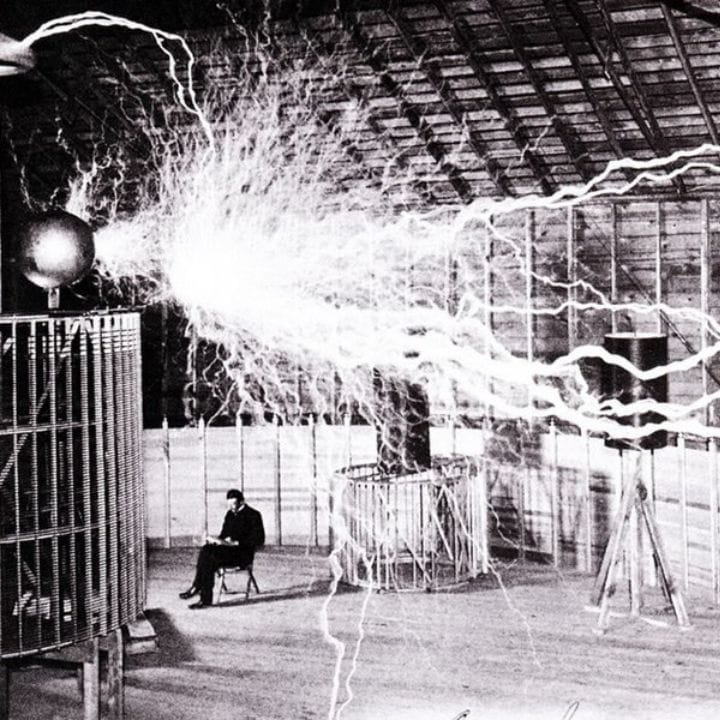
9. Nikola Tesla’s Laboratory

wikimedia

Nikola Tesla, the brilliant inventor and electrical engineer, conducted groundbreaking experiments that revolutionized modern technology. This rare photo captures Tesla in his laboratory, surrounded by his inventions and equipment. The image highlights the intensity and dedication of Tesla’s work, providing a window into the environment where he developed his revolutionary ideas. It’s a fascinating glimpse into the mind of a genius, showcasing the tools and techniques that paved the way for countless technological advancements. The photo underscores Tesla’s legacy as a pioneer of innovation and scientific discovery.

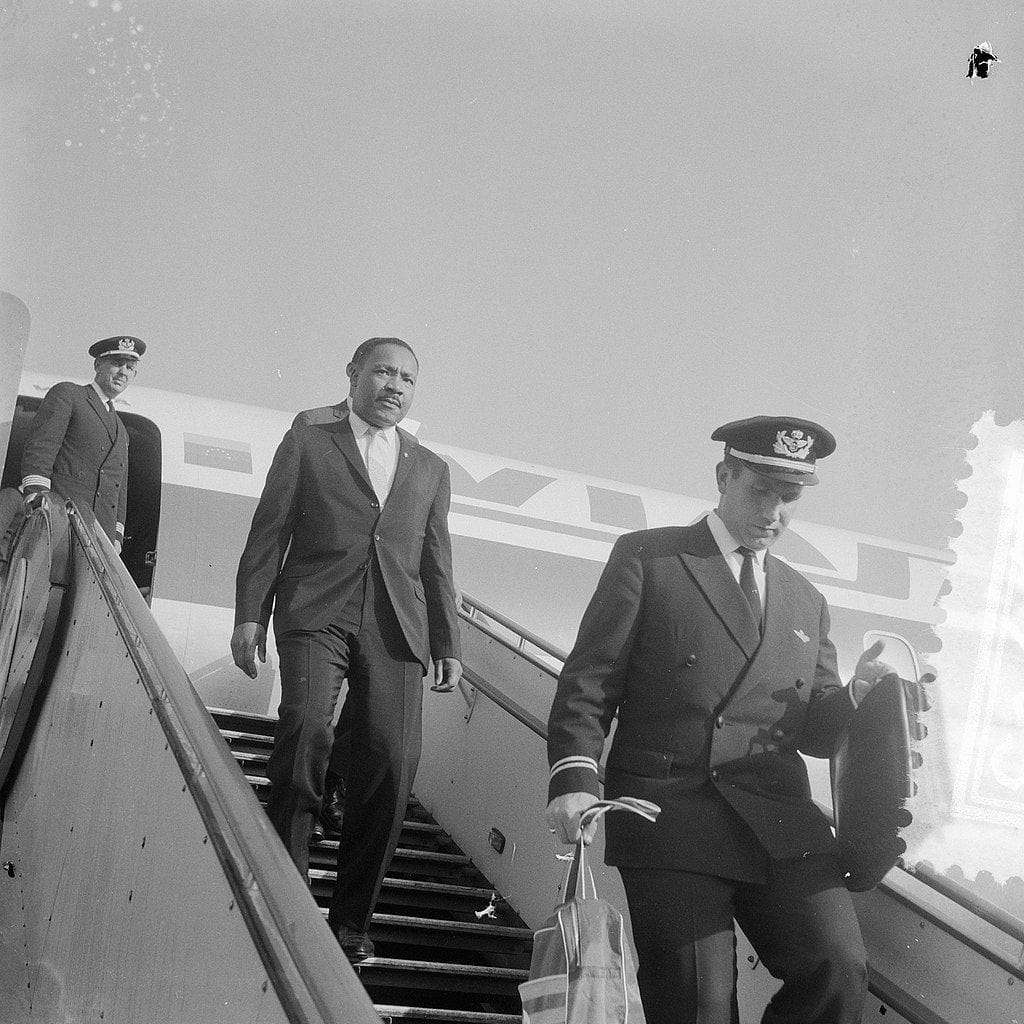
History Through Photographs

MLK again

wikimedia

These nine rare historical photos offer a fresh perspective on some of the most significant events and figures in history. They provide a deeper understanding of the moments that shaped our world and the people who made it happen. By exploring these unique images, we gain insight into the personal experiences, challenges, and triumphs that defined our past. For more fascinating historical insights and captivating visuals, be sure to explore our other articles and share your thoughts in the comments.

Stephen Kanaval
Stephen Kanaval

Stephen began his career as a Research Assistant at a reputable middle-market private equity firm, where he honed his skills in market research, financial analysis, and identifying investment opportunities. He then transitioned to full-time financial writing focusing on small-cap biotech innovation and digital payment solutions. Today, Stephen is a value-based retail investor and novice baseball statistician.

Filed Under: Lists Tagged With: historical photos, history, nostalgia, Photos

Why We Love Lists: A Deep Dive into Our Obsession with Order

June 7, 2024 by Vanessa Bermudez Leave a Comment

obsession with list

Canva

Who doesn’t love a good list? From the top ten countdowns on your favorite music channel to the checklists we tick off daily, lists organize our world in a neat, digestible format. But why are we so drawn to them? What is it about ordering our preferences, tasks, and even random thoughts into lists that feel so satisfying? Let’s unpack this obsession with order, list-style of course!

1. Lists Bring Order to Chaos

Lists Bring Order to Chaos

Canva

In a world where information bombards us from all directions, lists help us make sense of the chaos. They break down complex information into manageable chunks, making it easier to process and remember. Whether it’s a grocery list or a list of pros and cons when making a decision, lists help us prioritize and focus on what’s important. They are the mental equivalent of decluttering a crowded room. Suddenly, what seemed overwhelming becomes approachable.

2. Simplify Decision-Making

Simplify Decision-Making

Canva

Lists are decision-making tools. By laying out options in a list format, we visually parse our choices more systematically. This can be especially useful when decisions are tough, and the stakes are high. Lists force us to organize our thoughts, weigh alternatives, and see the bigger picture. It’s no wonder that pros and cons lists are so popular for making tough choices!

3. The Joy of Checking Things Off

The Joy of Checking Things Off

Canva

There’s a profound sense of accomplishment that comes from checking items off a list. Completing tasks and physically marking them off provides a visual representation of progress. This not only motivates us to keep going but also boosts our mood. The act taps into our brain’s reward center, releasing a hit of dopamine, the feel-good neurotransmitter. That’s why finishing even a small task can make us feel like we’re conquering the day.

4. Lists Help Us Remember

Lists Help Us Remember

Canva

Our brains are wired to recall structured information better than random streams. Lists leverage this by organizing data in a pattern that’s easier to remember. Whether it’s a list of historical dates or a sequence of events, structuring information into a list enhances recall. This is particularly handy in educational settings or when learning new skills. If you want to remember something, list it!

5. Lists Can Be a Form of Expression

Lists Can Be a Form of Expression

Canva

Lists aren’t just about utility; they’re a medium for self-expression. People curate lists of their favorite books, movies, or songs, which say a lot about their personalities and preferences. These lists are shared on social media, blogs, and between friends as a form of identity. They tell a story about who we are, what we value, and how we see the world. Lists are personal narratives compacted into an easily digestible format.

6. The Aesthetic Appeal of Lists

The Aesthetic Appeal of Lists

Canva

There’s something inherently pleasing about the symmetry and order of a list. The clean lines and organized format are visually appealing and can be soothing to look at. This aesthetic pleasure is why many productivity apps and tools are designed around list-making. People enjoy the process of creating, organizing, and viewing lists. It’s the visual satisfaction of seeing everything in its right place.

7. Lists Foster Creativity

Lists Foster Creativity

Canva

Contrary to the notion that lists are rigid, they can actually be a springboard for creativity. When brainstorming ideas, listing them out can spark connections between seemingly unrelated concepts. This can lead to innovative solutions and new ideas. Lists provide a framework that can be played with, rearranged, and expanded upon. They are a tool for creative thinking as much as they are for organizing.

8. Connect Us with Others

Connect Us with Others

Canva

Sharing lists is a way to connect with others with similar interests or experiences. From reading lists to bucket lists, these compilations offer a glimpse into our aspirations and inspirations. They facilitate conversations and can help build communities around shared passions. Lists are a social currency in the digital age, where “top 10” and “best of” compilations dominate our feeds, linking us through our shared preferences.

9. Aid in Goal Setting

Aid in Goal Setting

Canva

Lists are instrumental in goal setting and achieving long-term objectives. By breaking larger goals into smaller, actionable items, lists make daunting tasks feel more attainable. They help us plan steps, track progress, and maintain focus on our ultimate objectives. Whether it’s career milestones or personal development goals, lists keep us aligned and driven. They turn dreams into to-dos.

10. Lists Give Us Control

Lists Give Us Control

Canva

Creating a list is an act of taking control. In organizing our thoughts and tasks, we are asserting our ability to influence our environment. This can be empowering, especially in uncertain times. Lists reassure us that we have a plan, a structure we can rely on. They give us a semblance of control over our time and our lives, which can be incredibly comforting.

List-Lovers, Unite!

Connect Us with Others

Canva

Our love for lists is deeply embedded in our desire for order, clarity, and expression. They are powerful tools that simplify, beautify, and enhance our lives. Whether you’re a meticulous planner or a creative thinker, embracing the list can lead to greater productivity, creativity, and personal satisfaction. So, next time you write a list, remember that it’s not just about getting things done; it’s about bringing order and intent into your life.

Vanessa Bermudez
Vanessa Bermudez
Vanessa Bermudez is a content writer with over eight years of experience crafting compelling content across a diverse range of niches. Throughout her career, she has tackled an array of subjects, from technology and finance to entertainment and lifestyle. In her spare time, she enjoys spending time with her husband and two kids. She’s also a proud fur mom to four gentle giant dogs.

Filed Under: Lists Tagged With: Creative Thinking, Decision Making, Organizational Tips, Productivity Hacks, Psychology of Lists

11 Cults That You May Be A Part Of Without Realizing It

February 21, 2024 by Tamila McDonald Leave a Comment

Cult

We live in a world where many people feel lonely unless they belong to a group or community. For this reason and the world of social media, the term ‘cult’ has expanded beyond its traditional boundaries. Let’s delve into the world of 11 modern groups or communities that, due to their intense loyalty and charismatic leadership, might share similarities with cult-like phenomena.

1. FAANG Companies: The Corporate Cult

FAANG Companies

Employees of FAANG companies often display a cult-like dedication, blurring the lines between personal and professional life. This deep integration is fostered by workplace cultures that encourage a ‘work-as-life’ philosophy, often leading to a strong communal bond and a sense of superiority about the company’s mission and values. This environment can create a powerful group identity, echoing the total devotion found in more traditional cults.

2. Peloton: The Fitness Fervor

Peleton

Peloton’s community showcases a passion that goes beyond normal brand loyalty, creating a close-knit group that shares workouts, celebrates milestones, and often forms real-life connections. This intense bonding over fitness routines and shared goals fosters a community that not only works out together but also supports each other in a manner reminiscent of more zealous group formations. The devotion to Peloton instructors, who often become celebrity-like figures within the community, further mirrors the charismatic leadership seen in cults.

3. The Beyhive: Beyoncé’s Loyal Followers

bee hive

The Beyhive, known for their unwavering support for Beyoncé, often mobilizes quickly on social media to celebrate her successes or defend her against criticism. This group’s coordinated efforts and deep emotional investment in the success and well-being of Beyoncé resemble the dynamics seen in traditional cult followings. The Beyhive’s ability to influence social media trends and public opinion demonstrates the powerful impact of their collective action.

4. Political Party Diehards

Political

Hardcore supporters of political parties often display an almost religious fervor for their chosen ideologies. Their unwavering commitment can lead to a reluctance to engage with opposing viewpoints, creating an echo chamber effect. This kind of blind allegiance can be particularly evident during election cycles, where the intensity of support often reaches its peak.

5. Apple Enthusiasts: The Tech Devotees

Apple

Apple enthusiasts, often deeply invested in the brand’s ecosystem, frequently advocate for Apple’s products and innovations with a zeal comparable to religious converts. Their sense of community is strengthened by exclusive events like Apple keynotes and product launches, which are celebrated as major events within the community. This level of devotion goes beyond consumer preference, reflecting a deep-seated belief in the brand’s philosophy.

6. Cryptocurrency Evangelists

Crypto Evangelist

Cryptocurrency supporters often exhibit a deep conviction in the transformative potential of digital currencies. This belief system sometimes leads to an ‘us versus them’ mentality, particularly against traditional financial institutions. The community’s language and rituals, including terms like ‘HODL,’ foster a unique subculture within the broader financial world.

7. Followers of Eckhart Tolle

Eckhart Tolle

Eckhart Tolle’s followers often integrate his teachings into their daily lives, viewing his guidance as a path to higher consciousness and enlightenment. This intense devotion can sometimes lead to an uncritical acceptance of his ideas, with group discussions and gatherings reinforcing their shared beliefs. Tolle’s approach to mindfulness and spirituality attracts a diverse audience, further expanding his influence.

8. Megachurches: The Spiritual Hubs

MegaChurch

Megachurches, often known for their charismatic leaders and large congregations, can sometimes create a cult-like environment. These religious institutions typically emphasize emotional experiences, personal transformation, and a strong community bond, drawing members into a tightly knit and often insular group.

The persuasive sermons and captivating worship sessions can create an atmosphere that demands unquestioning faith and devotion. This intense communal experience, along with the prominence given to church leaders, can mirror the dynamics seen in traditional cults, where individual beliefs are often submerged within the collective ethos.

9. The Marvel Cinematic Universe Fans

Marvel Universe

Fans of the MCU share a deep emotional investment in its characters and storylines, often engaging in detailed analysis and speculation about future directions. This intense involvement creates a shared language and culture among fans, with conventions and fan gatherings serving as important communal events. The shared anticipation for new releases and collective mourning of character losses exemplify the emotional bond within this community.

10. Elite University Alumni Networks

University

Alumni from elite universities often maintain lifelong connections, viewing their alma mater as a key part of their identity. These networks can influence career opportunities and social connections, reinforcing the exclusivity and prestige associated with these institutions. The strong loyalty to their educational institutions can mirror the communal bonds and shared identity seen in more traditional cults.

11. Instagram Influencers’ Followers

Instagram Followers

Followers of Instagram influencers often emulate their lifestyles, making purchasing decisions based on their recommendations. This deep influence extends beyond consumer behavior, affecting followers’ perceptions of beauty, success, and lifestyle. The personal connection followers feel with influencers, often fueled by the intimate glimpse into their lives, creates a powerful bond akin to the loyalty seen in cult-like groups.

Be Aware of Influences

Cults

While these groups are not cults in the traditional sense, the dynamics within them share certain similarities. Being aware of these influences can help ensure that your involvement in any community remains positive and healthy.

Examine your participation in these communities. Are you engaging in a way that enriches your life while maintaining your individuality and critical thinking? Stay mindful of the impact these groups can have on your personal and social identity.

Tamila McDonald
Tamila McDonald

Tamila McDonald is a U.S. Army veteran with 20 years of service, including five years as a military financial advisor. After retiring from the Army, she spent eight years as an AFCPE-certified personal financial advisor for wounded warriors and their families. Now she writes about personal finance and benefits programs for numerous financial websites.

Filed Under: Lists Tagged With: Beyhive, FAANG, Followers of Eckhart Tolle, Instagram

  • 1
  • 2
  • 3
  • Next Page »

FOLLOW US

Search this site:

Recent Posts

  • Can My Savings Account Affect My Financial Aid? by Tamila McDonald
  • 12 Ways Gen X’s Views Clash with Millennials… by Tamila McDonald
  • What Advantages and Disadvantages Are There To… by Jacob Sensiba
  • Call 911: Go To the Emergency Room Immediately If… by Stephen Kanaval
  • 10 Tactics for Building an Emergency Fund from Scratch by Vanessa Bermudez
  • 7 Weird Things You Can Sell Online by Tamila McDonald
  • 10 Scary Facts About DriveTime by Tamila McDonald

Copyright © 2026 · News Pro Theme on Genesis Framework