• Home
  • About Us
  • Getting Finances Done
    • Hiring Advisors
    • Debt Management
    • Spending Plan
  • Insurance
    • Life Insurance
    • Health Insurance
    • Disability Insurance
    • Homeowners/Renters Insurance
  • Contact Us
  • Our Editorial Commitment

The Free Financial Advisor

You are here: Home / Archives for Amanda Blankenship

Amanda Blankenship is the Chief Editor for District Media.  With a BA in journalism from Wingate University, she frequently writes for a handful of websites and loves to share her own personal finance story with others. When she isn’t typing away at her desk, she enjoys spending time with her daughter, son, husband, and dog. During her free time, you’re likely to find her with her nose in a book, hiking, or playing RPG video games.

Expert Advice: 6 Ways to Secure a Second Home Without Stressing Your Finances

August 20, 2024 by Amanda Blankenship Leave a Comment

can i afford a second home - New Home, real estate and moving concept - Funny young couple showings keys from new house

Purchasing a second home is a dream for many, offering a retreat or a potential investment opportunity. However, the financial implications can be daunting. 

Below you’ll find expert advice on how to secure a second home without straining your finances, ensuring that this significant investment enhances your financial well-being rather than becoming a burden.

1. Evaluate Your Financial Health First

Before diving into the process of buying a second home, it’s crucial to assess your current financial situation. This involves reviewing your savings, debt levels, and existing financial commitments. 

Ask yourself, “Can I afford a second home?” and consider consulting a financial advisor to get an objective view. Ensuring that your primary residence is financially secure and that you have an emergency fund in place is essential. By thoroughly evaluating your financial health, you can make informed decisions and avoid overextending yourself.

2. Consider Rental Income Potential

One way to ease the financial burden of a second home is to generate rental income from the property. Whether it’s a vacation rental or a long-term lease, this income can offset mortgage payments and other costs. 

Research the rental market in the area where you plan to buy and consider how often you’ll use the property versus how often it will be rented out. Ensure that rental income will cover expenses, including maintenance, taxes, and insurance. This approach can make owning a second home more financially viable.

3. Shop Around for the Best Mortgage Rates

Securing a favorable mortgage rate is critical when purchasing a second home. Interest rates can vary significantly, so it’s important to shop around and compare offers from different lenders. Consider working with a mortgage broker who can help you find the best deal based on your financial profile. 

Remember, the interest rate you secure will impact your monthly payments and the overall cost of the home. By securing a competitive rate, you can reduce financial strain and make the second home more affordable.

selective focus of man giving house shaped key chain to happy couple in new home

Bill Gassett, a home sales expert and owner of Maximum Real Estate Exposure recommends speaking to multiple lenders.

“With something as vital as getting the best mortgage terms it pays to speak to multiple lenders or work with a mortgage broker with access to several lending options. The rate and terms you receive will impact what you pay over the life of the loan. Even a ¼ point difference can make a significant difference.

When working with clients, I explain to them how working with my mortgage broker vs. walking into a local bank for a home loan can make a tremendous difference. On occasion, the buyers have received a ¾ percent lower rate!”

4. Choose the Right Location Carefully

Location plays a vital role in the long-term value and affordability of a second home. When selecting a location, consider not only the property’s appeal but also the cost of living, taxes, and potential for appreciation. A property in a high-demand area may offer better rental income and long-term value but could come with higher upfront costs. 

On the other hand, a more affordable location might require fewer financial sacrifices but offer lower potential returns. Balancing these factors will help ensure that you make the right decision when asking yourself, “Can I afford a second home?”

5. Budget for Maintenance and Hidden Costs

Owning a second home involves more than just mortgage payments. Maintenance, repairs, utilities, property management fees, and taxes can add up quickly. It’s essential to create a comprehensive budget that includes all potential expenses associated with the property. 

This will help you avoid unpleasant surprises and ensure that you’re financially prepared for the ongoing costs of maintaining a second home. Planning for these expenses upfront can prevent financial stress and ensure that your second home remains a source of enjoyment, not anxiety.

6. Leverage Tax Benefits and Deductions

There are several tax benefits associated with owning a second home, which can ease the financial burden. For instance, mortgage interest and property taxes on a second home may be deductible, similar to those on your primary residence. If you rent out the property, you may also be able to deduct expenses related to rental income. 

However, tax laws can be complex, so it’s advisable to consult with a tax professional to fully understand the deductions and benefits available to you. Leveraging these tax advantages can make owning a second home more affordable. 

So, Can I Afford A Second Home?

Purchasing a second home is a significant financial commitment, but with careful planning and strategic decision-making, it can be a rewarding investment. By evaluating your financial health, considering rental income potential, securing favorable mortgage rates, choosing the right location, budgeting for all costs, and leveraging tax benefits, you can secure a second home without overwhelming your finances. 

Amanda Blankenship

Amanda Blankenship is the Chief Editor for District Media.  With a BA in journalism from Wingate University, she frequently writes for a handful of websites and loves to share her own personal finance story with others. When she isn’t typing away at her desk, she enjoys spending time with her daughter, son, husband, and dog. During her free time, you’re likely to find her with her nose in a book, hiking, or playing RPG video games.
Filed Under: Real Estate Tagged With: can i afford a second home, Real estate, real estate investing, Real Estate Investments

13 States Where You Can Legally Live Off the Grid

July 8, 2024 by Amanda Blankenship Leave a Comment

13 States Where You Can Legally Live Off the Grid
123RF

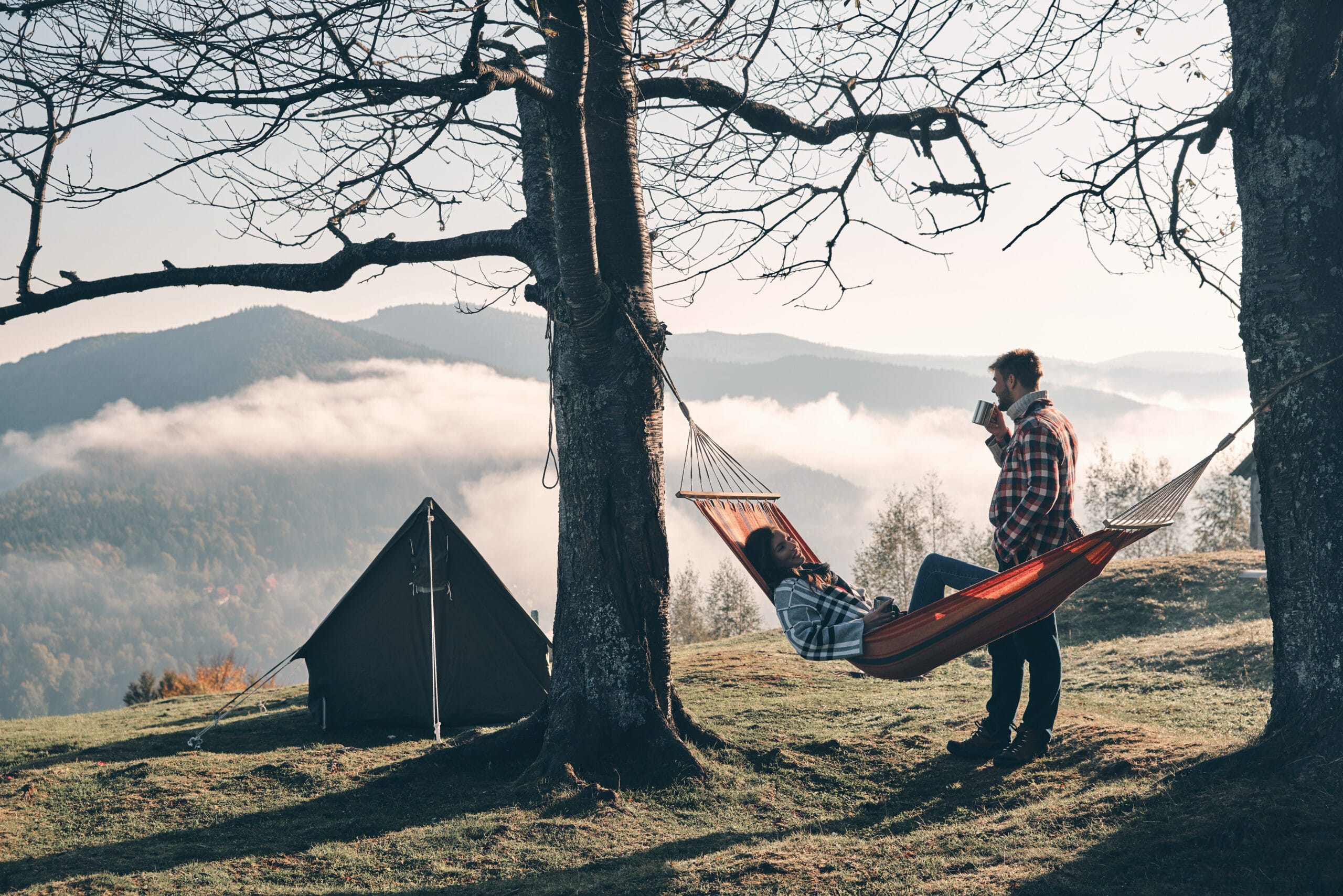
Living off the grid is an increasingly popular lifestyle choice for those seeking self-sufficiency, sustainability, and a simpler way of life. Whether it’s to escape the hustle and bustle of city living or to reduce one’s carbon footprint, many are looking to establish their own slice of paradise away from modern utilities. Here are 13 states where you can legally live off the grid.

1. Alaska

1. Alaska
123RF

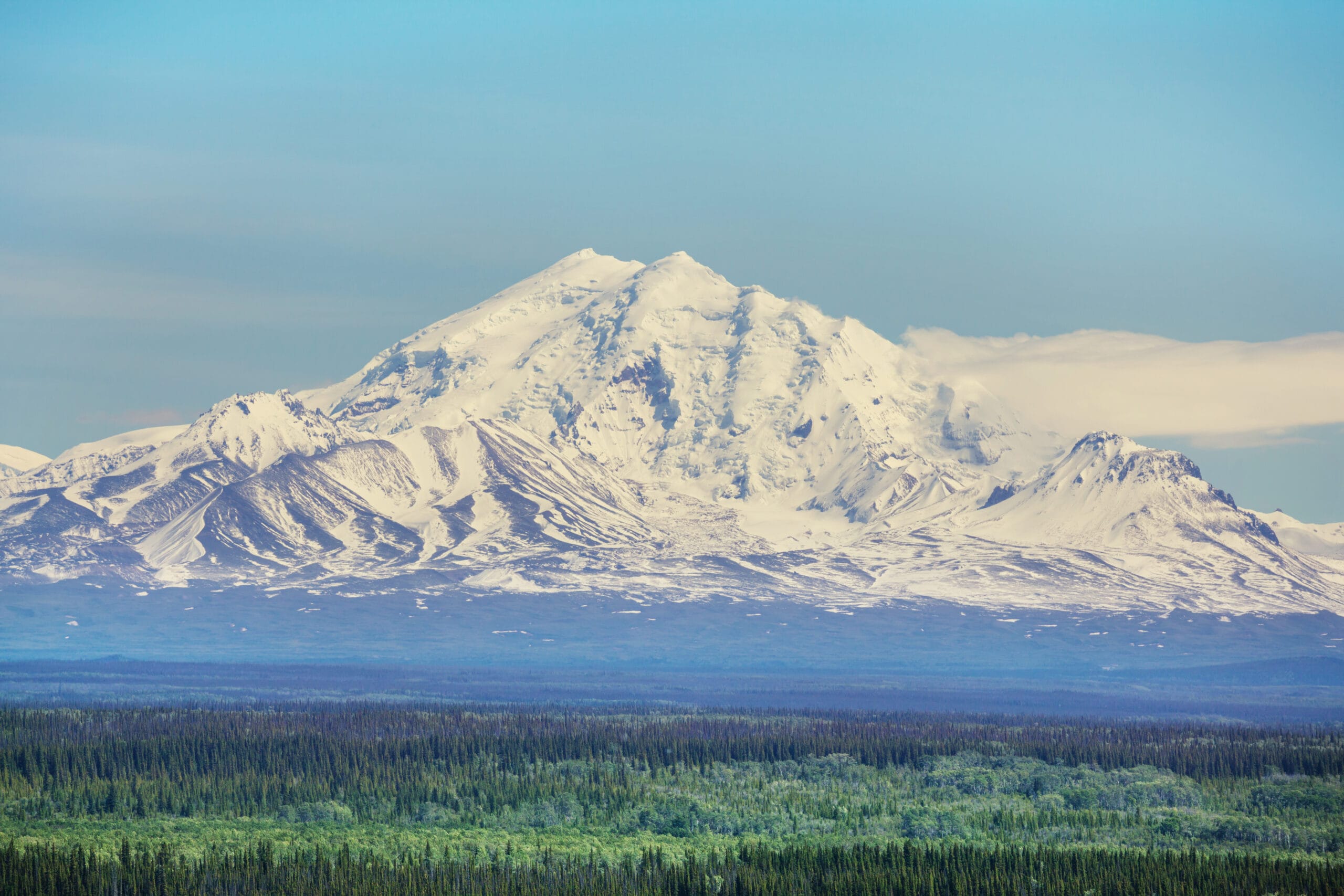
Alaska is the quintessential state for off-grid living. With its vast wilderness and low population density, it offers ample opportunities for self-sufficient living. The state has lenient building codes and a strong culture of independence, making it an ideal choice for those looking to live off the land. However, extreme weather conditions and remote locations can pose challenges, so proper planning and preparation are essential.

2. Arkansas

2. Arkansas
123RF

Arkansas provides a welcoming environment for off-grid enthusiasts with its affordable land and mild climate. The state’s lax building codes and supportive community make it easier to establish a self-sufficient lifestyle. Arkansas’s diverse landscapes, including forests, mountains, and rivers, offer ample resources for those looking to live sustainably. Additionally, the state has a rich history of farming and homesteading, which can provide valuable knowledge and support.

3. Idaho

3. Idaho
123RF

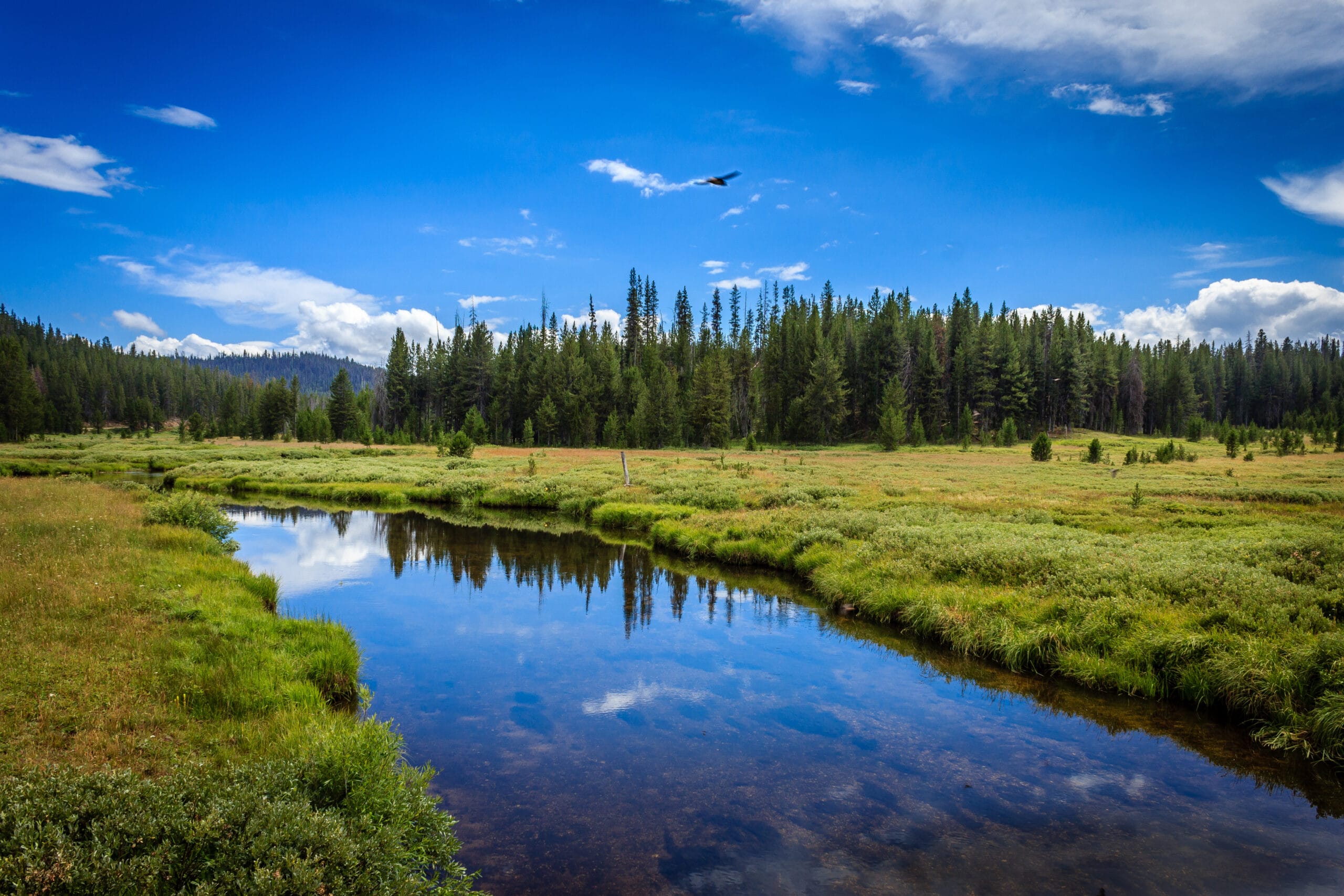
Idaho offers a mix of mountains, forests, and farmland, providing a variety of options for off-grid enthusiasts. The state has relatively lax building codes and a strong emphasis on individual rights, which can make setting up an off-grid homestead easier. Additionally, Idaho’s climate is suitable for growing a wide range of crops, making it possible to sustain yourself through farming.

4. Illinois

4. Illinois
123RF

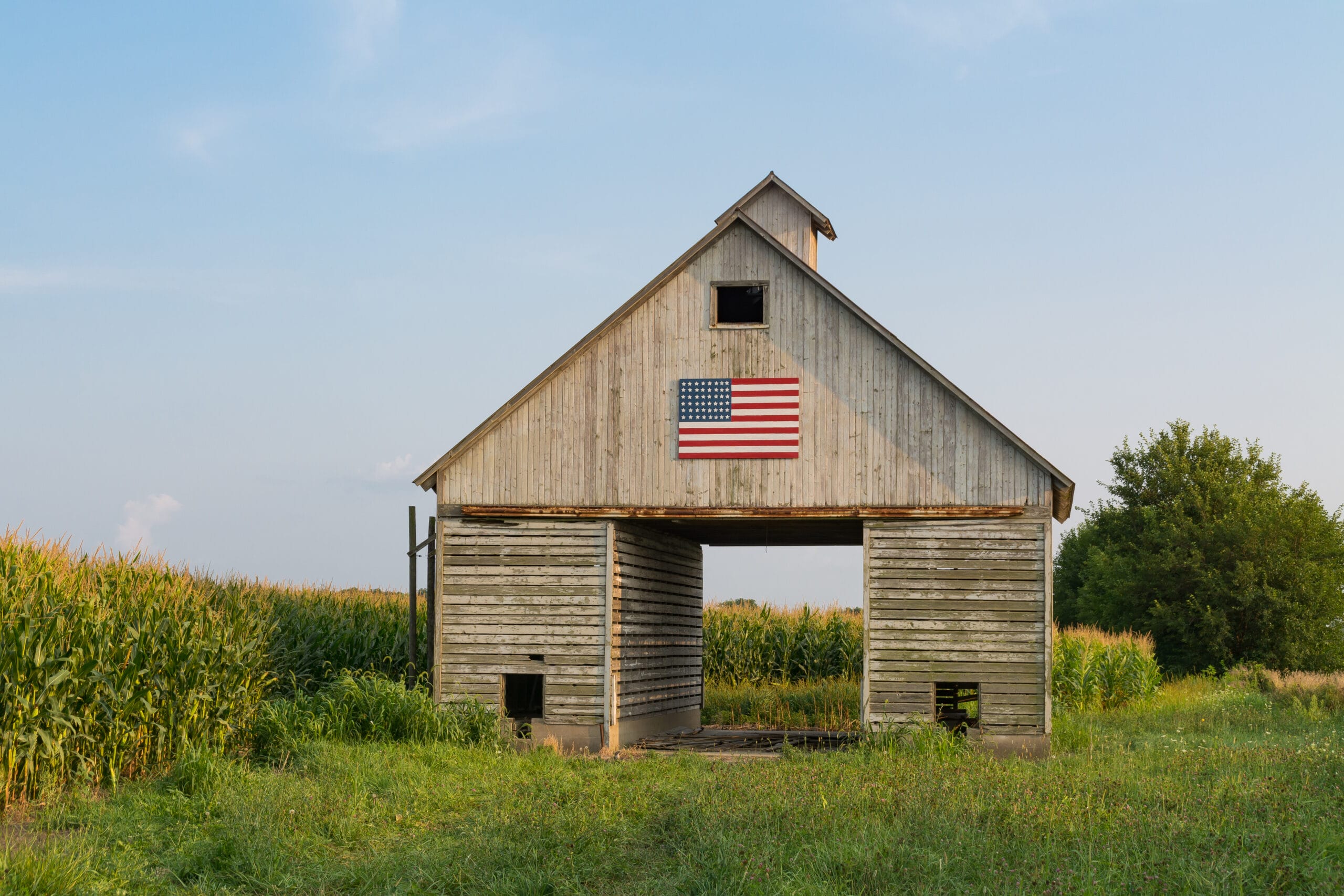
Illinois, with its rich soil and agricultural heritage, is a great state for off-grid living. The state’s supportive regulations for alternative energy and sustainable practices make it easier to create an eco-friendly homestead. Illinois’s diverse climate allows for a variety of crops to be grown, contributing to a self-sufficient lifestyle. Moreover, the state’s numerous rivers and lakes provide ample opportunities for water collection and usage.

5. Iowa

5. Iowa
123RF

Iowa’s fertile farmland and supportive community make it an excellent choice for those looking to live off the grid. The state’s mild climate and abundant rainfall create ideal conditions for growing crops and raising livestock. Iowa’s relaxed building codes and emphasis on renewable energy make it easier to establish a sustainable homestead. Additionally, the state’s agricultural background provides a wealth of knowledge and resources for off-grid living.

6. Maine

6. Maine
123RF

Maine’s vast forests and coastal areas offer a unique environment for off-grid living. The state has supportive regulations for sustainable building and alternative energy, allowing for greater freedom in creating an eco-friendly homestead. Maine’s strong focus on community and local agriculture can provide valuable resources and support for those looking to live off the land. The state’s abundant natural resources make it possible to live a self-sufficient lifestyle with ease.

7. Minnesota

7. Minnesota
123RF

Minnesota’s diverse landscapes, from forests to prairies, provide ample opportunities for off-grid living. The state’s supportive laws for renewable energy and sustainable building practices make it easier to create an environmentally friendly homestead. Minnesota’s climate, while challenging in winter, offers fertile soil and ample water resources for growing crops and raising animals. The state’s strong community focus on sustainability can also provide valuable support and resources.

8. Missouri

8. Missouri
123RF

Missouri offers a mix of affordable land and a favorable climate for off-grid living. The state’s lax building codes and emphasis on individual freedoms make it easier to establish a self-sufficient homestead. Missouri’s diverse landscapes, including forests, rivers, and farmland, provide ample resources for sustainable living. The state’s rich agricultural heritage can also provide valuable knowledge and support for those looking to live off the land.

9. Montana

9. Montana
123RF

Montana’s vast landscapes and rugged terrain make it another excellent state for off-grid living. The state is known for its large plots of affordable land and a favorable climate for agriculture. In Montana, you can find numerous resources and communities that support sustainable living practices. However, it’s important to be aware of the state’s wildlife and the potential for harsh winters.

10. Oregon

10. Oregon
123RF

Oregon is a haven for those looking to live sustainably. The state’s diverse landscapes, ranging from coastal areas to forests and mountains, offer a variety of environments for off-grid living. Oregon has progressive laws regarding alternative energy and sustainable building practices, making it easier to implement eco-friendly solutions. The state’s vibrant off-grid community can also provide valuable support and resources.

11. Texas

11. Texas
123RF

Texas’s vast landscapes and sunny climate make it an ideal state for off-grid living. The state offers large tracts of affordable land and relatively lax building regulations, allowing for greater flexibility in establishing an off-grid home. Texas’s abundant natural resources, such as wind and solar energy, provide excellent opportunities for renewable energy. However, water scarcity in some regions can be a challenge, so proper planning is essential.

12. Vermont

12. Vermont
123RF

Vermont’s picturesque landscapes and strong community focus on sustainability make it an appealing state for off-grid living. The state has progressive laws that support renewable energy and eco-friendly building practices. Vermont’s fertile soil and abundant water sources make it possible to grow a variety of crops and maintain a self-sufficient lifestyle. The state’s commitment to local agriculture and community support can be invaluable for off-grid living.

13. West Virginia

13. West Virginia
123RF

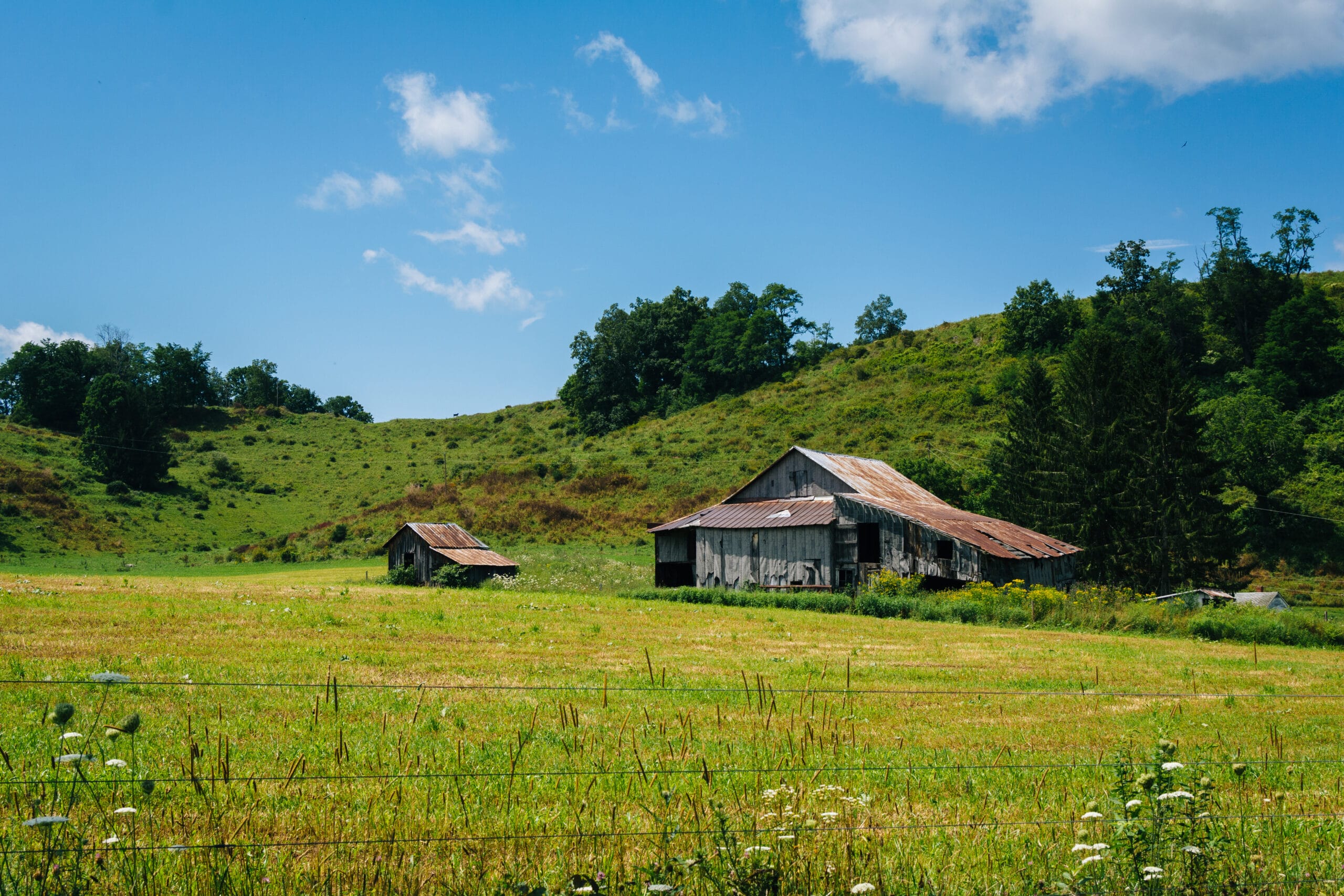
West Virginia’s rolling hills and dense forests provide a serene environment for off-grid living. The state has relatively lax building codes and a supportive community of off-grid enthusiasts. West Virginia’s natural resources, such as forests and rivers, offer ample opportunities for self-sufficient living. The state’s mild climate and fertile soil make it possible to grow a variety of crops and raise livestock, contributing to a sustainable lifestyle.

Living Off the Grid Offers Unique Opportunities

Living Off the Grid Offers Unique Opportunities 
123RF

Living off the grid offers a unique opportunity to embrace self-sufficiency and sustainability. These 13 states provide the ideal environments, resources, and regulations to support off-grid living. If you’re ready to take the plunge into a simpler, more sustainable way of life, consider exploring these states as potential locations for your off-grid homestead. For more information and resources on off-grid living, visit our website and join our community of like-minded individuals.

Amanda Blankenship

Amanda Blankenship is the Chief Editor for District Media.  With a BA in journalism from Wingate University, she frequently writes for a handful of websites and loves to share her own personal finance story with others. When she isn’t typing away at her desk, she enjoys spending time with her daughter, son, husband, and dog. During her free time, you’re likely to find her with her nose in a book, hiking, or playing RPG video games.

Filed Under: Lifestyle Tagged With: Lifestyle, Living Off Grid, simple living

9 Cities Where Millennials Are Moving And Why

May 17, 2024 by Amanda Blankenship Leave a Comment

9 Cities Where Millennials Are Moving – And Why
123RF

Millennials, born between 1981 and 1996, are reshaping urban landscapes across the globe. Driven by factors like job opportunities, affordability, lifestyle, and cultural offerings, they are choosing cities that offer the perfect blend of these elements. Here are nine cities where millennials are flocking and the reasons behind their choices.

1. Austin, Texas

1. Austin, Texas
123RF

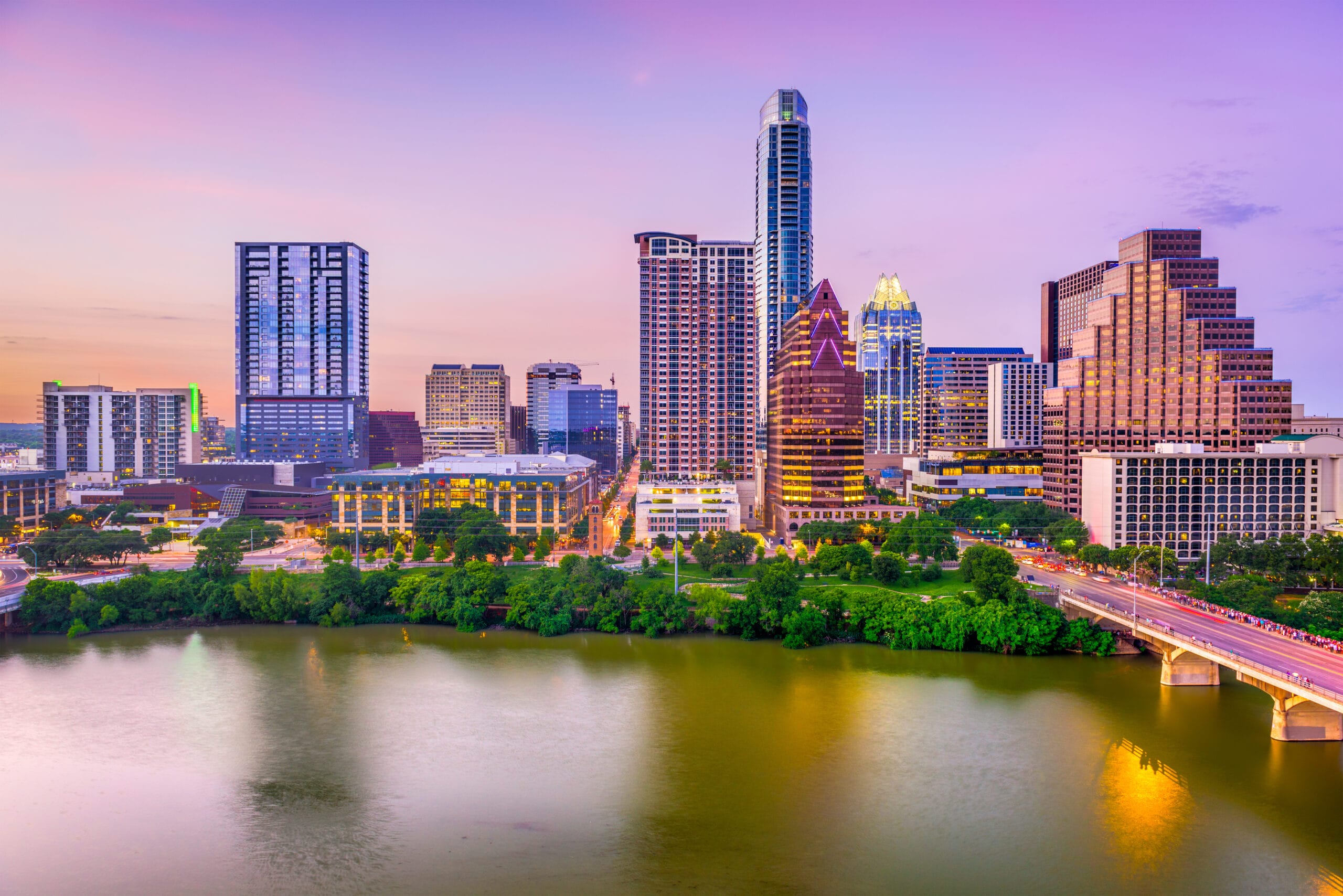
Austin’s vibrant music scene and booming tech industry make it a hotspot for millennials. It has gained a reputation as the “Live Music Capital of the World” and attracts young professionals and creatives alike. With major tech companies like Apple, Google, and Dell establishing a presence here, job opportunities are abundant. According to Payscale.com, Austin’s cost of living is relatively lower compared to other major tech hubs, making it an attractive option for young adults looking to establish their careers. Overall, Austin has a laid-back lifestyle, and numerous outdoor activities, such as hiking and kayaking, also appeal to those seeking a balanced work-life environment.

2. Denver, Colorado

2. Denver, Colorado
123RF

Denver offers a unique combination of urban living and access to nature, which is highly appealing to millennials. There is a robust job market, particularly in the tech and healthcare sectors, that attracts young professionals. Denver’s thriving arts and culture scene, along with its numerous breweries and trendy neighborhoods, provide ample entertainment options. The proximity to the Rocky Mountains allows for weekend getaways filled with skiing, hiking, and other outdoor adventures. Denver’s commitment to sustainability and green initiatives resonates with environmentally-conscious millennials.

3. Nashville, Tennessee

3. Nashville, Tennessee
123RF

Nashville’s reputation as a music city extends beyond country music, attracting a diverse group of millennials. The city’s growing job market in healthcare, education, and technology sectors provides numerous opportunities for career advancement. Affordable housing options and a relatively low cost of living make Nashville an appealing choice for young adults. Nashville has an incredibly vibrant nightlife, with its plethora of bars, live music venues, and trendy restaurants. Furthermore, Nashville’s welcoming and friendly atmosphere makes it easy for newcomers to integrate into the community.

4. Portland, Oregon

4. Portland, Oregon
123RF

Portland’s progressive culture and emphasis on sustainability draw millennials who value these principles. The city’s strong job market, particularly in the tech, manufacturing, and healthcare industries, attracts young professionals. Portland’s renowned food scene, featuring diverse cuisines and numerous food trucks, offers endless dining options. There is an extensive network of parks, bike lanes, and hiking trails support an active and outdoor-oriented lifestyle. On top of that, Portland’s commitment to environmental sustainability and green living aligns with the values of many millennials.

5. Seattle, Washington

5. Seattle, Washington
123RF

Seattle’s booming tech industry, home to giants like Amazon and Microsoft, offers ample job opportunities for millennials. The city’s strong economy and high average salaries attract young professionals seeking career growth. Seattle’s vibrant cultural scene, including its music, arts, and culinary offerings, ensures there’s always something to explore. Its stunning natural surroundings, from Puget Sound to the nearby mountains, provide a picturesque backdrop for outdoor activities. Furthermore, Seattle’s progressive values and emphasis on social justice resonate with many millennials.

6. Raleigh, North Carolina

6. Raleigh, North Carolina
123RF

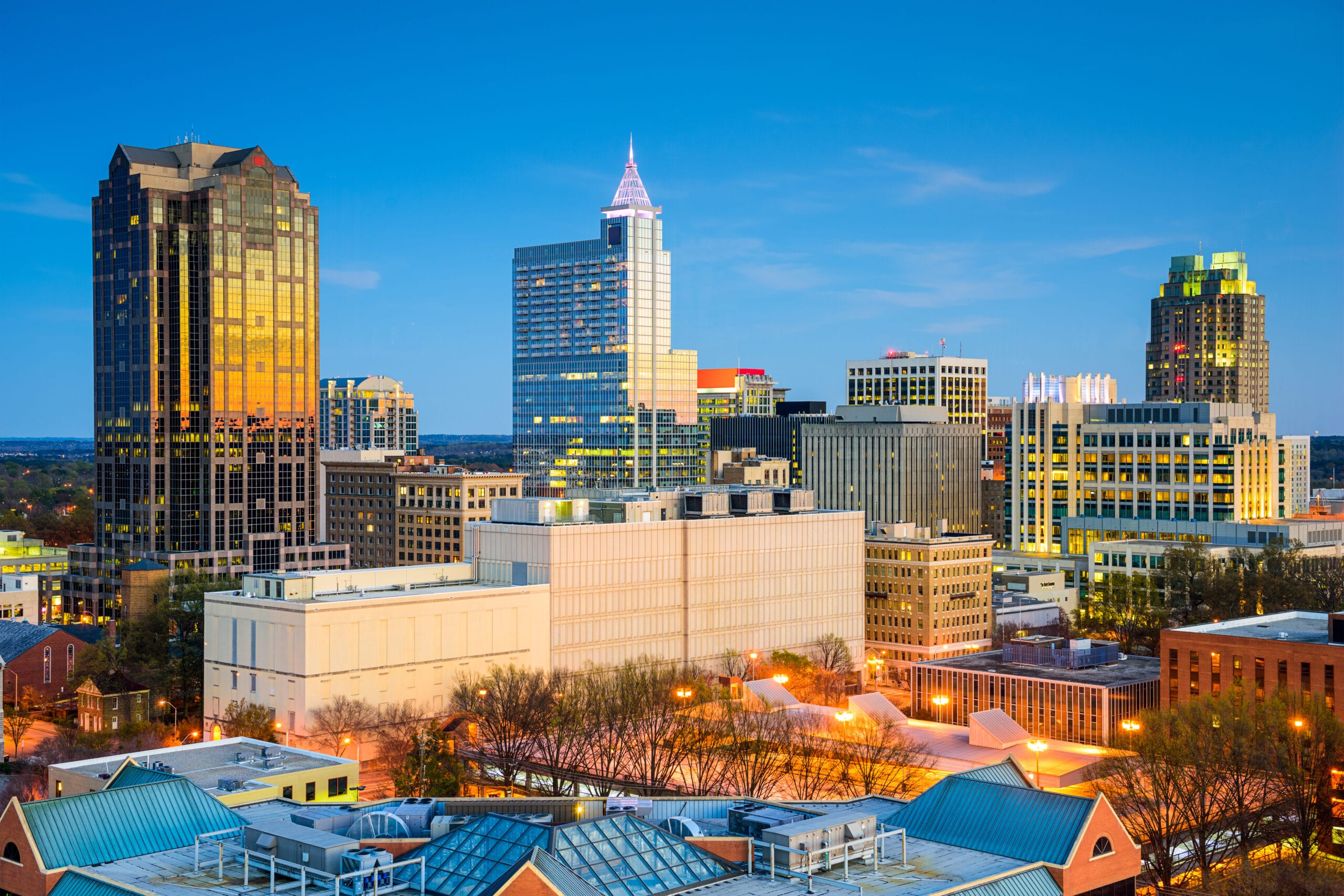
Raleigh’s growing tech and research industries make it a magnet for millennials seeking career opportunities. The city’s relatively low cost of living and affordable housing options attract young adults looking to settle down. Raleigh’s thriving arts and music scene, along with its numerous parks and green spaces, provide ample recreational options. The presence of major universities, such as North Carolina State University, contributes to a vibrant and youthful atmosphere. Additionally, Raleigh’s emphasis on innovation and entrepreneurship appeals to millennials looking to start their own ventures.

7. Minneapolis, Minnesota

7. Minneapolis, Minnesota
123RF

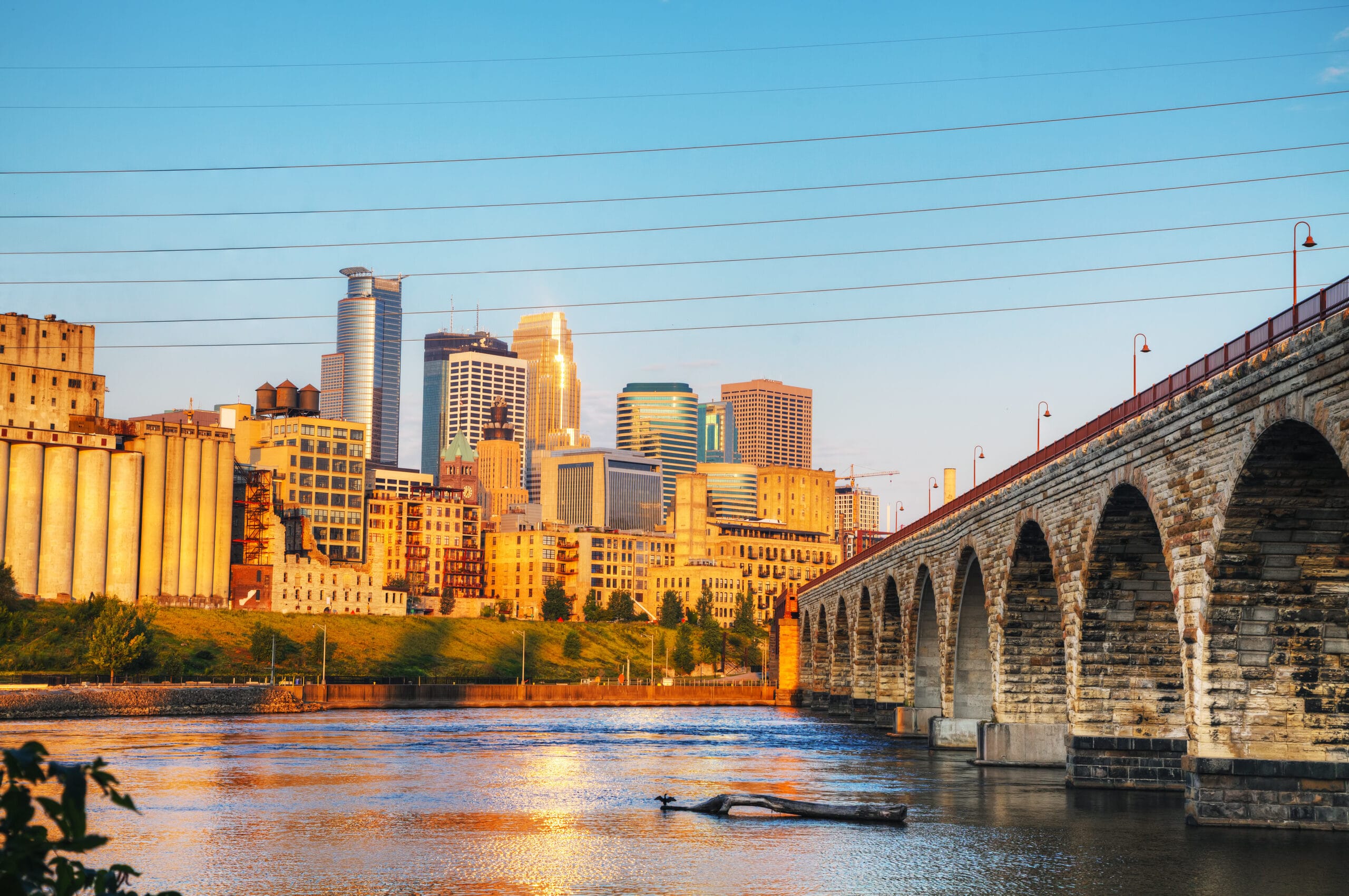
Minneapolis offers a robust job market, particularly in healthcare, finance, and technology sectors, attracting young professionals. The Minnesota city has an overall affordable cost of living and diverse housing options making it an appealing choice for millennials. Minneapolis’s rich cultural scene, featuring numerous theaters, museums, and music venues, provides plenty of entertainment options. The city’s extensive park system and proximity to lakes and rivers support an active and outdoor-oriented lifestyle. Furthermore, Minneapolis’s commitment to social equity and inclusion resonates with many young adults.

8. Salt Lake City, Utah

8. Salt Lake City, Utah
123RF

Salt Lake City’s burgeoning tech industry, often referred to as the “Silicon Slopes,” attracts millennials seeking job opportunities. Like other cities on this list, Salt Like has a reasonable cost of living and high quality of life making it an attractive option for young professionals. Salt Lake City’s proximity to world-class ski resorts and national parks offers endless outdoor recreational opportunities. There is a vibrant downtown area, with its numerous restaurants, bars, and cultural venues, ensuring there’s always something to do. Overall, Salt Lake City’s family-friendly environment appeals to millennials looking to start families.

9. Columbus, Ohio

9. Columbus, Ohio
123RF

Columbus’s growing job market, particularly in technology, finance, and healthcare sectors, attracts millennials seeking career opportunities. The city’s affordable cost of living and diverse housing options make it an appealing choice for young adults. Columbus’s vibrant arts and culture scene, featuring numerous galleries, theaters, and music venues, provides plenty of entertainment options. The presence of Ohio State University contributes to a youthful and dynamic atmosphere. Additionally, Columbus’s emphasis on innovation and entrepreneurship appeals to millennials looking to start their own ventures.

Millennials are Shaping the Future of Urban Living

Millennials are Shaping the Future of Urban Living
123RF

Millennials are shaping the future of urban living by choosing cities that offer a blend of job opportunities, affordability, lifestyle, and cultural offerings. As these cities continue to grow and evolve, they will undoubtedly attract even more young professionals seeking vibrant and dynamic environments. If you’re considering a move, explore these cities and discover what makes them so appealing to the millennial generation.

Ready to make a move? Start planning your relocation today and join the vibrant communities in these millennial-friendly cities!

Amanda Blankenship

Amanda Blankenship is the Chief Editor for District Media.  With a BA in journalism from Wingate University, she frequently writes for a handful of websites and loves to share her own personal finance story with others. When she isn’t typing away at her desk, she enjoys spending time with her daughter, son, husband, and dog. During her free time, you’re likely to find her with her nose in a book, hiking, or playing RPG video games.
Filed Under: Lifestyle Tagged With: Cost of living, location, Millennials

11 Dining Etiquette Rules That Have Disappeared Over the Decades

May 16, 2024 by Amanda Blankenship Leave a Comment

11 Dining Etiquette Rules That Have Disappeared Over the Decades
123RF

Dining etiquette has evolved significantly over the years. While some traditional practices have remained steadfast, others have faded into obscurity. This article explores eleven dining etiquette rules that have vanished from modern dining experiences.

1. Formal Dress Codes for Dinner

1. Formal Dress Codes for Dinner
123RF

In the past, attending a dinner party often meant dressing in formal attire. Men wore suits and ties, while women donned elegant dresses and gloves. Today, casual wear is more acceptable, even in some upscale restaurants. The shift towards a more relaxed dress code reflects changes in societal norms and a desire for comfort. As casual dining becomes more prevalent, the formal dress code continues to decline.

2. The Use of Finger Bowls

2. The Use of Finger Bowls
DALL-E

Finger bowls, once a staple in formal dining settings, have largely disappeared. These small bowls filled with water were used to rinse fingers between courses. The practice symbolized cleanliness and refinement. However, as dining has become more casual, finger bowls have become less common. Modern diners rely more on napkins and hand sanitizers, making finger bowls a rare sight.

3. Strict Rules for Using Utensils

3. Strict Rules for Using Utensils
123RF

There was a time when knowing the precise use of each utensil was crucial. The complex arrangement of forks, knives, and spoons could be daunting. Nowadays, dining etiquette has relaxed, and the emphasis on perfect utensil use has diminished. Many restaurants have simplified their table settings, making dining a less intimidating experience. This change reflects a broader trend towards simplicity and ease.

4. No Elbows on the Table

4. No Elbows on the Table
DALL-E

One of the oldest dining etiquette rules was the prohibition of elbows on the table. This rule was strictly enforced, especially in formal settings. Today, while some still observe this rule, it’s generally not as rigidly applied. The casualization of dining culture has led to a more relaxed attitude towards table manners. People now prioritize comfort and conversation over strict adherence to old rules.

5. The Expectation to Finish Everything on Your Plate

5. The Expectation to Finish Everything on Your Plate
DALL-E

In the past, leaving food on your plate was considered impolite and wasteful. This rule was rooted in a time when food was scarce and every bite counted. Today, the focus has shifted to portion control and mindful eating. Many diners are more concerned about overconsumption and waste reduction. As a result, the expectation to clean your plate has significantly diminished.

6. Formal Toasting Procedures

6. Formal Toasting Procedures
DALL-E

Toasting once followed a strict protocol, with specific sequences and phrases to be used. This practice was especially common in formal dinners and special occasions. Nowadays, toasting has become more spontaneous and informal. People are more likely to raise a glass and offer a simple “cheers” without following a set script. This relaxed approach reflects broader changes in social customs.

7. Silent Service from Waitstaff

7. Silent Service from Waitstaff
123RF

There was a time when waitstaff were expected to be nearly invisible, serving guests with minimal interaction. This rule has largely disappeared as dining has become more interactive and personable. Today, engaging waitstaff who can provide recommendations and converse with diners are highly valued. The shift towards a more personalized dining experience has rendered the silent service model obsolete.

8. The Use of Calling Cards

8. The Use of Calling Cards
123RF

Calling cards were once used to announce a guest’s arrival at a dinner party. This formal practice was part of a broader etiquette framework that emphasized social hierarchies. Modern dining has moved away from such formalities, with digital communication replacing physical cards. The disappearance of calling cards is indicative of a larger trend towards informality and convenience.

9. Specific Seating Arrangements

9. Specific Seating Arrangements
123RF

Strict seating arrangements, often based on social status or gender, were once a key aspect of formal dining. Hosts would carefully plan where each guest would sit to ensure proper etiquette. Today, seating is generally more flexible, with less emphasis on strict arrangements. This change reflects a more egalitarian approach to social interactions and a focus on making guests feel comfortable.

10. The Obligation to Make Small Talk

10. The Obligation to Make Small Talk
123RF

Small talk was once considered an essential skill at the dining table. Guests were expected to engage in light, polite conversation throughout the meal. While conversation is still important, the pressure to maintain constant small talk has lessened. People now value more meaningful and relaxed interactions. This shift aligns with broader changes in social dynamics and communication styles.

11. The Ritual of Smoking After Dinner

11. The Ritual of Smoking After Dinner
123RF

Smoking after dinner was a common practice, often accompanied by a selection of cigars and liqueurs. This ritual was part of the post-dinner experience, especially in high society. With increased awareness of the health risks associated with smoking, this practice has largely disappeared. Modern dining experiences emphasize health and well-being, contributing to the decline of post-dinner smoking rituals.

Dining Etiquette Rules Have Evolved

Dining Etiquette Rules Have Evolved
123RF

Dining etiquette has evolved significantly over the decades, reflecting broader social and cultural shifts. While some traditional practices have faded, new norms have emerged to suit contemporary lifestyles. Understanding these changes can enhance your dining experience and help you navigate modern social settings with ease.

If you found this article interesting, share it with friends and join the conversation on changing dining habits. For more insights and tips, subscribe to our newsletter and stay updated on the latest trends in dining and etiquette.

Amanda Blankenship

Amanda Blankenship is the Chief Editor for District Media.  With a BA in journalism from Wingate University, she frequently writes for a handful of websites and loves to share her own personal finance story with others. When she isn’t typing away at her desk, she enjoys spending time with her daughter, son, husband, and dog. During her free time, you’re likely to find her with her nose in a book, hiking, or playing RPG video games.
Filed Under: Trends Tagged With: Eating Out, Etiquette, Lifestyle

  • « Previous Page
  • 1
  • …
  • 5
  • 6
  • 7

Follow Us

Search this site:

Recent Posts

  • Can My Savings Account Affect My Financial Aid? by Tamila McDonald
  • 12 Ways Gen X’s Views Clash with Millennials… by Tamila McDonald
  • What Advantages and Disadvantages Are There To… by Jacob Sensiba
  • 10 Tactics for Building an Emergency Fund from Scratch by Vanessa Bermudez
  • Call 911: Go To the Emergency Room Immediately If… by Stephen Kanaval
  • 7 Weird Things You Can Sell Online by Tamila McDonald
  • 10 Scary Facts About DriveTime by Tamila McDonald

Copyright © 2026 · News Pro Theme on Genesis Framework