
Modern bank statements often hide more drama than expected, especially when small charges quietly chip away at balances. These tiny deductions often look harmless at first glance, yet they can point to bigger financial issues like fraud, subscription creep, or banking fees gone unnoticed. Many financial institutions bundle fees in ways that make them blend into everyday spending.
Smart money habits start with spotting patterns that do not belong. Let’s dig into 15 sneaky charges that deserve immediate attention before they snowball into serious losses.
1. Small “Test” Transactions From Unknown Sources
Fraudsters often start with tiny charges that barely register on a statement. These micro-transactions usually range from $0.01 to $2 and often appear from unfamiliar merchants. Criminal networks use them to test whether stolen card details still work. Once approved, larger charges often follow quickly. Any unfamiliar small transaction deserves immediate investigation and a card freeze.
2. Repeated Subscription Fees You Forgot About
Subscription services love staying invisible while charging monthly fees. Many companies design free trials that roll into paid plans automatically. These charges often appear under slightly different merchant names, making them harder to track. Streaming apps, fitness programs, and cloud storage tools commonly fall into this category. Reviewing recurring payments helps stop slow financial leaks.
3. ATM Fees From Out-of-Network Withdrawals
ATM charges can stack up quickly when using machines outside your bank’s network. These fees often include charges from both the ATM operator and your bank. Each withdrawal can cost several dollars without obvious warning. Frequent withdrawals outside network coverage increase annual costs significantly. Switching to in-network ATMs helps eliminate these avoidable losses.
4. Foreign Transaction Fees on Domestic Purchases
Some banks route payments through international processors even for local purchases. This triggers small percentage-based fees that appear unexpectedly. Online shopping from global platforms often activates these charges. Many users overlook them because they appear as minor cents or dollars. Reviewing merchant processing locations helps reduce these hidden costs.
5. “Maintenance” or Account Service Fees
Banks sometimes charge monthly maintenance fees for basic account upkeep. These charges often apply when account balances drop below a required threshold. Many customers miss these fees because they blend with regular activity. Over time, they quietly drain funds without offering clear value. Switching account types or meeting minimum balance requirements helps avoid them.
6. Overdraft Protection Transfers
Overdraft protection may sound helpful, but it often triggers multiple fees. Banks move money from linked accounts to cover shortfalls and charge for the service. Each transfer can include separate administrative fees. Repeated small overdrafts can create a chain of charges. Monitoring balances closely reduces reliance on this costly feature.
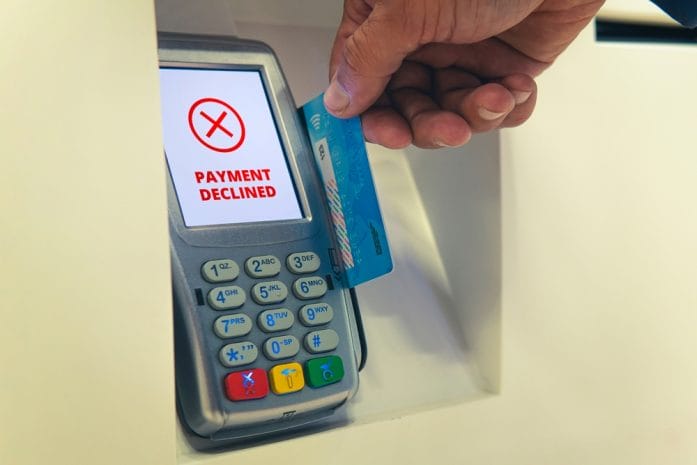
7. Card Decline Fees in Certain Regions
Some financial institutions charge fees even when transactions fail. These “decline” fees appear when merchants attempt authorization multiple times. International transactions increase the likelihood of repeated attempts. Each failure still generates a cost in some banking systems. Reviewing card settings helps limit unnecessary authorizations.
8. Paper Statement Fees
Paper statements often come with hidden monthly or quarterly charges. Banks encourage digital statements but still charge for physical copies. These fees may seem small but add up over time. Many customers forget to switch off paper delivery after account setup. Enabling electronic statements removes this unnecessary expense.
9. Currency Conversion Markups
Currency conversions often include hidden percentage markups beyond posted exchange rates. These fees appear during travel or online international shopping. Banks rarely highlight the true cost difference upfront. Even small purchases become more expensive under these conditions. Using travel-friendly cards reduces conversion losses.
10. Micro “Service Charges” From Merchants
Some merchants add small service charges that go unnoticed on statements. These often appear after food delivery, ride-sharing, or booking platforms. Companies label them differently to avoid confusion with taxes. Each charge may look insignificant but accumulates quickly. Checking itemized receipts helps confirm their legitimacy.
11. Inactive Account Penalties
Dormant accounts often trigger inactivity fees after long periods of no use. Banks apply these charges to maintain account administration systems. Customers sometimes forget old accounts still exist. These fees slowly reduce remaining balances until accounts empty. Closing unused accounts prevents ongoing penalties.
12. Mobile Wallet Verification Fees
Some payment systems apply tiny verification charges when linking cards. These charges often appear as temporary authorizations that convert into real deductions. Users frequently miss them due to small amounts. Fraud prevention systems sometimes mislabel these fees. Monitoring wallet setup activity helps prevent confusion.
13. Loan Processing or Adjustment Fees
Loan agreements sometimes include unexpected processing or adjustment fees. These charges may appear during restructuring or payment rescheduling. Lenders apply them to cover administrative changes. Borrowers often overlook them in detailed statements. Reviewing loan terms helps avoid surprise deductions.
14. Subscription “Upgrade” Auto-Charges
Apps frequently push automatic upgrades after free tiers expire. These upgrades often activate without clear reminders. Charges then appear under new billing categories. Users may not notice the change until reviewing statements closely. Disabling auto-upgrades prevents surprise billing jumps.
15. Bank-Generated “Adjustment” Fees
Banks sometimes issue adjustment fees to correct internal accounting issues. These charges often appear without clear explanation on statements. Customers may mistake them for errors or fraud. Repeated adjustments can indicate system or account mismanagement. Contacting the bank quickly helps clarify these entries.
What These Hidden Charges Reveal About Financial Health
Small charges often signal larger patterns of financial inefficiency or risk. Fraud attempts, subscription creep, and fee stacking all leave subtle footprints on statements. Many of these charges rely on customers not noticing small details. Financial awareness builds stronger protection against long-term losses. Reviewing statements weekly strengthens control over personal finances.
What sneaky charge has appeared on a statement that caused the most confusion or frustration? Share thoughts and experiences in the comments.
You May Also Like…
Florida’s Insurance Spike: Why Retirees Are Seeing “Rebuild Fees” on May Statements
5 Questions To Ask a Bank Before Depositing Your Money
The New Banking Trend That Could Make Paper Checks Harder to Use

Brandon Marcus is a writer who has been sharing the written word since a very young age. His interests include sports, history, pop culture, and so much more. When he isn’t writing, he spends his time jogging, drinking coffee, or attempting to read a long book he may never complete.
.png)
Leave a Reply