• Home
  • About Us
  • Toolkit
  • Getting Finances Done
    • Hiring Advisors
    • Debt Management
    • Spending Plan
  • Insurance
    • Life Insurance
    • Health Insurance
    • Disability Insurance
    • Homeowners/Renters Insurance
  • Contact Us
  • Privacy Policy
  • Risk Tolerance Quiz

The Free Financial Advisor

You are here: Home / Archives for property taxes

Should Homeowners Pay More in Taxes Than Renters?

April 15, 2025 by Travis Campbell Leave a Comment

toy homes

Image Source: unsplash.com

The debate over tax equity between homeowners and renters has intensified as housing costs soar nationwide. Many Americans wonder if the current tax structure fairly distributes the burden between those who own property and those who rent. Understanding the financial implications of homeownership versus renting can significantly impact your long-term wealth strategy and voting decisions on local tax initiatives. This article examines the complex relationship between property ownership, taxation, and economic fairness in today’s housing market.

1. The Current Tax Landscape for Homeowners vs. Renters

Property taxes represent one of the most significant financial differences between owning and renting a home in America. Homeowners directly pay property taxes based on their home’s assessed value, which funds essential local services, including public schools, emergency services, and infrastructure maintenance. While not receiving a direct property tax bill, renters typically pay these taxes indirectly through their monthly rent as landlords factor property tax expenses into rental rates. The mortgage interest deduction offers homeowners a substantial tax advantage that renters cannot access, potentially saving thousands of dollars annually for those who itemize deductions. Some states provide additional homestead exemptions that reduce the taxable value of owner-occupied homes, further widening the tax gap between owners and renters. The property tax system creates a complex dynamic where homeowners have both higher direct tax responsibilities and greater tax advantage opportunities than their renting counterparts.

2. Economic Arguments for Higher Homeowner Taxation

Homeownership builds wealth through property appreciation, providing financial benefits unavailable to renters who don’t gain equity from their housing payments. According to the Federal Reserve, the median net worth of homeowners is significantly higher than renters, suggesting a greater capacity to contribute to public finances. Property taxes help fund local services that directly enhance property values, creating a reciprocal relationship where homeowners both pay for and benefit from these investments. Higher property taxes on homeowners can potentially reduce economic inequality by redistributing resources from those with appreciating assets to fund services benefiting the broader community. Some economists argue that the current tax advantages for homeowners, including mortgage interest deductions, represent regressive policies that disproportionately benefit higher-income households while providing little support to those struggling with housing costs.

3. The Case for Tax Equity Between Housing Statuses

Renters already face significant financial disadvantages compared to homeowners, including the inability to build equity, vulnerability to rent increases, and less housing security. Increasing the tax burden on homeowners could discourage homeownership, potentially destabilizing housing markets and reducing the social benefits associated with owner-occupied communities. Many homeowners purchased their properties based on careful financial calculations that included existing tax structures, and significant changes could create hardship for those on fixed incomes or with limited financial flexibility. The Urban Institute research suggests that homeownership and renting are important functions in a healthy housing ecosystem, indicating that tax policy should aim for neutrality rather than favor either option. Fair taxation should consider total housing costs relative to income rather than focusing exclusively on ownership status, as both groups face significant housing affordability challenges in today’s market.

4. Hidden Tax Burdens Already Facing Renters

Renters indirectly pay property taxes through their monthly rent payments, often without homeowners’ transparency or control over these expenses. Unlike homeowners, renters cannot deduct any portion of their housing payments on their federal income taxes, creating an inherent tax disadvantage. Rental properties in many jurisdictions face higher assessment rates or different tax classifications than owner-occupied homes, costs which landlords typically pass through to tenants. Research from the Joint Center for Housing Studies indicates that renters usually spend a higher percentage of their income on housing than homeowners with mortgages, suggesting they already bear a disproportionate economic burden. Renters also lack access to numerous wealth-building tax incentives available to homeowners, including capital gains exclusions when selling a primary residence and home equity loan interest deductions.

5. Potential Tax Reform Solutions

Progressive property tax structures could better align taxation with the ability to pay by implementing graduated rates based on property values or income levels. Expanding renter tax credits at state and federal levels would help balance the substantial tax advantages currently available only to homeowners. Implementing land value taxation rather than property taxation could encourage development while reducing speculation, potentially benefiting both homeowners and renters in high-demand areas. Revising assessment practices to ensure commercial and rental properties aren’t disproportionately taxed compared to single-family homes would help prevent indirect tax burdens on renters. Creating more transparent disclosure requirements about how property taxes affect rental rates would help renters understand and advocate for their interests in local tax policy discussions.

Finding Balance in Housing Tax Policy

The ideal tax system would acknowledge the different economic realities of homeowners and renters while ensuring everyone contributes fairly to community services. Rather than asking whether one group should pay more than another, policymakers should focus on creating comprehensive housing policies that address affordability, stability, and opportunity for all residents regardless of housing status. Tax policy represents just one tool among many needed to address America’s housing challenges, including zoning reform, affordable housing development, and tenant protections. Creating equitable housing outcomes requires looking beyond simple owner-versus-renter distinctions to address the complex economic factors determining housing security and opportunity in our communities.

What’s your experience with housing taxes? Have you noticed significant differences in your tax situation when transitioning between renting and owning? Share your thoughts in the comments below!

Read More

How Are Property Taxes Determined Each Year?

What Does It Mean to Recast Your Mortgage?

Travis Campbell
Travis Campbell

Travis Campbell is a digital marketer/developer with over 10 years of experience and a writer for over 6 years. He holds a degree in E-commerce and likes to share life advice he’s learned over the years. Travis loves spending time on the golf course or at the gym when he’s not working.

Filed Under: Real Estate Tagged With: homeownership, housing affordability, housing policy, mortgage interest deduction, property taxes, rental housing, tax equity

How Are Property Taxes Determined Each Year?

January 15, 2025 by Latrice Perez Leave a Comment

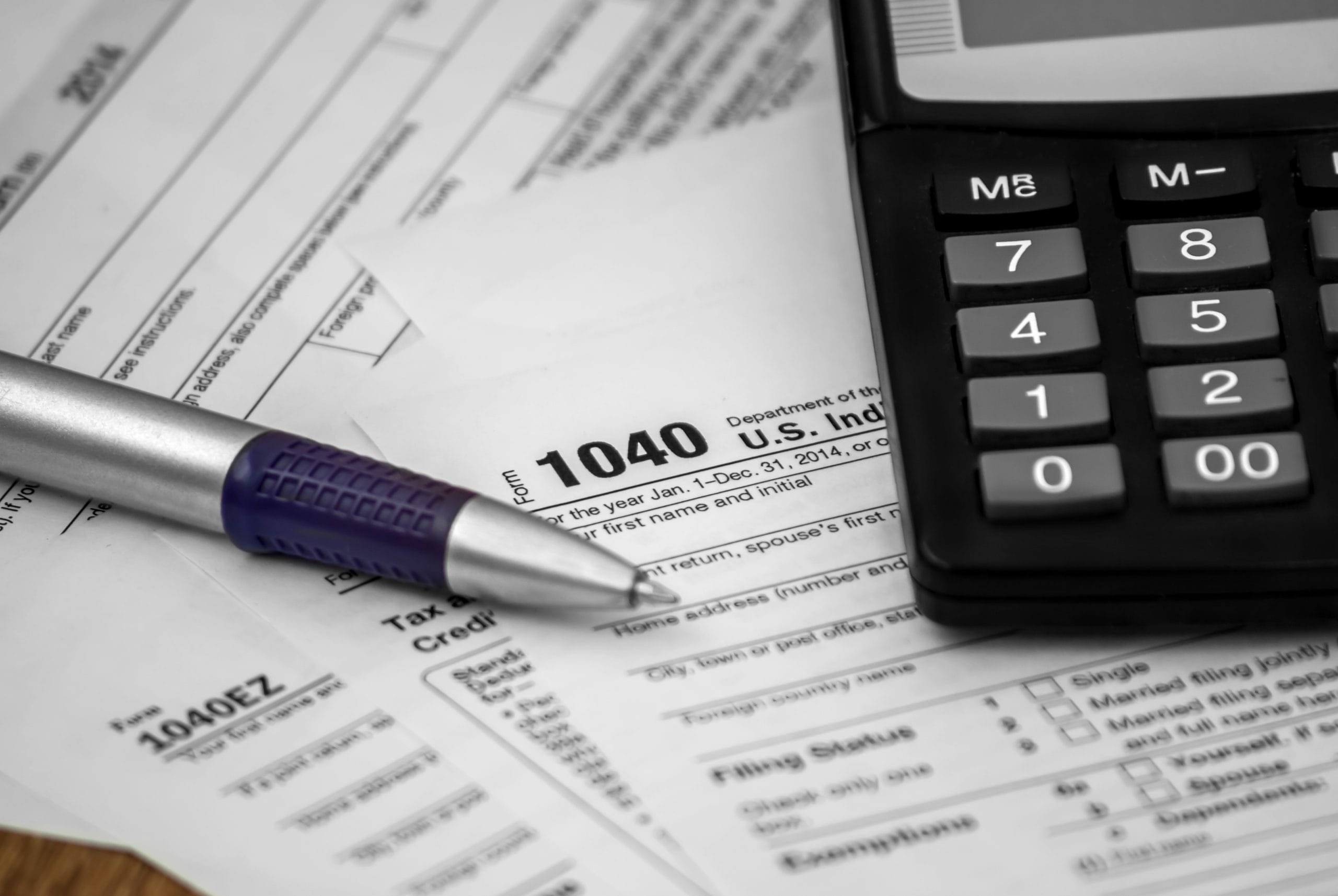
US tax form 1040 with pen and calculator

Image Source: 123rf.com 

Property taxes are a significant expense for homeowners, yet many people don’t fully understand how they are calculated. These taxes fund essential public services, such as schools, road maintenance, and emergency services, making them a vital part of local government budgets. Understanding how property taxes are determined can help you plan your finances better and even find opportunities for savings. Let’s break down the key factors that influence your annual property tax bill.

Assessing the Value of Your Property

The first step in determining property taxes is assessing the value of your home. Local tax assessors evaluate properties based on factors like market value, location, size, and condition. This assessment often involves comparing your property to similar homes in the area. Some jurisdictions reassess properties annually, while others do so every few years. It’s important to review your assessment and ensure it accurately reflects your home’s value, as this forms the basis for your tax bill.

Applying the Local Tax Rate

Once your property’s value is assessed, it is multiplied by the local tax rate, also known as the millage rate. This rate is set by local governments and varies depending on your location. The millage rate is typically expressed as a dollar amount per $1,000 of assessed property value. For example, if your home is valued at $200,000 and the local tax rate is $20 per $1,000, your property tax would be $4,000 annually. Local governments determine these rates based on budget needs for public services and infrastructure projects.

Factoring in Exemptions and Deductions

Many homeowners qualify for property tax exemptions or deductions that can lower their tax burden. Common exemptions include those for senior citizens, veterans, or primary residences under homestead exemptions. Some jurisdictions also offer relief for low-income households or properties used for agricultural purposes. These exemptions can significantly reduce the taxable value of your home, so it’s worth exploring the options available in your area. Be sure to apply for these exemptions, as they are not always automatically granted.

Adjusting for Market Trends

Mini house on stack of coins,Money and house, Real estate invest

Image Source: 123rf.com

Market trends can influence your property taxes, even if you haven’t made significant changes to your home. In a rising real estate market, property values tend to increase, leading to higher assessments and, consequently, higher taxes. Conversely, a declining market can result in lower taxes, although some areas have limits on how much taxes can decrease. Keeping an eye on local market trends can help you anticipate changes to your tax bill and prepare accordingly.

Challenging an Unfair Assessment

If you believe your property has been overvalued, you have the right to challenge the assessment. Start by reviewing the details of your assessment for errors or inaccuracies. You may need to gather evidence, such as recent appraisals or sales data for similar homes, to support your case. Most jurisdictions have an appeals process, allowing you to request a review or adjustment. Successfully challenging an assessment can lead to significant savings on your annual property taxes.

Stay Informed and Save

Property taxes are usually determined based on your home’s assessed value, local tax rates, and available exemptions. Understanding this process not only helps you plan your budget but also ensures you’re not overpaying. Take the time to review your assessment, apply for exemptions, and challenge unfair valuations when necessary. Being proactive can make a big difference in managing your property taxes. Share this article with friends and family to help them navigate the complexities of property taxes with confidence.

Latrice Perez

Latrice is a dedicated professional with a rich background in social work, complemented by an Associate Degree in the field. Her journey has been uniquely shaped by the rewarding experience of being a stay-at-home mom to her two children, aged 13 and 5. This role has not only been a testament to her commitment to family but has also provided her with invaluable life lessons and insights.

As a mother, Latrice has embraced the opportunity to educate her children on essential life skills, with a special focus on financial literacy, the nuances of life, and the importance of inner peace.

Filed Under: tax tips Tagged With: homeowner tips, local tax rates, property tax exemptions, property taxes, real estate taxes, saving money on taxes, tax assessments

  • « Previous Page
  • 1
  • …
  • 3
  • 4
  • 5

FOLLOW US

Search this site:

Recent Posts

  • Can My Savings Account Affect My Financial Aid? by Tamila McDonald
  • 12 Ways Gen X’s Views Clash with Millennials… by Tamila McDonald
  • What Advantages and Disadvantages Are There To… by Jacob Sensiba
  • 10 Tactics for Building an Emergency Fund from Scratch by Vanessa Bermudez
  • Call 911: Go To the Emergency Room Immediately If… by Stephen Kanaval
  • 7 Weird Things You Can Sell Online by Tamila McDonald
  • 10 Scary Facts About DriveTime by Tamila McDonald

Copyright © 2026 · News Pro Theme on Genesis Framework