
• Home
  • About Us
  • Toolkit
  • Getting Finances Done
    • Hiring Advisors
    • Debt Management
    • Spending Plan
  • Insurance
    • Life Insurance
    • Health Insurance
    • Disability Insurance
    • Homeowners/Renters Insurance
  • Contact Us
  • Risk Tolerance Quiz
  • Our Editorial Commitment

The Free Financial Advisor

You are here: Home / Archives for Florida seniors

Florida Seniors Could See a 3.9% Social Security COLA in 2027 — But Energy Bills Are Rising Even Faster

May 20, 2026 by Brandon Marcus Leave a Comment

Florida Seniors Could See a 3.9% Social Security COLA in 2027 — But Energy Bills Are Rising Even Faster
Florida seniors may enjoy beautiful views and gorgeous beaches, but a 3.9% COLA increase might not combat energy prices – Shutterstock

For many Florida seniors, every percentage point of Social Security matters because it directly shapes how far monthly income stretches across rent, groceries, medications, and utilities. A projected 3.9% cost-of-living adjustment (COLA) for 2027 sounds encouraging at first glance, especially for households living on fixed income streams. Yet that optimism quickly runs into a harsh reality when energy costs keep climbing faster than benefit increases. Electricity bills, cooling costs, and home maintenance expenses continue to squeeze budgets in ways that feel impossible to ignore. As a result, the COLA boost may not feel like a raise at all for many retirees trying to keep up with daily expenses.

Florida seniors face a particularly tough combination of factors because the state’s warm climate drives high air-conditioning usage nearly year-round. That reality turns energy prices into a major monthly expense instead of a seasonal inconvenience. When COLA projections enter the conversation, many retirees start asking whether the increase actually improves financial stability or simply slows down the impact of rising costs. The gap between income growth and expense growth continues to widen, and that gap shapes every budgeting decision seniors make.

A 3.9% COLA Boost That Sounds Helpful on Paper

A 3.9% Social Security COLA increase appears to offer meaningful relief for retirees who depend on monthly checks to cover essential needs. That adjustment typically aims to track inflation, giving seniors a modest income lift when prices rise across the economy. On paper, the increase looks like a step in the right direction for households already stretched thin by rising healthcare and housing costs. However, the real-world impact depends heavily on how inflation behaves in specific categories like utilities and food. Many seniors discover that headline increases rarely match the lived experience of higher bills.

In practice, a 3.9% boost might add only a small amount to monthly income, often landing in the range of a few dozen extra dollars depending on benefit size. That extra money can disappear quickly when even one utility bill spikes during a hot month. Seniors in Florida often notice that air-conditioning usage drives electricity costs higher than national averages. The COLA increase may feel like a cushion, but it rarely creates breathing room when essential expenses continue to climb at a faster pace.

Why Energy Bills Are Outpacing Social Security Gains

Energy costs continue to rise due to a combination of fuel price fluctuations, infrastructure upgrades, and increased demand during extreme weather seasons. Florida seniors feel this pressure more intensely because air-conditioning becomes a necessity rather than a comfort. Utility companies often adjust rates to reflect maintenance costs and grid improvements, which can push monthly bills higher even when usage stays the same. That creates a frustrating situation where behavior does not always control spending. Fixed incomes struggle to keep up with these unpredictable increases.

The timing of rising energy bills creates an even bigger challenge when compared to COLA adjustments that arrive only once per year. Seniors may see a small income bump, but utility rates can climb multiple times within the same period. That mismatch creates budget instability that forces difficult trade-offs between cooling, groceries, and other essentials. Many households end up adjusting thermostat settings, limiting appliance use, or shifting spending away from other critical needs just to stay current on utility payments.
Florida Seniors Could See a 3.9% Social Security COLA in 2027 — But Energy Bills Are Rising Even Faster
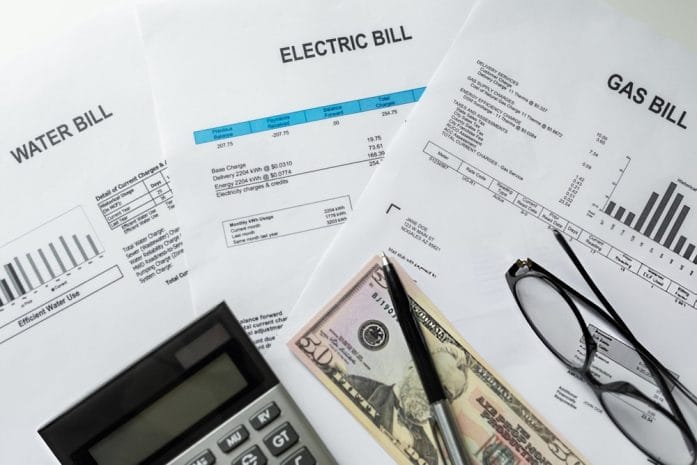
Energy bill prices continue to rise, and it’s eating into the budgets of many Florida seniors – Shutterstock

What Florida Seniors Should Expect in Real Monthly Budgets

A 3.9% COLA increase may look helpful, but monthly budgets often tell a different story once all expenses get added together. Seniors in Florida frequently allocate a large portion of income toward housing and utilities, leaving less flexibility for unexpected costs. Even a modest rise in electricity bills can cancel out the benefit of a COLA adjustment within weeks. That financial tension creates constant recalculation of priorities throughout the year. Budgeting becomes less about saving and more about surviving month to month.

Real-life scenarios show how quickly small changes add up in senior households. A slightly hotter summer can increase air-conditioning use, while a higher fuel surcharge can raise electric bills without warning. At the same time, grocery prices and prescription costs continue to move upward in unpredictable patterns. When all these factors combine, the COLA increase often feels absorbed before it can improve financial comfort. Seniors must constantly adjust spending habits to stay ahead of shifting expenses.

Smart Ways to Stretch Income When Costs Keep Climbing

Seniors facing rising costs often benefit from small but strategic adjustments that protect monthly budgets from unnecessary strain. Energy efficiency upgrades, such as LED lighting or better insulation, can reduce electricity usage over time. Utility companies in many areas also offer assistance programs or time-of-use plans that help lower peak-hour charges. These adjustments do not eliminate rising costs, but they can slow the pace of financial pressure. Every small savings choice builds up over time and improves stability.

Financial planning also plays a key role in making Social Security income stretch further. Tracking monthly spending patterns helps identify hidden leaks where money quietly disappears. Seniors who review subscription services, insurance plans, and recurring bills often uncover opportunities to cut costs without sacrificing quality of life. Local assistance programs and senior discounts also provide meaningful relief when used consistently. Combining small savings strategies often creates a stronger financial buffer than relying on COLA increases alone.

The Bottom Line for Florida Seniors Navigating 2027 Costs

A 3.9% COLA increase in 2027 may offer symbolic relief, but rising energy bills continue to challenge the financial reality for Florida seniors. The gap between income growth and utility inflation shapes how comfortable retirement truly feels on a month-to-month basis. Many seniors will experience the COLA boost as a partial offset rather than a true increase in spending power. That imbalance highlights the importance of budgeting strategies that actively address rising essential costs. Financial stability in retirement depends less on headline increases and more on how effectively households manage everyday expenses.

What strategies do you think make the biggest difference when Social Security increases fail to keep up with rising utility bills?

You May Also Like…

Why Some Retirees Are Getting Stuck in Social Security Payment Limbo

Social Security Checks Are Getting Smaller for Some Retirees—And It’s Not a Benefit Cut

5 Social Security Overpayment Traps and How to Avoid Them

10 Financial Mistakes: What to Avoid After Receiving a Social Security Overpayment Notice

New Retirees Are Waiting Weeks for Their First Social Security Check—Here’s Why

Brandon Marcus
Brandon Marcus

Brandon Marcus is a writer who has been sharing the written word since a very young age. His interests include sports, history, pop culture, and so much more. When he isn’t writing, he spends his time jogging, drinking coffee, or attempting to read a long book he may never complete.

Filed Under: social security Tagged With: Budgeting Tips, COLA 2027, Cost of living, energy bills, Florida seniors, Inflation, retirement income, retirement planning, Senior Benefits, Social Security, Social Security increase, U.S. economy

Florida Condo Fees Continue Surging — Seniors Face Massive Assessments

February 23, 2026 by Brandon Marcus Leave a Comment

Florida Condo Fees Continue Surging — Seniors Face Massive Assessments
Image Source: Unsplash.com

Florida condo living once promised a predictable budget and a breezy retirement. That promise now looks fragile across large stretches of the state, where monthly dues keep climbing and special assessments land with five-figure force. For many seniors on fixed incomes, the math simply does not work anymore.

Across Florida, condominium associations have raised fees to cover skyrocketing property insurance premiums, inflation-driven maintenance costs, and sweeping new safety requirements.

Safety Comes With a Bill

Florida lawmakers passed major condo safety reforms in 2022 and refined them in 2023, requiring milestone inspections for older buildings and mandating structural integrity reserve studies. Associations must now fully fund reserves for critical structural components, including roofs, load-bearing walls, plumbing, and electrical systems. Boards no longer enjoy the easy option of waiving reserves with a simple membership vote.

That shift forces associations to confront decades of deferred maintenance. Many buildings kept fees artificially low for years, and some boards postponed expensive repairs to avoid angering residents. The new law demands transparency and action. If engineers identify serious structural problems, associations must address them. If reserves fall short, boards must raise monthly dues or levy special assessments.

For seniors who purchased condos decades ago, the shock feels profound. A retiree who once paid a few hundred dollars a month may now face dues that double or triple, plus a special assessment that runs into the tens of thousands. These costs do not reflect luxury upgrades or cosmetic changes; they fund basic structural safety. That distinction matters, but it does not soften the financial blow.

Insurance Premiums Add Fuel to the Fire

Condo associations in Florida face another brutal reality: property insurance costs continue to surge. Florida’s insurance market has endured years of turmoil driven by hurricane losses, litigation, and carrier insolvencies. When insurers pull out of the state or tighten underwriting standards, associations scramble to secure coverage at much higher premiums.

Associations often pass those higher premiums straight to owners through increased dues. A building that once paid manageable rates may now confront premiums that multiply year over year. Even associations that maintain clean loss histories cannot escape statewide market pressures.

Seniors who budgeted carefully for retirement rarely anticipate this kind of volatility. Social Security benefits and pension payments do not spike to match insurance premiums. Fixed incomes do not stretch easily. When associations stack insurance hikes on top of new reserve funding requirements, the combined effect strains even disciplined retirees.

Special Assessments: The Five-Figure Surprise

Monthly fee increases hurt, but special assessments often cause the most panic. Associations impose special assessments when they need immediate cash for large repairs or to shore up underfunded reserves.

Seniors who lack savings or liquid assets face difficult choices. Some tap retirement accounts and trigger tax consequences. Others take out loans or reverse mortgages. Some list their units for sale, only to discover that buyers hesitate when looming assessments or expensive repairs appear in the association’s financial disclosures.

Florida lawmakers have attempted to offer limited relief by adjusting deadlines for reserve funding in certain circumstances, particularly for smaller or less complex buildings. However, the core safety requirements remain in place. Engineers must inspect qualifying buildings, and associations must fund reserves for structural components. Owners cannot vote these obligations away.

Anyone considering the sale of a condo should review the association’s financial statements, reserve study, and any pending assessments before listing. A realistic understanding of the building’s financial health prevents last-minute surprises that derail a transaction.

Fixed Incomes Meet Unpredictable Costs

Retirement planning relies on stability. Many seniors purchased Florida condos precisely because they wanted fewer maintenance headaches and more predictable expenses than a single-family home might demand. Condo life promised simplicity: pay the monthly fee, and the association handles the roof, landscaping, and exterior maintenance.

That promise now feels complicated. Inflation drives up the cost of materials and labor. Insurance premiums rise sharply. Reserve funding requirements tighten. Boards face little room to maneuver, and residents absorb the results.

Seniors who feel overwhelmed should start with information rather than panic. Attend association meetings. Request copies of the reserve study and milestone inspection reports. Ask the board about long-term financial planning and whether the association explores competitive insurance bids or phased repair schedules. Knowledge reduces fear and helps owners make rational decisions.

Florida Condo Fees Continue Surging — Seniors Face Massive Assessments
Image Source: Pexels.com

Buyers Beware: Due Diligence Matters More Than Ever

The Florida condo market has not collapsed, but buyers now scrutinize buildings with a sharper eye. Lenders often require detailed documentation about reserves and inspections before approving mortgages. Cash buyers also demand transparency.

Anyone shopping for a Florida condo should dig deeply into the association’s finances. Review recent budgets and reserve balances. Examine the structural integrity reserve study and confirm whether the association fully funds required reserves. Look for pending litigation or major repair projects that could trigger new assessments.

Location still matters, and well-maintained buildings in strong markets continue to attract interest. However, buyers who chase the lowest monthly fee without examining reserves may inherit future headaches. A slightly higher fee in a well-funded building often signals better long-term stability.

Sellers should prepare for tougher questions. Full disclosure and organized documentation build trust. A proactive board that communicates clearly about repairs and finances can help stabilize property values, even in a challenging environment.

Policy, Politics, and the Path Forward

State leaders continue to debate how to balance safety, affordability, and market stability. Some lawmakers have proposed adjustments to reserve deadlines or financing options to ease the burden on owners, particularly seniors. At the same time, no serious policymaker wants to weaken structural safety standards.

The tension remains obvious. Safety demands funding. Funding demands higher fees. Higher fees pressure retirees and working families alike. Florida’s large senior population makes the stakes even higher.

Community associations and advocacy groups encourage owners to stay engaged in the legislative process. Tracking proposed bills and contacting local representatives can shape future refinements to the law. Change often moves slowly, but organized voices carry weight in Tallahassee.

A New Era for Florida Condo Living

Florida condo ownership now requires sharper attention, stronger reserves, and more realistic budgeting than ever before. Seniors face genuine stress as fees rise and assessments hit mailboxes, yet the underlying goal of safer buildings carries undeniable importance.

Owners who educate themselves, attend meetings, and seek professional advice stand in a stronger position than those who ignore the issue. Buyers who perform careful due diligence can still find solid opportunities in well-managed communities. Boards that communicate clearly and plan responsibly can rebuild trust and stabilize their associations.

What steps should Florida take next to protect both building safety and the financial well-being of seniors who call these condos home? If you have ideas, we want to hear them in the comments below.

You May Also Like…

Florida Escrow Payments Continue Rising as Insurance Costs Climb

State Farm Files for 10% Rate Reduction in Florida After Years of Increases

6 Hidden Costs of Homeownership That Blindside First-Time Buyers

Can’t Qualify for That Condo: 7 Things You Should Know About a Spot FHA Loan

The Hidden Cost of Rent Control in California

Brandon Marcus
Brandon Marcus

Brandon Marcus is a writer who has been sharing the written word since a very young age. His interests include sports, history, pop culture, and so much more. When he isn’t writing, he spends his time jogging, drinking coffee, or attempting to read a long book he may never complete.

Filed Under: Real Estate Tagged With: condo fees, condo safety law, fixed income retirees, Florida condos, Florida seniors, HOA costs, housing affordability, property insurance Florida, real estate news, reserve requirements, special assessments, Surfside collapse

FOLLOW US

Search this site:

Recent Posts

  • Can My Savings Account Affect My Financial Aid? by Tamila McDonald
  • 12 Ways Gen X’s Views Clash with Millennials… by Tamila McDonald
  • What Advantages and Disadvantages Are There To… by Jacob Sensiba
  • 10 Tactics for Building an Emergency Fund from Scratch by Vanessa Bermudez
  • Call 911: Go To the Emergency Room Immediately If… by Stephen Kanaval
  • 7 Weird Things You Can Sell Online by Tamila McDonald
  • 10 Scary Facts About DriveTime by Tamila McDonald

Copyright © 2026 · News Pro Theme on Genesis Framework