• Home
  • About Us
  • Getting Finances Done
    • Hiring Advisors
    • Debt Management
    • Spending Plan
  • Insurance
    • Life Insurance
    • Health Insurance
    • Disability Insurance
    • Homeowners/Renters Insurance
  • Contact Us
  • Our Editorial Commitment

The Free Financial Advisor

You are here: Home / Archives for COLA 2027

The 2027 Social Security COLA Is Surging—But Seniors May Not Be Better Off

June 1, 2026 by Brandon Marcus Leave a Comment

The 2027 Social Security COLA Is Surging—But Seniors May Not Be Better Off
A surge in the Social Security COLA may help seniors, but maybe not enough – Shutterstock

The 2027 Social Security COLA grabs attention because it signals a bigger boost in monthly benefits for millions of retirees. On paper, a higher COLA sounds like good news because it reflects rising wages and prices across the economy. Many seniors expect that increase to ease financial pressure, especially with everyday costs climbing at grocery stores and pharmacies. The reality tells a more complicated story once healthcare, housing, and taxes enter the equation. A larger benefit check does not always translate into stronger purchasing power.

Inflation drives the COLA calculation, and the government ties it to the Consumer Price Index for Urban Wage Earners and Clerical Workers. That index often reflects working-age spending patterns more than senior-specific costs. Retirees often spend more on healthcare and housing than the index fully captures. That mismatch sets up a situation where benefit increases lag behind real-life expenses. The 2027 COLA surge reflects inflation trends, not guaranteed financial relief.

COLA Looks Bigger, But Inflation Writes the Script

The Cost-of-Living Adjustment rises when inflation pushes prices higher across the economy. The Social Security Administration uses third-quarter CPI-W data to calculate the annual increase. A spike in energy, food, or housing costs can push the COLA upward quickly. That process makes the adjustment reactive rather than proactive. Seniors often see the increase as relief, but inflation often moves first.

A strong COLA year often signals that prices already climbed significantly. Grocery bills, utility costs, and rent usually increase before benefit checks adjust. That timing gap creates frustration for retirees on fixed incomes. A higher COLA does not reverse past price increases. It only tries to catch up with them.

Medicare Premiums Take a Big Bite First

Medicare Part B premiums often rise alongside or even faster than Social Security benefits. Seniors automatically see those premiums deducted from monthly checks. That deduction reduces the net impact of any COLA increase. Even a strong COLA can shrink quickly once healthcare costs enter the equation. Many retirees notice smaller-than-expected deposits because of this shift.

Medical expenses continue to rise due to higher service costs and prescription prices. Seniors often rely heavily on healthcare services, which increases exposure to those price jumps. Supplemental plans and out-of-pocket costs also add pressure. The healthcare system pulls more from benefit increases each year. That reality often offsets COLA gains before they reach daily budgets.

Taxes and Income Thresholds Add More Pressure

Social Security benefits can face federal income taxes when total income crosses certain thresholds. A larger COLA can push more retirees into taxable territory. That shift reduces the net benefit increase even further. Some states also tax Social Security income, which adds another layer of cost. Retirees often overlook this effect until tax season arrives.

Income-related Medicare adjustments, known as IRMAA surcharges, also increase with higher reported income. Those surcharges apply to higher-income retirees enrolled in Medicare. Even modest benefit increases can trigger higher premiums under these rules. That structure creates a hidden penalty for COLA growth. Many seniors feel like raises disappear before they reach daily spending.

The CPI Gap Leaves Seniors Behind Real Costs

The COLA calculation relies on CPI-W, but many experts argue that CPI-E better reflects senior spending patterns. CPI-E focuses more on healthcare and housing, which dominate retirement budgets. Those categories often rise faster than the general inflation index. That gap causes Social Security adjustments to lag behind real expenses. Seniors feel that difference most strongly during high-inflation periods.

Housing costs continue to rise across many regions, including rent and property taxes. Seniors who rent often face annual increases that exceed COLA gains. Homeowners also deal with maintenance, insurance, and tax hikes. The CPI-W does not fully capture those pressures. That mismatch keeps retirement budgets tight even during COLA growth years.

The 2027 Social Security COLA Is Surging—But Seniors May Not Be Better Off
Seniors should tweak their budgets now, regardless of what the Social Security COLA is in 2027 – Shutterstock

The Right Moves That Help Stretch Every COLA Dollar

Budget adjustments become essential when benefit increases fail to match expenses. Seniors often benefit from reviewing subscription costs, insurance plans, and utility usage. Small changes in spending habits can free up meaningful monthly cash flow. Local assistance programs also help reduce food and healthcare costs. Strategic planning makes a noticeable difference over time.

Delaying certain expenses or switching providers can also improve financial stability. Prescription discount programs and Medicare savings plans reduce out-of-pocket pressure. Some retirees also explore part-time work to supplement income without losing benefits. Careful planning helps offset the gap between COLA increases and real-world inflation. Strong financial habits matter more during high-cost years.

Why a Bigger COLA Does Not Guarantee Relief

A rising COLA signals economic pressure, not financial comfort for retirees. Inflation, healthcare costs, taxes, and housing expenses all compete against benefit increases. Seniors often feel the increase in their checks disappear quickly after deductions and price hikes. The system adjusts benefits annually, but costs change month by month. That timing gap shapes the real impact of the 2027 COLA surge.

What do you think matters more right now—higher COLA increases or stronger controls on healthcare and housing costs? Let’s hear your thoughts and experiences in the comments below.

You May Also Like…

The Medicare Premium Increase That Could Consume Nearly One-Third of Some Retirees’ COLA Boost

5 Ways Hackers Can Steal Your Social Security Check With Your Help

The 2027 Social Security COLA Forecast Just Jumped — Here’s What Could Still Reduce Your Check

SNAP Alert: Why Some Seniors Are Seeing Lower Food Benefits This Month — and What to Check Before June Deposits Arrive

Michigan Seniors Are Delaying Downsizing as Mortgage Rates and Insurance Costs Stay Elevated

Brandon Marcus
Brandon Marcus

Brandon Marcus is a writer who has been sharing the written word since a very young age. His interests include sports, history, pop culture, and so much more. When he isn’t writing, he spends his time jogging, drinking coffee, or attempting to read a long book he may never complete.

Filed Under: social security Tagged With: COLA 2027, Cost of living, Inflation, Medicare costs, retirement income, retirement planning, seniors, Social Security

Florida Seniors Could See a 3.9% Social Security COLA in 2027 — But Energy Bills Are Rising Even Faster

May 20, 2026 by Brandon Marcus Leave a Comment

Florida Seniors Could See a 3.9% Social Security COLA in 2027 — But Energy Bills Are Rising Even Faster
Florida seniors may enjoy beautiful views and gorgeous beaches, but a 3.9% COLA increase might not combat energy prices – Shutterstock

For many Florida seniors, every percentage point of Social Security matters because it directly shapes how far monthly income stretches across rent, groceries, medications, and utilities. A projected 3.9% cost-of-living adjustment (COLA) for 2027 sounds encouraging at first glance, especially for households living on fixed income streams. Yet that optimism quickly runs into a harsh reality when energy costs keep climbing faster than benefit increases. Electricity bills, cooling costs, and home maintenance expenses continue to squeeze budgets in ways that feel impossible to ignore. As a result, the COLA boost may not feel like a raise at all for many retirees trying to keep up with daily expenses.

Florida seniors face a particularly tough combination of factors because the state’s warm climate drives high air-conditioning usage nearly year-round. That reality turns energy prices into a major monthly expense instead of a seasonal inconvenience. When COLA projections enter the conversation, many retirees start asking whether the increase actually improves financial stability or simply slows down the impact of rising costs. The gap between income growth and expense growth continues to widen, and that gap shapes every budgeting decision seniors make.

A 3.9% COLA Boost That Sounds Helpful on Paper

A 3.9% Social Security COLA increase appears to offer meaningful relief for retirees who depend on monthly checks to cover essential needs. That adjustment typically aims to track inflation, giving seniors a modest income lift when prices rise across the economy. On paper, the increase looks like a step in the right direction for households already stretched thin by rising healthcare and housing costs. However, the real-world impact depends heavily on how inflation behaves in specific categories like utilities and food. Many seniors discover that headline increases rarely match the lived experience of higher bills.

In practice, a 3.9% boost might add only a small amount to monthly income, often landing in the range of a few dozen extra dollars depending on benefit size. That extra money can disappear quickly when even one utility bill spikes during a hot month. Seniors in Florida often notice that air-conditioning usage drives electricity costs higher than national averages. The COLA increase may feel like a cushion, but it rarely creates breathing room when essential expenses continue to climb at a faster pace.

Why Energy Bills Are Outpacing Social Security Gains

Energy costs continue to rise due to a combination of fuel price fluctuations, infrastructure upgrades, and increased demand during extreme weather seasons. Florida seniors feel this pressure more intensely because air-conditioning becomes a necessity rather than a comfort. Utility companies often adjust rates to reflect maintenance costs and grid improvements, which can push monthly bills higher even when usage stays the same. That creates a frustrating situation where behavior does not always control spending. Fixed incomes struggle to keep up with these unpredictable increases.

The timing of rising energy bills creates an even bigger challenge when compared to COLA adjustments that arrive only once per year. Seniors may see a small income bump, but utility rates can climb multiple times within the same period. That mismatch creates budget instability that forces difficult trade-offs between cooling, groceries, and other essentials. Many households end up adjusting thermostat settings, limiting appliance use, or shifting spending away from other critical needs just to stay current on utility payments.

Florida Seniors Could See a 3.9% Social Security COLA in 2027 — But Energy Bills Are Rising Even Faster
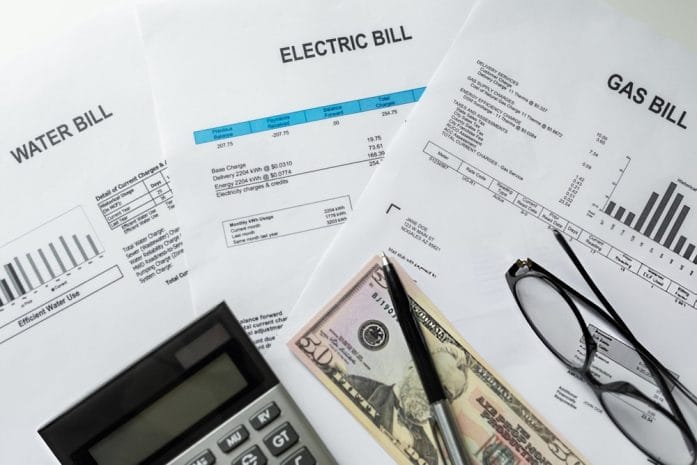
Energy bill prices continue to rise, and it’s eating into the budgets of many Florida seniors – Shutterstock

What Florida Seniors Should Expect in Real Monthly Budgets

A 3.9% COLA increase may look helpful, but monthly budgets often tell a different story once all expenses get added together. Seniors in Florida frequently allocate a large portion of income toward housing and utilities, leaving less flexibility for unexpected costs. Even a modest rise in electricity bills can cancel out the benefit of a COLA adjustment within weeks. That financial tension creates constant recalculation of priorities throughout the year. Budgeting becomes less about saving and more about surviving month to month.

Real-life scenarios show how quickly small changes add up in senior households. A slightly hotter summer can increase air-conditioning use, while a higher fuel surcharge can raise electric bills without warning. At the same time, grocery prices and prescription costs continue to move upward in unpredictable patterns. When all these factors combine, the COLA increase often feels absorbed before it can improve financial comfort. Seniors must constantly adjust spending habits to stay ahead of shifting expenses.

Smart Ways to Stretch Income When Costs Keep Climbing

Seniors facing rising costs often benefit from small but strategic adjustments that protect monthly budgets from unnecessary strain. Energy efficiency upgrades, such as LED lighting or better insulation, can reduce electricity usage over time. Utility companies in many areas also offer assistance programs or time-of-use plans that help lower peak-hour charges. These adjustments do not eliminate rising costs, but they can slow the pace of financial pressure. Every small savings choice builds up over time and improves stability.

Financial planning also plays a key role in making Social Security income stretch further. Tracking monthly spending patterns helps identify hidden leaks where money quietly disappears. Seniors who review subscription services, insurance plans, and recurring bills often uncover opportunities to cut costs without sacrificing quality of life. Local assistance programs and senior discounts also provide meaningful relief when used consistently. Combining small savings strategies often creates a stronger financial buffer than relying on COLA increases alone.

The Bottom Line for Florida Seniors Navigating 2027 Costs

A 3.9% COLA increase in 2027 may offer symbolic relief, but rising energy bills continue to challenge the financial reality for Florida seniors. The gap between income growth and utility inflation shapes how comfortable retirement truly feels on a month-to-month basis. Many seniors will experience the COLA boost as a partial offset rather than a true increase in spending power. That imbalance highlights the importance of budgeting strategies that actively address rising essential costs. Financial stability in retirement depends less on headline increases and more on how effectively households manage everyday expenses.

What strategies do you think make the biggest difference when Social Security increases fail to keep up with rising utility bills?

You May Also Like…

Why Some Retirees Are Getting Stuck in Social Security Payment Limbo

Social Security Checks Are Getting Smaller for Some Retirees—And It’s Not a Benefit Cut

5 Social Security Overpayment Traps and How to Avoid Them

10 Financial Mistakes: What to Avoid After Receiving a Social Security Overpayment Notice

New Retirees Are Waiting Weeks for Their First Social Security Check—Here’s Why

Brandon Marcus
Brandon Marcus

Brandon Marcus is a writer who has been sharing the written word since a very young age. His interests include sports, history, pop culture, and so much more. When he isn’t writing, he spends his time jogging, drinking coffee, or attempting to read a long book he may never complete.

Filed Under: social security Tagged With: Budgeting Tips, COLA 2027, Cost of living, energy bills, Florida seniors, Inflation, retirement income, retirement planning, Senior Benefits, Social Security, Social Security increase, U.S. economy

Follow Us

Search this site:

Recent Posts

  • Can My Savings Account Affect My Financial Aid? by Tamila McDonald
  • 12 Ways Gen X’s Views Clash with Millennials… by Tamila McDonald
  • What Advantages and Disadvantages Are There To… by Jacob Sensiba
  • 10 Tactics for Building an Emergency Fund from Scratch by Vanessa Bermudez
  • Call 911: Go To the Emergency Room Immediately If… by Stephen Kanaval
  • 7 Weird Things You Can Sell Online by Tamila McDonald
  • 10 Scary Facts About DriveTime by Tamila McDonald

Copyright © 2026 · News Pro Theme on Genesis Framework