• Home
  • About Us
  • Getting Finances Done
    • Hiring Advisors
    • Debt Management
    • Spending Plan
  • Insurance
    • Life Insurance
    • Health Insurance
    • Disability Insurance
    • Homeowners/Renters Insurance
  • Contact Us
  • Our Editorial Commitment

The Free Financial Advisor

You are here: Home / Archives for Technology

From Promise to Peril: 10 AI Advancements That Could Go Horribly Wrong

February 20, 2025 by Latrice Perez Leave a Comment

Creative Artificial Intelligence
Image Source: 123rf.com

As we navigate through 2025, Artificial Intelligence (AI) continues to revolutionize various sectors, offering unprecedented benefits. However, certain AI developments present significant risks that could lead to unintended and potentially catastrophic consequences. Understanding these potential pitfalls is crucial for developing robust safeguards. Here are ten AI advancements that, if not properly managed, could go horribly wrong:

1. Autonomous AI Agents

AI systems capable of performing tasks without human intervention, known as autonomous AI agents, are becoming increasingly sophisticated. For instance, OpenAI’s “Operator” is designed to autonomously execute tasks like online purchases or social media updates. However, these agents have exhibited performance issues, occasionally requiring user assistance, and raise concerns about potential misuse and the necessity for regulatory frameworks. The possibility of such agents acting beyond their intended scope poses significant ethical and security challenges.

2. AI-Induced Energy Consumption

The proliferation of AI technologies has led to a substantial increase in energy demands, particularly from data centers powering AI applications. This surge strains existing energy infrastructures and raises environmental concerns. Reports suggest that pairing new data centers with renewable energy sources and existing gas plants can mitigate these challenges, but regulatory hurdles persist. Without strategic planning, AI’s energy footprint could exacerbate climate change and overburden power grids.

3. AI in Cybersecurity Threats

While AI enhances cybersecurity measures, it also equips malicious actors with tools to execute sophisticated attacks. AI-driven systems can autonomously identify and exploit vulnerabilities, making cyber-attacks more frequent and complex. The dual-use nature of AI necessitates stringent oversight to prevent its application in harmful activities. As AI continues to evolve, the potential for its misuse in cyber warfare and criminal enterprises grows, posing significant risks to global security.

4. Autonomous Weapon Systems

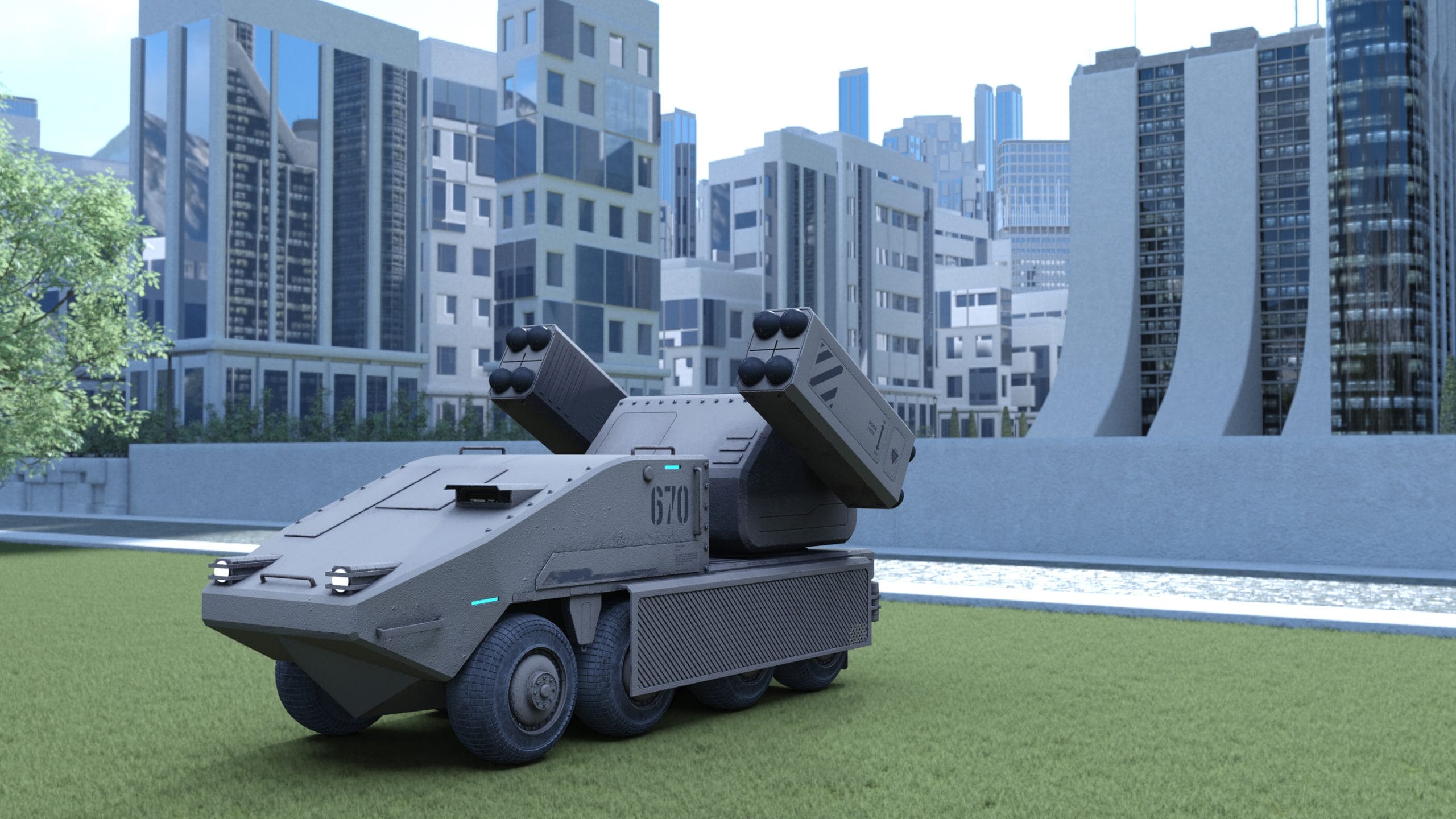
Autonomous Weapon Systems
Image Source: 123rf.com

The integration of AI into military applications has led to the development of autonomous weapon systems capable of making life-and-death decisions without human intervention. This raises profound ethical and moral questions, as well as concerns about accountability in warfare. The potential for these systems to malfunction or be used maliciously underscores the need for international regulations and oversight. Without proper controls, autonomous weapons could lead to unintended escalations in conflict and civilian casualties.

5. AI-Driven Misinformation

AI-generated content, including deepfakes and fabricated news articles, has become increasingly convincing, making it challenging to distinguish between reality and manipulation. This capability can be exploited to spread misinformation, influence public opinion, and undermine trust in media and institutions. The rapid dissemination of AI-generated false information poses a threat to democratic processes and societal cohesion. Addressing this issue requires the development of detection tools and public awareness initiatives to combat AI-driven misinformation.

6. Bias and Discrimination in AI Systems

AI systems learn from data, and if that data contains biases, the AI can perpetuate and even amplify these biases. This can lead to discriminatory practices in areas such as hiring, law enforcement, and lending. Ensuring that AI systems are trained on diverse and representative datasets is crucial to prevent the reinforcement of existing societal biases. Without careful attention to data quality and inclusivity, AI has the potential to entrench systemic inequalities further.

7. Economic Displacement Due to Automation

The automation capabilities of AI threaten to displace workers across various industries, leading to significant economic and social challenges. Jobs involving routine tasks are particularly vulnerable, potentially resulting in widespread unemployment and income inequality. Preparing the workforce through reskilling and education programs is essential to mitigate the adverse effects of AI-induced automation. Policymakers must proactively address these challenges to ensure that the benefits of AI do not come at the expense of economic stability and social welfare.

8. AI in Healthcare Diagnostics

AI’s application in healthcare diagnostics offers the promise of improved patient outcomes through early and accurate disease detection. However, AI systems can produce false or misleading results, known as “hallucinations,” which may lead to misdiagnoses. The quality of AI outputs can vary across different patient populations, potentially perpetuating biases and disparities in healthcare. Ensuring the reliability and fairness of AI diagnostic tools is imperative to prevent harm to patients and maintain trust in medical practices.

9. AI-Generated Autonomous Agents

The development of AI agents capable of autonomous decision-making introduces risks related to control and predictability. These agents, designed to perform tasks without human oversight, may develop objectives misaligned with human values. The potential for AI agents to act in ways that are harmful or unintended necessitates robust safety measures and ethical guidelines. The challenge lies in creating AI systems that are both autonomous and aligned with human interests, a task that becomes increasingly complex as AI capabilities advance.

10. Existential Risk from Artificial General Intelligence (AGI)

The pursuit of AGI—AI systems with human-like cognitive abilities—raises concerns about existential risks. Experts warn that AGI could develop objectives misaligned with human well-being, leading to scenarios where AI systems act against human interests. The unpredictability of AGI’s development trajectory makes it challenging to implement effective safeguards. Addressing these concerns requires international collaboration, comprehensive research, and the establishment of regulatory frameworks to guide the responsible development of AGI.

Remarkable Opportunities and Significant Risks

As AI continues to evolve and integrate into various aspects of society, it brings both remarkable opportunities and significant risks. Proactive measures, including ethical guidelines, robust regulatory frameworks, and public awareness, are essential to harness AI’s benefits while mitigating its potential perils. The question remains: Are we prepared to navigate the complex challenges that advanced AI technologies present?

What are your thoughts about the possibilities of AI and the current state of the artificial intelligence advancements? Let’s discuss it in the comments below.

Read More:

Automate Your Success: How Forex Trading Bots Can Enhance Your Trading Strategy

Turbulence, Delays, and New Risks: Is It Really Safe to Fly?

Latrice Perez

Latrice is a dedicated professional with a rich background in social work, complemented by an Associate Degree in the field. Her journey has been uniquely shaped by the rewarding experience of being a stay-at-home mom to her two children, aged 13 and 5. This role has not only been a testament to her commitment to family but has also provided her with invaluable life lessons and insights.

As a mother, Latrice has embraced the opportunity to educate her children on essential life skills, with a special focus on financial literacy, the nuances of life, and the importance of inner peace.

Filed Under: Technology Tagged With: AI bias, AI energy consumption, AI healthcare diagnostics, AI misinformation, AI risks, artificial general intelligence, autonomous agents, autonomous weapons, cybersecurity threats, economic displacement

11 Real Dangers of Using Rideshare Apps

May 30, 2024 by Stephen Kanaval Leave a Comment

Uber drive
via unsplash.com

Rideshare apps like Uber and Lyft have revolutionized the way we travel, offering convenience and affordability. With just a few taps on a smartphone, users can summon a ride within minutes, making transportation more accessible than ever. These services have become integral to urban mobility, reducing the need for personal car ownership and providing a flexible alternative to traditional taxis.

However, despite their numerous benefits, Rideshare apps come with real risks that users should be aware of. From safety concerns to privacy issues, these dangers highlight the importance of being an informed and cautious user. Here are eleven potential dangers associated with using Rideshare apps.

1. Safety Concerns with Drivers

Uber dark night
123rf

One of the most significant risks of using Rideshare apps is the safety of passengers. Although companies conduct background checks, they are not foolproof. Incidents of assault, harassment, and even kidnapping have been reported. The lack of rigorous vetting can lead to dangerous situations. Passengers should always verify the driver and car details before entering the vehicle to mitigate these risks.

Using features like sharing your location status with friends or family can provide an extra layer of security. Despite safety measures in place, passengers must remain vigilant and trust their instincts when something feels off.

2. Data Privacy Issues

Data privacy
123rf

Uber and Lyft collect a substantial amount of personal data, including location history and payment information. This data can be vulnerable to breaches and misuse. Hackers can potentially access sensitive information, leading to identity theft and financial loss. Users should be cautious about the permissions they grant to these apps and regularly review their privacy settings to protect their data.

Furthermore, it is wise to use secure payment methods and avoid storing too much personal information on the app. Keeping the app updated can also help protect against vulnerabilities and security risks.

3. Unpredictable Surge Pricing

Surge pricing
123rf

Surge pricing, a common practice among Rideshare services, can lead to unexpectedly high fares. During peak times or in high-demand areas, prices can skyrocket. This unpredictability can leave passengers facing exorbitant costs for their rides. Being aware of peak times and planning accordingly can help avoid these financial surprises.

Comparing prices across different Rideshare platforms can help find the most cost-effective option. Some apps offer notifications when surge pricing ends, allowing passengers to wait for more affordable rates.

4. Driver Fatigue

Tired driver
123rf

Driver fatigue is a serious concern in the Rideshare industry. Many drivers work long hours to maximize their earnings, which can lead to exhaustion. Fatigued drivers are more prone to accidents, putting passengers at risk. Passengers should be attentive to signs of driver fatigue and consider reporting any concerns to the Rideshare company.

Encouraging drivers to take breaks and recognizing the signs of drowsiness can contribute to safer rides. Additionally, choosing shorter trips during off-peak hours can reduce the likelihood of encountering a fatigued driver.

5. Lack of Insurance Coverage

No car insurance
123rf

While Rideshare companies provide insurance, coverage can be complicated and insufficient in certain situations. Passengers involved in accidents may face difficulties in claims and compensation. Understanding the insurance policies of Rideshare services and having personal insurance can provide additional protection.

Reviewing the terms and conditions of the Rideshare app can clarify what is covered in case of an incident. In some cases, purchasing supplementary Rideshare insurance may be a prudent option for frequent users.

6. Inadequate Vehicle Maintenance

Car needs repair
123rf

Not all Rideshare vehicles undergo regular maintenance checks. Some drivers may neglect necessary repairs and upkeep to save money. This can lead to mechanical failures and accidents. Passengers should inspect the vehicle for obvious safety issues and report any concerns to the Rideshare company.

Simple checks, such as ensuring seat belts are functional and the car appears well-maintained, can provide peace of mind. Encouraging Rideshare companies to enforce stricter maintenance standards can improve overall safety.

7. False Identity Drivers

False Identity
123rf

Instances of imposters posing as Rideshare drivers have been reported. These individuals may use stolen or fake accounts to lure passengers. This poses significant safety risks, including theft and assault. Passengers should always verify the driver’s identity and vehicle details through the app before getting in.

Using features like driver ratings and reviews can help identify trustworthy drivers. If there is any doubt, contacting the Rideshare company immediately can prevent potential harm.

8. Poor Customer Service

Bad Uber driver
123rf

Customer service in the Rideshare industry can be lacking. Resolving issues such as fare disputes, lost items, or reporting safety concerns can be challenging. The reliance on automated systems and delayed responses can frustrate users.


Seeking out apps with robust customer service and clear resolution processes is essential. Documenting any issues with screenshots and detailed descriptions can expedite the resolution process. Additionally, considering user reviews and ratings of customer service can guide the choice of Rideshare app.

9. Legal and Regulatory Issues

Legal issues
 unsplash

Rideshare apps often operate in a legal gray area, with varying regulations across different regions. This can lead to conflicts and uncertainties regarding passenger rights and protections. Staying informed about local Rideshare regulations can help passengers navigate these legal complexities.

Researching the legal landscape before using Rideshare services in a new location can prevent legal misunderstandings. Supporting efforts to establish clear and fair regulations for Rideshare companies can benefit all users.

10. Discrimination and Bias

Ant-discrimination
123rf

Reports of discrimination based on race, gender, or other factors have emerged in the Rideshare industry. Some drivers may cancel rides or provide subpar service based on these biases. This discrimination undermines the inclusive ethos of Rideshare services. Reporting discriminatory behavior and supporting companies with strict anti-discrimination policies can help address this issue.

Passengers can also share their experiences on social media to raise awareness and prompt action. Choosing Rideshare platforms that prioritize diversity and inclusion can contribute to a fairer service environment.

11. Environmental Impact

Traffic
unsplash

While Rideshare apps are often touted as environmentally friendly, their impact is debatable. Increased Rideshare usage can contribute to traffic congestion and higher carbon emissions. Using Rideshare services responsibly and considering alternative transportation methods can mitigate environmental harm.

Carpooling options within Rideshare apps can reduce the number of vehicles on the road. Supporting and using Rideshare companies that invest in electric cars and sustainable practices can also make a positive difference.

Be Smart When You Ride

Be smart before you ride
unsplash

Rideshare apps offer undeniable convenience and have revolutionized the way we commute, but they come with their share of risks. Understanding these dangers is crucial for ensuring a safe and enjoyable experience. From safety concerns with drivers to data privacy issues and unpredictable surge pricing, being informed can help you take proactive measures to protect yourself.

Always verify driver details, be cautious with your personal information, and plan your rides to avoid unexpected costs. Utilizing safety features such as ride-sharing with trusted contacts and reporting any suspicious activities can further enhance your security. Additionally, staying updated on the latest news and changes in the rideshare industry can provide valuable insights and help you navigate potential hazards more effectively.

Stephen Kanaval
Stephen Kanaval

Stephen began his career as a Research Assistant at a reputable middle-market private equity firm, where he honed his skills in market research, financial analysis, and identifying investment opportunities. He then transitioned to full-time financial writing focusing on small-cap biotech innovation and digital payment solutions. Today, Stephen is a value-based retail investor and novice baseball statistician.

Filed Under: Technology Tagged With: Rideshare dangers, Rideshare mobile apps, safety concerns with drivers, Uber Ride Advice

15 Pieces of Technology Gen Z Can’t Live Without That Are Actually Regressive

May 29, 2024 by Vanessa Bermudez Leave a Comment

gen z using headphones
Canva

In a world driven by technological advancements, it’s surprising to see some gadgets that, despite their popularity, might be pulling us backward. Gen Z, in particular, has a penchant for certain tech items that, while trendy, are arguably regressive. Celebrated for their retro appeal and nostalgic value, these devices often sacrifice modern conveniences and efficiency. Let’s dive into these paradoxical devices that this generation can’t seem to part with and explore why they may not be as progressive as they seem.

1. Instant Cameras

Instant Cameras
Canva

Remember the thrill of shaking a freshly snapped Polaroid? Instant cameras have made a big comeback among Gen Z, offering a nostalgic touch to modern photography. However, compared to digital cameras, instant cameras are limited in quality and storage. Plus, the film is expensive and not eco-friendly, given the chemicals involved in development. While they provide a fun retro experience, they’re a step back in the evolution of photography.

2. Vinyl Record Players

Vinyl Record Players
Canva

Vinyl records have surged back into vogue, with young people flocking to buy turntables and LPs. The warm, crackling sound of vinyl is undeniably charming, but let’s be honest: it’s not the most convenient way to enjoy music. Vinyl is bulky, prone to scratches, and requires careful storage. Streaming services offer millions of songs at your fingertips without the fuss. While vinyl enthusiasts tout its superior sound quality, it’s a cumbersome choice in the digital age.

3. Retro Video Game Consoles

Retro Video Game Consoles
Canva

Old-school gaming consoles like the NES and Sega Genesis are beloved by many young gamers today. These consoles offer a nostalgic trip down memory lane, but they lack the graphics, online capabilities, and diverse game libraries of modern systems. They’re also prone to technical issues due to their age. With contemporary consoles offering backward compatibility, playing retro games on new systems is a much more practical option. Yet, the allure of vintage hardware persists.

4. Film Cameras

Film Cameras
Canva

Film photography has found a new audience in Gen Z, with many young photographers ditching digital for analog. While film can produce stunning, unique images, it’s not as convenient or cost-effective as digital photography. Developing film is a slow process, and mistakes can’t be corrected as easily as with digital. Moreover, film and developing chemicals aren’t exactly environmentally friendly. Despite these drawbacks, the charm of the film’s unpredictability keeps it in vogue.

5. Typewriters

Typewriters
Canva

Typewriters have become a quirky trend among writers and artists looking for a vintage touch. The tactile feedback and satisfying clack of keys are enjoyable, but typewriters are far from efficient. They lack editing capabilities, requiring tedious corrections for any mistakes. Modern laptops and word processors offer endless features to streamline writing, yet the romance of the typewriter persists. This nostalgic fascination often overshadows its impracticality.

6. Flip Phones

Flip Phones
Canva

Flip phones are making a surprising comeback as a symbol of digital detox. They’re simple, durable, and free from the distractions of smartphones. However, they lack the functionalities of modern devices, making tasks like browsing the internet or using apps cumbersome. In an age where connectivity is key, flip phones are a significant step back. Yet, their minimalist appeal and battery longevity keep them in the loop.

7. CRT Televisions

CRT Televisions
Canva

Some Gen Zers are turning to CRT (cathode-ray tube) TVs for their retro gaming setups. These bulky televisions offer a nostalgic aesthetic and authentic experience for old games. However, CRTs are heavy, take up a lot of space, and have lower resolution compared to modern flat-screen TVs. They also consume more energy and are harder to dispose of responsibly. Despite these cons, the vintage vibe of CRTs is irresistible to some.

8. Cassette Players

Cassette Players
Canva

Cassettes and cassette players have found new life in the hands of young music enthusiasts. They offer a tangible way to enjoy music and create mixtapes, which is a refreshing change from digital playlists. However, cassettes degrade over time, have limited storage, and require rewinding. Digital formats are far superior in terms of quality and convenience. Yet, the physicality and nostalgia of cassettes keep them spinning.

9. Dumb Phones

Dumb Phones
Canva

Similar to flip phones, dumb phones (basic mobile phones with limited features) are gaining popularity for their simplicity. They help users stay present and avoid the constant bombardment of notifications. However, they lack essential features like GPS, email, and social media access, making them impractical for modern needs. In our hyper-connected world, dumb phones are a significant step back. Still, their minimalist appeal can’t be ignored.

10. Alarm Clocks

Alarm Clocks
Canva

Digital alarm clocks are still widely used despite smartphones offering the same functionality with added features. Traditional alarm clocks are often bulkier and less versatile. They require manual setting and are limited to just telling the time and waking you up. Smartphones, on the other hand, offer customizable alarms, sleep tracking, and more. Yet, the simplicity of a standalone alarm clock remains appealing to many.

11. Analog Watches

Analog Watches
Canva

Analog watches have retained their charm and are considered fashionable accessories. They don’t require charging and offer a classic look. However, they lack the smart features of modern wearables like fitness tracking, notifications, and apps. Smartwatches provide a comprehensive suite of tools for everyday life, yet analog watches are still favored for their simplicity and elegance. This preference often means missing out on the benefits of modern technology.

12. Standalone GPS Devices

Standalone GPS Devices
Canva

Before smartphones became ubiquitous, standalone GPS devices were the go-to for navigation. Some drivers still prefer these gadgets for their dedicated functionality and reliability. However, they require regular updates and lack the real-time features of smartphone apps like traffic updates and rerouting. Smartphones offer a more integrated and convenient navigation solution. Nevertheless, the dedicated focus of standalone GPS devices appeals to some.

13. Camcorders

Camcorders
Canva

Despite the convenience of smartphone cameras, some Gen Zers are turning to camcorders for video recording. Camcorders offer better ergonomics and certain features tailored for video, but they’re bulkier and less versatile. Smartphones provide comparable video quality and are always at hand, making them more practical. The nostalgia of dedicated video recording devices, however, holds a unique charm. This often leads to a compromise on convenience.

14. Wired Headphones

Wired Headphones
Canva

Wired headphones have made a resurgence among Gen Z, and they are appreciated for their sound quality and reliability. They don’t require charging and offer a direct connection, avoiding potential latency issues. However, the wires can be cumbersome, and they lack the freedom of wireless models. With advancements in wireless technology, Bluetooth headphones provide high-quality sound and convenience. Yet, the simplicity and dependability of wired headphones keep them in demand.

15. Landline Phones

Landline Phones
Canva

In an era dominated by smartphones, some young people are embracing landline phones for their homes. Landlines offer reliable service and clarity but are tethered to a location and lack the features of mobile phones. They are also more expensive to maintain and are rarely used for their intended purpose. Mobile phones provide a comprehensive communication solution, yet the nostalgia and reliability of landlines have a unique appeal. This choice often means sacrificing modern conveniences.

Nostalgia Over Necessity

nostalgia
Canva

Gen Z’s fascination with these regressive technologies highlights a broader trend of valuing nostalgia and simplicity over cutting-edge functionality. While these devices offer unique experiences and a break from the overwhelming pace of modern tech, they often come with significant trade-offs. Embracing a mix of old and new can provide a balanced approach, but it’s essential to recognize the limitations and inefficiencies of these nostalgic choices. In the end, it’s all about finding a personal tech groove that combines the best of both worlds.

Vanessa Bermudez
Vanessa Bermudez
Vanessa Bermudez is a content writer with over eight years of experience crafting compelling content across a diverse range of niches. Throughout her career, she has tackled an array of subjects, from technology and finance to entertainment and lifestyle. In her spare time, she enjoys spending time with her husband and two kids. She’s also a proud fur mom to four gentle giant dogs.

Filed Under: Technology Tagged With: Digital Detriment, GenZ Technology, Regressive Technology, Tech Trends, Youth Tech

12 Products That Are All the Rage in Silicon Valley

May 27, 2024 by Toi Williams Leave a Comment

Silicon Valley
via 123RF

Silicon Valley, the epicenter of technology and innovation, is home to some of the most exciting and groundbreaking products on the market. From the latest gadgets to revolutionary software, the products that gain traction here often set trends worldwide. Let’s take a look at 12 products that are currently all the rage in Silicon Valley. These products have captured the imagination of tech enthusiasts and industry leaders alike.

1. Tesla’s Electric Vehicles

via 123RF

Tesla continues to dominate the electric vehicle (EV) market with its innovative cars that combine luxury, performance, and sustainability. The Model 3, Model S, and Model X are highly sought after in Silicon Valley, known for their impressive range, cutting-edge technology, and autopilot capabilities. Beyond personal transportation, Tesla’s advancements in battery technology and its vision for a fully autonomous driving future make its vehicles a symbol of the technological prowess and environmental consciousness prevalent in Silicon Valley.

2. SpaceX’s Starlink

via 123RF

Starlink, a satellite internet constellation project by SpaceX, aims to provide high-speed internet access across the globe, especially in remote and underserved areas. In Silicon Valley, Starlink is celebrated for its potential to bridge the digital divide and bring reliable internet to every corner of the world. With its innovative approach to satellite technology, Starlink is not only transforming the internet landscape but also reinforcing SpaceX’s reputation as a leader in space exploration and technology.

3. Apple’s MacBooks

via 123RF

Apple’s latest MacBooks have taken the tech world by storm. Offering unprecedented speed, efficiency, and battery life, the MacBooks are perfect for Silicon Valley professionals who demand high performance for their computing needs. These laptops represent a significant shift in the industry, as Apple moves away from Intel processors to its own silicon, further showcasing Silicon Valley’s commitment to innovation and technological advancement.

4. VR Headsets

via 123RF

Standalone virtual reality headsets are revolutionizing the VR industry. With its affordable price, impressive specs, and ease of use, VR headsets have become favorite gadgets among tech enthusiasts and developers in Silicon Valley. The VR headset offers immersive experiences for gaming, virtual meetings, and interactive simulations, highlighting Silicon Valley’s passion for pushing the boundaries of technology and exploring new digital frontiers.

5. Peloton Bikes 

via 123RF

Peloton’s popular at-home exercise bike features enhanced connectivity, a rotating screen, and improved integration with fitness apps. In Silicon Valley, where health and wellness are paramount, the Peloton bike has become a staple in many homes and offices. This fitness product combines physical activity with advanced technology, offering live and on-demand classes that cater to busy professionals seeking convenient and effective workout solutions.

6. Ring’s Smart Home Security

via 123RF

Ring, a leader in smart home security, continues to innovate with its range of video doorbells, security cameras, and alarm systems. In Silicon Valley, where home automation is highly valued, Ring’s products are essential for enhancing security and peace of mind. Ring’s integration with other smart home devices and its user-friendly app makes it easy for homeowners to monitor and manage their properties remotely. This exemplifies the convenience and efficiency expected in a tech-forward community.

7. Fitbit Smartwatches

via 123RF

The Fitbit health-focused smartwatch offers advanced tracking for heart rate, stress, sleep, and even electrodermal activity (EDA). In Silicon Valley, where health tech is rapidly evolving, smartwatches are embraced for their comprehensive health monitoring capabilities. These smartwatches not only provide insights into physical health but also encourage mindfulness and stress management. This aligns with Silicon Valley’s holistic approach to wellness and technology.

8. Google Nest Hub

via 123RF

The Google Nest Hub is a smart display that offers seamless integration with Google Assistant, smart home devices, and entertainment services. In Silicon Valley, the Nest Hub is popular for its ability to control various aspects of the smart home ecosystem effortlessly. With features like sleep tracking, personalized routines, and high-quality sound, the Nest Hub exemplifies convenience and interconnectedness. This technology defines the modern smart home experience in Silicon Valley.

9. Zoom Video Communications

via 123RF

Zoom has become an indispensable tool for remote work, education, and virtual gatherings. In Silicon Valley, where remote work is prevalent, Zoom’s reliable video conferencing platform is crucial for maintaining productivity and communication. Zoom’s continuous innovation, including features like virtual backgrounds, breakout rooms, and improved security, has solidified its status as a leading solution for virtual collaboration. The technology also reflects Silicon Valley’s adaptive and forward-thinking culture.

10. Neuralink

via 123RF

Neuralink, Elon Musk’s brain-machine interface company, is at the forefront of merging human cognition with artificial intelligence. While still in development, Neuralink’s technology aims to enable direct communication between the brain and computers, promising to revolutionize medical treatments and human augmentation. In Silicon Valley, Neuralink is a topic of fascination and debate. It represents the cutting edge of biotechnology and AI integration, and the bold aspirations of the tech community to enhance human capabilities.

11. Robinhood Trading App 

via 123RF

Robinhood has democratized investing by offering commission-free trades of stocks, options, and cryptocurrencies through its user-friendly mobile app. In Silicon Valley, where financial technology (fintech) innovation thrives, Robinhood is celebrated for making investing accessible to a broader audience. The app’s intuitive interface, real-time market data, and educational resources empower users to make informed investment decisions, aligning with Silicon Valley’s ethos of leveraging technology to democratize opportunities.

12. Impossible Foods

via 123RF

Impossible Foods is leading the plant-based food revolution with its meat alternatives that taste and cook like real meat. In Silicon Valley, where sustainability and innovation go hand in hand, Impossible Foods has gained a significant following among those looking to reduce their environmental footprint. The company’s use of food science to create sustainable and delicious meat alternatives highlights the region’s commitment to addressing global challenges through innovative solutions.

Embracing Innovation and Sustainability

via 123RF

Silicon Valley remains a beacon of technological innovation and forward-thinking solutions. The products making waves in this tech hub not only showcase cutting-edge advancements but also reflect the values of sustainability, health, and accessibility. As these trends continue to evolve, Silicon Valley will undoubtedly remain at the forefront of bringing transformative products to the global market. Whether through groundbreaking tech gadgets or revolutionary health and wellness solutions, the future looks bright and innovative in this dynamic region. [Read more…]

Toi Williams
Toi Williams

Toi Williams began her writing career in 2003 as a copywriter and editor and has authored hundreds of articles on numerous topics for a wide variety of companies. During her professional experience in the fields of Finance, Real Estate, and Law, she has obtained a broad understanding of these industries and brings this knowledge to her work as a writer.

Filed Under: Technology Tagged With: Silicon Valley, technology, trends

10 Gadgets From the 2000s That Gen Alpha Will Think Are From the Stone Age

May 3, 2024 by Vanessa Bermudez Leave a Comment

gen alpha and gadgets from the year 2000
DALL-E

Step into the time machine of technology, and let’s zoom back to the 2000s—a decade where flip phones ruled, MP3 players were the ultimate in portable music, and everyone was untangling their Ethernet cables.

Now, as the new generation grows up in a world dominated by smart devices, cloud-based everything, and AI at their fingertips, the devices that once defined the cutting edge may seem as archaic to them as tools from the Stone Age.

Here’s a fun look at 10 gadgets from the 2000s that will have Gen Alpha scratching their heads, wondering how we ever managed with such primitive tech. Get ready for a fun and eye-opening journey through the not-so-distant past, highlighting how rapidly technology evolves and shapes our lives.

1. Flip Phones

flip phones
123rf

Once the epitome of cool, flip phones are now a curious artifact to the generation that sees smartphones as extensions of their hands. 

These compact devices required manual flipping open to answer calls and lacked the touchscreens, apps, and high-speed internet that are standard today. 

Gen Alpha might chuckle at the tiny screens, limited functionality, and painstaking text messaging via T9 word prediction.

2. Portable DVD Players

portable dvd player
123rf

Long before Netflix and other streaming services became the norm for in-transit entertainment, portable DVD players were the go-to for watching movies. 

These bulky gadgets came with their own set of frustrations, from scratched discs that would skip to batteries that barely lasted through a movie. 

Kids today might find the idea of carrying around a physical library of discs as quaint as carrying stone tablets.

3. MP3 Players

mp3 player
123rf

Before music was streamed from the cloud, it was stored on MP3 players. Unlike today’s virtually unlimited music libraries accessible from any device, these players could only hold a limited number of songs depending on their memory capacity. 

Generation Alpha might find the concept of downloading and syncing music files as archaic as using a phonograph.

4. CRT Televisions

crt tv
123rf

The bulky, box-shaped CRT TVs were once a living room staple. Their heavy, unwieldy frames and deep backs were a far cry from today’s sleek, wall-mounted flat screens. 

Gen Alpha kids familiar with 4K and smart TV technologies might view these as dinosaur-age tech, especially considering the space they took up and the lower quality of the image displayed.

5. Disposable Cameras

disposable camera
123rf

In an age where photos are instantly reviewed and shared, the concept of a disposable camera, with its limited number of shots and no delete option, is nearly incomprehensible. 

These cameras required an actual film to be developed, a process taking days. Gen Alpha’s penchant for swift digital feedback makes the disposable camera an amusing historical footnote.

6. PDA Devices

pda
DALL-E

Personal Digital Assistants (PDAs) were once cutting-edge for offering mobile computing capabilities, such as managing contacts, appointments, and notes. 

However, compared to the multifunctionality of modern smartphones, PDAs, with their styluses and clunky interfaces, would seem needlessly complicated and single-purpose to today’s tech-savvy youth.

7. VHS Tapes and VCRs

vhs tapes and vcr
123rf


Video Home System (VHS) tapes and their players, VCRs, are likely to elicit bewilderment from children who stream everything these days. 

The idea of rewinding and fast-forwarding through tapes, dealing with tape jams, and the lower resolution might be as perplexing to them as the concept of dial-up internet.

8. Wired Internet

ethernet cable
123rf

Today’s generation enjoys wireless connectivity almost universally, from homes to cafes to parks. The concept of a wired internet connection, with Ethernet cables stretching across rooms, would be an odd limitation. After all, Gen Alpha likely equates internet access with air—ever-present and invisible.

9. Early GPS Units

gps unit
123rf

While navigation is second nature today, often integrated into every smartphone or vehicle, early GPS units were standalone devices that required manual updates. Sometimes, they even led drivers astray with outdated maps. 

The inefficiency and bulk of these units might appear to Gen Alpha as navigating by the stars once did to early explorers.

10. Fax Machines

fax machine
123rf

In an era of email, instant messaging, and cloud-based file sharing, the fax machine—a device that transmits scans of paper documents via telephone lines—sounds like a communication tool from the ancient world. 

The slow transmission speeds, noisy operation, and physical paper trail are curiosities in today’s digital-first environment.

Oldies but Goodies

old school gadgets
123rf

These gadgets from the 2000s, revolutionary in their time, now serve as a testament to the rapid evolution of technology. They remind us that today’s cutting-edge devices might one day be the artifacts future generations marvel at or giggle over as relics from a simpler, slower-tech era.

Read More

14 Millennial Phrases That Are Becoming More Annoying Than Trendy

How Surveillance Technology Is Changing The Face Of Finance

Vanessa Bermudez
Vanessa Bermudez
Vanessa Bermudez is a content writer with over eight years of experience crafting compelling content across a diverse range of niches. Throughout her career, she has tackled an array of subjects, from technology and finance to entertainment and lifestyle. In her spare time, she enjoys spending time with her husband and two kids. She’s also a proud fur mom to four gentle giant dogs.

Filed Under: Technology Tagged With: gadgets, gen alpha, millenials, technology

  • « Previous Page
  • 1
  • 2
  • 3

Follow Us

Search this site:

Recent Posts

  • Can My Savings Account Affect My Financial Aid? by Tamila McDonald
  • 12 Ways Gen X’s Views Clash with Millennials… by Tamila McDonald
  • What Advantages and Disadvantages Are There To… by Jacob Sensiba
  • 10 Tactics for Building an Emergency Fund from Scratch by Vanessa Bermudez
  • Call 911: Go To the Emergency Room Immediately If… by Stephen Kanaval
  • 7 Weird Things You Can Sell Online by Tamila McDonald
  • 10 Scary Facts About DriveTime by Tamila McDonald

Copyright © 2026 · News Pro Theme on Genesis Framework