
Rideshare apps like Uber and Lyft have revolutionized the way we travel, offering convenience and affordability. With just a few taps on a smartphone, users can summon a ride within minutes, making transportation more accessible than ever. These services have become integral to urban mobility, reducing the need for personal car ownership and providing a flexible alternative to traditional taxis.
However, despite their numerous benefits, Rideshare apps come with real risks that users should be aware of. From safety concerns to privacy issues, these dangers highlight the importance of being an informed and cautious user. Here are eleven potential dangers associated with using Rideshare apps.
1. Safety Concerns with Drivers

One of the most significant risks of using Rideshare apps is the safety of passengers. Although companies conduct background checks, they are not foolproof. Incidents of assault, harassment, and even kidnapping have been reported. The lack of rigorous vetting can lead to dangerous situations. Passengers should always verify the driver and car details before entering the vehicle to mitigate these risks.
Using features like sharing your location status with friends or family can provide an extra layer of security. Despite safety measures in place, passengers must remain vigilant and trust their instincts when something feels off.
2. Data Privacy Issues

Uber and Lyft collect a substantial amount of personal data, including location history and payment information. This data can be vulnerable to breaches and misuse. Hackers can potentially access sensitive information, leading to identity theft and financial loss. Users should be cautious about the permissions they grant to these apps and regularly review their privacy settings to protect their data.
Furthermore, it is wise to use secure payment methods and avoid storing too much personal information on the app. Keeping the app updated can also help protect against vulnerabilities and security risks.
3. Unpredictable Surge Pricing

Surge pricing, a common practice among Rideshare services, can lead to unexpectedly high fares. During peak times or in high-demand areas, prices can skyrocket. This unpredictability can leave passengers facing exorbitant costs for their rides. Being aware of peak times and planning accordingly can help avoid these financial surprises.
Comparing prices across different Rideshare platforms can help find the most cost-effective option. Some apps offer notifications when surge pricing ends, allowing passengers to wait for more affordable rates.
4. Driver Fatigue

Driver fatigue is a serious concern in the Rideshare industry. Many drivers work long hours to maximize their earnings, which can lead to exhaustion. Fatigued drivers are more prone to accidents, putting passengers at risk. Passengers should be attentive to signs of driver fatigue and consider reporting any concerns to the Rideshare company.
Encouraging drivers to take breaks and recognizing the signs of drowsiness can contribute to safer rides. Additionally, choosing shorter trips during off-peak hours can reduce the likelihood of encountering a fatigued driver.
5. Lack of Insurance Coverage

While Rideshare companies provide insurance, coverage can be complicated and insufficient in certain situations. Passengers involved in accidents may face difficulties in claims and compensation. Understanding the insurance policies of Rideshare services and having personal insurance can provide additional protection.
Reviewing the terms and conditions of the Rideshare app can clarify what is covered in case of an incident. In some cases, purchasing supplementary Rideshare insurance may be a prudent option for frequent users.
6. Inadequate Vehicle Maintenance

Not all Rideshare vehicles undergo regular maintenance checks. Some drivers may neglect necessary repairs and upkeep to save money. This can lead to mechanical failures and accidents. Passengers should inspect the vehicle for obvious safety issues and report any concerns to the Rideshare company.
Simple checks, such as ensuring seat belts are functional and the car appears well-maintained, can provide peace of mind. Encouraging Rideshare companies to enforce stricter maintenance standards can improve overall safety.
7. False Identity Drivers

Instances of imposters posing as Rideshare drivers have been reported. These individuals may use stolen or fake accounts to lure passengers. This poses significant safety risks, including theft and assault. Passengers should always verify the driver’s identity and vehicle details through the app before getting in.
Using features like driver ratings and reviews can help identify trustworthy drivers. If there is any doubt, contacting the Rideshare company immediately can prevent potential harm.
8. Poor Customer Service

Customer service in the Rideshare industry can be lacking. Resolving issues such as fare disputes, lost items, or reporting safety concerns can be challenging. The reliance on automated systems and delayed responses can frustrate users.
Seeking out apps with robust customer service and clear resolution processes is essential. Documenting any issues with screenshots and detailed descriptions can expedite the resolution process. Additionally, considering user reviews and ratings of customer service can guide the choice of Rideshare app.
9. Legal and Regulatory Issues

Rideshare apps often operate in a legal gray area, with varying regulations across different regions. This can lead to conflicts and uncertainties regarding passenger rights and protections. Staying informed about local Rideshare regulations can help passengers navigate these legal complexities.
Researching the legal landscape before using Rideshare services in a new location can prevent legal misunderstandings. Supporting efforts to establish clear and fair regulations for Rideshare companies can benefit all users.
10. Discrimination and Bias

Reports of discrimination based on race, gender, or other factors have emerged in the Rideshare industry. Some drivers may cancel rides or provide subpar service based on these biases. This discrimination undermines the inclusive ethos of Rideshare services. Reporting discriminatory behavior and supporting companies with strict anti-discrimination policies can help address this issue.
Passengers can also share their experiences on social media to raise awareness and prompt action. Choosing Rideshare platforms that prioritize diversity and inclusion can contribute to a fairer service environment.
11. Environmental Impact
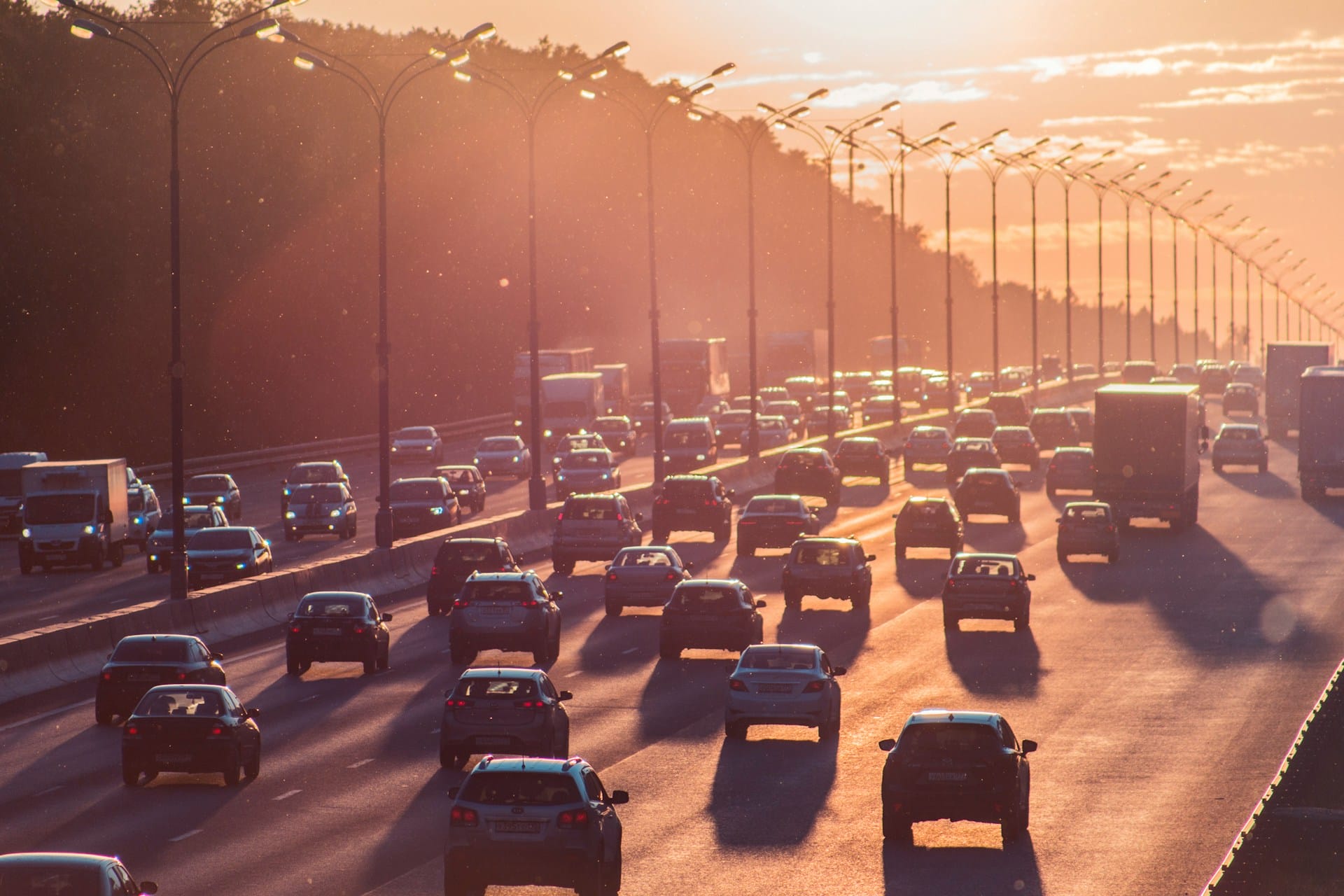
While Rideshare apps are often touted as environmentally friendly, their impact is debatable. Increased Rideshare usage can contribute to traffic congestion and higher carbon emissions. Using Rideshare services responsibly and considering alternative transportation methods can mitigate environmental harm.
Carpooling options within Rideshare apps can reduce the number of vehicles on the road. Supporting and using Rideshare companies that invest in electric cars and sustainable practices can also make a positive difference.
Be Smart When You Ride

Rideshare apps offer undeniable convenience and have revolutionized the way we commute, but they come with their share of risks. Understanding these dangers is crucial for ensuring a safe and enjoyable experience. From safety concerns with drivers to data privacy issues and unpredictable surge pricing, being informed can help you take proactive measures to protect yourself.
Always verify driver details, be cautious with your personal information, and plan your rides to avoid unexpected costs. Utilizing safety features such as ride-sharing with trusted contacts and reporting any suspicious activities can further enhance your security. Additionally, staying updated on the latest news and changes in the rideshare industry can provide valuable insights and help you navigate potential hazards more effectively.

Stephen began his career as a Research Assistant at a reputable middle-market private equity firm, where he honed his skills in market research, financial analysis, and identifying investment opportunities. He then transitioned to full-time financial writing focusing on small-cap biotech innovation and digital payment solutions. Today, Stephen is a value-based retail investor and novice baseball statistician.