• Home
  • About Us
  • Toolkit
  • Getting Finances Done
    • Hiring Advisors
    • Debt Management
    • Spending Plan
  • Insurance
    • Life Insurance
    • Health Insurance
    • Disability Insurance
    • Homeowners/Renters Insurance
  • Contact Us
  • Privacy Policy
  • Risk Tolerance Quiz

The Free Financial Advisor

You are here: Home / Archives for Entertainment

Why Boomers Are Still Obsessed With Cable—and Refuse to Stream

April 20, 2025 by Travis Campbell Leave a Comment

tv

Image Source: pixabay.com

Baby Boomers grew up during the golden age of television, when cable TV revolutionized home entertainment. Despite the streaming revolution that’s captured younger generations, many Boomers remain steadfastly loyal to their cable subscriptions. This resistance to cutting the cord isn’t merely about technological hesitation—it reflects deeper psychological, practical, and habitual factors that streaming services haven’t fully addressed. Understanding this cable TV loyalty helps bridge the generational digital divide and explains why traditional television continues to command billions in revenue despite streaming’s rise. The persistence of cable among Boomers is a testament to the enduring power of established habits and the unique value that traditional TV still offers, even in a rapidly changing media landscape.

1. Comfort in Familiar Routines

For many Boomers, cable TV represents a comfortable routine that has been established over decades. The familiar channel guide, predictable programming schedules, and ritual of “tuning in” at specific times create a structure that disrupts streaming’s on-demand nature. According to a Pew Research study, 61% of Americans 65+ have home broadband, but many maintain cable alongside it, preferring the established viewing patterns.

The act of channel surfing—casually browsing through options until something catches interest—remains deeply satisfying to this generation. Streaming requires more deliberate selection, which can feel like work rather than relaxation. This difference between passive and active entertainment significantly influences viewing preferences. For Boomers, the comfort of simply turning on the TV and letting content flow, without the need to make constant choices, is a form of relaxation that streaming’s endless menus and recommendations can’t quite replicate. The nostalgia associated with long-standing TV habits also plays a role, as these routines are often tied to family memories and a sense of continuity.

2. News and Local Programming Dependency

Cable TV excels at delivering live news, weather, and local programming—content categories particularly important to Boomers. A Nielsen report shows that adults 55+ watch significantly more news programming than younger demographics.

Local news provides community connection and practical information about nearby events, weather patterns, and emergencies. While streaming services have expanded their offerings, they haven’t fully replicated cable networks’ comprehensive local coverage. This creates a genuine utility value that transcends mere entertainment preferences. For many Boomers, the ability to quickly access trusted local news anchors and familiar stations is a source of reassurance, especially during times of crisis or rapidly changing events. The immediacy and reliability of cable news, with its live updates and breaking coverage, are difficult for streaming platforms to match, especially when local content is fragmented or delayed.

3. Technical Barriers and Multiple Device Fatigue

Navigating multiple streaming services requires digital fluency, which some Boomers find challenging. Creating accounts, remembering passwords, switching between apps, and troubleshooting connection issues are friction points that cable TV eliminates.

The proliferation of streaming options has created its own complexity. Rather than simplifying entertainment, viewers now must manage subscriptions across numerous platforms, each with different interfaces and billing systems. For many Boomers, the consolidated simplicity of a single cable bill and unified interface represents meaningful value. The learning curve associated with smart TVs, streaming sticks, and app updates can be daunting, leading to frustration and a preference for the straightforward, all-in-one experience that cable provides. Additionally, internet reliability and buffering concerns can make streaming feel less dependable, reinforcing the appeal of cable’s plug-and-play reliability.

4. Sports Programming and Live Events

Live sports remain cable’s most substantial advantage. While streaming services increasingly offer sports content, blackout restrictions, delayed broadcasts, and fragmented rights agreements mean comprehensive sports viewing often still requires cable subscriptions.

Significant events like the Olympics, championship games, and tournament coverage remain predominantly cable-centric experiences. For Boomers who grew up with sports as communal viewing experiences, cable reliability for these events represents significant value that streaming hasn’t fully matched. The tradition of gathering with friends or family to watch a big game, complete with pre-game shows and post-game analysis, is deeply ingrained. Cable’s ability to deliver high-quality, real-time broadcasts without lag or technical hiccups is a major selling point, especially for those who value live sports’ social and emotional aspects.

5. The Social Aspect of Scheduled Programming

Cable TV’s scheduled programming creates shared cultural moments that diminish on-demand viewing. When everyone watches a show at the same time, it creates conversation opportunities and cultural touchpoints. This synchronicity matters particularly to Boomers who value these collective experiences.

The water-cooler conversations about last night’s episode represent social currency that streaming’s individualized viewing schedules disrupt. For a generation that values these shared experiences, this represents a meaningful loss that streaming’s convenience doesn’t necessarily offset. Scheduled programming also helps structure social gatherings, such as family movie nights or weekly viewing parties, fostering a sense of togetherness that is harder to achieve when everyone watches different shows at different times.

The Comfort-Innovation Balance: Finding Middle Ground

Rather than viewing Boomers’ cable loyalty as technological resistance, we might better understand it as a rational preference based on genuine benefits that streaming hasn’t fully replicated. The comprehensive package of familiar interface, local programming, simplified billing, reliable sports coverage, and communal viewing experience represents real value transcending mere habit.

As streaming services evolve, those that successfully incorporate these elements—perhaps through better live programming, simplified interfaces, and more comprehensive local content—may finally convince this generation to cut the cord. Until then, cable’s continued relevance demonstrates that innovation doesn’t always immediately displace established technologies when they serve genuine needs. The future of television may well depend on how effectively streaming platforms can blend the best of both worlds, offering the flexibility and variety of digital content while preserving the comfort, reliability, and community that cable has long provided.

Have you noticed differences in how generations in your family consume television? What features would streaming services need to add to convince the cable-loyal viewers in your life to make the switch?

Read More

12 Things Baby Boomers Should Try From Gen Z’s Lifestyle

10 Smart Reasons Most Baby Boomers Are Aging in Place

Travis Campbell
Travis Campbell

Travis Campbell is a digital marketer/developer with over 10 years of experience and a writer for over 6 years. He holds a degree in E-commerce and likes to share life advice he’s learned over the years. Travis loves spending time on the golf course or at the gym when he’s not working.


Filed Under: Entertainment Tagged With: baby boomers, cable TV, cord-cutting, digital divide, streaming services, technology adoption, television habits

7 Financial Lies People Keep Telling on Social Media

March 5, 2025 by Latrice Perez Leave a Comment

Social Media

Image Source: 123rf.com

Social media is filled with flashy success stories, but not everything you see is real. Many influencers and users share misleading financial advice to appear more successful than they are. These financial lies create unrealistic expectations and can lead people into debt or poor money decisions. Understanding the truth behind these claims can help you avoid financial traps. Here are seven of the biggest financial lies people keep telling on social media.

1. “I Got Rich Overnight”

Many social media personalities claim they became wealthy in a matter of months. However, real financial success takes time, patience, and strategy. The truth is, most self-made millionaires spend years building their wealth through hard work and smart investments. Quick wealth schemes often involve scams, high risks, or hidden details. If something sounds too good to be true, it probably is.

2. “You Need to Spend Money to Make Money”

While investing in yourself and your business is important, reckless spending isn’t the key to success. Some influencers claim that expensive courses, designer clothes, or luxury lifestyles are necessary to attract wealth. In reality, smart budgeting and disciplined investments matter more than image. Many wealthy people live below their means, despite their financial success. The idea that you must spend big to earn big is misleading.

3. “Passive Income Requires No Effort”

Social media often glamorizes passive income streams like rental properties, stocks, or dropshipping. While these can generate money over time, they still require effort, knowledge, and initial investments. Many influencers conveniently leave out the hard work involved in building passive income. Whether it’s real estate, investing, or side businesses, successful passive income sources need continuous management and strategic planning.

4. “You Can Quit Your Job and Work for Yourself Right Away”

Many influencers push the idea that anyone can quit their 9-to-5 job and instantly become their own boss. The reality is, starting a business requires financial planning, savings, and stability. Most entrepreneurs spend years balancing their jobs while building their business on the side. Quitting without a plan can lead to financial struggles rather than freedom. Financial security should come before chasing independence.

5. “Credit Cards Are Free Money”

Credit Cards

Image Source: 123rf.com

Social media is filled with people flashing luxury purchases made with credit cards. However, credit is not free money—it’s borrowed funds that must be repaid with interest. Many influencers fail to mention the high interest rates that can trap people in debt. Responsible credit card use involves paying balances in full each month to avoid financial trouble. Blindly following influencers who misuse credit can lead to major financial stress.

6. “You Don’t Need a Budget If You Make Enough Money”

Some influencers claim that budgeting is only for people who are struggling financially. The truth is, even wealthy individuals rely on budgets to track spending and grow their wealth. Without a plan, expenses can spiral out of control regardless of income level. Budgeting is a tool for financial success, not a sign of financial hardship. Everyone benefits from knowing where their money goes.

7. “Investing Is Only for Rich People”

A common myth on social media is that investing is only for the wealthy. In reality, anyone can start investing with small amounts through fractional shares, ETFs, and retirement accounts. The earlier you invest, the more time your money has to grow. Avoiding investments because of this myth can delay financial growth and security. Smart investing is about consistency, not wealth level.

Social media is full of financial misinformation that can lead people down the wrong path. Understanding the reality behind these common lies can help you make better financial choices. Instead of believing everything you see online, focus on proven financial principles.

What’s the worst money myth you’ve seen on social media? Share your thoughts in the comments below!

Read More:

14 Ways Social Media is Fueling Controversies in Race and Gender

How to Get More Eyes on Your Social Media Posts

Latrice Perez

Latrice is a dedicated professional with a rich background in social work, complemented by an Associate Degree in the field. Her journey has been uniquely shaped by the rewarding experience of being a stay-at-home mom to her two children, aged 13 and 5. This role has not only been a testament to her commitment to family but has also provided her with invaluable life lessons and insights.

As a mother, Latrice has embraced the opportunity to educate her children on essential life skills, with a special focus on financial literacy, the nuances of life, and the importance of inner peace.

Filed Under: Entertainment Tagged With: Budgeting Tips, financial myths, online financial scams, passive income reality, personal finance advice, smart investing, social media money lies

Game Night: Try These 11 Throwback Games for a Great Family Game Night

June 5, 2024 by Stephen Kanaval Leave a Comment

Games

unsplash

In an era dominated by digital entertainment, there’s a nostalgic resurgence taking place in living rooms across the country: the return of classic board games. As families seek ways to disconnect from screens and reconnect with each other, game nights are making a triumphant comeback.

This trend isn’t just about fun; it’s about fostering communication, teaching strategic thinking, and creating lasting memories. Let’s explore 12 throwback games that promise to make your family game night an unforgettable experience.

1. Monopoly

Monopoly

unsplash

No list of classic games is complete without Monopoly. First published during the Great Depression, this real estate trading game has taught generations about negotiation and financial management. With its iconic tokens like the top hat and battleship, Monopoly offers a blend of luck and strategy that keeps players engaged for hours. In today’s gig economy, where entrepreneurship is celebrated, Monopoly’s lessons in property investment and cash flow are surprisingly relevant.

2. Scrabble

Scrabble

unsplash

In an age of text abbreviations and emojis, Scrabble stands as a bastion of vocabulary. Invented by an architect during the 1930s, this word game challenges players to construct words on a grid for points. It’s not just entertaining; research shows it can improve spelling skills and expand vocabulary. Scrabble is particularly great for intergenerational play, grandparents can share words from their era, while kids introduce contemporary slang, bridging linguistic gaps.

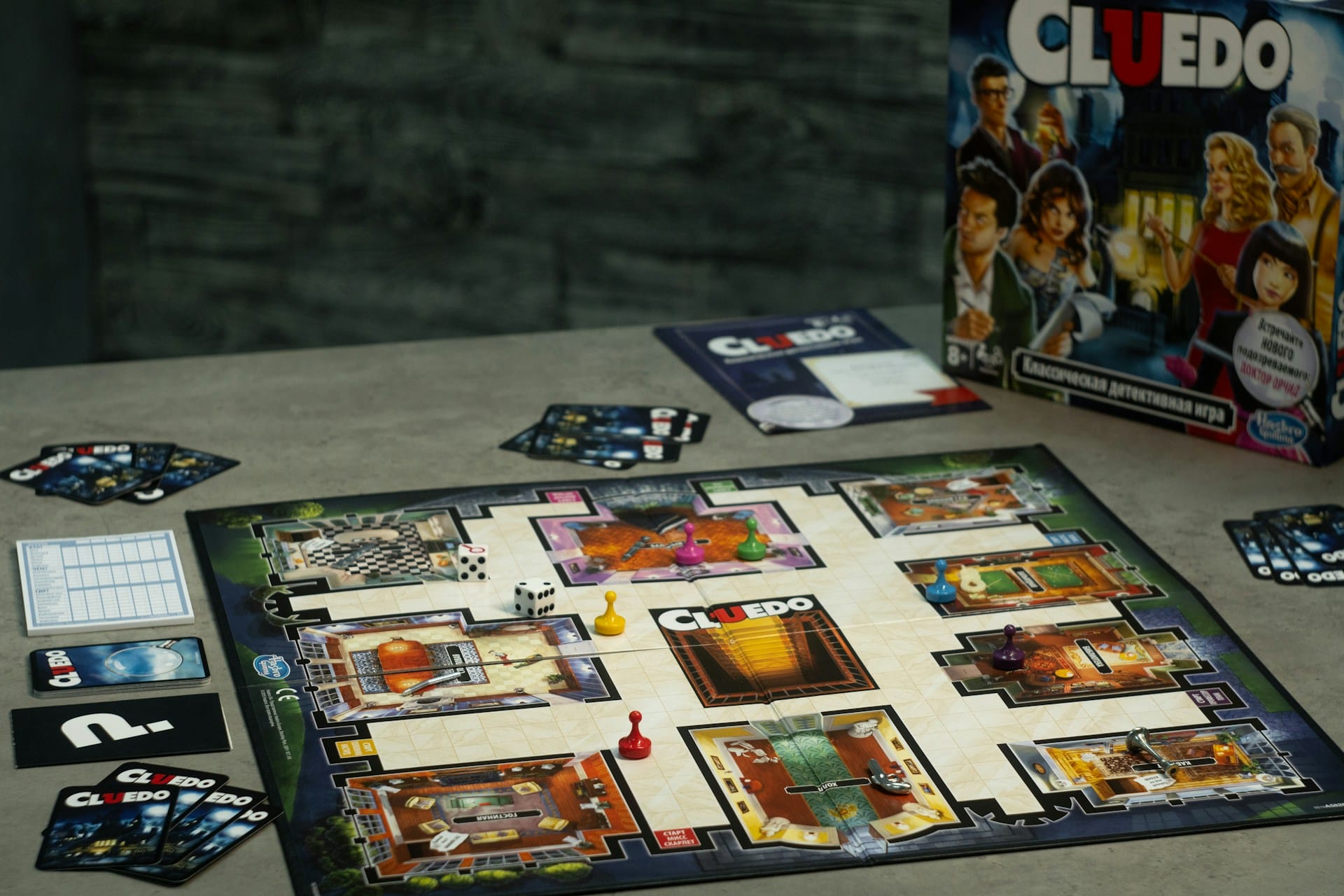
3. Clue

Clue

unsplash

Mystery lovers, rejoice! Clue, known as Cluedo outside North America, turns players into detectives solving a mansion murder. With its cast of colorful suspects like Miss Scarlet and Colonel Mustard, Clue blends deduction with a touch of theatrics. In today’s true-crime-obsessed culture, where podcasts and documentaries reign, Clue taps into our collective fascination with solving mysteries. It’s a game that encourages analytical thinking and attention to detail, skills valuable in any era.

4. Risk

Risk

unsplash

Originally designed by a French filmmaker, Risk is a game of global domination that resonates in our interconnected world. Players command armies, form alliances and strategize to conquer territories. More than just a game, Risk offers lessons in diplomacy, resource management, and long-term planning. In an age where geopolitics make daily headlines, Risk provides a tangible way for families to discuss and understand international relations.

5. Operation

Operation

unsplash

Before video games had us performing virtual surgeries, there was Operation. This quirky game tasks players with removing plastic ailments from “Cavity Sam” without touching the sides, which triggers a buzzer. It’s a test of fine motor skills and steady hands, making it particularly engaging for kids. In a time when medical dramas dominate TV and healthcare is a hot topic, Operation offers a playful introduction to anatomy and medical procedures.

6. Sorry!

Game

123rf

Originally a British game from the 1930s, Sorry!’s American version brought polite aggression into living rooms. Players navigate their pawns around the board, aiming to get all four “home” first. The twist? You can send opponents’ pieces back to “start” by landing on them, saying “Sorry!”

It’s a game of opportunism and calculated risks, deciding when to advance your pieces and when to hinder others. In our hyper-competitive age, Sorry! teaches the value of strategic setbacks and gracious competition, skills crucial in many professional environments.

7. The Game of Life

Life

unsplash

First created in 1860 and significantly redesigned in 1960, The Game of Life simulates a person’s journey from college through retirement. Players make life decisions (career, marriage, and children) with financial consequences. In today’s world, where traditional life paths are being redefined, this game sparks meaningful family discussions about choices and values. It’s a fantastic tool for parents to share wisdom about life’s twists and turns.

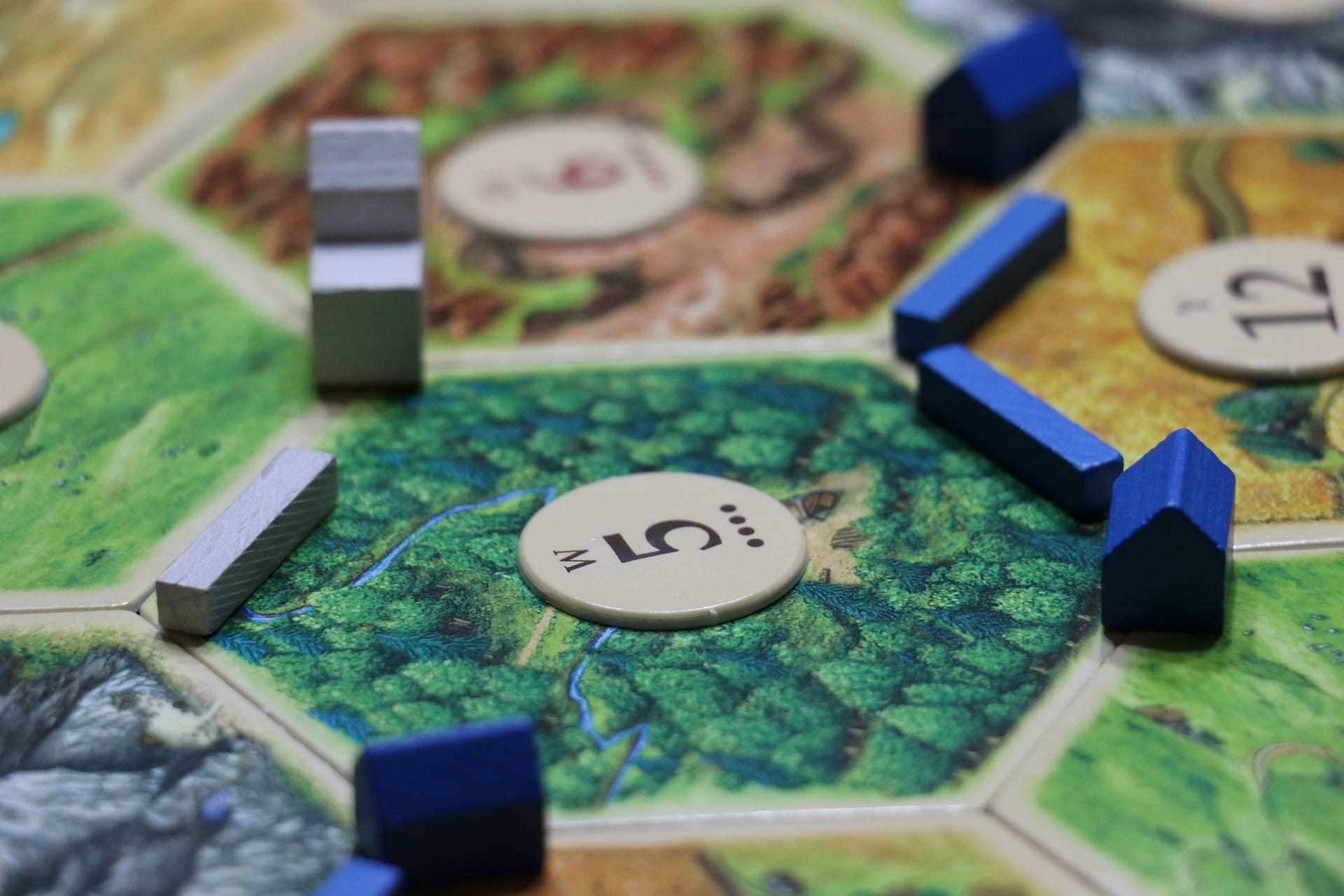
8. Katan

Katan

pixabay

In an age where “social distancing” entered our lexicon, Catan offers a refreshing, communal closeness. Created by a German dental technician, This board game, which turns players into resourceful settlers on a hexagonal island, was revolutionary in the 1990s for its collaborative yet competitive gameplay.

Today, in a world where much interaction is virtual, Catan brings back the joy of face-to-face strategic negotiations. It’s not just fun; it promotes negotiation skills, resource management, and long-term planning, a perfect counterpoint to instant gratification in the digital age.

9. Chess

Chess

unsplash

Chess, with roots stretching back over a thousand years, is enjoying a renaissance thanks to shows like “The Queen’s Gambit.” This game of kings and queens transcends generations, teaching foresight, patience, and the art of gracefully conceding defeat. In our fast-paced digital age, where instant gratification is the norm, chess encourages slow, deliberate thinking. Its resurgence reflects a growing desire for activities that cultivate mindfulness and strategic depth.

10. Trivial Pursuit

Trivial

wikimedia

Before there was Google, there was Trivial Pursuit. Launched in 1979, this game tests knowledge across six categories, from history to pop culture. It’s an evening-long tour through human achievement and folly. In our era of information overload and “fake news,” Trivial Pursuit encourages fact-checking and broadens general knowledge. It’s particularly fun when spanning generations. Where else can a teen’s movie trivia trump a parent’s historical facts?

12. Mahjong

Mahjong

unsplash

While many know it as a digital solitaire game, traditional Mahjong is a rich, social experience. Originating in China and gaining global popularity in the early 1900s, it involves skill, strategy, and a dash of chance. Players match and collect tiles to form sets, much like in poker.

As interest in global cultures grows, Mahjong offers a window into Eastern traditions. Its meditative clicking of tiles and emphasis on observation make it a calming yet mentally stimulating choice for family nights.

 Unplug, Play, and Reconnect

Cafe game

123rf

In our hyper-connected digital age, the irony is that many feel disconnected from those closest to them. The resurgence of classic board games is more than nostalgia; it’s a response to this modern dilemma. These 12 throwback games offer something screens can’t, tangible interaction, face-to-face communication, and shared experiences that don’t require Wi-Fi.

We’re living through challenging times, pandemics, political tensions, and technological upheavals. In such periods, the comfort of tradition and the joy of simple pleasures become invaluable. Board games offer both. They remind us that in a world of constant change, some delights remain timeless.

So, this weekend, why not skip the Netflix binge? Dust off that old Scrabble set or introduce your kids to the suspense of Clue. You’re not just playing games; you’re building memories, skills, and family ties that will last long after the pieces are packed away.

Stephen Kanaval
Stephen Kanaval

Stephen began his career as a Research Assistant at a reputable middle-market private equity firm, where he honed his skills in market research, financial analysis, and identifying investment opportunities. He then transitioned to full-time financial writing focusing on small-cap biotech innovation and digital payment solutions. Today, Stephen is a value-based retail investor and novice baseball statistician.

Filed Under: Entertainment Tagged With: board games, classic games, Entertainment, game night

13 Amusement Parks the Middle Class Can No Longer Afford

June 4, 2024 by Stephen Kanaval Leave a Comment

Disney

pixabay

Amusement parks have long been a favorite destination for families seeking fun and adventure. However, recent trends in pricing have made these attractions increasingly out of reach for many middle-class families. Let’s explore 13 amusement parks that have become prohibitively expensive for the average household.

1. Disneyland Resort

Disney CA

pixabay

Disneyland Resort in California has seen significant price hikes over the years. The cost of a single-day ticket now ranges from $104 to $194, depending on the time of year and the day of the week. For a family of four, this can easily exceed more $700 just for park entry.

Additionally, parking costs $30 per day, and the average cost of meals and snacks inside the park can be upwards of $100 per person per day. Special experiences like character dining or reserved seating for parades and fireworks add to the expense, visiting Disneyland a costly affair for many families.

2. Walt Disney World

Disney

pixabay

Walt Disney World in Florida is another beloved destination that has become increasingly expensive. Single-day tickets range from $109 to $189 depending on the date and park. A family of four can expect to pay between $436 and $756 just for park admission.

On-site hotels, especially those with direct park access, can cost anywhere from $200 to over $700 per night. The cost of meals, souvenirs, and additional services like the Genie+ system, which starts at $15 per person per day, quickly adds up, making it necessary for families to save extensively for a trip.

3. Universal Studios Hollywood

universal studios

pixabay

Universal Studios Hollywood offers thrilling rides and attractions, but it comes at a high cost. General admission tickets range from $109 to $144 depending on the season. For a family of four, tickets alone can cost between $436 and $576.

The park’s popular Universal Express pass, which allows for shorter wait times, can add another $179 to $279 per person. Dining and merchandise are also pricey, with average meal prices around $15-$20 per person. Located in Los Angeles, additional travel and lodging expenses make it an even more substantial financial commitment.

4. Universal Orlando Resort

Resort

pixabay

Universal Orlando Resort, home to popular attractions like The Wizarding World of Harry Potter, has also become less affordable. Single-day, single-park tickets start at $109 and can go up to $134. A family of four can expect to spend between $436 and $536 for just one day at the park, so you better hope it doesn’t rain.

If you want to visit both Universal Studios Florida and Universal’s Islands of Adventure in one day, the ticket prices jump to $164-$214 per person. On-site hotels range from $120 to over $500 per night, and dining and souvenir costs add to the expense, making it a hefty financial undertaking for families.

5. Six Flags Magic Mountain

six flags

pixabay

Six Flags Magic Mountain in California is known for its thrilling roller coasters, but the cost of entry has climbed. Single-day tickets are priced around $70, making it $280 for a family of four. However, adding a Flash Pass to reduce wait times can cost an additional $60 to $150 per person. Parking costs $30, and the high cost of food and beverages inside the park can add another $50-$100 per person. Season passes offer some savings but still represent a significant financial outlay for families.

6. Cedar Point

cedar point

unsplash

Cedar Point in Ohio is famous for its record-breaking roller coasters, but enjoying them has become more costly. General admission tickets are $85, totaling $340 for a family of four. Fast Lane passes, which reduce wait times, can range from $99 to $149 per person. On-site accommodations, such as the Cedar Point Hotel Breakers, start at $200 per night.

Dining and souvenir costs within the park can add another $100 per person per day. Travel and lodging expenses further increase the cost, making a trip to Cedar Point a substantial investment. If you do plan to go and spend that kind of money, we recommend being prepared and maximizing your time with some novel tips and tricks.

7. SeaWorld Orlando

Sea world

unsplash

SeaWorld Orlando offers marine life shows and thrilling rides, but the price of admission has risen. Single-day tickets start at $99.99, making it about $400 for a family of four. Parking costs an additional $25. The park offers various upcharges for experiences such as animal encounters and reserved show seating, which can range from $15 to $100 per person. Dining plans cost around $40 per person, adding significantly to the overall expense. These costs make it challenging for middle-class families to afford a visit, despite the park’s unique attractions.

8. Legoland California

legoland

pixabay

Legoland California is a dream destination for many children, but the cost of a visit has grown. Single-day tickets are priced around $95 for adults and $89 for children, totaling approximately $368 for a family of four. On-site accommodations, such as the Legoland Hotel, start at $200 per night. Dining and merchandise within the park are also costly, with meals averaging $15-$20 per person.

Special experiences, such as character meet-and-greets and themed events, come with additional charges. These expenses make it difficult for many families to afford a trip to Legoland.

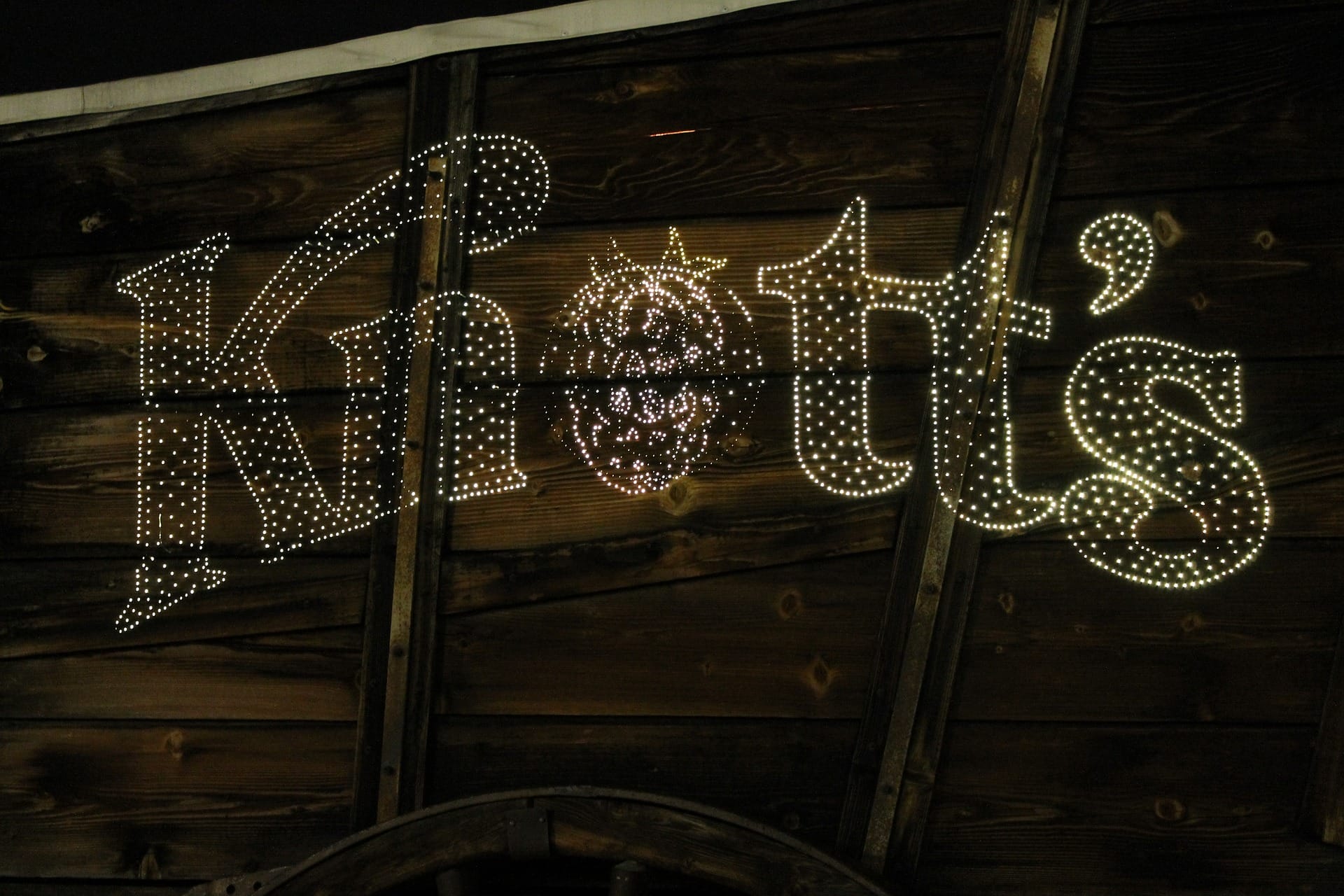
9. Knott’s Berry Farm

Knott's

pixabay

Knott’s Berry Farm in California offers a mix of thrill rides and family-friendly attractions, but it has become more expensive over the years. Single-day tickets are priced at $89, making it $356 for a family of four. Fast Lane passes, which reduce wait times, cost an additional $70 per person.

Parking fees are $25, and food and beverages inside the park can add another $50 per person. Seasonal events and special attractions, while popular, come with extra fees, making it harder for middle-class families to enjoy a day at Knott’s Berry Farm.

10. Busch Gardens Tampa Bay

Busch

pixabay

Busch Gardens Tampa Bay combines thrilling rides with animal encounters, but the cost of visiting has increased. Single-day tickets are priced at $109.99, totaling around $440 for a family of four. Parking fees are $25, and premium experiences like animal encounters or behind-the-scenes tours can cost an additional $30 to $100 per person. Dining plans cost around $40 per person, adding to the overall expense. The high price of a visit makes it challenging for middle-income families to enjoy the unique attractions at Busch Gardens Tampa Bay.

11. Dollywood

Dollywood

123rf

Dollywood in Tennessee offers a unique blend of rides, shows, and Southern charm, but the cost of a visit has risen. Single-day tickets are priced at $89 for adults and $79 for children, totaling approximately $336 for a family of four (the park ranked eighth in the highest ticket price increases just a few years ago). TimeSaver passes, which reduce wait times, cost an additional $60 to $80 per person.

On-site accommodations, such as Dollywood’s DreamMore Resort, start at $200 per night. Dining and souvenir costs within the park can add another $50-$100 per person. For many middle-class families, the rising costs have made it harder to afford a visit to this beloved park.

12. Hersheypark

Hershey park

pixabay

Hersheypark in Pennsylvania is a sweet destination for many families, but the cost of visiting has grown. Single-day tickets are priced at $77, making it $308 for a family of four. Parking fees are $20, and Fast Track passes, which reduce wait times, cost an additional $60 per person. Dining and merchandise within the park are also expensive, with meals averaging $15-$20 per person. Special seasonal attractions, while enjoyable, come with extra fees, making it difficult for middle-income families to experience the chocolatey fun of Hersheypark without breaking the bank.

13. Kings Island

Rollercoaster

pixabay

Kings Island in Ohio is known for its thrilling rides and family-friendly attractions, but the cost of a visit has increased. Single-day tickets are priced at $85, making it $340 for a family of four. Fast Lane passes, which reduce wait times, cost an additional $65 to $99 per person. Parking fees are $25, and food and beverages inside the park can add another $50 per person. Seasonal events and special attractions, while popular, come with additional fees, making it harder for middle-class families to enjoy a day at Kings Island without financial strain.

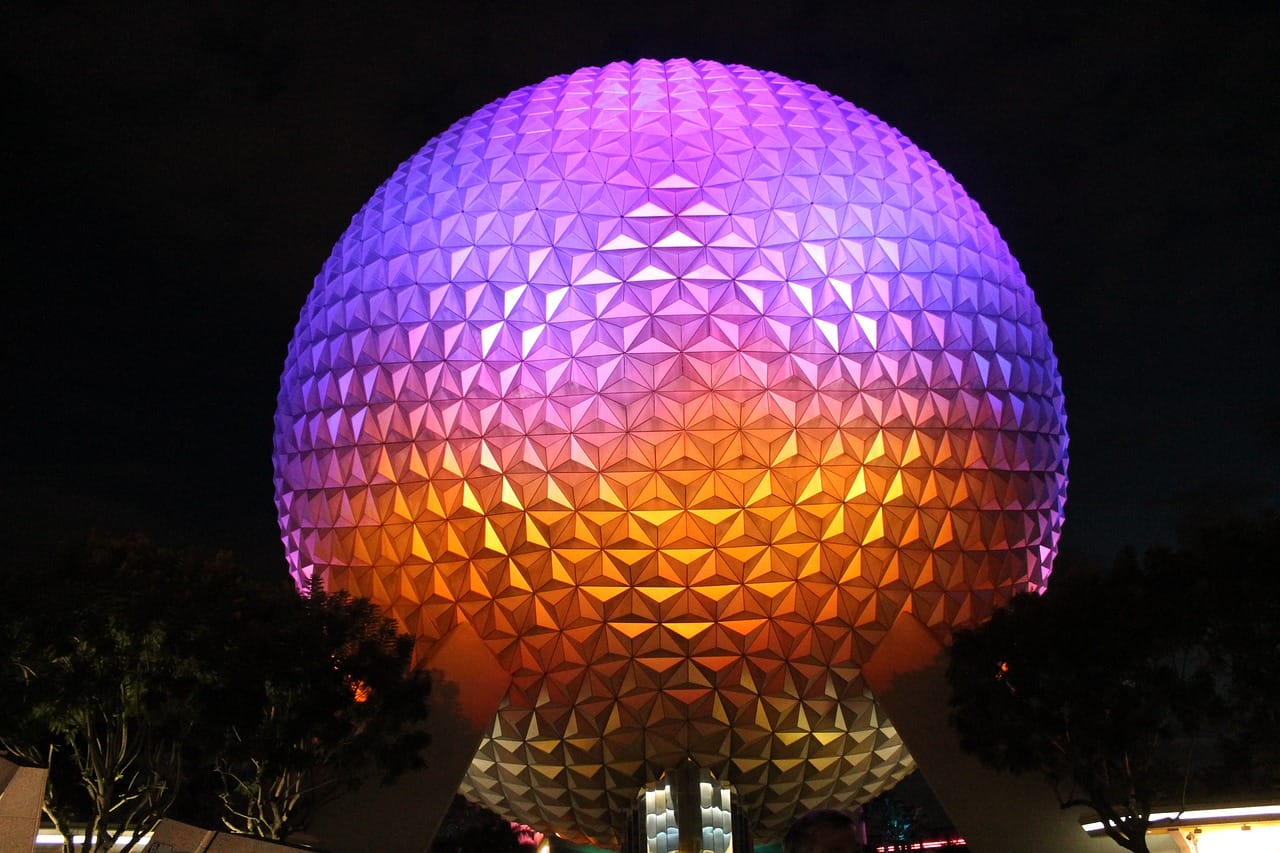
Beware of Funflation

Epcot

pixabay

The rising costs of visiting amusement parks underscore the widening gap between accessible family entertainment and luxury experiences. Inflation exacerbates this issue, making it increasingly challenging for middle-class families to afford a day of fun at these popular destinations (also called “fun-flation”). As prices continue to soar, many families are left struggling to balance the desire for memorable experiences with the realities of their budgets.

Stephen Kanaval
Stephen Kanaval

Stephen began his career as a Research Assistant at a reputable middle-market private equity firm, where he honed his skills in market research, financial analysis, and identifying investment opportunities. He then transitioned to full-time financial writing focusing on small-cap biotech innovation and digital payment solutions. Today, Stephen is a value-based retail investor and novice baseball statistician.

Filed Under: Entertainment Tagged With: Entertainment, Rollercoasters, Theme Parks

10 Little-Known Facts About Popular TV Shows

March 29, 2024 by Tamila McDonald Leave a Comment

TV Shows Intro

Television shows have become an integral part of our lives, entertaining us, sparking conversations, and sometimes even shaping culture. While we all know about the iconic moments and famous characters, there are lesser-known tidbits that add depth to our favorite shows. Let’s dive into some intriguing facts that might surprise you:

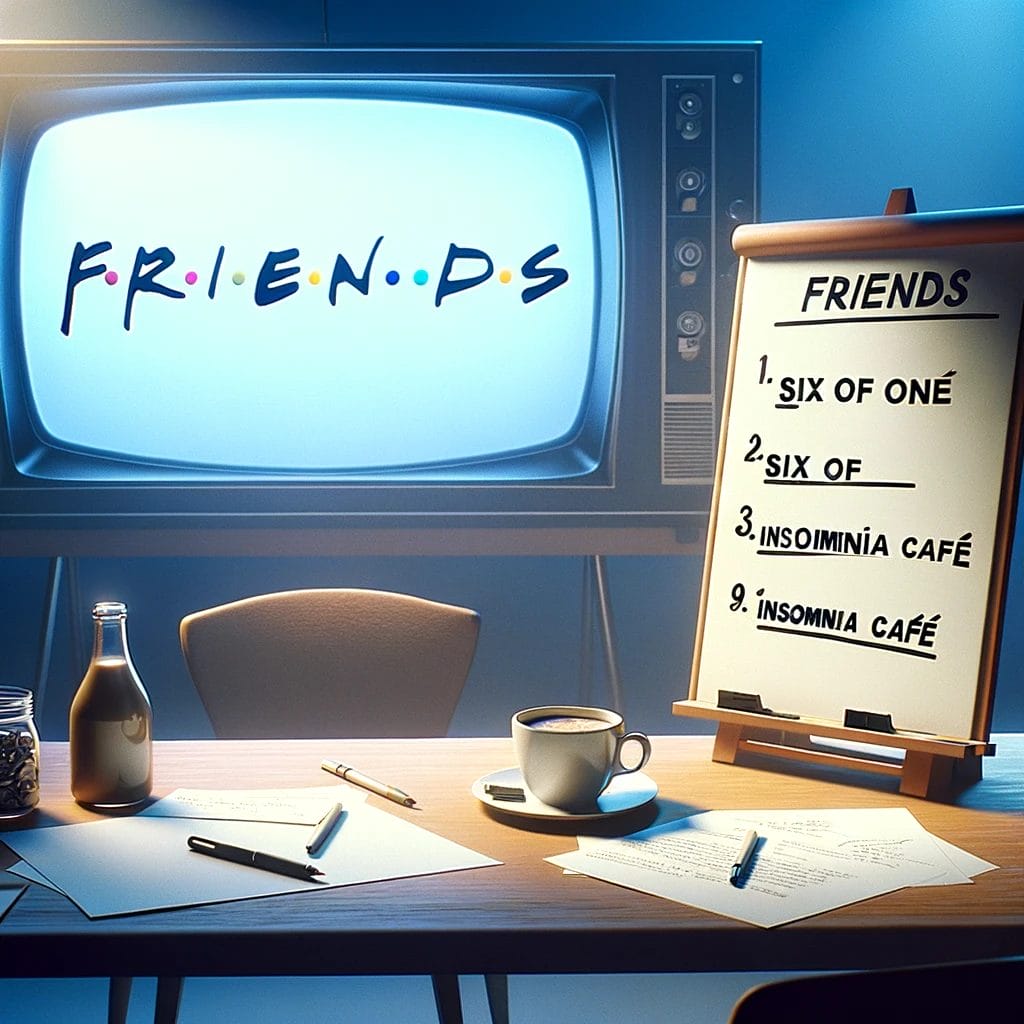
1. “Friends” Almost Had a Different Title

Friends Title

The beloved sitcom “Friends” could have been called “Six of One” or “Insomnia Café.” Thankfully, the creators settled on the simple and memorable title we know today. Imagine if we were all saying, “I’ll be there for you, when the rain starts to fall” in the context of “Insomnia Café”!

Fun Fact: The show’s iconic orange couch was found in the basement of the Warner Bros. studio.

The camaraderie of Ross, Rachel, Monica, Chandler, Joey, and Phoebe became synonymous with the ’90s. But behind the scenes, the show almost had a different name. “Six of One” or “Insomnia Café” were considered before “Friends” won out. The latter perfectly encapsulated the essence of the show: a group of friends navigating life, love, and coffee shop hangouts.

And that orange couch? It became a symbol of comfort and laughter, gracing the fictional Central Perk café where the gang spent countless hours sharing secrets, heartaches, and hilarious anecdotes.

2. “Breaking Bad” and the Color Transformation

Breaking Bad

The color palette in “Breaking Bad” subtly reflects character arcs. Walter White starts in beige and gradually transitions to darker colors as he descends into the criminal underworld. Meanwhile, Jesse Pinkman’s wardrobe becomes lighter as he seeks redemption.

Fun Fact: The blue meth in the show is actually made from blue rock candy.

The transformation of Walter White from mild-mannered chemistry teacher to ruthless drug kingpin is visually represented through color. His initial beige clothing symbolizes his mundane life, but as he embraces his alter ego, Heisenberg, his attire darkens. Jesse Pinkman, on the other hand, begins in baggy, colorful outfits, mirroring his chaotic existence. As he seeks redemption, his wardrobe lightens, reflecting his journey toward salvation.

3. “The Office” Was Almost Canceled After Season 1

The Office

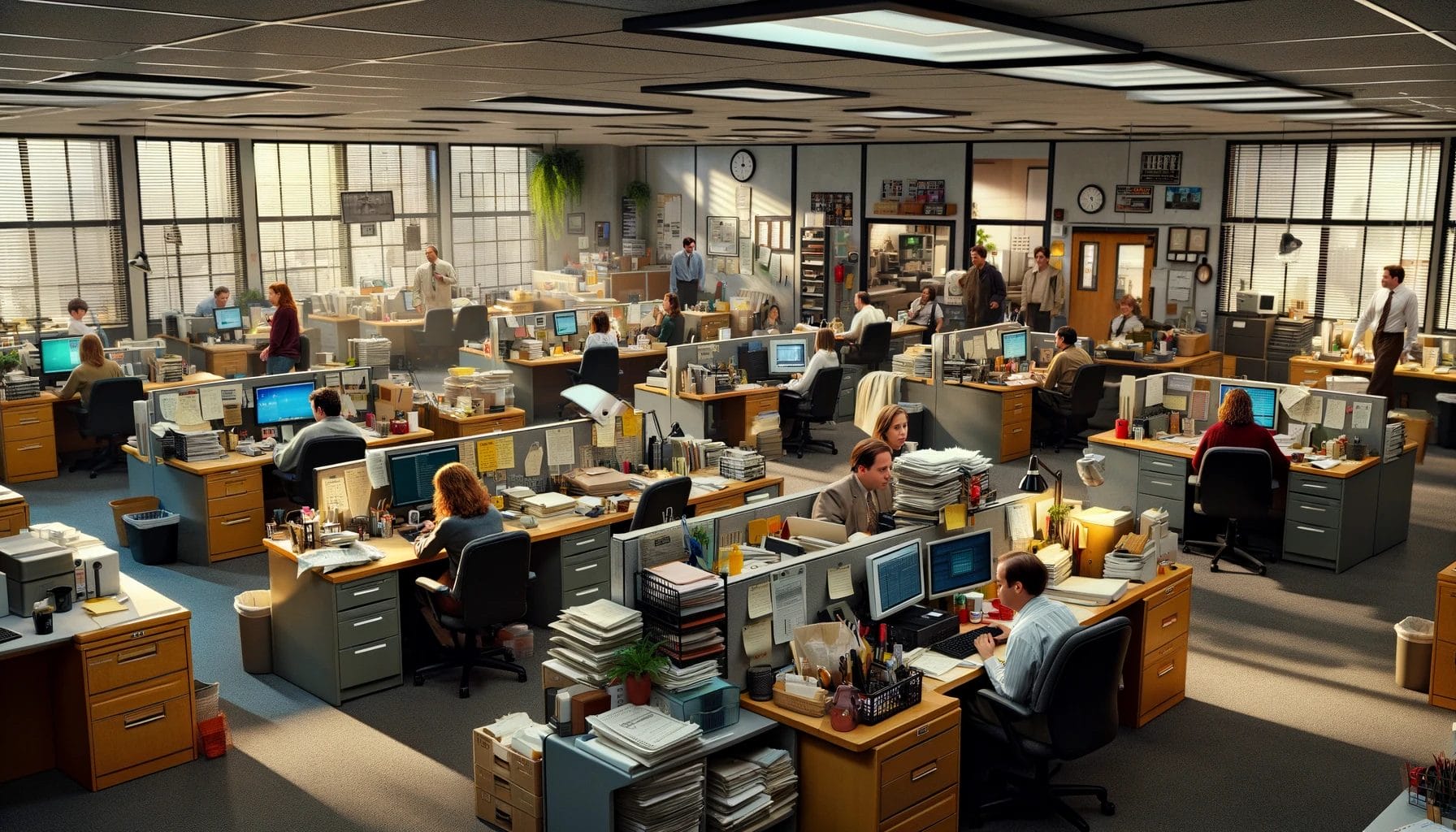
The American version of “The Office” struggled initially, with low ratings and mixed reviews. However, it found its footing in later seasons, becoming a cult classic. Imagine a world without Jim’s pranks and Dwight’s beet farm!

Fun Fact: Rainn Wilson (Dwight) grew actual beets on set.

The mockumentary-style sitcom, inspired by the UK original, faced uncertainty after its first season. But the quirky characters—Jim’s deadpan looks, Pam’s artful glances at the camera, and Dwight’s beet obsession—slowly won over viewers. Rainn Wilson’s dedication to his role as beet-farming, beet-loving Dwight Schrute extended to growing real beets on set. The show’s blend of awkward humor and relatable workplace moments turned it into a beloved classic.

4. “Game of Thrones” and the Coffee Cup Blunder

Game of Thrones

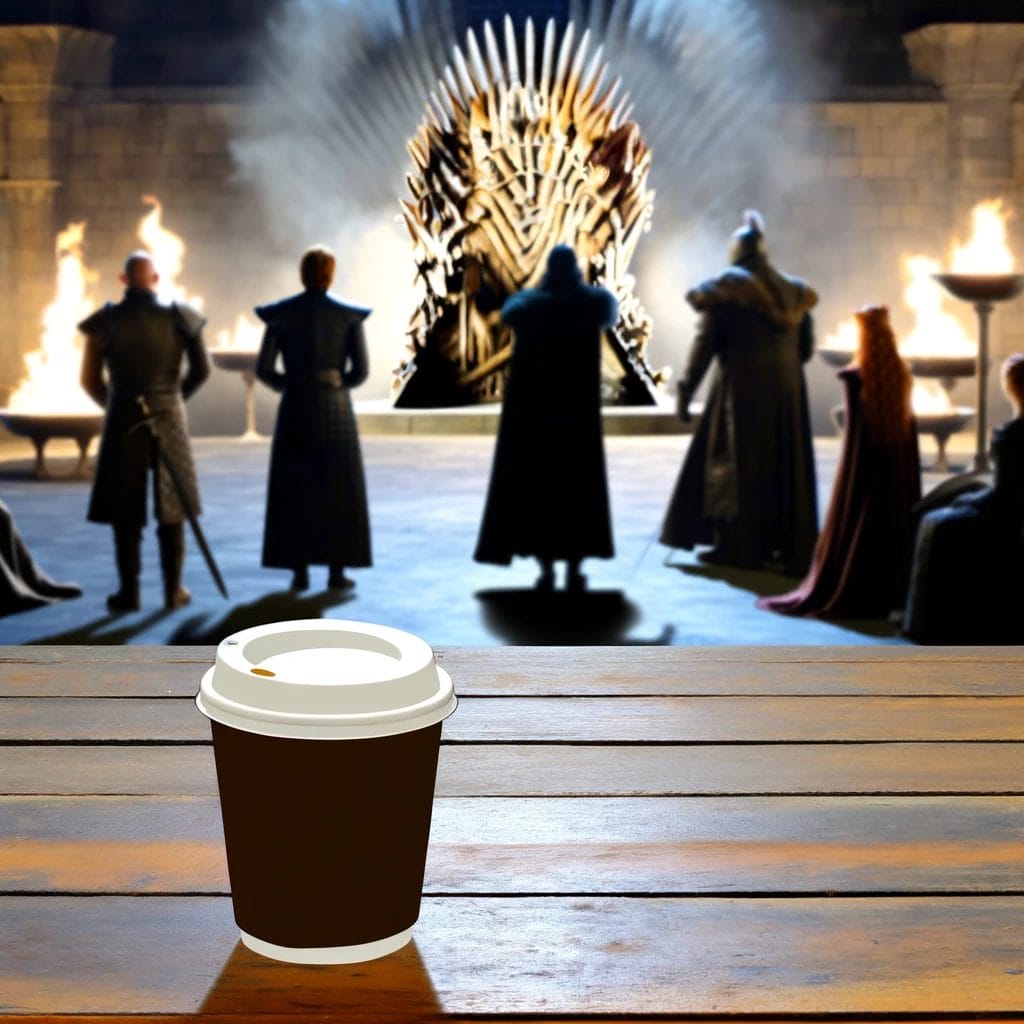
In one of the most talked-about TV blunders, a modern coffee cup accidentally appeared in a “Game of Thrones” scene. Fans spotted it, and the internet exploded with memes. Lesson learned: Even in Westeros, baristas exist.

Fun Fact: The show’s dragons were brought to life using a combination of CGI and animatronics.

The epic fantasy saga captivated audiences with its intricate plotlines, dragons, and epic battles. But during a feast scene in Winterfell, a Starbucks-like coffee cup made an unexpected cameo. The gaffe became legendary, reminding us that even in a world of direwolves and White Walkers, caffeine cravings persist. Meanwhile, the dragons—majestic and terrifying—were a blend of computer-generated imagery and animatronics, adding to the show’s visual spectacle.

5. “Sherlock” and the Hidden Clues

Sherlock Holmes and Hidden Clues

Benedict Cumberbatch’s portrayal of Sherlock Holmes is brilliant, but did you notice the hidden clues? The show’s creators sprinkled references to Arthur Conan Doyle’s original stories throughout each episode. Eagle-eyed fans reveled in connecting the dots.

Fun Fact: The iconic deerstalker hat is rarely seen in the show.

*Sherlock’s brilliant deductions and cryptic messages kept viewers on the edge of their seats. But beyond the thrilling mysteries, the show paid homage to its literary roots. From nods to “The Hound of the Baskervilles” to subtle visual cues, each episode was a treasure trove for fans of Sir Arthur Conan Doyle’s detective tales.

6. “Stranger Things” and the D&D Connection

Stranger Things

The kids in “Stranger Things” love playing Dungeons & Dragons (D&D). The show’s creators, the Duffer brothers, drew inspiration from their own childhood D&D adventures. The Demogorgon? Definitely a boss-level monster!

Fun Fact: The show’s eerie parallel dimension, the Upside Down, mirrors the unpredictability of a D&D campaign.

As the Hawkins kids battle supernatural forces, their love for D&D serves as both an escape and a guide. The Demogorgon, a terrifying creature from the game, becomes all too real in their lives. The show’s creators masterfully blend ’80s nostalgia, friendship, and monsters—much like a well-crafted D&D campaign.

7. “Black Mirror” Predictions

Black Mirror Predictions

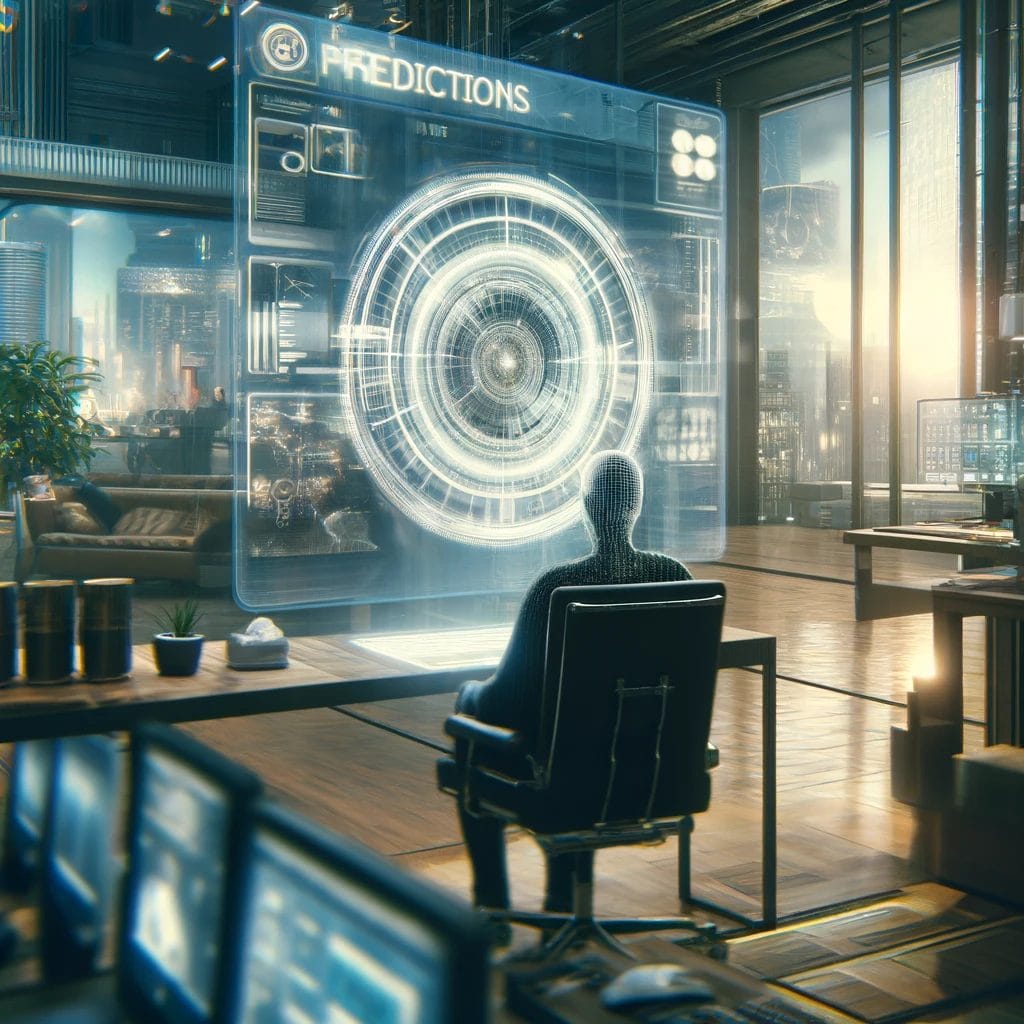
“Black Mirror” episodes often feel uncomfortably close to reality. From social media obsession to surveillance culture, the show’s dystopian scenarios serve as cautionary tales. The line between fiction and our tech-driven lives blurs.

Fun Fact: The show’s title refers to the reflection of screens when they’re turned off.

Charlie Brooker’s anthology series delves into the dark corners of our digital existence. Each episode explores a near-future scenario that leaves us questioning our reliance on technology. Whether it’s rating people in real life or implanting memories, “Black Mirror” warns us about the consequences of unchecked innovation.

8. “The Simpsons” Predicted the Future

The Simpsons and The Future

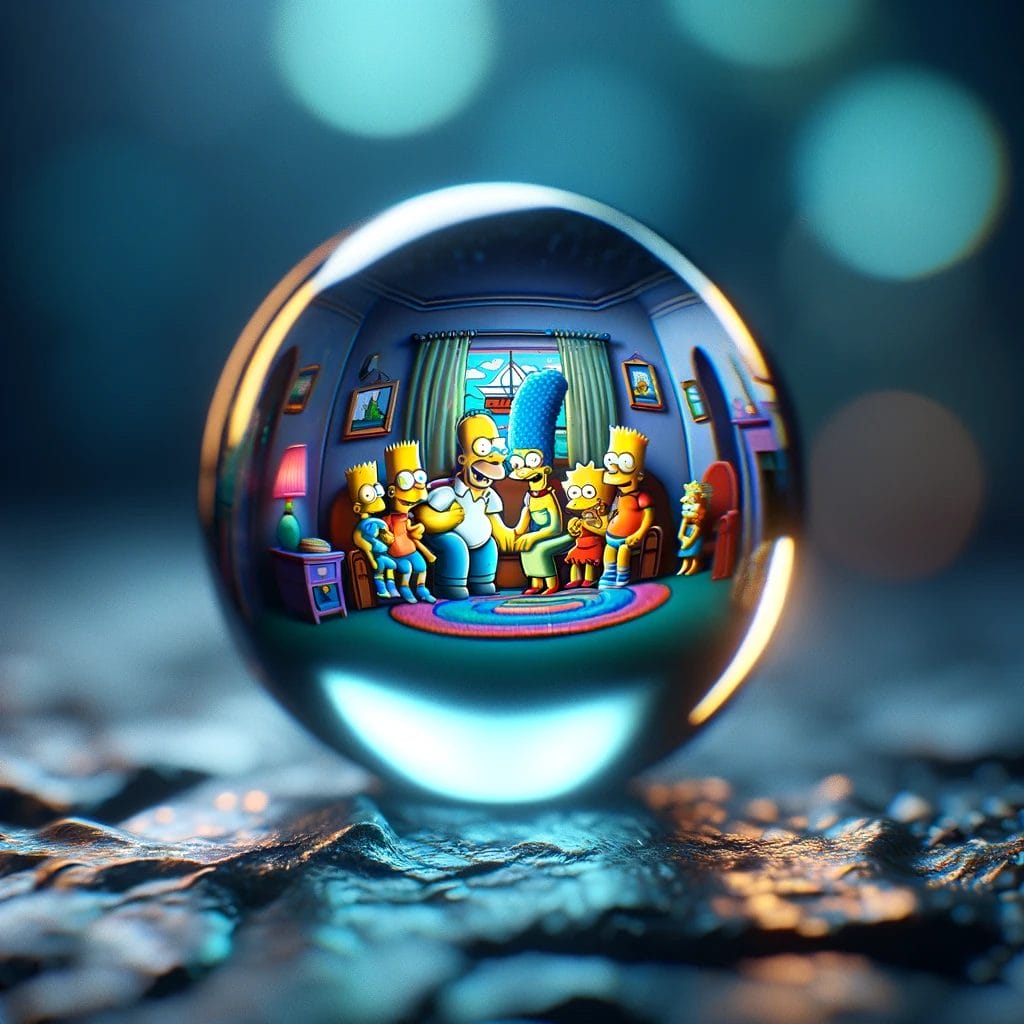
“The Simpsons” has an uncanny ability to predict real-world events. Examples include the Trump presidency, smartwatches, and even the discovery of the Higgs boson particle. Maybe Springfield is a secret hub of time-traveling writers?

Fun Fact: The show’s opening chalkboard gags change in every episode.

Matt Groening’s animated family has been entertaining us for decades, but its predictive powers are downright eerie. From predicting Disney’s acquisition of Fox to the faulty voting machines, “The Simpsons” seems to have a crystal ball. And let’s not forget the iconic chalkboard gags—each episode’s unique snippet of humor.

9. “Friends” and the Central Perk Logo

Friends Central Perk

The iconic “Friends” logo featuring a steaming coffee cup was designed by hand. The artist, Deborah Naysee, created it using a brush and ink. It’s a symbol of friendship, caffeine, and New York City.

Fun Fact: The show’s theme song, “I’ll Be There for You,” was performed by The Rembrandts.

Central Perk, the coffee shop where the gang hung out, became as iconic as the characters themselves. The hand-drawn logo with its steamy coffee cup captured the essence of their daily rendezvous. And whenever we hear “I’ll Be There for You,” we can’t help but clap along.
10. “Lost” and the Polar Bear Mystery

Lost and The Polar Bear

The polar bear on the mysterious island in “Lost” puzzled viewers. While the show left many questions unanswered, the bear’s origin remains one of the most debated topics. Perhaps it’s a metaphor for the show’s enigmatic nature.

Fun Fact: The show’s creators intentionally kept the cast in the dark about the overall plot.

Oceanic Flight 815 crashed on a seemingly deserted island, and viewers were immediately hooked. The appearance of a polar bear added to the intrigue. Was it a scientific experiment? A manifestation of the island’s mysteries? The show’s creators reveled in ambiguity, leaving us theorizing long after the finale.

Layers of Intrigue

Layers of Intrigue

In conclusion, these little-known facts add layers of intrigue to our favorite TV shows. So next time you binge-watch, keep an eye out for these hidden gems. And remember, even fictional worlds have their own mysteries waiting to be uncovered!

Tamila McDonald
Tamila McDonald

Tamila McDonald is a U.S. Army veteran with 20 years of service, including five years as a military financial advisor. After retiring from the Army, she spent eight years as an AFCPE-certified personal financial advisor for wounded warriors and their families. Now she writes about personal finance and benefits programs for numerous financial websites.

Filed Under: Entertainment Tagged With: Black Mirror, Friends, Game of Thrones, Lost, Sherlock, Stranger Things, The Simpsons

  • « Previous Page
  • 1
  • 2

FOLLOW US

Search this site:

Recent Posts

  • Can My Savings Account Affect My Financial Aid? by Tamila McDonald
  • 12 Ways Gen X’s Views Clash with Millennials… by Tamila McDonald
  • What Advantages and Disadvantages Are There To… by Jacob Sensiba
  • Call 911: Go To the Emergency Room Immediately If… by Stephen Kanaval
  • 10 Tactics for Building an Emergency Fund from Scratch by Vanessa Bermudez
  • 7 Weird Things You Can Sell Online by Tamila McDonald
  • 10 Scary Facts About DriveTime by Tamila McDonald

Copyright © 2026 · News Pro Theme on Genesis Framework