
Retirement finally arrives, the paperwork gets filed, and the countdown begins for that first Social Security payment to hit the account. Then…nothing. Days stretch into weeks, and what should feel like a smooth financial transition suddenly feels uncertain and stressful. For many new retirees, this delay comes as a complete surprise, especially after years of paying into the system and expecting a predictable payout timeline.
The truth is, a Social Security check delay happens more often than most people realize, and it usually comes down to timing, processing rules, and a few overlooked details. Understanding why this happens can make a huge difference, especially when budgeting for those first critical months without a paycheck.
Timing Isn’t Instant—And It Was Never Designed to Be
Many retirees expect benefits to begin immediately after approval, but the system doesn’t actually work that way. Social Security operates on a payment schedule that starts one full month after eligibility begins, which automatically builds in a delay. For example, someone approved for benefits in June will typically receive their first payment in July. That gap alone creates what feels like a Social Security check delay, even though it follows standard procedure. Payments also get distributed based on birth dates, which can push deposits further into the month depending on timing.
This structure often catches retirees off guard because it doesn’t align with how most paychecks or pensions work. Instead of a predictable start date, the process follows a staggered calendar that spreads payments across multiple weeks. That design helps the system run smoothly, but it doesn’t help someone waiting on funds. Planning ahead for that built-in delay can prevent financial stress during the transition into retirement. Having at least one to two months of expenses set aside makes this waiting period far easier to handle.
Application Processing Can Slow Everything Down
Filing for Social Security benefits doesn’t always result in instant approval, especially if the application includes complexities. Missing documents, incorrect information, or verification issues can all slow the process. Even a small error, like a mismatched name or outdated banking detail, can trigger additional review steps. That extra review time often turns into a noticeable Social Security check delay, particularly during peak retirement seasons when applications surge. The Social Security Administration processes millions of claims, and even small backlogs can create significant wait times.
Online applications tend to move faster, but they still require careful attention to detail. Paper applications or in-person filings may take longer due to manual processing. Staying proactive during the application phase can make a big difference in avoiding delays. Double-checking every entry and submitting all required documents upfront reduces the chances of holdups. A little extra time spent on accuracy can shave weeks off the waiting period.
Verification Checks Add Another Layer of Waiting
Before sending out payments, the Social Security Administration verifies eligibility, identity, and work history. This process ensures accuracy, but it also introduces another potential slowdown. If anything needs clarification, the system pauses until the issue gets resolved. That pause can quickly turn into a frustrating Social Security check delay, especially if communication gaps occur. Some retirees don’t realize additional verification is happening behind the scenes until payments fail to arrive on time.
Direct deposit setup can also contribute to delays if banking information doesn’t match official records. Even minor discrepancies may require manual correction before funds get released. Keeping all personal and financial details updated with the Social Security Administration helps prevent these issues. Responding quickly to any requests for information keeps the process moving forward. Staying alert during this stage can mean the difference between a smooth start and weeks of waiting.
Benefit Start Dates Can Be Misunderstood
Choosing when to start benefits plays a bigger role than many people expect. Some retirees assume benefits begin the same month they apply, but that’s not always the case. The selected start date determines when payments begin, and confusion around that date often leads to a perceived Social Security check delay. For instance, selecting a future start date during the application process will push payments further out than expected. This misunderstanding creates unnecessary frustration when the first check doesn’t arrive on time.
The Social Security system also pays benefits in arrears, meaning each payment covers the previous month. That structure adds another layer to the timeline that many retirees don’t anticipate. Understanding how start dates and payment timing work together helps set realistic expectations. Reviewing benefit details carefully before submitting an application can prevent surprises. A clear understanding up front avoids confusion once retirement officially begins.
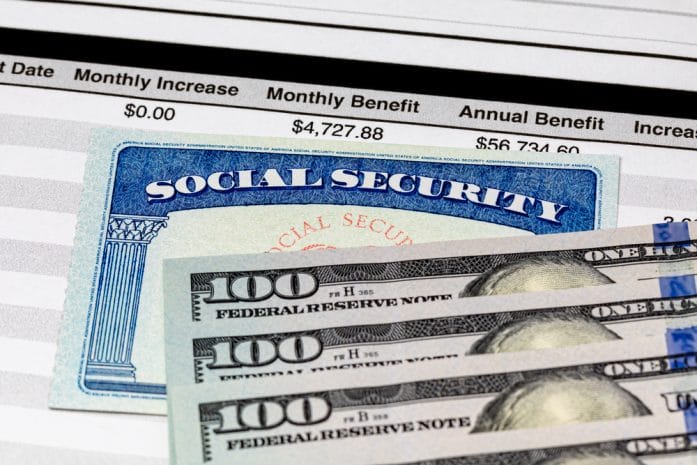
High Demand Can Create System Backlogs
Certain times of the year see a surge in retirement applications, particularly at the start of the year or during economic shifts. When more people apply at once, processing times naturally increase. That surge can lead to a noticeable Social Security check delay as the system works through a larger volume of claims. Staffing levels and administrative resources also influence how quickly applications move through the pipeline. Even a well-prepared application may take longer during peak periods.
Economic uncertainty often drives more people to claim benefits earlier than planned, which adds pressure to the system. This increased demand doesn’t stop payments, but it can slow down approvals and disbursements. Filing early, ideally a few months before the intended retirement date, helps avoid getting caught in these bottlenecks. Planning ahead provides a buffer against unexpected slowdowns. Timing the application strategically can make a noticeable difference in how quickly benefits arrive.
The Waiting Game Doesn’t Have to Catch You Off Guard
A Social Security check delay may feel frustrating, but it rarely comes out of nowhere once the system’s timing and structure become clear. Most delays trace back to predictable factors like payment schedules, processing timelines, or application details. Preparing for these realities turns a stressful situation into a manageable one. Setting aside savings, filing early, and double-checking information all help smooth the transition into retirement. Small steps taken in advance can prevent big headaches later.
Have you or someone you know experienced a delay with Social Security payments, and how did you handle it? Let’s hear your experience in the comments.
You May Also Like…
Social Security Is Under Pressure — The Worker-to-Retiree Ratio Is Falling
How Seniors Jeopardize Their Social Security Right After Retirement
High-Tax States vs Low-Tax States — Where Retirees Keep More Money
7 Hidden Costs That Are Eating Away at Retirement Income
Social Security Checks Are Getting Smaller for Some Retirees — And It’s Not a Benefit Cut

Brandon Marcus is a writer who has been sharing the written word since a very young age. His interests include sports, history, pop culture, and so much more. When he isn’t writing, he spends his time jogging, drinking coffee, or attempting to read a long book he may never complete.
Leave a Reply