• Home
  • About Us
  • Toolkit
  • Getting Finances Done
    • Hiring Advisors
    • Debt Management
    • Spending Plan
  • Insurance
    • Life Insurance
    • Health Insurance
    • Disability Insurance
    • Homeowners/Renters Insurance
  • Contact Us
  • Privacy Policy
  • Risk Tolerance Quiz

The Free Financial Advisor

You are here: Home / Archives for tangible assets

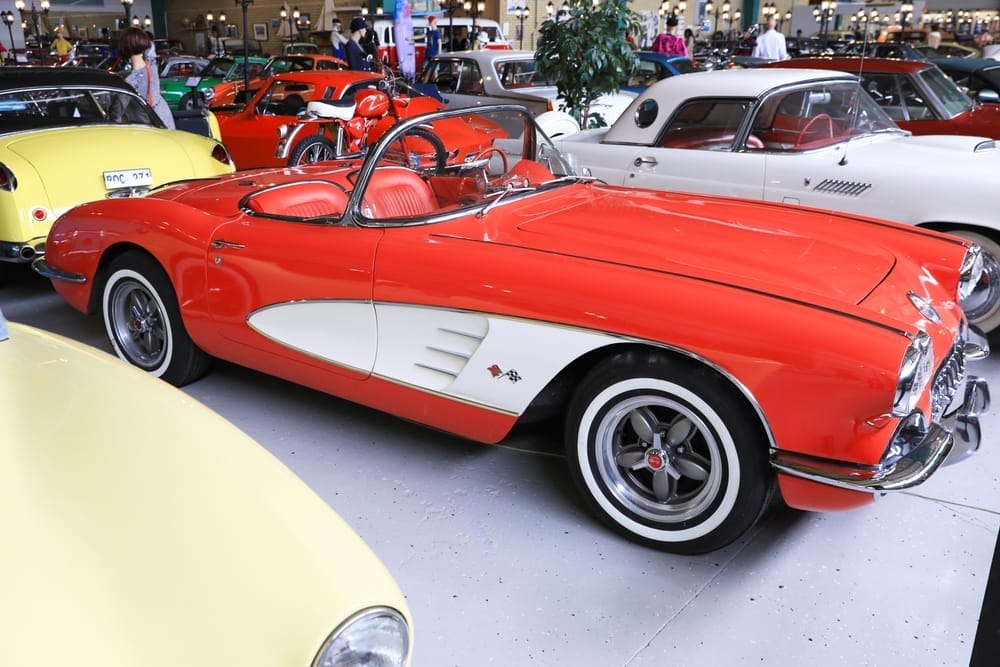
7 Reasons You Should Be Collecting Cars as Alternative Investments

October 25, 2025 by Travis Campbell Leave a Comment

classic cars

Image source: shutterstock.com

Thinking about diversifying your portfolio? Many investors are looking beyond stocks and bonds to find new ways to grow their wealth. Collecting cars as alternative investments is gaining traction—and for good reason. Classic and collector cars can offer unique financial benefits, emotional rewards, and a hedge against market volatility. If you’re curious about how cars can fit into your investment strategy, there are several compelling reasons to consider this approach. Let’s break down why collecting cars as an alternative investment could be a smart move for you.

1. Strong Appreciation Potential

One of the main draws of collecting cars as alternative investments is their potential to appreciate in value. Unlike new vehicles that depreciate quickly, certain classic and rare cars often appreciate in value over time. For example, vintage Ferraris or limited-edition Porsches have shown impressive price growth at auctions. While not every car will skyrocket in value, cars with a strong following and historical significance can outperform traditional assets if chosen wisely.

2. Portfolio Diversification

Adding alternative investments, such as collectible cars, to your portfolio can help diversify risk. When traditional markets experience downturns, assets like classic cars may hold their value or even increase. This diversification lowers your overall risk and can provide a cushion during periods of stock market volatility. Cars as alternative investments give you another tool to balance your financial future, especially if you already have a mix of stocks, bonds, and real estate.

3. Tangible Asset Ownership

Unlike stocks or mutual funds, cars are physical assets you can see and touch. There’s a certain satisfaction in owning something tangible—especially if it’s a beautifully restored classic. You’re not just buying a number on a screen; you’re investing in a piece of automotive history. This tangibility also means you have more control over the asset, from where it’s stored to how it’s maintained and displayed.

4. Enjoyment and Lifestyle Benefits

Collecting cars as alternative investments isn’t all about the numbers. Many collectors get genuine enjoyment from driving, showing, and talking about their vehicles. Car shows, rallies, and club events can open doors to a vibrant community. Sharing your passion with others and experiencing the thrill of the open road add lifestyle value that stocks simply can’t match. For some, this personal enjoyment is just as important as the financial return.

5. Hedge Against Inflation

Physical assets like collectible cars often act as a hedge against inflation. As the value of money decreases, the price of rare, desirable vehicles tends to rise. This is especially true for limited-production models or cars with a storied past. When inflation eats away at the purchasing power of cash, cars as alternative investments can help preserve—and even grow—your wealth.

6. Limited Supply and High Demand

The market for classic and collector cars is driven by scarcity. Many sought-after models were produced in small numbers, and even fewer survive in excellent condition. As demand from enthusiasts and investors grows, prices for these rare cars can climb. This supply and demand dynamic makes collecting cars as an alternative investment attractive for those willing to do their homework and spot the next big trend.

7. Legacy and Estate Planning

Cars can be more than just investments; they can become a legacy. Passing down a collection to future generations can create lasting memories and financial benefits for your family. Well-maintained cars often hold sentimental value and can even become the centerpiece of an estate plan. Some collectors set up trusts or work with specialized advisors to ensure their cars are preserved and appreciated long after they’re gone.

Getting Started with Car Collecting

If you’re ready to explore cars as alternative investments, start by educating yourself on the market. Research makes and models, attend auctions, and connect with other collectors. Don’t rush—finding the right car takes time. Consider storage, maintenance, and insurance costs before committing. Remember, while the rewards can be significant, every investment carries risk—so invest thoughtfully and enjoy the ride.

Do you collect cars or want to start? What excites you about cars as alternative investments? Share your thoughts below!

What to Read Next…

  • What That New Car Smell Might Be Hiding Legally
  • Why Your Adult Children Might Fight Over The Family Car
  • 9 Cities Where Car Theft Is Becoming A Daily Occurrence
  • Why Even Wealthy Families Are Now Fighting Over Heirlooms
  • 7 Ways Your Neighbor Could Be Spying On You Without Breaking The Law
Travis Campbell
Travis Campbell

Travis Campbell is a digital marketer/developer with over 10 years of experience and a writer for over 6 years. He holds a degree in E-commerce and likes to share life advice he’s learned over the years. Travis loves spending time on the golf course or at the gym when he’s not working.

Filed Under: Car Tagged With: alternative investments, classic cars, collectible cars, inflation hedge, Legacy Planning, portfolio diversification, tangible assets

Why Do People Still Believe Gold Is Always a Safe Bet

September 17, 2025 by Catherine Reed Leave a Comment

Why Do People Still Believe Gold Is Always a Safe Bet

Image source: 123rf.com

Gold has captivated human beings for centuries, symbolizing wealth, power, and stability. Even today, many investors continue to view it as the ultimate safe bet when markets are shaky or economies face uncertainty. While gold does offer some protections, it is not without risks, and yet people cling to the idea that it will always protect their money. Understanding why this belief persists can help investors make smarter decisions about whether gold deserves a place in their portfolios.

1. Historical Reputation as a Store of Value

One of the biggest reasons gold is considered a safe bet is its long history as a store of value. For thousands of years, gold has been used as money and a standard of wealth across cultures. Unlike paper currencies, which can lose value quickly, gold has maintained purchasing power through wars, recessions, and market crashes. This reputation makes people feel secure, even if modern markets no longer rely on gold-backed systems. The weight of history is often enough to keep investors trusting in gold.

2. Gold Feels Tangible and Real

Another reason people see gold as a safe bet is that it is a physical, tangible asset. Stocks and bonds exist mostly on paper or screens, while gold can be held in your hand. This tangibility gives investors a sense of control and security, especially during times of financial instability. Owning something real often feels safer than trusting abstract digital investments. The emotional comfort of gold is one of its strongest appeals.

3. Fear of Inflation Drives Demand

When inflation rises, people often rush to gold as a safe bet. The logic is that as the dollar loses value, gold will retain or increase its worth. Historically, gold prices have sometimes spiked during periods of high inflation, reinforcing this belief. Even though inflation hedging with gold doesn’t always work perfectly, the perception remains strong. The fear of shrinking purchasing power keeps gold in demand.

4. Gold Performs Well in Crises

Global crises, whether economic, political, or social, tend to push people toward gold. Investors often panic when markets crash or governments appear unstable, and gold is seen as the safe bet to protect wealth. During such times, demand increases, which drives up gold prices and reinforces the idea that it always provides safety. This cyclical behavior strengthens its reputation. People remember when gold “saved” them during tough times, even if it lagged during stable years.

5. Marketing Keeps the Belief Alive

Gold is heavily marketed as a safe bet, especially to worried investors. Companies selling gold coins or bullion often use fear-based advertising about inflation, government instability, or stock market crashes. These messages play on emotions and reinforce the centuries-old belief in gold’s safety. Even if the financial reality is more complex, effective marketing convinces people to see gold as the answer. The constant drumbeat of reassurance keeps the myth alive.

6. Lack of Trust in Other Investments

For some, gold feels like a safer bet because they distrust other investment vehicles. Stock markets can feel volatile, bonds may seem boring, and cryptocurrencies are often viewed as too risky. Compared to these options, gold appears steady and familiar. When people are uncertain where else to put their money, gold becomes the default choice. Distrust in other investments continues to boost gold’s appeal.

7. Cultural and Psychological Attachment

Gold is deeply ingrained in many cultures as a symbol of wealth and security. From wedding jewelry to family heirlooms, it carries meaning beyond its financial value. This cultural attachment makes people believe gold is always a safe bet, even when financial advisors caution against putting too much money into it. The emotional connection adds weight to investment decisions. Psychology often drives choices more than numbers alone.

Gold Is Not Risk-Free

While gold has benefits, believing it is always a safe bet can be misleading. Gold prices fluctuate, sometimes dramatically, and holding too much of it can leave investors exposed to missed opportunities elsewhere. Diversification is still the smartest approach, even for those who value gold’s security. Recognizing both the strengths and weaknesses of gold helps investors use it wisely without falling into myths. Gold can be a piece of financial stability, but it should not be the whole picture.

Do you see gold as a safe bet in your financial planning, or do you think it’s overrated? Share your perspective in the comments below.

What to Read Next…

8 Smart Investing Rules the Wealthy Actually Follow

7 Weird Investments People Regret Buying

Why Do Some Investors Panic at the Worst Possible Time

10 Money Moves That Look Smart but Lead to Regret

Why Do Some People Lose Money by Keeping Too Much in Cash

Catherine Reed
Catherine Reed

Catherine is a tech-savvy writer who has focused on the personal finance space for more than eight years. She has a Bachelor’s in Information Technology and enjoys showcasing how tech can simplify everyday personal finance tasks like budgeting, spending tracking, and planning for the future. Additionally, she’s explored the ins and outs of the world of side hustles and loves to share what she’s learned along the way. When she’s not working, you can find her relaxing at home in the Pacific Northwest with her two cats or enjoying a cup of coffee at her neighborhood cafe.

Filed Under: Investing Tagged With: Financial Security, gold investing, inflation hedge, investment strategies, market crashes, Personal Finance, safe bet, tangible assets

FOLLOW US

Search this site:

Recent Posts

  • Can My Savings Account Affect My Financial Aid? by Tamila McDonald
  • 12 Ways Gen X’s Views Clash with Millennials… by Tamila McDonald
  • What Advantages and Disadvantages Are There To… by Jacob Sensiba
  • Call 911: Go To the Emergency Room Immediately If… by Stephen Kanaval
  • 10 Tactics for Building an Emergency Fund from Scratch by Vanessa Bermudez
  • 7 Weird Things You Can Sell Online by Tamila McDonald
  • 10 Scary Facts About DriveTime by Tamila McDonald

Copyright © 2026 · News Pro Theme on Genesis Framework