• Home
  • About Us
  • Toolkit
  • Getting Finances Done
    • Hiring Advisors
    • Debt Management
    • Spending Plan
  • Insurance
    • Life Insurance
    • Health Insurance
    • Disability Insurance
    • Homeowners/Renters Insurance
  • Contact Us
  • Privacy Policy
  • Risk Tolerance Quiz

The Free Financial Advisor

You are here: Home / Archives for investment risks

What Financial Advisors Are Quietly Warning About in 2025

August 2, 2025 by Catherine Reed Leave a Comment

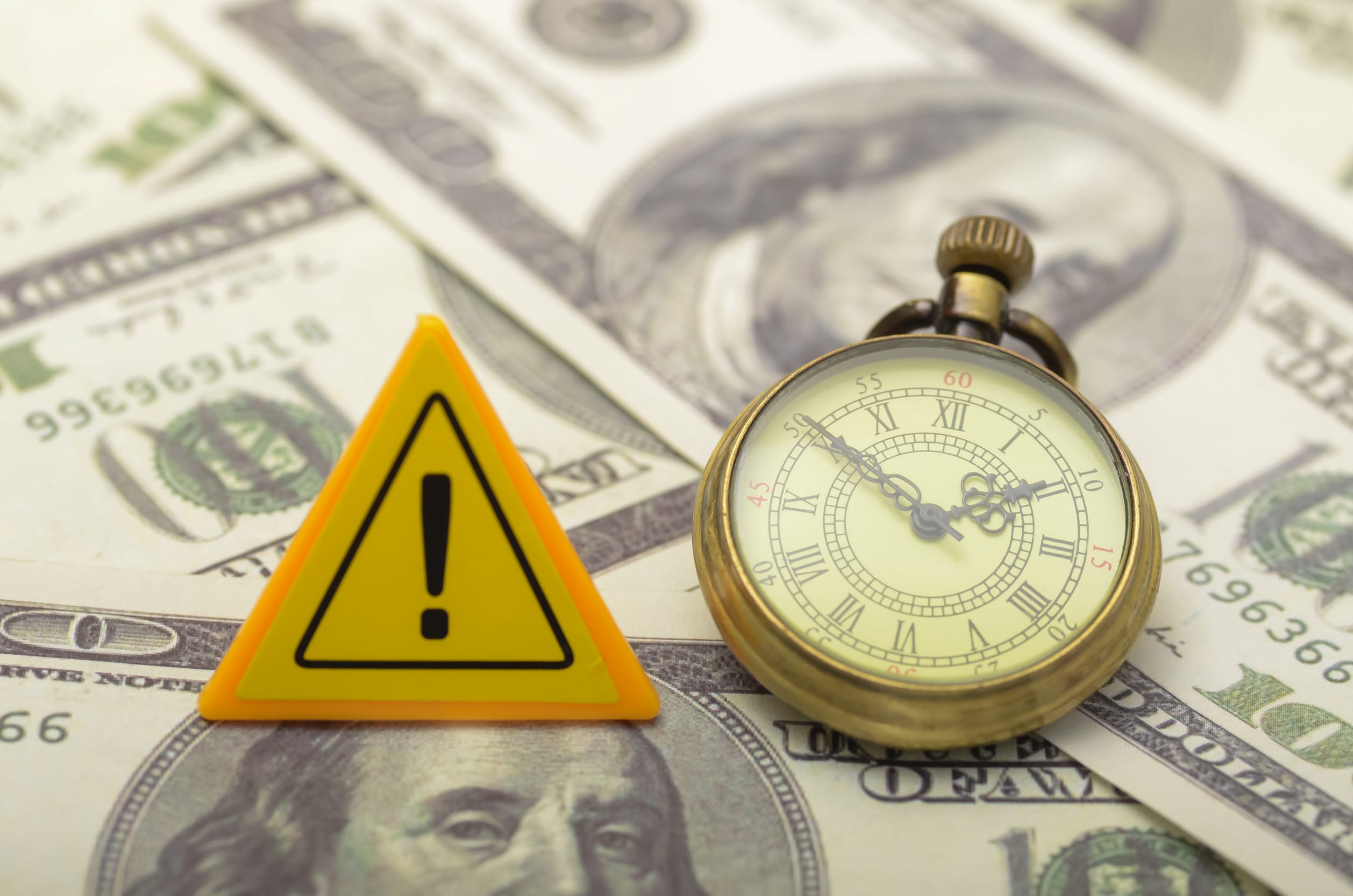
What Financial Advisors Are Quietly Warning About in 2025

Image source: 123rf.com

Many families are planning for retirement, investments, and long-term savings without realizing that 2025 could bring major shifts to their financial future. While headlines focus on stock market predictions and interest rate changes, financial advisors are hinting at deeper issues on the horizon. These aren’t the kind of warnings you’ll see in bold print but rather cautious advice shared during one-on-one meetings with clients. From looming tax law changes to potential investment traps, the upcoming year may require sharper planning than ever before. Understanding what financial advisors are quietly warning about in 2025 can help you protect your money and avoid costly surprises.

1. The Potential Expiration of Tax Cuts

One of the top concerns in what financial advisors are quietly warning about in 2025 is the possibility that several provisions from the 2017 Tax Cuts and Jobs Act may expire soon. If Congress allows these cuts to sunset in 2026, many families could see their income tax rates jump significantly. This would also affect estate planning strategies, capital gains taxes, and retirement withdrawals. Advisors are encouraging clients to explore tax-efficient moves now, such as Roth conversions or accelerated gifting. Acting early could mean thousands saved in future taxes.

2. Growing Volatility in the Stock Market

Uncertain economic conditions have many advisors cautioning investors about increased market turbulence in the coming year. What financial advisors are quietly warning about in 2025 is the potential for unpredictable swings caused by inflation, interest rate shifts, and global conflicts. Those who stay heavily invested in risky assets without proper diversification could face significant losses. Advisors recommend balancing portfolios with safer options like bonds or dividend-paying stocks. Maintaining flexibility is key to weathering unexpected market drops.

3. Rising Healthcare Costs in Retirement

Healthcare remains one of the biggest budget busters for retirees, and 2025 may bring even higher costs. A major point in what financial advisors are quietly warning about in 2025 is the potential increase in Medicare premiums, prescription drug expenses, and long-term care needs. Many families underestimate these costs, risking rapid depletion of retirement savings. Advisors suggest planning now with health savings accounts, supplemental insurance, or dedicated funds for medical expenses. Being prepared can prevent financial strain later in life.

4. Changes in Social Security Benefits

There’s growing uncertainty around the long-term stability of Social Security, prompting concern among financial experts. What financial advisors are quietly warning about in 2025 is the possibility of benefit adjustments or new tax thresholds that could reduce payouts. While dramatic changes may not happen immediately, discussions about funding shortfalls are intensifying. Advisors recommend building additional retirement income streams to reduce reliance on Social Security. Diversifying income sources offers better protection against future cuts.

5. Increased Risks with Real Estate Investments

Many investors have turned to real estate for steady returns, but 2025 may bring challenges in this area. Financial advisors are quietly warning about potential declines in property values in 2025, driven by rising interest rates and cooling demand. Overleveraged investors could face negative cash flow or forced sales in a softening market. Advisors suggest reviewing debt levels, rental yields, and property location risks before expanding holdings. A conservative approach may help avoid major losses.

6. Hidden Fees in Financial Products

Even seasoned investors can lose money to excessive fees hidden in certain funds, annuities, or insurance products. A key topic in what financial advisors are quietly warning about in 2025 is the long-term impact of these costs on overall wealth. High fees can quietly erode returns, leaving retirees with far less than expected. Advisors recommend auditing all accounts and switching to lower-cost alternatives where possible. Transparency about fees can make a big difference in building lasting wealth.

7. The Impact of Rising Interest Rates on Debt

Families carrying mortgages, student loans, or credit card balances may face higher repayment costs as rates climb. What financial advisors are quietly warning about in 2025 is the risk of ignoring debt during this volatile period. Rising interest rates make borrowing more expensive, reducing disposable income and delaying financial goals. Advisors suggest prioritizing high-interest debt repayment and considering fixed-rate refinancing options. Staying ahead of rate hikes protects long-term finances.

Planning Ahead for a Stronger Financial Future

The year ahead carries uncertainty, but proactive planning can shield your family from many risks. Understanding what financial advisors are quietly warning about in 2025 allows you to take control of your tax strategy, investments, and retirement plans before challenges arise. Reviewing accounts, adjusting portfolios, and strengthening emergency funds now can prevent panic-driven decisions later. Staying informed and flexible is the best way to navigate whatever 2025 brings. With careful preparation, you can secure a more stable financial future.

Do you think most families are prepared for the financial risks coming in 2025? Share your thoughts and strategies in the comments below.

Read More:

8 Signs Your Financial Advisor Is Not Acting in Your Best Interest

12 Behavioral Finance Biases Wrecking Your Wealth

Catherine Reed
Catherine Reed

Catherine is a tech-savvy writer who has focused on the personal finance space for more than eight years. She has a Bachelor’s in Information Technology and enjoys showcasing how tech can simplify everyday personal finance tasks like budgeting, spending tracking, and planning for the future. Additionally, she’s explored the ins and outs of the world of side hustles and loves to share what she’s learned along the way. When she’s not working, you can find her relaxing at home in the Pacific Northwest with her two cats or enjoying a cup of coffee at her neighborhood cafe.

Filed Under: Personal Finance Tagged With: financial planning 2025, investment risks, Personal Finance, retirement advice, tax strategy

7 Investment “Tips” From TikTok That Can Backfire Hard

May 8, 2025 by Travis Campbell Leave a Comment

tiktok

Image Source: pexels.com

Social media has transformed how we consume financial advice, with TikTok becoming a hotspot for quick investment tips. While some creators offer valuable insights, many promote high-risk strategies without explaining potential downsides. These bite-sized financial “hacks” often lack context and can lead inexperienced investors into dangerous territory. Before you follow advice from someone dancing next to financial charts, consider these popular TikTok investment recommendations that could seriously damage your financial future.

1. “Going All-In on Crypto Is the Only Way to Get Rich”

TikTok is flooded with stories of overnight crypto millionaires, creating the impression that massive cryptocurrency investments are a guaranteed path to wealth. These narratives rarely mention the extreme volatility that defines crypto markets.

Without discussing risk management, many creators promote allocating significant portions of investment portfolios to speculative cryptocurrencies. According to a study by the Financial Conduct Authority, nearly 40% of crypto buyers have a limited understanding of what they’re purchasing.

A proper investment strategy involves diversification across asset classes based on your risk tolerance and time horizon. While crypto may have a place in some portfolios, making it your primary investment vehicle exposes you to potentially catastrophic losses.

2. “Day Trading Is an Easy Side Hustle”

TikTok creators often portray day trading as a simple way to generate consistent income with minimal effort. They showcase winning trades while conveniently omitting their losses.

The reality is sobering: studies consistently show that 80-95% of day traders lose money. The Journal of Finance published research demonstrating that only about 13% earn profits even among persistent day traders.

Day trading requires extensive market knowledge, emotional discipline, and significant time commitment. It’s not a casual side hustle but a high-risk activity that can quickly deplete savings when approached without proper education and risk management strategies.

3. “Leverage Trading Multiplies Your Profits”

Leverage trading videos are particularly dangerous when investing in TikTok. Creators highlight how borrowing money to increase position sizes can multiply returns, often demonstrating with small accounts growing exponentially.

They don’t emphasize that leverage multiplies losses equally. A small market movement against your position can trigger margin calls and wipe out your entire investment. For inexperienced investors, leverage is like handling financial dynamite without proper training.

Responsible investing typically involves using leverage conservatively, if at all, and only after thoroughly understanding the mechanics and risks involved.

4. “Follow This Stock Pick for Guaranteed Returns”

Stock picking content thrives on TikTok, with creators confidently declaring certain stocks “can’t miss” opportunities. These recommendations rarely include fundamental analysis or consideration of valuation metrics.

Many TikTok stock tips are based on momentum or hype rather than company fundamentals. Worse, some creators engage in “pump and dump” schemes, promoting stocks they already own to inflate prices before selling their positions.

Even professional fund managers struggle to outperform market indices consistently. Individual investors are better served by focusing on broad market index funds rather than chasing speculative stock picks from social media.

5. “Real Estate Is Risk-Free Passive Income”

Real estate investing TikToks often present property ownership as a foolproof path to passive wealth. Creators showcase rental income calculations that omit critical expenses like maintenance, vacancies, property management, and market downturns.

Real estate investing involves significant capital requirements, ongoing management responsibilities, and market risks. The 2008 housing crisis demonstrated that real estate can experience severe value declines.

While real estate can be a valuable component of a diversified portfolio, it requires substantial research, capital reserves, and realistic expectations about returns and responsibilities.

6. “Options Trading Is Easy Money”

Options trading videos on TikTok make complex derivatives seem accessible to everyone. Creators demonstrate strategies like covered calls or cash-secured puts as simple ways to generate income.

They typically downplay the fact that options trading requires understanding complex concepts like implied volatility, time decay, and option Greeks. According to the Chicago Board Options Exchange, most retail options traders lose money.

Options can serve legitimate purposes in sophisticated portfolios, but they’re not appropriate primary investment vehicles for beginners seeking quick profits.

7. “Meme Stocks Are the New Investment Strategy”

TikTok helped fuel the meme stock phenomenon, where stocks gain popularity based on social media attention rather than business fundamentals. Creators encourage followers to join these movements to “stick it to Wall Street.”

While some early participants in meme stock rallies realized substantial gains, many latecomers suffered significant losses when prices eventually collapsed. These movements typically lack sustainable investment theses beyond short-term momentum.

Investing based on social media popularity rather than fundamental analysis is speculation, not investing. It’s a high-risk approach that can lead to substantial financial damage.

The Social Media Financial Reality Check

The democratization of financial information has benefits, but TikTok’s algorithm rewards sensationalism over substance. The most viral investment content often promotes high-risk strategies with minimal discussion of potential downsides.

Responsible investing involves building diversified portfolios aligned with your financial goals, risk tolerance, and time horizon. It rarely makes for exciting social media content because it’s methodical, patient, and sometimes boring, but it works.

Before acting on investment advice from any source, especially social media, verify information through multiple reputable sources, consider how it fits your personal financial situation, and remember that sustainable wealth-building is typically a marathon, not a sprint.

Have you ever followed financial advice from social media that didn’t work out as promised? What was your experience, and what did you learn from it?

Read More

5 Great Stock Buying Tips to Practice Today

5 Investing Rules to Avoid Bone-Headed Moves

Travis Campbell
Travis Campbell

Travis Campbell is a digital marketer/developer with over 10 years of experience and a writer for over 6 years. He holds a degree in E-commerce and likes to share life advice he’s learned over the years. Travis loves spending time on the golf course or at the gym when he’s not working.

Filed Under: Investing Tagged With: financial literacy, investment risks, responsible investing, social media finance, TikTok investing

  • « Previous Page
  • 1
  • 2

FOLLOW US

Search this site:

Recent Posts

  • Can My Savings Account Affect My Financial Aid? by Tamila McDonald
  • 12 Ways Gen X’s Views Clash with Millennials… by Tamila McDonald
  • What Advantages and Disadvantages Are There To… by Jacob Sensiba
  • Call 911: Go To the Emergency Room Immediately If… by Stephen Kanaval
  • 10 Tactics for Building an Emergency Fund from Scratch by Vanessa Bermudez
  • 7 Weird Things You Can Sell Online by Tamila McDonald
  • 10 Scary Facts About DriveTime by Tamila McDonald

Copyright © 2026 · News Pro Theme on Genesis Framework