• Home
  • About Us
  • Toolkit
  • Getting Finances Done
    • Hiring Advisors
    • Debt Management
    • Spending Plan
  • Insurance
    • Life Insurance
    • Health Insurance
    • Disability Insurance
    • Homeowners/Renters Insurance
  • Contact Us
  • Privacy Policy
  • Risk Tolerance Quiz

The Free Financial Advisor

You are here: Home / Archives for Hidden Fees

10 Ways Companies Are Quietly Raising Their Prices on You

February 14, 2025 by Latrice Perez Leave a Comment

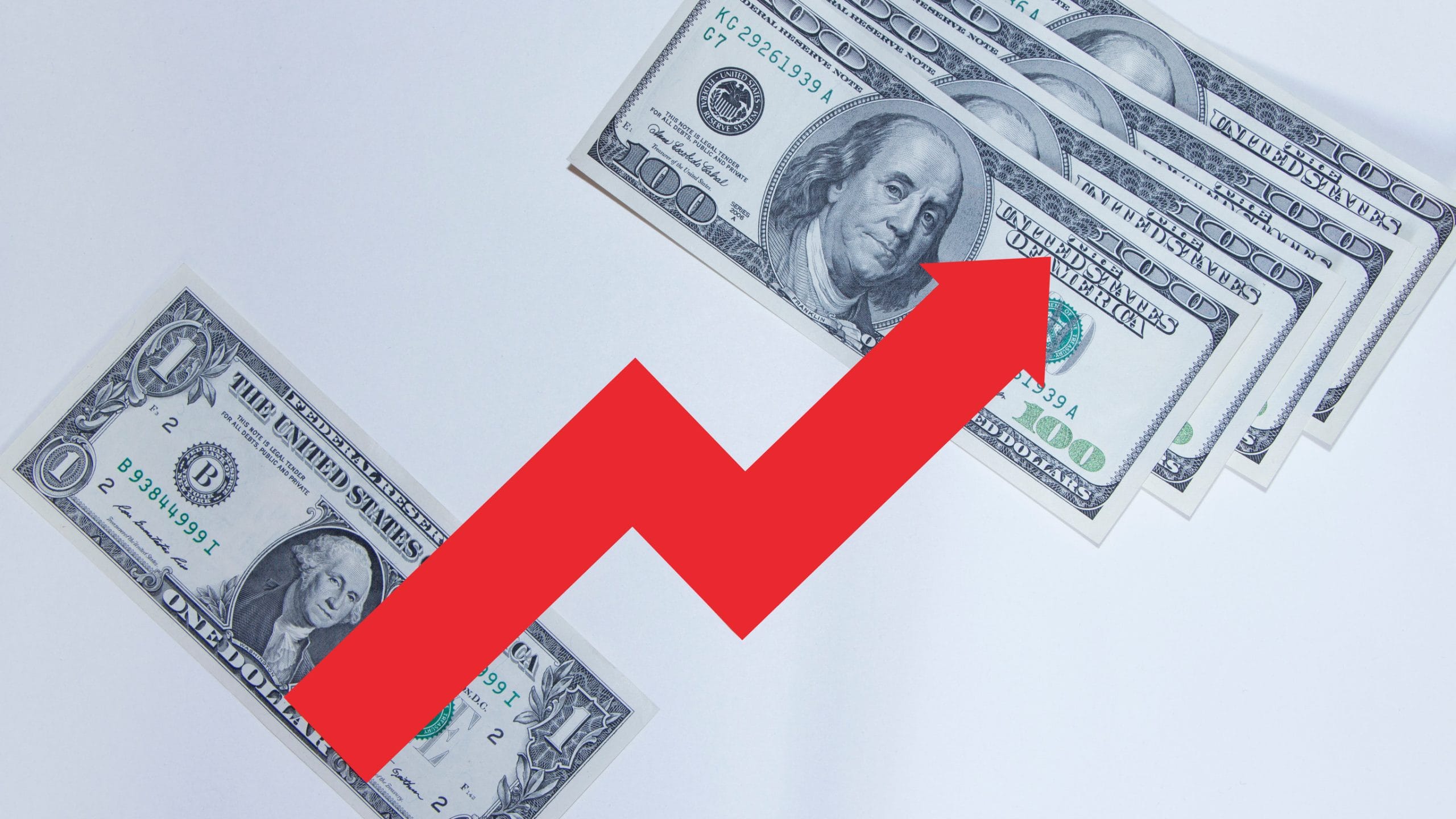
Raising Prices

Image Source: 123rf.com

It’s no secret that prices for goods and services are constantly increasing, but what’s more alarming is how companies are quietly raising prices without us even realizing it. Often, they use sneaky tactics to inflate prices slowly over time, making it harder for consumers to notice the rising costs until it’s too late. From shrinking product sizes to hiding fees, these methods can leave you paying more for less without a clear explanation. Here are 10 ways companies are quietly raising their prices—and what you can do to avoid getting caught in the price hike trap.

1. Shrinkflation: Smaller Portions, Same Price

One of the most common tactics companies use is shrinkflation, which occurs when they reduce the size of a product while keeping the price the same. This can happen with everything from snacks to household items. While you’re paying the same price, you’re getting less for your money, making it feel like a slow, invisible price increase.

Companies love this strategy because it’s not as obvious to consumers. You might not immediately notice that a bag of chips has shrunk by a few ounces, but over time, it adds up to a significant price increase without you realizing it.

2. Hidden Fees and Charges

Have you noticed more fees popping up when you buy concert tickets, book travel, or even shop online? Companies are increasingly adding “service” fees, processing charges, and delivery fees on top of the original price. While these fees might seem small individually, they can significantly raise the total cost of a product or service.

Often, these fees are buried deep in the checkout process, making it easy to overlook until the final bill. They can even be presented in such a way that consumers don’t question the added costs.

3. Subscription Models Instead of One-Time Payments

Many companies have shifted to subscription models, even for products and services that traditionally had one-time fees. Think of things like streaming services, software, or even razors and groceries. While subscriptions seem more affordable at first, they often accumulate into a much higher total over time.

These subscription models also make it easier for companies to increase prices without a major outcry. A slight increase in a subscription fee is less noticeable on a recurring monthly basis than it would be as a lump-sum price hike.

4. Dynamic Pricing Based on Demand

Dynamic pricing, or surge pricing, is commonly used in industries like transportation and travel. Companies like Uber, Lyft, and airlines adjust their prices based on demand, meaning that during peak times (such as holidays or rush hours), prices skyrocket. While dynamic pricing isn’t inherently bad, it can catch consumers off guard when they’re forced to pay significantly more than expected.

This pricing model is often unpredictable and can make it feel like prices are steadily rising, even if companies don’t openly admit to increasing rates. Consumers may feel like they have no choice but to pay for services during peak demand, leading to a hidden price hike.

5. Price Increases After “Free Trial” Periods

Free Trial

Image Source: 123rf.com

Subscription services like streaming platforms, apps, and online tools often entice you with a “free trial” period. Once the trial is over, the price jumps to a full rate, sometimes with a significant increase. What makes it worse is that many people forget to cancel the trial, unknowingly allowing the price increase to kick in.

The key to this price-hike tactic is that the company doesn’t always make it clear that you’ll be charged more after the trial ends. Consumers can end up paying a higher rate without any prior warning.

6. Branding Changes with Price Hikes

A subtle method used by companies is changing the branding of a product or service and quietly raising the price at the same time. When a company introduces a “new and improved” version of an item, it may justify the higher price by emphasizing the changes, even if the product itself hasn’t substantially changed in value.

This makes it harder for consumers to notice the price hike, as they associate the price increase with the so-called “improvement.” It’s a clever strategy that helps companies reframe the price raise as part of an upgrade rather than a simple price increase.

7. Loyalty Programs That Encourage Spending More

While loyalty programs are designed to reward frequent customers, they often encourage you to spend more money than you intended to in order to receive rewards. Companies will often offer points or discounts that can only be used when you make additional purchases, pushing you to spend more in the long run.

Rather than providing genuine savings, these programs can lead you to pay more for items you don’t necessarily need just to earn a reward. In many cases, the rewards are so small that they don’t make a real difference to your overall spending.

8. Charm Pricing: The Subtle Trick to Make Prices Appear Cheaper

Charm pricing is a psychological pricing tactic where companies set prices just below a round number—think $9.99 instead of $10. The idea is that consumers perceive $9.99 as significantly cheaper than $10, even though the difference is only a penny. This subtle trick influences how we view prices, making us more likely to make a purchase based on the perception of a bargain.

Over time, these small adjustments across many products can add up, leading to a notable increase in the total cost of your shopping. By setting prices just below the next whole number, companies continue to exploit this pricing strategy without consumers realizing how it impacts their spending.

9. Inflating ‘Sale’ Prices

Have you ever noticed that an item is “on sale” for a price that seems too good to be true, only to find out that the sale price is actually the same as the regular price in other stores? Companies often inflate the original price on an item just so they can offer it at a “discounted” price. This creates the illusion of savings, while, in reality, you’re paying the same price as before.

These inflated sale prices can trick consumers into thinking they’re getting a deal, but in fact, they’re just paying the regular price for an item that’s been marked up to make the discount look significant.

10. Increasing Prices Slowly Over Time

One of the sneakiest tactics companies use is raising prices in small increments over time. You might not notice a $0.25 increase on a cup of coffee or a $1 increase on your favorite snack, but when it happens repeatedly over several months or years, it can lead to a significant price hike. By gradually increasing prices, companies avoid a major backlash and keep consumers complacent with the small changes.

It’s important to pay attention to small price increases, as they can have a larger financial impact than expected when combined over time. Staying aware of these increases can help you make smarter purchasing decisions and avoid feeling blindsided.

Awareness Can Avoid Price Traps

Companies are becoming increasingly creative with how they raise prices, often using tactics that fly under the radar. By staying informed and being aware of the ways in which businesses are manipulating prices, you can avoid getting caught in these hidden traps. Keep an eye on your monthly expenses, question sudden price increases, and be mindful of the little changes companies make over time. By doing so, you can save money and make smarter financial choices, even in an environment where prices are steadily rising.

What are some of the price traps you’ve found when shopping in some of your favorite stores? Have you fallen for some of them? Let’s discuss them in the comments below.

Read More:

Several Ways to Get Cash Back-Try One Of These 3 Sites

14 Things That Are Never a Good Deal at Warehouse Stores

Latrice Perez

Latrice is a dedicated professional with a rich background in social work, complemented by an Associate Degree in the field. Her journey has been uniquely shaped by the rewarding experience of being a stay-at-home mom to her two children, aged 13 and 5. This role has not only been a testament to her commitment to family but has also provided her with invaluable life lessons and insights.

As a mother, Latrice has embraced the opportunity to educate her children on essential life skills, with a special focus on financial literacy, the nuances of life, and the importance of inner peace.

Filed Under: Personal Finance Tagged With: budgeting, consumer awareness, Consumer Protection, Financial Tips, Hidden Fees, price hikes, price increases, rising prices, shopping tricks

Here Are 10 Things Your Financial Advisor Is Not Telling You About Their Fees

February 4, 2025 by Latrice Perez Leave a Comment

Financial Advisor

Image Source: 123rf.com

Hiring a financial advisor can feel like a huge step toward financial security, but it’s important to understand exactly what you’re paying for. While many advisors seem trustworthy and knowledgeable, there are things about their fees that might not be as transparent as you’d expect.

Sometimes, those hidden costs can end up eating into your returns. Before you sign any agreement, it’s essential to have a clear picture of what you’re really paying for and how it affects your finances in the long run. Here are 10 things your financial advisor might not be telling you about their fees, and how you can protect yourself from hidden charges.

1. The Fee Structure Can Be Complicated

Financial advisors often use complex fee structures that aren’t always easy to understand. They might charge a flat fee, a percentage of assets under management, or a commission-based fee, and these can change depending on the services you need. In some cases, advisors might also receive kickbacks from mutual funds or insurance products they recommend. Without asking the right questions, it’s easy to miss hidden charges buried in the fine print. Always make sure you fully understand the fee structure before agreeing to work with any advisor.

2. Your Advisor May Be Earning Commission-Based Fees

Some financial advisors earn a commission when they sell certain financial products, like insurance or investment products. While these commissions may not always be disclosed upfront, they can create a conflict of interest for your advisor. If their income depends on selling you specific products, they might push options that aren’t necessarily the best for your financial situation. It’s crucial to ask your advisor whether they earn commissions on any of the products they recommend to you and make sure you’re comfortable with it.

3. There’s Often a Management Fee for Every Investment You Hold

Many advisors charge a management fee based on the assets they manage for you, which sounds simple enough. However, what you might not realize is that there could be additional fees for every investment you hold. This includes mutual funds, ETFs, or even individual stocks. The fees for managing these assets can quickly add up, especially if you’re holding a wide variety of investments. Be sure to ask about every fee associated with your portfolio, and whether any hidden costs might apply to your current holdings.

4. You Could Be Paying Fees on Products You Don’t Use

Many advisors recommend investment products that come with fees, even if you aren’t using them. For example, some financial products, like annuities or retirement accounts, come with management or administrative fees attached. Even if you haven’t touched those accounts in years, they might still be draining your account balance. It’s essential to review your portfolio regularly and ask your advisor if you’re paying fees on products that aren’t serving your current financial needs.

5. Fee-Only Doesn’t Always Mean No Commission

A “fee-only” financial advisor sounds like a great deal—after all, they don’t earn commissions, right? However, not all fee-only advisors are created equal. Some advisors still receive third-party compensation, like bonuses or incentives from certain financial institutions. When hiring a fee-only advisor, it’s important to ensure they have a fiduciary responsibility to put your interests ahead of their own, which can make all the difference when it comes to managing fees and recommending products.

Hourly Rates

Image Source: 123rf.com

6. Some Advisors Charge Hourly Rates

In addition to commission and asset-based fees, some advisors charge hourly rates for their time. While this model may seem straightforward, it can be challenging to predict how much the service will cost you. Hourly fees can add up quickly, especially if you have a complex financial situation that requires frequent meetings or in-depth analysis. Be sure to ask your advisor for an estimate of how many hours they’ll spend on your account and what the hourly rate is before you sign on.

7. You Might Be Paying a Premium for Access to Your Advisor

Many financial advisors charge additional fees for access to their expertise. You may find yourself paying a premium for things like dedicated access to an advisor or receiving more personalized services. While this could be a good option for clients with large portfolios, it’s essential to make sure that the benefits you’re paying for align with your needs. Ask your advisor whether they charge extra fees for phone calls, meetings, or other services outside of the normal plan.

8. Fee Increases Aren’t Always Transparent

Your advisor’s fees might start off looking great, but they can increase over time without clear communication. This can happen as your portfolio grows or if your advisor introduces new products or services that come with higher fees. Regularly review your fee structure and ask your advisor if there have been any increases or changes to their fees, especially if you’ve seen significant growth in your portfolio.

9. Paying More Doesn’t Always Mean Better Service

It’s easy to assume that higher fees mean better service, but that’s not always the case. Some advisors with higher fees might not offer the personalized attention or expertise that justifies the price. When evaluating financial advisors, look for quality of service and reputation rather than just the cost. Always compare advisors and ask for a breakdown of what you’re getting for your money before committing to any one advisor.

10. You Can Negotiate Your Fees

Many people assume that financial advisors’ fees are set in stone, but you might be able to negotiate them. If you’re bringing a significant amount of business or assets to the table, advisors may be willing to reduce fees or waive certain charges. Don’t be afraid to ask your advisor if they can offer a discount or rework the fee structure to better fit your needs. Negotiating could result in better value for your financial plan.

Always Ask About The Fees

Before choosing a financial advisor, always ask about the fees involved and ensure you fully understand what you’re paying for. It’s your money, and you deserve transparency and clarity. If you found this article helpful, share it with others who might benefit from understanding the hidden costs of financial advice!

Have you worked with a financial advisor before? Were you surprised by the fees involved with investing? We’d love to hear your story in the comments below.

Read More:

5 Things You Must Do Before You Fire Your Financial Advisor

Is Hiring a Financial Advisor Worth the Cost?

Latrice Perez

Latrice is a dedicated professional with a rich background in social work, complemented by an Associate Degree in the field. Her journey has been uniquely shaped by the rewarding experience of being a stay-at-home mom to her two children, aged 13 and 5. This role has not only been a testament to her commitment to family but has also provided her with invaluable life lessons and insights.

As a mother, Latrice has embraced the opportunity to educate her children on essential life skills, with a special focus on financial literacy, the nuances of life, and the importance of inner peace.

Filed Under: Financial Advisor Tagged With: fee structures, financial advice, financial advisor fees, financial transparency, Hidden Fees, investment costs, Personal Finance, Wealth management

The Invisible Drain: How 6 Hidden Fees Are Silently Eroding Your Savings

January 2, 2024 by Tamila McDonald Leave a Comment

Hidden fees

Many people put money into savings in hopes of watching the balance grow over time. Unfortunately, hidden fees can quietly eat away at their balance, causing them to miss out on potential earnings or even lose money. By understanding what hidden fees are and which can harm your savings, it’s easier to avoid or minimize many of these potential costs. Here’s a quick overview of what a hidden fee is and a closer look at six hidden fees that are (potentially) silently eroding your savings.

What Are Hidden Fees?

In the simplest sense, hidden fees are expenses that people don’t expect to encounter when engaging with a business, handling a transaction, or purchasing goods or services.

The reason they’re referred to as “hidden” isn’t because they aren’t disclosed at some point; it’s that these costs aren’t widely known, so they aren’t anticipated by most consumers. Additionally, hidden fees aren’t always disclosed early in a transaction or purchase. Instead, they appear later in the process (but before the actual purchase is completed).

In many cases, hidden fees that aren’t transparently listed before a sale begins make comparison shopping challenging. Customers may only see the initial advertised cost when choosing a provider or vendor, so they use that information as the basis for identifying a solid deal. Then, as they move toward finalizing the purchase, they realize that there are additional costs that weren’t disclosed upfront, causing what seemed like a bargain to not be the deal they expected.

A prime example of hidden fees is mandatory resort fees at some hotels. Usually, the resort fee isn’t part of the advertised room price. Instead, they’re tacked on later in the booking process, and the total of the charges can be surprisingly high.

However, there are also hidden fees that can quietly erode a person’s savings. Here are some examples.

How 6 Hidden Fees Are Silently Eroding Your Savings

1. Bank Account Maintenance Fees

Maintenance fees are charges levied by banks or credit unions in exchange for the financial institution keeping your account active. Typically, they’re pulled directly from the account’s available balance monthly, and the size of the fee can be anywhere from a few dollars to more than $20.

Usually, there are ways people can avoid maintenance fees. For example, not all banks and credit unions charge them on specific kinds of accounts, so you may just need to select a fee-free account type to bypass this one. In other cases, you can skip the fees by meeting particular conditions. For example, maintaining a minimum balance above a specific threshold may work.

Ideally, you want to research the maintenance fee structure of any account you have or are considering. That way, you can find out if you’d likely have to pay the cost or if you can avoid it.

2. Inactivity Fees

An inactivity fee is a sort of financial penalty for having an account that hasn’t had a particular type of transaction – such as a deposit or withdrawal – occur within a set period. Usually, this sort of issue is easier to encounter if you have a separate emergency fund that’s already holding the amount of money you want to set aside for the unexpected. At that point, you may not make any more deposits since you’ve managed to achieve your goal. Additionally, there aren’t regular withdrawals since the point of the account is to safeguard you from potential emergencies.

Fortunately, this is another fee that’s easy to avoid. First, you can choose a fee-free savings account to hold your emergency fund. Second, you can make small deposits monthly to meet the required activity threshold. Finally, you could pay a minor recurring bill with your savings account and then transfer that same dollar amount from checking to savings right before that bill is paid, giving you one deposit and one withdrawal every month.

3. Retirement Account Fees

Retirement account fees can quickly chip away at a critical nest egg, making it harder to secure your financial future. Plan provider fees are potentially unavoidable, particularly for employer-sponsored retirement accounts. However, fund fees are something people can potentially avoid or at least reduce.

When considering funds for a retirement account, look at the expense ratios. Those summarize the fees associated with a fund, and they’re usually listed as a percentage. If you’re comparing funds that serve a similar function, choosing the one with a lower expense ratio reduces the fees you’ll pay. Choosing ETFs instead of mutual funds can also lead to lower fees.

Just make sure you don’t factor in the fees when selecting the investments. Instead, you need to ensure that the options you’re considering align with your overall financial goals and risk tolerance first. Then, make fees part of the equation to help you make a sound decision.

4. HSA Fees

Health savings accounts (HSAs) have clear tax advantages and other benefits, but those are potentially offset if the fees you’ll pay are high. Account maintenance fees can have a shocking impact on your balance, especially during periods when interest rates are lower.

As a result, it’s wise to look for an HSA provider that either doesn’t charge maintenance fees or waives the fee if you meet specific conditions, such as maintaining a balance above a reasonable threshold or making deposits regularly.

5. Trade Fees

If some of your savings are in a brokerage account and you conduct trades regularly, transaction fees on those trades can add up fast. The fees occur when buying or selling specific types of investments, like bonds and stocks. For active traders, a fee on every purchase or sale can take big bites out of any secured profits, and that ultimately harms their savings.

Now, precisely how much a trade fee is does vary depending on several factors. The type of investment and the platform used to conduct the transaction can both play a role. By choosing the right brokerage and researching potential transaction fees on specific trades before initiating them, it’s possible to keep the cost down, allowing you to preserve more of your savings.

6. ATM Fees

ATM fees are costs associated with using an ATM to withdraw cash from an account. Typically, these fees are only levied when a customer uses an out-of-network ATM. They’re often relatively small – usually being less than $5 per transaction – but they can add up quickly. As a result, they can cause your checking or savings account balance to fall with shocking speed if you use out-of-network ATMs regularly.

Fortunately, this fee is generally easy to avoid. If you need to pull cash from an ATM, use your bank’s mobile app or website to find a nearby one that’s in-network. If there aren’t many in-network ATMs in locations where you typically need to withdraw cash, then changing to another bank (either one with nearby in-network ATMs or one that reimburses ATM fees) is potentially worth exploring.

Do you know of any other hidden fees that may silently erode people’s savings? Do you have any tips that can help people avoid unexpected costs like hidden fees? Share your thoughts in the comments below.

Read More:

  • Save Money on Your Mortgage by Negotiating These Fees
  • Can an Employer Charge Fees to Turnover Your 401(k) After You Quit a Job?
Tamila McDonald
Tamila McDonald

Tamila McDonald is a U.S. Army veteran with 20 years of service, including five years as a military financial advisor. After retiring from the Army, she spent eight years as an AFCPE-certified personal financial advisor for wounded warriors and their families. Now she writes about personal finance and benefits programs for numerous financial websites.

Filed Under: saving money Tagged With: ATM Fees, Hidden Fees, Hidden Fees Are Silently Eroding Your Savings, HSA Fees, Inactivity Fees, maintenance fees, Retirement Account Fees, Trade Fees

Don’t Let This Happen To You: 4 Hotel Booking Site Scams

August 21, 2023 by Tamila McDonald Leave a Comment

hotel booking site scam

When you’re preparing for an upcoming vacation or planning your business travel, booking accommodations is typically part of the equation. For many people, that means heading online to make reservations. But if you’re not cautious, you could find yourself a victim of a hotel booking site scam that costs you money, steals your identity, and leaves you with nowhere to stay when you arrive at your destination. If you want to make sure your accommodations are legit and keep your financial life secure, here are four hotel booking site scams you should know about (and how to avoid them).

1. Fake Booking Websites

One of the most widely used hotel booking site scams involves malicious actors creating fake hotel reservation websites. In some cases, they’re designed to resemble a specific hotel chain’s site. In others, the scam websites look like popular aggregators, either with their own branding or copying a legitimate site’s branding.

How difficult these fake booking websites are to spot varies. However, there are typically some clues. First, if the connection isn’t secure – such as by not having https in the URL – you shouldn’t move forward. Additionally, look for spelling errors, grammar issues, and typos, as those are more common in scam sites. Blurry logos can also indicate that a website isn’t legit, as well as a URL that’s close to – but not an exact match for – a widely-known brand’s site.

Also, when you’re searching for websites that can book you a hotel room, don’t assume that the first listing in the results is safe. Scammers may pay to get ads for their fake hotel booking sites placed near the top of the results, so a high position isn’t a guarantee of safety.

It’s also wise to take a look at the required payment types. Some websites may only use unconventional options – such as cryptocurrency or wire transfers – instead of typical credit card payments. While they may try to justify the payment options stating that they help the site offer good deals, these types of payment are difficult – if not impossible – to recover, which is why scammers prefer them over many conventional methods.

2. Fake Hotel or Room Listings

Some legitimate booking sites that allow people to list their properties to secure traveler bookings can contain fake hotel or room listings. For example, websites like Airbnb and Vrbo are potential targets for scammers. Malicious actors may create fake listings that seem legitimate, offering up solid descriptions and high-quality images, but the properties don’t exist. While sites like Airbnb and Vrbo do work diligently to remove fake listings, they may not catch them all before an unsuspecting person books the room.

One step you can take to reduce the odds of booking a fake listing is to use the internet and Google the property’s address. Many scammers use bogus addresses in the listings, such as an address that isn’t actually in use or one associated with another property. If you research the address and get street-view images other than what you’re expecting based on the listing, it’s better to book something else.

You can also do a reverse image search on any photos within the listing. That lets you see if the pictures are published elsewhere and associated with another property or if they were potentially acquired from a stock image website.

3. Bait and Switch

When a hotel booking site leads you to believe you’re reserving a specific type of accommodation only to stick you into a different kind of room that’s of lesser quality upon arrival, you could be a victim of a bait-and-switch. Essentially, an appealing option was advertised – the bait – and that information led to your decision to make a reservation. However, once you get to the hotel, you’re given a subpar alternative – the switch.

Technically, the issue only qualifies as a bait-and-switch legally if there was no original intention to give you the nicer advertised room. However, even if the issue isn’t due to intentional deception, it leads to challenges. The problem is that when you’re dealing with hotel bookings, you may not have many options for immediate recourse.

Canceling your reservation – even if it leads to a full refund – potentially isn’t plausible if similar accommodations aren’t available elsewhere. A price reduction to offset the change may ensure you have a place to stay, but it might not be the type of experience you expected, which can diminish your overall travel experience.

Avoiding actual bait-and-switch scams is possible with a bit of research. Sticking with reputable hotels with high ratings and no negative reviews that mention subpar accommodations upon arrival can help.

Issues with room changes due to overbooking are harder to avoid. Overbooking isn’t uncommon, as hotels usually book enough stays to offset last-minute cancelations or no-shows. It can also happen by mistake, such as a booking website not receiving refreshed data fast enough to prevent another reservation from going through even though the hotel is full. In some cases, reviews may indicate whether overbooking issues are common at a particular hotel, but that’s not a guaranteed way to avoid this situation, as it can happen only on rare occasions or due to an unexpected booking error.

4. Hidden Fees

Hidden fees can make a good deal on a hotel feel like a scam. Some hotel sites will advertise incredibly low room rates but not as clearly disclose the additional fees guests have to pay as part of the reservation.

Resort fees tacked on to a room’s price are a prime example, though you may encounter other hidden fees, too. If they aren’t disclosed at the time of booking, the practice is broadly considered deceptive and dishonest, even if it stays on the right side of the law.

Generally, the only way to ensure you don’t accidentally commit to a higher price than the advertised one for the room is to read the fine print. Additionally, you can contact the hotel directly and ask about any fees that aren’t part of the advertised room rate. By doing so, you can at least find out whether there are extra costs you may face, giving you the power to decide whether you want to continue with the booking or not.

Do you know of any other hotel booking site scams people should be aware of before planning their travel? Have you ever been a victim of a hotel booking site scam and want to tell others about your experience? Share your thoughts in the comments below.

Read More:

  • Four Tips for Avoiding Cryptocurrency Scams
  • What Are the Risks of Using Public Wi-fi for Online Banking?
  • Is It Safe to Throw Away Bank Statements?
Tamila McDonald
Tamila McDonald

Tamila McDonald is a U.S. Army veteran with 20 years of service, including five years as a military financial advisor. After retiring from the Army, she spent eight years as an AFCPE-certified personal financial advisor for wounded warriors and their families. Now she writes about personal finance and benefits programs for numerous financial websites.

Filed Under: Personal Finance Tagged With: Bait and Switch, Don't Let This Happen To You: 4 Hotel Booking Site Scams, Fake Booking Websites, Fake Hotel or Room Listings, Hidden Fees

  • « Previous Page
  • 1
  • …
  • 4
  • 5
  • 6

FOLLOW US

Search this site:

Recent Posts

  • Can My Savings Account Affect My Financial Aid? by Tamila McDonald
  • 12 Ways Gen X’s Views Clash with Millennials… by Tamila McDonald
  • What Advantages and Disadvantages Are There To… by Jacob Sensiba
  • 10 Tactics for Building an Emergency Fund from Scratch by Vanessa Bermudez
  • Call 911: Go To the Emergency Room Immediately If… by Stephen Kanaval
  • 7 Weird Things You Can Sell Online by Tamila McDonald
  • 10 Scary Facts About DriveTime by Tamila McDonald

Copyright © 2026 · News Pro Theme on Genesis Framework