• Home
  • About Us
  • Toolkit
  • Getting Finances Done
    • Hiring Advisors
    • Debt Management
    • Spending Plan
  • Insurance
    • Life Insurance
    • Health Insurance
    • Disability Insurance
    • Homeowners/Renters Insurance
  • Contact Us
  • Privacy Policy
  • Risk Tolerance Quiz

The Free Financial Advisor

You are here: Home / Archives for gen z

9 Fashion Trends Gen Z Loves That Millennials Just Can’t Understand

May 20, 2024 by Toi Williams Leave a Comment

fashion trends Gen Z loves

123RF

Fashion trends are always evolving, often reflecting the unique tastes and cultural influences of each generation. As Gen Z comes into their own, they are embracing bold and eclectic styles that sometimes leave Millennials puzzled. From reimagined vintage pieces to avant-garde looks, these trends highlight a distinct departure from the fashion norms of the previous generation. Many of these unique styles can be easily found on a trusted eCommerce clothing website, making them more accessible than ever. Let’s dive into 11 fashion trends Gen Z loves that Millennials just can’t seem to understand.

1. Y2K Revival 

123RF

One of the fashion trends Gen Z loves is the Y2K aesthetic, characterized by bold colors, metallics, and tech-inspired designs reminiscent of the late ’90s and early 2000s. This trend includes butterfly clips, baby tees, and low-rise jeans, all making a major comeback. For Millennials, who lived through the era the first time around, these styles might feel too nostalgic or even cringe-worthy, as they evoke memories of awkward teenage years.

The appeal of Y2K fashion for Gen Z lies in its playful and experimental nature. This generation is not afraid to mix and match styles, creating unique looks that celebrate individuality and creativity. For them, Y2K fashion is a fresh and exciting exploration of past trends, while Millennials often see it as a fashion faux pas best left in the past.

2. Oversized Everything
123RF

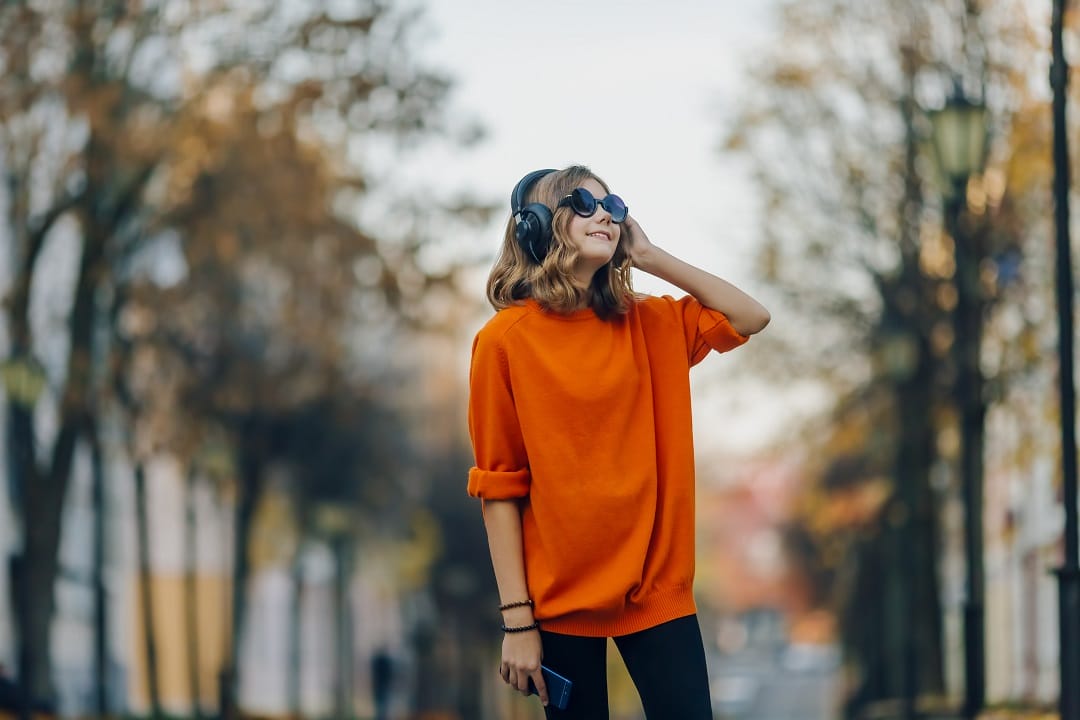
Another of the fashion trends Gen Z loves is oversized clothing, from baggy jeans to giant hoodies and oversized blazers. This trend emphasizes comfort and a relaxed silhouette, moving away from the form-fitting styles that were popular with Millennials. The oversized look is often paired with chunky sneakers and bold accessories, creating a laid-back yet fashion-forward vibe.

Millennials, who embraced skinny jeans and fitted tops, might struggle with the appeal of drowning in fabric. For them, oversized clothes can seem unflattering and impractical. However, Gen Z’s approach is all about making a statement and prioritizing comfort, challenging conventional ideas of what stylish means.

3. E-Girl and E-Boy Aesthetics

123RF

The E-Girl and E-Boy aesthetics are heavily influenced by internet culture, particularly platforms like TikTok. This style features elements like dyed hair, bold makeup, graphic tees, and layered accessories. It’s a blend of goth, anime, and punk influences, creating a unique and edgy look that stands out.

Millennials, who might be more accustomed to classic or minimalist styles, can find this trend bewildering. The dramatic makeup and eclectic fashion choices are a far cry from the polished looks many Millennials prefer. For Gen Z, however, these aesthetics represent a form of self-expression and a way to connect with online communities.

4. Gender-Fluid Fashion

123RF

Gen Z is at the forefront of embracing gender-fluid fashion, breaking away from traditional gender norms. This trend includes clothing that is not specifically designed for men or women, such as skirts for men, oversized suits for women, and generally androgynous styles. The goal is to celebrate individuality and inclusivity in fashion.

Millennials grew up with more defined gender roles in fashion, making the shift towards gender-fluid clothing less intuitive. However, Gen Z’s commitment to inclusivity and self-expression through fashion reflects broader societal changes and a push towards acceptance and diversity.

5. Sustainable and Thrifted Fashion
123RF

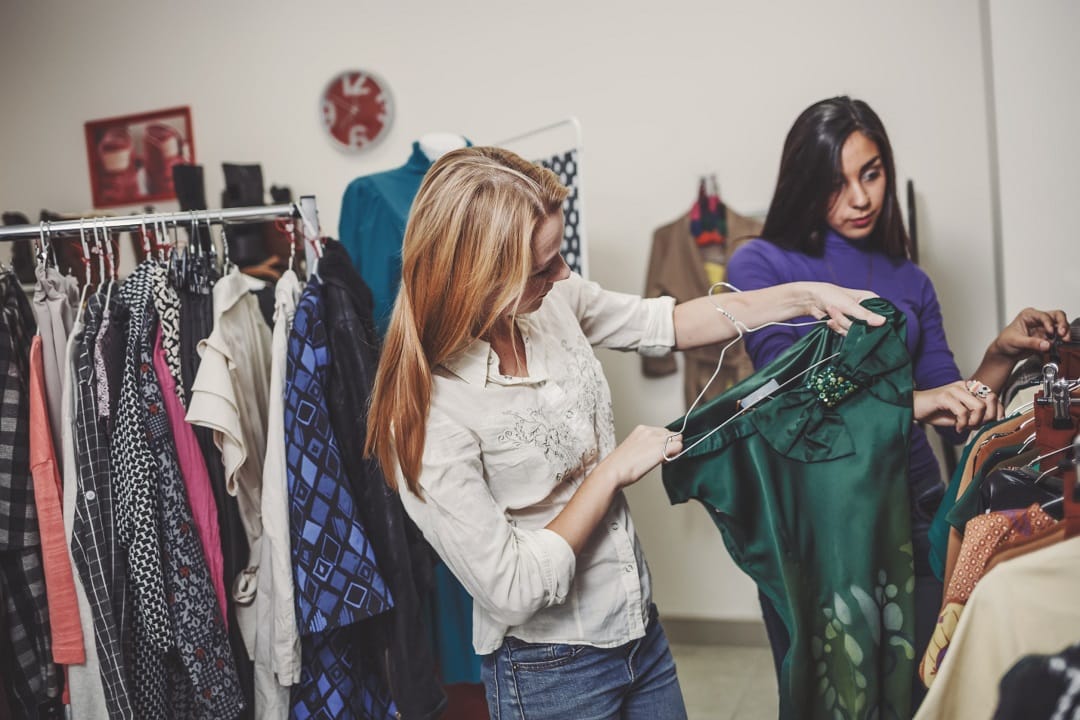
Sustainability is a major concern for Gen Z, and this is reflected in their fashion choices. Thrifting and upcycling clothes are not just fashion trends Gen Z loves but lifestyle choices for many in this generation. They prefer second-hand shopping and supporting eco-friendly brands to reduce their environmental impact.

Millennials, while increasingly aware of sustainability issues, were more accustomed to fast fashion during their formative years. The idea of thrifting or upcycling might not come as naturally to them. For Gen Z, however, these practices are a way to make fashion more ethical and personal, creating unique styles that also benefit the planet.

6. Chunky Sneakers

123RF

Chunky sneakers, often referred to as “dad shoes,” have become a staple in Gen Z’s wardrobe. These bold, oversized shoes are paired with everything from dresses to baggy jeans, adding a touch of retro flair to modern outfits. The exaggerated proportions and eye-catching designs are a stark departure from the sleek, minimalist sneakers favored by Millennials.

Millennials might find chunky sneakers clunky and unappealing, preferring more streamlined and versatile footwear. For Gen Z, the appeal lies in the statement-making aspect of these shoes, embracing boldness and individuality over subtlety and conformity.

7. Cottagecore

123RF

Cottagecore is a whimsical trend that romanticizes rural and pastoral life. This aesthetic includes flowy dresses, floral prints, and vintage-inspired pieces that evoke a simpler, idyllic lifestyle. Gen Z has embraced cottagecore as a form of escapism and a way to connect with nature.

Millennials, who experienced the rise of urban chic and athleisure, might find the overtly romantic and rustic elements of cottagecore puzzling. However, for Gen Z, this trend represents a desire for authenticity and a break from the fast-paced digital world, offering a nostalgic retreat into a more serene and picturesque lifestyle.

8. Neon Colors and Bold Patterns
123RF

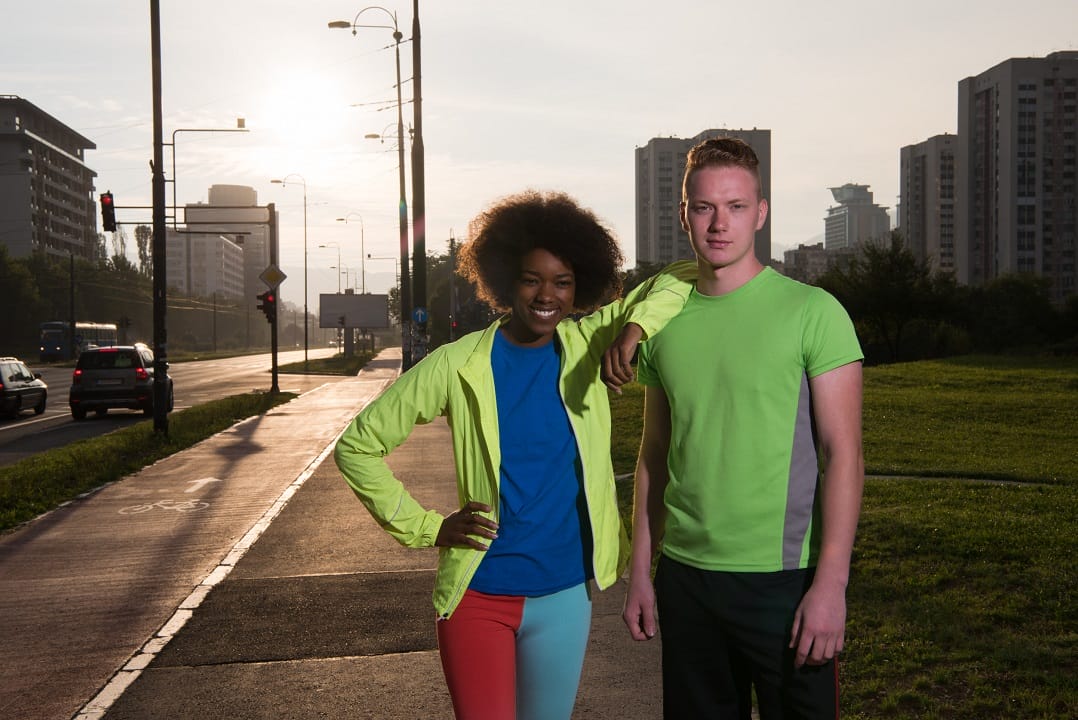
Gen Z is not afraid to stand out, and this is evident in their love for neon colors and bold patterns. Bright, eye-catching hues and daring prints are common fashion trends Gen Z loves, reflecting a sense of fun and experimentation. From neon green tops to psychedelic patterns, these styles are all about making a statement.

Millennials, who often favored muted tones and understated elegance, might find the vibrant colors and bold patterns overwhelming. For Gen Z, however, these trends are a way to express their creativity and confidence, embracing a more playful and adventurous approach to fashion.

9. Visible Socks and Sandals

123RF

What was once considered a major fashion faux pas has become a popular trend among Gen Z: wearing visible socks with sandals. This combination, often associated with tourists or older generations, has been reimagined as a quirky and comfortable style choice. It’s all about embracing irony and challenging conventional fashion norms.

Millennials, who grew up with strict fashion rules, might struggle to see the appeal of this look. However, for Gen Z, visible socks and sandals are a fun and rebellious way to showcase personal style and comfort, blurring the lines between what’s traditionally considered stylish and what’s not.

Bridging the Fashion Gap

123RF

Fashion trends reflect the cultural and social dynamics of each generation. While the fashion trends Gen Z loves might seem puzzling to Millennials, they represent a shift towards greater self-expression, inclusivity, and sustainability. By understanding these trends, we can appreciate the evolving landscape of fashion and perhaps find common ground in the creativity and individuality that each generation brings to the table. Embracing these differences can lead to a richer and more diverse fashion world for everyone.

[Read more…]

Toi Williams
Toi Williams

Toi Williams began her writing career in 2003 as a copywriter and editor and has authored hundreds of articles on numerous topics for a wide variety of companies. During her professional experience in the fields of Finance, Real Estate, and Law, she has obtained a broad understanding of these industries and brings this knowledge to her work as a writer.

Filed Under: Trends Tagged With: Clothing, gen z, Lifestyle, trends

14 Forces That Are Changing The Way We Work

May 6, 2024 by Teri Monroe Leave a Comment

changing workplace

The landscape of work is undergoing a profound transformation, driven by technological advancements, demographic shifts, and evolving societal norms. From the rise of remote work to the increasing influence of artificial intelligence, numerous forces are shaping the way we approach employment and career development. Here are 14 key factors changing the modern workplace.

1. Remote Work Revolution

remote work

The COVID-19 pandemic accelerated the adoption of remote work, transforming it from a perk to a necessity for many organizations. This shift has led to a reevaluation of traditional office setups and a greater emphasis on flexible work arrangements.

Even after the pandemic, many workers remained remote or now have a hybrid work schedule. According to the Pew Research Center, around 22 million employed adults in the U.S. work from home all the time. That’s just over one-third of workers in the U.S.

2. Gig Economy Growth

gig workers

The gig economy continues to expand, providing opportunities for freelancers, independent contractors, and temporary workers. This trend offers flexibility, but it also raises questions about job security and benefits for traditional workers. There is no denying that the gig economy is changing the workplace significantly.

3. Automation and AI

AI

Advancements in automation and artificial intelligence are reshaping industries and redefining the nature of work. While these technologies improve efficiency, they also raise concerns about job displacement and the need for upskilling. In many ways, the future of AI and automation is unclear, such as if it will be further regulated.

4. Rise of Remote Collaboration Tools

remote collaboration

The proliferation of digital collaboration tools has enabled seamless communication and teamwork across geographical boundaries. Platforms like Slack, Zoom, and Microsoft Teams have become essential for remote and hybrid work environments.

5. Focus on Employee Well-being

employee wellness

Companies are increasingly prioritizing employee well-being, recognizing its impact on productivity and retention. Initiatives such as mental health support, flexible scheduling, and wellness programs are gaining prominence in the workplace. At many companies, employees are often offered incentives for focusing on well-being, which in turn reduces healthcare costs for employers.

6. Diversity, Equity, and Inclusion

diversity inclusion

There is a growing emphasis on creating diverse, equitable, and inclusive workplaces. Organizations are implementing policies and programs to address systemic biases and promote a culture of belonging. About 61% of workers say their company or organization has policies that ensure fairness in hiring, pay or promotions, and 52% say they have trainings or meetings on DEI at work.

7. Embrace of Remote Hiring

remote hiring

Remote hiring has become more common, allowing companies to access a broader talent pool and reduce geographic constraints. Video interviews and virtual onboarding processes have become standard practices in many industries. Workers have had to adapt to sometimes awkward video interviews when applying for jobs and adjust their skills accordingly.

8. Agile and Flexible Work Environments

agile workplace

Agile methodologies, originally developed in software development, are now being applied across various industries to promote flexibility, collaboration, and adaptability in the workplace. For many companies, agile work environments mean not limiting workers to a traditional desk, but instead having co-working spaces.

9. Shift Towards Lifelong Learning

lifelong learning

Continuous learning is essential in today’s rapidly changing job market. Employers and employees alike are investing in ongoing education and skill development to stay competitive and future-proof their careers. This shift may be in part due to younger workers often replacing more tenured employees because they are more up-to-date on trends in their industry.

10. Remote Training and Development

e-learning

The move to remote work has prompted a shift towards virtual training and development programs. Online courses, webinars, and e-learning platforms offer accessible and cost-effective opportunities for skill enhancement.

11. Increased Focus on Work-Life Integration

work life balance

Work-life integration, as opposed to strict separation, is becoming more prevalent as employees seek greater balance and flexibility in their lives. Companies are embracing policies that support employees’ personal and professional responsibilities. Many companies are beginning to offer four day workweeks and unlimited PTO. This shift in our beliefs as a society is continually changing the workplace.

12. Rise of Flexible Benefits

flexible benefits

Traditional benefits packages are evolving to meet the diverse needs of today’s workforce. Companies are offering customizable benefits such as flexible hours, remote work options, and wellness stipends to attract and retain top talent. This trend is changing the workplace for the better.

13. Gig Worker Protections

gig worker

As the gig economy grows, there is a growing push for legislation and regulations to protect the rights and benefits of gig workers. Initiatives such as portable benefits and access to healthcare are being explored to address the unique challenges faced by independent contractors.

14. Environmental Sustainability

sustainability

Sustainability has become a key focus for many organizations, driving initiatives to reduce carbon footprints and promote eco-friendly practices. Remote work, reduced travel, and energy-efficient office spaces are just some of the ways companies are contributing to environmental sustainability.

The Forever Changed Workplace

changed workplace

The way we work is being shaped by a multitude of forces, from technological innovation to changing attitudes towards work-life balance and diversity. Embracing these changes and adapting to new realities will be essential for organizations and individuals alike as we navigate the future of work in the 21st century.

Read More

10 Reasons it’s Too Late for Boomers To Change Their Retirement Strategies

Blended Family Will: 12 Ways To Split an Inheritance In A Blended Family

Photograph of Teri Monroe
Teri Monroe
Teri Monroe started her career in communications working for local government and nonprofits. Today, she is a freelance finance and lifestyle writer and small business owner. Teri holds a B.A. From Elon University.  In her spare time, she loves golfing with her husband, taking her dog Milo on long walks, and playing pickleball with friends.

Filed Under: Career Tagged With: artificial intelligence, changing workplace, gen z, Millennials, remote work

11 Ways Travel is Changing for Millennials and Gen Z

May 2, 2024 by Teri Monroe Leave a Comment

millennial gen z changing travel

Millennials and Gen Z are reshaping the travel industry with their unique preferences, values, and behaviors. From the way they plan their trips to the experiences they seek, these younger generations are driving significant shifts in the travel landscape. Here are 11 ways travel is changing for Millennials and Gen Z.

1. Tech-Savvy Booking

travel apps

Millennials and Gen Z are digital natives who prefer to research, plan, and book their travel experiences online. They rely heavily on travel apps, review websites, and social media platforms to plan their trips. Specifically, they use these tech savvy tools to find inspiration, read reviews, and make reservations, bypassing traditional travel agents in favor of digital convenience.

2. Experiential Travel

experiential travel

Unlike previous generations who may have prioritized material possessions, Millennials and Gen Z value experiences. For this reason, they seek authentic, immersive travel experiences that allow them to connect with local cultures, communities, and traditions. Whether it’s participating in cooking classes, volunteering, or staying in unique accommodations like eco-friendly resorts, treehouses or working farms, these generations value unique experiences. Increasingly, Millennials and Gen Z are planning travel around these experiences, as well. Approximately three in five Gen Z  and Millennials confirmed they have traveled in the past 12 months for in-person events like concerts, sporting events, comedy shows, and book readings that are more than 50 miles from home.

3. Solo Travel

solo travel

Millennials and Gen Z are more likely to embrace solo travel. Solo travel is a way to explore the world on their own terms, gain independence, and foster personal growth. Overall, they’re drawn to destinations where they can meet like-minded travelers and forge meaningful connections along the way.

4. Social Media Influence

travel influencers

Social media plays a significant role in shaping Millennials’ and Gen Z’s travel decisions, with platforms like Instagram, TikTok, and YouTube serving as virtual travel guides and sources of inspiration. Travel influencers and user-generated content influence destination choices, itinerary planning, and even the aesthetics of travel experiences. More than ever, travelers seek Instagrammable moments and shareable memories.

5. Sustainable and Responsible Travel

sustainable travel

Concerns about climate change, environmental conservation, and social responsibility are driving Millennials and Gen Z to prioritize sustainable and responsible travel practices. Because of this, they seek eco-friendly accommodations, support locally-owned businesses, and participate in activities that minimize their environmental footprint. This can look like anything from carbon offsetting to wildlife conservation projects.

6. Flexible Work and Digital Nomadism

digital nomad

With the rise of remote work and flexible employment arrangements, Millennials and Gen Z are embracing a nomadic lifestyle that allows them to work from anywhere in the world. This newfound freedom enables them to combine work and travel seamlessly, living as digital nomads and exploring new destinations while maintaining their professional careers. Recently, van life culture has become popular among Millennials and Gen Z, where vans are repurposed into tiny homes on wheels. Flexible work and digital nomadism are forever changing the travel industry.

7. Alternative Accommodations

hostel

Millennials and Gen Z are increasingly opting for alternative accommodations beyond traditional hotels, such as vacation rentals, homestays, hostels, and co-living spaces. Altogether, these options offer greater flexibility, affordability, and opportunities for authentic cultural immersion, catering to the preferences of budget-conscious travelers seeking unique and personalized experiences.

8. Adventure and Outdoor Activities

Ziplining

Millennials and Gen Z are drawn to adventure travel and outdoor activities that allow them to push their boundaries, embrace adrenaline-fueled experiences, and reconnect with nature. From hiking and rock climbing to surfing and zip-lining, they crave outdoor adventures. These outdoor activities offer excitement, challenge, and the opportunity to unplug from the digital world.

9. Food Tourism

food tour

Millennials and Gen Z are passionate about food and culinary experiences, viewing travel as an opportunity to explore diverse cuisines, flavors, and dining traditions around the world. Increasingly, they seek out food festivals, farmers’ markets, street food stalls, and immersive culinary tours that allow them to indulge their taste buds and expand their culinary horizons. Also, Millennials and Gen Z have helped increase the popularity of local breweries and distilleries, and often plan their travel around the best destinations for beer and spirits.

10. Community-Based Tourism

community-based tourism

Millennials and Gen Z are drawn to community-based tourism initiatives that empower local communities, preserve cultural heritage, and foster meaningful interactions between travelers and residents. As a result, they support social enterprises, community-led tours, and homestay experiences that provide authentic insights into local life and contribute positively to the destinations they visit. This is changing the way the travel industry operates.

11. Wellness and Mindfulness Travel

wellness travel

Millennials and Gen Z prioritize wellness and mindfulness in their travel experiences. They seek out opportunities for relaxation, rejuvenation, and self-care. They’re drawn to destinations that offer wellness retreats, yoga and meditation classes, spa treatments, and outdoor activities that promote mental and physical well-being. Millennials and Gen Z have a holistic approach to travel that encompasses body, mind, and soul.

Redefining The Travel Industry

redefining travel

Altogether, Millennials and Gen Z are changing the travel industry with their tech-savvy approach, experiential mindset, and commitment to sustainability and social responsibility. As these generations continue to shape the future of travel, industry stakeholders must adapt to meet their evolving needs. Ultimately, travel experiences of tomorrow must be inclusive, immersive, and impactful to satisfy the needs of these generations.

Read More

Top 12 Reasons You Should Fire Your Financial Advisor

13 Reasons Why Millennials Will Never Be Able To Pay For Their Kids To Go To College

Photograph of Teri Monroe
Teri Monroe
Teri Monroe started her career in communications working for local government and nonprofits. Today, she is a freelance finance and lifestyle writer and small business owner. Teri holds a B.A. From Elon University.  In her spare time, she loves golfing with her husband, taking her dog Milo on long walks, and playing pickleball with friends.

Filed Under: Travel Tagged With: gen z, Millennials, travel, travel industry

  • « Previous Page
  • 1
  • 2

FOLLOW US

Search this site:

Recent Posts

  • Can My Savings Account Affect My Financial Aid? by Tamila McDonald
  • 12 Ways Gen X’s Views Clash with Millennials… by Tamila McDonald
  • What Advantages and Disadvantages Are There To… by Jacob Sensiba
  • 10 Tactics for Building an Emergency Fund from Scratch by Vanessa Bermudez
  • Call 911: Go To the Emergency Room Immediately If… by Stephen Kanaval
  • 7 Weird Things You Can Sell Online by Tamila McDonald
  • 10 Scary Facts About DriveTime by Tamila McDonald

Copyright © 2026 · News Pro Theme on Genesis Framework