
• Home
  • About Us
  • Getting Finances Done
    • Hiring Advisors
    • Debt Management
    • Spending Plan
  • Insurance
    • Life Insurance
    • Health Insurance
    • Disability Insurance
    • Homeowners/Renters Insurance
  • Contact Us
  • Our Editorial Commitment

The Free Financial Advisor

You are here: Home / Archives for emotional intelligence

10 Mistakes Man Over 50 Shouldn’t Make When Dating Younger Women

April 5, 2025 by Latrice Perez Leave a Comment

portrait of elderly man and young woman in the park
Image Source: 123rf.com

Dating younger women can be an exciting and fulfilling experience for men over 50, but it’s important to approach these relationships with respect, self-awareness, and emotional intelligence. Missteps can lead to misunderstandings or even strain the connection. By avoiding common mistakes, men can build healthy and meaningful relationships that transcend age differences. Here are ten mistakes men over 50 shouldn’t make when dating younger women—and how to steer clear of them.

1. Assuming Age Equals Power

One of the biggest mistakes is treating the age difference as a source of power or control in the relationship. Assuming authority based on age can come across as condescending and dismissive. Relationships thrive on mutual respect, not hierarchies. It’s essential to recognize that your younger partner is an equal, with her own experiences, insights, and autonomy. Embracing her perspective creates a balanced and supportive dynamic.

2. Dressing Like You’re in Your 20s

While trying to look youthful is understandable, dressing like a much younger man can come across as forced or out of touch. Instead of attempting to mimic younger fashion trends, focus on finding styles that highlight your personality and confidence. Dressing appropriately for your age while maintaining a modern flair shows self-assurance. Being authentic in your appearance enhances your appeal and demonstrates maturity.

3. Bringing Up the Age Gap Constantly

Highlighting the age difference repeatedly can make your partner feel uncomfortable or even self-conscious. Comments like “You’re too young to understand this” or “Back in my day…” can unintentionally create distance. Instead, focus on shared interests and experiences that bring you closer together. While the age gap may be notable, it shouldn’t dominate the relationship dynamic. Mutual respect fosters deeper connection.

4. Overcompensating Financially

Assuming you need to use money to impress or win over your younger partner is a common misstep. Lavish gifts and extravagant gestures are nice, but relying solely on material displays can send the wrong message. It’s important to show care and thoughtfulness in ways that aren’t tied to finances, such as through shared activities, meaningful conversations, or emotional support. Relationships thrive on authenticity, not excess.

5. Over-Explaining Your Life Experience

Talking incessantly about your achievements, past relationships, or life lessons can make you seem arrogant or disconnected from the present. While sharing your experiences is important, balance is key. Avoid dominating conversations with stories from your past—your partner wants to know who you are now, not just who you were. Engaging in genuine dialogue strengthens your connection and shows interest in her perspective.

6. Trying to Keep Up Physically

cropped view of sportswoman standing near tired mature sportsman in park
Image Source: 123rf.com

Overexerting yourself to match your younger partner’s energy or lifestyle can lead to burnout or injury. Whether it’s sports, late nights, or adventurous activities, it’s important to know your limits and communicate them openly. Authenticity and self-awareness matter more than trying to impress. Finding shared activities that suit both of your energy levels ensures you both enjoy quality time together without undue strain.

7. Ignoring Her Independence

Younger women are often independent and self-assured, with their own goals, careers, and passions. Disrespecting or underestimating her independence by trying to micromanage her choices can create conflict. Encouraging her autonomy and supporting her aspirations shows respect and emotional maturity. A partnership that celebrates individuality allows both people to thrive.

8. Comparing Her to Women Your Age

Making comparisons between younger women and women your own age can be hurtful and disrespectful. Comments that seem like backhanded compliments or criticisms of others reflect poorly on your character. Instead of comparing, focus on appreciating your partner’s unique qualities. Building a connection rooted in acceptance and admiration promotes trust and mutual respect.

9. Underestimating Emotional Depth

Assuming your younger partner lacks emotional maturity simply because of her age can be dismissive. Emotional intelligence varies across individuals, and age isn’t always a reliable indicator. Take the time to understand her thoughts, feelings, and values without making assumptions. A relationship built on empathy and understanding leads to greater intimacy and trust.

10. Neglecting Self-Care

Failing to prioritize your physical and emotional well-being can affect how you show up in the relationship. Neglecting self-care might give off the impression that you’re not invested in maintaining your health and appearance. Staying active, healthy, and confident is important—not just for your partner, but for yourself. A self-assured and vibrant presence enhances your connection and sets a positive tone for the relationship.

Build Bridges, Not Barriers

While age-gap relationships can come with unique challenges, they also offer opportunities for growth, connection, and learning from each other’s perspectives. By avoiding these ten mistakes, men over 50 can focus on building a partnership rooted in authenticity, shared values, and emotional intimacy. It’s not about minimizing the differences but about celebrating commonalities and bridging gaps with empathy and openness.

If you’re a man over 50, have you dated someone younger and what was your experience? What strategies have worked for you when bridging generational gaps in relationships? Share your insights in the comments below!

Read More:

17 Dating Rules That Modern Singles Shouldn’t Bother With

9 States Where Social Security Benefits May Be at Risk


Latrice Perez

Latrice is a dedicated professional with a rich background in social work, complemented by an Associate Degree in the field. Her journey has been uniquely shaped by the rewarding experience of being a stay-at-home mom to her two children, aged 13 and 5. This role has not only been a testament to her commitment to family but has also provided her with invaluable life lessons and insights.

As a mother, Latrice has embraced the opportunity to educate her children on essential life skills, with a special focus on financial literacy, the nuances of life, and the importance of inner peace.


Filed Under: relationships Tagged With: age-gap relationships, Dating Advice, dating mistakes, emotional intelligence, Relationship Tips

9 “Nice” Things That Are Secretly Killing Your Relationship

March 31, 2025 by Latrice Perez Leave a Comment

Lovely couple kissing and hugging on a sea dock.
Image Source: 123rf.com

In relationships, we often strive to be kind and accommodating. However, certain well-intentioned behaviors can inadvertently harm the bond between partners. Recognizing these hidden pitfalls is crucial to fostering a healthy, enduring connection.​

1. Always Agreeing with Your Partner

While avoiding conflict might seem like a path to harmony, consistently suppressing your own opinions can lead to resentment and a loss of individuality. Healthy relationships thrive on open, honest communication where both partners feel valued and heard. Embracing respectful disagreements can deepen understanding and strengthen your bond. Remember, it’s okay to have differing viewpoints; it’s how you navigate them together that counts.​

2. Overlooking Small Issues

Ignoring minor grievances to maintain peace might appear considerate, but unaddressed issues can accumulate over time, leading to significant conflicts. Addressing concerns as they arise prevents the buildup of resentment and fosters a culture of transparency. It’s essential to create a safe space where both partners can express their feelings without fear of judgment. By tackling small issues promptly, you demonstrate respect for each other’s feelings and the relationship itself.​

3. Constantly Prioritizing Your Partner’s Needs

While it’s commendable to care deeply for your partner, consistently neglecting your own needs can result in burnout and dissatisfaction. A balanced relationship values the well-being of both individuals. It’s important to communicate your needs and ensure they are met alongside your partner’s. Remember, self-care isn’t selfish; it’s a necessary component of a healthy partnership.​

4. Avoiding Difficult Conversations

Young couple arguing in a cafe. Relationship problems
Image Source: 123rf.com

Steering clear of tough topics to prevent discomfort can hinder growth and understanding within the relationship. Facing challenges together, through open and honest dialogue, strengthens the bond between partners. It’s natural to feel apprehensive about difficult conversations, but approaching them with empathy and a willingness to listen can lead to deeper connection and mutual respect. Avoidance may provide temporary relief but often exacerbates issues in the long run.​

5. Offering Unsolicited Advice

Providing solutions when your partner shares problems might seem helpful, but sometimes, they just need a listening ear. Offering support without immediately jumping to advice can be more beneficial and shows that you respect their ability to navigate their own challenges. It’s important to ask if they are seeking advice or simply need someone to listen. This approach fosters trust and reinforces that you are a supportive partner.​

6. Always Being Available

While dependability is valuable, lacking personal boundaries can lead to feeling overwhelmed and losing a sense of self. It’s healthy to have personal time and space, allowing both partners to pursue individual interests and recharge. Establishing boundaries is not a sign of disconnection but rather an acknowledgment of individuality within the partnership. Encouraging each other’s personal growth contributes to a more fulfilling relationship.​

7. Excessive Gift-Giving

Showering your partner with gifts can be a way to express love, but it might overshadow the importance of emotional connection and meaningful gestures. Material items cannot substitute for genuine affection and understanding. Focus on creating shared experiences and expressing appreciation through words and actions. These intangible gifts often hold more value and contribute to a deeper bond.​

8. Avoiding Expressing Negative Emotions

Hiding feelings like anger or sadness to maintain harmony can lead to emotional distance and misunderstandings. Sharing a range of emotions fosters intimacy and allows both partners to support each other fully. It’s essential to communicate openly about feelings, even when they are uncomfortable. This honesty builds trust and ensures that both partners are attuned to each other’s emotional states.

9. Taking on All Responsibilities

Handling all tasks to ease your partner’s burden might seem generous, but it can create an imbalance and prevent your partner from contributing equally. Sharing responsibilities fosters teamwork and mutual respect. It’s important to discuss and divide tasks in a way that feels fair to both partners. This collaboration not only lightens the load but also strengthens the partnership through shared effort.​

Striving for Genuine Connection

Recognizing and adjusting these well-intentioned behaviors can lead to a better quality relationship. It’s essential to reflect on your actions and their impact on your partnership. By fostering open communication, respecting individuality, and addressing issues head-on, you can build a stronger, more fulfilling connection.​

Have you noticed any of these behaviors in your relationship? How did you address them? Share your experiences and insights in the comments below; your perspective could help others navigate similar challenges.

Read More:

9 Ways People Test You in Relationships Without Saying a Word

10 Signs Your Relationship Is Based On Financial Gain and Not Love​

Latrice Perez

Latrice is a dedicated professional with a rich background in social work, complemented by an Associate Degree in the field. Her journey has been uniquely shaped by the rewarding experience of being a stay-at-home mom to her two children, aged 13 and 5. This role has not only been a testament to her commitment to family but has also provided her with invaluable life lessons and insights.

As a mother, Latrice has embraced the opportunity to educate her children on essential life skills, with a special focus on financial literacy, the nuances of life, and the importance of inner peace.

Filed Under: relationships Tagged With: Communication, conflict resolution, emotional intelligence, healthy relationships, personal growth, Relationship Advice, self-care

Can Two People With Different Political Views Make It Work?

March 27, 2025 by Latrice Perez Leave a Comment

Illustration Concept of Debate Republicans and Democrats. Donkey and Elephant as a Orators Symbols Vote of USA. Retro Style Design - Vector
Image Source: 123rf.com

In today’s world, politics seems to divide more than ever—especially when it comes to relationships. Whether it’s debates over dinner or clashing values on social media, different political views can cause serious tension between partners. Some couples wonder if love can really overcome a red vs. blue mindset. The short answer? It’s possible, but it takes emotional maturity, mutual respect, and a willingness to set boundaries. If you’re in—or considering—a relationship with someone across the aisle, here’s what you need to know.

1. Respect Is Non-Negotiable

A healthy relationship can’t exist without respect, regardless of political beliefs. If one person constantly belittles or mocks the other’s views, resentment will grow fast. You don’t have to agree with your partner’s opinions, but you do have to honor their right to hold them. Without mutual respect, disagreements turn into attacks. Political differences become toxic when they’re treated like personal flaws instead of perspectives.

2. You Must Know Your Non-Negotiables

Not all political issues are just “opinions.” For some people, stances on human rights, equality, or immigration go beyond policy—they reflect core values. If your partner’s beliefs directly clash with your moral compass, it’s fair to ask whether the relationship is sustainable. You don’t need to agree on everything, but if their views make you feel unsafe or unseen, that’s a bigger issue than politics. Compatibility isn’t just about hobbies—it’s about shared values.

3. Avoid Turning Every Conversation Into a Debate

One of the biggest mistakes couples make is trying to win political arguments instead of understanding each other. If you’re constantly debating like you’re on a cable news panel, it becomes exhausting. Sometimes, it’s better to agree to disagree and focus on shared goals or interests. You’re in a relationship—not a courtroom. Letting go of the need to “win” preserves peace and connection.

4. When Politics Get Heated

Every couple needs clear boundaries, especially when politics get heated. Maybe you both agree not to bring up certain topics during dinner or avoid watching the news together. Maybe you limit how often you engage in political discussions. Boundaries don’t mean avoiding tough conversations forever—they mean knowing when and how to have them respectfully. These rules protect your relationship, not restrict it.

5. Surround Yourselves With Understanding People

people, gesture and friendship concept - happy friends pointing finger at you
Image Source: 123rf.com

It helps to have friends and family who respect your relationship, even if they don’t understand your dynamic. Being around people who constantly stir the pot or question your choices can add unnecessary pressure. Try to build a support system that values your bond more than your political alignment. That sense of community can offer comfort when the outside world feels chaotic. Love thrives in safe, supportive environments.

6. Learn the Difference Between Policy and Personality

Sometimes, people conflate a person’s political stance with their entire character. But political views are often shaped by upbringing, environment, and personal experiences—not just ideology. Try to understand where your partner is coming from, even if you still disagree. Listening with curiosity rather than judgment can reveal the humanity behind the politics. That shift in mindset builds empathy—and deeper connection.

7. Focus on Shared Goals and Values

Most long-term couples succeed because they focus on what unites them. Shared goals like raising kids, building a life, or supporting each other in tough times often matter more than party lines. If your day-to-day values—like kindness, loyalty, and honesty—align, it’s easier to weather political storms. Love rooted in shared humanity is stronger than love built on opinions alone. Focus on the big picture, not just the ballots.

Conclusion: Love Doesn’t Need to Vote the Same

Yes, people with different political views can make it work—but only if both are willing to put in the effort. It requires open minds, open hearts, and a whole lot of patience. Love isn’t about total agreement—it’s about connection, growth, and respect. When couples lead with empathy and focus on their shared humanity, political labels fade into the background. The question isn’t, “Can it work?” It’s, “Are you both willing to do what it takes?”

Have you ever been in a relationship with someone who had totally different political views? How did it go? Tell us in the comments below—we’d love to hear your take.

Read More:

6 Scary Things Now Running Rampant on Facebook

Could Wealth Inequality Destroy Democracy? The Warning Signs Are Already Here

Latrice Perez

Latrice is a dedicated professional with a rich background in social work, complemented by an Associate Degree in the field. Her journey has been uniquely shaped by the rewarding experience of being a stay-at-home mom to her two children, aged 13 and 5. This role has not only been a testament to her commitment to family but has also provided her with invaluable life lessons and insights.

As a mother, Latrice has embraced the opportunity to educate her children on essential life skills, with a special focus on financial literacy, the nuances of life, and the importance of inner peace.

Filed Under: relationships Tagged With: Dating Advice, emotional intelligence, healthy boundaries, modern love, political differences, politics and love, Relationship Tips, relationships

These 7 Clues You Are The Emotionally Unintelligent One In The Group

March 25, 2025 by Latrice Perez Leave a Comment

people concept - displeased red haired teenage girl in checkered shirt with hands on hips over group of friends at summer park background
Image Source: 123rf.com

We often believe that we are naturally adept at understanding our own emotions and the feelings of others. However, there are subtle signs that might indicate you are struggling with emotional intelligence. Emotional intelligence is essential for building and maintaining strong relationships, yet it can be elusive and hard to gauge. If you find yourself frequently at odds with social cues or feeling isolated in group settings, it might be time to reflect on your emotional capabilities. Below, we explore seven clues that could reveal you’re the emotionally unintelligent one in your group.

You Frequently Misinterpret Social Situations

If you often find that you misunderstand others’ expressions or intentions, this might be a sign of low emotional intelligence. Misinterpreting social cues can lead to awkward interactions and strained relationships. When your reactions seem off or your explanations require constant clarifications, it may indicate a lack of empathy. Others may notice that you frequently miss the subtle hints in conversations. Such consistent misunderstandings can significantly hinder your ability to connect with others meaningfully.

You Find Yourself Frequently Defensive

One hallmark of low emotional intelligence is a tendency to become overly defensive in conversations. When feedback or criticism is offered, you might perceive it as a personal attack rather than constructive input. This defensiveness can isolate you from your peers, making honest dialogue difficult. Others might feel reluctant to share their thoughts, knowing that any suggestion will be met with resistance. A persistent need to defend yourself may signal underlying issues in processing and managing emotions.

Empathy Feels Like a Struggle for You

No Empathy
Image Source: 123rf.com

Empathy is critical for understanding and relating to the emotions of others. If you often find it challenging to put yourself in someone else’s shoes, it could be a significant indicator of low emotional intelligence. Without empathy, your interactions might feel superficial or self-centered. Friends and colleagues may notice that you rarely acknowledge others’ feelings. This lack of emotional connection can prevent you from forming deep, meaningful relationships.

You Regularly Interrupt or Dominate Conversations

Effective communication is not only about speaking but also about listening. If you find that you frequently interrupt others or dominate discussions, it may indicate a low level of emotional intelligence. Such behavior can leave your peers feeling undervalued and unheard. Being more mindful of others’ perspectives is key to nurturing productive conversations. The ability to listen actively is a cornerstone of emotional maturity.

Apologizing is Exceptionally Difficult for You

Admitting mistakes and offering sincere apologies are essential parts of healthy interpersonal relationships. If you find it extremely challenging to apologize or acknowledge when you’re wrong, it might be a sign of low emotional intelligence. This inability to express regret can damage trust and create long-lasting resentment. It suggests that you may not fully grasp the impact of your actions on others. Developing the humility to accept responsibility is crucial for personal growth.

Your Stress Often Affects Those Around You

When you struggle to manage stress, it can spill over into your interactions with others. Constantly being in a state of high stress might lead to negative or volatile responses that impact your social environment. People who are emotionally intelligent typically manage stress in ways that do not burden their peers. If your stress frequently causes friction or discomfort within your group, it might be time to develop healthier coping strategies. Recognizing this pattern is the first step toward more mindful stress management.

You Rarely Reflect on Your Behavior or Emotions

Self-reflection is a vital component of emotional intelligence. If you rarely take time to analyze your behavior or consider how your actions affect others, it can be a sign that you’re not fully in tune with your emotions. Without regular introspection, patterns of behavior that harm relationships can go unrecognized. Reflecting on your actions is essential for continuous personal growth and better social interactions. Increasing your self-awareness can help bridge the gap between perception and reality.

Growing Your Emotional Intelligence

Recognizing these seven clues is the first step towards enhancing your emotional intelligence. While it might be uncomfortable to acknowledge these areas for growth, understanding them paves the way for meaningful improvement. Developing empathy, active listening skills, stress management techniques, and self-reflection can dramatically improve your interpersonal relationships. Remember, emotional intelligence is not fixed—it can be cultivated over time with practice and dedication.

Do you recognize any of these signs in yourself or others? Share your experiences and steps toward growth in the comments below!

Read More:

These 8 Things Make You A Bad Person (Here’s How to Change Them)

12 Pets That You’ll Discover Are Oddly Intelligent

Latrice Perez

Latrice is a dedicated professional with a rich background in social work, complemented by an Associate Degree in the field. Her journey has been uniquely shaped by the rewarding experience of being a stay-at-home mom to her two children, aged 13 and 5. This role has not only been a testament to her commitment to family but has also provided her with invaluable life lessons and insights.

As a mother, Latrice has embraced the opportunity to educate her children on essential life skills, with a special focus on financial literacy, the nuances of life, and the importance of inner peace.

Filed Under: Mental Health, Personal Finance Tagged With: Communication Skills, emotional intelligence, personal development, relationships, self-awareness

13 Mistakes Men Think Are Cute—Until She’s Had Enough

March 23, 2025 by Latrice Perez Leave a Comment

Annoyed Asian wife and funny tricky husband.
Image Source: 123rf.com

In relationships, certain behaviors may seem endearing at first but can become irritating over time. Recognizing and adjusting these habits is crucial for maintaining a healthy partnership. Here are 13 common mistakes men often think are cute, but that can lead to frustration if not addressed.

1. Playful Teasing

Playful teasing can add fun to a relationship, but when it becomes constant or crosses boundaries, it can hurt feelings. It’s essential to know when to stop and ensure that the teasing is mutual and light-hearted. Over time, excessive teasing can erode self-esteem and create resentment. Always be attentive to your partner’s reactions and adjust accordingly. Respecting boundaries is key to healthy interaction.

2. Forgetting Important Dates

Forgetting anniversaries, birthdays, or significant milestones may seem trivial, but it signals a lack of attention and care. While some men might joke about their forgetfulness, consistently overlooking important dates can hurt your partner. It shows a lack of effort in remembering what matters to her. Setting reminders and making an effort to celebrate these moments can strengthen your bond. Thoughtfulness goes a long way in showing appreciation.

3. Acting Jealous

A little jealousy is often seen as a sign of affection, but excessive jealousy can be controlling and suffocating. Constantly questioning your partner’s interactions or displaying distrust can lead to tension. It’s important to communicate openly about insecurities rather than acting out jealously. Trust is foundational in any relationship, and undermining it can cause significant harm. Confidence in your partnership fosters a healthier connection.

4. Being Overprotective

While wanting to protect your partner is natural, being overly protective can come across as patronizing. It may imply that you don’t trust her judgment or abilities. This behavior can lead to feelings of confinement and frustration. Encouraging independence and showing support without being overbearing is vital. Balance is essential to ensure both partners feel respected and valued.

5. Making Decisions Without Consulting Her

Assuming she’ll be okay with your decisions without her input can be dismissive. It suggests that her opinions don’t matter or aren’t valued. This habit can lead to feelings of exclusion and resentment. Collaborative decision-making strengthens the partnership and ensures both voices are heard. Respecting her perspective fosters equality and mutual respect.

6. Ignoring Her Friends and Family

Three friends walk on mountain portrait in sunny day
Image Source: 123rf.com

Not making an effort to engage with her friends and family can be perceived as disinterest in her life. Building relationships with the important people in her life shows that you value her world. It also helps in understanding her better and strengthens your bond. Neglecting this aspect can lead to feelings of isolation. Being involved with her loved ones enriches the relationship.

7. Excessive Flirting with Others

Some men believe that harmless flirting is acceptable, but it can easily cross boundaries. If your partner feels disrespected or insecure due to your actions, it’s a problem. Trust is crucial, and undermining it can lead to significant issues. Being mindful of your behavior with others shows respect for your partner. Maintaining appropriate boundaries is essential for a healthy relationship.

8. Not Listening to Her

Tuning out or not paying attention when she speaks can be frustrating. Active listening shows that you value her thoughts and feelings. It fosters deeper connection and understanding. Ignoring her can lead to feelings of neglect and insignificance. Engaging in meaningful conversations strengthens your bond.

9. Being Unreliable

Consistently breaking promises or not being dependable can erode trust. Reliability is a cornerstone of any strong relationship. When you fail to follow through, it sends a message that she can’t count on you. This can lead to insecurity and dissatisfaction. Keeping your word and being dependable is vital.

10. Overemphasizing Masculinity

Trying too hard to appear macho or suppressing vulnerability can create distance. Authenticity is more attractive than a façade of toughness. Sharing your emotions and being genuine fosters intimacy. Overemphasis on traditional masculinity can stifle communication. Embracing vulnerability strengthens your connection.

11. Neglecting Personal Hygiene

While this may seem basic, some men overlook the importance of personal hygiene. Poor hygiene can be off-putting and show a lack of self-respect. Taking care of yourself reflects how you value the relationship. It also ensures physical attraction remains strong. Maintaining cleanliness is a simple yet crucial aspect.

12. Being Financially Irresponsible

Irresponsible spending or lack of financial planning can cause stress. Financial stability is important for future planning and security. Reckless behavior with money can lead to disagreements and anxiety. Being transparent and responsible with finances shows maturity. It also builds a foundation for a stable future together.

13. Taking Her for Granted

Assuming she’ll always be there regardless of how you treat her can be detrimental. Everyone wants to feel appreciated and valued. Neglecting to show gratitude or acknowledgment can lead to resentment. Regularly expressing appreciation strengthens the bond. Never underestimate the power of a simple thank you.

Strengthening Your Relationship

Recognizing and addressing these common mistakes can lead to a healthier and more fulfilling relationship. It’s essential to be mindful of your actions and their impact on your partner. Open communication, respect, and appreciation are key components of a lasting partnership.

What’s something your spouse thinks is cute, but really bothers you? Have you spoke with them about it? Let us know more in the comments below.

Read More:

Say “I Do”: 6 Clues He’s Ready to Propose to You

6 Embarrassing Reasons Couples Have Decided to Get Married Even Though They Shouldn’t

Latrice Perez

Latrice is a dedicated professional with a rich background in social work, complemented by an Associate Degree in the field. Her journey has been uniquely shaped by the rewarding experience of being a stay-at-home mom to her two children, aged 13 and 5. This role has not only been a testament to her commitment to family but has also provided her with invaluable life lessons and insights.

As a mother, Latrice has embraced the opportunity to educate her children on essential life skills, with a special focus on financial literacy, the nuances of life, and the importance of inner peace.

Filed Under: relationships Tagged With: Dating Advice, emotional intelligence, men's habits, relationship mistakes, relationship red flags

9 Ways People Test You in Relationships Without Saying a Word

March 11, 2025 by Latrice Perez Leave a Comment

Relationship Tests
Image Source: 123rf.com

In every relationship—romantic, platonic, or professional—people are constantly testing each other, often without realizing it. These unspoken tests reveal a lot about compatibility, trust, and emotional intelligence. While some tests are harmless and natural, others can be subtle ways to determine if someone is truly invested. Understanding these silent tests can help you navigate relationships more effectively and recognize when someone is assessing your character, loyalty, or emotional stability. Here are nine ways people test you in relationships without saying a word.

They Pay Attention to How You React to Disappointment

Everyone faces setbacks, but how you respond to them says a lot about your emotional resilience. Your partner, friends, or colleagues may observe how you handle bad news, whether it’s a canceled plan, an unexpected expense, or a missed opportunity. If you lash out, become passive-aggressive, or shut down, it can be a red flag for emotional instability. On the other hand, if you show patience, adaptability, and a sense of humor about minor inconveniences, it reassures others that you can handle life’s challenges without bringing unnecessary drama into the relationship.

They Watch How You Treat Service Workers

People often test your kindness and humility by observing how you treat those who serve you—waiters, cashiers, janitors, or customer service representatives. If you are rude, dismissive, or entitled, it signals a lack of empathy. Many people see this as a deal-breaker in relationships because it suggests that kindness is conditional. On the flip side, if you treat service workers with respect, patience, and gratitude, it reassures others that you are a genuinely good-hearted person, not just when it benefits you.

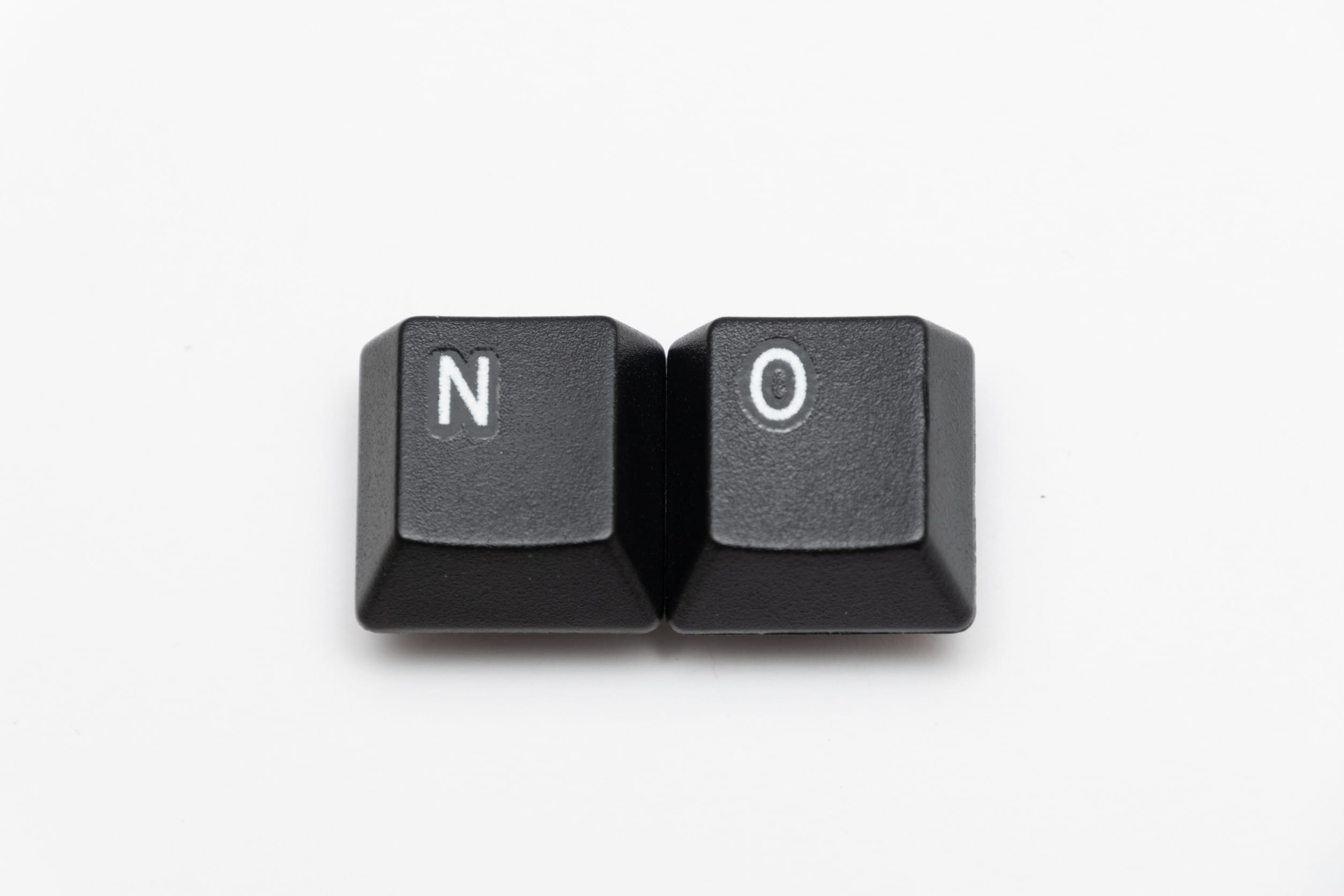
They Observe How You Handle Being Told “No”

Answer is "No."
Image Source: 123rf.com

No one likes being denied something they want, but how you respond when someone sets a boundary reveals a lot about your character. Whether it’s a partner declining an invitation, a friend not agreeing with you, or a colleague rejecting an idea, people take note of how you react. If you become defensive, pushy, or guilt-trip them, it shows a lack of respect for boundaries. However, if you accept their decision gracefully and without resentment, it demonstrates emotional maturity and self-respect, making you a more trustworthy and desirable person to be around.

They Notice Your Reaction to Their Success

Success can bring out the best and worst in people. Whether someone shares a promotion, a personal achievement, or exciting news, they may be watching how you react. If you seem uninterested, competitive, or subtly dismissive, they may see you as unsupportive or insecure. On the other hand, if you celebrate their success genuinely, offer encouragement, and express happiness for them, it reassures them that you are a positive and supportive influence in their life. Many people unconsciously use this test to determine whether their relationships are built on true friendship or hidden jealousy.

They Test Your Patience in Difficult Situations

Life is unpredictable, and how you handle unexpected delays, inconveniences, or stressful moments can reveal a lot about your temperament. Whether it’s getting stuck in traffic, waiting in a long line, or dealing with a minor mistake, people observe your patience level. If you quickly become irritated, snap at others, or complain excessively, it can make them question whether they want to be around that energy long-term. However, if you handle frustrating situations with grace and a sense of humor, it shows emotional stability and adaptability—two highly attractive qualities in any relationship.

They See How You Handle Secrets and Confidential Information

Trust is one of the most important foundations of any relationship, and many people test this without directly stating it. If someone shares a personal detail or a minor secret with you, they may be watching to see if you repeat it to others. Even small pieces of gossip or offhand comments can reveal whether you are trustworthy or someone who talks behind people’s backs. If you respect privacy and keep confidences, it builds trust. If you casually share personal details about others, it signals that you may not be a safe person to confide in.

They Observe How You Act When No One is Watching

Character is defined by what you do when no one is looking. People test this in subtle ways, such as leaving a small mess to see if you clean up after yourself, watching if you put your shopping cart away, or seeing if you return a lost wallet without expecting praise. These small tests help them gauge your integrity and sense of responsibility. If you consistently do the right thing, even when it’s inconvenient, it reassures others that you are someone they can respect and rely on.

They Pay Attention to Your Consistency

Inconsistent behavior is one of the biggest red flags in relationships. Someone may test you by observing whether your words and actions align over time. If you promise something but don’t follow through, or if you treat them differently depending on your mood or circumstances, it signals unreliability. On the other hand, if you are consistent in your behavior—showing up when you say you will, keeping your word, and maintaining a stable personality—it reassures them that you are dependable. Consistency builds trust, and without it, relationships often feel unstable or unreliable.

They Watch How You Handle Other People’s Boundaries

Respecting boundaries is one of the clearest indicators of emotional intelligence. People often test this by setting small boundaries and watching your response. It could be something as simple as saying they don’t like a certain type of joke or asking for space when they’re overwhelmed. If you dismiss their requests, try to push past their limits, or make them feel guilty for having boundaries, it signals that you may not respect personal limits. However, if you acknowledge and honor their boundaries without resistance, it demonstrates emotional awareness and maturity.

Why These Silent Tests Matter in Relationships

Many of these tests happen unconsciously, but they play a major role in how people evaluate relationships. No one wants to be in a friendship, romantic relationship, or professional partnership with someone who is selfish, unreliable, or emotionally immature. While some of these tests might seem unfair, they are often rooted in the need for security, trust, and mutual respect.

Being aware of these silent evaluations can help you become a better partner, friend, or colleague. The key isn’t to over analyze every situation or change yourself to pass someone’s test—it’s to recognize where you might unintentionally be giving off the wrong signals. By being mindful of your reactions, treating others with kindness, and maintaining integrity, you naturally build stronger, more meaningful relationships.

Have you been exposed to any of these silent tests in relationships? How did you do? Tell us in the comments below.

Read More:

6 Subtle Financial Manipulation Tactics Narcissists Use in Relationships

8 Things People Judge You On Within Seconds of Meeting You

Latrice Perez

Latrice is a dedicated professional with a rich background in social work, complemented by an Associate Degree in the field. Her journey has been uniquely shaped by the rewarding experience of being a stay-at-home mom to her two children, aged 13 and 5. This role has not only been a testament to her commitment to family but has also provided her with invaluable life lessons and insights.

As a mother, Latrice has embraced the opportunity to educate her children on essential life skills, with a special focus on financial literacy, the nuances of life, and the importance of inner peace.

Filed Under: relationships Tagged With: body language, Communication, emotional intelligence, human behavior, personal growth, relationship psychology, relationships, social skills, trust

8 Characteristics of An Overbearing Spouse and What to Do If It’s You

March 7, 2025 by Latrice Perez Leave a Comment

Overbearing Spouse
Image Source: 123rf.com

An overbearing spouse often seeks to control aspects of their partner’s daily life, from their schedule to their social interactions. They may dictate how their partner spends their time, who they talk to, or even what they wear. While this might seem like concern or care, it can lead to a loss of autonomy in the relationship. Healthy relationships require mutual respect and space for both partners to make independent decisions.

Constant Criticism and Demeaning Remarks

An overbearing spouse frequently criticizes their partner, sometimes under the guise of “helping them improve.” This criticism can be about anything—appearance, habits, career choices, or parenting styles. Over time, this can erode the other person’s self-esteem and make them feel like they can never meet their spouse’s expectations. Constructive feedback is part of a healthy relationship, but constant negativity is emotionally damaging.

Isolation from Friends and Family

Overbearing spouses may attempt to isolate their partners from loved ones by discouraging social interactions or making their partner feel guilty for spending time with others. This can be done subtly—by making negative comments about friends and family—or more overtly, by controlling when and how their partner interacts with others. Isolation makes it easier for the overbearing partner to maintain control, but it also damages the support system necessary for a healthy relationship.

Unreasonable Jealousy and Possessiveness

Unreasonable Jealousy and Possessiveness
Image Source: 123rf.com

A little jealousy is normal in relationships, but when it becomes excessive, it can lead to controlling behaviors. An overbearing spouse may constantly question their partner’s whereabouts, accuse them of cheating without evidence, or become angry when they spend time with others. This possessiveness stems from insecurity and a need for control rather than genuine concern.

Making Decisions Without Consultation

An overbearing spouse often assumes they know what’s best for the relationship and makes important decisions without discussing them with their partner. This can include major financial choices, parenting decisions, or even career moves. A healthy marriage requires collaboration and mutual respect—decisions should be made together, not unilaterally.

Monitoring and Invasion of Privacy

Trust is fundamental in a relationship, but an overbearing spouse may feel entitled to invade their partner’s privacy. They might snoop through their partner’s phone, emails, or social media accounts, believing that if they have nothing to hide, they won’t mind. This behavior erodes trust and creates a sense of being constantly watched rather than respected.

Undermining Their Partner’s Achievements

Instead of celebrating their partner’s successes, an overbearing spouse may downplay their achievements or make them feel insignificant. This behavior often comes from a place of insecurity—the overbearing spouse may feel threatened by their partner’s success and seek to maintain control by keeping them from feeling too confident or independent.

Using Guilt and Manipulation to Control Behavior

Guilt-tripping and emotional manipulation are common tactics used by overbearing spouses. They might use phrases like “If you really loved me, you wouldn’t do that” or act hurt whenever their partner expresses independence. This kind of emotional coercion creates an unhealthy dynamic where one partner constantly feels responsible for the other’s emotions.

How to Recognize Overbearing Behavior in Yourself

If you recognize these traits in yourself, it’s essential to take steps toward change. Ask yourself:

  • Do I trust my partner to make their own decisions?
  • Do I allow my partner to have friendships and personal space?
  • Do I support my partner’s success without jealousy?

Steps to Improve the Relationship

  • Practice Open Communication: Discuss concerns instead of resorting to control.
  • Respect Boundaries: Allow your partner to have independence.
  • Seek Professional Help: Therapy can help you develop healthier relationship habits.

Relationships thrive on mutual trust, respect, and independence. A controlling dynamic can lead to resentment and emotional distress, but self-awareness and willingness to change can rebuild a strong, supportive partnership.

Have you been in a relationship with an overbearing person? Were you the one in the relationship that was overbearing? What steps did you take to change? Let us know in the comments below.

Read More:

Breaking Free After 50: 12 Relationship Norms to Toss Out the Window

Why Everyone In Your Family Is Successful Except You

Latrice Perez

Latrice is a dedicated professional with a rich background in social work, complemented by an Associate Degree in the field. Her journey has been uniquely shaped by the rewarding experience of being a stay-at-home mom to her two children, aged 13 and 5. This role has not only been a testament to her commitment to family but has also provided her with invaluable life lessons and insights.

As a mother, Latrice has embraced the opportunity to educate her children on essential life skills, with a special focus on financial literacy, the nuances of life, and the importance of inner peace.

Filed Under: relationships Tagged With: Communication, controlling behavior, emotional intelligence, healthy boundaries, marriage advice, personal growth, Relationship Advice, relationship health, relationships, toxic relationships

Love Languages Are a Lie – Here’s What You Should Pay Attention to Instead

March 7, 2025 by Latrice Perez Leave a Comment

Loving Couple
Image Source: 123rf.com

For years, people have turned to the concept of love languages as the ultimate solution for relationship success. The idea, popularized by Dr. Gary Chapman in his book The Five Love Languages, suggests that people express and receive love in five primary ways: words of affirmation, acts of service, receiving gifts, quality time, and physical touch. While this framework has helped many couples understand each other better, it is also deeply flawed. Relationships are far more complex than a simple category system, and relying on love languages alone can create unrealistic expectations. Instead of focusing on fitting into a predefined category, couples should pay attention to deeper emotional needs, communication patterns, and personal growth within the relationship.

Love Is More Than Just a Category

One of the biggest problems with love languages is that they encourage people to put themselves and their partners into fixed categories. Someone may say, “My love language is quality time,” and expect their partner to prioritize that above all else. But love is not static—it changes over time. A person who values physical touch today may find that acts of service become more meaningful in the future.

Life events, personal growth, and evolving relationship dynamics all influence how people express and receive love. Sticking to one category can limit emotional connection instead of strengthening it. Instead of treating love as a one-size-fits-all formula, couples should focus on adapting to each other’s changing needs.

Emotional Intelligence Matters More

Understanding your partner’s emotions in real time is far more important than memorizing a list of love languages. Emotional intelligence—the ability to recognize, understand, and respond to emotions—is what truly makes relationships thrive.

Many people use love languages as a way to demand love in a certain way rather than recognizing how their partner naturally expresses it. Instead of saying, “You didn’t show me love today because you didn’t give me words of affirmation,” a healthier approach would be to ask, “How was your day?” or “What’s been on your mind lately?” Real love requires emotional awareness and responsiveness, not just checking off boxes on a list.

Unspoken Acts of Care Build Stronger Bonds

Love languages tend to focus on direct actions that prove love, but much of what makes relationships strong happens in the small, unspoken moments. A partner may not shower you with verbal praise, but they might bring you a cup of coffee every morning without fail. They might not prioritize physical touch, but they always make sure you get home safely.

These subtle, everyday actions often carry more weight than grand gestures that fit neatly into a love language category. When couples focus only on what they believe their love language should be, they risk overlooking the ways their partner already expresses love in unique and meaningful ways.

Communication and Adaptability Are Key

Communication
Image Source: 123rf.com

Rather than focusing on predetermined love languages, couples should prioritize open and honest communication. Asking, “What can I do to make you feel loved right now?” is far more effective than assuming one approach will always work. Love requires adaptability, especially during different life stages.

A partner going through a stressful time at work might not respond to affection the same way they did when life was easier. A couple with young children may have less time for quality time but more appreciation for acts of service. Healthy relationships are built on a willingness to understand and adjust to each other’s needs as they evolve.

Love Languages Can Encourage Entitlement

While love languages are meant to foster understanding, they sometimes have the opposite effect. Many people use their love language as a way to demand that their partner love them in a specific way, rather than appreciating the love they already receive.

For example, someone whose love language is receiving gifts may feel unappreciated if their partner doesn’t frequently buy things for them, even if their partner is showing love in other ways. This entitlement can lead to resentment and disappointment, making one or both partners feel like they are failing at meeting an impossible standard. Instead of focusing on how love is received, couples should focus on how love is given and valued in different forms.

What to Pay Attention to Instead

Instead of relying on love languages, focus on how your partner reacts to different expressions of care. Pay attention to what makes them feel appreciated, how they handle stress, and what actions make a real impact on their happiness. Ask direct questions such as, “What makes you feel supported?” or “What’s the best way I can show you love this week?” These types of conversations create a deeper emotional connection than simply assigning a label to each other.

Another key factor in relationship success is recognizing and addressing conflicts effectively. Many couples rely on love languages to avoid deeper relationship issues. For example, someone who feels neglected might assume that their partner just isn’t speaking their love language, when in reality, the issue could be deeper, such as emotional disconnection, lack of trust, or unresolved conflicts. Instead of trying to fit love into a neat category, couples should work on improving communication, strengthening trust, and being emotionally available for one another.

True Connection is Fluid

Genuine connection isn’t about following a specific rule book—it’s about adapting to your partner’s needs as they evolve. The healthiest relationships are built on continuous effort, not just predefined categories of affection. Real love is about showing up for your partner in ways that matter to them at any given time, not just the ways that fit within a designated love language. People are not static, and neither are relationships. Successful couples recognize that love is an ongoing conversation, not a formula.

Rethinking the Love Language Theory

While love languages can be a helpful starting point, they shouldn’t dictate how relationships function. Love is complex, ever-changing, and deeply personal. Rather than focusing on meeting a predefined expectation, couples should focus on understanding, communication, and emotional intelligence. When people stop limiting love to five categories and start embracing the depth and unpredictability of human connection, they can build relationships that are stronger, more fulfilling, and more authentic.

Do you believe in the love languages? Have you made your own rule book for your relationship? What has worked best for you? Tell us in the comments below.

Read More:

10 Signs Your Relationship Is Based On Financial Gain and Not Love

7 Ways to Break Free from a Trauma Bond (Even When It Feels Impossible)

Latrice Perez

Latrice is a dedicated professional with a rich background in social work, complemented by an Associate Degree in the field. Her journey has been uniquely shaped by the rewarding experience of being a stay-at-home mom to her two children, aged 13 and 5. This role has not only been a testament to her commitment to family but has also provided her with invaluable life lessons and insights.

As a mother, Latrice has embraced the opportunity to educate her children on essential life skills, with a special focus on financial literacy, the nuances of life, and the importance of inner peace.

Filed Under: relationships Tagged With: Communication, emotional intelligence, love languages, marriage advice, personal development, relationship growth, relationship myths, relationship psychology, relationships, self-awareness

7 Traits Successful Women Look for (And Why You Might Not Make the Cut)

March 3, 2025 by Latrice Perez Leave a Comment

Successful Women
Image Source: 123rf.com

There’s a reason why successful women don’t settle for just anyone. Whether they’re thriving in their careers, managing their finances with precision, or confidently navigating life, these women know their worth—and they expect the same level of drive and ambition from a partner. If you’ve ever wondered why high-achieving women seem to have impossibly high standards, it’s because they’re looking for more than just charm or good looks. They want qualities that align with their goals, values, and future. If you’re not bringing these traits to the table, you might not make the cut.

Emotional Intelligence That Matches Their Own

A successful woman isn’t just looking for someone who listens—she’s looking for someone who understands. Emotional intelligence goes beyond hearing her problems; it’s about showing empathy, reading between the lines, and responding with genuine support. If you struggle to recognize emotions, shut down during conflicts, or dismiss her feelings as overreactions, you’ll quickly find yourself left behind. She needs a partner who can handle deep conversations, communicate effectively, and offer emotional stability in the chaos of life.

An Ambition That Goes Beyond Talk

Drive is attractive, but only when it’s backed by action. Successful women don’t have time for empty promises, pipe dreams, or a “someday” mentality. They are building careers, launching businesses, and setting financial goals, and they expect a partner who is equally motivated. If you’re content with mediocrity, lack clear goals, or constantly talk about plans you never follow through on, she’ll see right through it. Ambition isn’t just about dreaming big—it’s about making things happen, even in small ways, every single day.

Financial Stability Without the Excuses

Money isn’t everything, but financial recklessness is a red flag. A successful woman has worked hard to build security for herself, and she won’t risk her future on someone who can’t manage their own finances. She doesn’t need a millionaire, but she does need someone who understands budgeting, saving, and planning for the future. If you’re constantly living paycheck to paycheck by choice, racking up debt with no plan to pay it off, or refusing to take financial responsibility, you might not make the cut. She wants a partner, not a financial burden.

Confidence Without Arrogance

Confident Man
Image Source: 123rf.com

There’s a fine line between confidence and entitlement, and successful women can spot the difference immediately. She’s not looking for someone who constantly brags, demands attention, or treats others with condescension. True confidence comes from self-assurance, not the need for validation. She wants someone who knows his worth, pursues his goals fearlessly, and carries himself with quiet strength. If insecurity drives you to seek external approval or you crumble in the face of challenge, she’ll recognize it as a weakness—not an endearing trait.

A Growth Mindset That Matches Hers

A stagnant mindset is a dealbreaker for a woman who is constantly evolving. She seeks out challenges, learns from failure, and pushes herself to be better. If you resist change, refuse to take accountability, or believe that personal growth is unnecessary, you won’t be able to keep up with her. A successful woman doesn’t want to drag someone along—she wants a partner who is already on a journey of self-improvement. Whether it’s reading, learning new skills, or challenging outdated beliefs, she’s drawn to those who embrace growth rather than fear it.

Respect That Goes Beyond Words

Respect isn’t just about saying the right things—it’s about consistent action. A successful woman won’t tolerate being belittled, controlled, or treated as anything less than an equal. She expects her voice to be heard, her achievements to be acknowledged, and her boundaries to be respected. If you find yourself dismissing her opinions, underestimating her capabilities, or feeling threatened by her independence, she’ll recognize it immediately. Real respect means celebrating her successes, supporting her ambitions, and valuing her as a partner, not a possession.

Independence That Complements, Not Competes

A woman who has built success on her own doesn’t need someone to complete her—she wants someone who adds value to her life. She’s looking for a partner who has his own passions, interests, and identity outside of the relationship. If you rely on her for happiness, constantly seek validation, or expect her to slow down for you, she’ll lose interest. Independence isn’t about pushing each other away; it’s about building a relationship where two strong individuals thrive together without losing themselves in the process.

At the end of the day, successful women don’t expect perfection, but they do expect effort. They know that the right partner will challenge them, inspire them, and walk beside them—not hold them back. If you’re missing these traits, it’s not about changing who you are for someone else, but about asking yourself if you’re truly ready for a woman who refuses to settle.

Have you realized you didn’t meet the expectations of a successful woman that you were pursuing? Did you make any changes? Let me know in the comments.

Read More:

The Secrets of Self-Made Millionaire Women: 6 Tips You Can Steal

Women Over 30: These 10 Types of Men Make for the Worst Husbands

Latrice Perez

Latrice is a dedicated professional with a rich background in social work, complemented by an Associate Degree in the field. Her journey has been uniquely shaped by the rewarding experience of being a stay-at-home mom to her two children, aged 13 and 5. This role has not only been a testament to her commitment to family but has also provided her with invaluable life lessons and insights.

As a mother, Latrice has embraced the opportunity to educate her children on essential life skills, with a special focus on financial literacy, the nuances of life, and the importance of inner peace.
Filed Under: Relationships & Money Tagged With: ambition, confidence, Dating Advice, emotional intelligence, Financial Stability, personal growth, relationship standards, successful women

  • « Previous Page
  • 1
  • 2
  • 3

Follow Us

Search this site:

Recent Posts

  • Can My Savings Account Affect My Financial Aid? by Tamila McDonald
  • 12 Ways Gen X’s Views Clash with Millennials… by Tamila McDonald
  • What Advantages and Disadvantages Are There To… by Jacob Sensiba
  • 10 Tactics for Building an Emergency Fund from Scratch by Vanessa Bermudez
  • Call 911: Go To the Emergency Room Immediately If… by Stephen Kanaval
  • 7 Weird Things You Can Sell Online by Tamila McDonald
  • 10 Scary Facts About DriveTime by Tamila McDonald

Copyright © 2026 · News Pro Theme on Genesis Framework