Image Source: Shutterstock.com
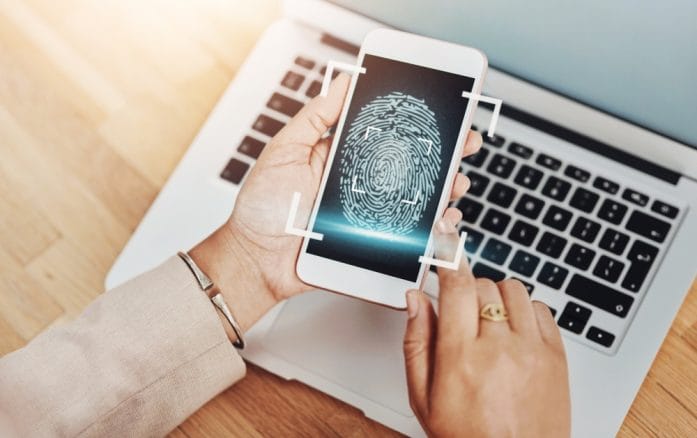
A password can be forgotten. A PIN can be changed. A face or fingerprint? That sticks for life, and that reality changes the stakes in a big way. Banks and tech companies have raced toward biometric authentication with confidence, promising faster logins, tighter security, and a future that feels almost frictionless.
Yet, 2026 brings a growing unease that refuses to stay quiet, as fraud tactics evolve just as quickly as the technology meant to stop them. That tension sits at the center of modern banking, where convenience and risk now share the same screen.
Your Face Is the Password Now—and That Changes Everything
Biometric banking sounds like a dream on the surface, and the appeal lands instantly. A quick face scan unlocks an account, a fingerprint confirms a payment, and the entire process feels smooth and futuristic without the mental load of remembering dozens of passwords. Financial institutions have leaned heavily into this shift because biometric identifiers tie directly to individuals, which makes them harder to replicate than traditional credentials. That promise of uniqueness has driven widespread adoption across mobile banking apps and payment platforms.
That same uniqueness creates a serious problem when something goes wrong. A compromised password can be reset in minutes, but a compromised fingerprint or facial scan does not come with an easy reset button. Fraudsters have started targeting the systems behind biometric authentication rather than the physical traits themselves, which changes the battlefield entirely. Data breaches that expose biometric templates raise long-term risks because those identifiers stay permanent. Banks often store encrypted versions of biometric data, yet attackers constantly search for ways to exploit storage systems or intercept authentication processes.
Fraudsters Aren’t Guessing Passwords Anymore
The modern fraud playbook looks very different from the old days of weak passwords and obvious scams. Cybercriminals now use advanced tools like deepfake technology to trick facial recognition systems, and that shift has forced banks to rethink how they verify identity. High-quality synthetic videos and images can mimic real people with unsettling accuracy, which creates new vulnerabilities in systems that rely heavily on visual confirmation. This tactic doesn’t just exist in theory, as security researchers and industry reports have documented real attempts to bypass biometric safeguards using manipulated media.
Attackers also combine biometric fraud with social engineering, which adds another layer of risk. They might gather personal data from multiple sources, then use that information to build convincing profiles that slip past security checks. In some cases, fraudsters exploit weaknesses in multi-factor authentication systems by targeting the human element rather than the technology itself. That approach often works because people trust biometric systems and may lower their guard when a device appears to recognize them instantly. The result creates a dangerous mix of confidence and vulnerability that fraudsters know how to exploit.
Convenience vs. Control: The Trade-Off Nobody Talks About Enough
Biometric banking offers speed and simplicity, but it also asks for a level of trust that deserves closer attention. Users hand over highly sensitive data in exchange for convenience, and that trade-off deserves careful thought before hitting “enable” on every feature. Financial institutions often emphasize security benefits, yet the broader conversation about data ownership and control still feels incomplete. Once biometric data enters a system, individuals lose a degree of control over how that data gets stored, used, and protected.
That lack of control becomes more concerning when third-party vendors enter the picture. Many banks rely on external technology providers to power biometric systems, which creates additional points of vulnerability. Each connection in that chain introduces potential risks, especially if security standards vary across providers. Transparency becomes critical in this environment, yet many users don’t fully understand where their data goes or how companies safeguard it. A thoughtful approach involves asking questions, reviewing privacy policies, and staying informed about how institutions handle biometric information. That awareness helps balance convenience with a stronger sense of control.
The Tech Is Smart, But It’s Not Perfect
Biometric systems have improved significantly, yet no technology delivers flawless performance. False positives and false negatives still occur, and those errors can create both security risks and frustrating user experiences. A system might mistakenly grant access to the wrong person or lock out the rightful account holder, and neither outcome inspires confidence. Developers continue refining algorithms to reduce these errors, but real-world conditions like lighting, camera quality, and environmental factors can still impact accuracy.
Fraudsters take advantage of those imperfections by testing system limits and identifying weak points. They experiment with different methods until something works, which mirrors how hackers approach any security system. That constant pressure forces banks to update and strengthen their defenses, but it also highlights the ongoing nature of the challenge. Security doesn’t stand still, and neither do the people trying to break it. A layered approach that combines biometrics with additional verification steps can reduce risk, especially for high-value transactions. Relying on a single method, no matter how advanced, rarely provides complete protection.
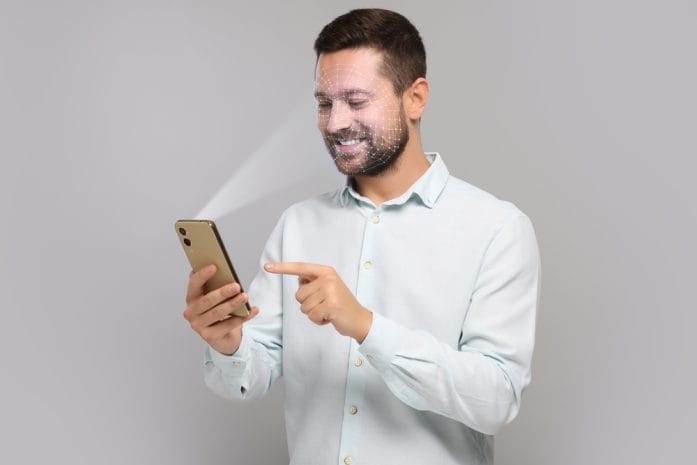
Image Source: Shutterstock.com
How to Stay Sharp in a Biometric World
Smart habits still matter, even in a world that promises effortless security. Enabling multi-factor authentication adds an extra layer of protection, especially when it includes something beyond biometrics, such as a secure device or one-time code. Keeping devices updated also plays a critical role, since software updates often include important security fixes that address newly discovered vulnerabilities. Skipping those updates can leave systems exposed in ways that feel invisible until something goes wrong.
Monitoring financial accounts regularly helps catch unusual activity early, which can make a significant difference in limiting damage. Many banks offer real-time alerts for transactions, and turning those notifications on provides immediate awareness of account activity. Choosing strong device security settings, such as passcodes or encryption, adds another layer of defense that supports biometric systems rather than replacing them. Taking time to understand how a bank handles biometric data can also guide smarter decisions about which features to use. Staying informed and proactive creates a stronger defense than relying on any single piece of technology.
Regulation, Responsibility, and the Road Ahead
Governments and regulatory bodies have started paying closer attention to biometric data, and that focus reflects the growing importance of privacy and security in financial systems. Laws and guidelines aim to set standards for how companies collect, store, and use biometric information, which helps create a more consistent level of protection. However, regulations often struggle to keep pace with rapid technological change, which leaves gaps that both companies and consumers must navigate carefully.
Financial institutions carry significant responsibility in this space, and their choices shape how safe biometric banking feels in everyday use. Strong encryption, transparent policies, and continuous security testing all play a role in building trust. At the same time, individuals hold power through their own decisions about which features to use and how much data to share. A balanced approach that combines institutional accountability with personal awareness offers the best path forward. The future of biometric banking will depend on how well both sides adapt to evolving risks.
The Security Question That Won’t Go Away
Biometric banking delivers undeniable convenience, yet it also introduces risks that demand attention and awareness. The technology continues to evolve, and so do the tactics designed to exploit it, which creates a constant push-and-pull between innovation and security. A thoughtful approach doesn’t reject biometrics outright, but it also doesn’t accept them blindly without considering the bigger picture. Smart decisions, layered protections, and ongoing awareness can turn a powerful tool into a safer one.
So where does the balance land between convenience and control when it comes to financial security? Drop your thoughts, strategies, or even close calls in the comments and get the conversation going.
You May Also Like…
5 Budgeting Apps That Integrate With Biometric Banking
5 Outrageous Fees Hidden in Everyday Banking Services
How Can Small Banking Errors Snowball Into Huge Losses
The Hidden Dangers of Biometric Login Features on Your Phone
4 Bold Predictions About The Future of Personal Finance Technology

Brandon Marcus is a writer who has been sharing the written word since a very young age. His interests include sports, history, pop culture, and so much more. When he isn’t writing, he spends his time jogging, drinking coffee, or attempting to read a long book he may never complete.
Leave a Reply