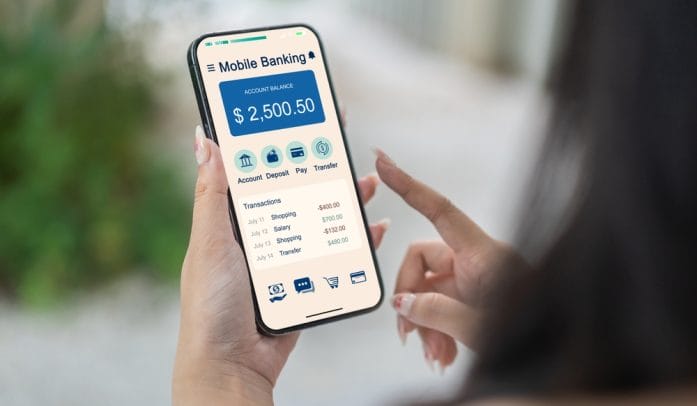
Bank apps now sit at the center of daily financial life, and millions of Americans open them every single day without even thinking twice. The habit has shifted from occasional balance checks to constant monitoring, and the reasons stretch far beyond shopping or bill payments. In 2026, financial anxiety, smarter technology, and faster-moving money systems all push people toward frequent account check-ins.
The behavior reflects a new era where money feels more digital, immediate, and unpredictable than ever before. This trend reveals a deeper story about trust, control, and the modern economy.
Digital Banking Alerts Changed the Game Completely
Mobile banking apps now push notifications for every swipe, deposit, and subscription charge, which keeps financial activity constantly visible. These alerts create a real-time feedback loop that encourages people to open their accounts repeatedly throughout the day. Banks also design apps to highlight spending patterns, upcoming bills, and account changes in bold, attention-grabbing formats. That constant stream of updates makes financial awareness feel like part of everyday scrolling habits. Over time, checking balances becomes less of a decision and more of a reflex triggered by notifications.
Technology companies and financial institutions also compete to keep users engaged, and that competition shapes user behavior in subtle ways. Features like instant transaction updates, spending summaries, and predictive balance warnings pull attention back into the app again and again. Many people now feel a strong need to confirm that transactions went through correctly, especially after using tap-to-pay systems. That reassurance loop strengthens the habit of checking accounts multiple times per day. What once required a bank visit now happens in seconds, and that speed fuels even more frequent monitoring.
Rising Fraud Fears Keep Financial Eyes Wide Open
Fraud concerns play a huge role in daily banking checks, especially as digital scams grow more sophisticated each year. Cybercriminals now use cloned websites, fake subscription charges, and automated phishing attempts that target everyday users. People respond by checking accounts more often to catch suspicious activity early before damage spreads. That behavior reflects a shift in mindset where financial vigilance feels necessary rather than optional. Trust in digital systems exists, but constant verification now shares the spotlight.
Banks report increasing cases of unauthorized transactions, which pushes consumers to stay alert throughout the day. Even small unfamiliar charges trigger immediate account reviews, especially when tied to subscription services or trial offers. Many users now treat their banking apps like security dashboards instead of simple balance tools. That change reflects a broader cultural shift toward personal responsibility for financial safety. The more digital money becomes, the more people rely on frequent checks to feel protected.
Budgeting Culture Turns Into a Daily Financial Routine
Budgeting apps and banking tools now encourage users to track every expense in real time, which reinforces daily account checking habits. People set spending limits, categorize purchases, and monitor cash flow with a level of detail that previous generations never experienced. This constant visibility turns financial management into a daily routine instead of a monthly task. Many users adjust their behavior mid-day after seeing spending updates, which further increases app engagement. That loop creates a strong connection between awareness and action.
Social media also plays a role by popularizing budgeting trends like cash stuffing, no-spend challenges, and weekly money resets. These trends encourage people to stay constantly aware of their balances and spending categories. Financial discipline now spreads through short videos and posts that make budgeting feel interactive and social. That visibility drives more frequent account checks as people compare habits and track progress. The result turns personal finance into a daily performance rather than a private monthly review.

Economic Pressure Makes Every Dollar Feel More Important
Inflation shifts, interest rate changes, and unpredictable costs make many households more sensitive to small financial changes. People now monitor accounts closely to catch rising expenses before they spiral out of control. Grocery bills, utility costs, and subscription services all fluctuate more frequently, which increases the need for constant oversight. That pressure creates a mindset where every dollar matters in real time. Financial awareness becomes a survival tool rather than just a planning habit.
Wage growth does not always keep pace with rising expenses, which adds another layer of urgency to daily account monitoring. Many households track deposits and withdrawals carefully to avoid overdrafts or missed payments. Unexpected costs, such as medical bills or car repairs, push people to check balances multiple times per day during stressful periods. That behavior reflects a desire to stay ahead of financial surprises instead of reacting after the fact. Economic uncertainty strengthens the habit of staying connected to banking apps throughout the day.
Real-Time Money Culture Redefines Financial Control
Instant payments, peer-to-peer transfers, and digital wallets now move money faster than traditional banking ever allowed. That speed creates a culture where financial activity feels continuous rather than periodic. People no longer wait for statements because every transaction appears instantly on their phones. That immediacy encourages repeated checking as users verify every movement in real time. Financial life now operates on a live feed rather than a delayed report.
This real-time system also changes how people think about control and stability. Frequent account checks create a sense of control, even when external conditions remain uncertain. Many users associate visibility with security, which reinforces the habit further. Financial institutions design interfaces that highlight clarity and transparency to support that expectation. As a result, checking accounts daily becomes less about curiosity and more about maintaining a sense of stability in a fast-moving financial world.
The New Normal of Financial Awareness in 2026
Daily banking checks now reflect a combination of technology, psychology, and economic pressure working together. People use banking apps not just for transactions but for reassurance, planning, and protection. The habit continues to grow as digital finance becomes more integrated into everyday life. Financial awareness now operates at a constant pace that matches the speed of modern money movement. This shift shows how deeply financial behavior has adapted to a connected, always-on economy.
What do you think—does checking bank accounts daily feel like smart control or digital overload in today’s world?
You May Also Like…
The New Banking Trend That Could Make Paper Checks Harder to Use
IRS Won’t Automatically Reissue Paper Checks for Rejected Direct Deposits—You Must Update Bank Info
10 Warning Signs Your Banking App Was Compromised
Medicare’s Fast-Track Review Standard: Why Some Requests Must Be Approved or Denied Within 72 Hours
5 Digital Banking Changes That May Be Adding New Fees Without Notice

Brandon Marcus is a writer who has been sharing the written word since a very young age. His interests include sports, history, pop culture, and so much more. When he isn’t writing, he spends his time jogging, drinking coffee, or attempting to read a long book he may never complete.
.png)
Leave a Reply