
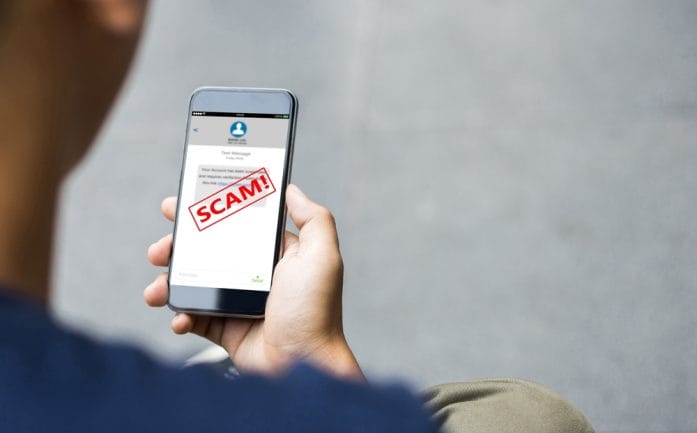
Scammers have shifted tactics in a big way, and text messages now sit at the center of their strategy. One of the fastest-growing tricks involves fake alerts about “account access,” designed to trigger panic and quick action. Seniors increasingly receive these messages because criminals see them as more likely to respond without digging into the details. These scams often look official, using familiar brand names, urgent language, and convincing formatting. The goal always stays the same: steal personal information before the target has time to think twice.
Digital communication has made life more convenient, but it has also opened new doors for fraud. Scammers no longer need advanced hacking skills when a well-written text can do the job. Many of these messages mimic banks, delivery services, or government agencies. The urgency in the wording pushes recipients to click links or call fake support numbers.
Fake “Account Access” Alerts Trigger Instant Panic Responses
Scammers design these messages to feel urgent and alarming, often claiming that someone accessed an account without permission. They rely on emotional pressure because panic weakens careful thinking. Many texts include phrases like “suspicious login detected” or “your account has been locked.” These statements push recipients to act fast instead of verifying the message. Seniors often trust official-looking warnings, which increases the success rate of these scams.
The messages usually include a link or a phone number that leads directly to criminals. Clicking the link can install malware or lead to a fake login page that steals credentials. Calling the number connects victims to scammers pretending to be support agents. These criminals use scripted conversations to extract sensitive details like passwords or banking information. The entire setup aims to simulate legitimate security alerts while quietly stealing access.
Why Seniors Become Prime Targets for These Scams
Scammers often target older adults because they expect higher trust levels in digital communications. Many seniors grew up in an era when official messages rarely arrived through text, which makes modern scams feel more believable. Criminals also assume that older individuals may not track every account activity notification closely. That assumption leads them to craft messages that sound helpful rather than suspicious. They exploit politeness, urgency, and respect for authority to gain control of the interaction.
Another reason involves financial stability, since scammers believe seniors may have more accessible savings. They also take advantage of emotional triggers like fear of account loss or frozen funds. Many seniors prefer resolving issues quickly rather than navigating complex digital systems. That behavior plays directly into scam tactics that demand immediate action. Criminals carefully study these patterns and adjust their messaging to match expected reactions.
How “Account Access” Text Scams Actually Work Step by Step
These scams typically begin with a simple text claiming unusual account activity or login attempts. The message often includes branding from banks, streaming services, or government portals. Once the target clicks the provided link, a fake website opens that closely mirrors a real login page. Entering credentials on that page sends the information directly to scammers. That moment gives criminals full access to accounts without raising immediate alarms.
Some versions of the scam escalate further by adding follow-up calls or additional texts. Scammers may pose as customer service representatives to reinforce the illusion of legitimacy. They guide victims through fake “security verification” steps designed to collect even more personal data. In some cases, they convince individuals to share one-time passcodes sent by real institutions. That final step often gives scammers complete control over financial accounts.
Warning Signs That Reveal a Fake Account Alert Instantly
Urgent language serves as the first major red flag in these scams. Legitimate companies rarely demand immediate action through text messages without prior notice. Suspicious links that use shortened URLs or unusual domains also signal danger. Grammar mistakes or awkward phrasing often appear in scam messages, even when they try to sound official. These inconsistencies reveal that criminals rushed the message rather than following professional communication standards.
Another warning sign appears when the message requests sensitive information directly. No legitimate institution asks for passwords, PINs, or verification codes through text. Unexpected notifications about account locks or security breaches should trigger caution rather than panic. Contacting the company directly using official channels helps confirm whether the alert holds any truth. Careful verification always beats fast reaction when dealing with potential fraud.
Steps That Shut Down These Scams Before Damage Happens
Blocking unknown numbers helps reduce exposure to repeated scam attempts. Enabling spam filters on mobile devices also prevents many fraudulent messages from reaching inboxes. Seniors benefit from setting up two-factor authentication on financial and email accounts to add another layer of protection. That extra step prevents criminals from logging in even if they steal a password. Regularly reviewing account activity helps catch suspicious behavior early.
Education plays a powerful role in stopping these scams from succeeding. Families who discuss common fraud tactics create stronger defense systems at home. Reporting suspicious messages to banks or service providers helps improve fraud detection systems. Deleting scam texts without engaging reduces the chance of accidental interaction. Consistent awareness builds a strong barrier against evolving digital threats.
Avoiding Digital Fraud Without Losing Peace of Mind
Scammers continue refining their tactics, but awareness consistently disrupts their success rate. Seniors who recognize fake urgency and verify messages independently reduce their risk significantly. Technology offers tools that help block, filter, and detect suspicious activity before damage occurs. Simple habits like pausing before clicking links make a major difference in safety outcomes. Staying informed turns digital communication into a safer, more manageable experience.
What steps do you think make the biggest difference when protecting against scam texts like these? Let’s hear your thoughts and helpful advice in the comments below.
You May Also Like…
New York’s Rent-Audit Increase: Why More Seniors Are Getting Verification Letters
Georgia Seniors Are Paying More Due to Ad Valorem Rules on Vehicle Purchases
8 Subtle Illusions Used by Scammers in Investment Offers
How Scammers Are Using Stolen License Plates to Frame Innocent People

Brandon Marcus is a writer who has been sharing the written word since a very young age. His interests include sports, history, pop culture, and so much more. When he isn’t writing, he spends his time jogging, drinking coffee, or attempting to read a long book he may never complete.
.png)
Leave a Reply