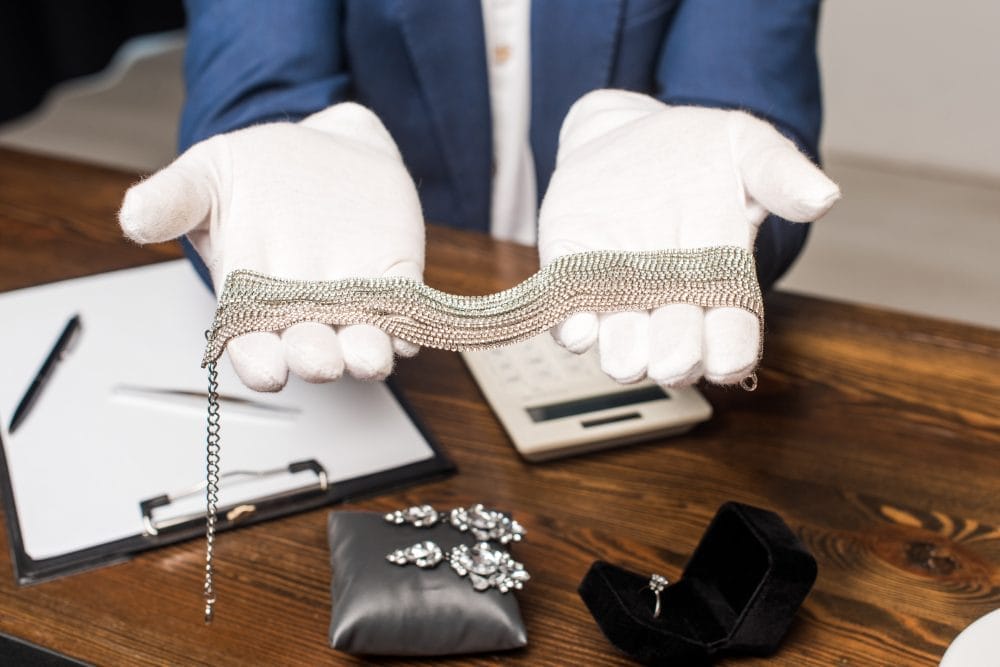
Pawn shops have long been portrayed as mysterious places where people trade valuables for quick cash. While many see them as last-resort lenders, the reality is far more complex than the reputation suggests. For some, pawn shops offer a lifeline during financial struggles, while for others, they represent hidden costs and surprising risks. Understanding how they operate can protect you from costly mistakes and help you make smarter financial decisions. Here are eight shocking truths about pawn shops that everyone should know before walking through the door.
1. Interest Rates Can Be Sky-High
One of the most shocking truths about pawn shops is the cost of borrowing money. Pawn loans typically carry interest rates much higher than traditional lenders, sometimes exceeding 200 percent annually when fees are included. While the amounts may seem small at first, the charges add up quickly if the loan isn’t repaid on time. This makes pawning a risky financial move for anyone already struggling to stay afloat. It’s crucial to weigh whether the short-term relief is worth the long-term expense.
2. Items Are Valued Far Below Market Price
Another hidden truth about pawn shops is how little you’ll actually receive for your items. Pawnbrokers often value goods at a fraction of their retail worth, sometimes only 25 to 50 percent. This practice protects the shop in case the item must be resold. While the cash may help in an emergency, the trade-off can feel disappointing for those expecting more. Knowing the true resale value of your belongings helps set realistic expectations before pawning.
3. Not All Pawn Shops Are Equal
People often assume all pawn shops work the same way, but policies vary widely. Some shops are regulated more strictly depending on state laws, while others have more flexibility in setting fees. This means two shops in the same city could offer drastically different deals. Shopping around can make a big difference in how much you walk away with. Comparing terms is one of the smartest ways to avoid overpaying in fees or underselling your valuables.
4. Many Customers Never Reclaim Their Items
One surprising truth about pawn shops is how many items never return to their original owners. A large percentage of pawn loans go unpaid, leading shops to sell the items to recover costs. For sentimental or valuable possessions, this can be heartbreaking. It’s easy to underestimate how difficult repayment can become once fees and interest pile up. Carefully considering your ability to repay before pawning is essential to avoid permanent loss.
5. Pawn Shops Can Be a Bargain Hunter’s Paradise
While some shocking truths about pawn shops are negative, others can benefit savvy shoppers. Items forfeited by borrowers often end up for sale at a fraction of their retail price. Electronics, jewelry, and tools are common finds that can be purchased well below store cost. Bargain hunters who do their homework can walk away with valuable deals. Still, it pays to verify authenticity and condition before making a purchase.
6. Pawning Doesn’t Affect Your Credit Score
Unlike credit cards or loans from banks, pawn shop transactions don’t show up on your credit report. This is one of the more surprising truths about pawn shops, as it means both missed payments and successful repayments won’t impact your score. While this shields you from credit damage, it also prevents you from building credit. Essentially, the transaction remains entirely between you and the pawnbroker. This unique feature makes pawn loans appealing to some but limiting to others.
7. Jewelry Is the Most Commonly Pawned Item
Of all the goods exchanged at pawn shops, jewelry tops the list. Gold, silver, and precious stones are easily valued and resold by shops, making them popular forms of collateral. Families often pawn heirlooms or wedding rings during financial hardship, which adds an emotional weight to the process. Because jewelry tends to hold consistent value, shops often prefer it over electronics or other goods. This trend reveals how deeply personal pawning can become for many customers.
8. They’re More Regulated Than You Think
Despite their shady portrayal in movies, pawn shops are heavily regulated in most states. Many are required to keep detailed records, verify customer identity, and even work with law enforcement to prevent the sale of stolen goods. While not perfect, these safeguards make transactions more secure than people often realize. The shocking truth is that pawn shops are more transparent than their reputation suggests. Still, it’s important to research local laws to know what protections exist in your area.
The Hidden World Behind Pawn Shop Counters
Pawn shops might seem like simple money-for-goods exchanges, but the reality is full of surprises. From high interest rates and undervalued items to bargain shopping opportunities and strict regulations, the truth is far more complex. By understanding how pawn shops really work, you can avoid costly mistakes and even spot hidden benefits. The key is to approach with caution, clear expectations, and a focus on long-term financial health.
Have you ever had an eye-opening experience with pawn shops? Share your story and insights in the comments below!
What to Read Next…
- 5 Surprising Risks of Keeping Large Savings at Home
- 7 Outrageous Truths About Medical Debt
- 9 Hidden Costs of Switching Banks Nobody Warns You About
- 6 Weird Costs of Collecting Antiques
- 9 Strange Assets That Rarely Pay Off (Unless You’re Extremely Lucky)

Catherine is a tech-savvy writer who has focused on the personal finance space for more than eight years. She has a Bachelor’s in Information Technology and enjoys showcasing how tech can simplify everyday personal finance tasks like budgeting, spending tracking, and planning for the future. Additionally, she’s explored the ins and outs of the world of side hustles and loves to share what she’s learned along the way. When she’s not working, you can find her relaxing at home in the Pacific Northwest with her two cats or enjoying a cup of coffee at her neighborhood cafe.
.png)
Leave a Reply