• Home
  • About Us
  • Toolkit
  • Getting Finances Done
    • Hiring Advisors
    • Debt Management
    • Spending Plan
  • Insurance
    • Life Insurance
    • Health Insurance
    • Disability Insurance
    • Homeowners/Renters Insurance
  • Contact Us
  • Privacy Policy
  • Risk Tolerance Quiz

The Free Financial Advisor

You are here: Home / Archives for relationships

6 Embarrassing Reasons Couples Have Decided to Get Married Even Though They Shouldn’t

March 21, 2025 by Latrice Perez Leave a Comment

bride and groom holding hands in a ring

Image Source: 123rf.com

Marriage should be based on love, commitment, and shared values. But sometimes, couples tie the knot for all the wrong reasons—some of which are downright embarrassing. Whether it’s pressure from family, fear of being alone, or even a drunken dare, these impulsive decisions often lead to regret. While some marriages survive bad beginnings, others crumble under the weight of these misguided choices. Here are six of the most embarrassing reasons people have walked down the aisle, even when they knew they shouldn’t.

1. They Didn’t Want to Waste the Wedding Deposits

Planning a wedding is expensive, and once deposits are paid, they’re often non-refundable. Some couples realize they aren’t right for each other but go through with the wedding anyway—just because they don’t want to waste the money. Instead of calling it off and facing the financial loss, they figure they might as well go through with it. Unfortunately, a wedding doesn’t fix a failing relationship, and the cost of divorce is often much higher than those lost deposits. Marriage should never be a financial obligation, yet many couples have fallen into this trap.

2. They Were Too Embarrassed to Call It Off

Breaking off an engagement is tough, especially when family and friends are already excited about the wedding. Some people fear the judgment of others more than the reality of a bad marriage. Instead of dealing with the temporary discomfort of canceling a wedding, they choose to go through with it—even when they know deep down they shouldn’t. This often leads to resentment, unhappiness, and eventual divorce. It’s far better to face a little embarrassment now than a lifetime of regret later.

3. They Didn’t Want to Be the Only Single One Left

Watching friends and siblings get married can make some people feel like they’re falling behind in life. Instead of waiting for the right person, they settle for whoever is available just to keep up. Society’s pressure to “settle down” makes people feel like they need to be married by a certain age, even if the relationship isn’t right. But a wedding isn’t a race, and rushing into marriage to avoid feeling left out almost always leads to disappointment. The reality is that being single is far better than being unhappily married.

4. They Got Married for the Instagram Aesthetic

Portrait of happy satisfied couple standing, looking and smiling at smartphone camera to make selfie or video call. focus on mobile smart phone. indoor studio shot, isolated on grey background.

Image Source: 123rf.com

Believe it or not, some couples get married just for the look of it. They crave the dreamy wedding photos, Pinterest-worthy décor, and the flood of social media likes. In some cases, the excitement of planning a wedding overshadows the reality of actually being married. Once the celebration is over, they realize they were more in love with the wedding than with each other. Marriage isn’t a photoshoot, and when the reality of day-to-day life sets in, many of these couples realize they made a huge mistake.

5. They Thought Marriage Would “Fix” Their Relationship

Some couples believe that saying “I do” will magically solve all their relationship problems. Whether it’s constant fighting, trust issues, or a lack of emotional connection, they assume marriage will change things. The truth is, marriage magnifies existing problems rather than fixing them. If a relationship is already struggling, tying the knot often makes things worse. Love alone isn’t enough—without real effort and compatibility, a troubled relationship won’t suddenly become healthy after marriage.

6. They Got Engaged on a Drunken Dare

Yes, it happens. Some couples make reckless marriage pacts after a wild night out, only to wake up and realize they made a legally binding mistake. While spontaneous decisions can be fun, marriage isn’t something to take lightly. What seems like a joke in the moment can turn into a complicated, messy situation later on. Even celebrity couples have fallen into this trap—remember Britney Spears’ infamous 55-hour marriage? If alcohol was involved in the engagement, it might be worth reconsidering before making it to the altar.

Marriage Should Never Be a Regret

While some impulsive marriages work out, most don’t. If you’re considering marriage, make sure it’s for the right reasons—love, trust, and commitment—not social pressure, money, or a good photo op. Otherwise, you may find yourself regretting that trip down the aisle. It’s better to delay a wedding than to dive into one for the wrong reasons. Marriage is meant to be a lifelong commitment, not a quick decision made under pressure.

Have you ever seen a couple get married for the wrong reasons? What’s the worst excuse for a wedding you’ve heard? Share in the comments!

Read More:

Can Your Ex Legally Take Your Money After You Die? The Answer Might Surprise You

Breaking Free After 50: 12 Relationship Norms to Toss Out the Window

Latrice Perez

Latrice is a dedicated professional with a rich background in social work, complemented by an Associate Degree in the field. Her journey has been uniquely shaped by the rewarding experience of being a stay-at-home mom to her two children, aged 13 and 5. This role has not only been a testament to her commitment to family but has also provided her with invaluable life lessons and insights.

As a mother, Latrice has embraced the opportunity to educate her children on essential life skills, with a special focus on financial literacy, the nuances of life, and the importance of inner peace.


Filed Under: Marriage & Money Tagged With: bad marriage decisions, Dating Advice, love and commitment, marriage mistakes, relationship red flags, relationships, wedding regrets

He’s Out Of Reach: 10 Men That Want More Than Most Women Can Give

March 20, 2025 by Latrice Perez Leave a Comment

Portrait of a business man in a white shirt, isolated on a blue background

Image Source: 123rf.com

Some men are just… a lot. Whether they expect perfection, unlimited attention, or a level of devotion that borders on unrealistic, these types of men are simply out of reach for most women. They aren’t necessarily bad guys, but their expectations often exceed what the average woman can—or should—be willing to provide. Relationships should be a two-way street, but with these ten men, you may find yourself constantly giving while they keep raising the bar. Here’s who to watch out for.

1. The High-Maintenance Perfectionist

He expects a partner who is always put-together, emotionally available, and endlessly patient. He holds himself (and you) to impossible standards, which means even small mistakes or bad days can feel like failures. If you can’t meet his every expectation—physically, emotionally, or otherwise—he may make you feel like you’re not enough. But the truth is, no one should have to strive for perfection just to keep a relationship afloat.

2. The Man Obsessed With His Career

Ambition is attractive, but when his job is his entire identity, there’s little room for anything—or anyone—else. He expects a partner who understands his long hours, canceled plans, and relentless drive, but he rarely offers the same consideration in return. You might find yourself always coming second to his career, no matter how much you support him. If you’re looking for someone who values balance, this man may always be out of reach.

3. The Eternal Bachelor

He’s charming, fun, and has his life together—except for one thing: commitment. He loves the thrill of new connections but shies away when things get serious. He wants a woman who can match his energy but never pressure him for more. You can invest your time, your emotions, and your effort, but in the end, he’s never fully available. If you’re hoping for a future together, you might be waiting forever.

4. The Fitness Fanatic

Staying healthy is important, but for this guy, fitness isn’t just a lifestyle—it’s an obsession. He wants a partner who shares his strict diet, intense workout schedule, and unwavering dedication to physical perfection. Date night? Probably a protein shake and a 6 a.m. gym session. If you aren’t prepared to center your life around fitness, he may see you as “not dedicated enough.” Loving someone shouldn’t require changing everything about yourself.

5. The Emotionally Unavailable Intellectual

He’s deep, intelligent, and full of complex thoughts—but emotionally? He’s an enigma. He expects a partner who can keep up with his philosophical debates, but when it comes to actual emotional connection, he’s nowhere to be found. He might dismiss your feelings as “irrational” or avoid vulnerability altogether. If you’re looking for warmth and emotional security, he may always feel just out of reach.

6. The Man Who Wants a 1950s Housewife

Beautiful pin-up girl on a pink kitchen. Retro style. Fashion.

Image Source: 123rf.com

He says he wants a modern woman, but deep down, he expects a partner who cooks, cleans, and takes care of all the domestic responsibilities—on top of working and looking good. He may not say it outright, but his actions suggest he’s looking for someone to fulfill traditional roles without getting the same level of effort in return. A healthy relationship should be about partnership, not servitude.

7. The Man Who Wants Endless Validation

He needs constant reassurance, whether it’s about his looks, career, or status in the world. If he’s not being praised, he may withdraw, pout, or even pick fights to get attention. He expects his partner to boost his ego endlessly, but when it’s time to return the favor, he suddenly has nothing to give. A relationship should build both people up, not leave one person emotionally drained.

8. The Adventure Junkie

He’s always chasing the next adrenaline rush—skydiving, mountain climbing, or taking spontaneous trips across the world. His ideal partner is someone who can drop everything and join in, no questions asked. If you value stability, routine, or simply don’t want to live life on the edge every single day, he may see you as “boring” rather than simply having different priorities. Not everyone needs to live life at full speed to be fulfilled.

9. The Man Who Thinks He’s a Prize to Be Won

He believes he’s the ultimate catch and expects his partner to “earn” him. He wants to be pursued, admired, and treated like royalty but rarely reciprocates the same energy. Relationships should be about mutual effort, but with him, it feels like you’re always the one trying to prove your worth. If someone makes you feel like you have to constantly win their approval, they probably aren’t worth your time.

10. The Overly Independent Lone Wolf

He prides himself on not needing anyone and expects a partner who can do the same. He might love the idea of a relationship, but when it comes to actual partnership, he keeps his distance. He won’t lean on you for support, won’t share his struggles, and might even disappear for long periods to “recharge.” While independence is great, a relationship should involve connection and vulnerability—if he refuses to let you in, he may never truly be available.

You Deserve a Relationship That’s Balanced

Some men are simply out of reach because their expectations are unrealistic, and no partner will ever fully meet them. A healthy relationship should be about mutual support, respect, and shared effort. If you find yourself constantly trying to live up to impossible standards or feeling like you’re always the one giving, it might be time to reconsider if the relationship is worth it. The right person won’t require you to prove your worth—they’ll see it from the start.

Have you ever encountered one of these men? What’s the most unrealistic expectation you’ve seen in a relationship? Share your thoughts in the comments!

Read More:

What Are 7 Financial Red Flags I Should Look Out For In A New Relationship?

How Lying About Money Is Quietly Destroying Your Marriage—Here’s Why

Latrice Perez

Latrice is a dedicated professional with a rich background in social work, complemented by an Associate Degree in the field. Her journey has been uniquely shaped by the rewarding experience of being a stay-at-home mom to her two children, aged 13 and 5. This role has not only been a testament to her commitment to family but has also provided her with invaluable life lessons and insights.

As a mother, Latrice has embraced the opportunity to educate her children on essential life skills, with a special focus on financial literacy, the nuances of life, and the importance of inner peace.

Filed Under: relationships Tagged With: Dating Advice, dating red flags, emotional unavailability, high-maintenance men, relationships, self-worth, toxic partners, unrealistic expectations

7 Unexpected Things That Make You Look More Attractive Instantly

March 20, 2025 by Latrice Perez Leave a Comment

Attractive People

Image Source: 123rf.com

Most people assume that attractiveness is all about physical features, but science—and real-life experience—says otherwise. While good genes and a solid skincare routine help, there are plenty of unexpected factors that can instantly boost your appeal. Confidence, body language, and even the way you speak can make you more attractive without changing anything about your appearance. Some of these factors are subtle, yet they have a powerful effect on how people perceive you. If you want to turn heads without a major makeover, here are seven surprising ways to make yourself instantly more attractive.

1. Your Scent Can Make You Unforgettable

Smelling good isn’t just a bonus—it’s a game changer. Studies show that scent plays a huge role in attraction, with certain fragrances enhancing how others perceive you. A clean, fresh scent or a signature cologne or perfume can make you more memorable and alluring. It’s not just about smelling good but also about finding a scent that suits your personality and body chemistry. If you want to leave a lasting impression, choose a subtle but captivating fragrance that makes people want to be close to you.

2. The Right Posture Exudes Confidence

Slouching makes you look insecure and unapproachable, while standing tall gives off an air of confidence and power. Good posture not only improves your physical health but also makes you look more attractive instantly. People are naturally drawn to those who carry themselves well, as it signals self-assurance and strength. Next time you walk into a room, keep your shoulders back, your chin up, and your movements relaxed yet purposeful. You’ll command attention without saying a word.

3. A Genuine Smile Works Wonders

A forced or half-hearted smile does nothing for your attractiveness, but a real, genuine one is magnetic. Smiling makes you seem warm, friendly, and approachable—all key factors in attraction. Science backs this up, showing that people who smile are perceived as more attractive than those with neutral expressions. A smile signals happiness and positivity, which naturally draws others in. If you want to make an instant impact, let your smile be your secret weapon.

4. Your Voice Can Make You More Alluring

The way you speak matters just as much as what you say. Research suggests that vocal tone plays a major role in attraction, with deeper voices in men and slightly higher, melodic voices in women being more appealing. A confident, steady, and engaging speaking style also makes you more attractive, as it shows charisma and self-assurance. Even if you’re not naturally gifted with a smooth voice, slowing down your speech, enunciating clearly, and lowering vocal tension can make a big difference.

5. Wearing Red Commands Attention

Color psychology plays a big role in attraction, and red is the ultimate power color. Studies have shown that wearing red increases perceived attractiveness and desirability, likely because it’s associated with confidence, passion, and boldness. Whether it’s a red dress, a tie, or even just a bold lip color, adding red to your outfit can make you stand out instantly. If you want to make a lasting impression, consider incorporating this color into your wardrobe.

6. A Sense of Humor is Irresistible

Portrait of successful creative business team looking at camera and smiling. Diverse business people standing together at startup.

Image Source: 123rf.com

Being funny instantly makes you more attractive—period. People love to be around those who make them laugh, as humor signals intelligence, social ease, and confidence. A good sense of humor helps break the ice and makes interactions more engaging, leading to deeper connections. You don’t have to be a stand-up comedian, but being able to laugh at yourself and find humor in everyday situations is a major attraction booster. If you can make someone laugh, you’re already ahead of the game.

7. Eye Contact Builds Instant Connection

Looking someone in the eye when you speak to them creates an immediate sense of intimacy and confidence. Strong eye contact shows that you’re engaged, self-assured, and interested in the conversation. Avoiding eye contact, on the other hand, can make you seem insecure or disinterested. A simple trick is to hold eye contact for a second longer than usual—it creates intrigue and makes the interaction more memorable. Master this, and you’ll notice a major shift in how people respond to you.

Attraction Is More Than Just Looks

Attractiveness isn’t about perfection—it’s about the energy you project and how you make others feel. Small adjustments in the way you carry yourself, speak, and engage with people can dramatically change how attractive you appear. The best part? None of these require drastic changes or expensive makeovers. Focus on confidence, connection, and authenticity, and you’ll naturally become someone people gravitate toward.

Have you ever noticed how small changes can make a big difference in attraction? Which of these factors do you think has the biggest impact? Share your thoughts in the comments!

Read More:

Love Isn’t Far—Why the Perfect Man Might Already Be in Your Circle

9 Ways People Test You in Relationships Without Saying a Word

Latrice Perez

Latrice is a dedicated professional with a rich background in social work, complemented by an Associate Degree in the field. Her journey has been uniquely shaped by the rewarding experience of being a stay-at-home mom to her two children, aged 13 and 5. This role has not only been a testament to her commitment to family but has also provided her with invaluable life lessons and insights.

As a mother, Latrice has embraced the opportunity to educate her children on essential life skills, with a special focus on financial literacy, the nuances of life, and the importance of inner peace.

Filed Under: Lists Tagged With: attractiveness, body language, confidence, dating tips, psychology of attraction, relationships, self-improvement, social skills

Think You Have High Self-Esteem? Not If You Put Up With These 5 Things

March 18, 2025 by Latrice Perez Leave a Comment

Self Esteem

Image Source: 123rf.com

Self-esteem is not just about feeling good in the moment. It is about knowing your worth and setting boundaries that reflect that. Many people think they have high self-esteem because they feel confident on the surface, but what they tolerate from others often tells a different story.

Accepting certain behaviors, even when they seem small, can be a sign that you do not value yourself as much as you should. If you allow these five things in your life, it may be time to take a deeper look at your self-worth and start making changes.

Constant Disrespect

Disrespect does not always come in obvious forms. Sometimes it is subtle, like someone repeatedly interrupting you, dismissing your opinions, or making jokes at your expense. Other times, it is more blatant, like being talked down to, ignored, or treated as if your feelings do not matter.

If you let people constantly disrespect you without speaking up, it may be a sign that you do not believe you deserve better. High self-esteem means standing firm and making it clear that you expect to be treated with respect. The way others treat you is often a reflection of what you are willing to tolerate.

Always Being the One to Apologize

Taking responsibility for mistakes is a sign of maturity, but if you find yourself apologizing just to keep the peace—even when you did nothing wrong—it may be a red flag. Some people take advantage of those who are always willing to smooth things over, making them feel guilty for things that are not their fault.

Constantly apologizing can come from a fear of conflict or a desire to be liked. But when you allow others to place blame on you unfairly, it weakens your sense of self-worth. Having high self-esteem means recognizing when an apology is necessary and when it is not.

Feeling Guilty for Setting Boundaries

sad man sitting at trian

Image Source: 123rf.com

People with low self-esteem often struggle with saying no. They feel guilty for turning down requests, even when those requests are unreasonable. They allow others to take advantage of their time, energy, and kindness because they fear being seen as selfish.

Setting boundaries is not about being difficult—it is about knowing your limits and respecting your own needs. If you constantly put others before yourself at the expense of your well-being, it is time to reevaluate how much you truly value yourself. High self-esteem means recognizing that your needs are just as important as anyone else’s.

Accepting Half-Hearted Relationships

Relationships should be built on mutual respect, effort, and care. If you find yourself in friendships, family dynamics, or romantic relationships where you are the only one putting in effort, it may be a sign that you do not believe you deserve better.

Many people stay in one-sided relationships because they fear being alone or think they cannot do any better. But when you allow people to give you only the bare minimum, you reinforce the idea that your time and emotional investment are not valuable. High self-esteem means expecting and demanding effort from the people who claim to care about you.

Tolerating Criticism Disguised as Advice

Constructive criticism can be helpful, but there is a difference between advice meant to uplift and words designed to tear you down. Some people hide their insults behind so-called honesty, making comments about your appearance, choices, or abilities that make you feel small.

If you find yourself constantly justifying someone’s harsh words because they are “just trying to help,” you may be allowing toxic criticism to shape your self-image. People with high self-esteem surround themselves with those who offer encouragement, not those who chip away at their confidence under the guise of advice.

How to Stop Accepting Less Than You Deserve

Recognizing the ways you may be undermining your own self-worth is the first step toward change. Learning to set boundaries, demand respect, and walk away from unhealthy relationships takes practice, but it is necessary for building true confidence.

Your self-esteem is reflected in what you allow in your life. If any of these behaviors sound familiar, it may be time to reassess how you see yourself and make the changes needed to protect your well-being.

Have you ever realized you were accepting less than you deserved? What helped you change? Share your thoughts in the comments below.

Read More:

7 Ways to Break Free from a Trauma Bond (Even When It Feels Impossible)

7 Uncharacteristic Behaviors of Adult Bullies

Latrice Perez

Latrice is a dedicated professional with a rich background in social work, complemented by an Associate Degree in the field. Her journey has been uniquely shaped by the rewarding experience of being a stay-at-home mom to her two children, aged 13 and 5. This role has not only been a testament to her commitment to family but has also provided her with invaluable life lessons and insights.

As a mother, Latrice has embraced the opportunity to educate her children on essential life skills, with a special focus on financial literacy, the nuances of life, and the importance of inner peace.

Filed Under: Lifestyle Tagged With: confidence, emotional wellness, mental health, personal growth, relationships, self-esteem, self-respect, self-worth, setting boundaries, toxic behavior

Your Spouse Wants to Have an Affair – How to Catch It Before It Happens

March 17, 2025 by Latrice Perez Leave a Comment

Wants to have an affair

Image Source: 123rf.com

Affairs rarely happen out of nowhere. Most of the time, they begin with small decisions, emotional shifts, and subtle red flags that appear long before anything physical takes place. If you suspect your spouse is heading in that direction, waiting until it happens can leave you blindsided. The good news is that there are warning signs, and if you recognize them early, you may be able to address the issue before it turns into full-blown betrayal.

Here’s how to catch an affair before it happens and what you can do to protect your relationship.

They Suddenly Start Guarding Their Phone

A major change in how your spouse handles their phone is one of the biggest early warning signs of an affair. If they were once relaxed about leaving their phone around but now keep it locked, flipped over, or always on them, something may have changed.

Other red flags include deleting text messages, setting up private messaging apps, or reacting defensively when you casually glance at their screen. While some people simply value privacy, a drastic shift in behavior is worth paying attention to.

They Show a New Interest in Their Appearance

If your spouse suddenly becomes much more invested in their looks, it could be a sign that they are trying to impress someone new. This could mean updating their wardrobe, wearing a new fragrance, hitting the gym more often, or paying extra attention to their grooming habits.

Self-improvement is great, and people change over time, but if this shift happens without explanation or comes paired with emotional distance, it might not be just about personal growth. If your spouse is making an effort to look better while pulling away from you, it’s time to take notice.

They Start Comparing You to Someone Else

When someone is drawn to another person, they may start noticing what that person has that their spouse doesn’t. This can lead to subtle or direct comparisons that leave you feeling inadequate. If your spouse frequently mentions how attractive, smart, or fun a coworker or friend is—and especially if they do so while criticizing you—it could be a sign that their feelings are shifting.

This type of emotional detachment is dangerous because it lays the groundwork for resentment. If your spouse starts idealizing someone else while making you feel like you’re lacking, they may be mentally preparing to justify their actions if they decide to cross the line.

They Seem More Distant or Irritable

Emotional withdrawal is one of the most common precursors to an affair. If your spouse is mentally or emotionally investing in someone else, they may become less engaged in your relationship. Conversations feel forced, they seem easily annoyed by things that never used to bother them, and their overall enthusiasm for spending time together fades.

People often withdraw emotionally before cheating because it helps them justify their actions. If they convince themselves that the marriage is already struggling, they may feel less guilty about seeking attention elsewhere. If you notice growing emotional distance, addressing it head-on can help prevent further damage.

They Have a New “Friend” They Bring Up Often

When your spouse starts mentioning a particular person more than usual, it’s worth paying attention to the context. Are they suddenly texting this person all the time? Do they seem overly eager to spend time with them? Do they share inside jokes or stories that make you feel left out?

Emotional affairs often start with friendships. Your spouse may not even realize they are developing an attachment at first, but as they open up more to this person and start seeking their validation, the bond grows stronger. If your spouse suddenly has a new friend they are prioritizing over you, it’s time to have a serious conversation.

They Pick More Fights for No Reason

They pick fights

Image Source: 123rf.com

Some people start arguments as a way to create emotional distance before cheating. If your spouse suddenly becomes more critical, argumentative, or annoyed over small things, they could be justifying their attraction to someone else by making you the problem in their mind.

Picking fights also serves another purpose—it creates tension that makes them feel less guilty about emotionally or physically checking out. If they can convince themselves that the relationship is already on the rocks, stepping outside of it may feel like a natural progression rather than a betrayal.

They Act Overly Defensive About Innocent Questions

If your spouse used to have no problem telling you about their day but now reacts defensively to simple questions, it could be a sign that they are hiding something. Questions like “Where did you go after work?” or “Who were you texting?” shouldn’t cause a strong emotional reaction—unless there’s guilt involved.

Defensiveness is often a way to deflect suspicion. If your spouse is suddenly acting like normal questions are an invasion of privacy, they may be trying to steer you away from noticing changes in their behavior.

They Suddenly Have More Late Nights and Unexplained Absences

A change in routine that leads to more unexplained time away is often an indicator that something is going on. If your spouse is suddenly working late more often, taking solo weekend trips, or finding reasons to stay out longer than usual without a clear explanation, you should take note.

Of course, work schedules and obligations change, but a pattern of unaccounted-for time combined with emotional distance and secrecy is a red flag. If their stories don’t add up or they seem vague about where they’ve been, something may not be right.

What You Can Do to Prevent It

If you notice several of these signs, it doesn’t automatically mean your spouse is planning to cheat, but it does mean that something in your relationship needs attention. Ignoring these signals won’t make them go away, and by the time a full affair happens, it may be too late to repair the damage.

The best way to prevent an affair is to address the emotional and physical disconnect before it gets worse. Have honest, direct conversations about what you’re noticing. Express your concerns without accusing, and try to understand if there’s an underlying issue causing the shift in behavior.

Sometimes, people are tempted to cheat because they feel unheard, unattractive, or stuck in a routine. That doesn’t excuse betrayal, but recognizing and addressing problems early can prevent things from escalating. Seeking professional help, such as couples therapy, can also be a proactive way to rebuild trust and reconnect.

Affairs Don’t Happen Overnight

Infidelity doesn’t happen overnight. It’s often a slow progression that begins with emotional shifts and small behavioral changes. The sooner you recognize these warning signs, the better your chances of stopping an affair before it begins. If something feels off, trust your instincts and address it head-on.

Have you ever spotted red flags in a relationship before it was too late? Share your thoughts in the comments.

Read More:

What Are 7 Financial Red Flags I Should Look Out For In A New Relationship?

8 Characteristics of An Overbearing Spouse and What to Do If It’s You

Latrice Perez

Latrice is a dedicated professional with a rich background in social work, complemented by an Associate Degree in the field. Her journey has been uniquely shaped by the rewarding experience of being a stay-at-home mom to her two children, aged 13 and 5. This role has not only been a testament to her commitment to family but has also provided her with invaluable life lessons and insights.

As a mother, Latrice has embraced the opportunity to educate her children on essential life skills, with a special focus on financial literacy, the nuances of life, and the importance of inner peace.

Filed Under: relationships Tagged With: cheating signs, communication in marriage, emotional affairs, infidelity, marriage advice, relationship red flags, Relationship Tips, relationships, stopping an affair, trust issues

Stop Making These 6 Mistakes or She’ll Be Gone By This Time Next Year

March 14, 2025 by Latrice Perez Leave a Comment

Unhappy Wife

Image Source: 123rf.com

Most relationships don’t fail because of one big mistake. They fall apart slowly, over time, due to repeated missteps that go unnoticed until it’s too late. Many men assume that if their partner isn’t actively complaining, everything is fine. But the truth is, when a woman starts feeling disconnected, she doesn’t always announce it right away. She starts detaching emotionally first, and by the time she leaves, she’s already made up her mind.

If you think things are going well but sense a little distance creeping in, now is the time to check yourself. Here are six mistakes that can push her away without you realizing it. Ignore them, and you might find yourself single by this time next year.

You Take Her for Granted

At the beginning of a relationship, effort comes naturally. You make plans, surprise her, and genuinely show her how much you value her. But as time goes on, many men get comfortable and assume that since she’s there, she’ll always be there. The small compliments fade, the dates become less frequent, and appreciation turns into expectation.

Women notice when the effort disappears. If she feels like she’s constantly giving while you’re just coasting, she will start questioning whether you truly value her. No one wants to be in a relationship where they feel like an afterthought. If she’s not feeling prioritized, someone else will make her feel that way.

You Stop Communicating the Right Way

Communication isn’t just about talking. It’s about listening, understanding, and responding in a way that makes her feel heard. Many men mistake silence for peace, assuming that if she’s not arguing, she must be happy. In reality, when a woman stops bringing up issues, it often means she’s given up trying to fix them.

If she feels like talking to you leads nowhere, she will start turning to other people for emotional support. When that happens, it’s only a matter of time before the relationship becomes emotionally disconnected. If she starts feeling like she’s in this alone, she won’t stay in it for long.

You Don’t Take Responsibility for Your Mistakes

Everyone makes mistakes in relationships, but what really matters is how you handle them. If you constantly shift blame, make excuses, or dismiss her feelings, she will eventually stop trying to work things out. Women respect men who own up to their faults and make an effort to grow.

Apologizing isn’t about saying the words just to move on. It’s about acknowledging the issue and actually making a change. If she keeps seeing the same behaviors with no improvement, she will stop believing in the relationship’s future. No one wants to stay with someone who refuses to grow.

You Make Her Feel Alone Even When You’re There

Lonely Wife

Image Source: 123rf.com

Being physically present isn’t the same as being emotionally available. If you’re always on your phone, distracted, or half-listening when she talks, she will start feeling lonely even when you’re right next to her. The problem isn’t just about time—it’s about quality time.

When a woman feels emotionally disconnected, she starts looking for that connection elsewhere. This doesn’t always mean cheating, but it does mean she’s emotionally checking out of the relationship. If she constantly feels like she’s competing with your phone, work, or hobbies for attention, eventually, she will stop trying.

You Don’t Make Her Feel Wanted

Attraction isn’t just about physical looks. It’s about making her feel desired, valued, and appreciated as a woman. If she’s always the one initiating affection, if compliments have disappeared, or if intimacy feels more like a routine than genuine passion, she will start feeling unfulfilled.

Women want to feel like their partner is excited about them. They don’t want to feel like just another part of the daily routine. If she starts feeling emotionally and physically disconnected, she may start wondering if she’s happier outside the relationship than in it.

You Ignore the Warning Signs Until It’s Too Late

One of the biggest mistakes men make is assuming everything is fine just because she hasn’t left yet. Most women don’t leave on impulse—they leave after months or even years of feeling unheard, unappreciated, or disconnected. The worst thing you can do is ignore the small signs of trouble and only start putting in effort once she’s halfway out the door.

If she’s less affectionate, if conversations feel forced, if she seems distant, don’t brush it off. These are signs that she’s already detaching. If you wait until she’s completely done, there might not be anything left to fix.

It’s Not Too Late to Fix Things

If you recognize yourself in any of these mistakes, don’t panic, but don’t ignore them either. The good news is that most relationships can be saved if the issues are addressed early enough. Start making her feel appreciated, listen when she talks, and show her that she matters to you—not just with words but with actions.

Relationships don’t end suddenly. They fade because of neglect, complacency, and lack of effort. If you want her to still be here next year, make sure you’re giving her a reason to stay.

What do you think is the biggest mistake people make in relationships? Share your thoughts in the comments below.

Read More:

9 Ways People Test You in Relationships Without Saying a Word

8 Things People Judge You On Within Seconds of Meeting You


Latrice Perez

Latrice is a dedicated professional with a rich background in social work, complemented by an Associate Degree in the field. Her journey has been uniquely shaped by the rewarding experience of being a stay-at-home mom to her two children, aged 13 and 5. This role has not only been a testament to her commitment to family but has also provided her with invaluable life lessons and insights.

As a mother, Latrice has embraced the opportunity to educate her children on essential life skills, with a special focus on financial literacy, the nuances of life, and the importance of inner peace.

Filed Under: relationships Tagged With: Dating Advice, dating tips, emotional connection, fixing relationships, keeping the spark alive, Relationship Advice, relationship communication, relationship mistakes, relationship red flags, relationships

“I’m Sorry” and 8 Other Lies Men Tell to Keep Stringing You Along

March 13, 2025 by Latrice Perez Leave a Comment

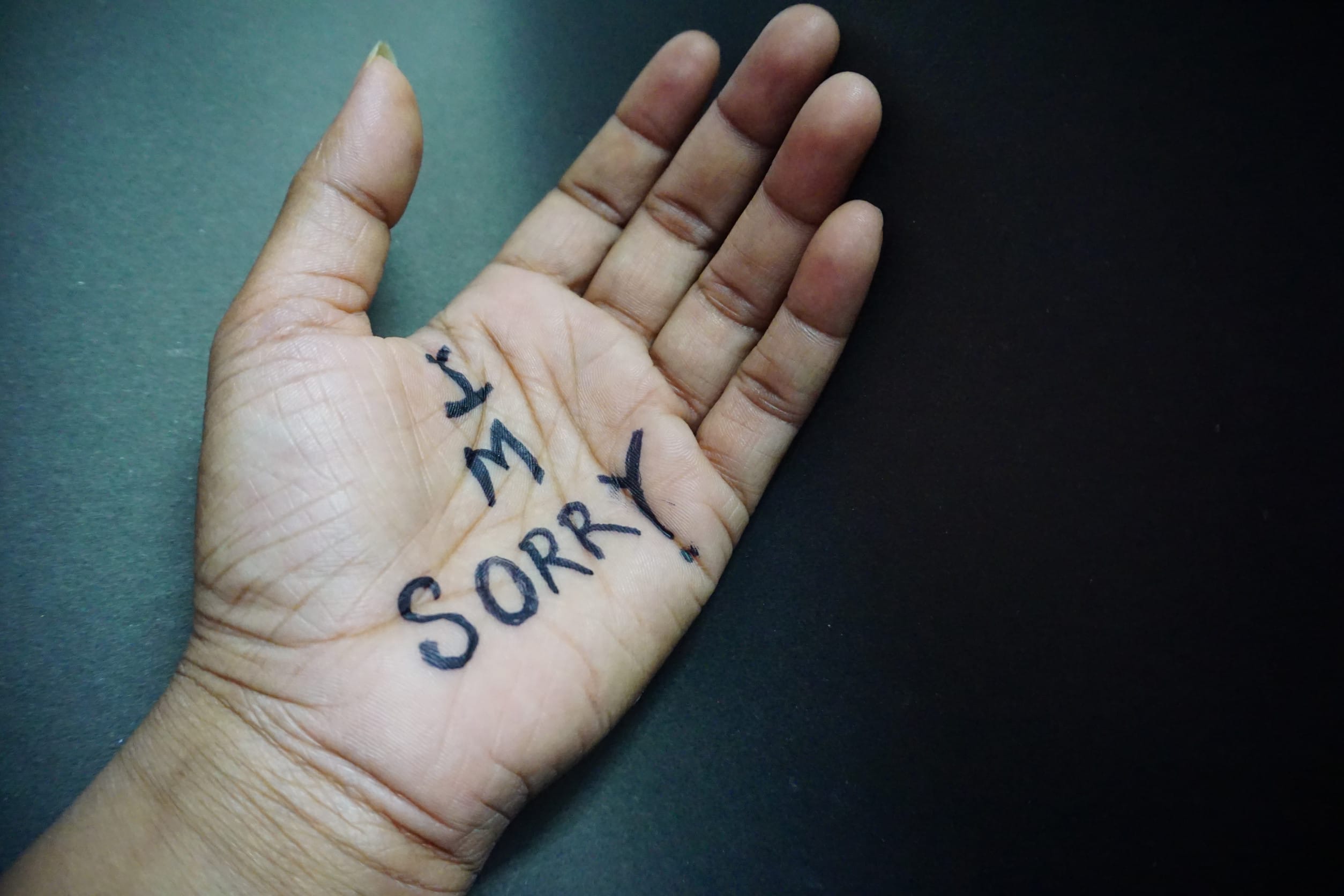
I'm Sorry

Image Source: 123rf.com

Not all men play games, but some know exactly what to say to keep a relationship going just enough without actually committing. They use words as a way to pacify concerns, deflect responsibility, and string you along without real change. Instead of a relationship, you may find yourself in a situationship. If you’ve ever felt stuck in an endless cycle of excuses and half-hearted apologies, you’re not imagining things. Some men will say whatever it takes to keep you around while putting in minimal effort. Here are nine of the most common lies they tell to keep stringing you along.

1. “I’m Sorry”

Apologies should come with action, but some men use “I’m sorry” as a temporary bandage rather than a real attempt to change. When a man truly values you, his apologies come with behavior shifts, not just empty words. If he says he’s sorry but keeps doing the same things that hurt or disappoint you, it’s not an apology, it’s just another way to keep you in the cycle. A sincere apology is followed by different choices. If “I’m sorry” is just a phrase he throws out when you’re upset, but nothing ever changes, he’s not trying to fix things, he’s just keeping you from leaving.

2. “I Just Need More Time”

When a man isn’t ready for a serious relationship, he might ask for more time, but never define how much. He doesn’t want to commit, but he also doesn’t want to lose you. So, he drags things out, promising that eventually, he’ll be ready, but somehow, “eventually” never arrives. If a man tells you he needs more time, ask for specifics. If he can’t give a clear answer or keeps moving the goalpost, he’s not planning a future with you, he’s just stalling.

3. “I’m Just Really Busy Right Now”

Everyone gets busy, but no one is too busy for someone they genuinely care about. If a man repeatedly uses his schedule as an excuse to cancel plans, avoid deep conversations, or keep you at a distance, he’s making it clear that you’re not a priority. People make time for what matters to them. If he’s always too busy but somehow has time for friends, hobbies, or scrolling through social media, it’s not about his schedule, it’s about where you rank in his life.

4. “I Don’t Want to Ruin What We Have”

unhappy couple sitting on a bed

Image Source: 123rf.com

This phrase is often used when a man enjoys the benefits of a relationship but refuses to make it official. He doesn’t want to label things because labels come with expectations, responsibilities, and commitment. He will tell you that defining the relationship will change things, but in reality, he just wants to keep things casual on his terms. If he truly valued what you have, he would commit to it instead of using fear of change as an excuse.

5. “I See a Future With You, But…”

A man who keeps you around but never takes real steps toward a future together might say he sees one, but always follows it with a vague excuse. He might say he wants to get married someday, but not now, or that he wants to settle down once his career is in order. If he always talks about the future but never moves toward it, he’s keeping you in limbo. Someone serious about building a future will take concrete steps instead of just making promises.

6. “I Just Have a Lot Going on Right Now”

Life is always going to be complicated, and everyone faces challenges. When a man uses this as an excuse to avoid commitment or emotional availability, he’s really saying he doesn’t want to put in the effort. If you notice that he’s only emotionally available when it’s convenient for him, but distant when things get serious, he’s using this as a way to keep the relationship on his terms. People in healthy relationships work through life’s challenges together instead of using them as a reason to keep someone at arm’s length.

7. “I’ve Never Felt This Way About Anyone Before”

This phrase is designed to make you feel special without requiring him to do anything meaningful. He wants you to believe that you are different, that this connection is rare, and that you should hold on. But if his actions don’t match his words, it’s nothing more than flattery to keep you emotionally invested. Real feelings are backed up by real effort, not just romantic words meant to keep you holding on.

8. “I Just Need to Work on Myself First”

Personal growth is important, but this phrase is often used to delay commitment without ending the relationship. If he truly needed time to work on himself, he wouldn’t expect you to wait around for him. He would take space, do the work, and then come back when he’s ready. If he keeps saying he needs to work on himself but never actually makes progress or lets you go, he’s using it as an excuse to keep you hanging on while he figures out what he really wants.

9. “I Love You, But…”

Love should not come with conditions that only benefit one person. When a man says, “I love you, but…” and follows it with a reason why he can’t commit, why he needs more space, or why the relationship isn’t quite right, he’s preparing you for disappointment. Real love isn’t about keeping someone in a constant state of uncertainty. If he truly loves you, he will do what it takes to make the relationship work instead of giving you reasons why it can’t.

Stop Listening to Words and Start Watching Actions

If you recognize these phrases, it’s time to pay attention to what’s really happening in your relationship. Words can be persuasive, but actions tell the truth. If a man truly values you, he will show it in his consistency, effort, and willingness to commit. If he keeps feeding you excuses, he’s just stringing you along. You deserve someone who isn’t just keeping you as an option but is making you a priority.

Have you ever heard any of these excuses in a relationship? What action did you take based on these excuses? Share your experiences in the comments below.

Read More:

9 Ways People Test You in Relationships Without Saying a Word

5 Financial Considerations to Think About Before Marriage

Latrice Perez

Latrice is a dedicated professional with a rich background in social work, complemented by an Associate Degree in the field. Her journey has been uniquely shaped by the rewarding experience of being a stay-at-home mom to her two children, aged 13 and 5. This role has not only been a testament to her commitment to family but has also provided her with invaluable life lessons and insights.

As a mother, Latrice has embraced the opportunity to educate her children on essential life skills, with a special focus on financial literacy, the nuances of life, and the importance of inner peace.

Filed Under: relationships Tagged With: commitment issues, Dating Advice, dating games, dating mistakes, emotional manipulation, love and dating, Relationship Advice, relationship red flags, relationships, toxic relationships

Love or Leverage? When Money Becomes the Third Wheel in Your Relationship

March 13, 2025 by Latrice Perez Leave a Comment

Money and a heart

Image Source: 123rf.com

Money and love are supposed to be separate, but in reality, finances often hold more power in relationships than people realize. When one partner earns more, controls expenses, or dictates financial decisions, money can slowly shift from being a shared resource to a form of leverage. Over time, it can become a silent force shaping the balance of power in the relationship, creating unspoken tensions, hidden resentments, or even outright manipulation.

Some couples successfully navigate financial differences, but others find themselves trapped in a dynamic where money dictates everything. If you’ve ever felt like finances control your relationship more than emotions do, it may be time to ask yourself: is this love, or is it leverage?

1. One Person Controls All the Financial Decisions

In healthy relationships, financial decisions are made together, even if one person earns more or manages the household budget. But when one partner takes complete control over money, shutting out the other person’s input, it shifts the power dynamic.

This can show up in small ways, like one partner deciding how much gets spent on groceries, vacations, or personal expenses without discussion. In more extreme cases, it turns into financial control, where one person decides what the other can and cannot afford, limiting their independence. If financial discussions feel more like commands than conversations, money may be running the relationship.

2. Financial Dependence Becomes a Tool for Control

When one partner earns significantly more, the financial gap can create an unequal balance of power. This isn’t a problem if both partners respect each other’s contributions—whether financial or otherwise—but in some relationships, the higher-earning partner starts using money as a tool to control decisions and behavior.

If you feel like you can’t voice opinions, make independent choices, or leave the relationship because of financial dependence, that’s a red flag. No one should feel trapped because they don’t have the financial resources to stand on their own. Healthy relationships support mutual independence, not financial control disguised as security.

3. Arguments About Money Become Power Struggles

Every couple disagrees about money sometimes, but when financial conflicts become about dominance instead of problem-solving, it’s a warning sign. If one partner constantly reminds the other about who pays for what, holds financial mistakes over their head, or uses money as a way to gain control in arguments, it stops being about financial responsibility and starts being about leverage.

These power struggles can erode trust and turn the relationship into a scoreboard where financial contributions determine who gets the final say. If money is constantly being weaponized in fights, the real issue isn’t finances—it’s control.

4. Spending Decisions Are Used as Emotional Manipulation

emotional manipulation

Image Source: 123rf.com

Money should never be used to punish, reward, or guilt-trip a partner, but it happens more often than people realize. If one person starts using financial contributions as proof of love, or withholding money to express disappointment, it crosses the line from financial disagreement into emotional manipulation.

This can look like a partner guilt-tripping you for not spending more on them, withdrawing financial support when they’re upset, or making you feel obligated to stay because of shared expenses. In these cases, money becomes less about managing a life together and more about controlling the relationship through financial pressure.

5. One Person Bears All the Financial Risk

In some relationships, one person shoulders all the financial responsibility while the other avoids accountability. This can happen when a partner recklessly spends money, accumulates debt, or refuses to contribute fairly, leaving the other person to clean up the mess.

While supporting a partner in hard times is part of a healthy relationship, consistently taking on all the financial burden can create resentment. If one person is always picking up the financial pieces while the other ignores their responsibilities, it’s not love—it’s an imbalance that could lead to financial disaster.

6. Future Financial Plans Are Always One-Sided

A relationship should be about building a future together, but if financial planning is always one-sided, it creates an emotional and economic gap. If only one partner thinks about savings, investments, or long-term goals, while the other avoids these conversations or expects financial security without contributing, it can cause deep rifts.

Financial discussions should be partnership-driven, not dictated by one person’s priorities or avoided altogether. If one partner always has to push for financial stability while the other dismisses it, the future could become a financial battleground rather than a shared vision.

7. Money Becomes the Reason You Stay or Leave

The clearest sign that money has become the third wheel in a relationship is when financial concerns dictate whether you stay or go. If fear of financial instability is the only thing keeping the relationship together, it’s no longer built on love—it’s built on economic dependence.

On the other hand, if one person is always threatening to leave unless financial expectations are met, money is being used as a form of control. No relationship should hinge on who can afford to leave or who can afford to stay. True partnership means being together by choice, not because of financial convenience or fear.

Love Should Never Feel Like a Transaction

When money becomes a source of power, manipulation, or dependence, it stops being a simple financial issue and starts affecting the emotional health of the relationship. Financial discussions are normal, but they should always be based on mutual respect, shared goals, and open communication.

If money has become a dividing force instead of a shared responsibility, it might be time to reassess the balance in your relationship. Are financial decisions made as a team, or does one person hold all the power? Are financial struggles a joint effort, or does one partner always carry the burden?

Have you ever been in a relationship where money played too big of a role? Share your experience in the comments below.

Read More:

6 Subtle Financial Manipulation Tactics Narcissists Use in Relationships

Breaking Free After 50: 12 Relationship Norms to Toss Out the Window

Latrice Perez

Latrice is a dedicated professional with a rich background in social work, complemented by an Associate Degree in the field. Her journey has been uniquely shaped by the rewarding experience of being a stay-at-home mom to her two children, aged 13 and 5. This role has not only been a testament to her commitment to family but has also provided her with invaluable life lessons and insights.

As a mother, Latrice has embraced the opportunity to educate her children on essential life skills, with a special focus on financial literacy, the nuances of life, and the importance of inner peace.

Filed Under: relationships Tagged With: dating and finances, emotional manipulation, financial control, financial independence, Financial Red Flags, love and money, Money and Relationships, relationship power struggles, relationships, toxic relationships

9 Ways People Test You in Relationships Without Saying a Word

March 11, 2025 by Latrice Perez Leave a Comment

Relationship Tests

Image Source: 123rf.com

In every relationship—romantic, platonic, or professional—people are constantly testing each other, often without realizing it. These unspoken tests reveal a lot about compatibility, trust, and emotional intelligence. While some tests are harmless and natural, others can be subtle ways to determine if someone is truly invested. Understanding these silent tests can help you navigate relationships more effectively and recognize when someone is assessing your character, loyalty, or emotional stability. Here are nine ways people test you in relationships without saying a word.

They Pay Attention to How You React to Disappointment

Everyone faces setbacks, but how you respond to them says a lot about your emotional resilience. Your partner, friends, or colleagues may observe how you handle bad news, whether it’s a canceled plan, an unexpected expense, or a missed opportunity. If you lash out, become passive-aggressive, or shut down, it can be a red flag for emotional instability. On the other hand, if you show patience, adaptability, and a sense of humor about minor inconveniences, it reassures others that you can handle life’s challenges without bringing unnecessary drama into the relationship.

They Watch How You Treat Service Workers

People often test your kindness and humility by observing how you treat those who serve you—waiters, cashiers, janitors, or customer service representatives. If you are rude, dismissive, or entitled, it signals a lack of empathy. Many people see this as a deal-breaker in relationships because it suggests that kindness is conditional. On the flip side, if you treat service workers with respect, patience, and gratitude, it reassures others that you are a genuinely good-hearted person, not just when it benefits you.

They Observe How You Handle Being Told “No”

Answer is "No."

Image Source: 123rf.com

No one likes being denied something they want, but how you respond when someone sets a boundary reveals a lot about your character. Whether it’s a partner declining an invitation, a friend not agreeing with you, or a colleague rejecting an idea, people take note of how you react. If you become defensive, pushy, or guilt-trip them, it shows a lack of respect for boundaries. However, if you accept their decision gracefully and without resentment, it demonstrates emotional maturity and self-respect, making you a more trustworthy and desirable person to be around.

They Notice Your Reaction to Their Success

Success can bring out the best and worst in people. Whether someone shares a promotion, a personal achievement, or exciting news, they may be watching how you react. If you seem uninterested, competitive, or subtly dismissive, they may see you as unsupportive or insecure. On the other hand, if you celebrate their success genuinely, offer encouragement, and express happiness for them, it reassures them that you are a positive and supportive influence in their life. Many people unconsciously use this test to determine whether their relationships are built on true friendship or hidden jealousy.

They Test Your Patience in Difficult Situations

Life is unpredictable, and how you handle unexpected delays, inconveniences, or stressful moments can reveal a lot about your temperament. Whether it’s getting stuck in traffic, waiting in a long line, or dealing with a minor mistake, people observe your patience level. If you quickly become irritated, snap at others, or complain excessively, it can make them question whether they want to be around that energy long-term. However, if you handle frustrating situations with grace and a sense of humor, it shows emotional stability and adaptability—two highly attractive qualities in any relationship.

They See How You Handle Secrets and Confidential Information

Trust is one of the most important foundations of any relationship, and many people test this without directly stating it. If someone shares a personal detail or a minor secret with you, they may be watching to see if you repeat it to others. Even small pieces of gossip or offhand comments can reveal whether you are trustworthy or someone who talks behind people’s backs. If you respect privacy and keep confidences, it builds trust. If you casually share personal details about others, it signals that you may not be a safe person to confide in.

They Observe How You Act When No One is Watching

Character is defined by what you do when no one is looking. People test this in subtle ways, such as leaving a small mess to see if you clean up after yourself, watching if you put your shopping cart away, or seeing if you return a lost wallet without expecting praise. These small tests help them gauge your integrity and sense of responsibility. If you consistently do the right thing, even when it’s inconvenient, it reassures others that you are someone they can respect and rely on.

They Pay Attention to Your Consistency

Inconsistent behavior is one of the biggest red flags in relationships. Someone may test you by observing whether your words and actions align over time. If you promise something but don’t follow through, or if you treat them differently depending on your mood or circumstances, it signals unreliability. On the other hand, if you are consistent in your behavior—showing up when you say you will, keeping your word, and maintaining a stable personality—it reassures them that you are dependable. Consistency builds trust, and without it, relationships often feel unstable or unreliable.

They Watch How You Handle Other People’s Boundaries

Respecting boundaries is one of the clearest indicators of emotional intelligence. People often test this by setting small boundaries and watching your response. It could be something as simple as saying they don’t like a certain type of joke or asking for space when they’re overwhelmed. If you dismiss their requests, try to push past their limits, or make them feel guilty for having boundaries, it signals that you may not respect personal limits. However, if you acknowledge and honor their boundaries without resistance, it demonstrates emotional awareness and maturity.

Why These Silent Tests Matter in Relationships

Many of these tests happen unconsciously, but they play a major role in how people evaluate relationships. No one wants to be in a friendship, romantic relationship, or professional partnership with someone who is selfish, unreliable, or emotionally immature. While some of these tests might seem unfair, they are often rooted in the need for security, trust, and mutual respect.

Being aware of these silent evaluations can help you become a better partner, friend, or colleague. The key isn’t to over analyze every situation or change yourself to pass someone’s test—it’s to recognize where you might unintentionally be giving off the wrong signals. By being mindful of your reactions, treating others with kindness, and maintaining integrity, you naturally build stronger, more meaningful relationships.

Have you been exposed to any of these silent tests in relationships? How did you do? Tell us in the comments below.

Read More:

6 Subtle Financial Manipulation Tactics Narcissists Use in Relationships

8 Things People Judge You On Within Seconds of Meeting You

Latrice Perez

Latrice is a dedicated professional with a rich background in social work, complemented by an Associate Degree in the field. Her journey has been uniquely shaped by the rewarding experience of being a stay-at-home mom to her two children, aged 13 and 5. This role has not only been a testament to her commitment to family but has also provided her with invaluable life lessons and insights.

As a mother, Latrice has embraced the opportunity to educate her children on essential life skills, with a special focus on financial literacy, the nuances of life, and the importance of inner peace.

Filed Under: relationships Tagged With: body language, Communication, emotional intelligence, human behavior, personal growth, relationship psychology, relationships, social skills, trust

8 Characteristics of An Overbearing Spouse and What to Do If It’s You

March 7, 2025 by Latrice Perez Leave a Comment

Overbearing Spouse

Image Source: 123rf.com

An overbearing spouse often seeks to control aspects of their partner’s daily life, from their schedule to their social interactions. They may dictate how their partner spends their time, who they talk to, or even what they wear. While this might seem like concern or care, it can lead to a loss of autonomy in the relationship. Healthy relationships require mutual respect and space for both partners to make independent decisions.

Constant Criticism and Demeaning Remarks

An overbearing spouse frequently criticizes their partner, sometimes under the guise of “helping them improve.” This criticism can be about anything—appearance, habits, career choices, or parenting styles. Over time, this can erode the other person’s self-esteem and make them feel like they can never meet their spouse’s expectations. Constructive feedback is part of a healthy relationship, but constant negativity is emotionally damaging.

Isolation from Friends and Family

Overbearing spouses may attempt to isolate their partners from loved ones by discouraging social interactions or making their partner feel guilty for spending time with others. This can be done subtly—by making negative comments about friends and family—or more overtly, by controlling when and how their partner interacts with others. Isolation makes it easier for the overbearing partner to maintain control, but it also damages the support system necessary for a healthy relationship.

Unreasonable Jealousy and Possessiveness

Unreasonable Jealousy and Possessiveness

Image Source: 123rf.com

A little jealousy is normal in relationships, but when it becomes excessive, it can lead to controlling behaviors. An overbearing spouse may constantly question their partner’s whereabouts, accuse them of cheating without evidence, or become angry when they spend time with others. This possessiveness stems from insecurity and a need for control rather than genuine concern.

Making Decisions Without Consultation

An overbearing spouse often assumes they know what’s best for the relationship and makes important decisions without discussing them with their partner. This can include major financial choices, parenting decisions, or even career moves. A healthy marriage requires collaboration and mutual respect—decisions should be made together, not unilaterally.

Monitoring and Invasion of Privacy

Trust is fundamental in a relationship, but an overbearing spouse may feel entitled to invade their partner’s privacy. They might snoop through their partner’s phone, emails, or social media accounts, believing that if they have nothing to hide, they won’t mind. This behavior erodes trust and creates a sense of being constantly watched rather than respected.

Undermining Their Partner’s Achievements

Instead of celebrating their partner’s successes, an overbearing spouse may downplay their achievements or make them feel insignificant. This behavior often comes from a place of insecurity—the overbearing spouse may feel threatened by their partner’s success and seek to maintain control by keeping them from feeling too confident or independent.

Using Guilt and Manipulation to Control Behavior

Guilt-tripping and emotional manipulation are common tactics used by overbearing spouses. They might use phrases like “If you really loved me, you wouldn’t do that” or act hurt whenever their partner expresses independence. This kind of emotional coercion creates an unhealthy dynamic where one partner constantly feels responsible for the other’s emotions.

How to Recognize Overbearing Behavior in Yourself

If you recognize these traits in yourself, it’s essential to take steps toward change. Ask yourself:

  • Do I trust my partner to make their own decisions?
  • Do I allow my partner to have friendships and personal space?
  • Do I support my partner’s success without jealousy?

Steps to Improve the Relationship

  • Practice Open Communication: Discuss concerns instead of resorting to control.
  • Respect Boundaries: Allow your partner to have independence.
  • Seek Professional Help: Therapy can help you develop healthier relationship habits.

Relationships thrive on mutual trust, respect, and independence. A controlling dynamic can lead to resentment and emotional distress, but self-awareness and willingness to change can rebuild a strong, supportive partnership.

Have you been in a relationship with an overbearing person? Were you the one in the relationship that was overbearing? What steps did you take to change? Let us know in the comments below.

Read More:

Breaking Free After 50: 12 Relationship Norms to Toss Out the Window

Why Everyone In Your Family Is Successful Except You

Latrice Perez

Latrice is a dedicated professional with a rich background in social work, complemented by an Associate Degree in the field. Her journey has been uniquely shaped by the rewarding experience of being a stay-at-home mom to her two children, aged 13 and 5. This role has not only been a testament to her commitment to family but has also provided her with invaluable life lessons and insights.

As a mother, Latrice has embraced the opportunity to educate her children on essential life skills, with a special focus on financial literacy, the nuances of life, and the importance of inner peace.

Filed Under: relationships Tagged With: Communication, controlling behavior, emotional intelligence, healthy boundaries, marriage advice, personal growth, Relationship Advice, relationship health, relationships, toxic relationships

  • « Previous Page
  • 1
  • …
  • 10
  • 11
  • 12
  • 13
  • Next Page »

FOLLOW US

Search this site:

Recent Posts

  • Can My Savings Account Affect My Financial Aid? by Tamila McDonald
  • 12 Ways Gen X’s Views Clash with Millennials… by Tamila McDonald
  • What Advantages and Disadvantages Are There To… by Jacob Sensiba
  • 10 Tactics for Building an Emergency Fund from Scratch by Vanessa Bermudez
  • Call 911: Go To the Emergency Room Immediately If… by Stephen Kanaval
  • 7 Weird Things You Can Sell Online by Tamila McDonald
  • 10 Scary Facts About DriveTime by Tamila McDonald

Copyright © 2026 · News Pro Theme on Genesis Framework