• Home
  • About Us
  • Getting Finances Done
    • Hiring Advisors
    • Debt Management
    • Spending Plan
  • Insurance
    • Life Insurance
    • Health Insurance
    • Disability Insurance
    • Homeowners/Renters Insurance
  • Contact Us
  • Our Editorial Commitment

The Free Financial Advisor

You are here: Home / Archives for homeowner finances

Kansas Property Tax Alert: Missing Installments Can Add An Annual Interest Charge

May 5, 2026 by Brandon Marcus Leave a Comment

Kansas Property Tax Alert: Missing Installments Can Add An Annual Interest Charge
Image Source: Shutterstock.com

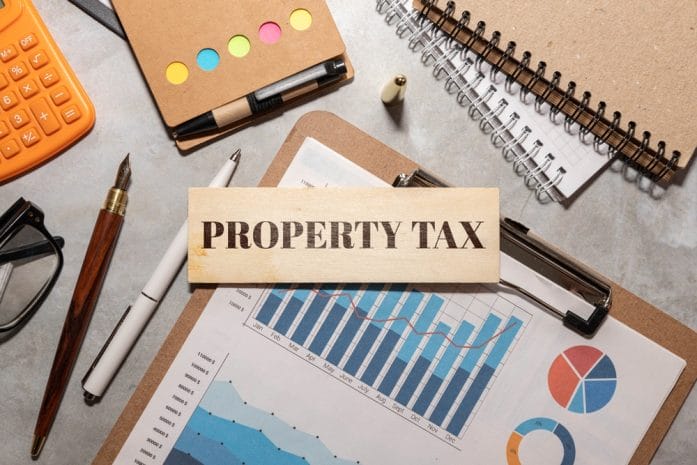
Kansas property taxes do not quietly sit in the background when someone misses a due date—they move fast and hit wallets hard. Counties expect timely installment payments, and once a deadline passes, penalties start stacking with surprising speed. Many homeowners assume a small late fee will show up, but Kansas applies interest that compounds into a much bigger burden over time. That annual interest charge can quietly grow into hundreds or even thousands of dollars, depending on the balance. This reality turns a simple oversight into a long-term financial headache.

Picture a homeowner juggling bills during a tight month and choosing to delay a property tax installment. That short-term decision often feels harmless in the moment, especially when other urgent expenses demand attention. However, Kansas law allows counties to apply interest rates that continue building until the balance gets paid in full. The longer the delay, the more aggressive the total cost becomes.

How Kansas Structures Property Tax Installments and Deadlines

Kansas typically splits property tax bills into installments, giving homeowners some flexibility in managing payments. The first half usually comes due around December, while the second installment lands in May of the following year. Missing either deadline triggers immediate consequences, and counties do not offer much wiggle room once the due date passes. Interest begins accruing almost right away, which leaves little time to recover without financial impact. That strict structure keeps the system predictable but unforgiving.

Homeowners who rely on escrow accounts through mortgage lenders often avoid this problem because lenders handle payments automatically. However, those who pay taxes directly must track deadlines carefully and plan ahead. A missed reminder or unexpected expense can easily throw off even a well-organized budget. Counties send notices, but they expect property owners to stay proactive rather than reactive. That expectation places full responsibility on the homeowner to stay on schedule and avoid penalties.

The Cost of Annual Interest Charges on Late Payments

Annual interest charges in Kansas do not play around—they turn small delays into expensive lessons. Depending on the county and timing, interest rates can reach levels that rival credit card APRs. That means a missed $2,000 installment could grow significantly if left unpaid for months or longer. The longer the balance lingers, the more that interest compounds and inflates the total owed. This creates a financial drag that affects savings, emergency funds, and overall stability.

Consider a realistic scenario where a homeowner misses the May installment and waits until the end of the year to catch up. Interest accrues each month, and by the time payment happens, the total could include a noticeable bump beyond the original bill. That extra cost delivers no benefit—no improved services, no added value—just a penalty for being late. Many homeowners underestimate this impact until they see the final numbers. At that point, frustration often replaces what started as a simple delay.

Common Reasons Homeowners Fall Behind—and How to Avoid Them

Life throws curveballs, and property tax deadlines often collide with them at the worst possible moments. Job changes, medical bills, or unexpected home repairs can easily push tax payments down the priority list. Some homeowners also miscalculate due dates or assume grace periods exist when they do not. Others rely on outdated budgeting habits that fail to account for rising property tax bills. These common missteps create a perfect storm for late payments and added interest.

Smart planning can prevent most of these situations before they start. Setting calendar reminders months in advance keeps deadlines visible and hard to ignore. Building a dedicated savings fund for property taxes spreads the cost across the year instead of cramming it into one stressful moment. Many financial advisors recommend treating property taxes like a monthly bill rather than a twice-a-year surprise. This approach smooths out cash flow and reduces the risk of falling behind when deadlines arrive.

Kansas Property Tax Alert: Missing Installments Can Add An Annual Interest Charge
Image Source: Pexels.com

What Happens If Property Taxes Stay Unpaid Too Long

Kansas does not let unpaid property taxes sit indefinitely without escalating consequences. After a certain period, counties can initiate tax foreclosure proceedings, which puts the property at serious risk. That process can eventually lead to a public auction where the home gets sold to recover the unpaid taxes. Interest and penalties continue piling up during this time, making it even harder for the homeowner to catch up. This situation turns a manageable issue into a potentially devastating outcome.

Even before foreclosure becomes a threat, unpaid taxes can create ripple effects in other areas of financial life. Lenders may view delinquent taxes as a red flag, especially if a mortgage remains active on the property. Credit scores can take indirect hits if the situation leads to broader financial strain or missed payments elsewhere. Insurance and refinancing options may also become more complicated. These added complications show why addressing late payments quickly matters so much.

Simple Strategies to Stay Ahead of Property Tax Trouble

Avoiding penalties starts with building a system that makes missing a payment nearly impossible. Automatic savings transfers into a dedicated account can create a steady cushion for upcoming tax bills. Many homeowners find success by dividing the annual tax estimate into twelve manageable monthly contributions. This strategy removes the shock factor and keeps finances balanced throughout the year. Consistency beats scrambling every time.

Communication also plays a crucial role when challenges arise. Contacting the county treasurer’s office early can sometimes open the door to guidance or payment options before penalties spiral. Waiting until the situation worsens limits available solutions and increases stress. Staying informed about local tax rates and changes helps homeowners adjust budgets proactively. A little attention throughout the year prevents a lot of stress when deadlines hit.

What To Remember About Kansas Property Tax Penalties

Kansas property tax rules leave very little room for error, and missed installments quickly turn into costly problems. Interest charges add up faster than many expect, transforming a small delay into a long-term financial burden. Homeowners who stay proactive, organized, and informed can avoid these unnecessary costs and keep their budgets on track. Small habits like saving monthly and setting reminders make a huge difference when deadlines approach. Smart planning keeps money where it belongs—in the homeowner’s pocket instead of paying avoidable penalties.

What strategies have worked best for staying on top of your big bills, like property taxes? We definitely want your insight and stories below in our comments section.

You May Also Like…

Property Taxes Are Catching Homeowners Off Guard — Especially After Buying or Renovating

9 Georgia Counties Where Property Taxes Are Set to Rise the Fastest

9 Financial Dangers of Ignoring Property Taxes

Texas Has No Income Tax — But Property Taxes Can Get Close To 2% in Some Areas

Nevada’s Low Median Property Tax — Weighing Investment Appeal

Brandon Marcus
Brandon Marcus

Brandon Marcus is a writer who has been sharing the written word since a very young age. His interests include sports, history, pop culture, and so much more. When he isn’t writing, he spends his time jogging, drinking coffee, or attempting to read a long book he may never complete.


Filed Under: Lifestyle Tagged With: avoiding penalties, Budgeting Tips, escrow accounts, homeowner finances, Kansas property tax, late tax payments, Planning, property tax deadlines, property tax penalties, real estate taxes, tax interest charges, tax tips

Nevada Trust Rules Offer Less Asset Protection Than Many Homeowners Expect

April 24, 2026 by Brandon Marcus Leave a Comment

Nevada Trust Rules Offer Less Asset Protection Than Many Homeowners Expect
Image Source: Shutterstock.com

Nevada often gets hyped as a fortress for wealth, a place where trusts can shield assets from nearly anything life throws your way. That reputation sounds comforting—especially for homeowners who worry about lawsuits, creditors, or unexpected financial shocks. But here’s the twist: many people overestimate just how much protection Nevada trusts actually provide.

The gap between expectation and reality can leave homeowners exposed in ways they never saw coming. Here’s what really happens behind the legal curtain and why a trust alone may not be the bulletproof solution many assume.

Nevada’s Asset Protection Reputation Isn’t the Full Story

Nevada markets itself as one of the most asset-friendly states in the country, and that reputation draws in homeowners looking for security. State laws do offer strong protections compared to many other regions, especially when it comes to certain types of trusts. However, those protections come with conditions, timelines, and legal nuances that many people overlook.

For example, creditors can still challenge transfers into a trust under fraudulent transfer laws if the timing looks suspicious. Homeowners who assume instant and total protection often miss these critical limitations, which can create serious financial risk later.

Timing Matters More Than Most Homeowners Realize

One of the biggest misconceptions about Nevada trusts involves timing, and it can make or break your protection strategy. If a homeowner transfers assets into a trust after a legal threat appears, courts may view that move as an attempt to dodge creditors. Nevada law includes “lookback periods” that allow creditors to challenge those transfers, sometimes years after they occur. That means a trust set up too late might not protect anything at all. Strategic planning well before any financial trouble arises plays a huge role in whether a trust actually works as intended.

Not All Trusts Offer the Same Level of Protection

Many homeowners hear the word “trust” and assume all trusts provide similar benefits, but that assumption can lead to costly mistakes. Revocable trusts, for instance, allow homeowners to maintain control over their assets, but they offer virtually no protection from creditors. Irrevocable trusts provide stronger safeguards, yet they require giving up control, which not everyone feels comfortable doing. Nevada allows certain self-settled asset protection trusts, but even those come with strict rules and limitations. Choosing the wrong type of trust can leave assets just as vulnerable as if no trust existed at all.

Real Estate Inside a Trust Isn’t Automatically Safe

Homeowners often believe placing their home into a Nevada trust creates an impenetrable barrier against lawsuits or debt collection. In reality, real estate remains a target under specific circumstances, especially if the owner continues to live in or control the property.

Courts can scrutinize how the trust operates and whether it truly separates ownership from personal control. If the arrangement looks more like a paper shuffle than a genuine transfer, protections can weaken quickly. Proper structuring, documentation, and legal guidance play a critical role in making sure real estate receives meaningful protection.

Nevada Trust Rules Offer Less Asset Protection Than Many Homeowners Expect
Image Source: Shutterstock.com

Lawsuits and Creditors Still Have Powerful Tools

Even with Nevada’s favorable laws, creditors and legal claimants don’t just give up when they encounter a trust. They often use aggressive legal strategies to challenge the validity of the trust or the timing of asset transfers. Courts may examine intent, financial history, and patterns of behavior to determine whether the trust serves a legitimate purpose.

In some cases, judges can unwind transactions or allow claims to proceed despite the trust structure. Homeowners who rely solely on a trust without considering broader risk management strategies may find themselves caught off guard.

Layered Protection Works Better Than a Single Strategy

Relying on a Nevada trust alone often creates a false sense of security, especially when larger assets like homes are involved. Financial professionals frequently recommend a layered approach that combines trusts with insurance, business structures, and careful financial planning. For example, maintaining adequate liability insurance can provide a first line of defense before a trust even comes into play. LLCs or other ownership structures may add another layer of separation between personal and business assets. A well-rounded strategy tends to offer far more protection than any single legal tool on its own.

What Smart Homeowners Do Differently

Savvy homeowners approach Nevada trusts with realistic expectations and a long-term mindset. They work with experienced estate planning attorneys who understand both the strengths and limitations of state laws. They also plan early, long before any potential legal issues arise, which significantly improves the effectiveness of asset protection strategies. Instead of chasing a “set it and forget it” solution, they revisit their plans regularly as laws and personal circumstances change. That proactive approach helps ensure their trust actually delivers meaningful protection when it matters most.

Nevada Trust Rules Demand Careful Strategy

Nevada trust rules can still offer valuable asset protection, but they require thoughtful execution and realistic expectations. Homeowners who treat trusts as a magic shield often overlook critical details that weaken their effectiveness. Strong protection depends on timing, structure, and a broader financial strategy that goes beyond a single legal tool. When used correctly, a Nevada trust can play an important role in safeguarding assets, but it works best as part of a bigger plan. Ignoring those nuances can turn a promising strategy into a costly misunderstanding.

What steps have been taken to protect your home and assets beyond just setting up a trust? Share your thoughts in the comments.

You May Also Like…

Nevada’s Low Median Property Tax — Weighing Investment Appeal

Why Nevada’s Tax Laws Are Great for Retirees—but Terrible for Young Families

10 Retirement States That No Longer Cater to Retirees

Property Taxes Are Catching Homeowners Off Guard — Especially After Buying or Renovating

The $49,000+ New Car Reality — Why Entry-Level Vehicles Cost More

Brandon Marcus
Brandon Marcus

Brandon Marcus is a writer who has been sharing the written word since a very young age. His interests include sports, history, pop culture, and so much more. When he isn’t writing, he spends his time jogging, drinking coffee, or attempting to read a long book he may never complete.

Filed Under: Finance Tagged With: asset protection, Estate planning, homeowner finances, legal risks, Nevada trust rules, Planning, trusts

Follow Us

Search this site:

Recent Posts

  • Can My Savings Account Affect My Financial Aid? by Tamila McDonald
  • 12 Ways Gen X’s Views Clash with Millennials… by Tamila McDonald
  • What Advantages and Disadvantages Are There To… by Jacob Sensiba
  • 10 Tactics for Building an Emergency Fund from Scratch by Vanessa Bermudez
  • Call 911: Go To the Emergency Room Immediately If… by Stephen Kanaval
  • 7 Weird Things You Can Sell Online by Tamila McDonald
  • 10 Scary Facts About DriveTime by Tamila McDonald

Copyright © 2026 · News Pro Theme on Genesis Framework