
Image Source: Shutterstock.com
A beachfront condo in January once symbolized the ultimate retirement victory. Sun on the patio, coffee in hand, and not a snow shovel in sight felt like the reward for decades of hard work. That image still holds power, but the numbers behind it now raise eyebrows instead of smiles. Retirees who once jumped at the chance to own a second home in warmer climates now pause, run the math again, and sometimes walk away entirely. The “snowbird lifestyle” still sparkles on the surface, but beneath it sits a growing pile of expenses that refuse to stay quiet.
The shift does not come from a lack of desire, because the appeal of escaping winter remains strong and timeless. Instead, it comes from a new financial reality that feels heavier with every passing year. Property taxes climb, insurance premiums spike, and maintenance costs refuse to stay predictable. Add in rising travel expenses and fluctuating exchange rates, and the once-simple dream starts to look like a full-time financial commitment. Retirees now approach second homes with sharper questions, stricter budgets, and a willingness to rethink what “living the dream” really means.
When Paradise Comes With Property Taxes and Paperwork
Owning a second home used to feel like a straightforward upgrade, but today it behaves more like a second job with a hefty price tag. Property taxes in many popular warm-weather destinations have increased steadily, and some regions have seen sharp jumps due to booming real estate markets. Retirees who locked in homes years ago now face reassessments that push annual costs far beyond what they originally expected. Insurance adds another layer of stress, especially in areas prone to hurricanes, floods, or wildfires, where premiums have surged or coverage has become harder to secure. That combination alone can turn a relaxing getaway into a source of constant financial calculation.
Maintenance does not take a vacation either, and it demands attention whether the home sits occupied or empty. Roof repairs, plumbing issues, and general upkeep costs continue to rise, and hiring reliable help from afar adds another layer of complexity. Some retirees try to offset expenses by renting out their property, but that strategy brings its own set of responsibilities, from managing bookings to dealing with wear and tear. Regulations around short-term rentals have tightened in many areas, making it harder to rely on rental income as a safety net. The result leaves many retirees asking a simple but powerful question: does the convenience of ownership still outweigh the constant demands?
Travel Isn’t Cheap Anymore—And It Changes Everything
The snowbird lifestyle depends heavily on mobility, and that mobility has become noticeably more expensive. Airfare prices have climbed, fuel costs fluctuate unpredictably, and even road trips carry higher expenses than they once did. Retirees who once hopped between homes with ease now plan trips more carefully, sometimes reducing how often they travel between locations. That shift alone changes the rhythm of the lifestyle, turning what once felt flexible into something that requires more coordination and budgeting.
Longer stays might seem like a solution, but they introduce their own challenges, especially when family, healthcare, and social connections remain tied to a primary residence. Extended time away can complicate medical care, insurance coverage, and even access to trusted providers. Travel insurance and healthcare considerations add yet another line item to the budget, making each trip feel more like a calculated decision than a spontaneous escape. The freedom that defined the snowbird lifestyle starts to feel more structured, and that subtle shift plays a major role in why some retirees rethink the entire setup.
Renting, Downsizing, or Roaming—New Ways to Chase the Sun
Retirees have not abandoned the idea of warm winters, but they have started to approach it with more flexibility and creativity. Renting instead of owning has gained serious traction, offering the chance to enjoy different locations without the long-term financial commitment. Seasonal rentals allow retirees to test out new destinations, adapt to changing preferences, and avoid the headaches of maintenance and property management. That freedom appeals to those who value experiences over ownership, especially when costs continue to rise.
Downsizing also plays a key role in reshaping the snowbird strategy. Some retirees choose to sell larger primary homes and move into smaller, more manageable spaces, freeing up funds for travel or seasonal stays. Others take things a step further and embrace a more nomadic lifestyle, hopping between short-term rentals, extended stays, or even RV travel. These alternatives offer a sense of adventure while keeping financial obligations more predictable. The traditional second home no longer stands as the only path to a warm winter, and that shift opens the door to more personalized and adaptable lifestyles.
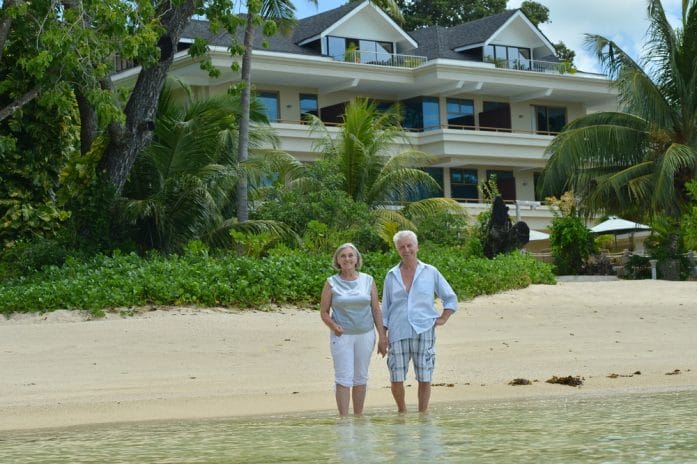
Image Source: Shutterstock.com
The Emotional Side of Letting Go of a Long-Held Dream
Walking away from the idea of a second home does not feel purely financial, because it often carries emotional weight tied to years of anticipation and planning. Many retirees spent decades imagining a specific version of retirement, complete with a familiar spot in the sun. Letting go of that vision can feel like giving up a reward that once seemed guaranteed. That emotional layer makes the decision more complex than a simple cost-benefit analysis, especially when memories, aspirations, and identity all come into play.
At the same time, many retirees discover that letting go of the traditional model opens up new opportunities that feel just as fulfilling, if not more so. Without the burden of ownership, they gain the freedom to explore new places, try different lifestyles, and adapt to changing needs without feeling tied down. That flexibility often brings a renewed sense of excitement, turning retirement into a period of exploration rather than routine. The dream does not disappear; it simply evolves into something that fits better with today’s realities and priorities.
Rethinking Retirement Without Losing the Joy
The snowbird lifestyle has not vanished, but it has transformed into something more flexible, more intentional, and often more creative. Retirees now weigh costs with greater care, explore alternatives with more curiosity, and redefine what comfort and freedom look like in this stage of life. Owning a second home still works for some, especially those with the financial cushion to absorb rising expenses, but it no longer stands as the default path. Renting, downsizing, or embracing a more mobile lifestyle offers viable and appealing options that keep the spirit of the dream alive without the same level of financial strain.
Does owning a second home still feel like the right move, or does a more flexible approach sound like a better fit? Share thoughts, strategies, or experiences in the comments.
You May Also Like…
Retirement Accounts Are Triggering Unexpected Taxes — What Some Investors Overlook
7 Alternative Investments That Outperformed the S&P 500 in 2025
More Retirees Are “Aging in Place” — But Many Homes Aren’t Built for It
Why More Retirees Are Being Flagged for “Excess Assets” by Benefit Programs
7 Sun Belt Retirement Towns Seeing Significant Price Corrections

Brandon Marcus is a writer who has been sharing the written word since a very young age. His interests include sports, history, pop culture, and so much more. When he isn’t writing, he spends his time jogging, drinking coffee, or attempting to read a long book he may never complete.
Leave a Reply