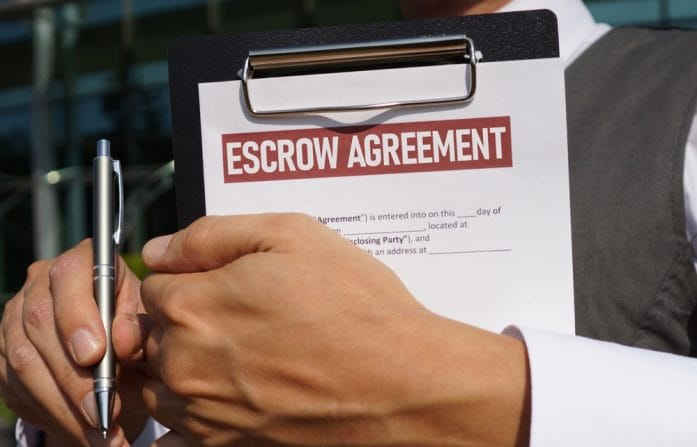
If your mortgage payment suddenly jumped and left you staring at your bank account in disbelief, you want answers. Many homeowners are getting hit with higher monthly bills due to something called an escrow shortage, and it’s catching people off guard. The frustrating part? You might not have changed anything about your loan, yet your payment still increased.
This isn’t a random error—it’s tied to rising property taxes and insurance costs that your lender covers on your behalf. Let’s talk about what’s really happening and how you can stay ahead of these changes without feeling financially blindsided.
What an Escrow Shortage Really Means for Homeowners
An escrow shortage happens when there isn’t enough money in your escrow account to cover property taxes and homeowners insurance. Your lender collects a portion of these costs each month and pays the bills when they’re due, acting as a middleman. If taxes or insurance premiums rise unexpectedly, the account can come up short.
When this happens, your lender adjusts your monthly mortgage payment to make up the difference. This adjustment often includes both repaying the shortage and increasing future contributions, which is why the jump can feel so steep.
Why Property Taxes and Insurance Costs Are Climbing
Property taxes have been increasing in many areas due to rising home values and local government funding needs. Even if you haven’t moved or refinanced, your home’s assessed value may have gone up, triggering higher taxes.
At the same time, homeowners insurance premiums are rising due to inflation, climate risks, and increased rebuilding costs. Natural disasters, labor shortages, and material price hikes all play a role in pushing premiums higher. When both taxes and insurance increase at the same time, it creates the perfect storm for an escrow shortage.
How Escrow Shortages Impact Your Monthly Budget
When an escrow shortage hits, your lender typically gives you two options: pay the shortage in a lump sum or spread it out over 12 months. Most homeowners choose the monthly repayment option, which increases their mortgage payment significantly. For example, a $1,200 shortage could add $100 per month, plus additional increases for future costs. This can strain your budget, especially if you’re already managing rising living expenses. The key is understanding that this increase isn’t permanent in the same way—it may stabilize once the shortage is repaid, though higher taxes and insurance will remain.

Warning Signs You Might Be Headed for Trouble
One of the biggest mistakes homeowners make is ignoring annual escrow statements from their lender. These documents outline projected costs and can signal a potential escrow shortage before it hits your wallet. If you notice your property taxes or insurance premiums rising, that’s an early red flag.
Another sign is a shrinking escrow balance, which means your account isn’t keeping up with expenses. Paying attention to these clues gives you time to prepare instead of scrambling when your payment increases.
Smart Ways to Prepare for an Escrow Shortage
The best way to handle an escrow shortage is to plan ahead rather than react after the fact. Start by reviewing your escrow statement each year and tracking changes in taxes and insurance costs. Setting aside extra savings—even $50 a month—can help cushion the impact if a shortage occurs. You can also shop around for homeowners insurance to potentially lower your premium. Staying proactive turns a stressful surprise into a manageable adjustment.
Can You Avoid Escrow Altogether?
Some homeowners choose to waive escrow accounts entirely, opting to pay taxes and insurance on their own. This can give you more control over your money and eliminate the risk of an escrow shortage. However, lenders often require higher credit scores or larger down payments to allow this option. It also means you’ll need strong budgeting discipline to avoid missing large annual or semi-annual payments. For some, the convenience of escrow outweighs the risks, but it’s worth exploring if you prefer more control.
What to Do If Your Payment Just Increased
If you’ve already been hit with a higher payment due to an escrow shortage, don’t panic—there are ways to respond strategically. First, review your escrow analysis carefully to make sure the numbers are accurate. Mistakes can happen, and catching one could save you money.
Next, consider whether you can pay part of the shortage upfront to reduce your monthly increase. Finally, adjust your budget to accommodate the change, focusing on cutting discretionary expenses temporarily if needed.
This Matter More Than You Think
An escrow shortage isn’t just a one-time inconvenience—it reflects broader economic trends that affect homeowners nationwide. Rising costs in taxes and insurance are likely to continue, meaning this issue may not disappear anytime soon. Understanding how escrow works puts you in a stronger position to manage your finances and avoid surprises. It also helps you make smarter decisions about homeownership, refinancing, or even relocating. In short, this is one of those behind-the-scenes financial factors that deserves your attention.
Stay Ahead of Escrow Surprises and Keep Your Budget in Control
Escrow shortages may feel frustrating, but they’re manageable once you understand what’s driving them and how to respond. By staying informed, reviewing your statements, and planning ahead, you can avoid being caught off guard by rising mortgage payments. Think of it as part of the ongoing cost of homeownership rather than a random financial setback. The more proactive you are, the less stressful these adjustments will feel.
Have you experienced an escrow shortage recently, and how did it impact your budget? We want to hear your thoughts in the comments section below.
You May Also Like…
Homeowners Are Getting Hit With $3,000+ “Surprise Costs” — And They’re Not From the Mortgage
6 Hidden Costs Driving Up Your Mortgage Payment in 2026
Escrow Shock: Why Some Mortgage Payments Suddenly Jumped $300 or More
Colorado Escrow Payments Continue Climbing — Homeowners Face Higher Monthly Costs
The Little-Known Escrow Rule Causing Surprise Payment Spikes

Brandon Marcus is a writer who has been sharing the written word since a very young age. His interests include sports, history, pop culture, and so much more. When he isn’t writing, he spends his time jogging, drinking coffee, or attempting to read a long book he may never complete.
.png)
Leave a Reply