• Home
  • About Us
  • Toolkit
  • Getting Finances Done
    • Hiring Advisors
    • Debt Management
    • Spending Plan
  • Insurance
    • Life Insurance
    • Health Insurance
    • Disability Insurance
    • Homeowners/Renters Insurance
  • Contact Us
  • Privacy Policy
  • Risk Tolerance Quiz

The Free Financial Advisor

You are here: Home / Archives for Smart Spending

The True Cost of Eating Out: Why You’re Spending Too Much on Lunch

April 25, 2025 by Travis Campbell Leave a Comment

people eating at restaurant

Image Source: pexels.com

That $12 lunch you grab between meetings might seem harmless, but have you calculated what it’s really costing you? The convenience of eating out for lunch comes with a hefty price tag that extends far beyond the number on your receipt. Americans spend an average of $3,000 annually on lunch alone, according to a survey by Visa. This financial drain isn’t just affecting your wallet today—it’s potentially robbing your future self of thousands in potential savings and investments.

1. The Hidden Annual Cost

When you break down the numbers, the actual cost of eating out for lunch becomes alarmingly clear. The average restaurant lunch costs between $10 and $ 15, while a homemade meal averages $3 and $ 5. This $7-10 daily difference might seem small, but it compounds dramatically:

Daily savings: $8 (average)
Weekly savings: $40 (working days only)
Monthly savings: $160
Annual savings: $1,920

That’s nearly $2,000 per year disappearing from your budget! This amount invested annually at a 7% return could grow to over $100,000 in 25 years. Your daily lunch habit isn’t just a meal—it’s potentially your future vacation home or early retirement fund.

2. The Workplace Lunch Trap

The workplace environment often encourages eating out through subtle social pressures. Team lunches, client meetings, and the cultural norm of “getting out of the office” can make brown-bagging seem antisocial or unprofessional.

Many professionals report spending more on lunch during workdays to maintain social connections or avoid appearing frugal to colleagues. This workplace lunch trap often leads to:

  • Spending 70% more than intended due to peer influence
  • Choosing more expensive options to “keep up appearances”
  • Eating out 4+ times weekly instead of occasionally

Breaking free requires setting clear boundaries and finding alternative ways to socialize with colleagues that don’t revolve around expensive meals. Consider organizing walking meetings, coffee breaks, or potluck lunches that serve the same social function without the financial burden.

3. The Convenience Tax You’re Paying

Convenience comes at a premium, and restaurants know it. The markup on restaurant food typically ranges from 200-300% of the actual food cost. This “convenience tax” extends beyond the visible price:

  • Transportation costs to and from restaurants
  • Time spent waiting for food (average 8-12 minutes)
  • Potential impulse purchases (drinks, desserts, appetizers)
  • Tips and service charges (15-20% additional cost)

When you factor in these hidden costs, your $12 lunch might actually represent a $20+ expense in real terms. Is saving 15 minutes of preparation time worth paying triple the price for your meal?

4. The Health Cost Equation

Restaurant meals contain, on average, 1,200 calories—nearly 60% of the recommended daily intake for an average adult. A study published in the Journal of the Academy of Nutrition and Dietetics found that eating out regularly is associated with:

  • Higher BMI and increased healthcare costs
  • 50% higher sodium intake than home-cooked meals
  • 60% higher saturated fat consumption

These health impacts translate directly to financial costs: higher insurance premiums, increased medication expenses, and potentially lost income due to illness. The true cost of eating out extends far beyond your immediate budget—it affects your long-term health and economics.

5. The Psychological Spending Cycle

Lunch spending often falls victim to what financial psychologists call “exception accounting”—the mental justification that “today is special” or “I deserve this.” This psychological trap creates a cycle where:

  • Each lunch out feels like a one-time exception
  • Small expenses seem insignificant in isolation
  • The cumulative impact remains invisible
  • Spending becomes habitual rather than intentional

Breaking this cycle requires conscious awareness of these psychological patterns and implementing systems that make saving the default option rather than requiring willpower each day.

6. Your Financial Freedom Lunch Plan

Reclaiming control of your lunch spending doesn’t mean eating sad desk salads forever. Strategic approaches can maximize both satisfaction and savings:

  • Implement the 1:4 rule—one restaurant lunch for every four brought from home
  • Batch-cook appealing meals that you actually look forward to eating
  • Create a dedicated “lunch out” fund with a fixed monthly budget
  • Use apps that round up purchase amounts and invest the difference
  • Calculate your “true hourly wage” (after taxes and work expenses) to understand how many working minutes each lunch costs

You transform a daily expense into a powerful wealth-building tool by approaching lunch with intention rather than habit.

7. The Million-Dollar Lunch Decision

That daily lunch choice is potentially worth over $1 million to your retirement fund. If you invested the $1,920 annual lunch savings at an 8% average return from age 25 to 65, you’d accumulate approximately $1,064,000. Your sandwich choice today is literally determining your financial freedom tomorrow.

The most powerful aspect of the lunch decision isn’t just the immediate savings—it’s the mindset shift it represents. When you master this daily financial choice, you develop decision-making muscles that extend to all areas of financial life.

What small changes could you make to your lunch routine this week? Share your favorite money-saving lunch hacks or biggest challenges in the comments below!

Read More

11 Dining Etiquette Rules That Have Disappeared Over the Decades

Wasted It? Don’t Waste Your Inheritance on These 13 Things

Travis Campbell
Travis Campbell

Travis Campbell is a digital marketer/developer with over 10 years of experience and a writer for over 6 years. He holds a degree in E-commerce and likes to share life advice he’s learned over the years. Travis loves spending time on the golf course or at the gym when he’s not working.

Filed Under: Smart Spending Tagged With: financial freedom, food budget, lunch savings, Personal Finance, retirement planning, workplace spending

The Real Reasons Fast-Food Chains Are Charging You More for Less Food

March 10, 2025 by Latrice Perez 1 Comment

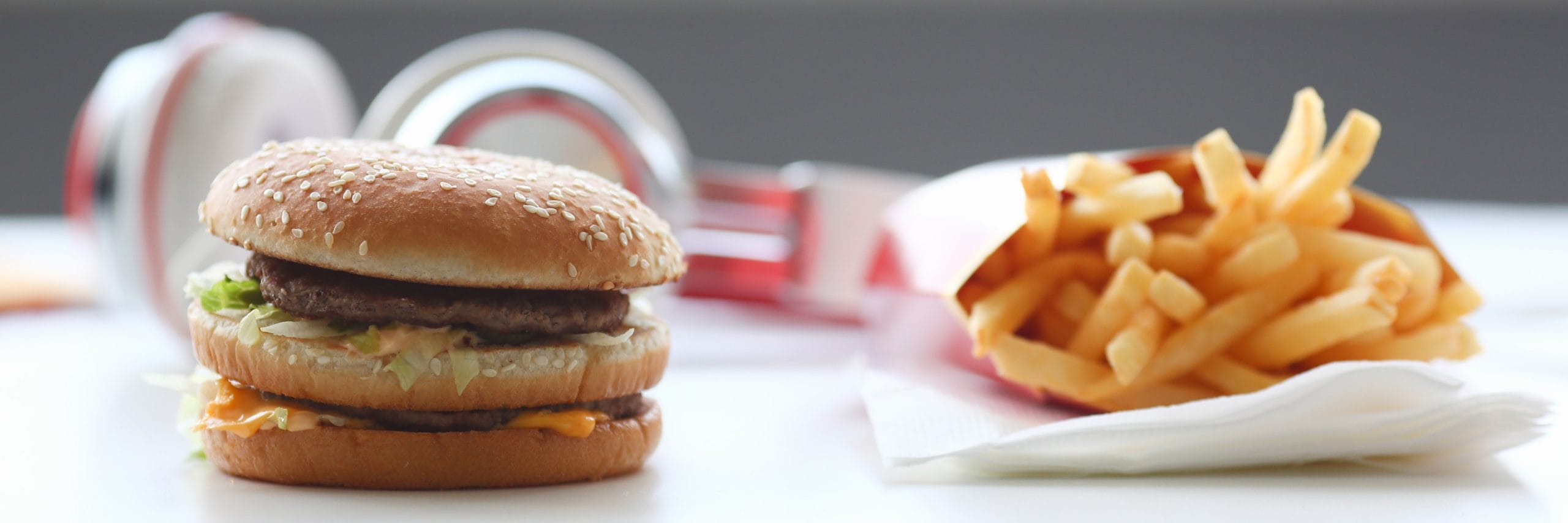
Hamburger and Fries

Image Source: 123rf.com

If you’ve noticed that your favorite fast-food meal feels a little smaller but the price has gone up, you’re not imagining things. Fast-food chains across the country are quietly reducing portion sizes while simultaneously raising prices, a tactic commonly known as shrinkflation. While many blame inflation for these changes, the reality is far more complex. Fast-food companies are using a combination of economic pressures, corporate strategies, and consumer psychology to justify charging you more for less food. Here’s what’s really behind this growing trend.

Inflation Is Only Part of the Story

Inflation has undoubtedly played a role in rising fast-food prices, but it doesn’t explain why portions are shrinking at the same time. The cost of ingredients, labor, and transportation has increased in recent years, forcing fast-food chains to find ways to maintain their profit margins. However, rather than simply raising prices, many companies are quietly reducing portion sizes to offset costs without shocking consumers with drastic price hikes.

The problem is that while inflation may cause temporary price increases, portion reductions often become permanent. Once a company realizes it can sell smaller items at higher prices without significant backlash, it rarely reverses the change. This means that even if inflation stabilizes, your favorite menu items may never return to their previous sizes.

Fast-Food Chains Know You Won’t Notice Right Away

One of the biggest reasons fast-food companies get away with shrinkflation is that most customers don’t notice it immediately. Unlike grocery store products, where packaging changes can make shrinkflation obvious, fast-food portion sizes are harder to track. If your burger is slightly smaller or your fries have a few fewer pieces, you’re unlikely to measure it or compare it to last year’s version.

Companies rely on this subtlety to minimize consumer outrage. By making gradual reductions over time, they ensure that the change feels less drastic. A burger that loses 10% of its weight over the course of a few years may not seem noticeable, but when compared to its original size a decade ago, the difference is significant.

Rising Labor Costs Are Eating Into Profits

Labor costs have been rising due to increasing minimum wage laws, employee benefits, and a competitive job market. Fast-food chains are under pressure to pay their workers more, but instead of absorbing the costs, they pass them onto consumers.

Rather than raising prices dramatically, many companies choose to shrink portion sizes while maintaining or slightly increasing menu prices. This allows them to offset labor costs without appearing to charge significantly more. At the same time, reducing portion sizes speeds up service since smaller portions mean faster preparation and lower ingredient usage, making operations more efficient.

Food Costs Are Increasing, and Fast-Food Chains Are Cutting Corners

Global supply chain disruptions, climate change, and transportation costs have made ingredients more expensive. Meat, dairy, wheat, and cooking oils have all seen price increases, which directly impact fast-food chains that rely on these staples. Instead of simply raising menu prices, companies are finding ways to use less food per serving while maintaining their profits.

Some chains have also started using lower-quality ingredients as a cost-saving measure. You may have noticed thinner burger patties, more fillers in ground meat, or smaller slices of cheese. These changes allow companies to stretch their ingredients further without making drastic price adjustments that might scare off customers.

Psychological Pricing Tricks Make Shrinkflation Less Obvious

Psychological Pricing Tricks

Image Source: 123rf.com

Fast-food chains are experts at using consumer psychology to their advantage. Instead of outright removing menu items or drastically raising prices, they make strategic changes that make customers feel like they’re still getting a good deal.

One common tactic is keeping the price the same but shrinking the portion size. For example, a chain might keep a combo meal at $8.99 but reduce the size of the burger patty by 10% and cut the number of fries by a few pieces. Most customers won’t notice the difference right away, but over time, they end up paying more for less food.

Another trick is introducing new, more expensive sizes while phasing out older, more affordable options. A chain might introduce a “jumbo” size at a higher price point while making the regular size slightly smaller. Over time, customers get used to the new sizes and are nudged toward paying more for the “better deal.”

Loyalty Programs and Digital Ordering Hide the True Cost of Shrinkflation

Fast-food companies have also found a way to make price increases and portion reductions less noticeable through digital ordering and loyalty programs. When customers order through apps, they are more likely to accept price increases and less likely to compare sizes.

Loyalty programs also play a role in masking shrinkflation. When customers receive points or discounts, they feel like they’re getting a deal, even if menu prices and portion sizes have changed. This helps companies maintain customer satisfaction while continuing to increase profits.

Limited-Time Offers Distract Consumers from Permanent Changes

Another way fast-food chains distract from shrinking portions and rising prices is through limited-time menu items. When a restaurant introduces a new burger, special fries, or a seasonal shake, customers focus on trying the new item rather than noticing that regular menu items have changed.

These promotions create excitement and bring in traffic, allowing companies to gradually reduce portion sizes on staple items without drawing attention. Once customers are distracted by new flavors and special deals, they are less likely to scrutinize how much their go-to meal has shrunk.

Fast-Food Shrinkflation Is Here to Stay

Unfortunately, once fast-food chains implement shrinkflation, they rarely reverse the changes. If customers continue to accept smaller portions at higher prices, there is little incentive for companies to return to previous serving sizes. Instead, they will continue finding creative ways to maximize profits while making shrinkflation less noticeable.

For consumers, the best way to fight back is by being aware of these tactics and adjusting purchasing habits accordingly. Comparing portion sizes over time, choosing to eat at places that offer better value, and questioning price increases can help push back against this trend. If enough customers demand transparency and better portion sizes, fast-food companies may be forced to rethink their strategies.

Have you ever got frustrated with the size of the meal you got from a fast-food restaurant? Was the cost more than you expecting? Let us know in the comments.

Read More:

Forever Food: 12 Food Items That Never Expire

Kids Eat Free At These 14 Restaurants: A Guide for Family Dining on a Budget

Latrice Perez

Latrice is a dedicated professional with a rich background in social work, complemented by an Associate Degree in the field. Her journey has been uniquely shaped by the rewarding experience of being a stay-at-home mom to her two children, aged 13 and 5. This role has not only been a testament to her commitment to family but has also provided her with invaluable life lessons and insights.

As a mother, Latrice has embraced the opportunity to educate her children on essential life skills, with a special focus on financial literacy, the nuances of life, and the importance of inner peace.

Filed Under: Smart Spending Tagged With: consumer psychology, dining trends, fast-food portion sizes, fast-food prices, food industry tricks, food inflation, price hikes, restaurant industry, rising food costs, shrinkflation

  • « Previous Page
  • 1
  • 2
  • 3

FOLLOW US

Search this site:

Recent Posts

  • Can My Savings Account Affect My Financial Aid? by Tamila McDonald
  • 12 Ways Gen X’s Views Clash with Millennials… by Tamila McDonald
  • What Advantages and Disadvantages Are There To… by Jacob Sensiba
  • 10 Tactics for Building an Emergency Fund from Scratch by Vanessa Bermudez
  • Call 911: Go To the Emergency Room Immediately If… by Stephen Kanaval
  • 7 Weird Things You Can Sell Online by Tamila McDonald
  • 10 Scary Facts About DriveTime by Tamila McDonald

Copyright © 2026 · News Pro Theme on Genesis Framework