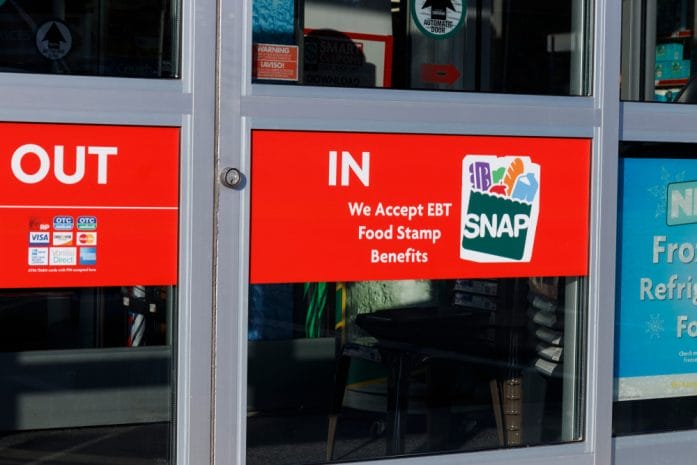
A sudden drop in SNAP benefits doesn’t just sting—it disrupts meals, routines, and a sense of stability all at once. When the numbers shrink without warning, grocery lists tighten and stress levels climb fast. April has brought confusion for many households, especially those who rely on consistent food support to stay afloat. While benefit adjustments happen for several reasons, that doesn’t mean every reduction is correct or should go unchallenged.
There is a powerful but often overlooked tool built directly into SNAP rules: the medical expense deduction. It’s not flashy, and it’s not widely discussed, but for eligible households it can significantly increase monthly benefits. Many people miss out simply because they don’t know it exists or assume the process is too complicated.
When SNAP Shrinks: Why Benefits Suddenly Drop and What That Really Means
SNAP benefits don’t change randomly, even if it feels that way. Agencies adjust benefit amounts based on income, household size, rent or shelter costs, and allowable deductions. A small change in any of these categories can trigger a noticeable reduction. A raise at work, a shift in rent, or the end of a temporary adjustment can all move the numbers quickly. Sometimes missing paperwork or delayed reporting triggers automatic recalculations that cut benefits without much warning.
Medical costs play a bigger role than many people realize, especially for older adults or individuals with disabilities. SNAP rules allow certain households to deduct verified out‑of‑pocket medical expenses from their income. When these expenses go unreported, the system assumes more disposable income exists than is actually available. That leads to lower benefits, even when grocery costs keep climbing. Understanding this connection opens the door to correcting the situation instead of accepting the reduction as final.
The medical expense deduction steps in at this exact intersection of health and food access. It allows eligible households to count certain medical costs—doctor visits, prescriptions, medical equipment, transportation to appointments, and more—when calculating SNAP benefits. These deductions can significantly increase monthly support for those who qualify. The key is knowing who qualifies and how to document expenses correctly.
The Medical Expense Deduction: A Lifeline Many Households Overlook
The medical expense deduction isn’t a special waiver or a loophole. It’s a long‑standing SNAP rule designed to help elderly or disabled household members whose medical costs reduce their ability to afford food. When these expenses exceed $35 per month and are properly documented, they can be deducted from household income. Lower income means higher SNAP benefits.
This deduction does not apply to everyone. It is specifically for households with at least one elderly or disabled member, and only verified out‑of‑pocket medical expenses count. That includes prescriptions, medical supplies, dental care, eyeglasses, hearing aids, in‑home care, and transportation to medical appointments. It does not include the cost of food, even medically recommended diets. But for households with significant medical bills, the deduction can make a meaningful difference.
Timing matters. If benefits suddenly dropped and medical expenses weren’t included in the calculation, reporting them now can trigger a recalculation. In some cases, benefits can even be adjusted retroactively if the agency made an error or failed to apply deductions that were properly reported. Acting quickly prevents months of lower benefits and unnecessary strain.
How to Request the Medical Expense Deduction Without Getting Stuck
The process starts with gathering documentation. A household must show proof of medical expenses for the elderly or disabled member. That can include receipts, bills, statements from pharmacies, or documentation from healthcare providers. The more complete the information, the smoother the process becomes.
Once the documents are ready, they must be submitted to the local SNAP office. This can usually be done online, by mail, or in person. After submission, communication becomes essential. Calling to confirm that documents were received and asking about next steps helps prevent delays. Many people assume silence means progress, but checking in often keeps the request moving.
Caseworkers may request additional information or clarification. Responding quickly prevents the application from stalling. If approved, the deduction can increase benefits and may apply retroactively if the agency determines that the household was eligible earlier. Staying organized and persistent turns a complicated process into a manageable one.
Smart Moves That Strengthen Your Case and Protect Your Benefits
A strong request relies on clear, complete documentation. Tracking medical expenses for a month or two can help identify costs that qualify. Keeping receipts, pharmacy printouts, and appointment summaries creates a solid foundation for the deduction.
Working closely with healthcare providers can also help. Asking for clear documentation of medical needs, prescriptions, or ongoing treatments strengthens the case. Providers are often willing to help when asked directly.

After approval, staying proactive matters. Reporting changes in medical expenses, income, or household circumstances ensures benefits remain accurate. Ignoring updates can lead to future reductions or complications that undo the progress made. Keeping the case aligned with real‑life needs protects the stability gained through the deduction.
Turning Knowledge Into Real Food Security
A sudden SNAP reduction doesn’t have to define the next few months or limit what ends up in the grocery cart. The medical expense deduction offers a clear, actionable path to restoring benefits for households that qualify. Taking control of the process, gathering strong documentation, and following through with persistence can transform a stressful situation into a manageable one.
Have you had to deal with SNAP changes before? How did you handle it? We want to hear your stories and insights in the comments below.
You May Also Like…
6 Income Thresholds That Can Trigger Higher Medicare Premiums
From Medicare to Medicaid: Why Billing Glitches Are Causing Unexpected Medical Bills Nationwide
Retirement Healthcare Costs Are Climbing Again — What the Average Couple Now Needs
Alaska’s Eye-Popping Healthcare Costs — Planning for Higher Medical Expenses
Social Security 2026 COLA: Why Your 2.8% Raise Disappeared After Medicare Deductions

Brandon Marcus is a writer who has been sharing the written word since a very young age. His interests include sports, history, pop culture, and so much more. When he isn’t writing, he spends his time jogging, drinking coffee, or attempting to read a long book he may never complete.
.png)
Leave a Reply