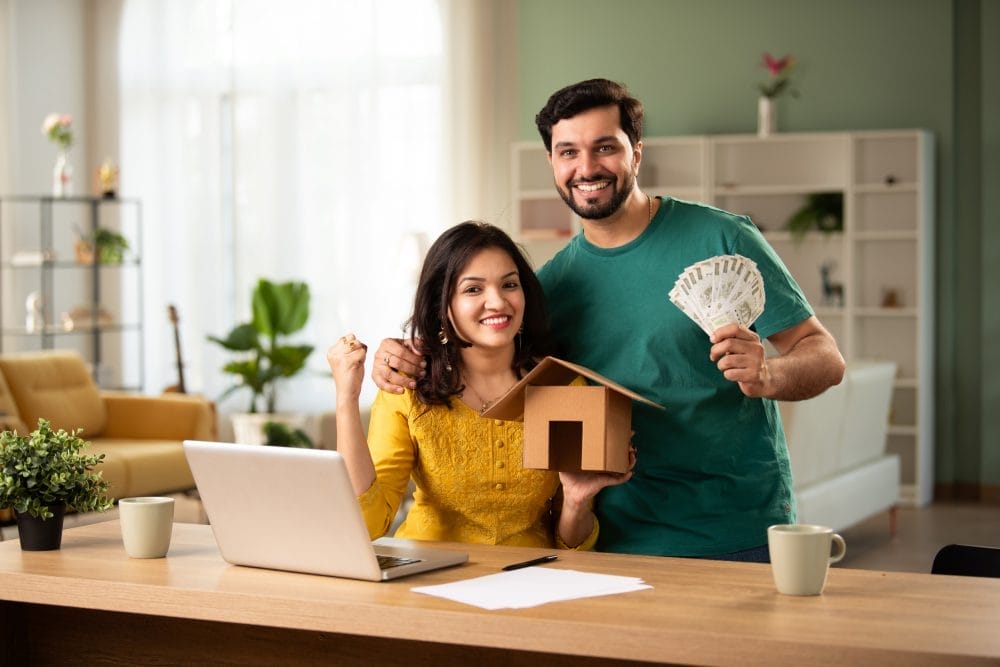
When homeowners decide to sell, many believe their property is worth more than the market says. This tendency to overestimate how much their homes are worth is surprisingly common and often leads to disappointment. Unrealistic expectations can delay sales, complicate negotiations, and even cause sellers to miss out on serious buyers. But why do people consistently value their homes above what appraisers or buyers see? Here are some key reasons behind this widespread financial bias.
1. Emotional Attachment Clouds Judgment
One of the biggest reasons people overestimate how much their homes are worth is emotion. A house is more than walls and floors—it holds years of memories, family milestones, and personal meaning. Homeowners often confuse sentimental value with market value, assuming buyers will see the same worth. Unfortunately, buyers don’t pay extra for nostalgia. Emotional attachment creates a natural blind spot when pricing a property.
2. Overvaluing Renovations and Upgrades
Homeowners who have invested time and money in improvements often expect to get back every dollar spent. While some upgrades boost value, not all yield a strong return on investment. For example, a luxury kitchen remodel may not matter much to buyers who prioritize location or square footage. Sellers often assume that their taste or design choices carry universal appeal. This overconfidence leads them to overestimate how much their homes are worth.
3. Comparing to Neighboring Sales Without Context
Many people look at what a neighbor’s house sold for and assume theirs must be worth the same or more. The problem is that subtle differences—like lot size, condition, or interior finishes—make a huge impact on value. A nearby home may have had features buyers are willing to pay extra for that your home lacks. Without considering these details, sellers inflate their property’s value. Misguided comparisons push many to overestimate how much their homes are worth.
4. Influence of Online Estimates
Websites that provide automated home valuations can give homeowners false confidence. While these tools are convenient, they often use broad data and outdated information. An online estimate might not reflect recent renovations, market slowdowns, or local quirks. Sellers may cling to a number they saw online, even when agents suggest otherwise. This reliance on digital tools encourages many to overestimate how much their homes are worth.
5. Market Optimism and Media Headlines
Housing headlines frequently highlight rising prices and competitive markets. Homeowners exposed to this information may assume their property has skyrocketed in value. Even if local conditions differ, national stories fuel optimism. People often overlook factors like regional demand or seasonal slowdowns that affect real prices. This misplaced optimism is another reason they overestimate how much their homes are worth.
6. Ignoring Property Flaws and Wear
Every home has flaws, but owners are often blind to them. Years of living in a space normalize creaky floors, outdated appliances, or cosmetic issues. What feels minor to the seller may be a deal-breaker for buyers. By overlooking these problems, homeowners set unrealistic price expectations. Failing to recognize flaws leads many to overestimate how much their homes are worth.
7. Pressure From Financial Needs
Sometimes sellers base their asking price on what they “need” rather than what the market will bear. A family hoping to cover debts, fund retirement, or afford their next purchase may set prices too high. Unfortunately, buyers don’t pay based on a seller’s personal financial goals. This mismatch often causes frustration during the selling process. Financial pressure is a subtle but common reason people overestimate how much their homes are worth.
8. Believing Time Always Equals Value
Some homeowners assume that simply holding onto a property for years automatically increases its worth. While time can boost values in growing markets, it doesn’t guarantee returns. Economic downturns, neighborhood changes, or shifting buyer preferences can all lower value. Without recognizing these realities, people expect steady appreciation no matter the circumstances. This assumption leads many to overestimate how much their homes are worth.
9. Misunderstanding Appraisals and Agent Advice
When professionals provide valuations, some homeowners dismiss them as too low. Sellers may suspect agents are undervaluing homes to make a quick sale or believe appraisers overlooked key details. This skepticism prevents them from seeing realistic numbers. As a result, they list homes at inflated prices that don’t attract buyers. Misinterpreting expert input drives many to overestimate how much their homes are worth.
Learning to See Value Clearly
At the end of the day, the market—not sentiment, assumptions, or online estimates—determines a home’s true worth. Sellers who overestimate how much their homes are worth risk longer sales, stressful negotiations, and missed opportunities. By separating emotion from economics and relying on professional guidance, homeowners can price more realistically. Accepting the reality of value allows for smoother transactions and better outcomes. A grounded approach helps both buyers and sellers walk away satisfied.
Have you ever seen someone overestimate how much their homes are worth? Share your experiences and thoughts in the comments below.
What to Read Next…
5 Dangerous Myths About Owning a Home
Could Ignoring HOA Rules Destroy the Value of Your Home
Why Do Families Spend More On Cars Than Homes Over a Lifetime
Could Being House Poor Leave You Broke in Retirement
6 Financial Risks That Appear After Moving in With Someone

Catherine is a tech-savvy writer who has focused on the personal finance space for more than eight years. She has a Bachelor’s in Information Technology and enjoys showcasing how tech can simplify everyday personal finance tasks like budgeting, spending tracking, and planning for the future. Additionally, she’s explored the ins and outs of the world of side hustles and loves to share what she’s learned along the way. When she’s not working, you can find her relaxing at home in the Pacific Northwest with her two cats or enjoying a cup of coffee at her neighborhood cafe.
.png)
Leave a Reply