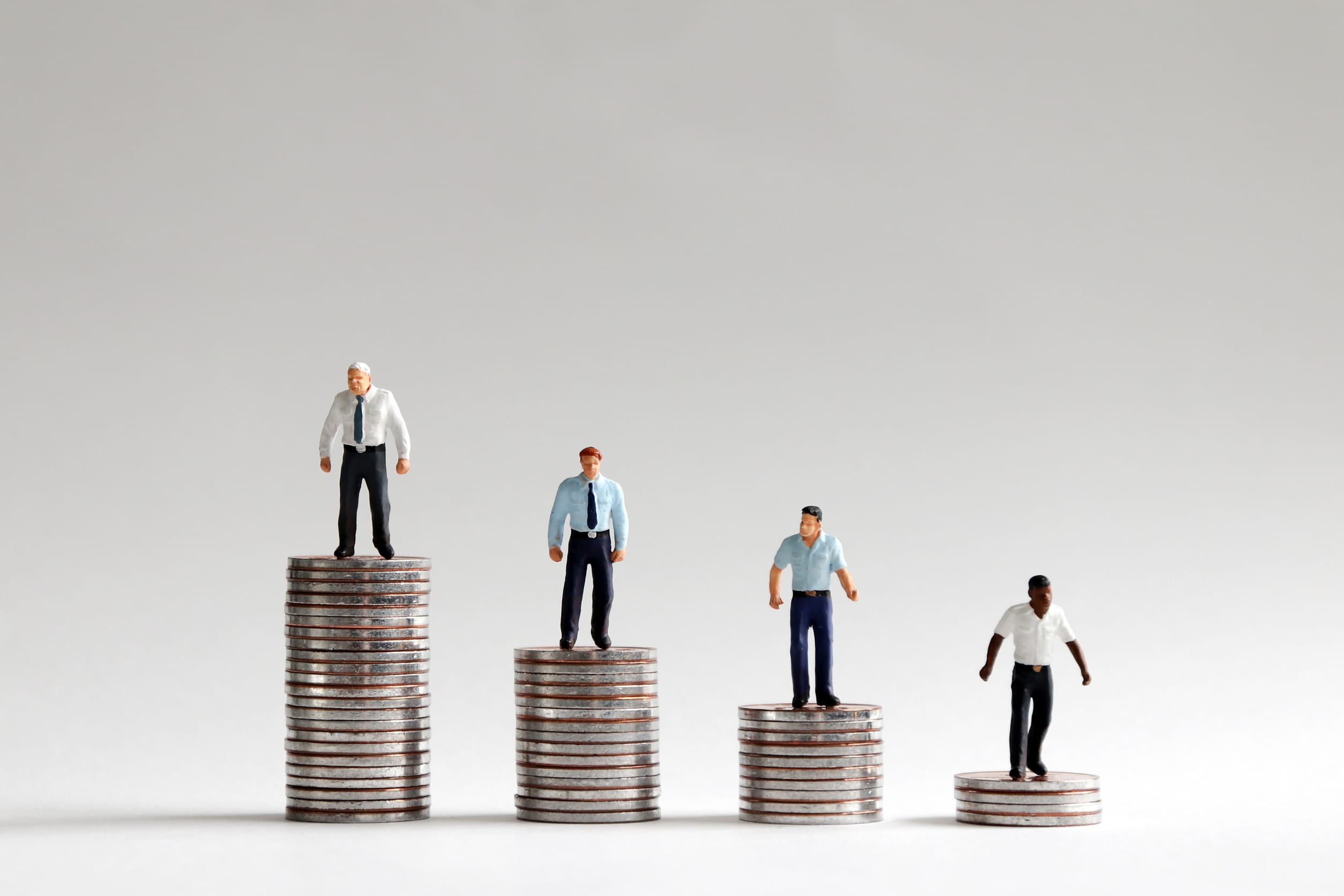
The American middle class, once the backbone of national prosperity, has been steadily eroding for decades. While politicians frequently invoke middle-class values in speeches, concrete policies to strengthen this vital economic segment remain scarce. This article examines why the middle class continues to shrink and why those with political and economic power appear indifferent to its decline—despite the profound implications for our society’s stability and future.
1. The Undeniable Decline of Middle-Class Economic Security
The data paints a troubling picture of middle-class erosion that’s impossible to ignore. According to Pew Research, the percentage of Americans in middle-income households has fallen from 61% in 1971 to just 50% in recent years, representing millions of families facing downward mobility. Rising healthcare, housing, and education costs have far outpaced wage growth, creating a squeeze that forces many families to take on unsustainable debt just to maintain their standard of living. The traditional markers of middle-class success—homeownership, college education, retirement security, and affordable healthcare—have become increasingly difficult to achieve for average Americans. Economic shocks like the 2008 financial crisis and the COVID-19 pandemic have accelerated this decline, wiping out savings and exposing the financial fragility of households once considered economically secure. The resulting anxiety has fueled political polarization and eroded faith in institutions, creating a cycle that further threatens middle-class stability.
2. The Structural Forces Driving Middle-Class Contraction
Globalization has fundamentally reshaped the American economy, eliminating many well-paying manufacturing jobs that once provided middle-class lifestyles without requiring advanced degrees. Technological automation continues to replace routine jobs across sectors, with artificial intelligence now threatening positions previously considered safe from displacement. The decline of labor unions has removed a crucial counterbalance to corporate power, weakening workers’ ability to negotiate for better wages and benefits in an increasingly winner-take-all economy. Tax policies have consistently favored capital over labor, with the wealthy benefiting disproportionately from cuts while the tax burden shifts to wage earners. The financialization of the economy has prioritized short-term profits and shareholder value over long-term investments in workers and communities, fundamentally altering the social contract that once supported middle-class prosperity.
3. The Political System’s Failure to Respond Effectively
Campaign finance dynamics create inherent conflicts of interest, with politicians dependent on wealthy donors who often benefit from policies exacerbating inequality. The revolving door between government and industry ensures that many policymakers have financial incentives to protect the status quo rather than champion middle-class interests. Partisan gridlock prevents meaningful action on issues with broad public support, such as infrastructure investment, affordable childcare, and prescription drug pricing reform. Research shows that policy outcomes correlate strongly with the preferences of economic elites while showing little relationship to the desires of average citizens, suggesting a democracy increasingly responsive only to the affluent. The complexity of economic policy makes it easy for special interests to obscure the real impacts of legislation, allowing politicians to claim they’re helping the middle class while actually serving other constituencies.
4. The Media and Cultural Narratives That Mask the Crisis
Mainstream economic reporting often focuses on stock market performance and GDP growth rather than metrics that reflect middle-class well-being, like wage growth, household debt, or economic mobility. Success stories of exceptional individuals who overcome economic obstacles reinforce the myth that systemic problems can be solved through personal responsibility alone. The fragmentation of media has created information bubbles that prevent a shared understanding of economic challenges, with different segments of society receiving entirely different narratives about the causes of middle-class decline. Advertising and consumer culture promote aspirational spending that encourages middle-class families to emulate the lifestyles of the wealthy, often at the expense of financial security. The normalization of economic precarity has led many to accept declining prospects as inevitable rather than the result of specific policy choices that could be reversed.
5. The Path Forward: Reclaiming Middle-Class Prosperity
Rebuilding the middle class requires acknowledging that its decline results from policy choices, not immutable economic laws or technological determinism. Investments in public goods like education, healthcare, and infrastructure create the foundation for broadly shared prosperity while reducing the financial burdens that crush middle-class budgets. Progressive tax reform could generate revenue for these investments while reducing inequality and ensuring that economic growth benefits everyone, not just those at the top. Strengthening labor protections, including the right to organize, would help restore worker bargaining power and ensure that productivity gains translate to higher wages rather than just higher profits. Citizen engagement and electoral reform are essential to overcome the political obstacles that have prevented meaningful action, creating the pressure needed for politicians to prioritize middle-class interests over those of wealthy donors.
The Choice We Face: Renewal or Continued Decline
The erosion of the middle class isn’t just an economic problem—it threatens the very foundation of American democracy and social cohesion. When economic opportunity narrows and mobility stalls, the social contract frays and political extremism flourishes in the vacuum left by broken promises. The concentration of wealth and power creates self-reinforcing cycles that make reform increasingly difficult, requiring greater political will to overcome entrenched interests. Despite these challenges, historical precedent shows that determined citizen action can produce dramatic economic reforms, as demonstrated during the Progressive Era and New Deal. The question isn’t whether we can rebuild the middle class but whether we have the collective will to demand the necessary policies. The future of American prosperity depends on our answer.
Have you noticed the effects of middle-class decline in your own life or community? What policies do you think would make the most significant difference in reversing this trend? Share your thoughts in the comments below.
Read More
7 Wealth-Killing Habits That Keep People Stuck in the Middle Class
13 Amusement Parks the Middle Class Can No Longer Afford

Travis Campbell is a digital marketer/developer with over 10 years of experience and a writer for over 6 years. He holds a degree in E-commerce and likes to share life advice he’s learned over the years. Travis loves spending time on the golf course or at the gym when he’s not working.