• Home
  • About Us
  • Toolkit
  • Getting Finances Done
    • Hiring Advisors
    • Debt Management
    • Spending Plan
  • Insurance
    • Life Insurance
    • Health Insurance
    • Disability Insurance
    • Homeowners/Renters Insurance
  • Contact Us
  • Privacy Policy
  • Risk Tolerance Quiz

The Free Financial Advisor

You are here: Home / Archives for intermittent fasting

6 Great Health Reasons To Stop Eating After 4pm

April 23, 2025 by Travis Campbell Leave a Comment

eating healthy

Image Source: pixabay.com

Are you struggling with weight management, poor sleep, or digestive issues? The solution might be simpler than you think. Limiting your eating window and stopping food consumption after 4 p.m. could transform your health in surprising ways. This approach, sometimes called early time-restricted feeding, aligns your eating patterns with your body’s natural circadian rhythms. Research increasingly shows that when you eat can be just as important as what you eat, making this simple lifestyle adjustment potentially powerful for your overall well-being.

1. Improved Digestive Function

When you stop eating earlier in the day, you give your digestive system adequate time to process food before lying down. This extended fasting period allows your gut to complete its work efficiently and then rest.

The digestive tract works optimally when we’re upright and active—eating late forces your body to digest food while horizontal during sleep, leading to acid reflux, bloating, and discomfort. According to a study in the American Journal of Gastroenterology, participants who stopped eating at least three hours before bedtime experienced significantly fewer digestive disturbances and reported better overall gut health.

This extended digestive break also promotes a healthier gut microbiome, which influences everything from immune function to mental health.

2. Enhanced Sleep Quality

Eating after 4 pm, particularly heavy meals close to bedtime, can seriously disrupt your sleep patterns. When your body is busy digesting food, it struggles to enter the deeper, more restorative stages of sleep.

Research from the Sleep Foundation shows that late-night eating increases body temperature and metabolic rate, physiological changes that interfere with the natural drop in temperature needed for quality sleep. Stopping food consumption earlier allows your body temperature to decrease naturally, promoting easier sleep onset and better sleep maintenance.

Better sleep doesn’t just mean feeling more rested—it cascades into improved mood, sharper cognitive function, and stronger immune response the following day.

3. Weight Management Benefits

Stopping eating after 4 pm creates a natural calorie restriction without the stress of traditional dieting. This approach effectively extends your overnight fasting period, which can trigger metabolic benefits.

A study found that time-restricted eating, even without changing food choices, led to significant weight loss and reduced fat mass. The researchers noted that early time-restricted feeding was particularly effective, with participants who finished eating earlier in the day burning more fat and experiencing less hunger.

This eating pattern also helps regulate hunger hormones like ghrelin and leptin, potentially reducing nighttime cravings that often lead to mindless snacking on processed, high-calorie foods.

4. Reduced Inflammation

Chronic inflammation underlies many modern diseases, from diabetes to heart disease. Stopping eating after 4 pm may help combat this silent threat.

When you eat late, especially carbohydrate-rich foods, your body experiences prolonged elevated blood sugar and insulin levels. These fluctuations can trigger inflammatory responses throughout your system. By contrast, the extended fasting period created by early cutoff times allows inflammation markers to decrease.

Research from the University of Alabama at Birmingham found that early time-restricted feeding reduced oxidative stress and inflammatory markers even when participants ate identical foods to control groups. This reduction in inflammation can translate to decreased disease risk and improved overall health.

5. Better Blood Sugar Control

The 4 p.m. cutoff offers significant advantages for those concerned about diabetes risk or managing existing blood sugar issues. At nighttime, our insulin sensitivity naturally decreases, making late meals particularly problematic for glucose metabolism.

When you consume your last meal by 4 p.m., your body processes carbohydrates during its most insulin-sensitive hours. This timing helps prevent dangerous blood sugar spikes that contribute to insulin resistance.

A study in Diabetes Care demonstrated that participants who ate their largest meal earlier in the day showed improved glycemic control compared to those who ate identical calories later. For the 34 million Americans with diabetes and the 88 million with prediabetes, this simple timing shift could be a powerful management tool.

6. Improved Heart Health

Cardiovascular benefits represent another compelling reason to adopt the 4 p.m. cutoff. Late-night eating has been associated with higher blood pressure and cholesterol levels, two major risk factors for heart disease.

When you stop eating earlier, your body experiences longer periods of lowered insulin, which helps naturally reduce blood pressure. The extended fasting period also promotes autophagy, a cellular cleaning process that helps remove damaged cells and proteins from blood vessel walls.

Research published in the Journal of the American Heart Association found that participants who consumed most of their calories earlier in the day had significantly lower risk factors for cardiovascular disease, including better lipid profiles and lower inflammatory markers.

The Circadian Advantage: Working With Your Body’s Natural Rhythms

Adopting a 4 pm cutoff aligns your eating with your body’s innate circadian rhythms. Our bodies evolved with clear daytime feeding and nighttime fasting patterns. Modern life has disrupted these natural cycles, but we can reclaim them.

Your digestive enzymes, metabolic rate, and hormone production all follow circadian patterns optimized for daytime eating. By stopping food consumption at 4 pm, you’re essentially returning to the eating pattern your body was designed for, allowing all systems to function optimally.

This approach doesn’t require special foods or supplements—just a simple shift in timing that honors your body’s natural biological programming. The result is often a profound improvement across multiple health markers without the struggle of complex diet plans.

Have you tried limiting your eating window or stopping meals after a certain time? What changes did you notice in your sleep, energy levels, or overall health? Share your experience in the comments below!

Read More

10 Better Ways to Lose Weight Than Ozempic

Live Longer Starting Today: 13 Practical Tips

Travis Campbell
Travis Campbell

Travis Campbell is a digital marketer/developer with over 10 years of experience and a writer for over 6 years. He holds a degree in E-commerce and likes to share life advice he’s learned over the years. Travis loves spending time on the golf course or at the gym when he’s not working.

Filed Under: Health & Wellness Tagged With: circadian rhythms, digestive health, intermittent fasting, sleep improvement, time-restricted eating, weight management

10 Better Ways to Lose Weight Than Ozempic

March 28, 2025 by Latrice Perez Leave a Comment

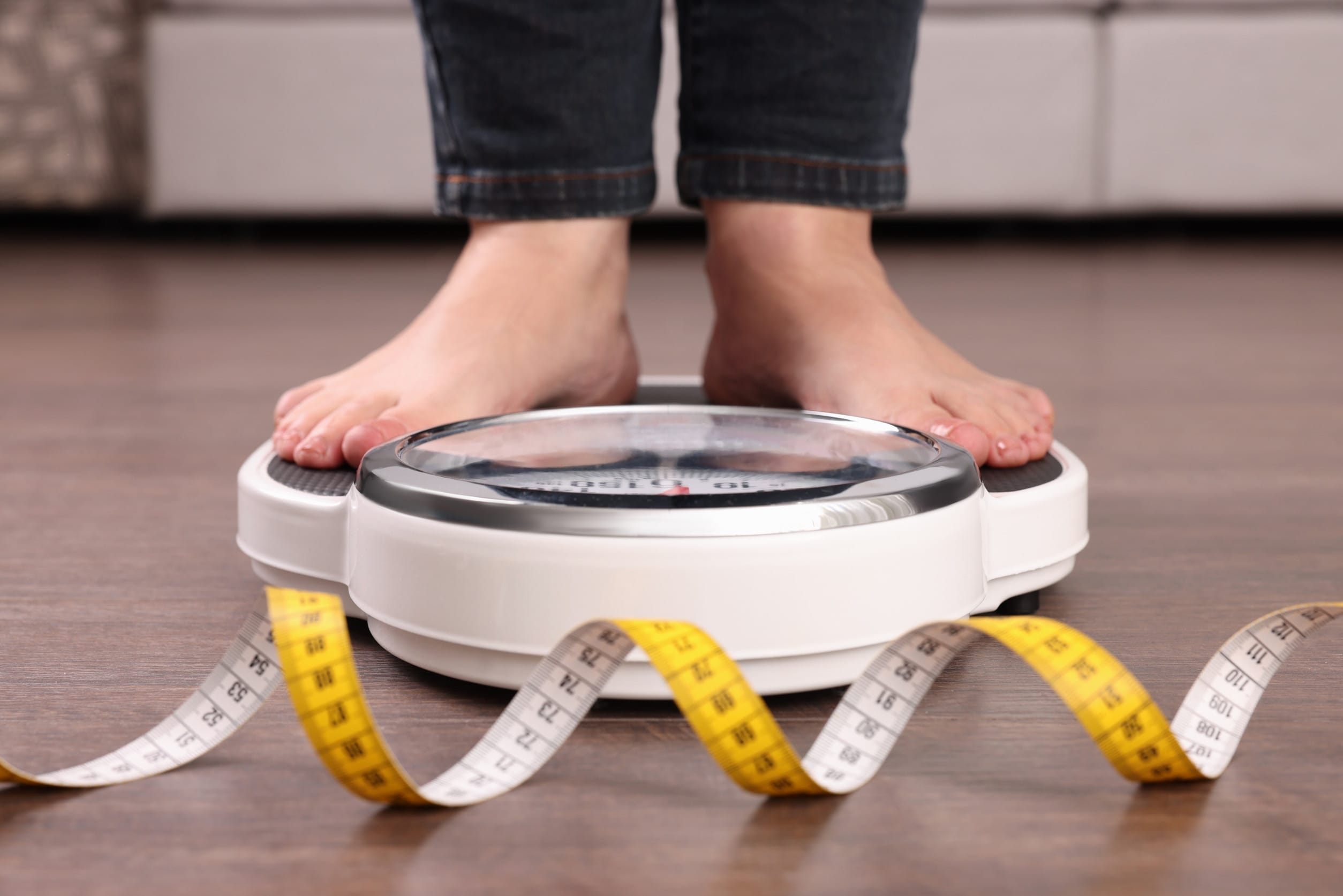
Woman using a scale

Image Source: 123rf.com

While Ozempic has recently gained popularity as a weight loss medication, relying solely on pharmaceuticals isn’t the best long-term strategy for everyone. Sustainable weight loss often comes from holistic lifestyle changes that address diet, exercise, and overall well-being. In this article, we’ll explore ten natural methods to shed pounds and improve health without resorting to a quick fix.

1. Adopt a Plant-Based Diet

Transitioning to a plant-based diet can significantly impact weight loss efforts. Foods like fruits, vegetables, whole grains, and legumes are naturally lower in calories and rich in fiber, which helps you feel full longer. This diet supports better digestion and can lead to lasting improvements in energy levels and overall health. Over time, these benefits contribute to sustainable weight management.

2. Practice Intermittent Fasting

Intermittent fasting (IF) is an eating pattern that alternates between periods of eating and fasting. Methods such as the 16/8 approach can help reduce overall calorie intake and improve metabolic health. By limiting your eating window, you may find it easier to manage portion sizes and avoid late-night snacking. Many people have found success with IF as part of a broader healthy lifestyle.

3. Monitor Portion Sizes

Even the healthiest foods can contribute to weight gain if consumed in excessive amounts. Paying close attention to portion sizes helps control calorie intake. Using smaller plates, measuring servings, and being mindful during meals can prevent overeating. This simple strategy can have a significant impact on weight loss over time.

4. Increase Physical Activity

Regular exercise is a cornerstone of weight loss and overall health. A mix of cardiovascular exercises and strength training can boost metabolism, burn fat, and build muscle. Activities like walking, cycling, and swimming are accessible ways to increase your daily calorie burn. Consistency in your workout routine is key to achieving and maintaining weight loss.

5. Prioritize Sleep and Stress Management

Man sleeping in bed.

Image Source: 123rf.com

Quality sleep and effective stress management are critical for weight control. Lack of sleep and chronic stress can disrupt hormones that regulate hunger and satiety, leading to overeating. Aim for 7-9 hours of sleep per night and consider stress-reduction techniques such as meditation, yoga, or deep breathing exercises. These practices can improve overall well-being and support weight loss efforts.

6. Limit Sugars and Refined Carbs

Reducing the intake of added sugars and refined carbohydrates helps stabilize blood sugar levels and curbs cravings. Whole, unprocessed foods provide sustained energy without the spikes and crashes associated with sugary foods. Cutting back on sweets, soft drinks, and processed snacks is an essential step toward healthier eating habits. This change can contribute significantly to a calorie deficit over time.

7. Stay Hydrated

Proper hydration is vital for overall health and can aid in weight loss. Drinking water throughout the day helps control hunger and supports metabolic functions. Sometimes thirst is mistaken for hunger, leading to unnecessary snacking. Make water your primary beverage to maintain optimal hydration and assist your body in burning calories more efficiently.

8. Embrace Mindful Eating

Young woman eating healthy food sitting in the beautiful interior with green flowers on the background

Image Source: 123rf.com

Mindful eating involves paying close attention to the taste, texture, and aroma of your food, as well as your body’s signals of hunger and fullness. This practice encourages you to slow down and enjoy your meals, reducing the likelihood of overeating. Avoid distractions during meals, such as TV or smartphones, and focus on the experience of eating. Mindfulness can transform your relationship with food and contribute to better long-term habits.

9. Seek Professional Guidance

If you’re struggling to lose weight on your own, consulting a registered dietitian or nutritionist can provide personalized strategies. Professional guidance ensures that your diet and exercise plans are tailored to your unique needs and lifestyle. A qualified expert can help you navigate challenges and adjust your approach as necessary. This support can be invaluable on your journey to sustainable weight loss.

10. Explore Alternative Medical Options

For some, traditional lifestyle changes may not yield the desired results, and alternative medical interventions might be appropriate. Options such as bariatric surgery or other prescription medications can be considered when recommended by a healthcare provider. However, these are typically best used in conjunction with a healthy diet and regular exercise. A holistic approach that combines medical intervention with lifestyle modifications tends to be the most effective for long-term success.

Achieving Sustainable Weight Loss

While Ozempic offers a pharmaceutical route to weight loss, the real key to sustainable change lies in a balanced lifestyle. Combining dietary improvements, physical activity, and stress management provides a comprehensive approach to health. Each small step contributes to long-term progress and overall well-being. A commitment to these natural strategies can lead to lasting results far beyond what a single medication might offer.

What natural strategies have helped you achieve weight loss? Do you have tips for maintaining a balanced lifestyle without relying on medications? Share your experiences and insights in the comments below to inspire others on their journey to better health.

Read More:

13 Reasons Why Some People Can Eat Whatever They Want and Not Gain Weight

8 Challenges We All Face By The Time We Turn 50

Latrice Perez

Latrice is a dedicated professional with a rich background in social work, complemented by an Associate Degree in the field. Her journey has been uniquely shaped by the rewarding experience of being a stay-at-home mom to her two children, aged 13 and 5. This role has not only been a testament to her commitment to family but has also provided her with invaluable life lessons and insights.

As a mother, Latrice has embraced the opportunity to educate her children on essential life skills, with a special focus on financial literacy, the nuances of life, and the importance of inner peace.

Filed Under: Health & Wellness Tagged With: healthy lifestyle, intermittent fasting, mindful eating, plant-based diet, stress management, weight loss

FOLLOW US

Search this site:

Recent Posts

  • Can My Savings Account Affect My Financial Aid? by Tamila McDonald
  • 12 Ways Gen X’s Views Clash with Millennials… by Tamila McDonald
  • What Advantages and Disadvantages Are There To… by Jacob Sensiba
  • 10 Tactics for Building an Emergency Fund from Scratch by Vanessa Bermudez
  • Call 911: Go To the Emergency Room Immediately If… by Stephen Kanaval
  • 7 Weird Things You Can Sell Online by Tamila McDonald
  • 10 Scary Facts About DriveTime by Tamila McDonald

Copyright © 2026 · News Pro Theme on Genesis Framework